Lemurs may look like playful tree-dwellers, but scientists believe they could hold vital clues about ageing.

Their unusual biology, long lifespans compared to similar species, and resilience in tough conditions make them fascinating subjects in the search for slowing human ageing. While there’s still a lot of research to be done in this area and many questions that have yet to be answered, here are a few reasons scientists are excited by the topic.
1. Lemurs live longer than expected.
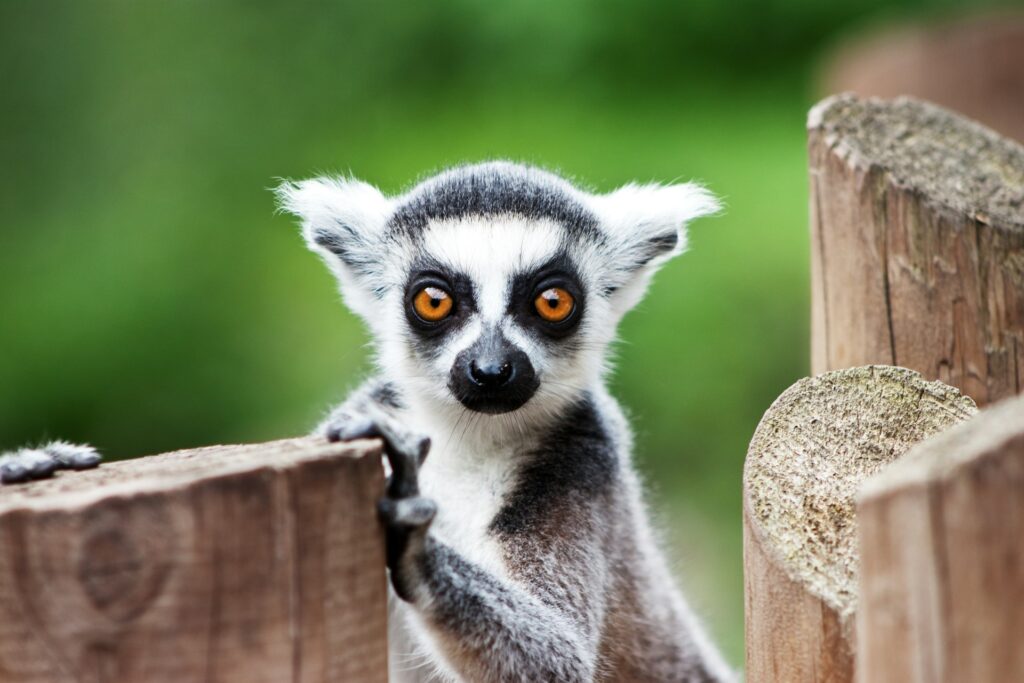
For their size, lemurs live surprisingly long lives. Some species can reach over 30 years in captivity, which is unusual for primates of their body weight. This extended lifespan makes them stand out when studying how ageing works. Researchers are interested in why their bodies resist decline for so long. If the factors behind their longevity are identified, they could point towards mechanisms that also apply to human ageing.
2. Their ageing is slower and uneven.
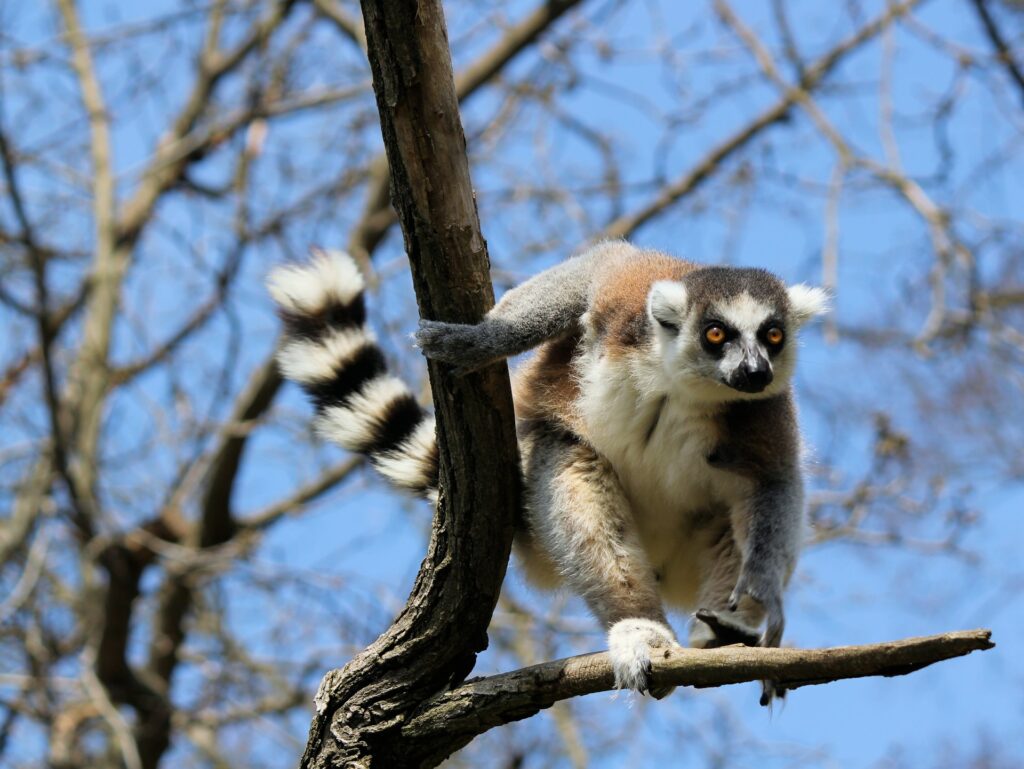
Lemurs don’t age in the same predictable way humans do. Some species show slower physical decline and maintain strength or fertility later in life. Their irregular ageing offers clues about why some systems resist breakdown better than others. Studying these differences can reveal which biological processes delay decline. If scientists understand how lemurs age unevenly, it could inspire new approaches to maintaining human health for longer.
3. They share primate biology with us.
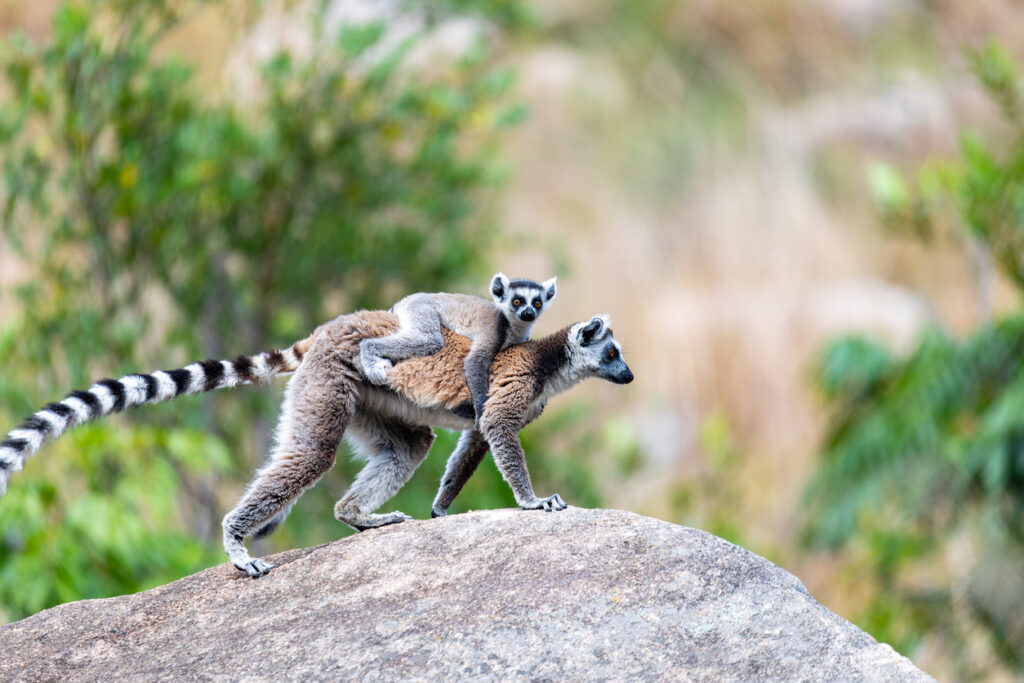
Lemurs may not be as close to us as chimpanzees, but they’re still primates. This means they share important biological similarities with humans, making their ageing patterns far more relevant than those of distant animals. By comparing lemur biology to ours, researchers can pinpoint which features are universal among primates. These shared traits could be key in identifying what slows or accelerates ageing in humans.
4. Seasonal living shapes their bodies.
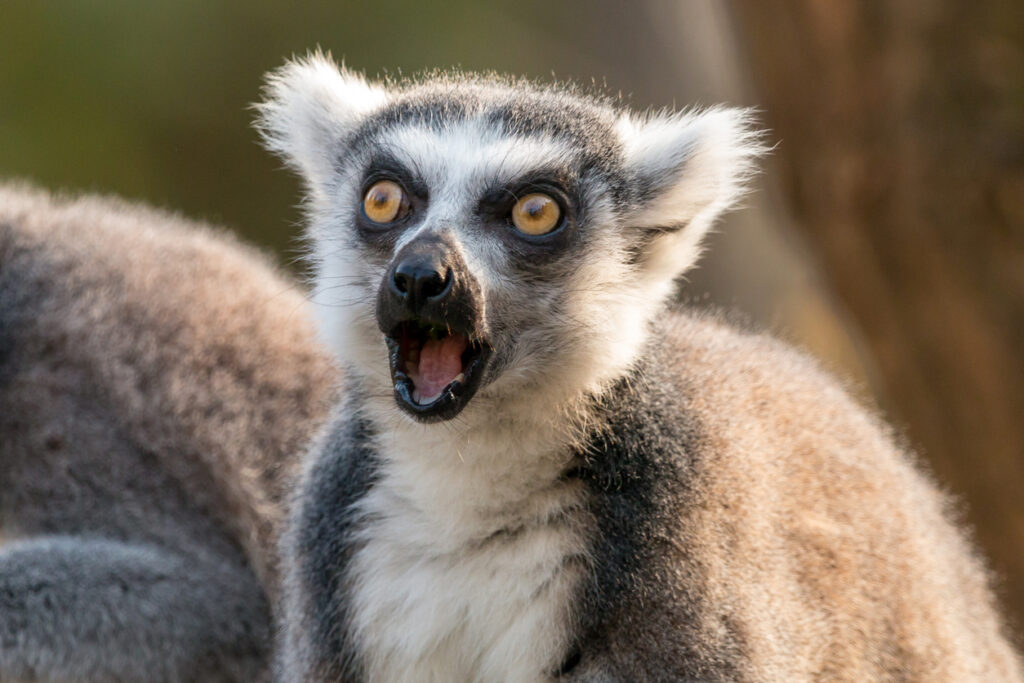
Lemurs adapt to Madagascar’s harsh seasons by slowing their metabolism during scarce times. This flexibility helps them conserve energy and survive difficult conditions without major health damage, which is unusual for mammals of their size. Understanding how they protect their bodies under stress could translate into insights for humans. If we can learn how their systems avoid long-term harm, it may help develop ways to reduce age-related damage in us.
5. Hibernation-like states offer clues.
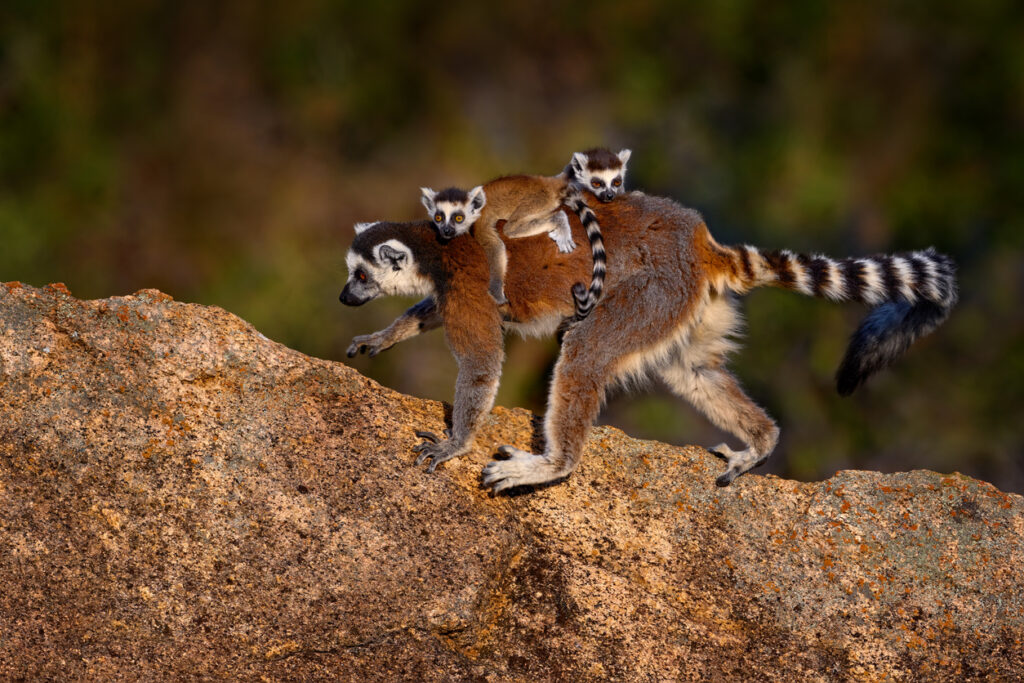
Some lemurs enter torpor, a state similar to hibernation, to conserve energy. Their bodies slow down dramatically, yet they emerge healthy and active once conditions improve, without the complications humans would face after long inactivity.
This ability fascinates scientists because it shows how resilience can be built into biology. Unlocking the mechanisms behind it could lead to breakthroughs in preserving muscle, organ health, and even slowing ageing processes in people.
6. They resist age-related diseases.
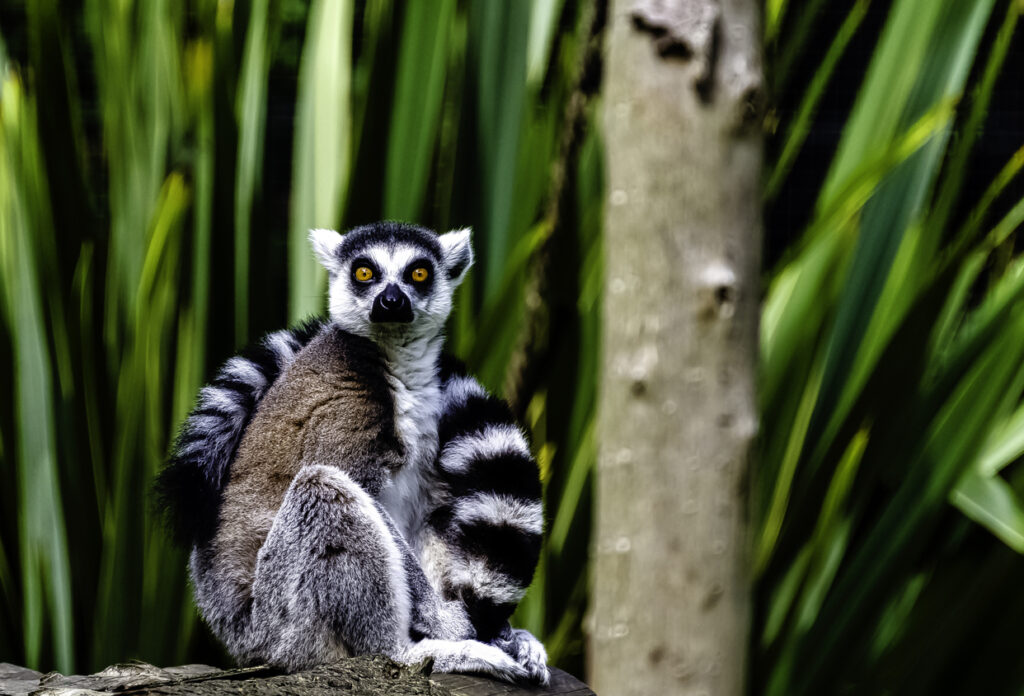
Lemurs show lower rates of age-related illnesses like diabetes or heart disease compared to other mammals. This resistance makes them valuable models for understanding why some bodies withstand disease better than others in the long run. If researchers can isolate the factors protecting lemurs, these could inform new preventative treatments for humans. The goal wouldn’t just be living longer but living healthier for more years.
7. Their genetics hold vital information.
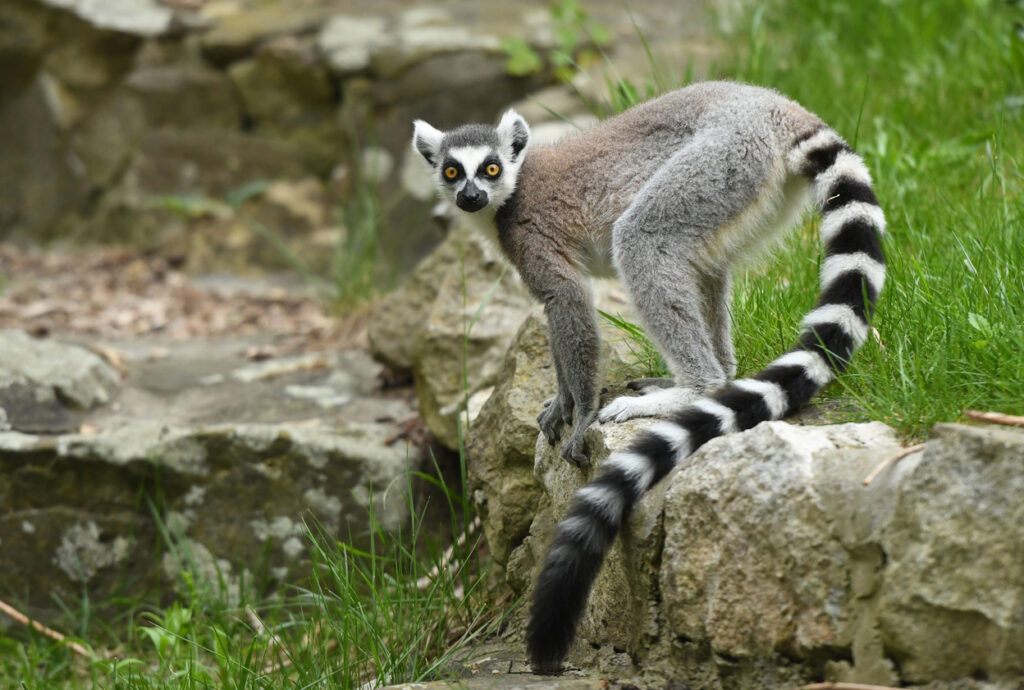
Lemur DNA reveals variations linked to ageing, immunity, and resilience. Because they’re genetically distinct from other primates, they provide fresh comparisons that highlight which genes are crucial in delaying decline. Exploring these differences helps scientists identify genetic pathways humans might share. With this knowledge, therapies could eventually target the same mechanisms in us to slow down the pace of ageing.
8. Female fertility lasts longer.
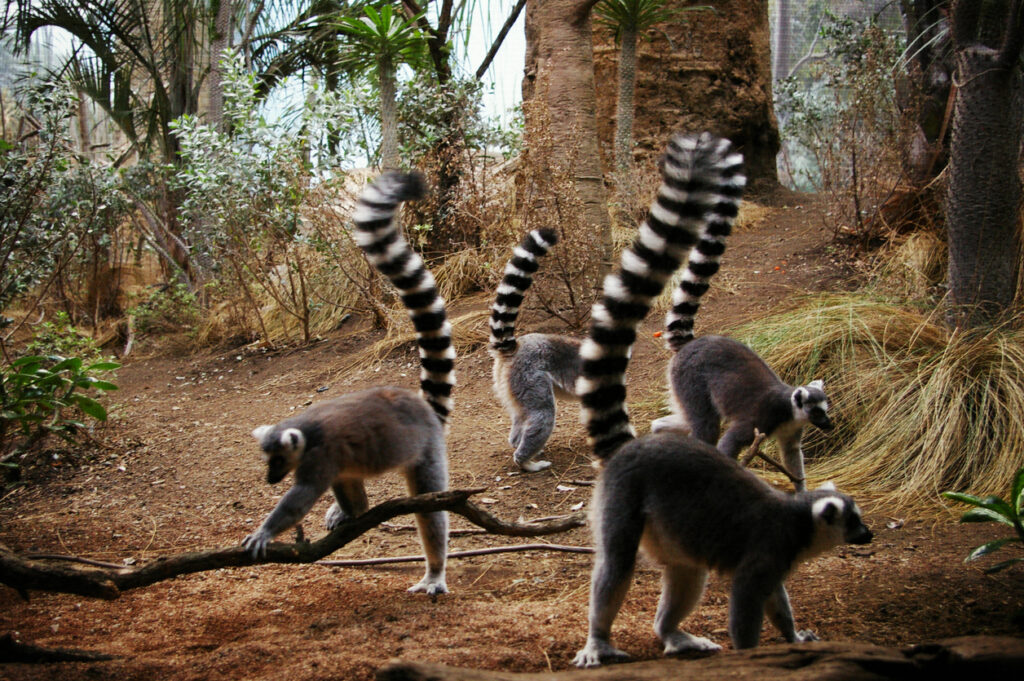
In several lemur species, females remain fertile later in life than expected. This is unusual compared to many mammals, where fertility drops steeply with age, and it raises questions about how their reproductive systems resist decline. Studying this could reveal biological strategies for extending reproductive health. For humans, it might one day help address age-related fertility issues and broaden understanding of how ageing affects the body differently by sex.
9. Social bonds influence longevity.
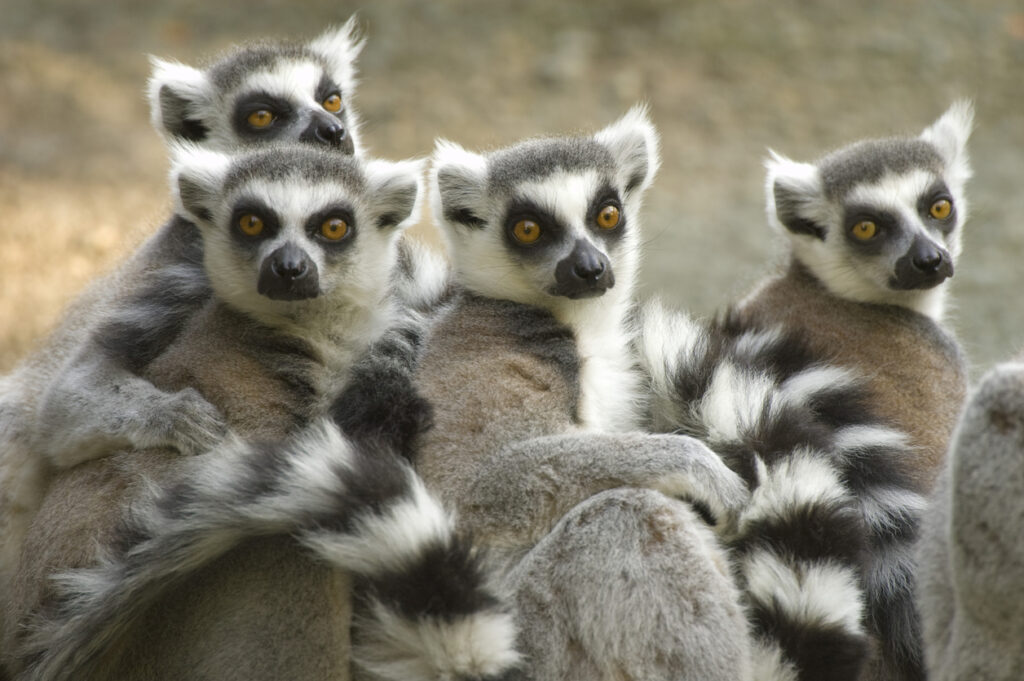
Lemurs live in structured social groups, and stronger bonds have been linked to longer lifespans. This mirrors human studies showing that social connection plays a role in health and longevity. Understanding how social behaviour impacts biology in lemurs could deepen our knowledge of the mind-body connection. It reinforces the idea that ageing isn’t just biological, but also influenced by environment and relationships.
10. Their brains show resilience.
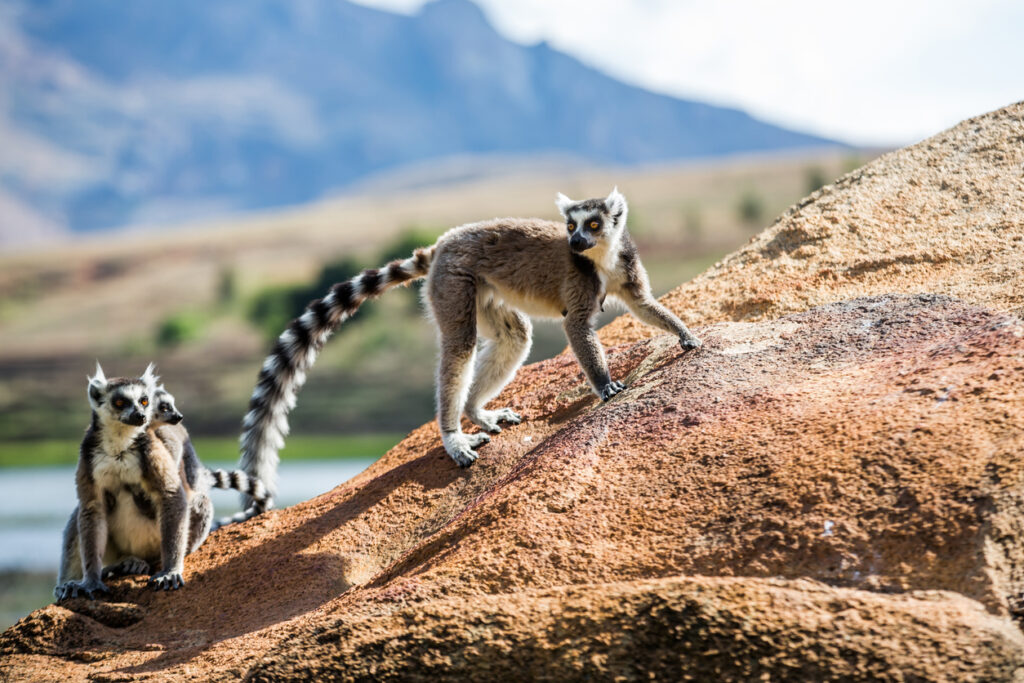
Lemur brains don’t decline as rapidly as some other animals’, maintaining function later into life. They appear less prone to severe neurodegeneration, which sparks interest for research into human brain ageing. If the protective mechanisms in their brains are uncovered, they might inspire new treatments for conditions like dementia. This adds another layer to their potential importance in anti-ageing research.
11. They highlight diversity in ageing.
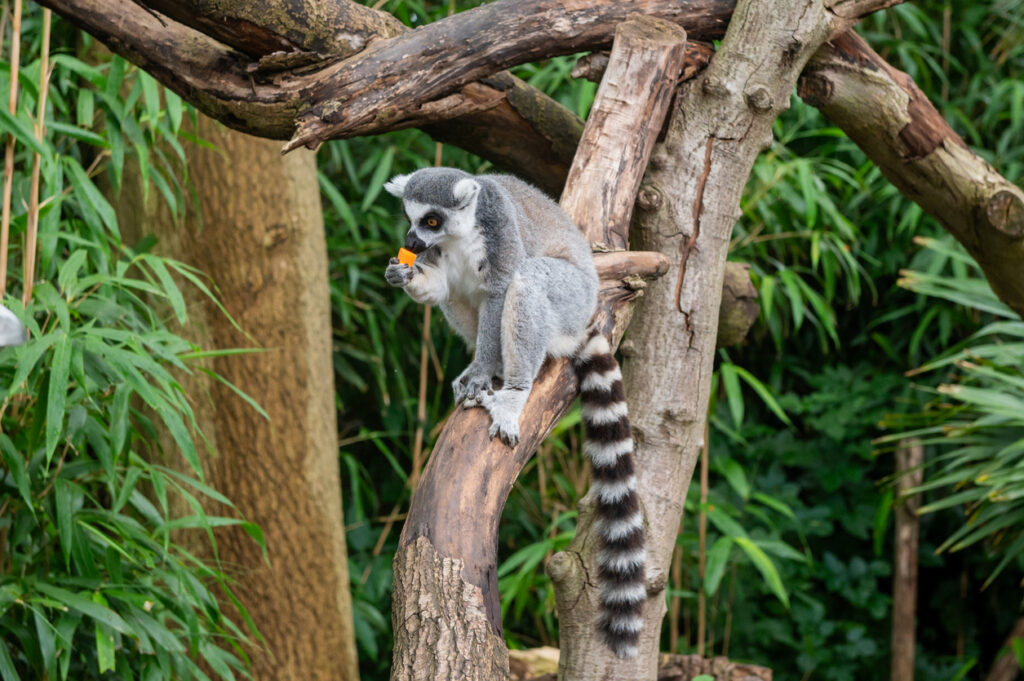
Different lemur species age in very different ways. Some live long and age slowly, while others decline faster, despite sharing the same environment. This variation provides natural experiments for researchers to compare directly. Studying this diversity shows there’s no single path to ageing. By identifying what sets the longer-lived species apart, we may find strategies that can be applied to human health.
12. They remind us ageing is adaptable.
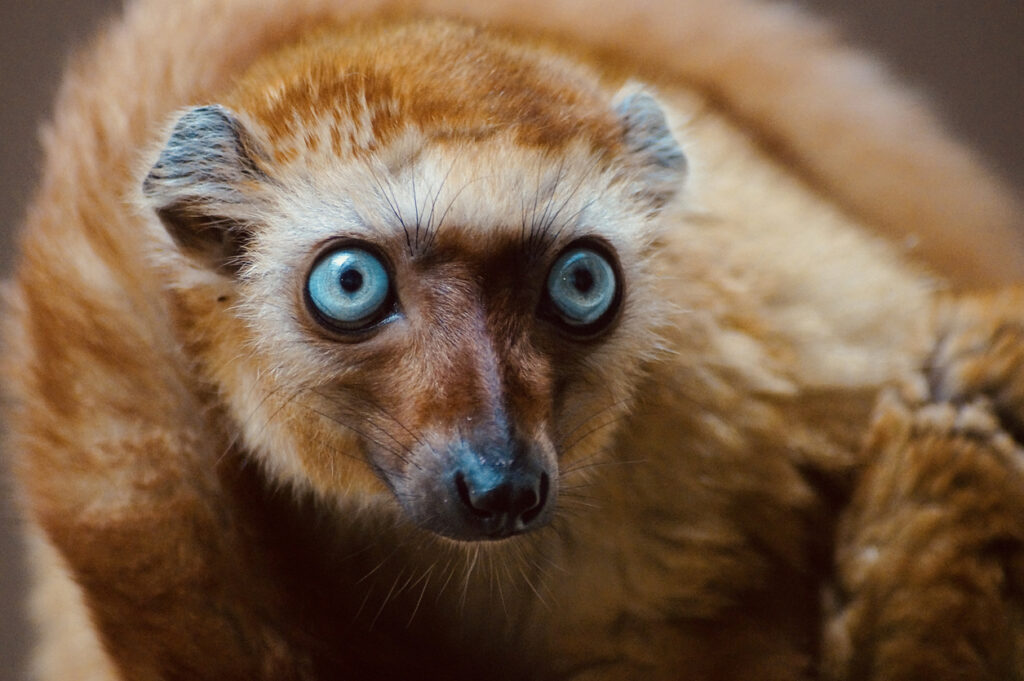
Ultimately, lemurs show that ageing isn’t fixed. It’s influenced by genetics, environment, behaviour, and biology working together. Their unusual resilience proves that different systems of life can age at very different speeds. For humans, this offers hope. If nature already provides examples of slowed decline, then ageing is not simply inevitable, but something that can potentially be changed, delayed, or made healthier through new discoveries.