
We tend to think of play as a human thing, something kids do for fun, or adults return to when they finally get a break. However, animals play too, and not just pets. From crows sliding down snowy roofs to baby elephants kicking around sticks, play pops up all over the animal kingdom. It looks fun (and often is), but it turns out there are real reasons behind it. Here’s why animals play, and what it actually does for them.
1. It helps young animals build survival skills.
For many young animals, play is practice. Chasing, pouncing, wrestling, and mock fighting help them develop the coordination and instincts they’ll need to hunt, defend themselves, or navigate tricky terrain later in life. It’s learning in disguise. By turning survival skills into something fun, nature gives these animals a head start without making it all feel like work. That’s why you’ll see lion cubs stalking tails or fox kits jumping at shadows—they’re rehearsing for real life.
2. It builds social bonds.
Play strengthens relationships between animals, especially those that live in groups. Wolves, primates, dolphins, and even rats use play to create trust and understanding. It helps them learn each other’s boundaries and reinforces group dynamics. It’s a non-threatening way to figure out social roles and practice cooperation. That tumbling match between two young chimps? It’s not just fun; it’s laying the foundation for future teamwork and communication.
3. It helps animals read body language.
Many animals rely on subtle cues to communicate, especially when it comes to avoiding conflict. Play helps them pick up on these signals early. A play bow from a dog, for example, tells the other dog, “This is just fun, so don’t take it seriously.” Through play, animals get better at recognising what’s aggressive, what’s friendly, and when it’s time to back off. It’s low-stakes training in reading the room, or the jungle, the forest, or the field.
4. It relieves stress.
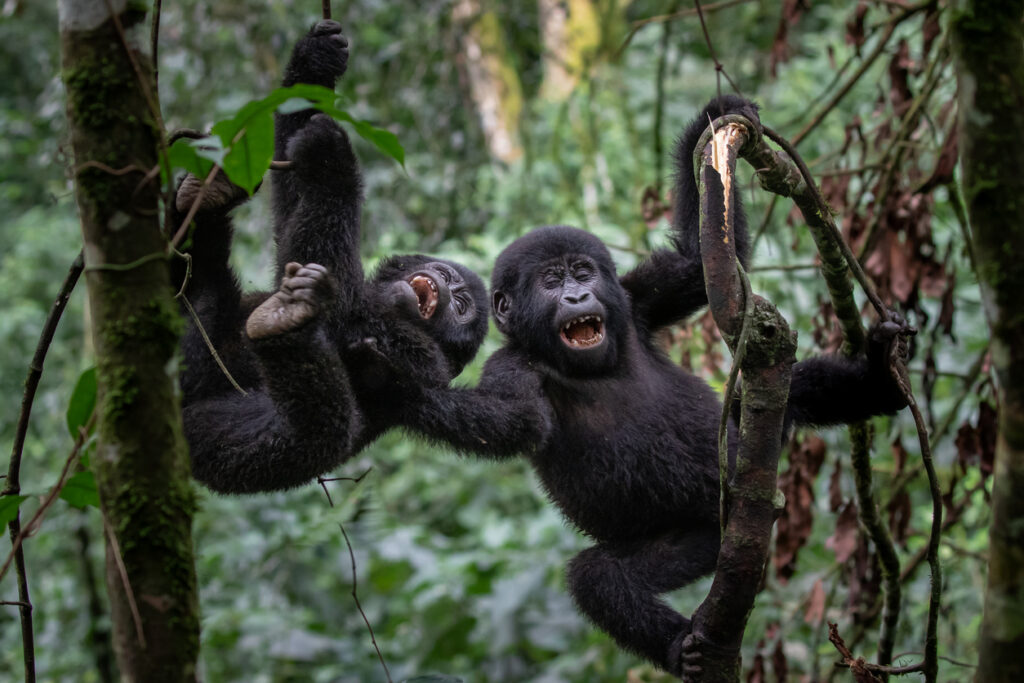
Play doesn’t just prepare animals for life; it also helps them cope with it. Just like in humans, play can be a release valve. It gives animals a break from tension, helps regulate their emotions, and keeps them mentally stimulated. Studies have even shown that animals deprived of play tend to show more signs of anxiety and behavioural issues. So, yes, sometimes play really is about blowing off steam.
5. It keeps the brain flexible.
Play encourages problem-solving, exploration, and creativity. For animals with complex brains, like corvids, elephants, or apes, play is one way to keep their minds sharp. It forces them to adapt, test limits, and learn cause-and-effect through trial and error. When you see a crow playing with a stick or an otter sliding down a riverbank, you’re watching intelligence in motion. These playful acts stretch the brain in ways formal survival behaviours can’t.
6. It improves coordination and reflexes.
Leaping, dodging, and chasing all build physical skills. Play helps animals improve their balance, speed, and reflexes, especially in unpredictable environments. The more they move in different ways, the more confident they become in their bodies. This is why play is so common in species that need agility to survive, like cats, monkeys, or birds of prey. It’s not wasted energy at all. It’s physical conditioning for the real world.
7. It helps animals handle the unexpected.
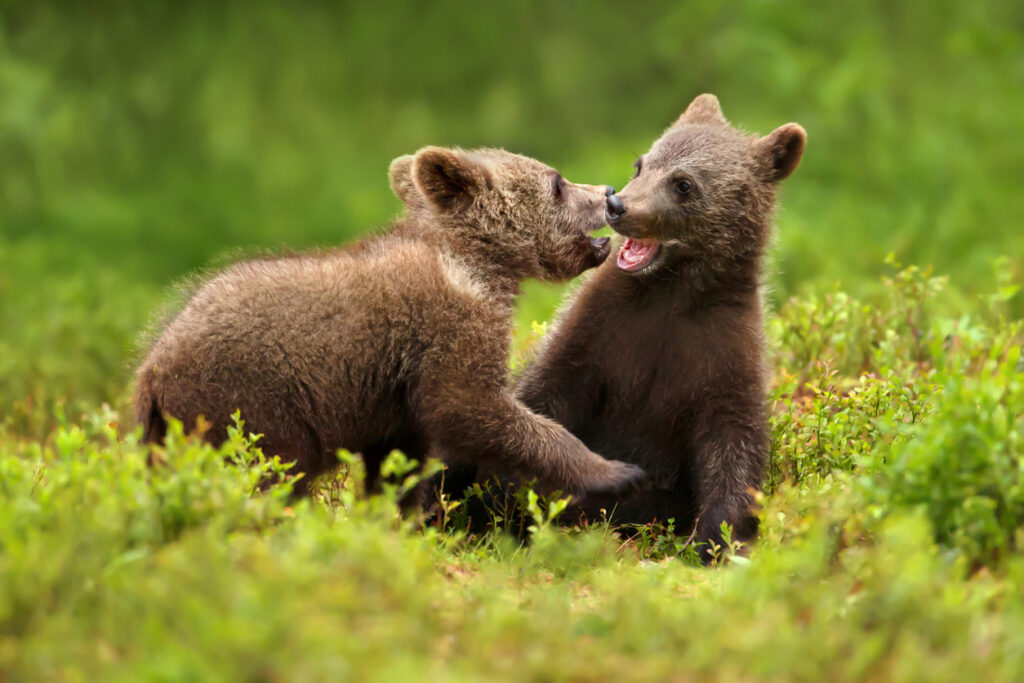
Play can involve surprises, such as sudden movements, changes in direction, or changes in intensity. The unpredictability helps animals build resilience. They learn how to adapt quickly without freezing or panicking. In other words, play teaches animals to stay calm under pressure. That spontaneous tumble or game of tag becomes prep for the chaos of real life when things don’t go to plan.
8. It boosts confidence.
Mastering something through play gives animals a confidence boost. Whether it’s balancing on a branch, outrunning a sibling, or making a new sound, these small wins help build self-assurance, especially in young animals finding their place in the world. That playful repetition isn’t just cute; it’s rewiring their brain to say, “I can do this.” And that belief carries over when things get serious.
9. Some animals just seem to enjoy it.
Not every form of animal play has a clear purpose, and that’s okay. There’s growing evidence that some species, like dolphins and ravens, simply enjoy playing for the sake of it. The experience itself might bring pleasure, curiosity, or even a sense of fun. This suggests that for some animals, play isn’t always strategic. Sometimes, it’s just life-affirming. Joy for joy’s sake isn’t uniquely human, after all.
10. It can signal health and fitness.
In some species, play can also be a kind of advertisement. A healthy, strong animal who plays energetically might signal to others, especially potential mates, that they’re fit, alert, and genetically robust. It’s a subtle form of showing off, but it works. From birds to mammals, playful behaviour can say, “Look how well I’m doing.” And in the wild, that message matters.
11. Play can be a safe way to test limits.
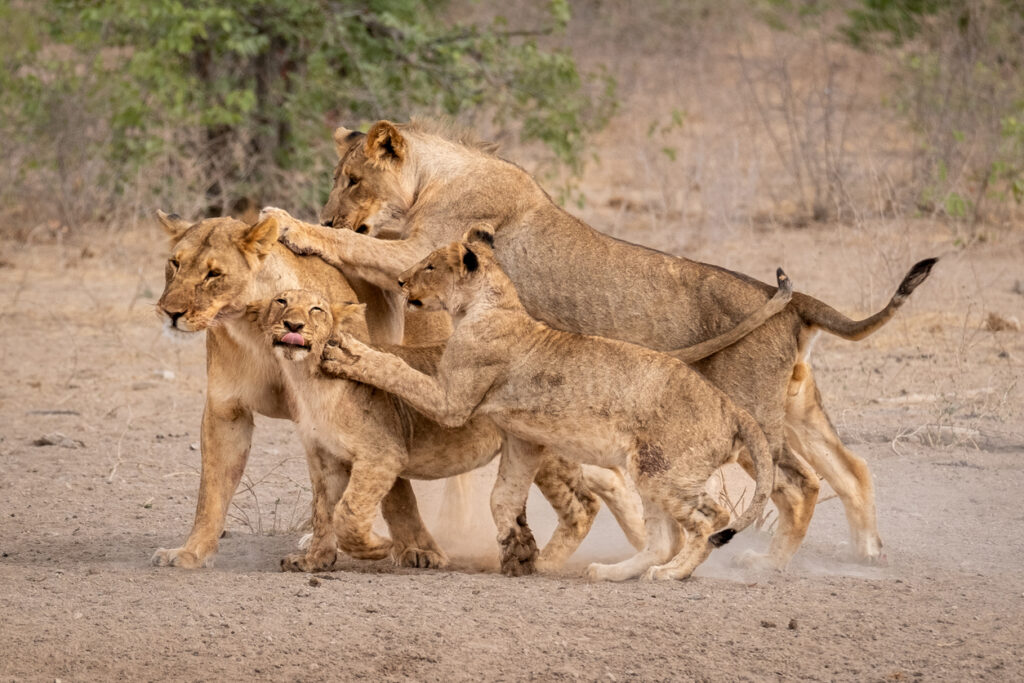
Climbing too high, running too fast, and trying out new moves all allow animals to discover their boundaries without the risk of a life-or-death scenario. Through play, they find out what they can and can’t do safely. It’s nature’s version of trial-and-error, wrapped in fun. By taking small risks while playing, they avoid big ones later when it counts most.
12. It sticks around into adulthood for a reason.
While young animals play the most, many adults keep at it too, especially in highly intelligent or social species. Adults play to maintain bonds, strengthen relationships, and stay mentally sharp. It doesn’t stop being useful just because they’ve grown up. In fact, continued play in adulthood is often linked with better health and longer life spans. So when a grown gorilla starts goofing around, it’s not regression. It’s wisdom in action.