Most weeds are just annoying, but others are actually dangerous.
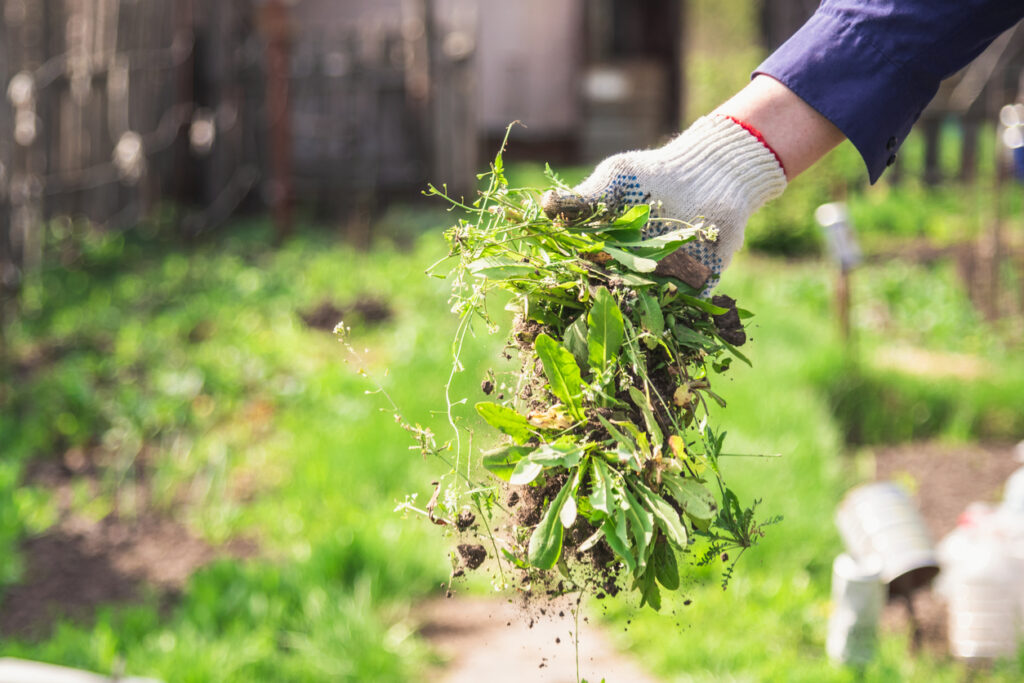
If you’re the type to dive into garden jobs bare-handed, it’s worth knowing which plants could leave you with more than a rash. Certain weeds release toxins through their sap, cause burns when exposed to sunlight, or trigger allergic reactions that don’t show up until hours later. What’s worse is that once they’ve made contact with your skin, it can take weeks to heal.
Before you start yanking anything that looks out of place, here are 13 poisonous weeds you should avoid handling unless you’re donning some gardening gloves to protect yourself.
1. Giant hogweed

This towering plant is infamous for a reason. Its sap contains chemicals that make your skin extremely sensitive to sunlight, which can cause serious burns and blisters that take a long time to heal. Even brushing up against a broken stem on a sunny day can lead to trouble.
Giant hogweed looks a bit like oversized cow parsley, with white umbrella-shaped flower clusters and jagged leaves. It’s often found along rivers, footpaths, and waste ground. If you spot it, avoid touching it at all, even with gloves, and definitely don’t mow or strim it.
2. Euphorbia (spurge)
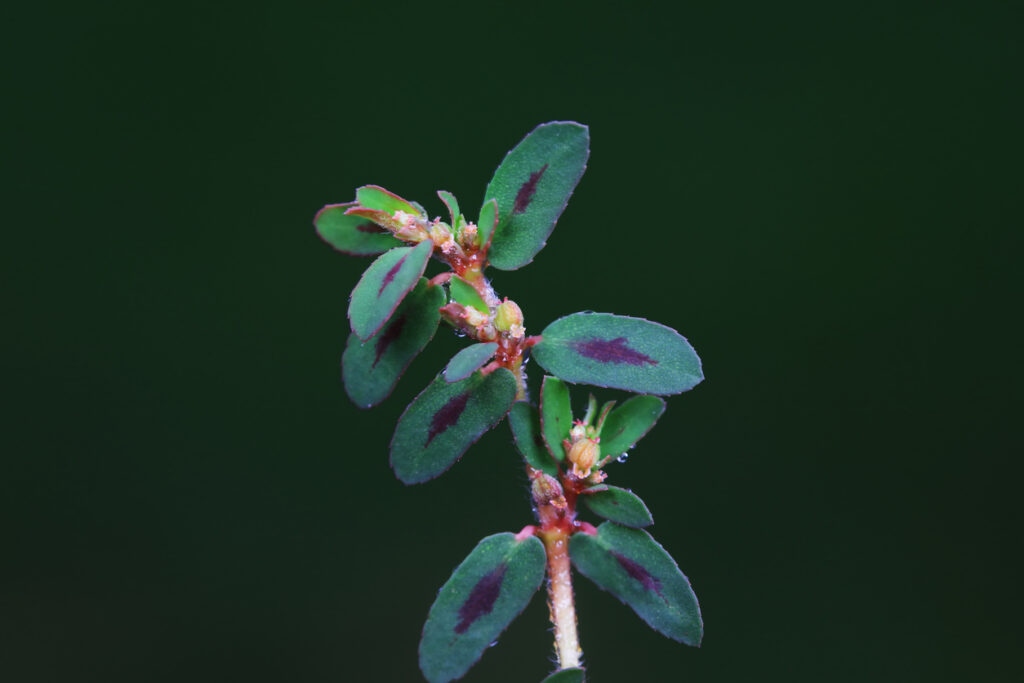
Many species of spurge are common garden weeds, and while they don’t look dangerous, they ooze a milky sap that can irritate the skin and eyes. The reaction might be mild for some people, but others develop redness, burning, and painful blisters. It’s especially risky if you touch your face or rub your eyes after handling it. Always wear gloves when removing spurges, and wash your hands thoroughly, even if you don’t think you made contact with the sap directly.
3. Ragwort
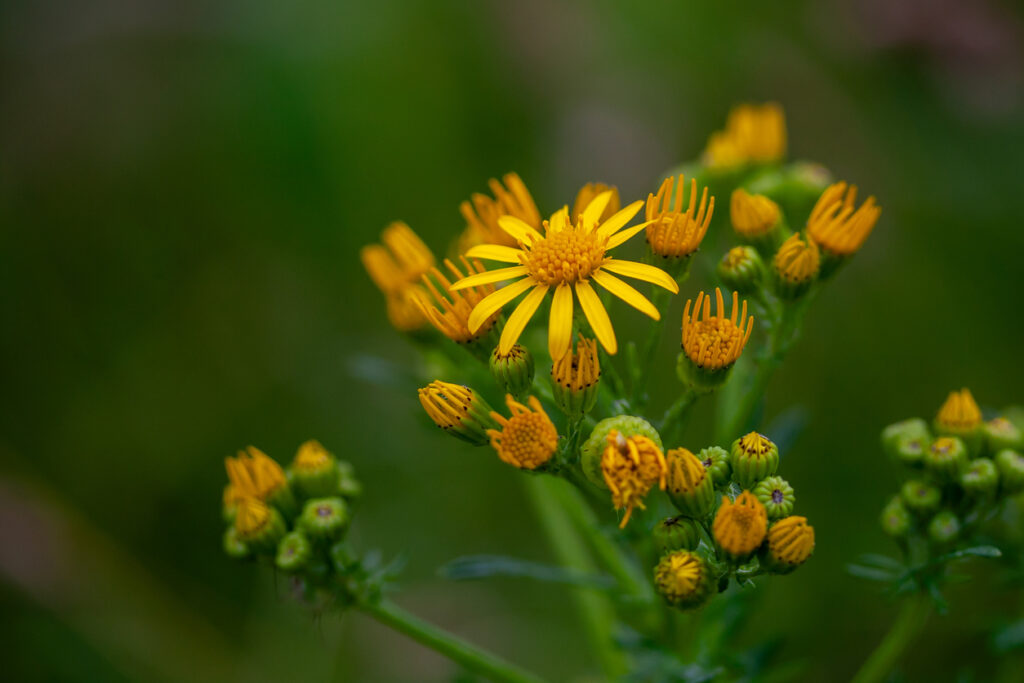
Ragwort is often associated with being toxic to animals, especially horses, but it can also irritate human skin. While the risk is lower than some others on this list, prolonged handling can cause dermatitis or allergic reactions in sensitive individuals. The real risk comes from pulling large amounts of it without protection. It’s best to wear gloves, long sleeves, and avoid creating dust or inhaling particles if you’re clearing a patch of it, especially when the plant is dry or flowering.
4. Poison hemlock
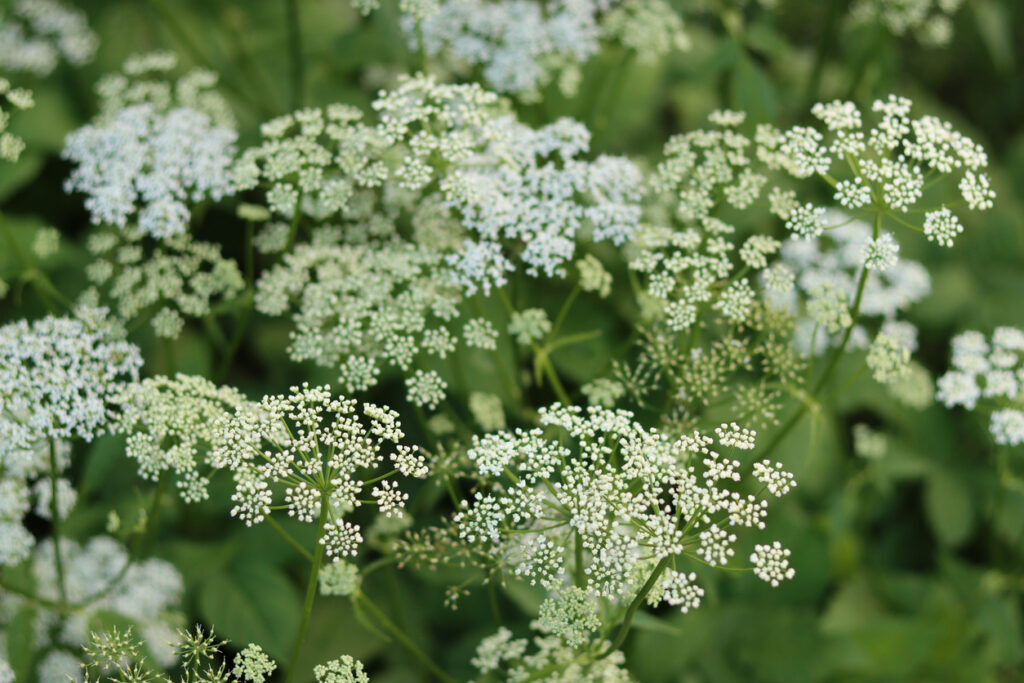
This one has a sinister reputation, and it’s well deserved. All parts of poison hemlock are highly toxic if ingested, but the sap can also be absorbed through the skin in large enough amounts to cause serious illness. Some people experience skin irritation just from handling it.
It resembles cow parsley or wild carrot, with purple-spotted stems and fern-like leaves. It’s especially dangerous because it doesn’t look threatening. If you suspect you’ve found some, keep your distance and report it. Don’t try to remove it alone.
5. Wild parsnip
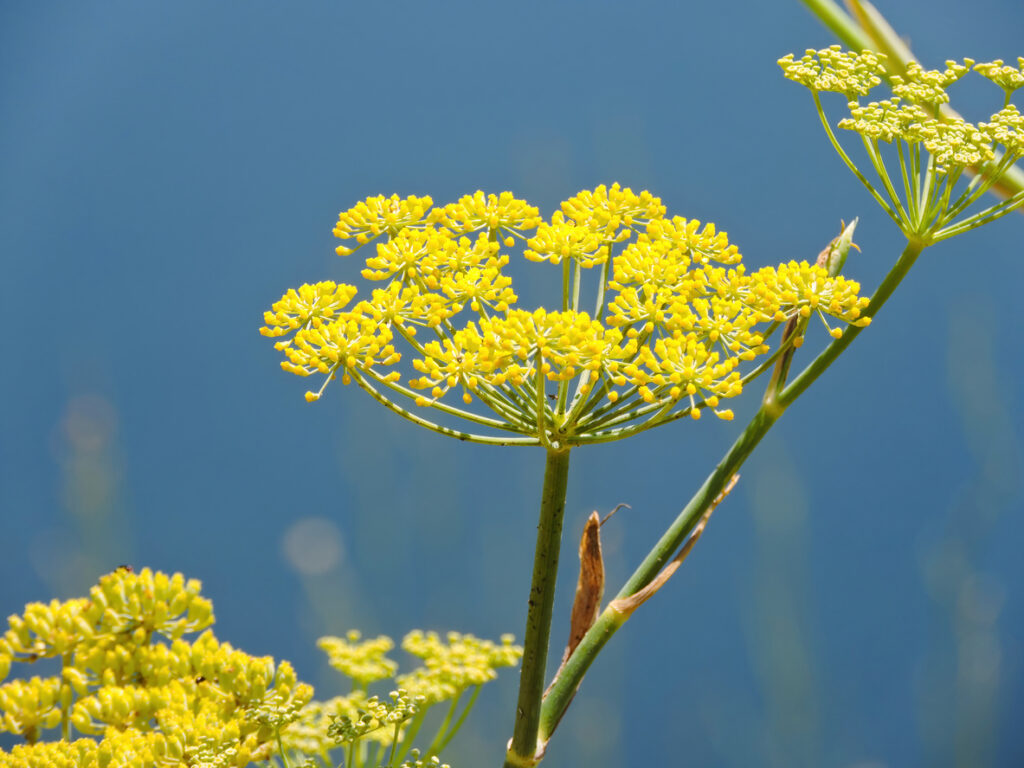
Wild parsnip looks harmless at a glance, with its yellow flower clusters and tall green stems, but its sap can cause a nasty condition known as phytophotodermatitis. When exposed to sunlight, affected skin can blister, scar, or discolour.
The reaction might not be immediate, which makes it more dangerous; you might not realise you’ve been burned until the damage is already done. Gloves and long sleeves are a must if you’re tackling this one, and be careful not to snap the stems while pulling.
6. Monkshood (Aconitum)
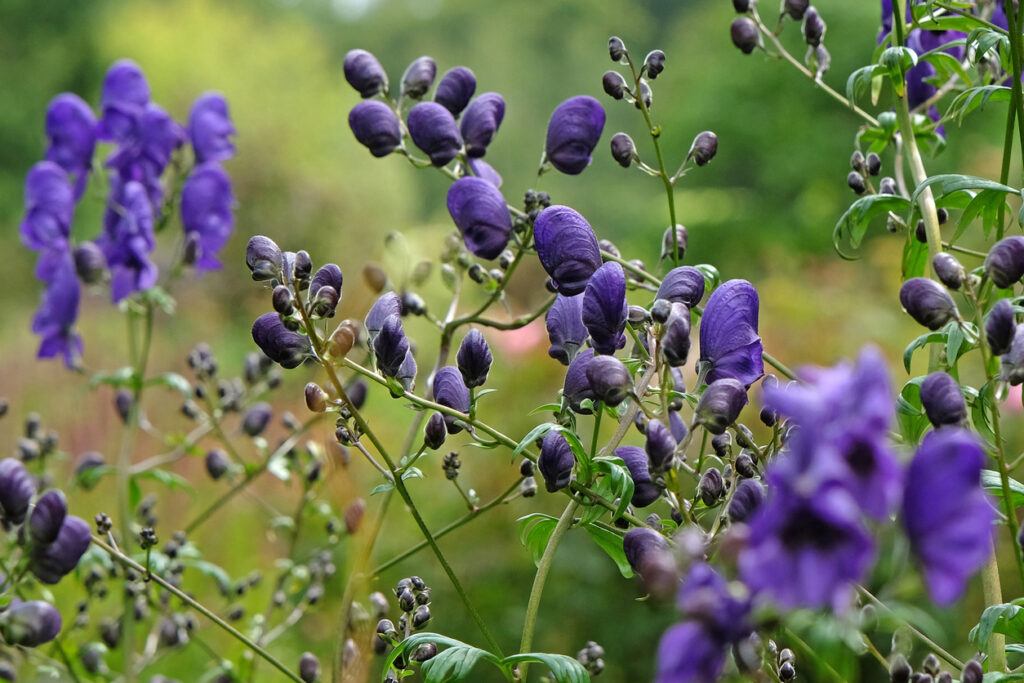
Monkshood isn’t technically a weed. In fact, it’s often grown intentionally for its striking purple flowers, but it’s sometimes found in overgrown or wild patches where it can spread. The entire plant is extremely toxic, and even small amounts absorbed through the skin can be harmful.
Gardeners have ended up in hospital from handling it without gloves. If you find it growing where it shouldn’t be, use full protection when removing it, and avoid touching your face or eating before washing your hands thoroughly.
7. Stinging nettles
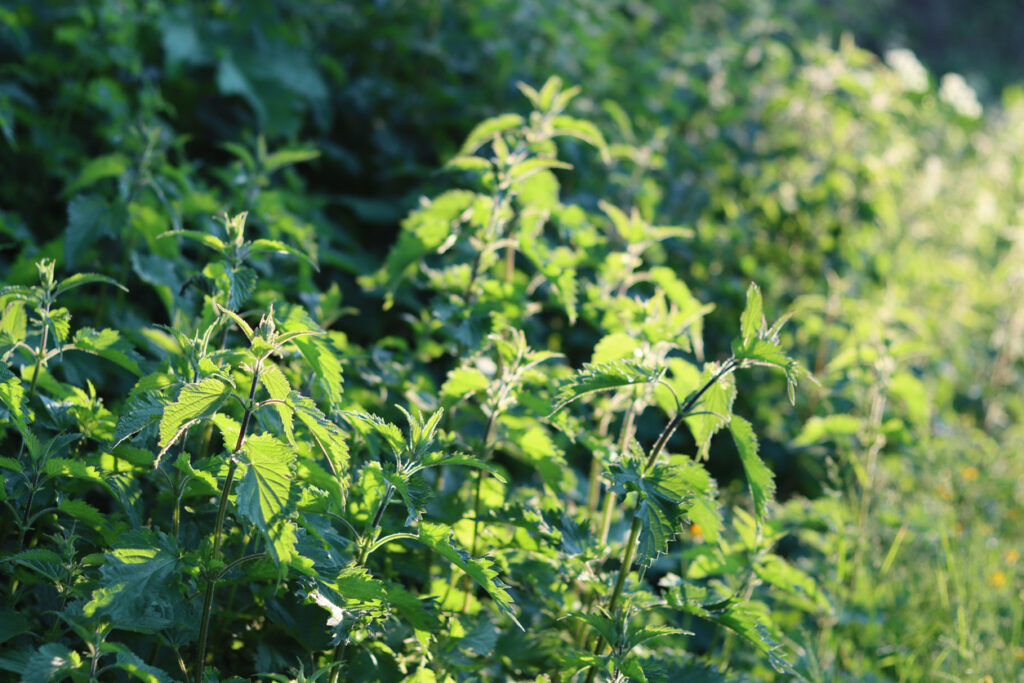
This one’s more familiar, but it deserves its spot on the list. Stinging nettles inject histamine and other irritants into the skin through tiny hairs on their leaves and stems, causing a sharp sting, redness, and itching that can last for hours. While it’s not toxic in the same way as others here, the discomfort it causes is enough to make gloves essential. And for people with sensitive skin, reactions can be more severe, especially after repeated exposure over time.
8. Hemlock water dropwort
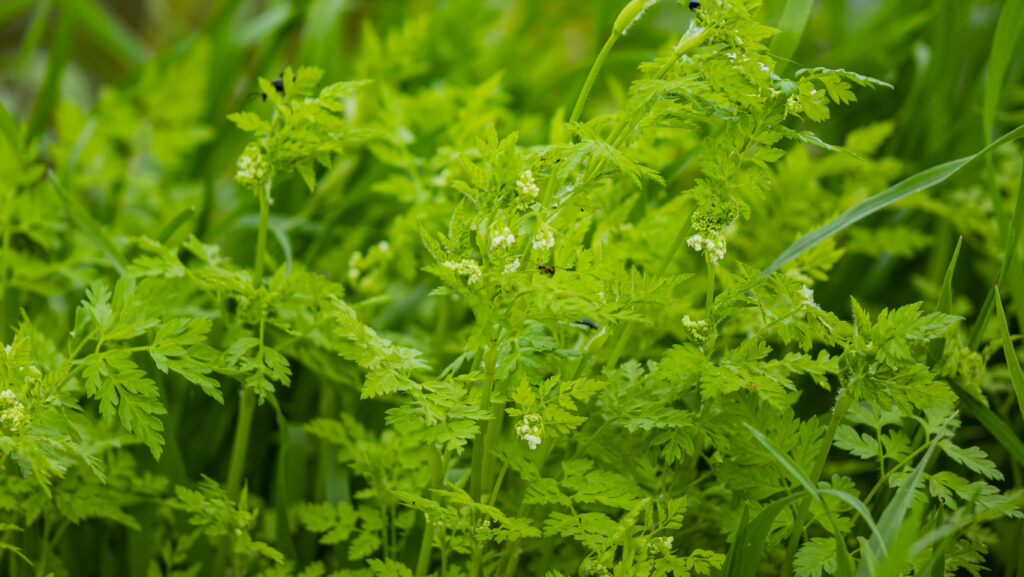
This highly poisonous plant is often found near streams, ponds, or damp meadows, and it can be mistaken for harmless species like wild celery. Its sap is toxic and can irritate the skin, but the bigger risk is from accidental ingestion, which is something that’s happened when people mistake its roots for edible plants.
If you’re clearing overgrown wet areas and spot a plant with white flowers and celery-like leaves, proceed with caution. Gloves are essential, and if you’re unsure, don’t pull it at all. This is one of the most dangerous plants in the UK.
9. Black nightshade
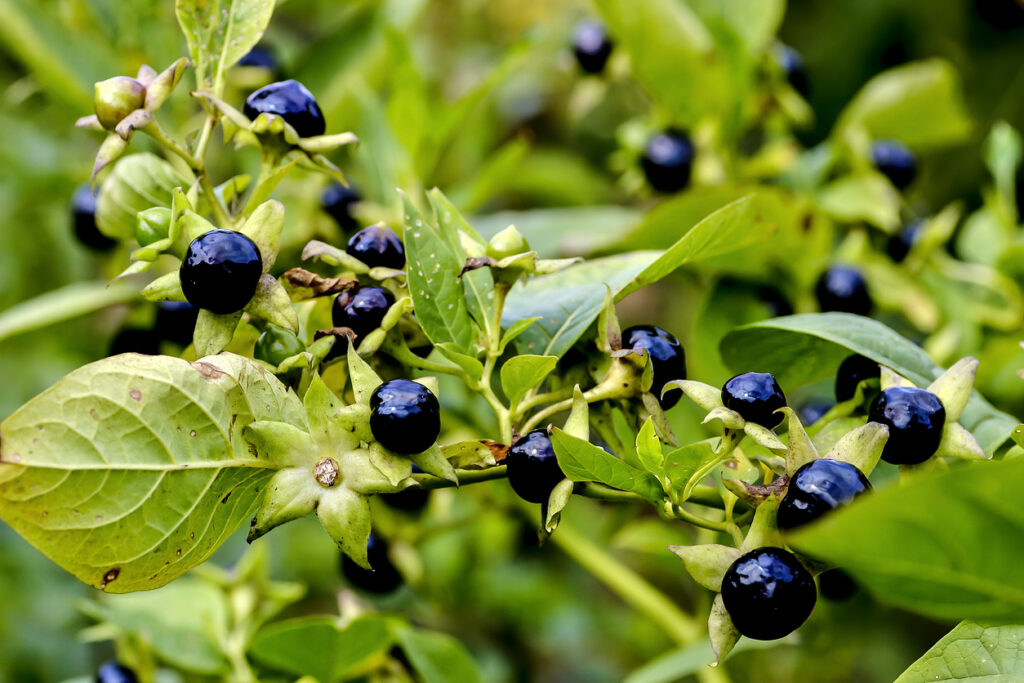
Black nightshade tends to grow along walls, fences, or disturbed soil, and it produces small white flowers followed by shiny black berries. While not as deadly as its cousin deadly nightshade, it still contains toxins that can irritate the skin and cause mild poisoning if handled in large amounts. The sap can be an irritant to some people, and it’s best not to take chances if you’re pulling it by hand. Wear gloves, and never let kids or pets near the berries. They look a bit too much like tempting snacks.
10. Bindweed sap
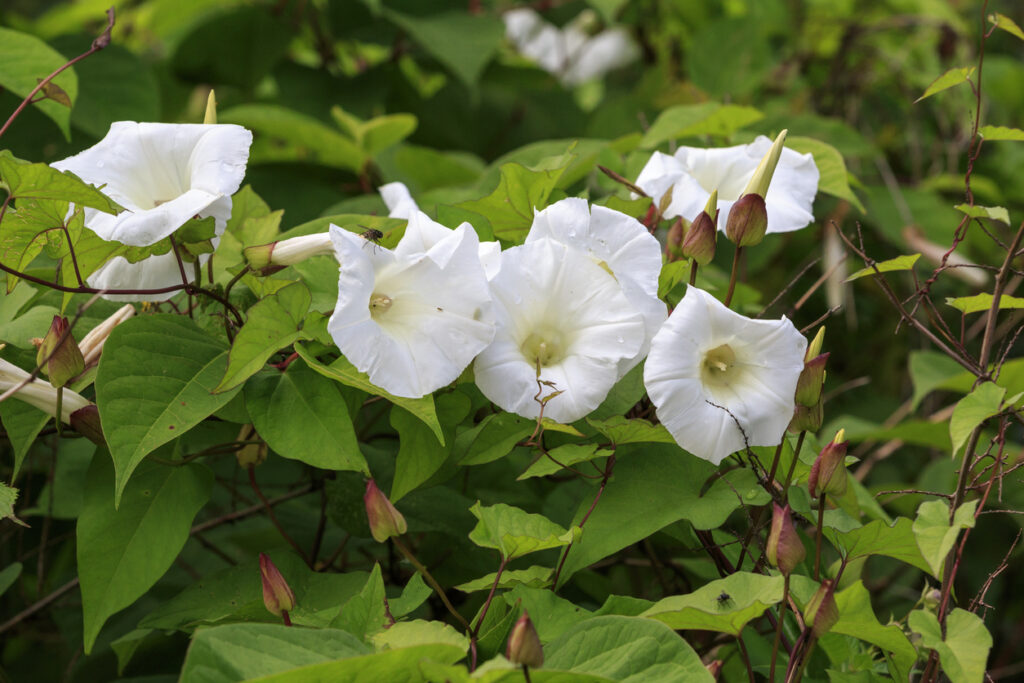
Bindweed itself isn’t toxic in small amounts, but some species produce a sticky sap that can cause mild irritation, especially for people with allergies or sensitive skin. It’s not the worst offender on the list, but still worth handling with care.
Since pulling bindweed often involves wrestling with long, tangled vines, you’re likely to get sap on your skin during the process. Wearing gloves prevents irritation and makes the job less messy overall, especially if you’re clearing a heavy infestation.
11. Spurges (wild types)
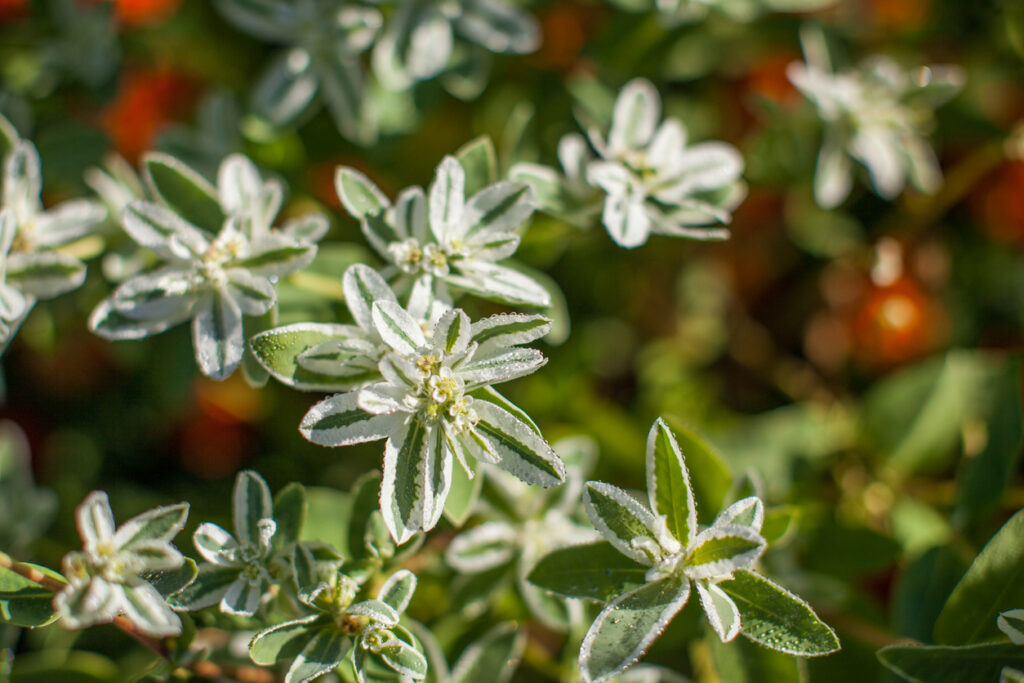
Not all spurges are garden centre plants; many weedy varieties grow wild along paths and roadsides, often going unnoticed. Like their ornamental relatives, these wild spurges exude a white sap that can burn or blister when it comes into contact with skin. These are especially risky for kids who might touch the sap and then rub their eyes. When clearing them, always wear gloves and avoid strimming, as the sap can spray and spread further than you’d expect.
12. Tansy ragwort
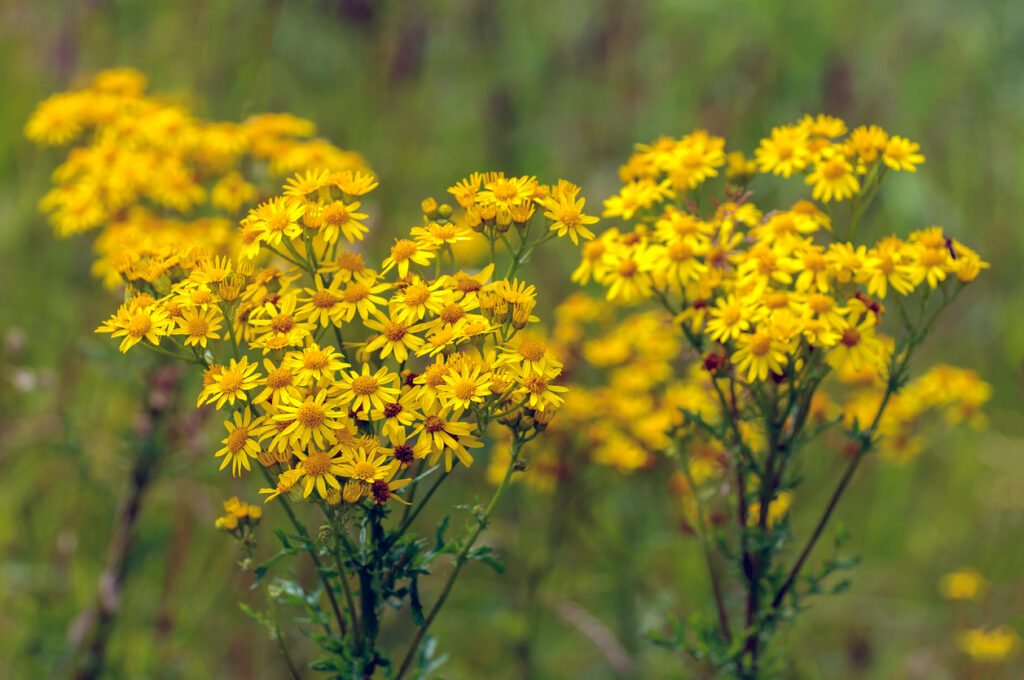
This yellow-flowered plant is part of the ragwort family but carries even stronger toxins. It’s dangerous to livestock, but humans can also be affected through skin contact. While it doesn’t cause immediate blistering, repeated or prolonged exposure without gloves can lead to skin irritation or allergic responses.
Tansy ragwort can spread quickly in dry or disturbed areas and might pop up in neglected patches of garden. Always remove it with gloves, and dispose of it carefully, as it’s not something to throw on the compost heap.
13. Dog’s mercury
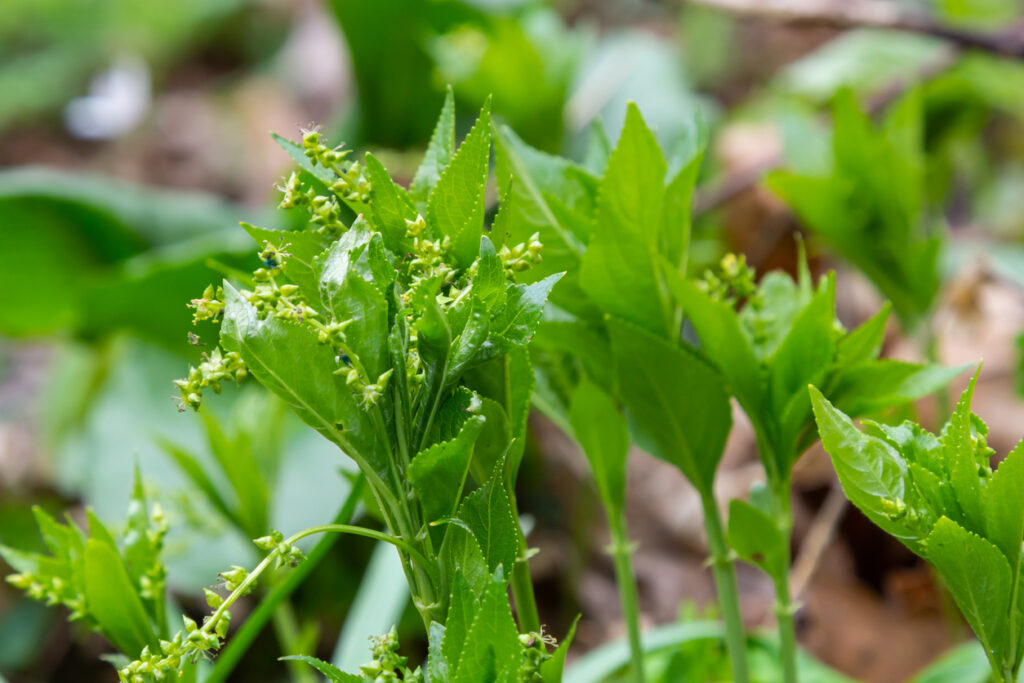
Common in woodland edges and shady spots, dog’s mercury is one of those plants that looks completely harmless at first. But every part of the plant is toxic, and it can cause skin irritation when handled in large amounts or for extended periods. It spreads through underground runners and can form thick carpets in shaded borders. If you’re clearing a patch of it, gloves are your best friend, and wash your hands even if you wore them, just to be safe.