When herbs start looking wild and overgrown, it might seem like a good thing.
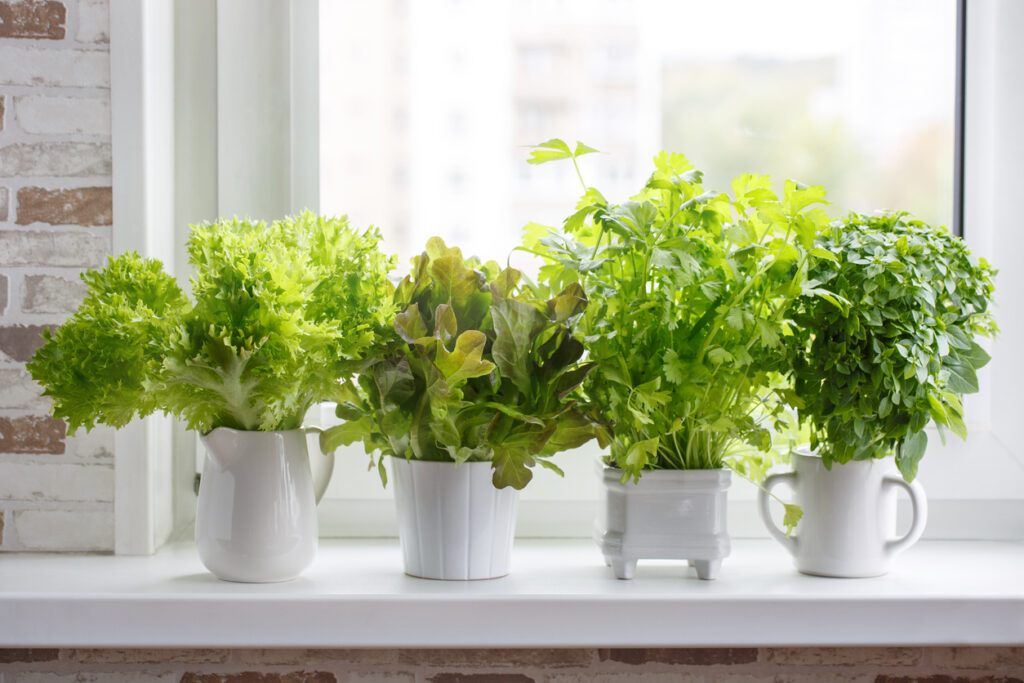
However, if you leave them to do their own thing all summer, they’ll often grow woody, bolt, or stop producing flavourful leaves. Regular trimming isn’t just for neatness. It keeps your herbs tender, productive, and full of life. Here’s why your herbs need a proper summer haircut, and which ones to snip (and how to do it right).
1. Basil
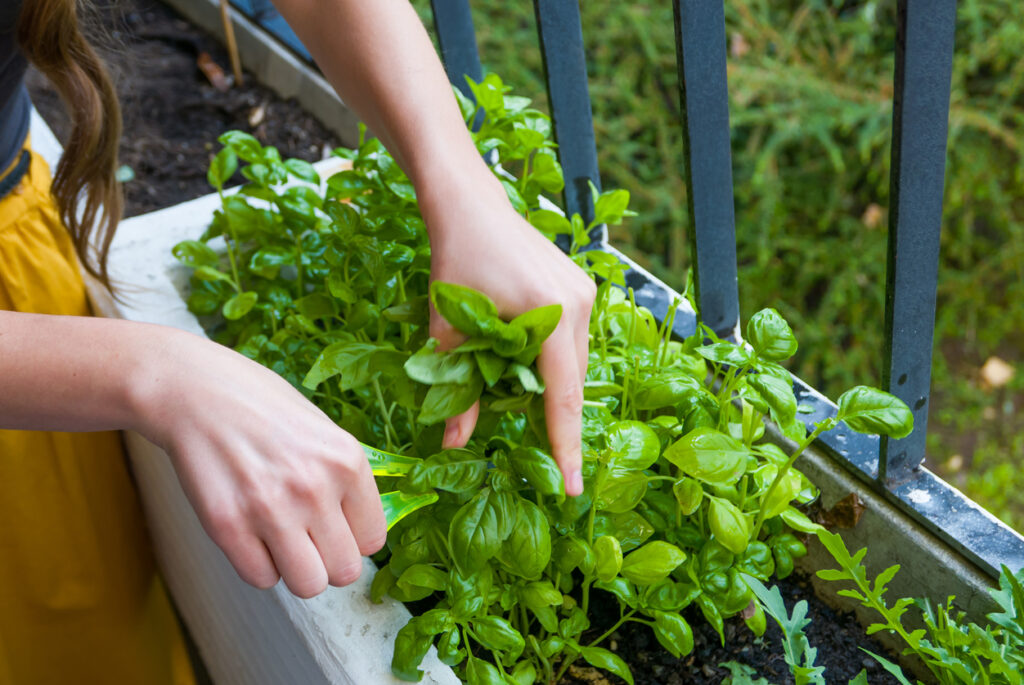
Basil thrives on regular picking. If you let it go untouched, it’ll shoot up tall, flower quickly, and become bitter. Snipping the top few sets of leaves encourages the plant to branch out instead of shooting straight up, and bushier basil means more leaves, for longer.
Always cut just above a leaf pair, and never take more than a third of the plant at once. Even if you don’t need basil right that second, keep trimming it. Dry or freeze the extras, as it’s better than letting the plant flower and call it a season.
2. Mint
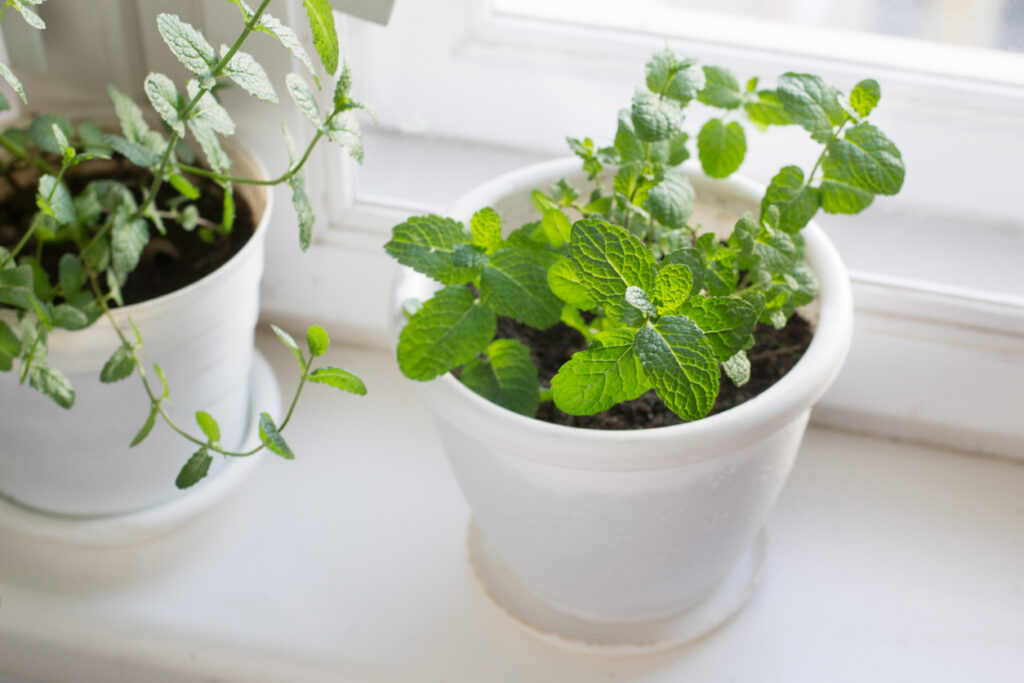
Mint grows like it’s got somewhere to be, and if you don’t cut it back, it can get leggy and take over the entire bed. Trimming it keeps it lush and stops it from going woody at the base or flowering too early. Cut stems down to just above a leaf node, or even lower if it’s really overgrown. And don’t worry, mint is one of the most forgiving herbs out there. Give it a decent trim, and it’ll bounce back quickly, often fuller than before.
3. Parsley
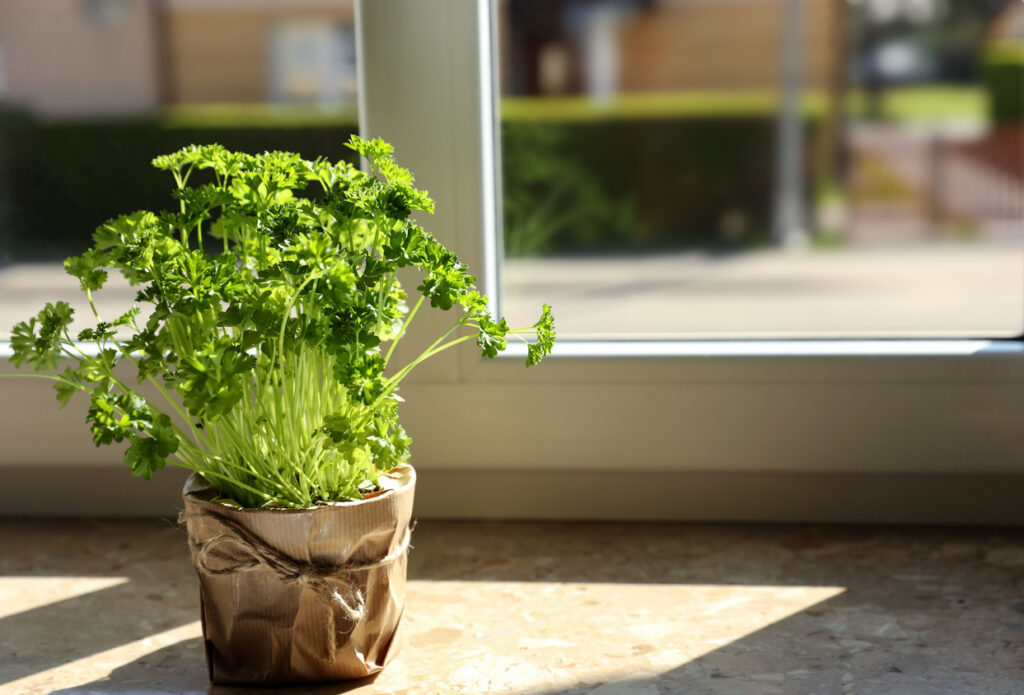
Parsley puts out its best flavour early in the season, and regular harvesting helps extend its productive life. If you don’t pick it often enough, it’ll start to send up flower stalks, which means the plant’s nearing the end of its run. Snip whole stems from the outer edges of the plant, close to the base, rather than just pinching off leaves. This encourages new growth from the centre and helps the plant keep its rounded shape and fresh supply of tender greenery.
4. Coriander
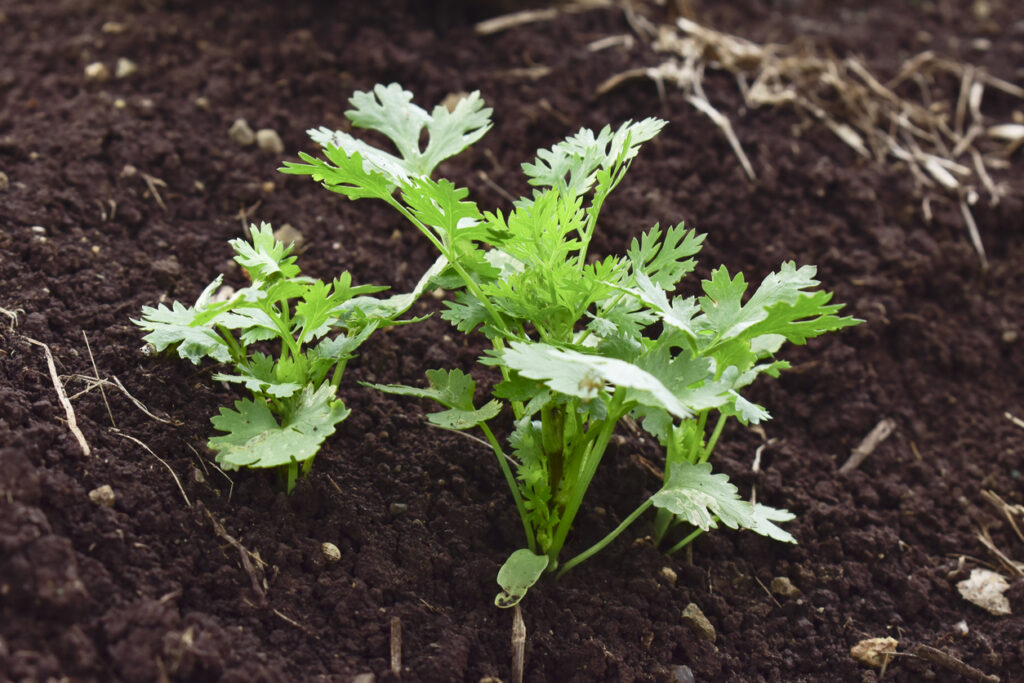
Coriander is notorious for bolting in summer heat, so cutting it back isn’t just helpful, it’s essential. Once it flowers, the leaves turn sparse and the flavour gets a bit soapy, so you want to delay that as much as possible. Trim stems early and often, ideally before the plant even thinks about flowering. You can also sow a second batch every few weeks for a continuous supply if you’re dealing with a hot patch that makes it bolt, no matter what you do.
5. Thyme
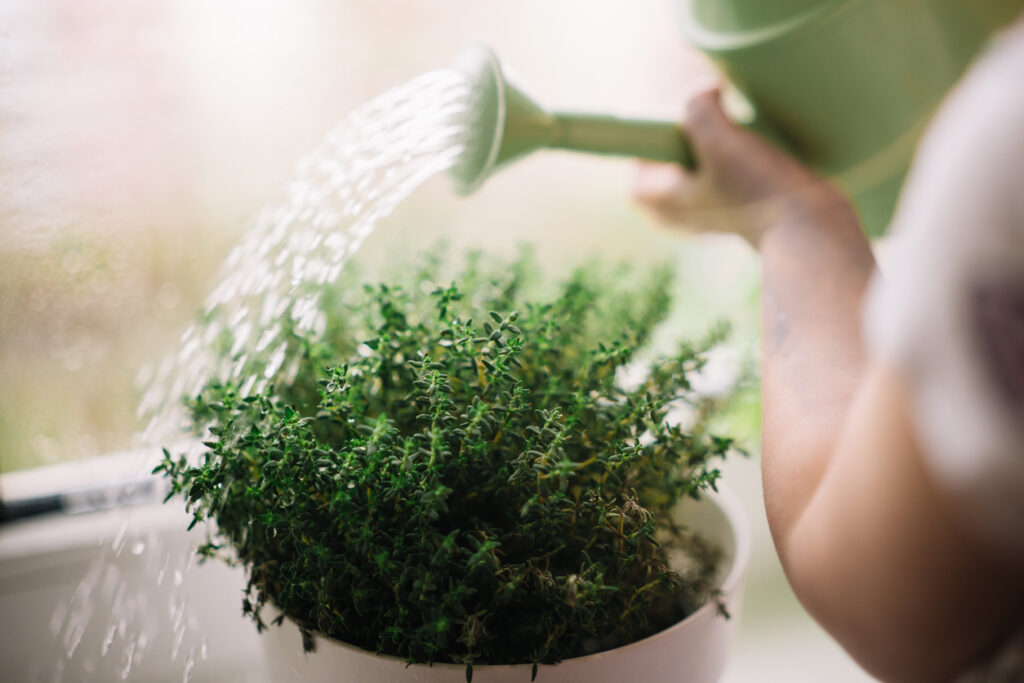
Thyme might look low-maintenance, but it still benefits from a summer trim. Without it, stems can become woody and sparse, especially near the base. A light haircut keeps the growth compact and helps the plant keep producing usable tips. Snip off a few inches from the top growth, especially after flowering. Don’t cut into the woody part of the stem, as it might not regrow. A mid-season tidy-up encourages new soft shoots and keeps thyme bushy rather than scraggly.
6. Oregano
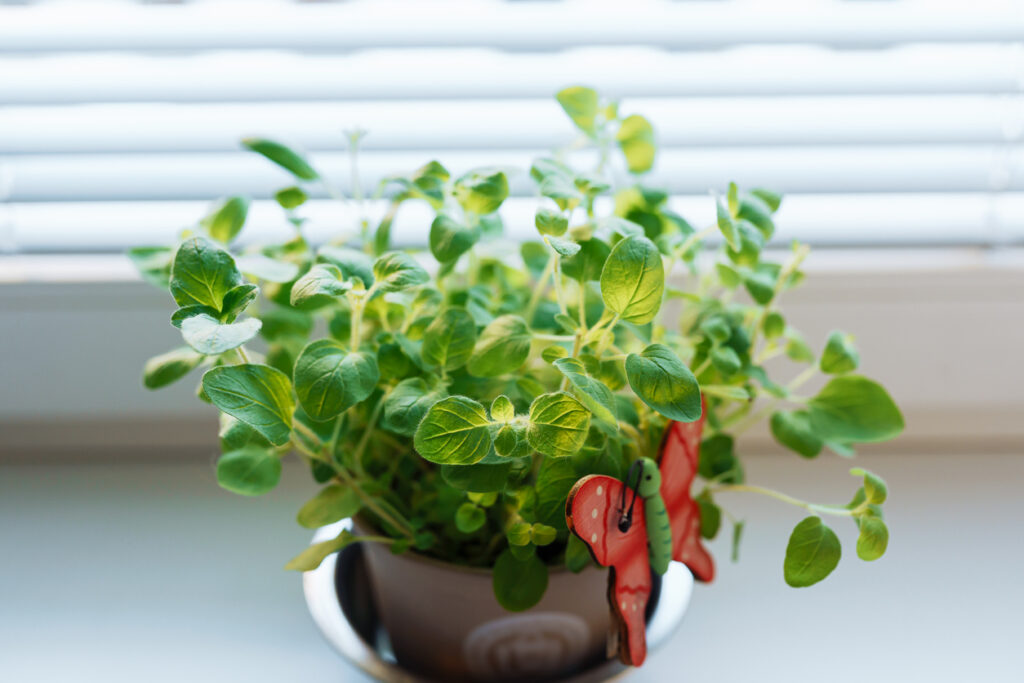
Oregano grows fast and can easily become woody and uneven if it’s not trimmed regularly. The leaves lose flavour once the plant flowers, so you’ll get more from your oregano if you cut it back before it starts blooming. Harvest stems in early summer and again mid-season if needed. Like thyme, only cut into the green parts, not the woody base. A healthy trim not only keeps the plant neat. It improves the oil content in the leaves, making the flavour even stronger.
7. Chives
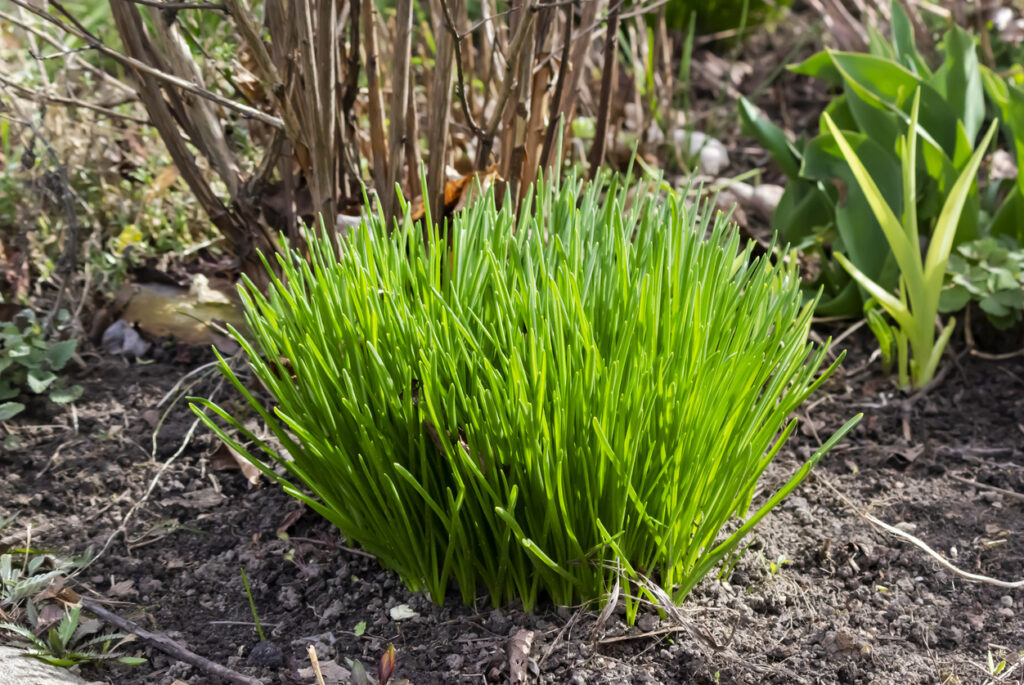
Chives bounce back quickly after cutting and actually get stronger with regular trims. If you leave them alone, the leaves start to yellow, and the flowers, though beautiful, signal the end of the most tender growth. Cut them right down to about 1–2 inches above the soil to trigger a fresh flush of green. You can do this multiple times through summer. The new shoots are softer and milder, perfect for snipping into everything from eggs to salads.
8. Sage
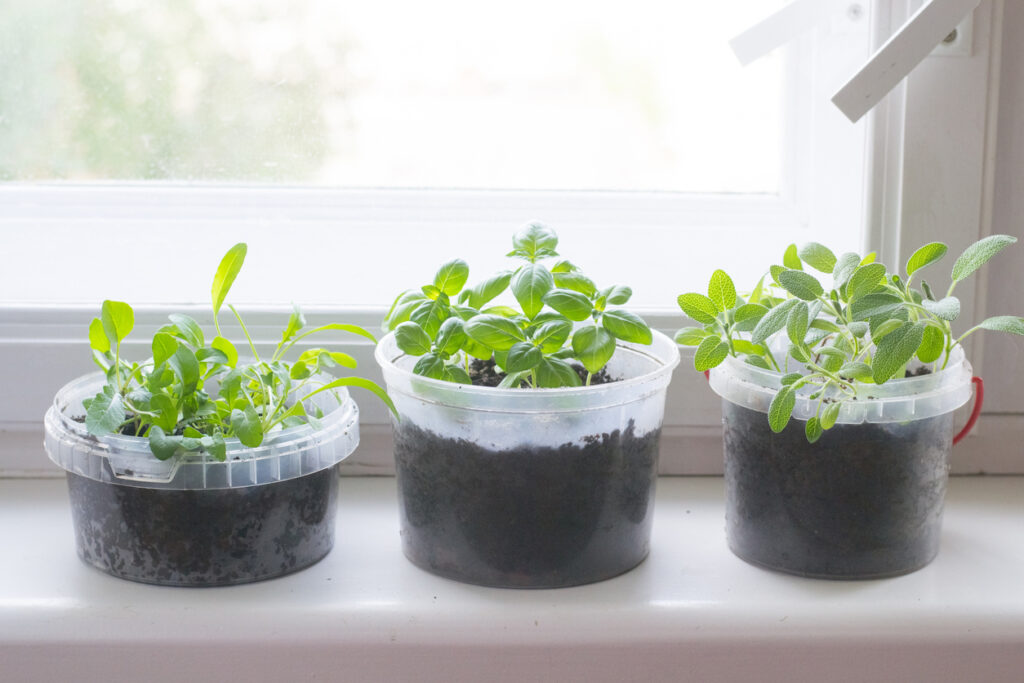
Sage doesn’t grow as quickly as basil or mint, but it still needs shaping to stay productive. Left alone, it can get woody and spindly, and once it flowers, the leaves can lose their punch. A mid-season trim keeps it focused on leaf production. Snip back the top few inches of leafy growth, especially if it’s starting to flower. Don’t cut into the oldest wood, as those parts don’t regenerate well. With the right balance, you’ll keep your sage plant productive without stunting it.
9. Lemon balm
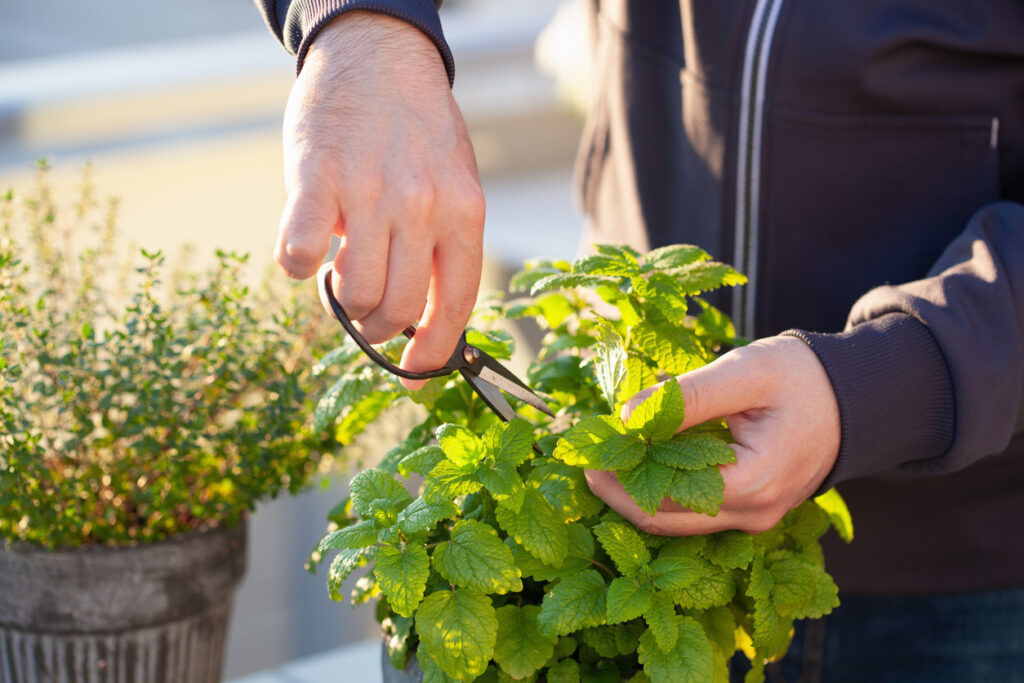
Lemon balm grows fast and gets leggy if you don’t stay on top of it. It’s also quick to flower and go to seed, which can spread it far beyond where you planted it. Trimming it back keeps it tidy and stops it from taking over. You can cut lemon balm right back by about half its height, especially after flowering. The leaves regrow quickly and stay softer and more fragrant when the plant is regularly cut. It’s a good one to dry or freeze, too, since it stores well.
10. Tarragon
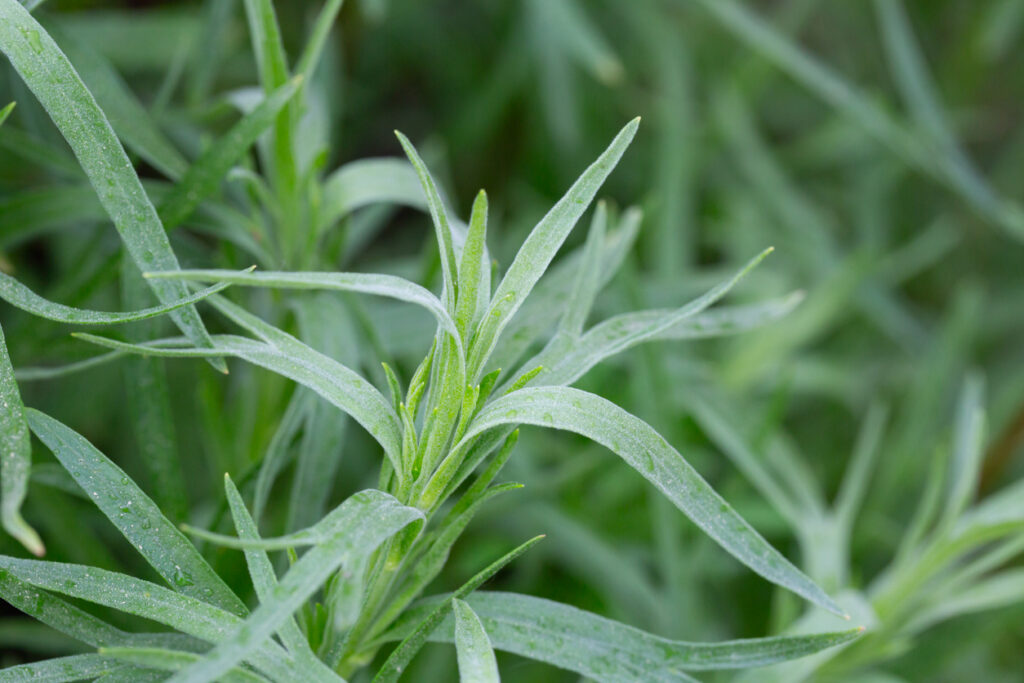
French tarragon benefits from regular harvesting to stay bushy and full. Without trimming, it can get tall and lanky, with the lower leaves thinning out. Summer is the perfect time to take a decent cut and use what you harvest in cooking or preserve it.
Cut back the top few inches every few weeks, focusing on softer growth. You’ll encourage new shoots and help prevent the plant from going leggy. Bonus: trimmed tarragon is perfect for flavouring vinegars or pairing with chicken and fish dishes.