Adding flowers to a salad might sound fancy, but it’s actually one of the easiest ways to elevate a dish, both in taste and appearance.
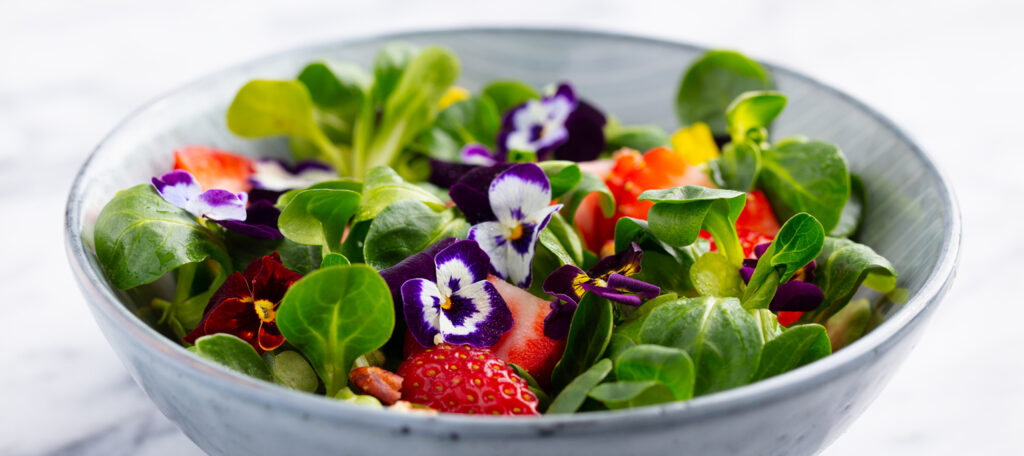
Edible flowers bring a mix of colour, texture, and subtle flavours, from sweet and floral to peppery or citrusy. Whether you’re garnishing a garden lunch or just making Tuesday dinner feel special, these flowers are all safe to eat and packed with visual charm. Here are 13 that make salads feel restaurant-worthy in seconds.
1. Nasturtiums
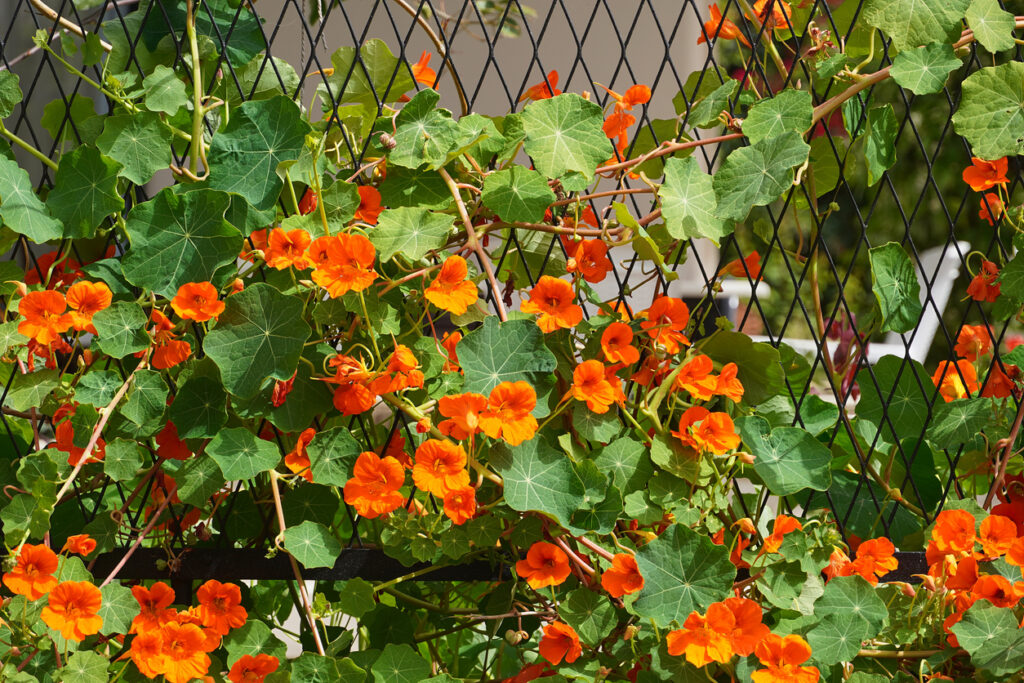
These are arguably the most popular edible flowers for salads, and for good reason. Nasturtiums come in fiery shades of red, orange, and yellow, and their slightly peppery taste is similar to rocket or watercress. Both the flowers and the leaves are edible, making them a brilliant all-rounder. They add a spicy kick to your salad while looking effortlessly vibrant. Bonus: they’re easy to grow in pots or borders and thrive in poor soil.
2. Calendula (Marigold)
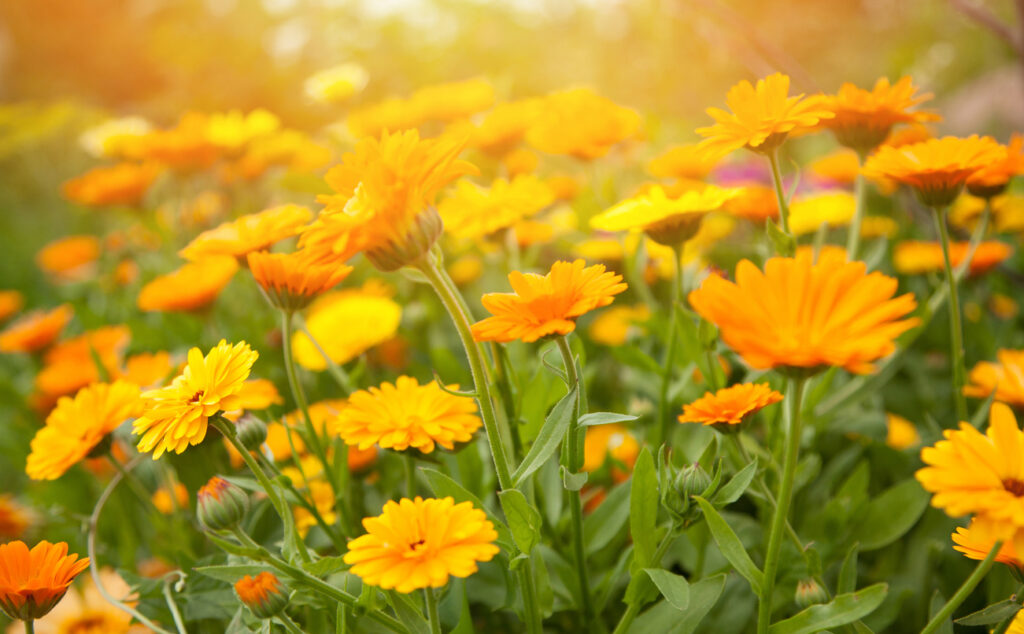
Also known as “poor man’s saffron,” calendula petals bring a mild peppery flavour with a touch of bitterness. The petals can be scattered through a salad to create little bursts of bright orange and yellow. Only the petals are edible; the base of the flower can be bitter. Calendula is easy to grow and blooms for months, offering colour in both the garden and on the plate from early summer well into autumn.
3. Chive blossoms
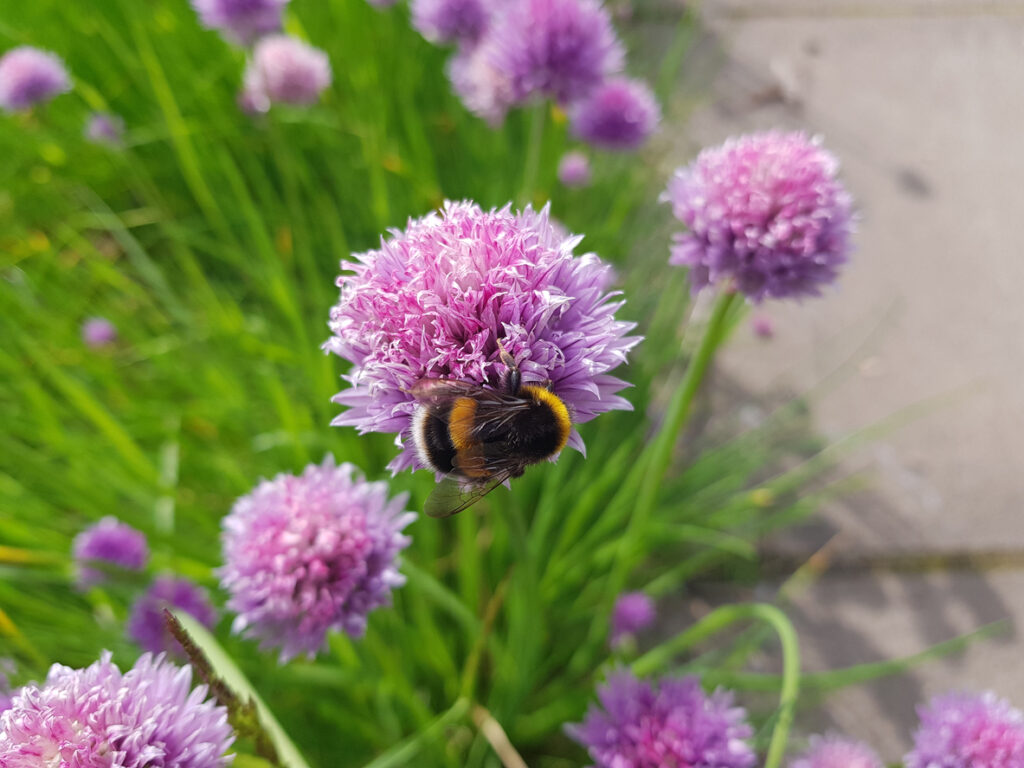
Those pale purple pom-poms on top of your chive plant? They’re not just ornamental. Chive flowers have a delicate onion flavour and break apart into tiny florets that can be sprinkled over a salad for a subtle punch. They pair especially well with creamy dressings or potato-based salads, adding both flavour and flair. If you grow chives at home, you’ll get the flowers in late spring to early summer, often right before the leaves reach their best.
4. Borage
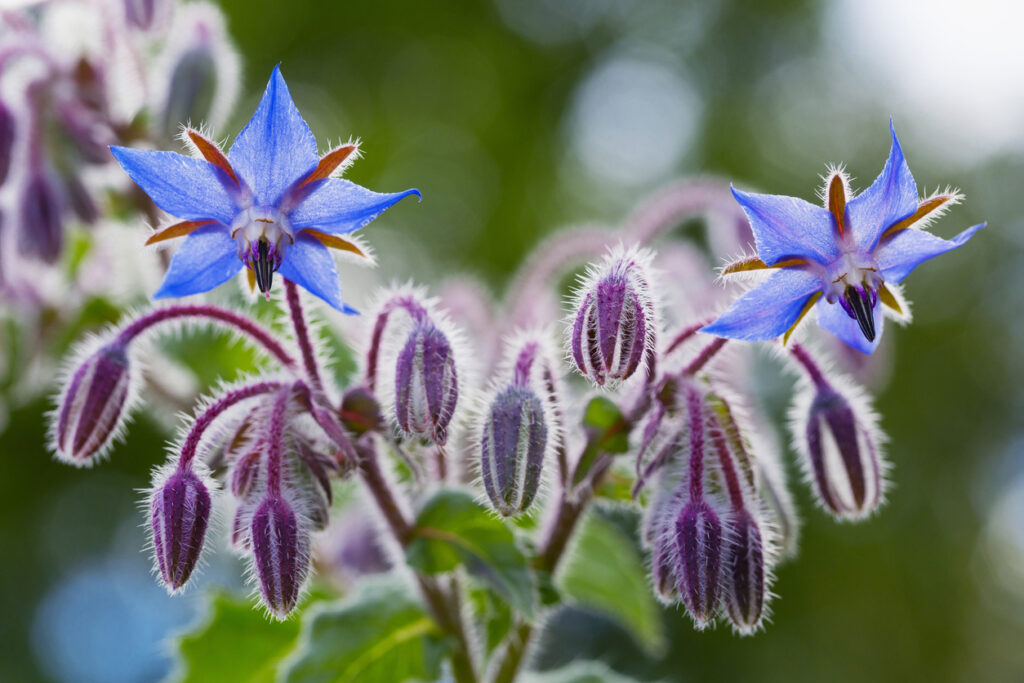
Borage flowers are a stunning cornflower blue and bring a light, cucumber-like flavour. They’re particularly refreshing on summer salads and pair well with mint, citrus, and soft cheeses. The flowers are delicate, so it’s best to add them just before serving. They’re also great frozen in ice cubes for drinks. Borage plants are hardy and self-seed easily, so once you’ve got one, you’re likely to have them return year after year.
5. Viola and pansy
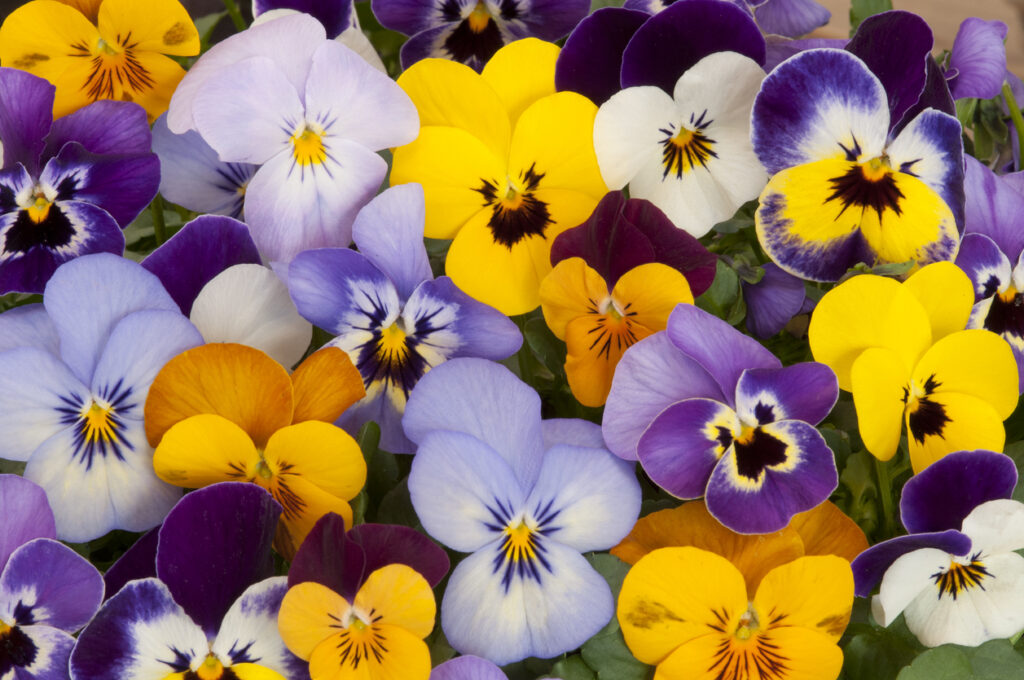
These pretty little blooms are more about appearance than strong flavour, but they do have a mild sweetness that works well in lighter salads. They come in a wide range of colours, from pale pastels to deep purples and blues. Both violas and pansies are easy to grow in containers and make perfect edible garnishes. Just be sure you’re using flowers that haven’t been treated with pesticides or non-edible fertilisers.
6. Courgette (zucchini) flowers
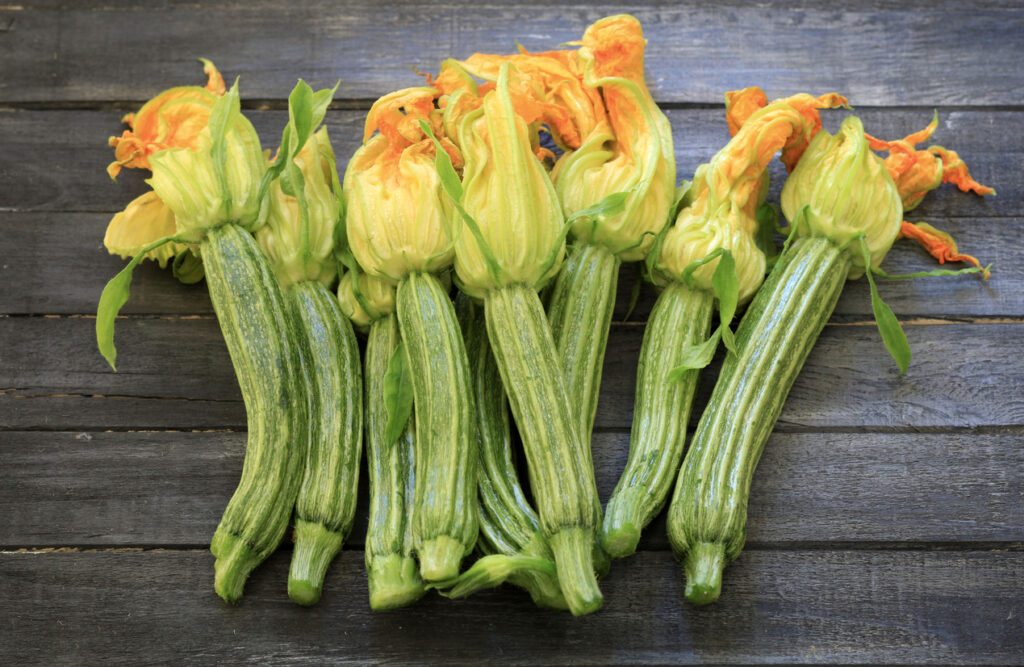
Large and golden, courgette flowers have a delicate flavour and a tender texture that makes them perfect for stuffing or tearing into salads. They add a subtle sweetness and look dramatic on the plate. If you grow your own courgettes, you’ll get loads of male flowers (the ones without the fruit behind them), which can be harvested without affecting your veg crop. Just rinse gently and use fresh, as they wilt quickly.
7. Wild garlic flowers
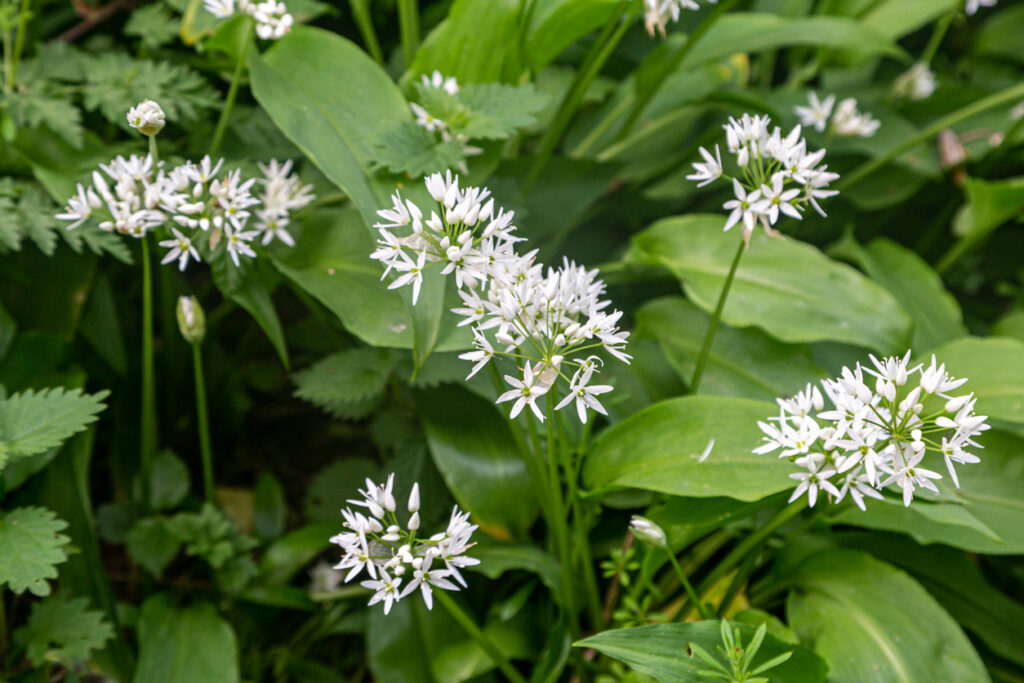
If you’ve ever foraged wild garlic, you’ll know the white starburst flowers appear after the leaves and have a gentler garlic flavour. They’re crisp, slightly sweet, and give a subtle allium kick without overpowering your dish. They’re ideal for mixing into spring salads, especially alongside soft cheeses or lemon-based dressings. If you’re foraging, make sure you’re confident in identifying wild garlic properly; mistaking it for lookalikes can be risky.
8. Lavender

Best used sparingly, lavender flowers can bring a slightly sweet, herbal note to your salad. Their strong scent means a little goes a long way. Too much, and it can feel soapy or overpowering. Pair with goat cheese, strawberries, or honey-based vinaigrettes for a soft, fragrant twist. English lavender is the best culinary choice, and as always, make sure your plants haven’t been treated with chemicals.
9. Basil flowers
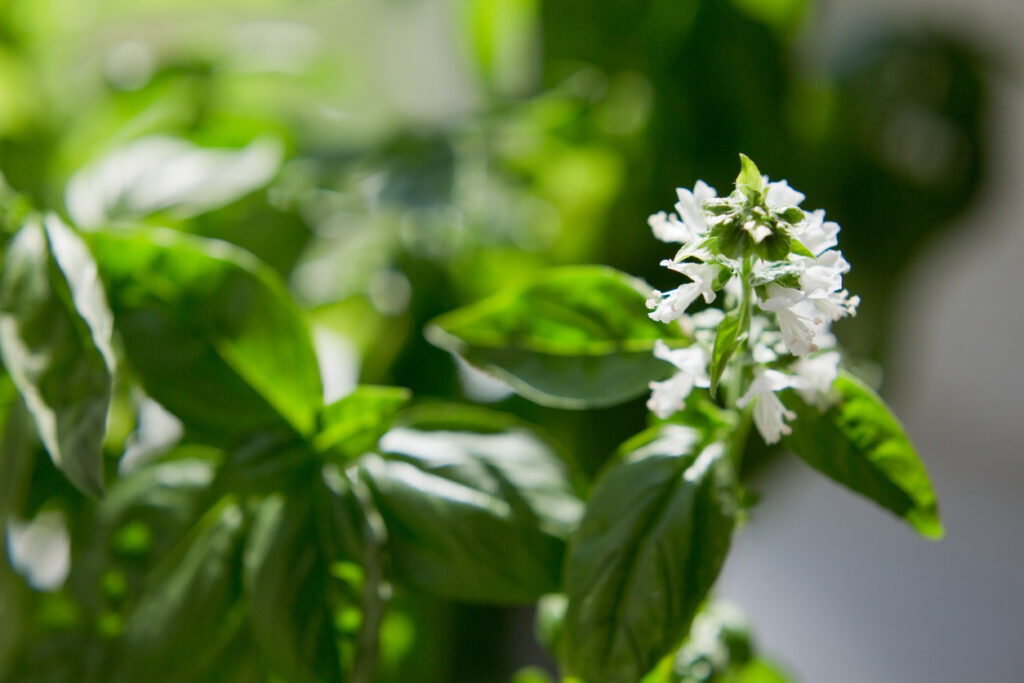
If your basil starts to bolt in the summer heat, don’t toss the flowers, eat them. Basil blossoms have a more concentrated flavour than the leaves, and depending on the variety, can be sweet, spicy, or even slightly citrusy. Scatter them whole or pull the tiny blooms from the stem to mix through a salad. They pair well with tomatoes, mozzarella, and anything you’d normally dress with olive oil and balsamic.
10. Mint flowers
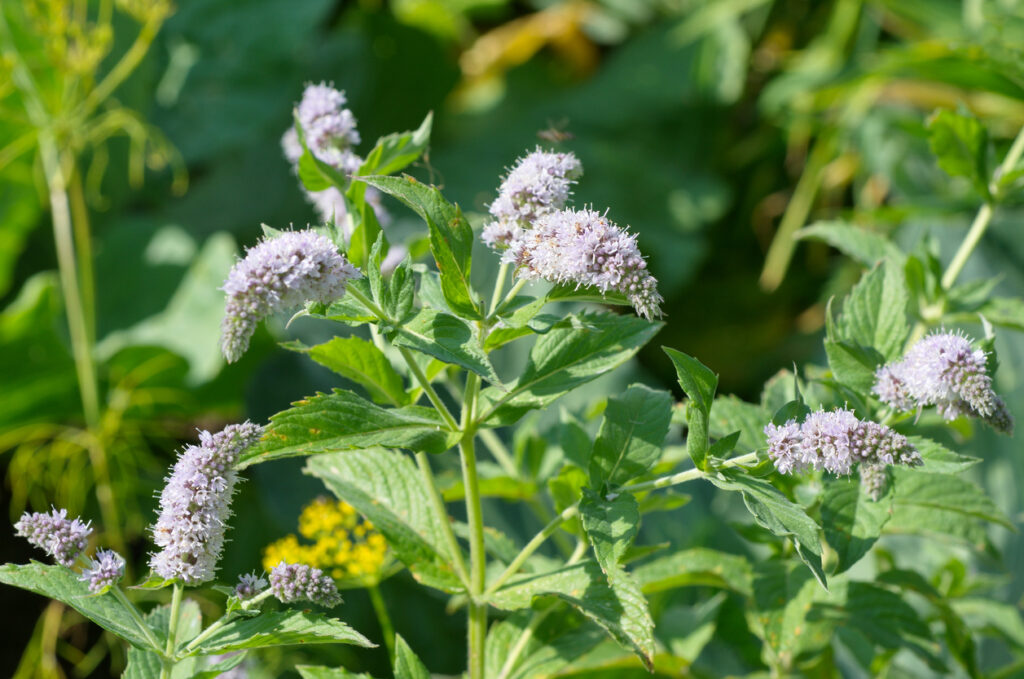
Mint flowers are often overlooked, but they’re edible and have a soft, floral version of the minty flavour you’d expect. They grow in spikes and can be picked fresh as soon as they bloom. Use them to add a refreshing lift to fruit-based salads or couscous dishes. Like the leaves, the flowers can vary in strength depending on the mint variety you’re growing, so taste-test first if you’re unsure.
11. Rose petals
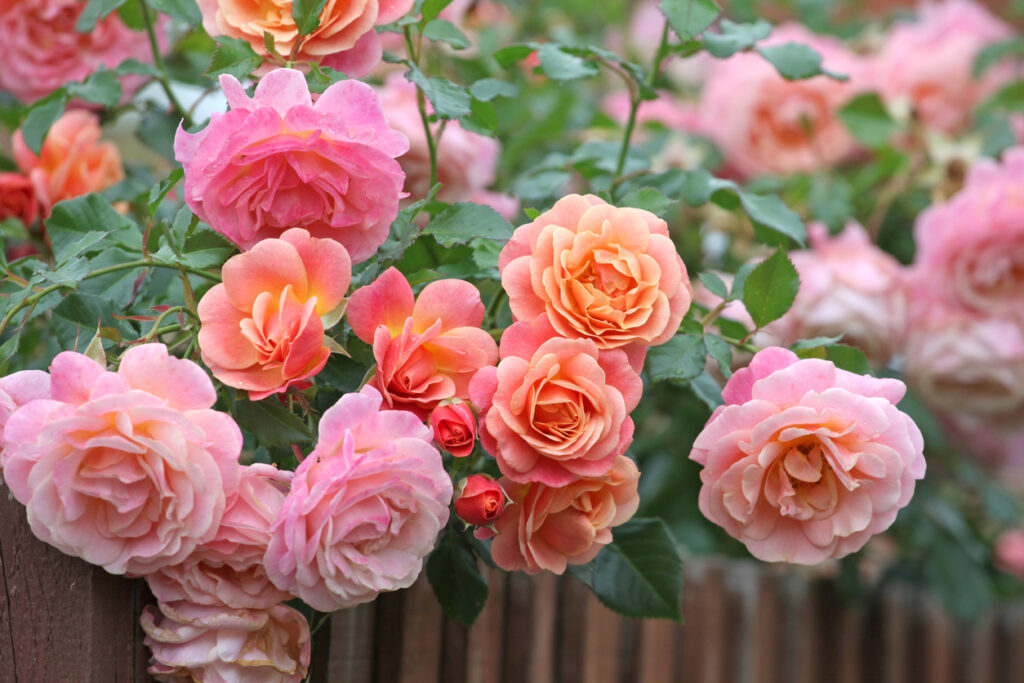
Rose petals are a classic choice for sweet and floral salads, especially when paired with fruits, nuts, or a drizzle of honey. Choose petals from fragrant varieties, and only use those grown without sprays or chemicals. The texture is soft, the flavour lightly perfumed, and the visual effect always elegant. Trim away the white base of each petal (where it attaches to the flower), as this can be slightly bitter.
12. Dill flowers
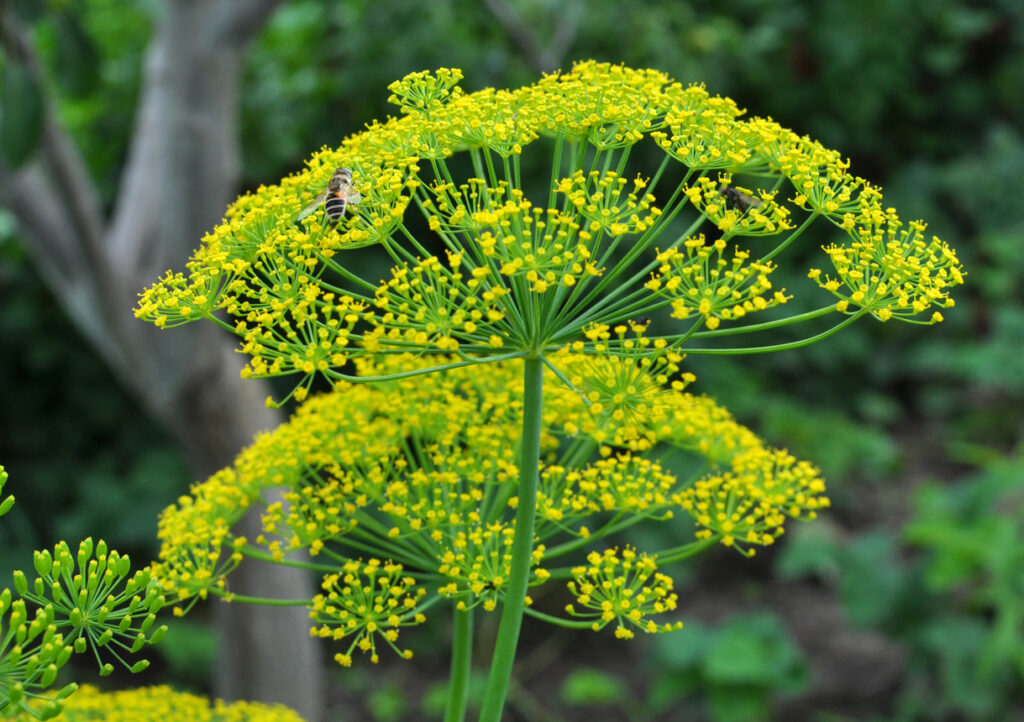
Dill flowers are bright yellow and have the same fresh, aniseed-like flavour as the leaves, only with a bit more punch. They can be broken into florets and sprinkled across your salad for a light herbal edge. These pair beautifully with potatoes, salmon, or lemony dressings. If your dill plant bolts in warm weather, enjoy the flowers while they last; they’re just as tasty as the foliage.
13. Chamomile
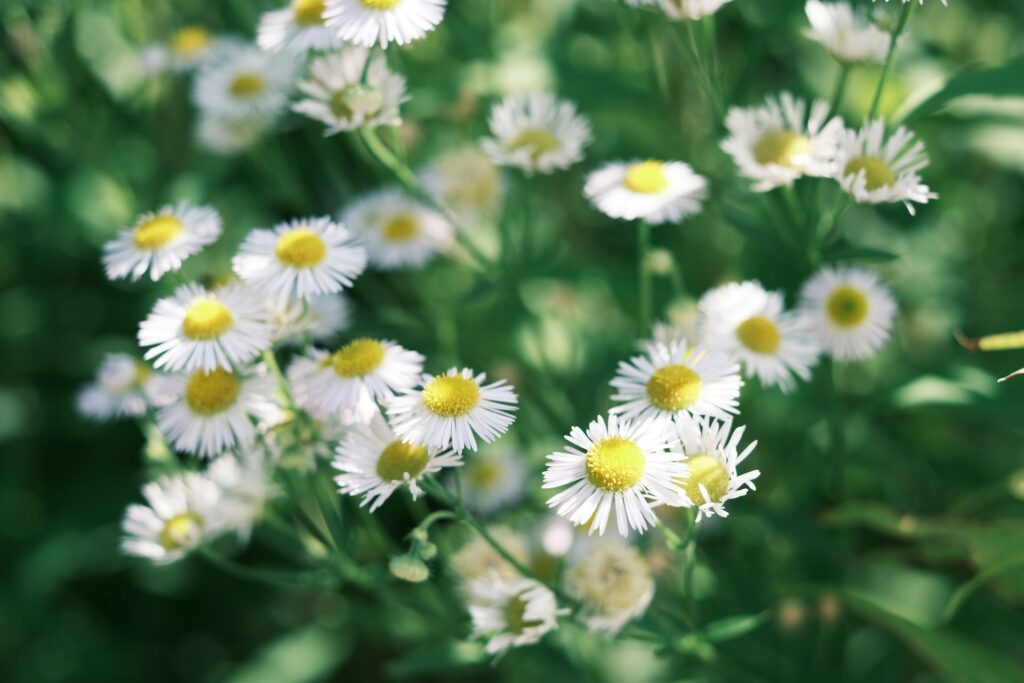
Most people associate chamomile with tea, but the daisy-like flowers are also edible and mildly sweet with an apple-like taste. They work well scattered over salads, especially when you want a light floral twist. Grow your own German or Roman chamomile and make sure it’s pesticide-free. The flowers are small but charming, and they’re a lovely addition to any herb bed or kitchen garden as well as the dinner plate.