Spiders might already make most people uneasy, but some species take things to a whole new level.

Across the world, there are spiders that can survive in boiling heat, dive underwater, or grow to the size of a dinner plate. Others rely on speed, strength, or even venom powerful enough to take down animals much larger than themselves.
These extreme species show just how adaptable and varied spiders can be. Whether they live in dense jungles, deep caves, or arid deserts, each one has evolved to master its environment in a way that’s both fascinating and a little unsettling. They’re proof that spiders are far more impressive, and stranger, than we usually give them credit for.
1. Goliath birdeater, the heaviest spider
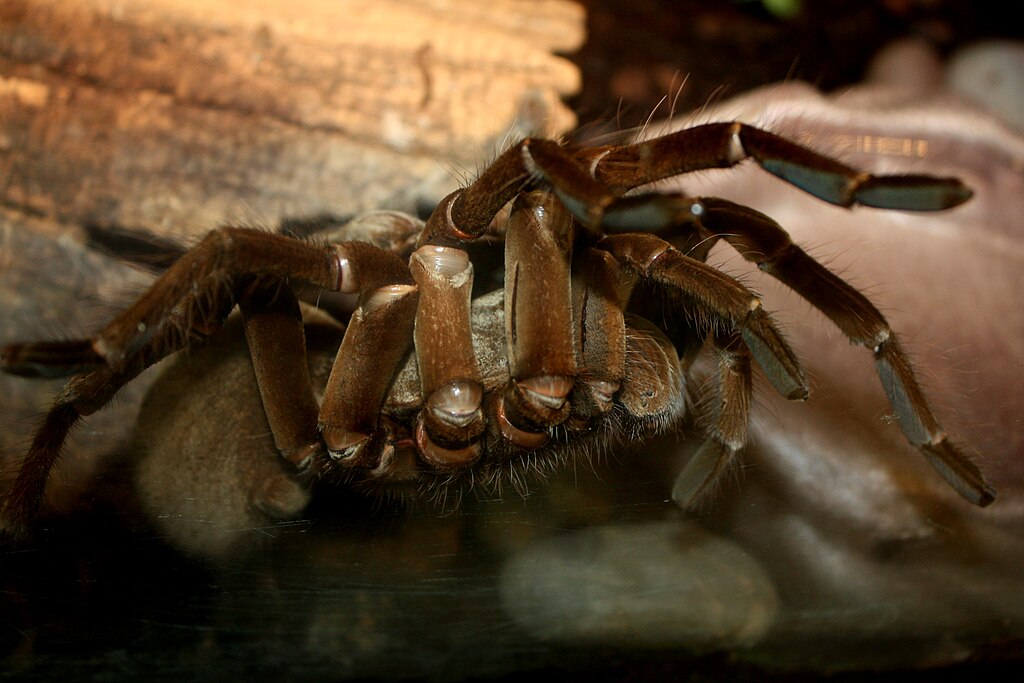
This South American tarantula weighs up to 175 grams and has a leg span of 30 centimetres, making it the heaviest spider on Earth. Despite the name, it rarely eats birds, preferring insects, frogs, and small rodents it catches on the forest floor.
The sheer mass of this spider is what makes it extreme. Most spiders are lightweight to help with climbing and web building, but the Goliath birdeater is built like a tank, using its weight to overpower prey rather than relying on webs.
2. Giant huntsman spider, the longest leg span

With a leg span reaching 30 centimetres, the giant huntsman from Laos has the longest legs relative to body size of any spider. It lives in caves and can move sideways incredibly fast, earning huntsman spiders their name.
Those massive legs aren’t just for show, they allow the spider to cover ground at terrifying speed when hunting. It doesn’t build webs, instead actively chasing down prey with a turn of speed that’s genuinely unsettling to witness.
3. Diving bell spider, the only fully aquatic spider

This European spider spends its entire life underwater, breathing from an air bubble it carries on its abdomen like a diving bell. It builds a silk structure underwater, fills it with air from the surface, and lives inside this submerged web.
No other spider has adapted to fully aquatic life like this. It hunts underwater, mates underwater, and raises young underwater, all while managing its oxygen supply through a bubble of air trapped in silk and body hairs.
4. Peacock spider, the most elaborate dancer
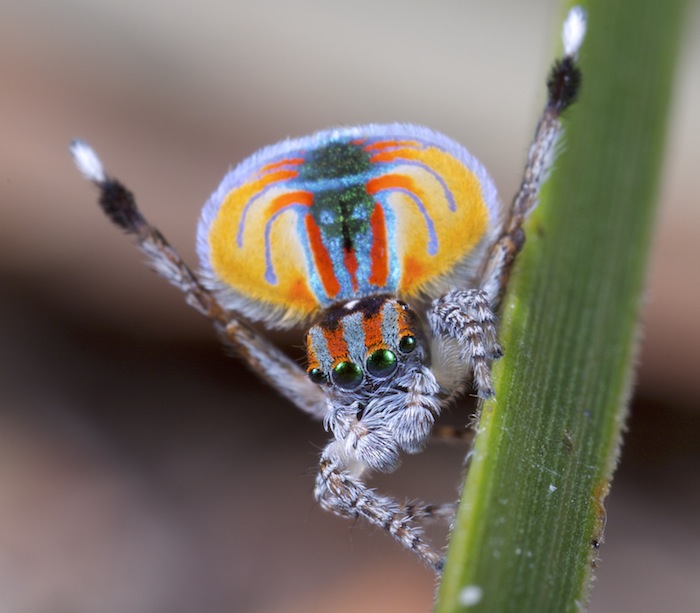
These tiny Australian spiders, smaller than a grain of rice, have evolved incredibly colourful abdominal flaps that males display during elaborate courtship dances. They wave their legs, vibrate their bodies, and show off iridescent colours to impress females.
The courtship displays are so complex they look choreographed. Males who don’t dance well enough get rejected or sometimes eaten, creating intense evolutionary pressure for increasingly elaborate performances. It’s extreme sexual selection in action.
5. Bagheera kiplingi, the mostly vegetarian spider

This Central American jumping spider is the only spider known to eat primarily plant matter, feeding on protein rich structures produced by acacia trees. About 90% of its diet is vegetarian, which is bizarre for an arachnid.
Spiders are obligate carnivores with digestive systems designed for meat, making this vegetarian lifestyle genuinely extreme. It still occasionally eats ant larvae, but its plant-based diet is unique among the 50,000 known spider species.
6. Bolas spider, the lasso wielding hunter
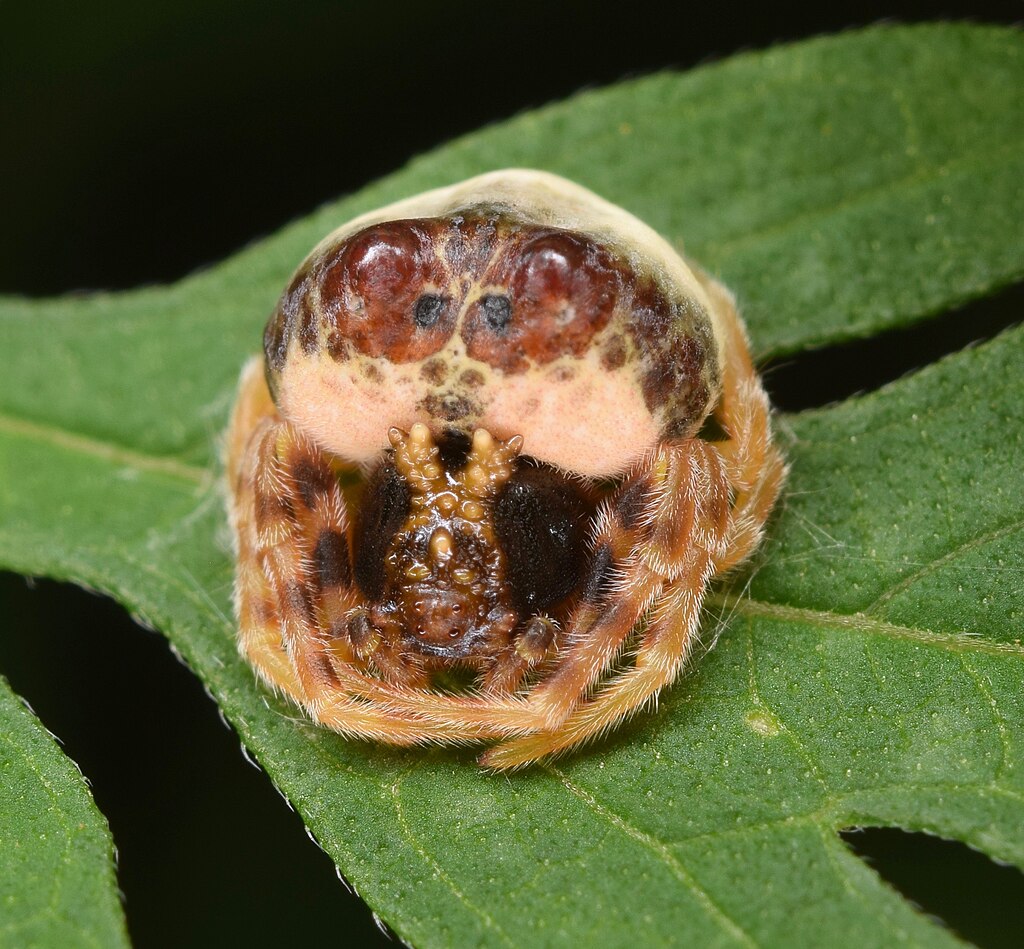
Instead of building traditional webs, these spiders create a single thread with a sticky ball on the end that they swing at flying moths like a lasso. They even produce chemical scents that mimic moth pheromones to attract specific prey.
This hunting method is so specialized that different bolas spider species target different moth species using tailored pheromone mimics. They’ve essentially weaponized chemistry and developed a completely unique hunting technique found nowhere else in nature.
7. Himalayan jumping spider, the highest altitude spider

Found at elevations up to 6,700 meters on Mount Everest, these jumping spiders are the highest permanent residents in the animal kingdom. They survive in freezing temperatures and thin air, feeding on insects blown up the mountain by wind.
Living at that altitude means dealing with extreme cold, low oxygen, and intense UV radiation. These spiders have adapted to survive in conditions that would kill most other arachnids, making them the ultimate high altitude extremophiles.
8. Portia spider, the problem-solving genius
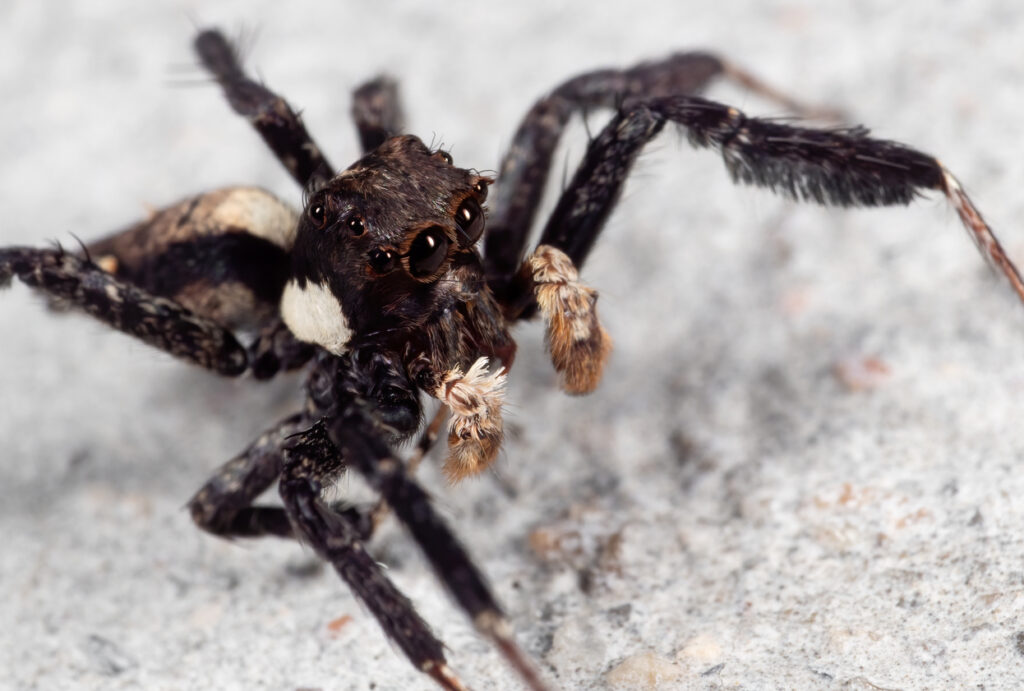
These jumping spiders from Africa and Asia can plan complex hunting strategies, including taking long detours to approach prey from unexpected angles. They’ve been observed learning from experience and adapting tactics based on what works.
Brain size to body ratio doesn’t get much more extreme than this. Despite having a brain smaller than a pinhead, Portia spiders display cognitive abilities that rival some vertebrates, showing planning and learning that shouldn’t be possible in something so small.
9. Theraphosa blondi, the loudest spider

When threatened, this South American tarantula rubs specialized hairs together to produce a hissing sound loud enough to be heard 4.5 meters away. It’s the loudest noise any spider can make, used to warn off predators before resorting to biting.
Most spiders are silent, making this audible warning system extreme. The sound is created by stridulation, the same mechanism crickets use, but adapted by the spider to be heard across surprisingly long distances for such a small animal.
10. Caerostris darwini, the strongest silk producer
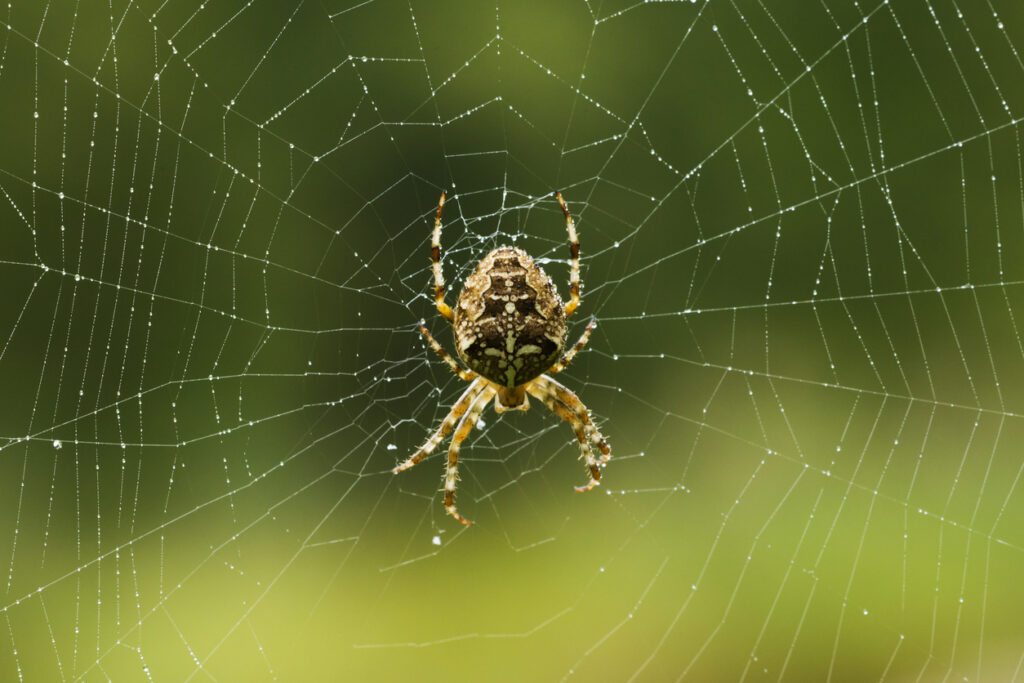
Darwin’s bark spider from Madagascar produces silk that’s the toughest biological material known, stronger than Kevlar and steel by weight. Its webs can span rivers up to 25 meters wide, the largest orb webs ever recorded.
The silk’s tensile strength is genuinely extreme, able to absorb massive amounts of energy before breaking. These spiders build webs over rivers to catch insects flying between forest patches, requiring silk strong enough to survive constant stress from wind and struggling prey.
11. Ogre faced spider, the net casting specialist

These Australian spiders hang upside-down, holding a small rectangular web between their front legs, then actively throw it over passing prey like a fisherman casting a net. They have enormous eyes that give them exceptional night vision for hunting in darkness.
The hunting technique is so unusual it looks like something from a cartoon. They wait motionless, then strike with incredible speed and accuracy, expanding their handheld net to envelope prey that walks underneath or flies past.
12. Spitting spider, the venom sprayer
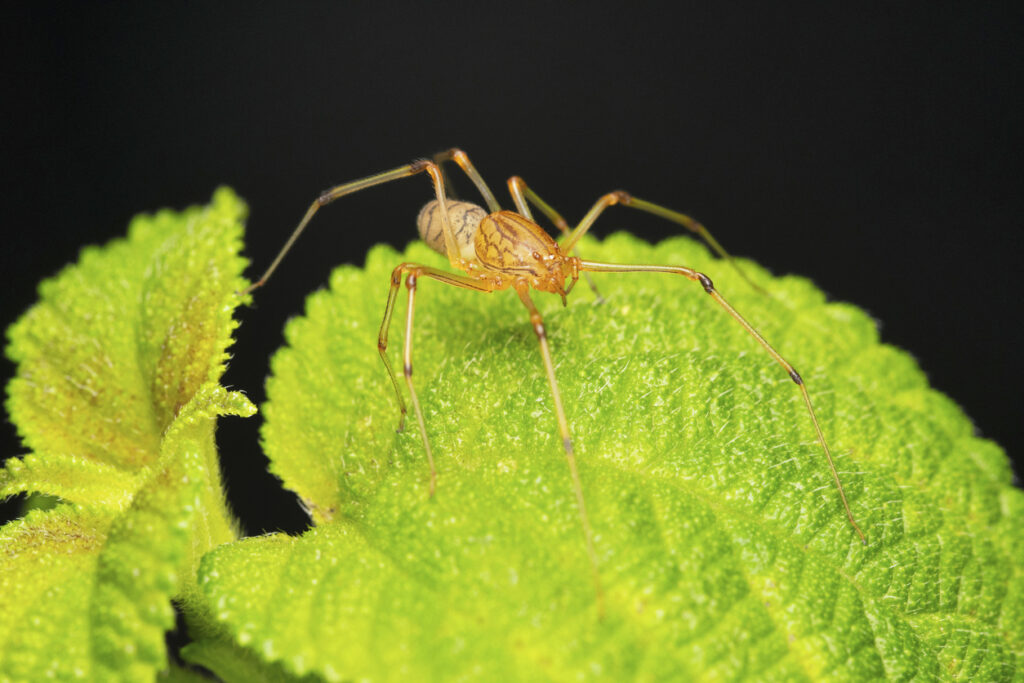
Instead of biting prey, these spiders spray a mixture of silk and venom from their fangs in a rapid zigzag pattern that glues prey to surfaces. They can hit targets up to 2 centimetres away with this sticky, toxic spray.
The mechanics are extreme because they’re oscillating their fangs side to side while simultaneously ejecting silk and venom, creating a net like pattern in milliseconds. It’s like having spray guns for fangs, a hunting method used by almost no other spider.
13. Ant mimic spiders, the ultimate impersonators

Various spider species have evolved to look and move exactly like ants, complete with fake antennae made from modified legs. They infiltrate ant colonies or hunt near them, protected by their disguise from both predators and suspicious ants.
The mimicry is so extreme they’ve changed their body shape, colouring, and movement patterns to match specific ant species. Some even produce chemical signals that smell like ants, creating multilayered deception that’s incredibly sophisticated.
14. Trapdoor spider, the ambush expert
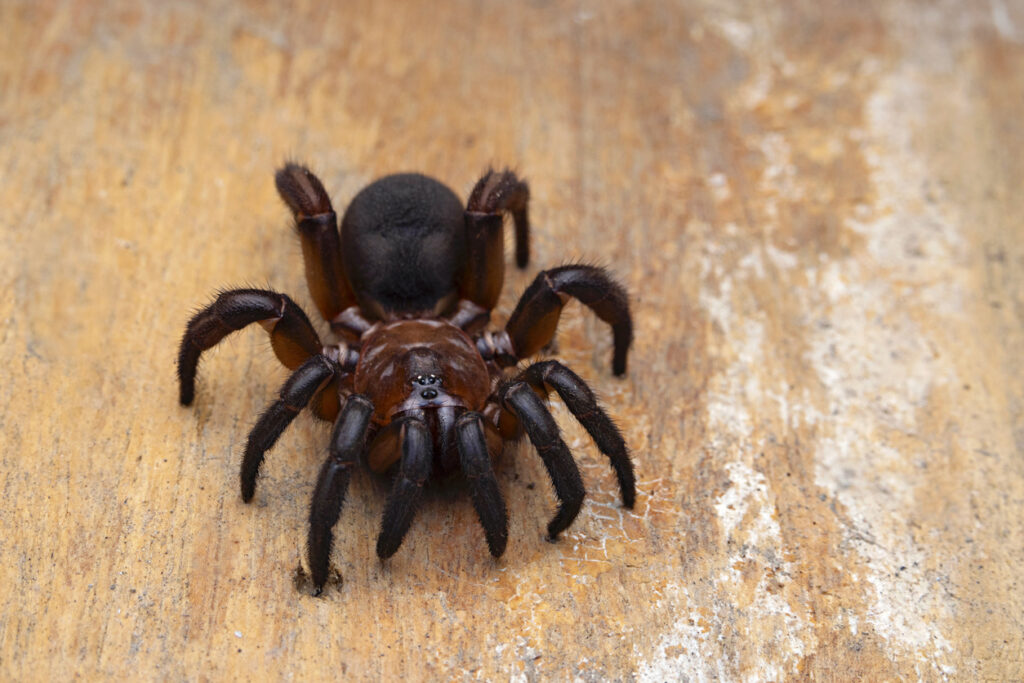
These spiders dig burrows with hinged doors made of silk and soil that are nearly invisible when closed. They wait inside with their front legs touching the door, feeling for vibrations from passing prey, then explode out with lightning fast strikes.
The trapdoor mechanism is engineered so precisely that it’s nearly impossible to spot, even when you know where to look. Some species have been recorded striking in just 30 milliseconds, making them among the fastest ambush predators in the animal kingdom.
15. Social spiders, the colony builders

While most spiders are solitary and cannibalistic, a few species like Anelosimus eximius live in colonies of thousands, cooperatively building massive communal webs and sharing food. They’ve overcome the usual spider tendency to eat each other and developed social behaviour.
This social lifestyle is extremely rare in spiders and requires suppressing their natural aggression toward each other. Colonies can contain webs covering several trees, with thousands of individuals working together in ways that seem impossible for arachnids.