Britain’s rivers and streams might look like peaceful public spaces, but they’re far more regulated than most people realise.
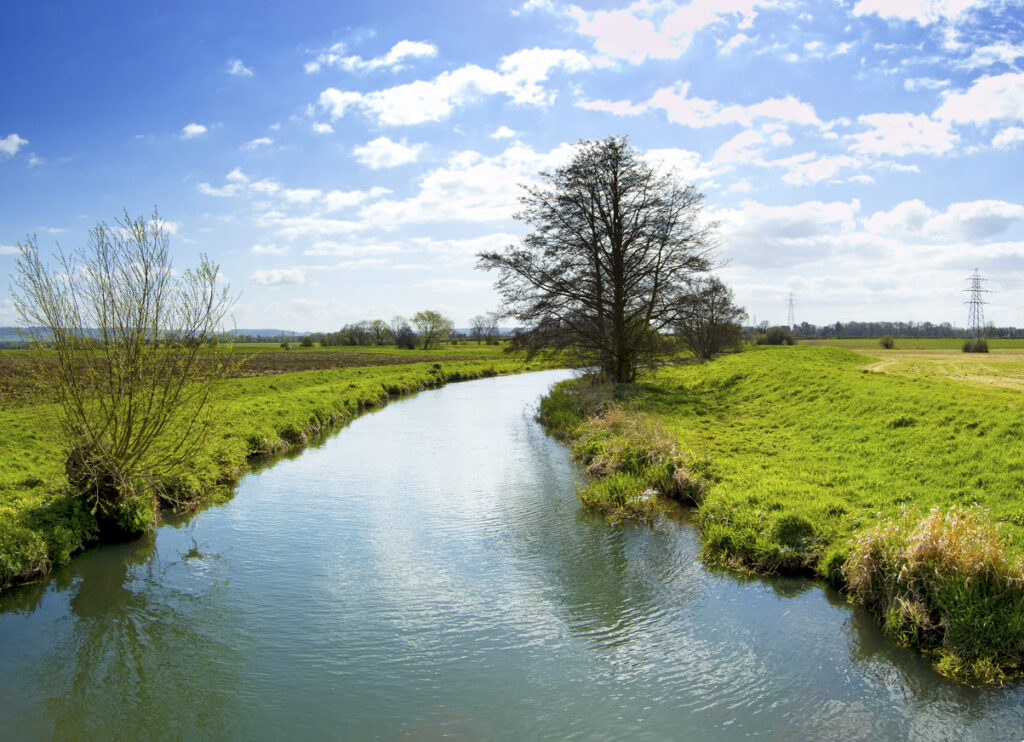
Whether you’re fishing, swimming, or just exploring, there are strict laws about what you can and can’t do near waterways, and breaking them can lead to hefty fines. Many of these rules exist to protect wildlife, water quality, and the delicate ecosystems that keep rivers healthy.
It’s not just about avoiding pollution or littering; it also covers access rights, property boundaries, and even what you’re allowed to remove or build near the water. The countryside might feel open and free, but when it comes to rivers, there’s a lot more red tape than you’d expect. Here’s what you need to know before setting up camp, taking a dip, or casting a line.
1. You can’t just dump anything in the water.
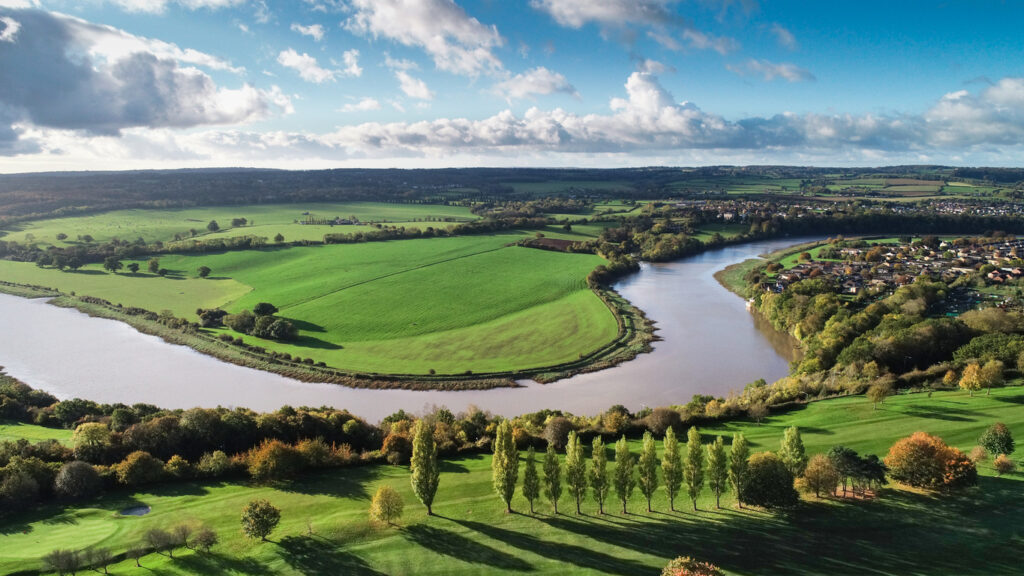
Tossing rubbish, garden waste, or anything else into a river or stream is a criminal offence under the Environmental Permitting Regulations. This includes stuff that seems harmless like grass clippings or leaves. Water pollution laws have strict liability, which means you can be prosecuted even if you didn’t mean to cause harm. Fines can be unlimited, and you could face prison time in serious cases.
2. You can’t pollute the water, even accidentally.

If pollution from your land reaches a river, you’re responsible, even if someone else caused it. This covers everything from oil leaks to chemicals to agricultural run-off. There’s a famous case where a business owner was prosecuted because a vandal opened a tap on their property and diesel flowed into a river. They were still held liable because they’d maintained the tank there.
3. You can’t fish without a licence.
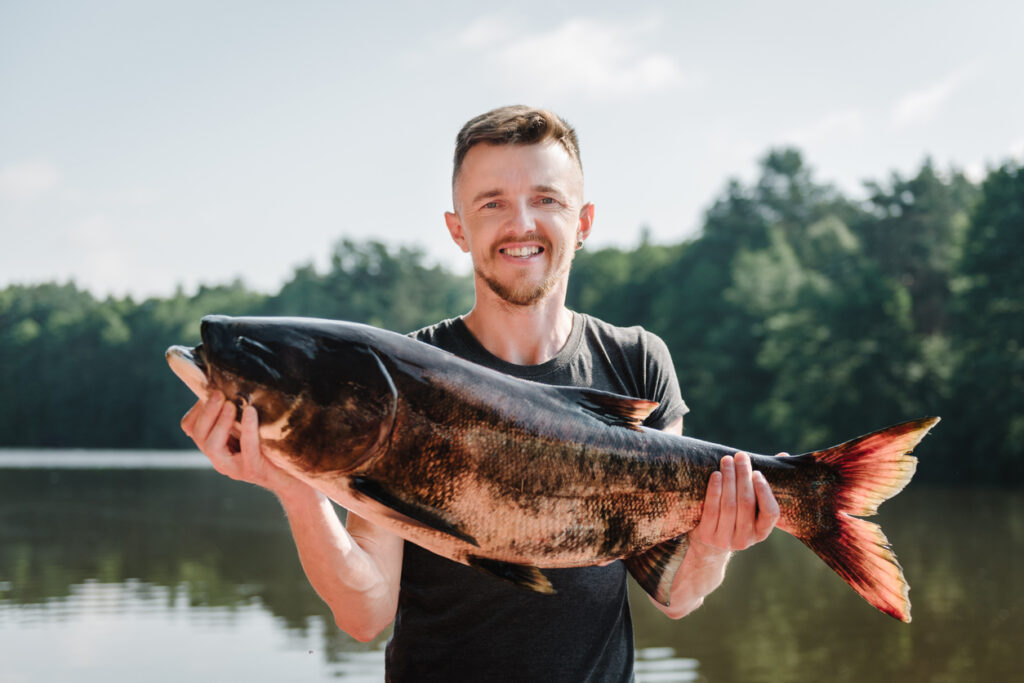
You need a rod fishing licence to fish in rivers and streams in England and Wales. Anyone 13 or older fishing without one can be fined up to £2,500. Even with a licence, you can’t fish for coarse fish during the close season from 15 March to 15 June on most rivers. You also can’t keep more fish than the daily limit or fish that are below the legal size.
4. You can’t block or divert the water flow.
Riparian owners must let water flow naturally through their property. You can’t build dams, weirs, or anything else that stops water reaching downstream properties in its natural state. Even if you own the land on both sides of a stream, the water itself doesn’t belong to you. Interfering with natural water flow can land you in legal trouble with the Environment Agency.
5. You can’t extract large amounts of water without permission.

You’re allowed to take small amounts of water for domestic use, like watering your garden or filling a trough for livestock. However, anything over 20 cubic metres per day requires a licence from the Environment Agency. Commercial water extraction without the proper permits is illegal and gets taken seriously. The authorities monitor abstraction levels and will prosecute businesses taking more than they’re allowed.
6. You can’t camp or light fires on riverbanks without permission.

Most riverbanks are privately owned, and camping on them without the landowner’s permission counts as trespassing. Whilst trespassing isn’t a criminal offence in England and Wales, lighting fires definitely can be. If you’re on a public footpath that runs alongside water, you can stop briefly for refreshments but setting up camp or having barbecues crosses the line into being disrespectful and potentially illegal.
7. You can’t swim in most reservoirs.

The majority of reservoirs in England and Wales have strict no swimming rules despite being publicly owned by water companies. Swimming in them counts as trespassing, and you can be asked to leave. Water companies claim it’s for safety reasons, but there’s growing pressure to change these rules. In Scotland, swimming in reservoirs has been legal since 2003 under right to roam legislation.
8. You can’t cut down trees near water without considering the consequences.

Whilst riparian owners can remove trees that might cause flooding, you’re not allowed to clear all vegetation. Trees and plants along riverbanks help prevent erosion and provide habitats for protected species. If your work affects protected wildlife sites or rare species, you need permission from Natural England before doing anything. Ignoring this can result in prosecution under environmental protection laws.
9. You can’t build structures in or near water without permits.
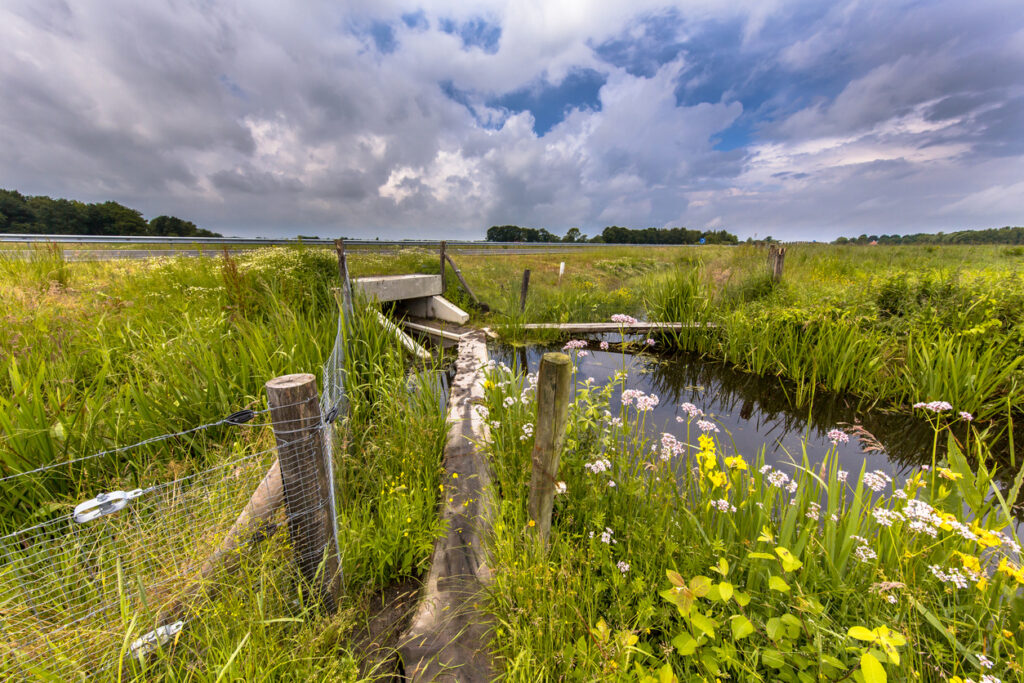
Building anything like bridges, culverts, or flood defences requires permission from either the Environment Agency for main rivers or your local flood authority for smaller watercourses. You also need to check with your local planning authority and possibly get an environmental permit. Building without proper authorisation can mean having to remove the structure and facing fines.
10. You can’t harm protected species living in or near water.

Many creatures that live in and around rivers are legally protected. This includes otters, water voles, white-clawed crayfish, and various fish species. Even accidentally disturbing their habitats during maintenance work can be illegal. You’re supposed to check for protected species before doing any work that might affect them and get the necessary licences if needed.
11. You can’t leave fishing equipment unattended.
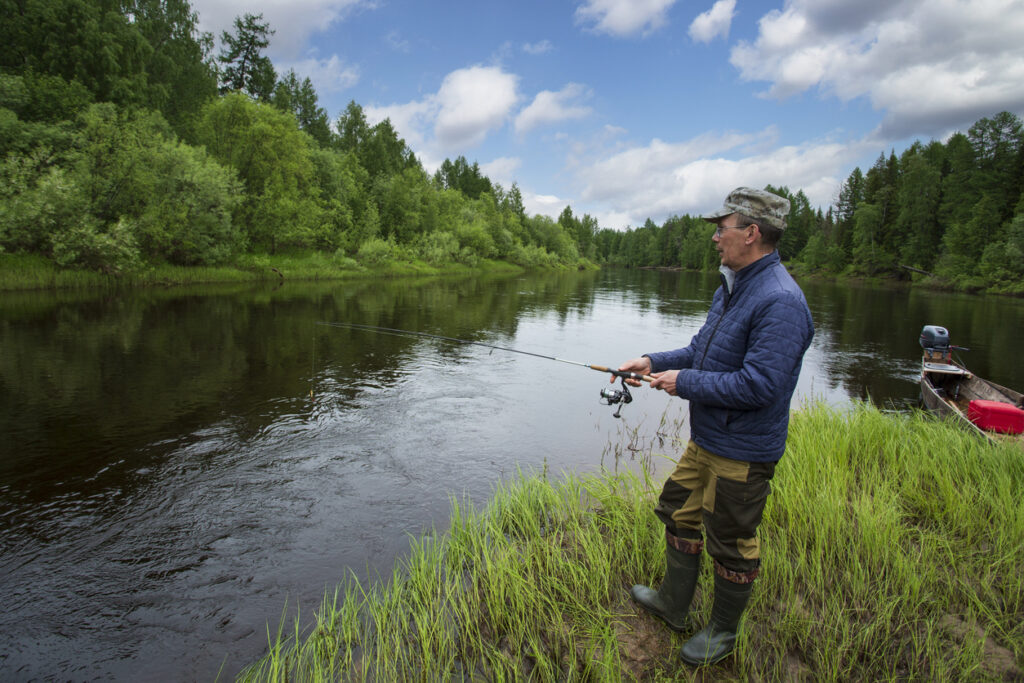
It’s illegal to leave a rod and line in the water without having control over it. The law says the distance between your outermost rods can’t be more than three metres when fishing with multiple rods. You must carry your fishing licence with you whilst fishing, or you can be prosecuted. Wardens do regular checks, and they’re not interested in excuses about leaving it at home.
12. You can’t just assume you have the right to access the water.
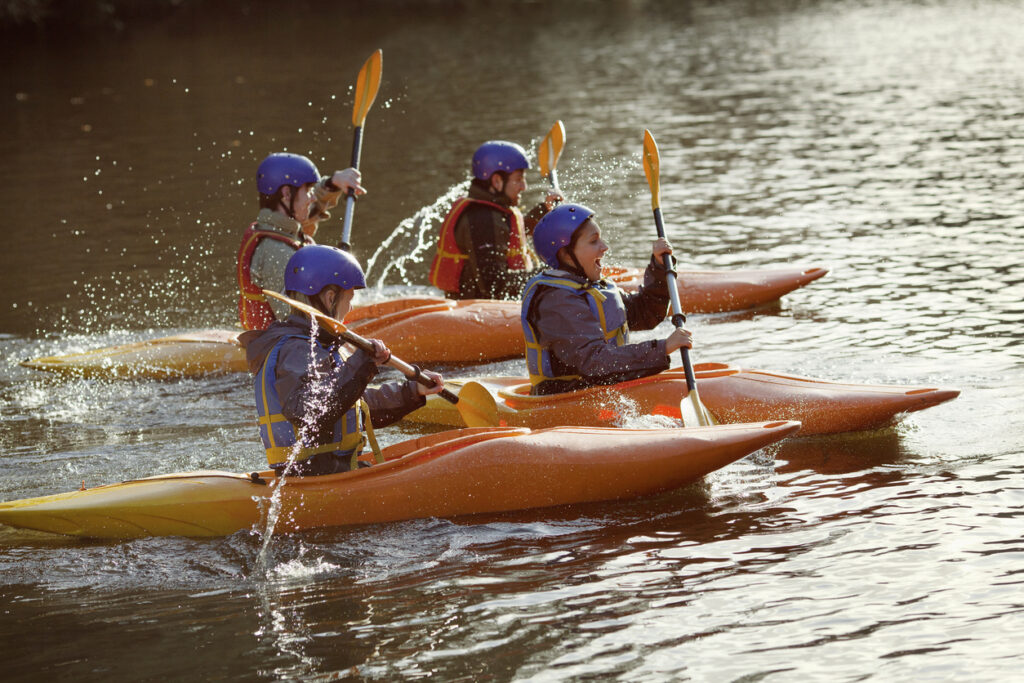
Unlike Scotland where there’s a clear right to roam including waterways, England and Wales have complicated access rights. Just because there’s water doesn’t mean you’re allowed to use it. Only about 3% of rivers have clear public navigation rights. For most rivers and streams, whether you can swim, paddle, or even walk along the bank depends on the landowner’s permission or established historic use.
13. You can’t ignore local by-laws about specific waterways.
Different rivers and canals have their own by-laws that add extra restrictions beyond national laws. Some might ban certain activities, set speed limits for boats, or designate specific areas for particular uses. Canals managed by the Canal and River Trust explicitly prohibit swimming because of hidden dangers like sudden depth changes, strong currents, and waterborne diseases. Breaking these rules can result in fines.
14. You can’t moor permanently without permission.
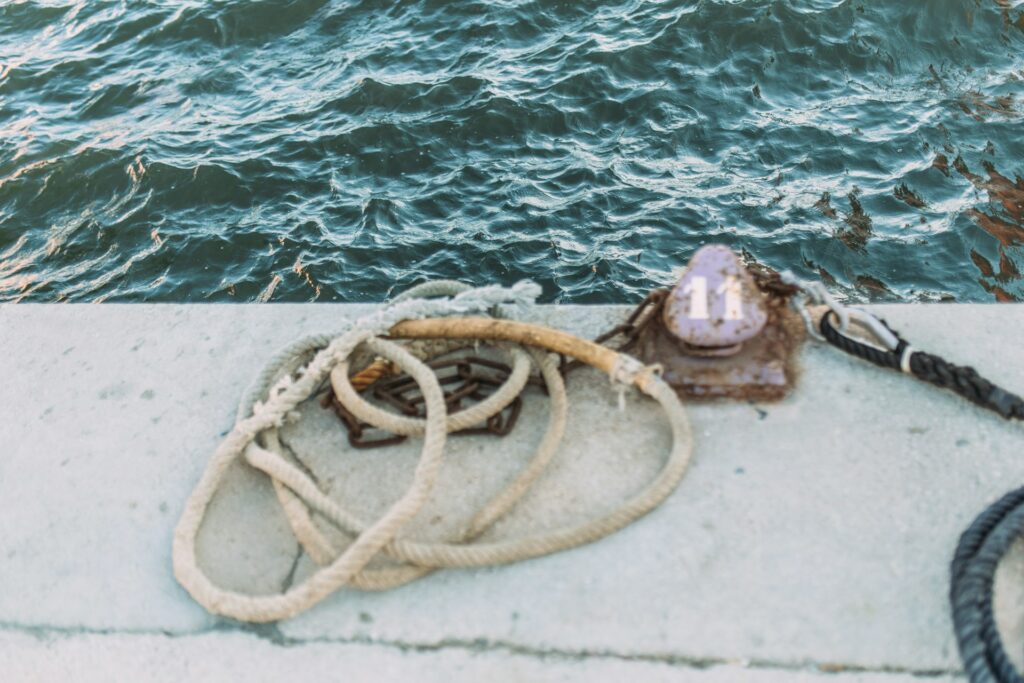
Riparian owners have the right to temporarily moor boats to load or unload them, but this doesn’t extend to permanent mooring. Setting up a permanent mooring requires agreements and permissions from various authorities. Living on a boat permanently moored without proper permissions counts as unauthorised development. Local authorities can take enforcement action, and you might be required to move or face legal consequences.