Most people see their garden as a little slice of nature, but you might be surprised by how many common features are actually a bit of a nightmare for the local animals.
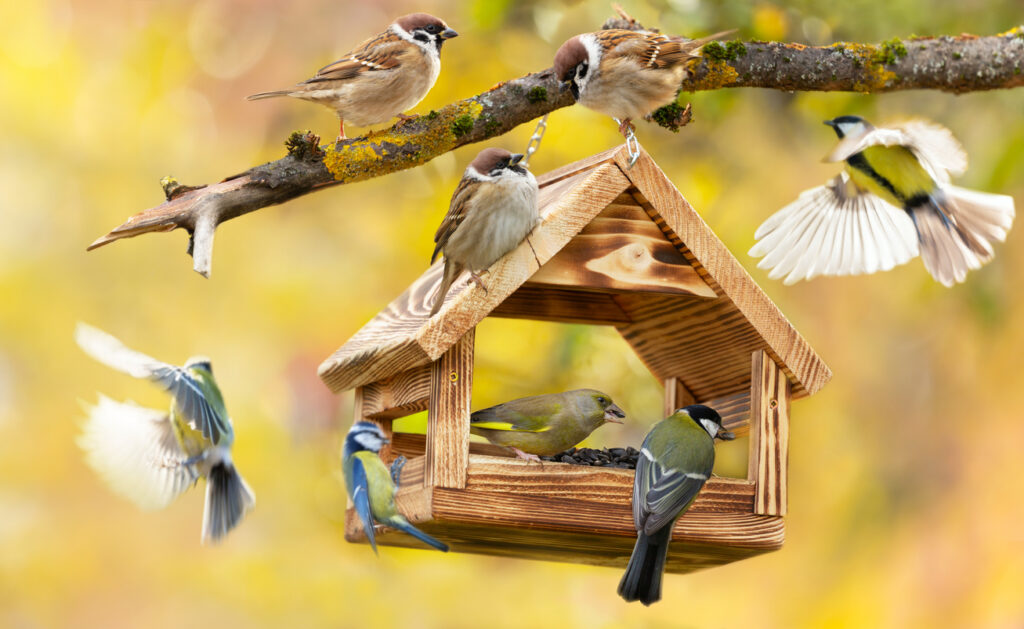
It’s easy to assume that if it’s green and growing, it’s doing some good, but certain habits and decorative choices can turn a backyard into a bit of a death trap for hedgehogs, birds, or bees. You don’t need to have a massive, wild forest to help out; usually, it’s just about spotting the hidden dangers in your current setup that you’ve probably never even considered. These 14 things are likely sitting in your garden right now, subtly making life much harder for the wildlife trying to share the space with you.
1. Slug pellets poison the entire food chain.
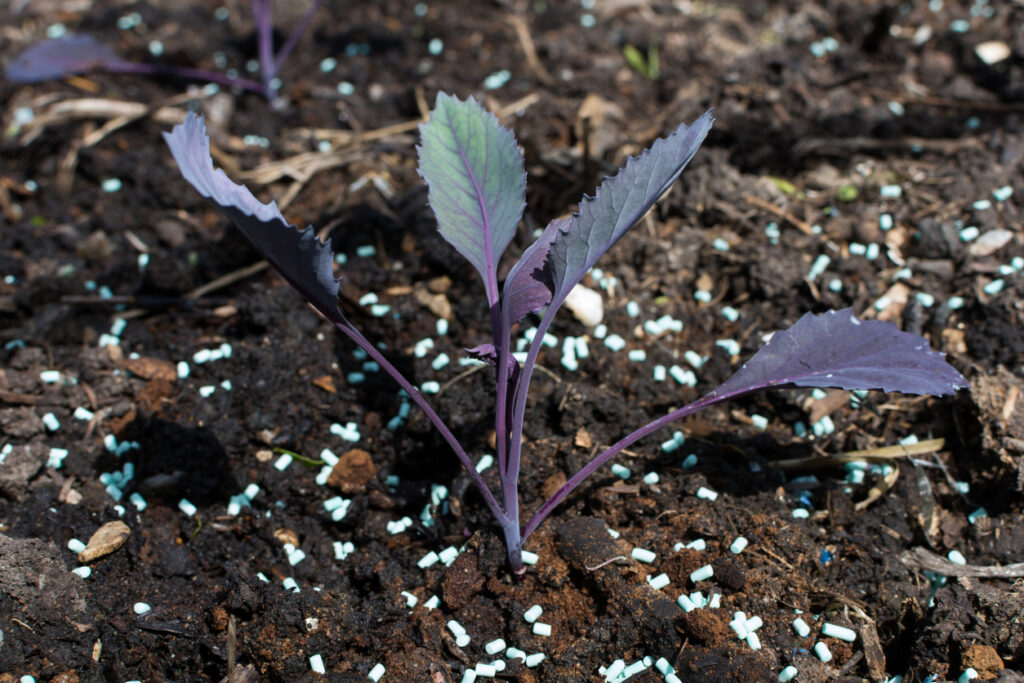
Those blue pellets you scatter to protect your hostas kill far more than slugs. Hedgehogs, birds, and frogs eat poisoned slugs and get sick or die from the toxins. Even if you use “pet safe” pellets, they’re still harmful to wildlife that eats the affected slugs. The poison accumulates as it moves up the food chain, so a thrush eating multiple contaminated slugs gets a concentrated dose. There are safer alternatives like beer traps, copper tape, or just accepting that slugs are part of a healthy garden ecosystem and provide food for other creatures.
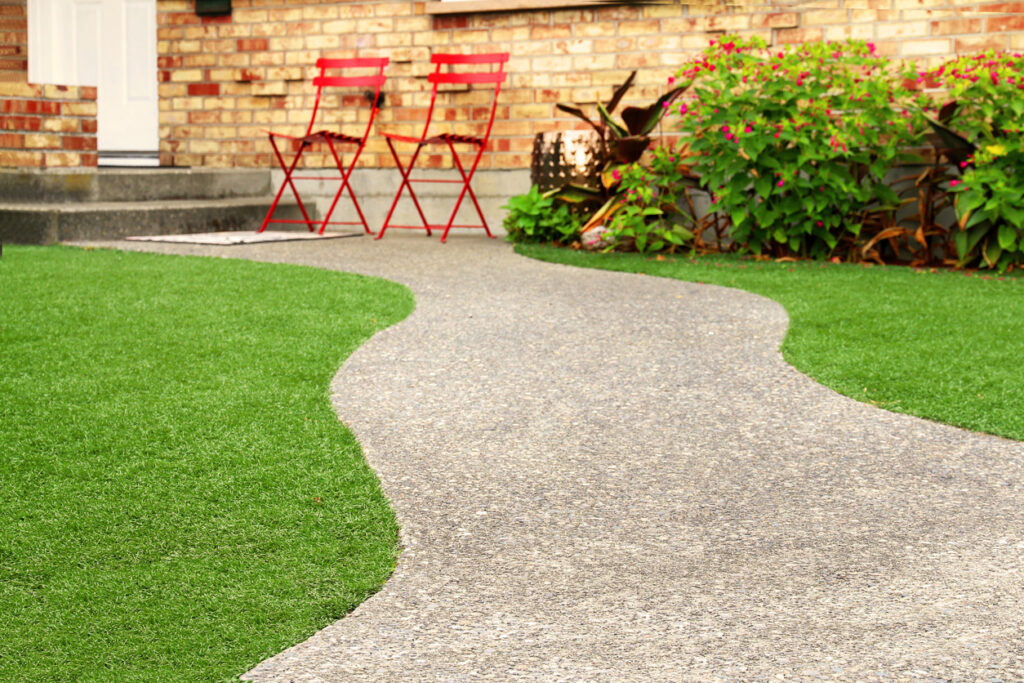
2. Artificial grass destroys habitat completely.
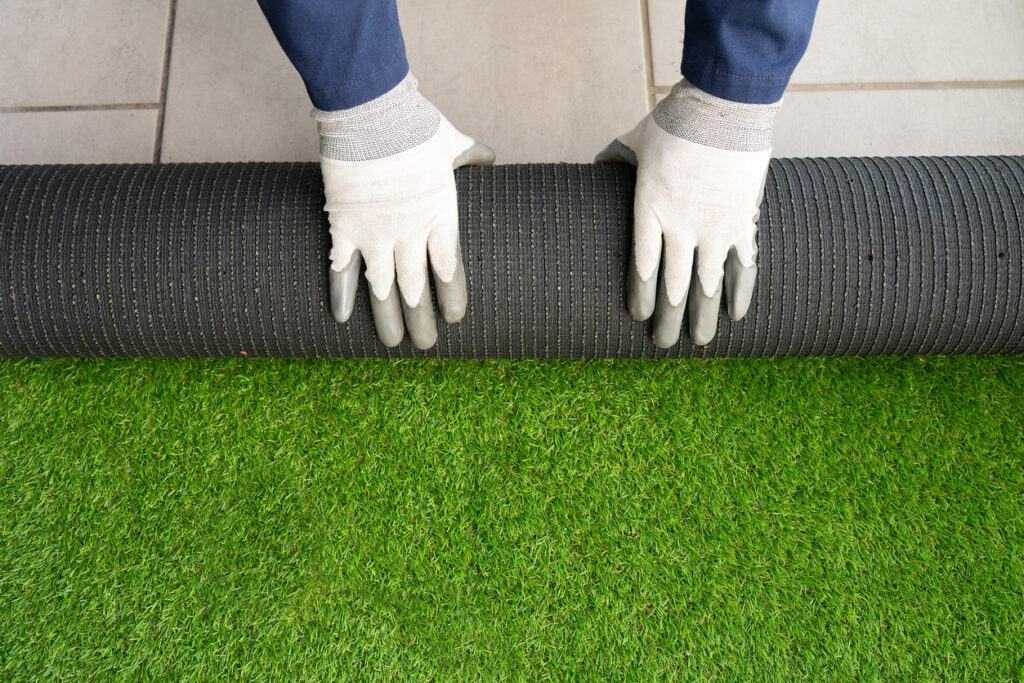
Fake lawns might look tidy and require no mowing, but they’re ecological dead zones that provide nothing for wildlife. Insects can’t live in plastic, which means birds lose their food source and the entire food web collapses. Real grass supports dozens of species even when it’s mown short, but artificial turf is just a green wasteland. It also creates drainage problems because water can’t soak through properly, and it gets incredibly hot in summer. The convenience for you means death for countless small creatures that would otherwise live in your garden.
3. Peat compost destroys precious habitats elsewhere.
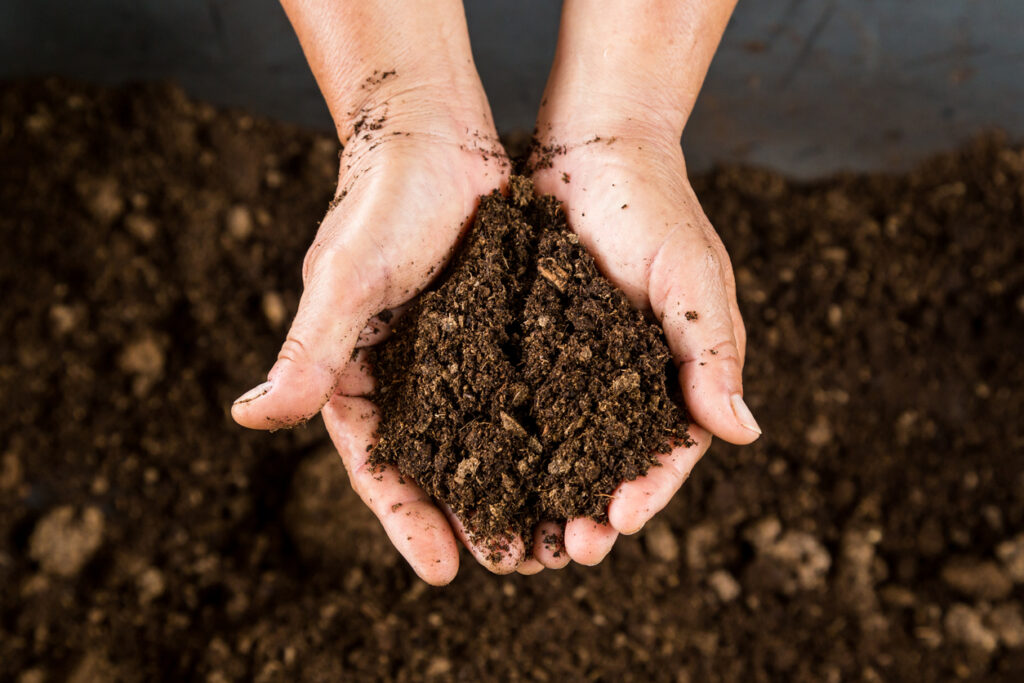
Using peat-based compost contributes to the destruction of peatlands, which are vital habitats for rare birds, insects, and plants. These boggy areas take thousands of years to form and are being stripped at alarming rates to supply garden centres. Peatlands also store massive amounts of carbon, so destroying them contributes to climate change that harms wildlife globally. Peat-free alternatives work just as well for your plants and don’t require destroying irreplaceable ecosystems. Check your compost bags and choose peat-free options to avoid contributing to this environmental disaster.
4. Decking and paving remove valuable ground space.
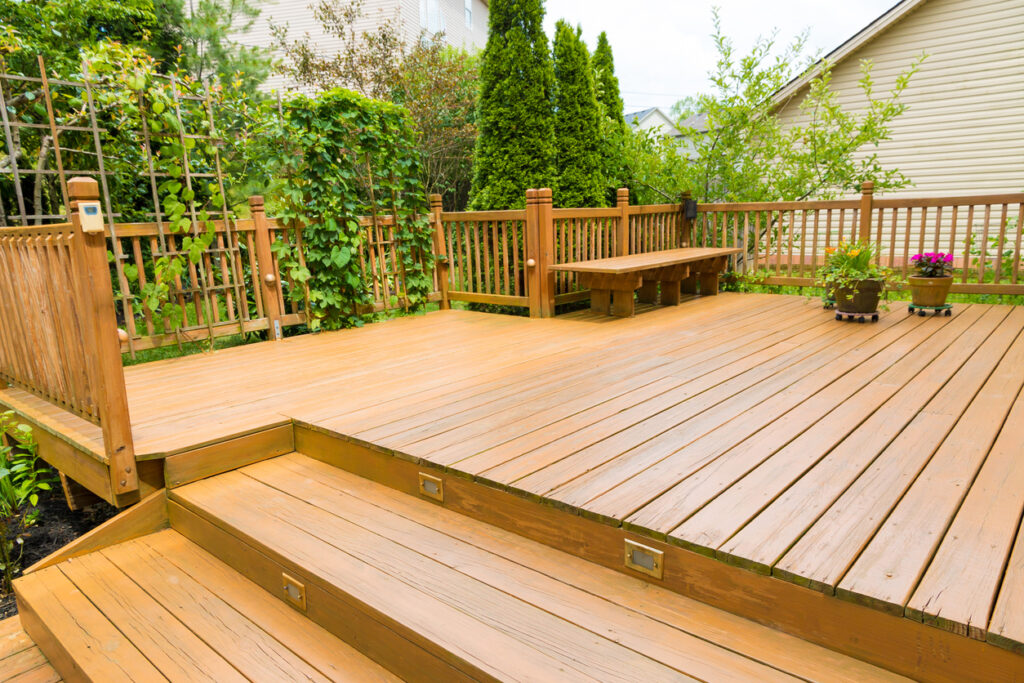
Covering your garden with hard surfaces eliminates the soil that invertebrates, ground-nesting bees, and other creatures need to survive. Woodlice, beetles, and worms can’t live under paving slabs, which removes the food source for birds and hedgehogs. Large areas of decking create dead space underneath where nothing can grow or live. Gardens are becoming increasingly paved over, which is devastating for wildlife populations that need access to actual earth. Even small areas of bare soil or lawn provide habitat that hard surfaces simply can’t match.
5. Netting hurts birds and hedgehogs regularly.
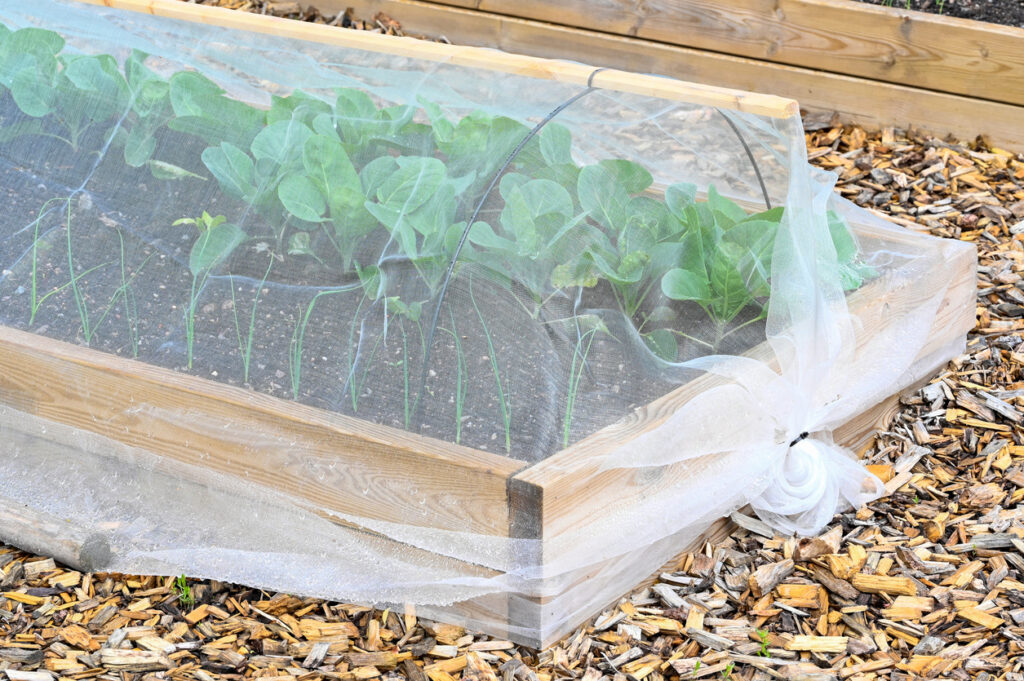
Garden netting for fruit bushes or ponds frequently traps and kills wildlife if it’s not installed properly. Birds get tangled trying to reach berries, hedgehogs become caught while wandering at night, and both can die slowly from starvation or injury. Loose netting is particularly dangerous because animals push underneath and become entangled. If you must use netting, make sure it’s pulled tight so creatures can’t get caught in it, and check it daily for trapped animals. Better yet, use alternative protection methods that don’t create death traps.
6. Pesticides kill beneficial insects along with pests.
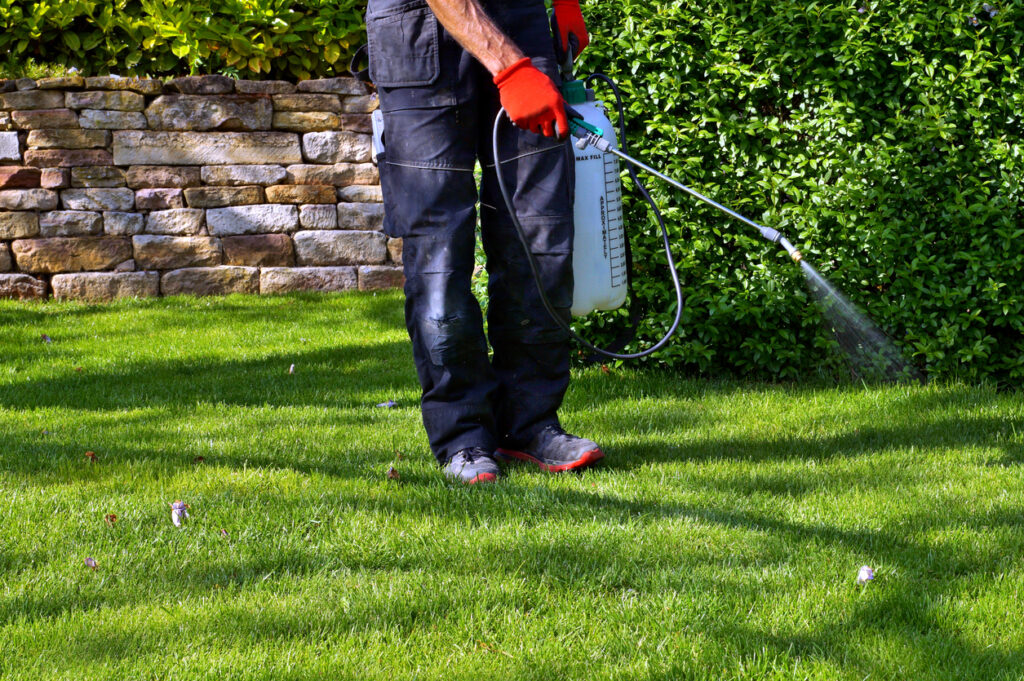
Spraying chemicals to eliminate aphids or other pests also destroys the ladybirds, hoverflies, and lacewings that would naturally control those populations. You’re disrupting the garden’s ecosystem and creating a dependency on chemicals because you’ve killed off the predators. Pesticides also harm bees, butterflies, and other pollinators even when you’re not targeting them. Many garden chemicals persist in the soil and water, continuing to cause damage long after application. Learning to tolerate some pest damage and letting nature balance itself is far better for wildlife.
7. Tidy gardens remove essential shelter and food.
Clearing away all dead wood, leaf litter, and seed heads might look neat, but it eliminates crucial habitat for insects, which means less food for birds and small mammals. Hollow stems provide homes for solitary bees, log piles shelter beetles and slow worms, and standing seed heads feed birds through winter. Your obsession with tidiness is directly harming wildlife that needs these “messy” elements to survive. Leave some areas wild, and don’t clear everything away in autumn. What looks untidy to you is actually a functioning ecosystem.
8. Non-native plants provide little value for wildlife.
Exotic ornamental plants might look stunning, but British wildlife hasn’t evolved to use them for food or habitat. Native insects can’t eat foreign plant species, which means they starve despite your garden being full of greenery. This lack of insects cascades up to affect birds and mammals who depend on them. Double-flowered varieties are particularly useless because they’ve been bred for appearance rather than pollen and nectar production. Planting native species or wildlife-friendly non-natives supports the local ecosystem far better than a garden full of pretty but ecologically worthless imports.
9. Cat feeding stations attract predators to bird areas.

Feeding your cat outside or leaving pet food accessible brings cats to your garden, and cats kill billions of birds and small mammals annually across Britain. Even well-fed pet cats hunt for sport, and your garden becomes a killing ground if you’re simultaneously trying to attract birds with feeders. The combination of attracting prey species while also attracting their predators creates a deadly situation. Feed cats indoors and consider putting bells on their collars, or accept that you can’t have both a cat-friendly garden and a wildlife-friendly one.
10. Raised beds with solid sides trap animals.
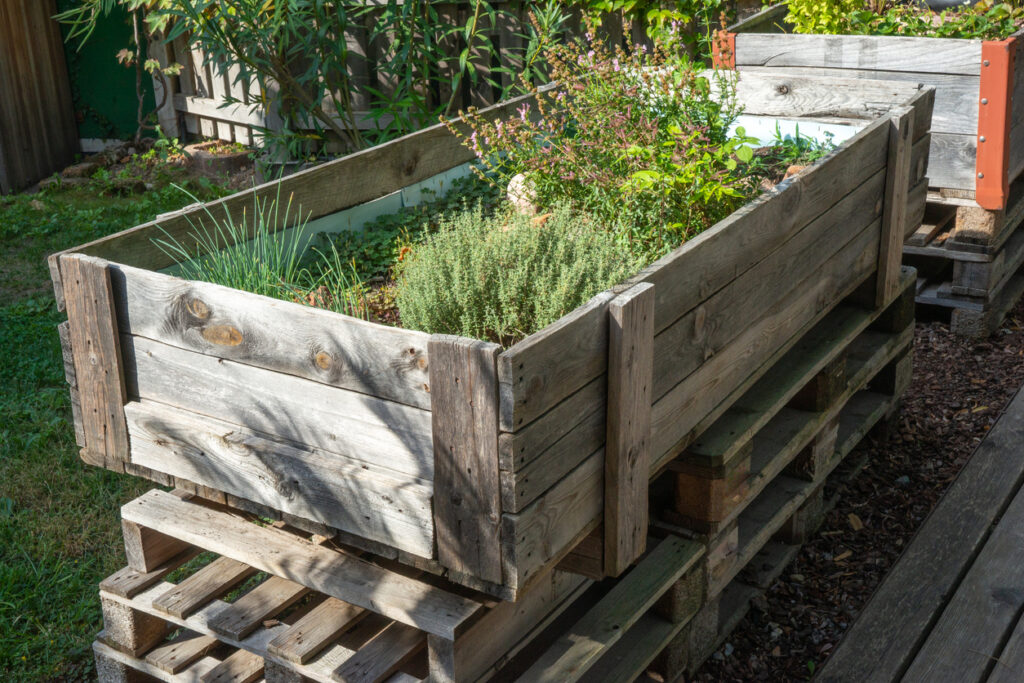
Hedgehogs and frogs can climb into raised beds, but often can’t climb back out if the sides are smooth and vertical. They become trapped and die from starvation or exposure. These structures create invisible death traps throughout gardens. If you have raised beds, either leave gaps at ground level for animals to escape through or create ramps using branches or textured surfaces they can grip. A hedgehog that falls into your vegetable bed shouldn’t be condemned to death because you didn’t think about escape routes.
11. Bright security lights disrupt nocturnal wildlife.
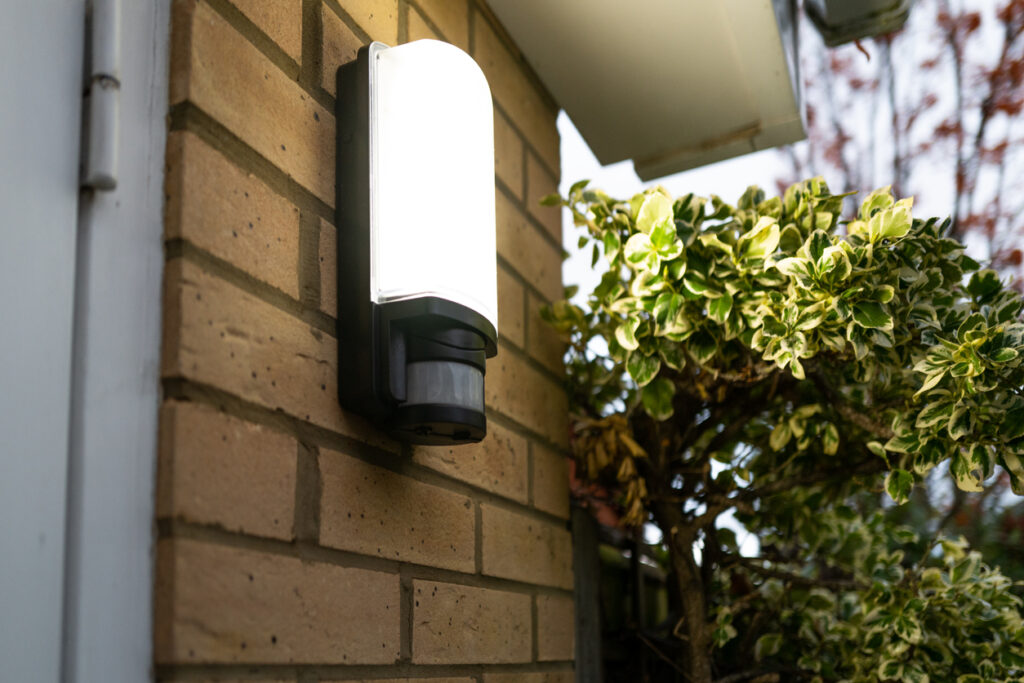
Motion-sensor lights and always-on garden lighting confuses bats, hedgehogs, and moths who need darkness to navigate and hunt. The lights disturb their natural behaviour patterns and make them vulnerable to predators. Artificial light at night is increasingly recognised as a serious threat to wildlife, affecting everything from insect populations to bird migration. If you need security lighting, position it carefully so it doesn’t illuminate the whole garden, and use sensors that only activate when necessary. Constant brightness turns your garden into an unusable wasteland for creatures that need darkness.
12. Water features without escape routes drown animals.
Ponds with steep sides or water butts without ladders regularly drown hedgehogs, frogs, and small mammals that fall in and can’t climb out. Even shallow water becomes a death trap if there’s no way to escape. Wildlife needs to drink, but they also need to be able to get out safely if they slip. Add sloped edges to ponds, place large stones or logs to create escape routes, and put wire mesh or sticks in water butts so trapped creatures can climb to safety. These simple additions save countless lives.
13. Bonfires kill hibernating animals.
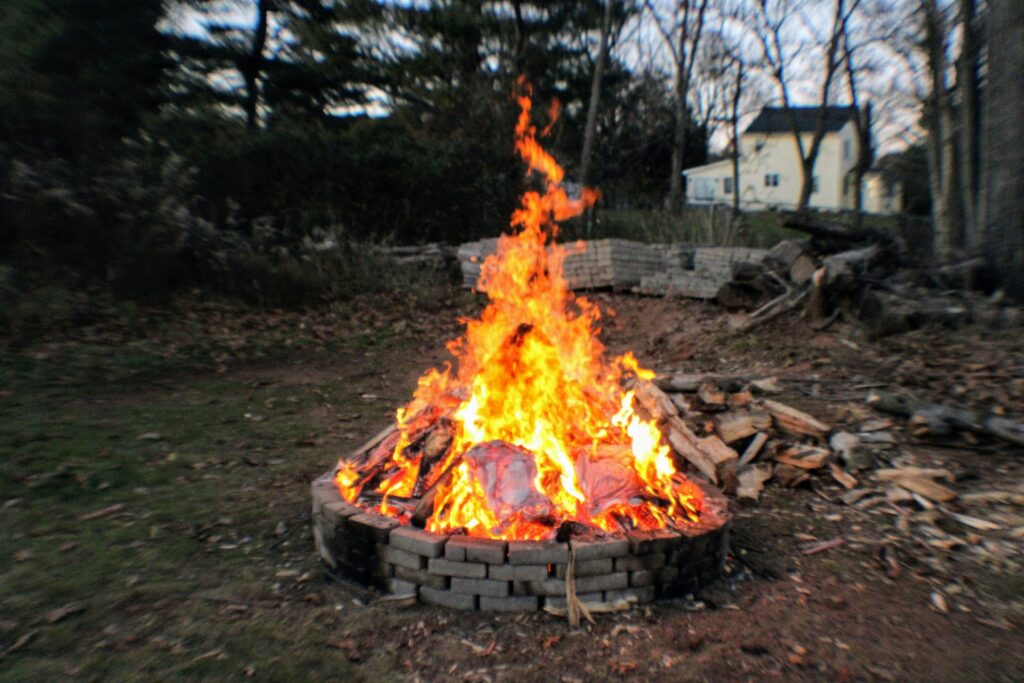
Piles of wood and leaves look like perfect hibernation spots for hedgehogs, so they crawl inside to sleep for winter. Lighting the pile without checking first burns them alive, and it’s one of the most common causes of hedgehog deaths. Always dismantle and rebuild bonfire piles on the day you’re burning them, and check carefully for sleeping animals before lighting. Never assume a pile is empty just because you can’t see anything from the outside. A few minutes of checking prevents horrific deaths.
14. Removing ivy eliminates year-round habitat.
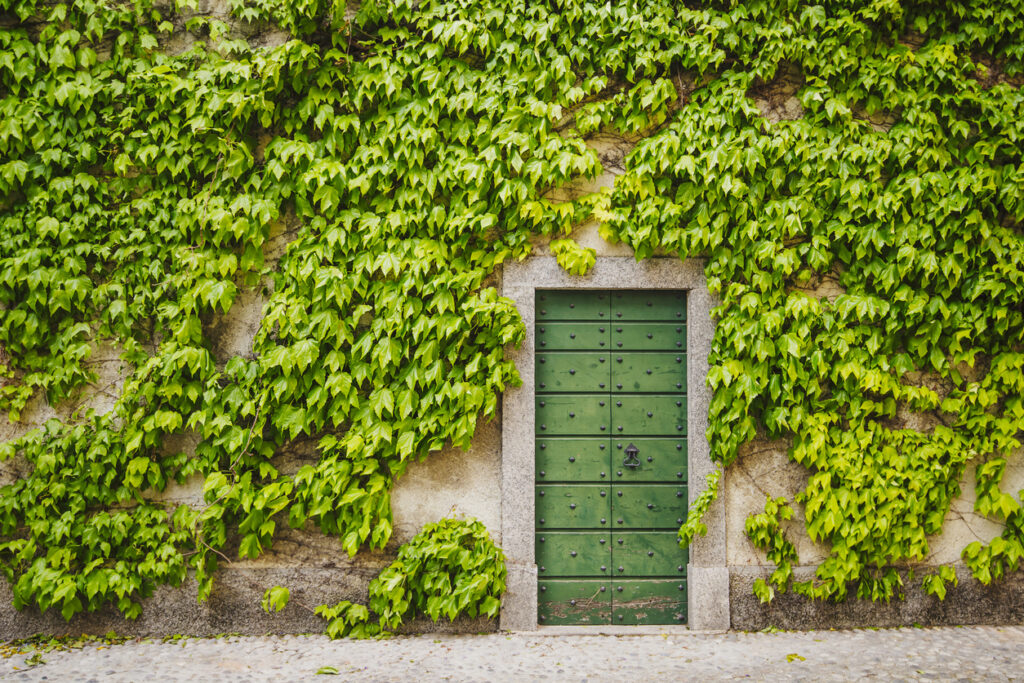
Ivy is often treated as a weed and ripped off walls and trees, but it’s actually one of the most valuable plants for British wildlife. It flowers late in autumn when little else does, providing crucial nectar for insects, and produces berries in late winter when food is scarce. Birds nest in its dense foliage, and it doesn’t harm healthy trees or walls, despite common myths. Removing ivy strips away habitat and food sources that wildlife desperately needs. Unless it’s genuinely causing structural damage, leave ivy alone and appreciate its ecological value rather than viewing it as something to eliminate.