Nature has never been shy about showing off, and some plants take that a little too literally.
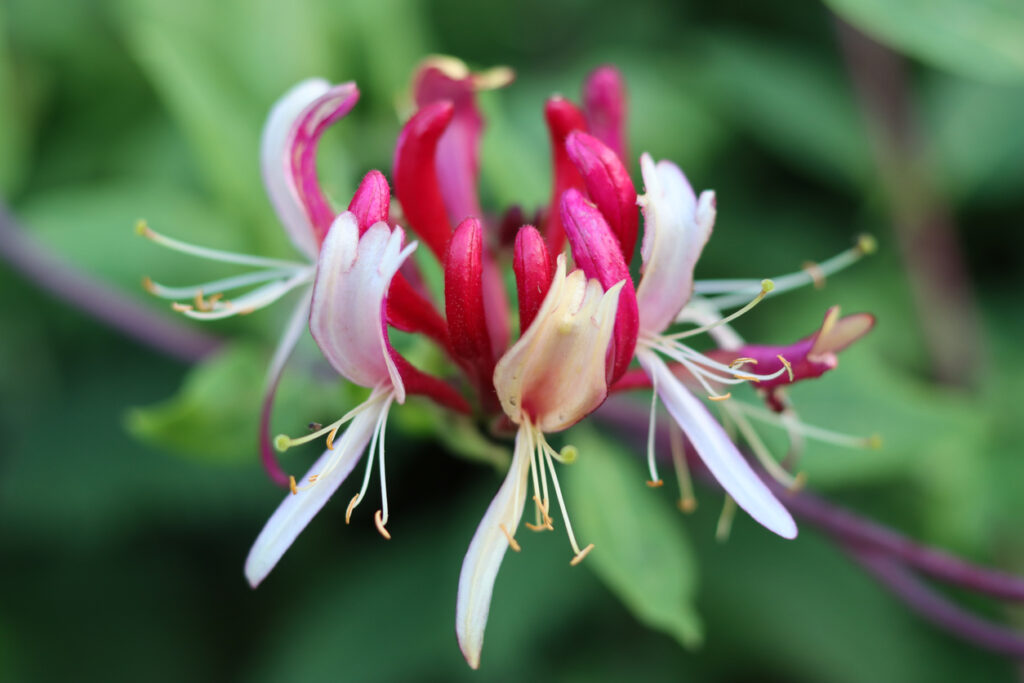
While most flowers use sweet, delicate scents to attract pollinators, a select few go for something far bolder. We’re talking the kind of smells you can detect from several metres away. Some are genuinely pleasant, filling the air with heady, intoxicating fragrance, while others are so strong they make you step back in shock.
Whether they’re luring insects, repelling predators, or just doing what evolution taught them, these plants prove that scent can be one of nature’s most powerful tools, for better or worse.
1. Wild garlic
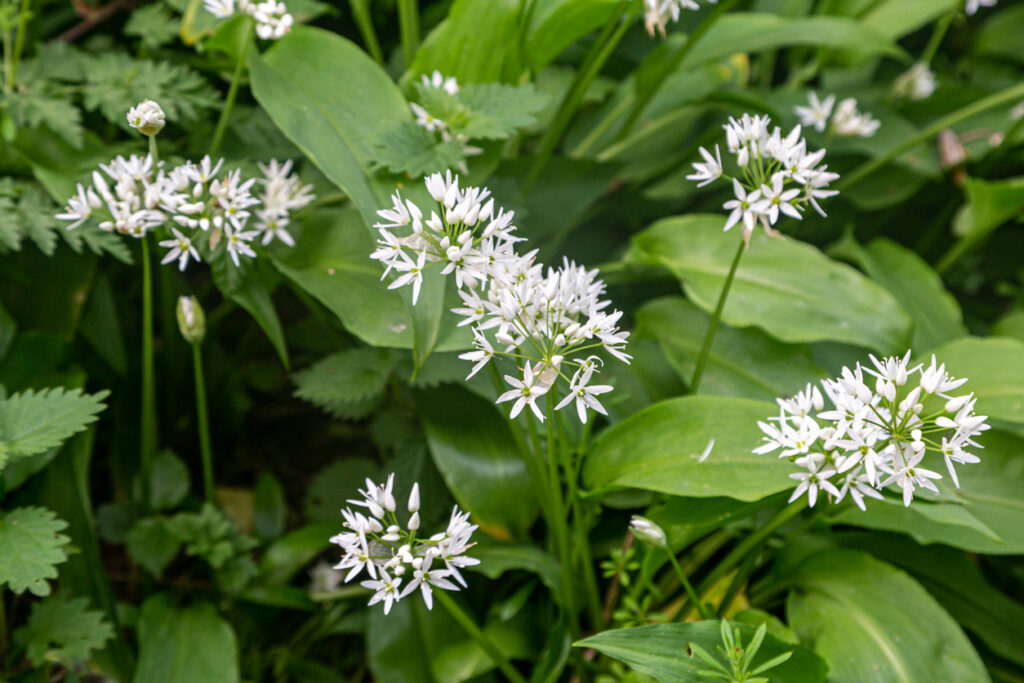
Wild garlic carpets woodlands across the UK every spring, its white, star-shaped flowers creating a striking scene, and an unmistakable smell. Crush a leaf underfoot and you’ll instantly know it’s there. The air fills with a rich, oniony aroma that somehow manages to smell both earthy and appetising.
For foragers, it’s a treat: the leaves, stems, and flowers are all edible and often used in pestos, soups, and homemade butters. However, when it grows en masse, one walk through a forest can make you feel like you’ve stumbled into the world’s biggest garlic bread factory. Its smell lingers long after you’ve left the woods, especially on your shoes.
2. Skunk cabbage
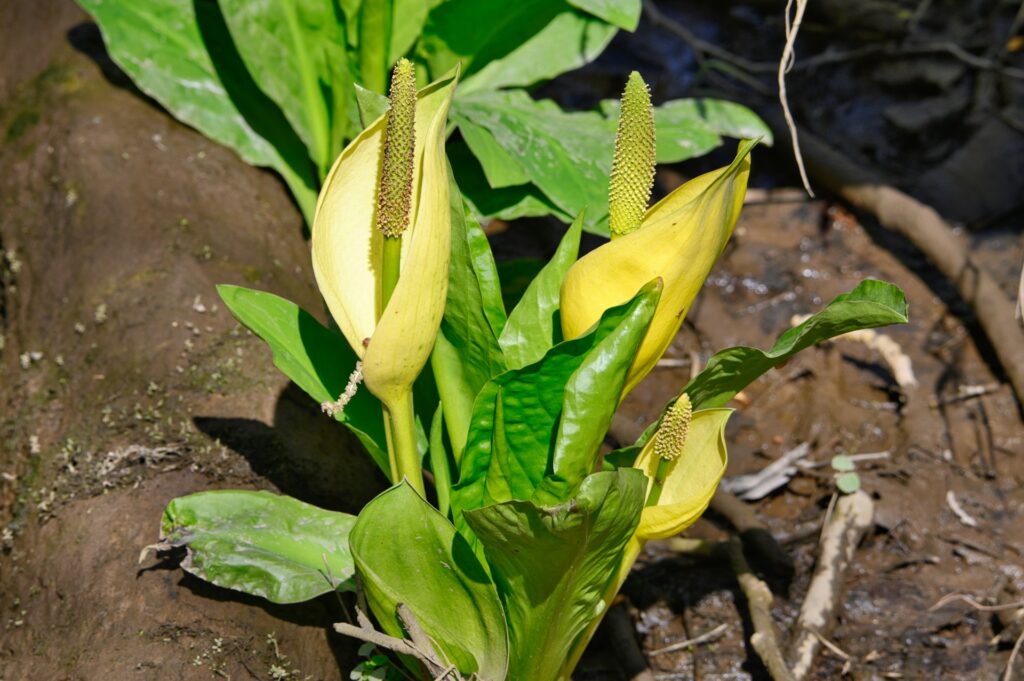
Despite the tropical look, skunk cabbage pops up in damp parts of the UK and North America. Its bold yellow hooded flowers are striking, but it’s the smell that makes people remember it: a pungent, rotting odour that’s oddly fascinating once you get past the initial shock.
The plant gives off heat when it blooms, helping spread that smell further and attracting flies and beetles that mistake it for decaying matter. Those insects become accidental helpers, transferring pollen from one flower to the next. It’s one of those clever, if slightly disgusting, tricks of nature, and once you’ve smelled skunk cabbage, you’ll never forget it.
3. Honeysuckle
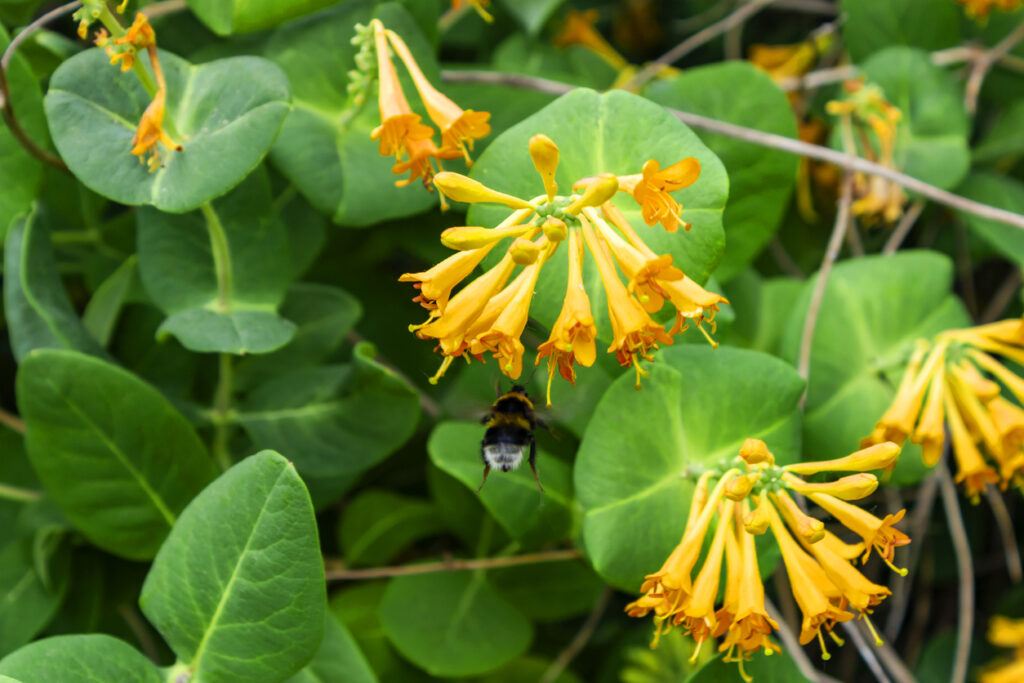
One of Britain’s most recognisable floral scents, honeysuckle fills summer evenings with its heady, almost nostalgic perfume. The fragrance gets stronger at dusk, right when moths start to fly, which is exactly the point. The plant’s using timing to its advantage.
The smell is sweet without being sickly, and in gardens it often drifts through open windows on warm nights. It’s powerful enough to make you stop mid-walk just to find the source. Few plants manage to be both wild and elegant at the same time, but honeysuckle pulls it off effortlessly.
4. Hawthorn

Hawthorn trees blossom in late spring, their pale flowers covering hedgerows in a soft, cloud-like display. From a distance, it looks beautiful. Up close? Not so much. The smell has been described as a mix of old fish, damp laundry, and something faintly metallic.
The odd scent comes from a chemical called trimethylamine, which is also produced by decaying tissue. It’s not exactly romantic, but very effective at attracting pollinating insects that prefer that kind of smell. It’s a perfect example of how nature doesn’t care what humans think; it only cares about what works.
5. Elderflower
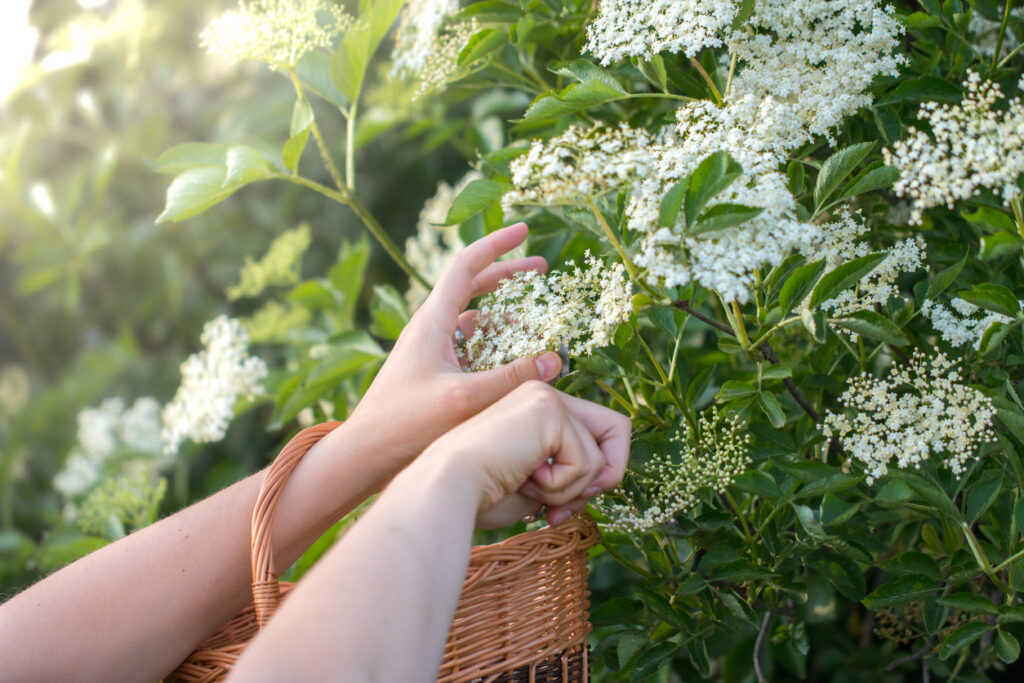
Elder trees start blooming in early summer, and when they do, you can smell them long before you see them. The flowers appear in big, creamy clusters, releasing a rich, musky sweetness that’s instantly recognisable.
It’s no wonder people have used them for centuries to make cordial, champagne, and wine. The scent can be strong enough to fill an entire garden, but once transformed into drinks, it softens into something light and floral. It’s the smell of summer in a bottle. It’s proof that sometimes, strong doesn’t mean unpleasant.
6. Cow parsley

For a few weeks each spring, country lanes and verges explode with cow parsley. Its delicate white umbels sway in the breeze, giving the countryside that classic early summer look. What most people don’t expect is the smell: earthy, musty, and surprisingly potent when you pass through large patches.
It’s not a bad smell, just a deeply natural one, with a hint of soil and spice. On warm, still days, it can hang in the air like a gentle haze. Love it or hate it, it’s part of that unmistakable “British countryside in May” aroma.
7. Wild honeysuckle
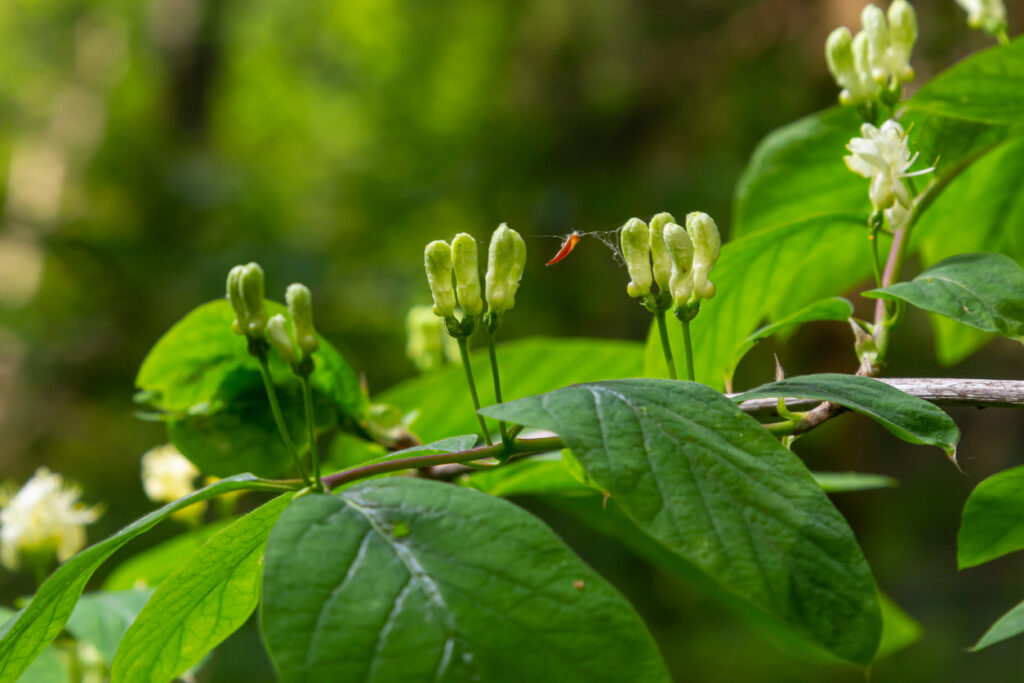
The wild version of honeysuckle tends to grow through hedges and woodland edges, twisting itself around branches as if it owns the place. Its scent is stronger than the garden kind; it’s the kind of sweetness that stops you in your tracks.
It’s at its most powerful at night when moths come out to feed, and it’s often the smell that leads you to it before you spot the flowers glowing faintly in the twilight. On a still evening, that fragrance can travel surprisingly far, making a late walk feel like you’ve wandered into a natural perfume shop.
8. Corpse flower (Titan arum)
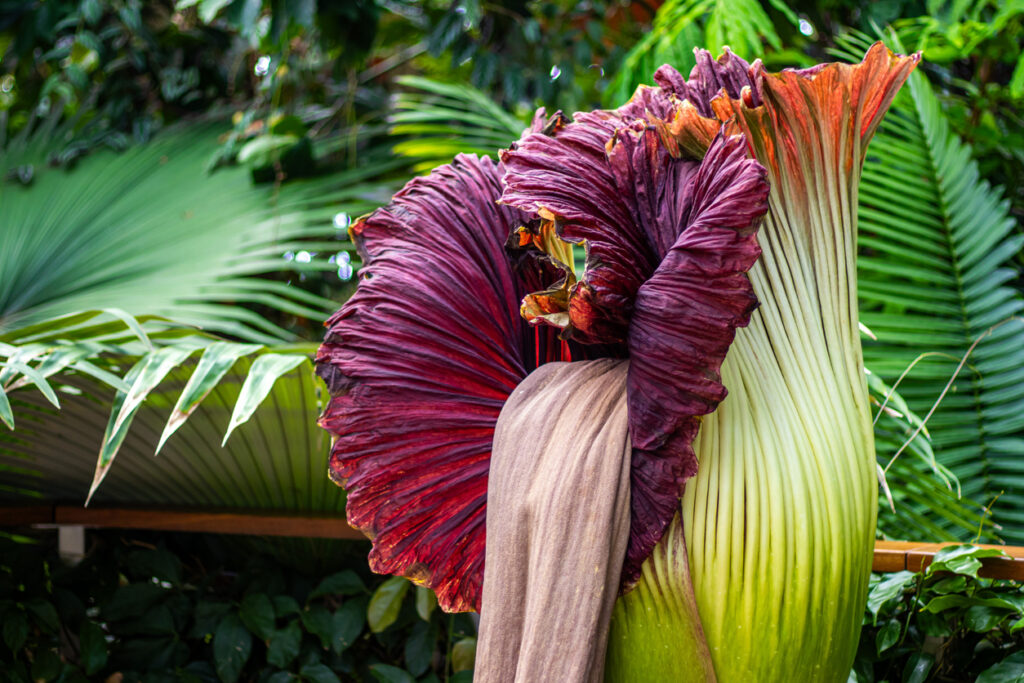
The Titan arum is in a league of its own. Native to Indonesia but occasionally blooming in UK botanical gardens, this monstrous plant draws crowds every time it flowers, not because it’s beautiful, but because it smells absolutely foul.
When it finally blooms (which can take years), it releases an overwhelming stench of rotting meat. It’s so strong that it can fill an entire greenhouse and cling to your clothes. The flower heats itself up to spread the smell further, attracting flies and beetles looking for a place to lay their eggs. It’s one of the strangest, most theatrical plants on the planet: impressive, revolting, and unforgettable all at once.
9. Goat willow
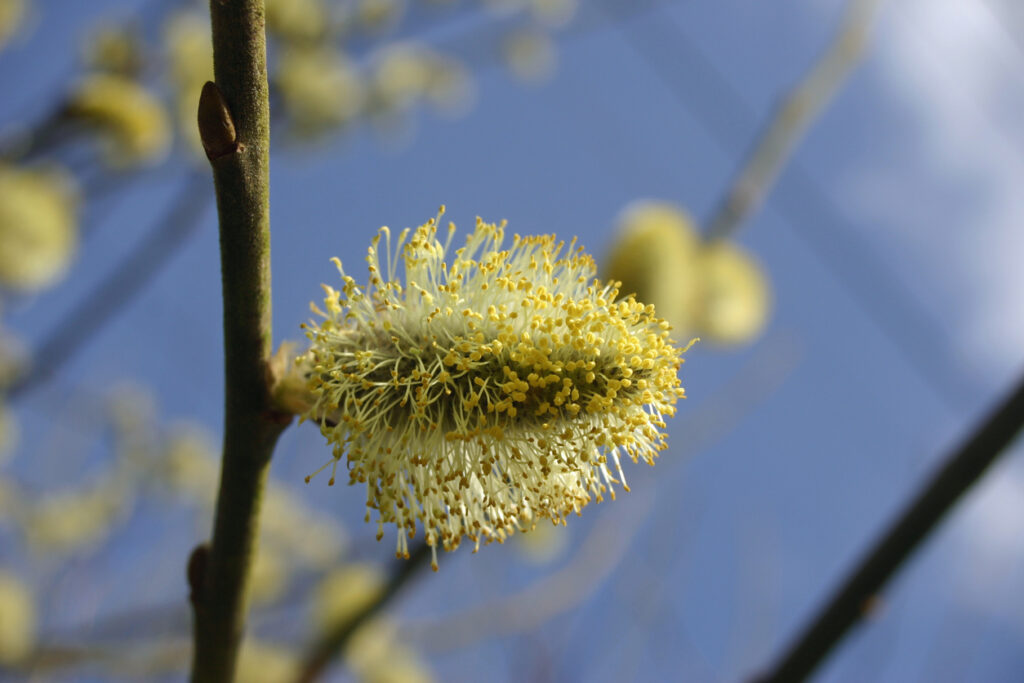
Goat willow, sometimes called pussy willow, is one of the first trees to bloom after winter, producing fuzzy catkins that smell musky and warm. It’s not the kind of scent people rave about, but for bees, it’s irresistible.
Walk near a flowering tree in early spring and you’ll hear the low hum of pollinators working overtime. The smell can fill the air on mild days, especially near rivers and wetlands. It’s nature’s version of an open-for-business sign after months of dormancy.
10. Wild roses
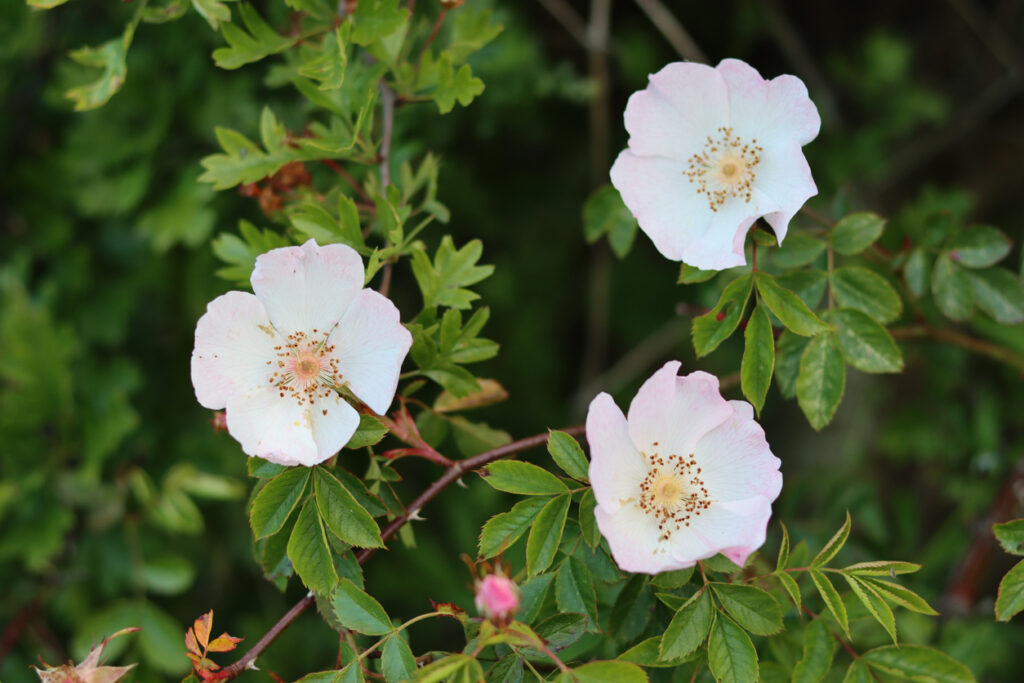
There’s a reason rose scent has been bottled, copied, and sold for centuries, and the wild variety explains why. Found across hedgerows and fields, wild roses give off a deep, pure fragrance that can carry through the air on a breeze.
It’s romantic, grounding, and somehow instantly calming. Even when the flowers are small and unassuming, the smell transforms a walk through the countryside. Unlike the sharp, synthetic rose scents found in some perfumes, the real thing feels alive. It’s fresh, green, and unmistakably British.
11. Foxglove

Foxgloves are show-stoppers, growing tall and proud in woodlands, with bell-shaped flowers in shades of purple, pink, and white. They might look innocent, but they’re actually highly toxic, which is a reminder that nature’s beauty often comes with a warning label.
Their scent is subtle at first, sharper the closer you get. It’s slightly bitter and earthy, the kind of smell you can’t quite pin down but still remember. The flowers attract bees and other pollinators, but humans are better off admiring from a distance. In bloom, foxgloves make any patch of woodland look like a fairytale, even if they come with a deadly secret.
12. Gorse
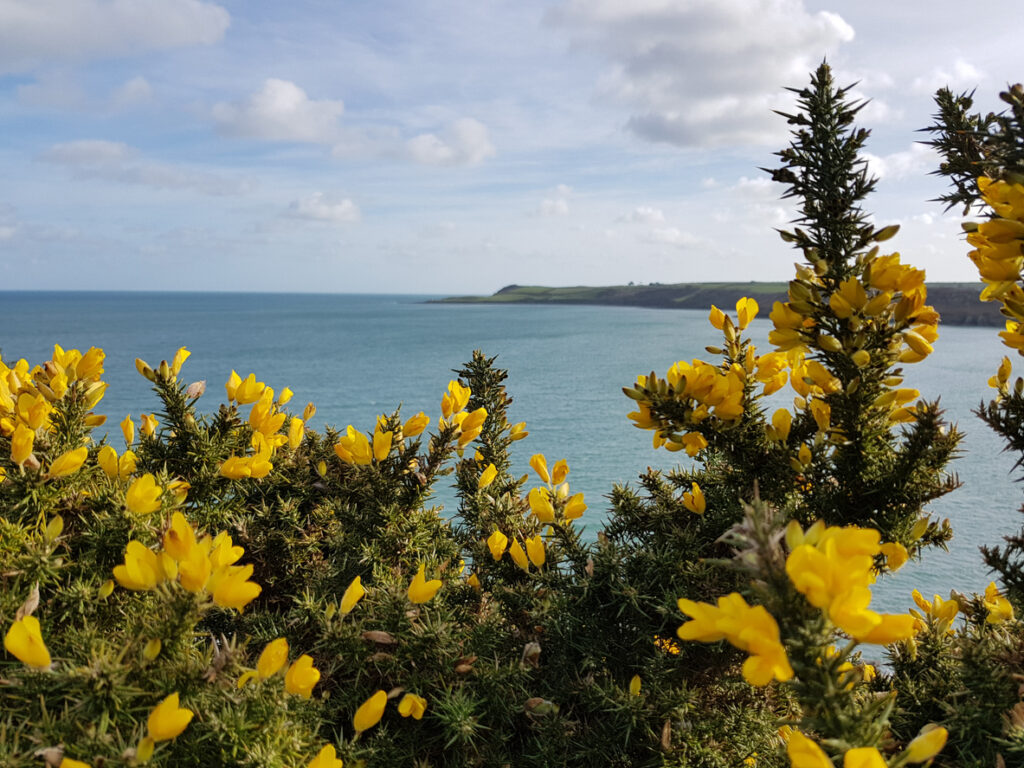
If you’ve ever walked along a coastal path in spring or summer and caught a sudden whiff of coconut, that’s gorse. Its bright yellow flowers might not look tropical, but their scent certainly feels like it.
On warm days, the fragrance intensifies, filling the air with a sweet mix of vanilla and suncream. The smell can travel for miles, giving moorlands and cliff tops an unexpectedly exotic feel. Even though it’s spiky and uninviting to touch, gorse is one of those plants that defines the British landscape. Clearly, beauty doesn’t always come from softness.
13. Meadowsweet
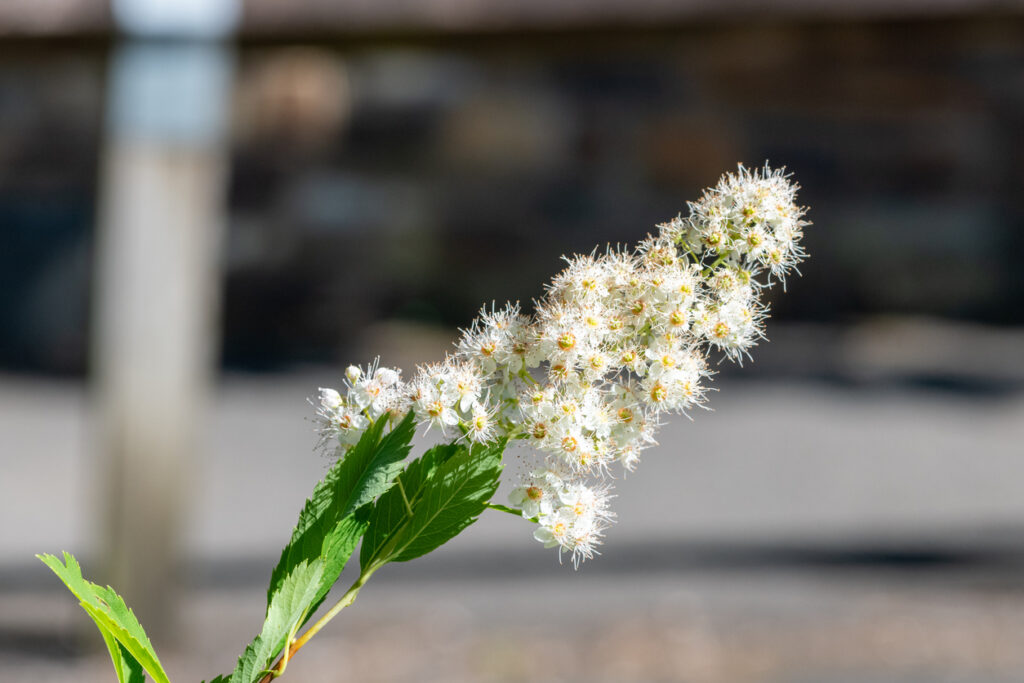
Growing in damp meadows and along riverbanks, meadowsweet was once used to scent homes before anyone had heard of air fresheners. Its fragrance is rich and almond-like, with a hint of honey and spice. In large patches, it can be so intense it feels like it’s clinging to the air.
It’s been valued for centuries; medieval herbalists used it in medicine, and the Victorians used it to perfume rooms. It’s one of those plants that captures the essence of British summer: lush, bold, and impossible to ignore.