While most living things would be finished if their internal temperature hit freezing, there’s a small group of creatures that have figured out how to basically hit the pause button on life.
It’s not just a case of being a bit chilly; these species can literally turn into blocks of ice, stop their hearts, and wait for the spring thaw without any permanent damage. From frogs that spend the winter as garden ice cubes to insects that produce their own version of anti-freeze, the ways these animals cheat death are as weird as they are impressive. These 13 survivors show just how far life can be pushed when the environment turns properly hostile.
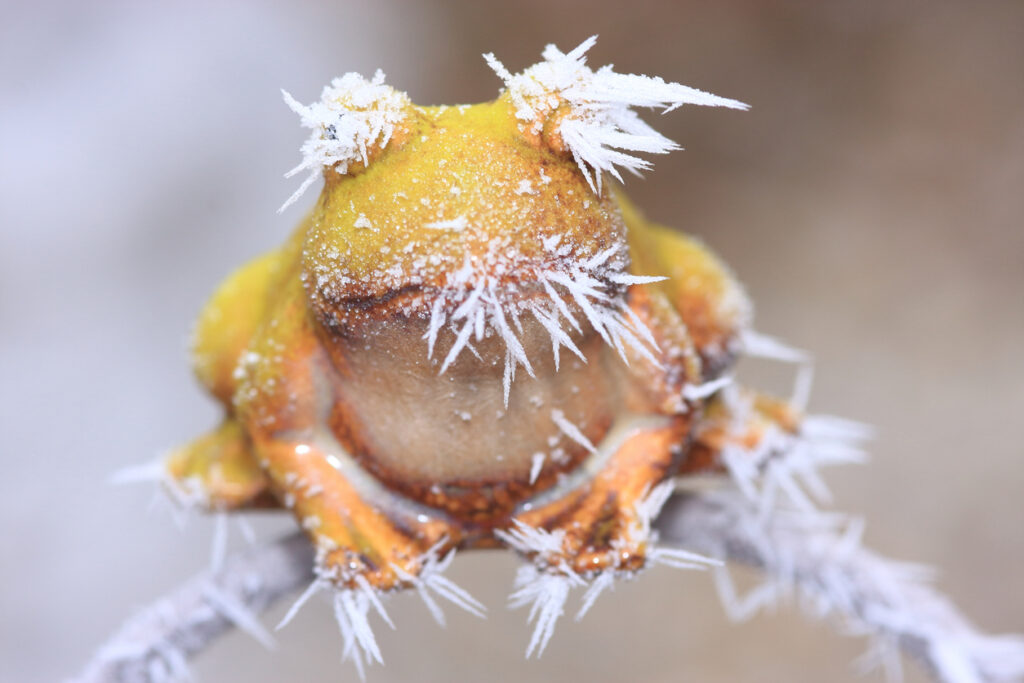
1. Wood frogs freeze up to 70% of their body water during winter.

These frogs let ice form throughout their bodies, including around vital organs, but they flood their cells with glucose that acts as antifreeze to protect the interior of each cell. Their heart stops beating, they stop breathing, and brain activity ceases completely, yet they thaw out perfectly fine in spring and hop away. The glucose concentration in their blood can reach levels that would be fatal to humans, but it’s essential for their winter survival strategy.
2. Arctic ground squirrels supercool their bodies below freezing without ice forming.
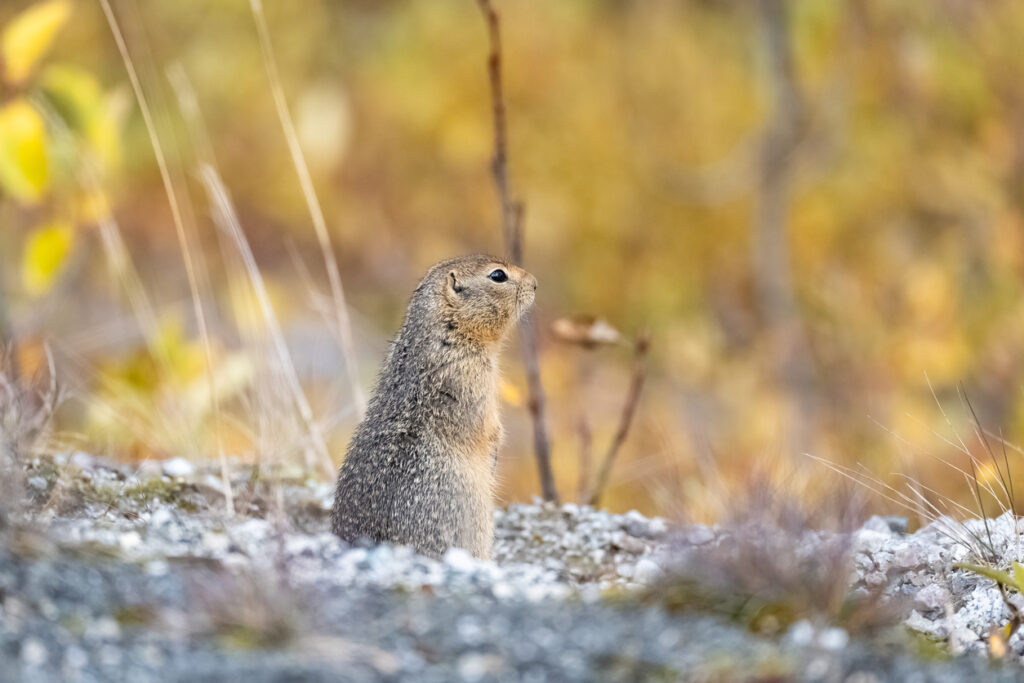
These mammals can drop their body temperature to -2.9 °C without actually freezing, which is the coldest body temperature ever recorded in a mammal. They cycle through periods of torpor and brief warming throughout winter, and during the coldest phases their brain shows no measurable electrical activity. The squirrels produce special proteins that prevent ice crystals from forming even though their body temperature is below water’s freezing point.
3. Woolly bear caterpillars can survive being frozen for up to 10 months.
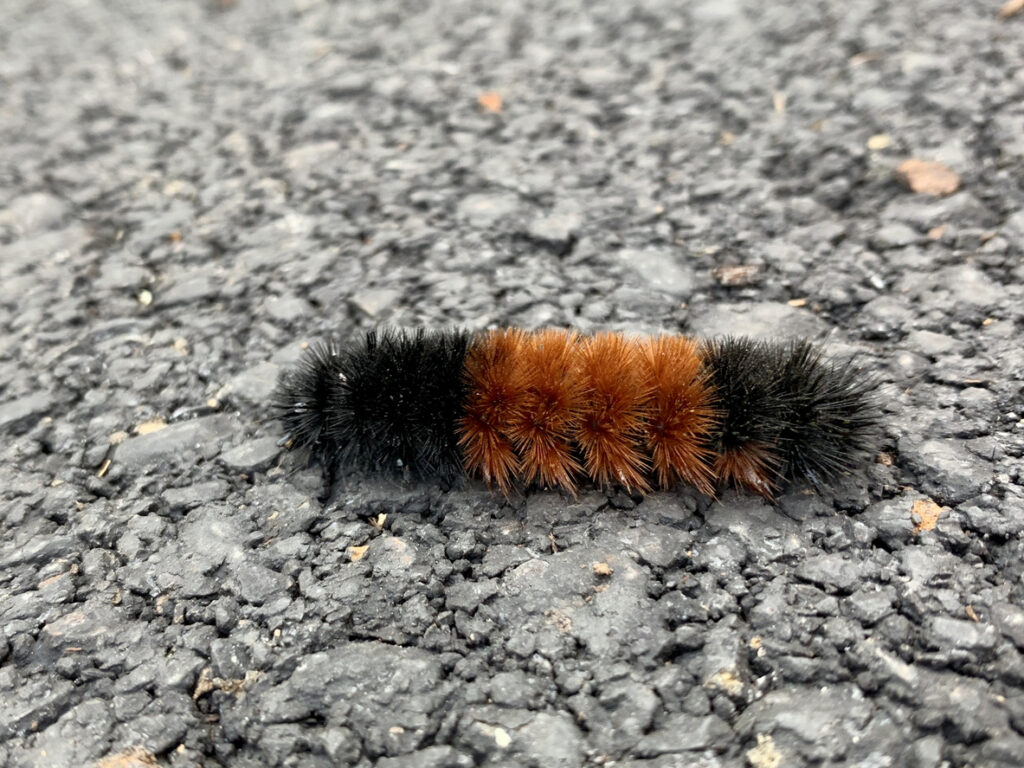
These fuzzy caterpillars in the Arctic take up to 14 years to complete their life cycle because they’re frozen solid for most of each year. They produce glycerol and other cryoprotectants that prevent ice crystals from puncturing cell membranes during freezing. When spring finally arrives, they thaw out, eat frantically for a few weeks, then freeze again, repeating this cycle year after year until they’ve accumulated enough energy to pupate.
4. Painted turtles freeze while hibernating underwater in frozen ponds.
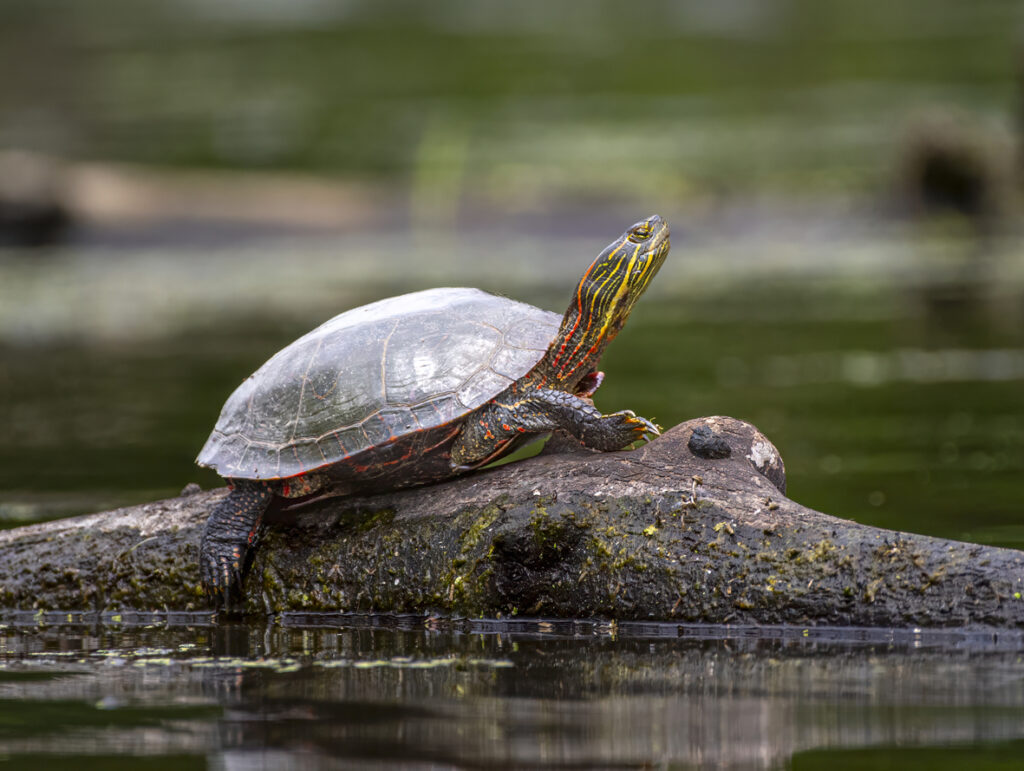
Young painted turtles often overwinter in their nests rather than heading to water, and they can survive with up to 58% of their body water frozen solid. They pack glucose and other cryoprotectants into their cells, while allowing ice to form in the spaces between cells and organs. Their metabolism essentially stops during freezing, so they don’t need oxygen, which is fortunate because their hearts aren’t beating to circulate blood anyway.
5. Tardigrades survive freezing at temperatures close to absolute zero.
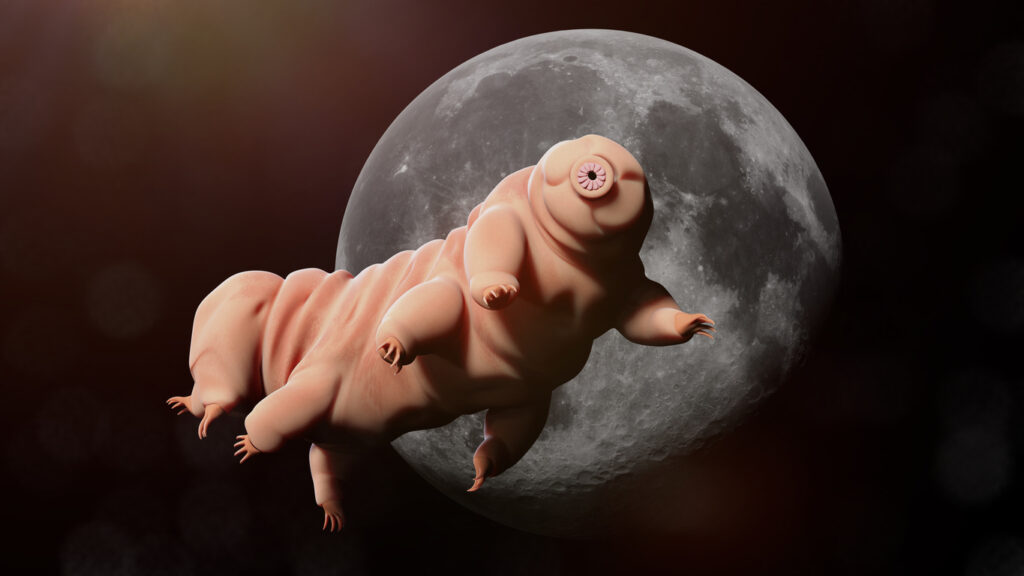
These microscopic creatures called water bears can be frozen to -272 °C, just one degree above absolute zero, and still revive when thawed. They enter a state called cryptobiosis where they expel almost all water from their bodies and essentially pause all metabolic processes. Tardigrades have survived being frozen in Antarctic ice for decades and revived successfully when the ice melted.
6. Spring peeper frogs can be frozen and thawed multiple times per season.
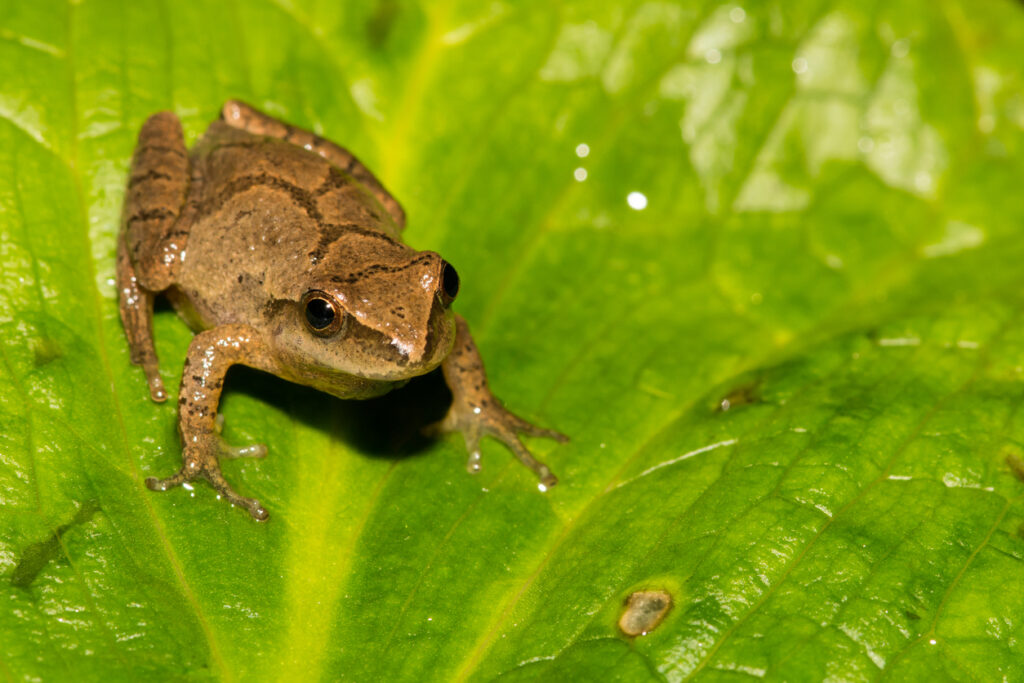
These tiny tree frogs produce glucose antifreeze so quickly they can survive rapid freezing that would kill other freeze-tolerant species. They can handle being frozen solid, thawing out, then freezing again multiple times as winter temperatures fluctuate. The ability to survive repeated freeze-thaw cycles is actually harder on organisms than staying frozen continuously, but spring peepers have adapted to manage this challenge.
7. Box turtles freeze on land during hibernation.
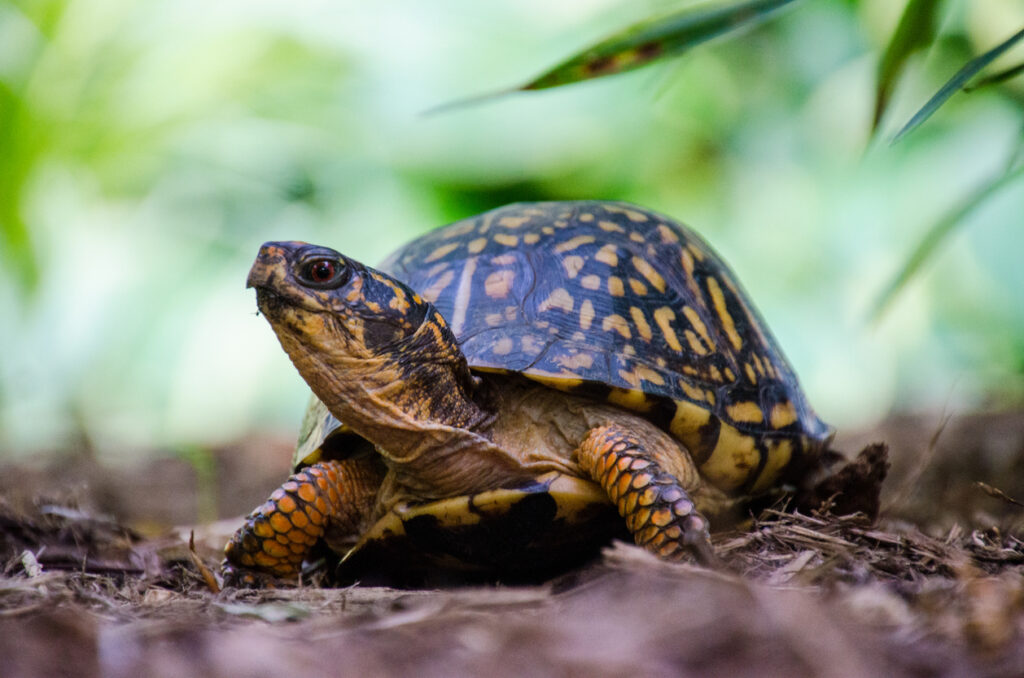
Unlike their aquatic relatives, box turtles hibernate on land in shallow burrows where they’re exposed to freezing temperatures. Up to 50% of their body fluids can freeze solid, while cryoprotectants keep their cells intact through the winter. They produce urea and glycerol that work together to prevent ice crystals from destroying tissues, and they can remain frozen for weeks at a time.
8. Some beetles produce antifreeze proteins and can survive months frozen.
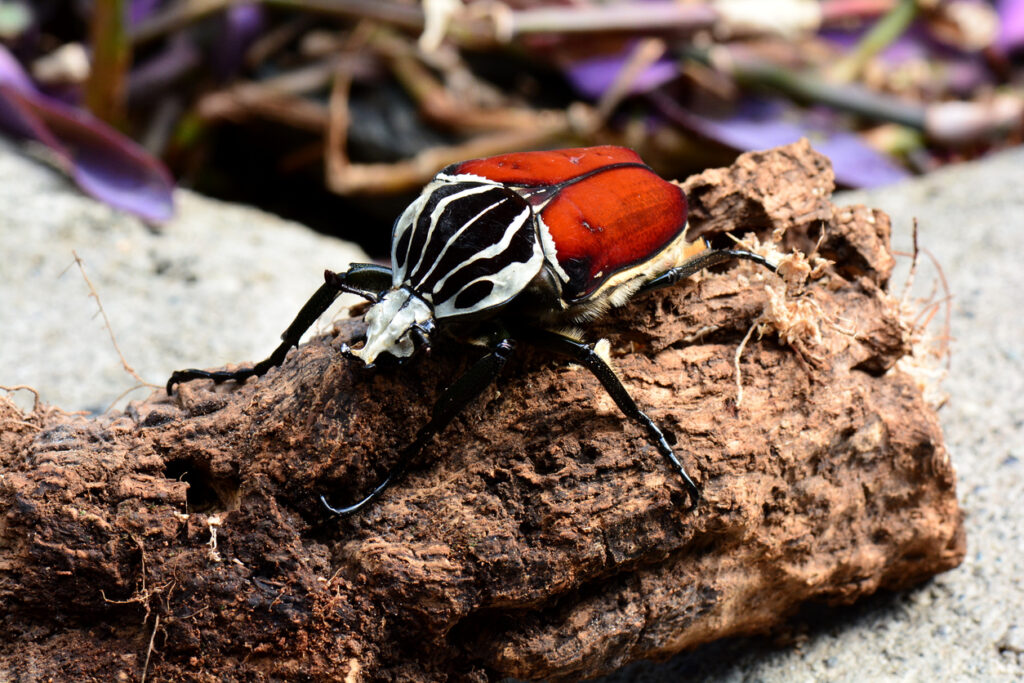
Freeze-tolerant beetles like the Alaskan beetle produce proteins that control where ice forms in their bodies and prevent it from growing in dangerous ways. They direct ice formation to spaces between cells, while keeping the cells themselves protected with antifreeze compounds. Some species spend the majority of their lives frozen, only being active for brief summer periods to feed and reproduce.
9. Gray tree frogs survive freezing in the leaf litter.
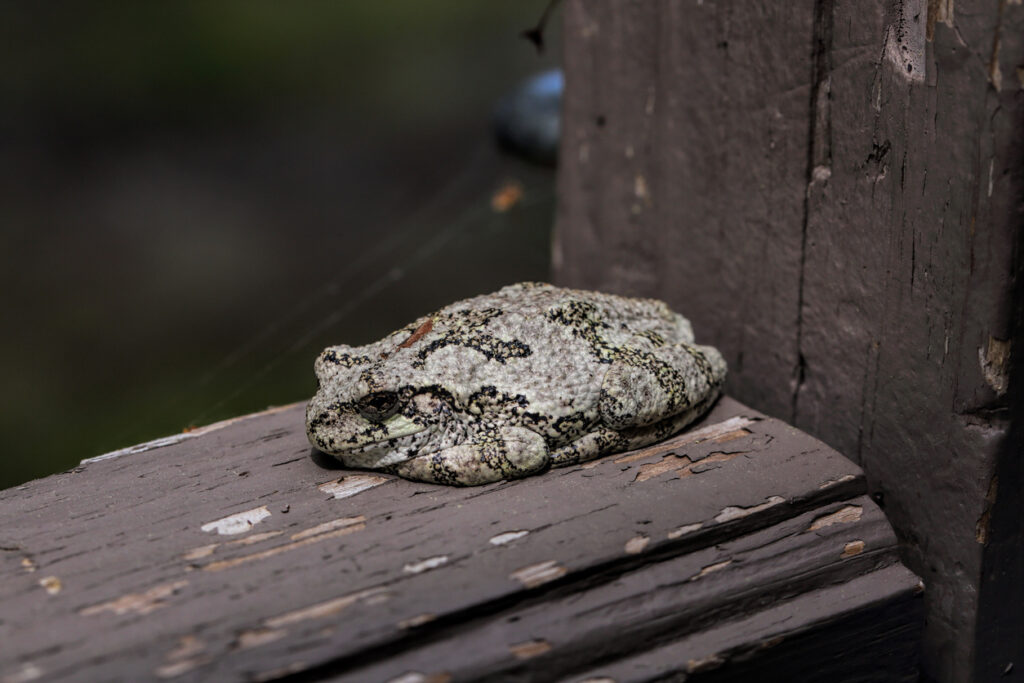
These frogs don’t dig deep burrows, but instead settle under logs or leaf litter where they’ll freeze solid during winter. They mobilise glucose from their liver stores within hours of temperatures dropping, preparing their bodies for ice formation. The frogs appear completely dead when frozen, with no heartbeat or breathing, but cellular processes restart as soon as they thaw.
10. Certain nematode worms can survive being frozen for decades.
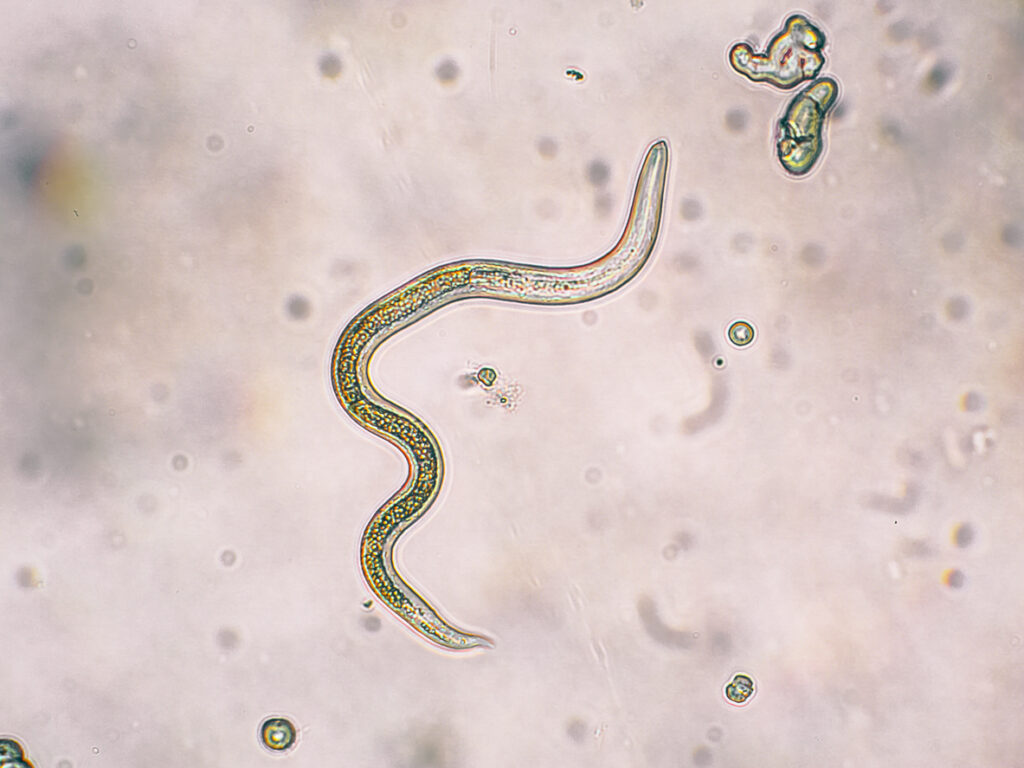
Microscopic roundworms found in Arctic permafrost have been revived after being frozen for over 40,000 years, showing that freeze tolerance can preserve life almost indefinitely. These worms replace most of their cellular water with trehalose, a sugar that protects proteins and cell membranes during freezing. They essentially turn themselves into a glass-like state that can withstand extreme cold for geological timescales.
11. Garter snakes can survive partial freezing of body fluids.
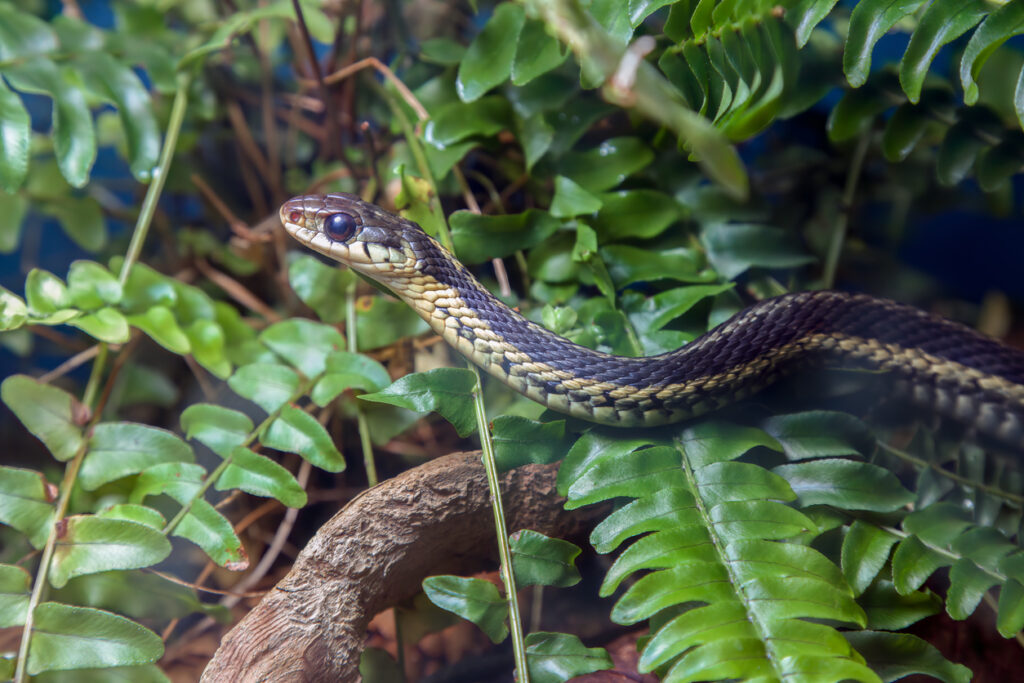
Some northern populations of garter snakes have evolved freeze tolerance that lets them survive if caught out during sudden temperature drops. They don’t freeze as completely as frogs but can tolerate ice formation in some body compartments while maintaining enough liquid water for minimal cellular function. This adaptation gives them extra survival margin in unpredictable spring and autumn weather when temperatures can plummet unexpectedly.
12. Salamanders in high-altitude areas survive freezing conditions.
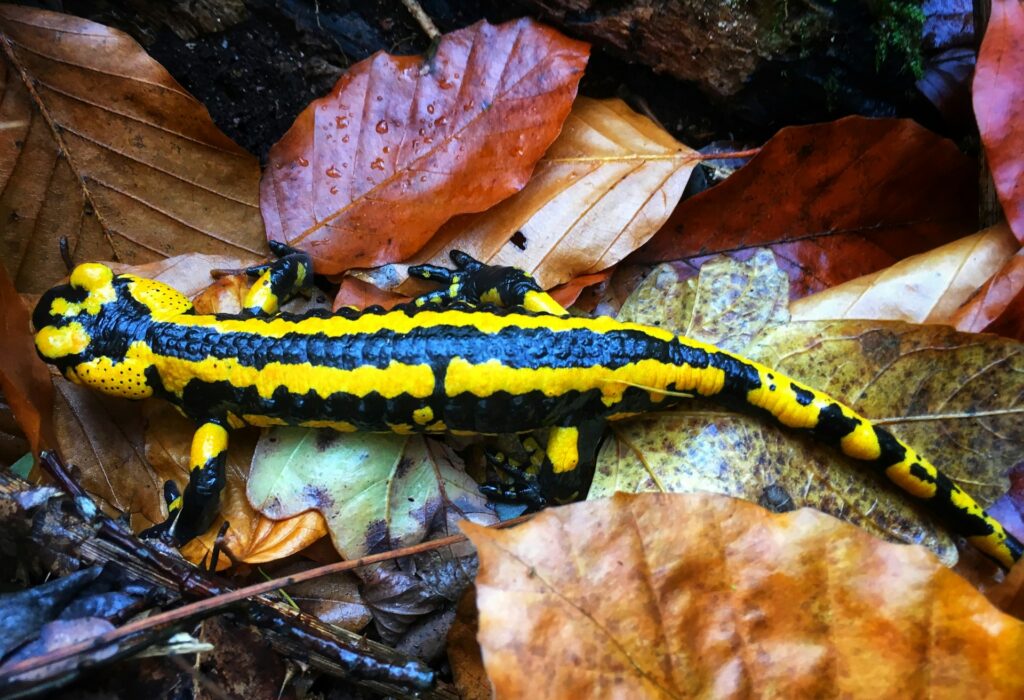
Certain mountain salamander species can survive having portions of their body water freeze during cold snaps at elevation. They produce cryoprotectants similar to those used by frogs, though generally, they’re less freeze-tolerant and only survive briefer periods of freezing. The ability evolved independently in salamanders from how it developed in frogs, showing that freeze tolerance has emerged multiple times through evolution.
13. Arctic cod produce antifreeze proteins in their blood year-round.
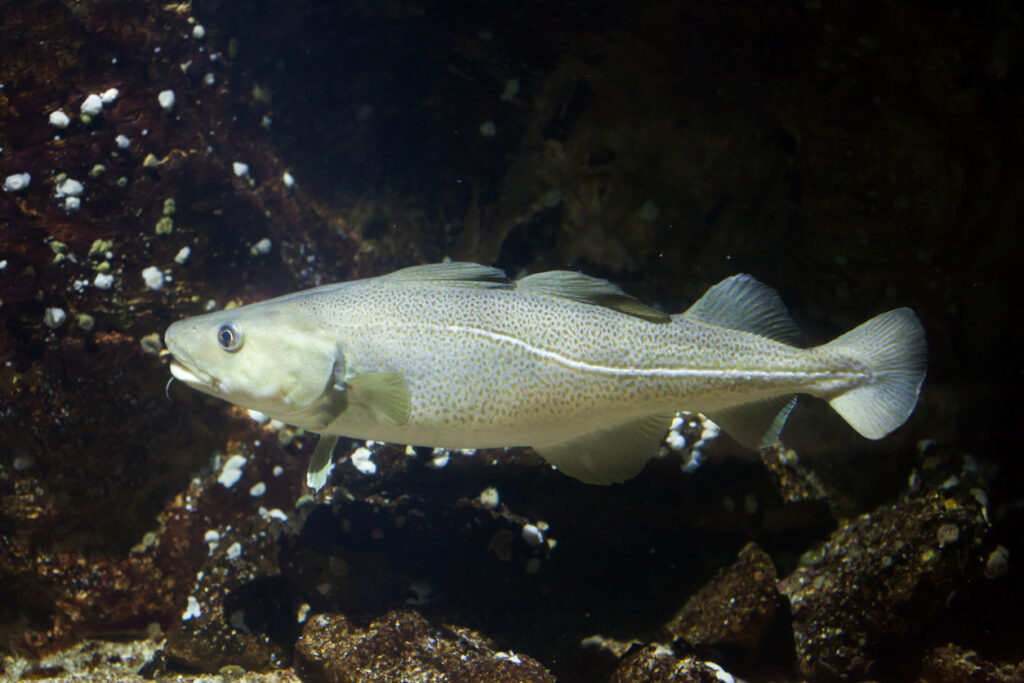
These fish live in waters that stay below freezing point, and without antifreeze proteins they’d freeze solid from the inside out. The proteins bind to tiny ice crystals before they can grow large enough to damage cells, essentially keeping the fish in a supercooled liquid state. Arctic cod can survive in water as cold as -1.9 °C where regular fish would die instantly, letting them thrive in polar seas with minimal competition.