Plenty of weeds get a bad name simply because they pop up where we didn’t invite them.
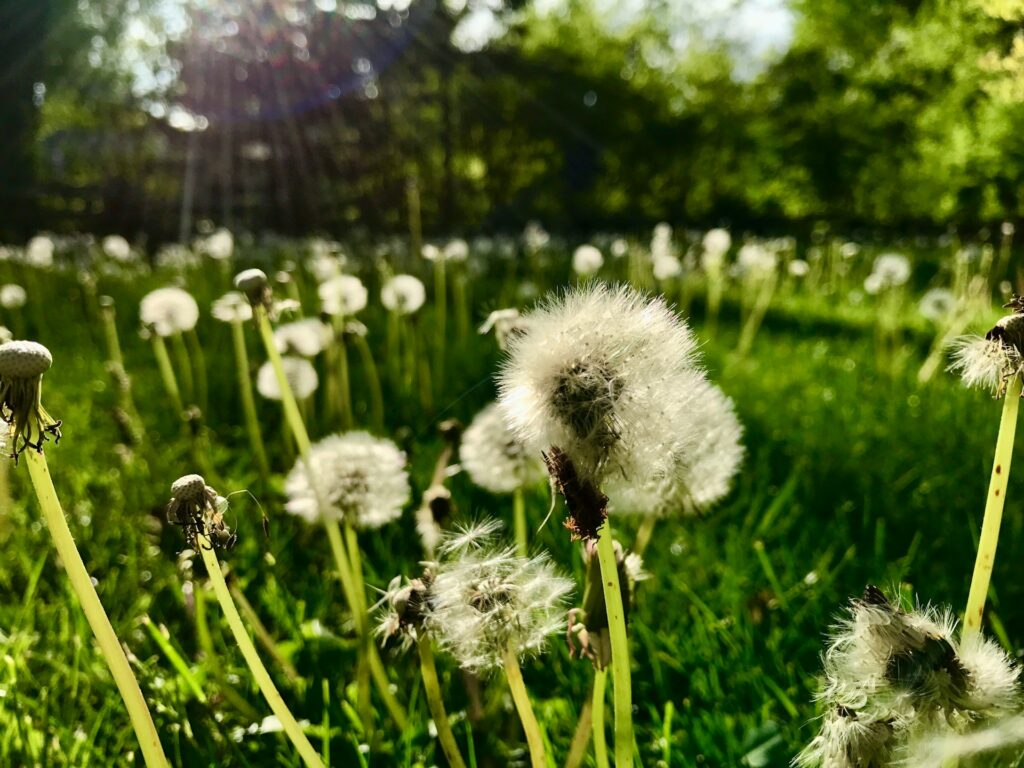
However, a few of them are doing far more for your garden than you’d expect. They pull nutrients from deep in the soil, create shelter for tiny creatures, and offer food for bees when little else is blooming. A patch that looks messy at first glance can be a lifeline for the small parts of the ecosystem that keep everything ticking along. When you stop viewing them as enemies, you start noticing how much they contribute.
Leaving certain weeds in place can also improve the feel of your garden without you lifting a finger. Some protect the soil from drying out, while others help support the plants you actually want there. You also get the bonus of attracting more birds and pollinators, which makes any space feel more alive. So, the next time you spot these popping up, leave them to do their thing!
1. Dandelions feed bees when nothing else is flowering.
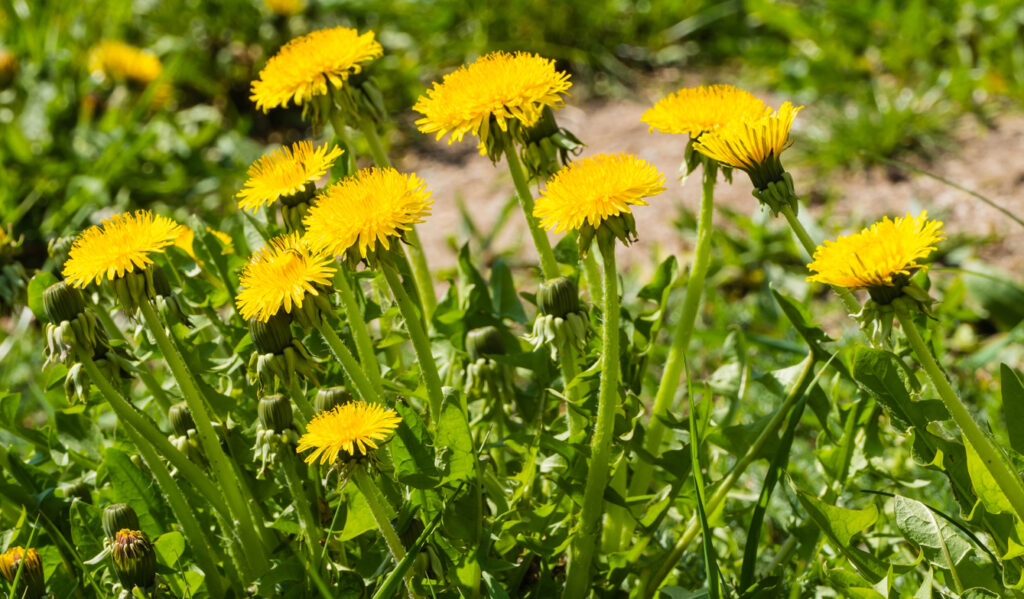
Dandelions are one of the first flowers to appear in spring and keep flowering into autumn. When British bees emerge from hibernation hungry, dandelions provide crucial early nectar and pollen. They’re also there late in the season when other flowers have died back.
Removing every dandelion from your lawn starves pollinators at critical times. Bees need food early and late in the year, and dandelions provide it. Letting some dandelions grow, especially in spring, helps bee populations survive.
2. White clover fixes nitrogen in your soil.
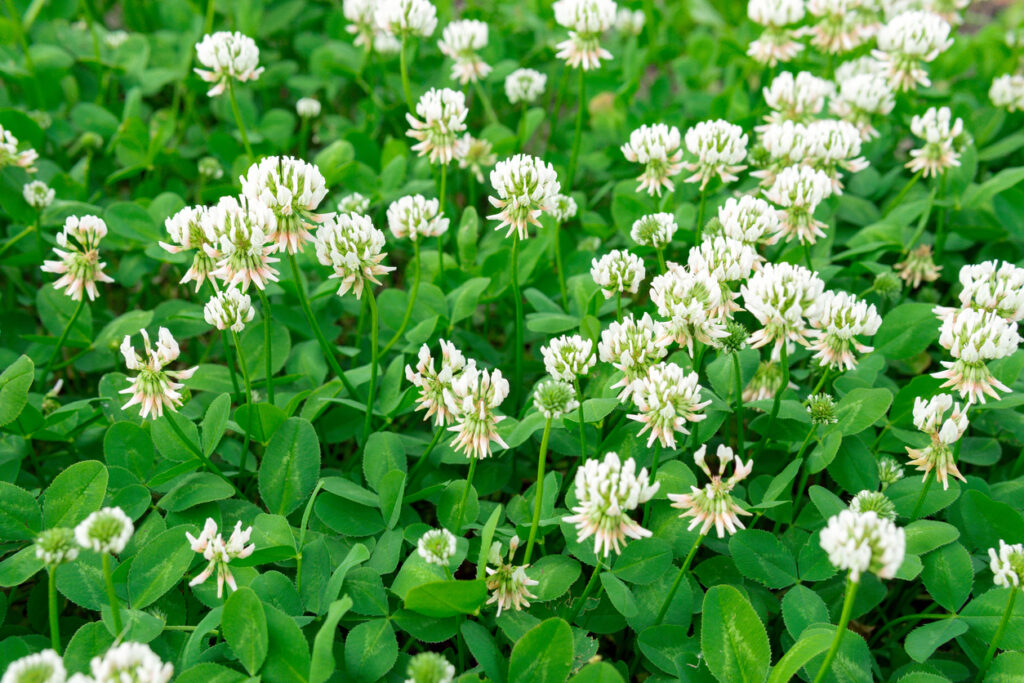
White clover is brilliant for your lawn. It fixes nitrogen from the air and puts it into the soil, which feeds your grass naturally. You don’t need as much fertiliser if you’ve got clover mixed in. It also stays green during droughts when grass goes brown.
Clover lawns used to be normal before chemical companies convinced everyone that perfect grass monocultures were better. Clover makes your lawn healthier while also providing food for bees. It’s doing work you’d have to pay for with fertiliser.
3. Stinging nettles host butterfly caterpillars.
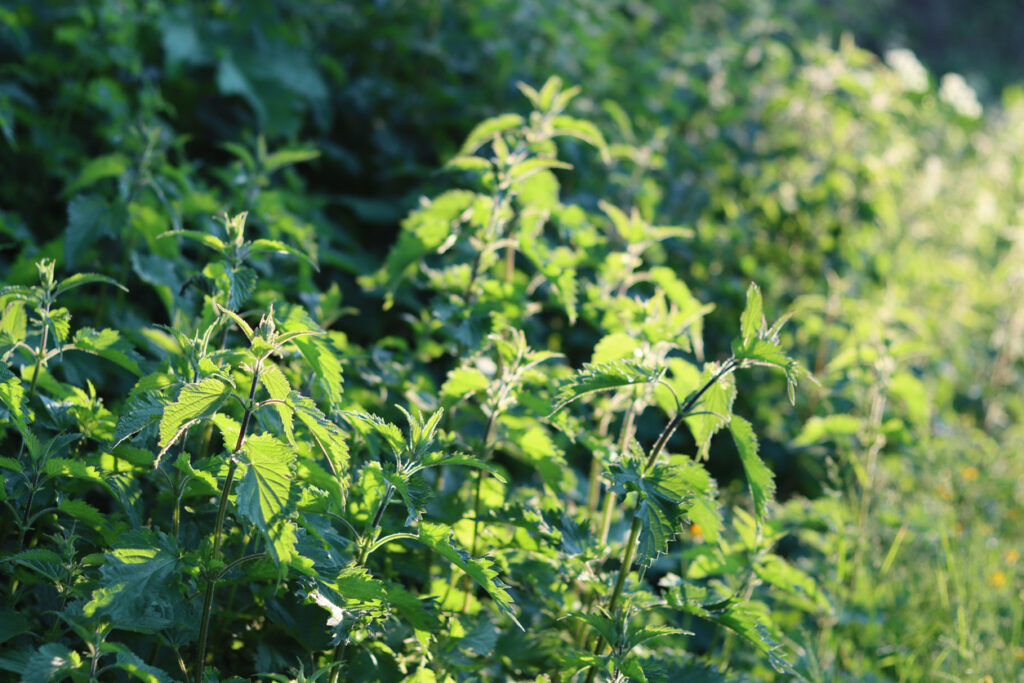
Stinging nettles are the main food plant for several British butterfly species, including red admirals, peacocks, and small tortoiseshells. The caterpillars of these butterflies need nettles to survive. No nettles means no butterflies.
If you’ve got a corner of your garden that’s a bit wild, leaving a nettle patch there supports butterfly populations. You don’t need nettles everywhere, just a small area. The butterflies will thank you, even if your ankles won’t.
4. Ivy provides winter food for British birds.
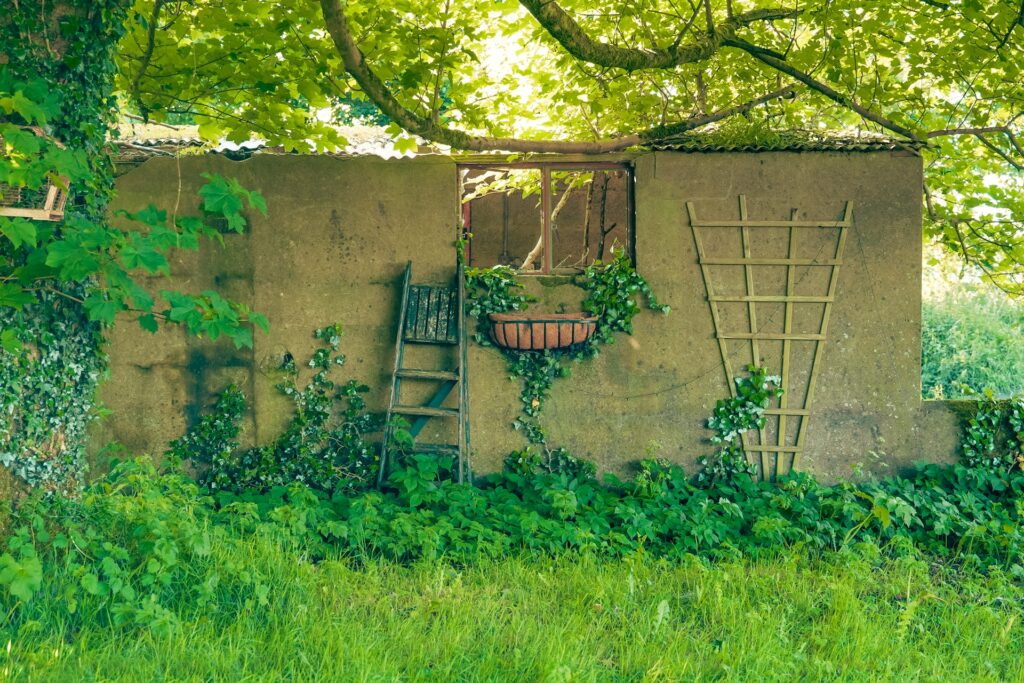
Ivy flowers late in autumn and produces berries in winter when other food sources are scarce. British birds like thrushes, blackbirds, and wood pigeons rely on ivy berries to get through winter. It also provides dense shelter for nesting birds and hibernating insects.
People rip ivy off walls and fences, thinking it’s damaging, but it’s actually one of the most valuable plants for British wildlife. Unless it’s genuinely causing structural problems, leaving ivy alone helps birds and insects survive the hardest months.
5. Lawn daisies are pollinator magnets.
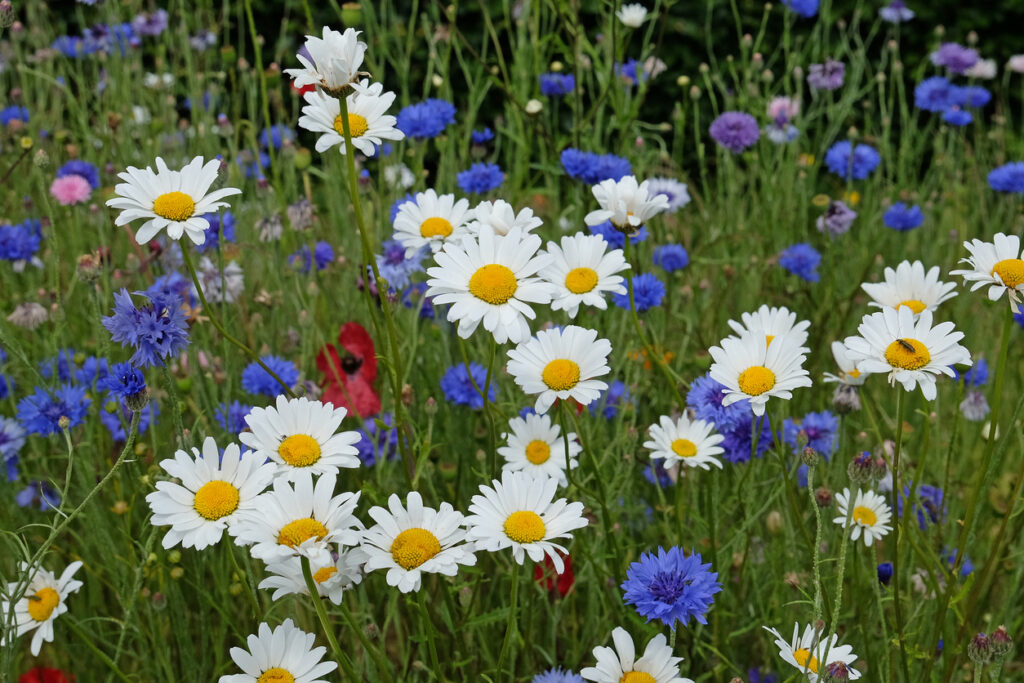
Lawn daisies might look untidy, but they’re brilliant for British pollinators. They produce accessible nectar and pollen that lots of insects can reach. They flower for months and tolerate being walked on and mown.
A lawn with daisies is a working ecosystem rather than a sterile grass carpet. Daisies don’t harm your grass, they just make your lawn more biodiverse. That’s a good thing, not a problem that needs fixing.
6. Broadleaf plantain heals compacted soil.
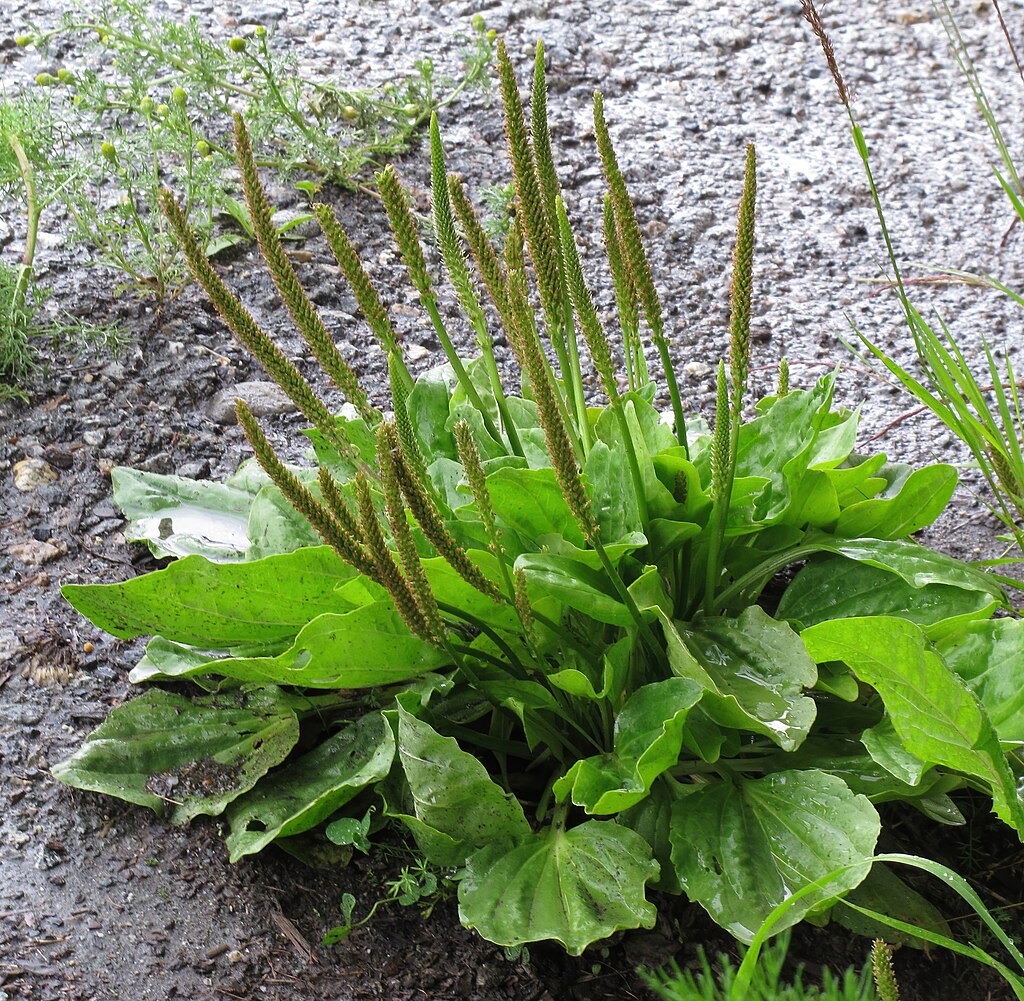
Broadleaf plantain grows in compacted soil because its deep taproot can break through hard ground. It’s actually helping to aerate and improve soil structure. Where plantain grows, the soil is compacted and needs help.
Instead of fighting plantain, let it do its work improving the soil. Once the soil structure improves, other plants will have an easier time growing. Plantain is telling you about your soil problems and fixing them simultaneously.
7. Creeping buttercups indicate drainage issues.
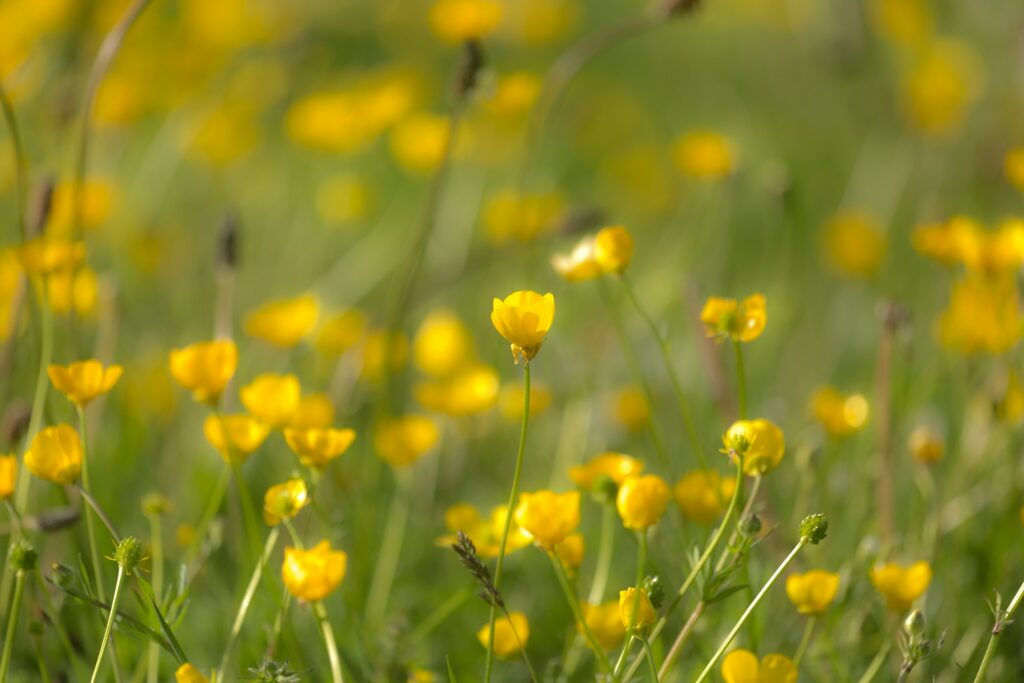
Creeping buttercups grow in wet, poorly drained soil. If you’ve got loads of buttercups, they’re showing you where water sits and drainage is poor. They’re not causing the problem, they’re indicating it. They also provide early food for British pollinators.
Rather than just pulling buttercups, address the drainage issue they’re highlighting. They’re actually tolerating conditions that most plants can’t handle. Fix the drainage and different plants will naturally take over.
8. Common chickweed helps your soil.
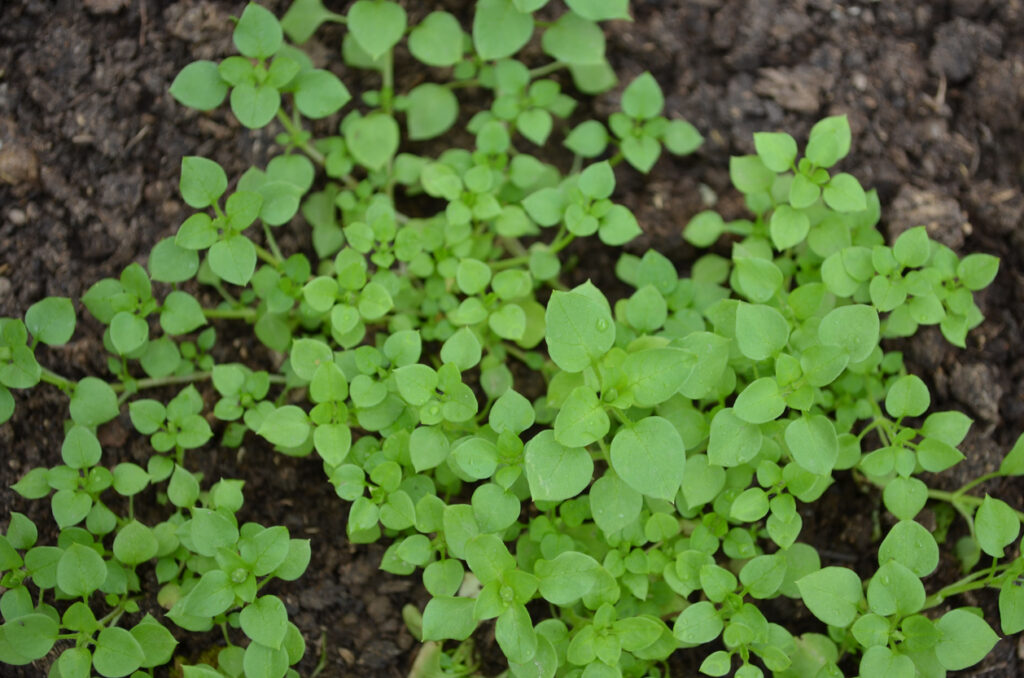
Common chickweed provides ground cover that prevents soil erosion and suppresses less useful weeds. It’s also a food source for British birds and small mammals. It grows fast and dies back easily without causing major problems.
Chickweed doesn’t compete aggressively with established plants, it just fills bare soil. That’s useful because bare soil erodes and invites worse weeds. Chickweed is doing you a favour by covering ground quickly with something relatively harmless.
9. Thistles feed goldfinches.
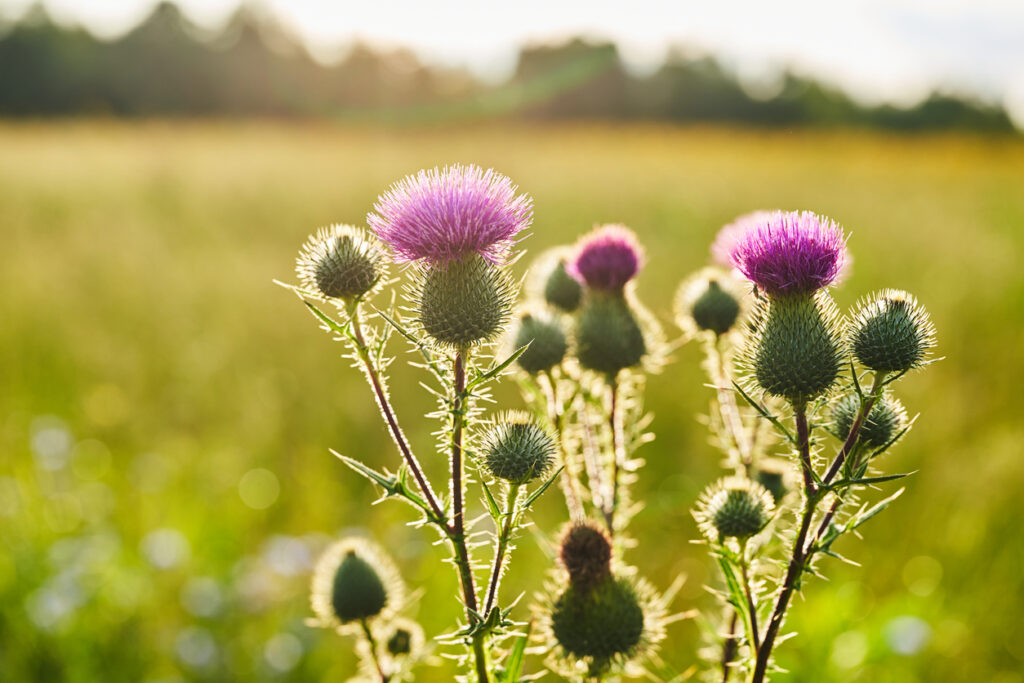
British goldfinches are specialists that feed heavily on thistle seeds. If you want goldfinches in your garden, you need thistles. The seeds are their preferred food, and they’ll specifically seek out gardens with thistles in late summer and autumn.
Thistles are prickly and spread easily, so you don’t want them everywhere. But leaving a few in a wild corner gives goldfinches a reason to visit your garden. Watching goldfinches feed on thistle seeds is worth tolerating a few spiky plants.
10. Ground ivy stabilises slopes.
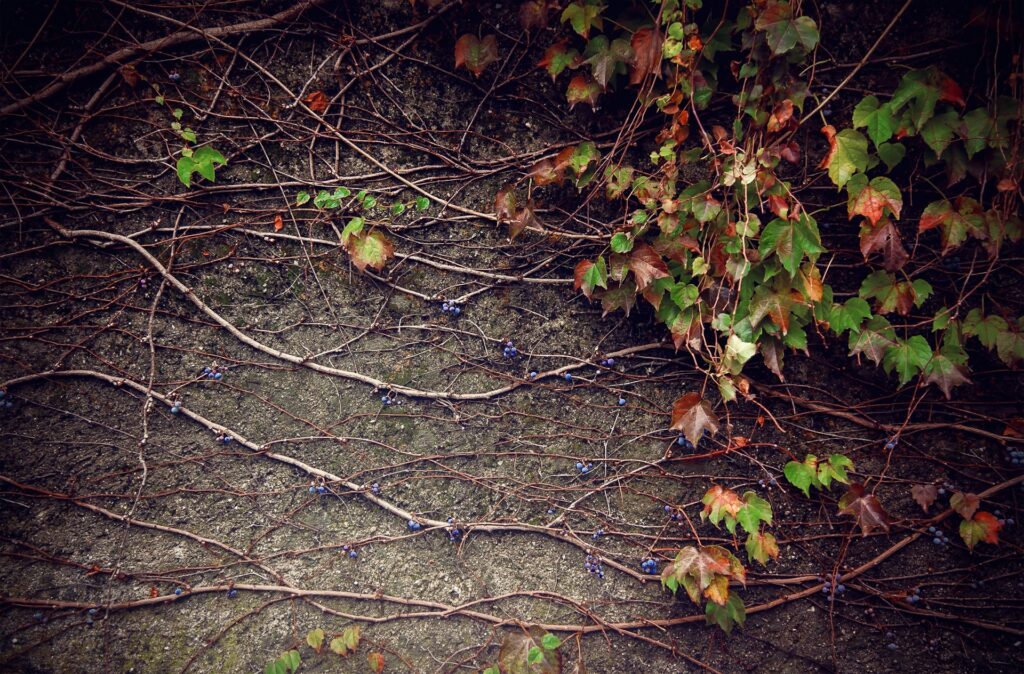
Ground ivy spreads quickly and creates dense ground cover with its trailing stems. On slopes and banks, this prevents soil erosion. It also flowers early, providing food for British bees. It’s considered a weed, but it’s doing important stabilisation work.
If you’ve got a bank or slope that’s eroding, ground ivy might be helping more than harming. Its root system holds soil together. Unless it’s invading flower beds, it’s probably worth leaving where it naturally wants to grow.
11. Yarrow brings beneficial insects.
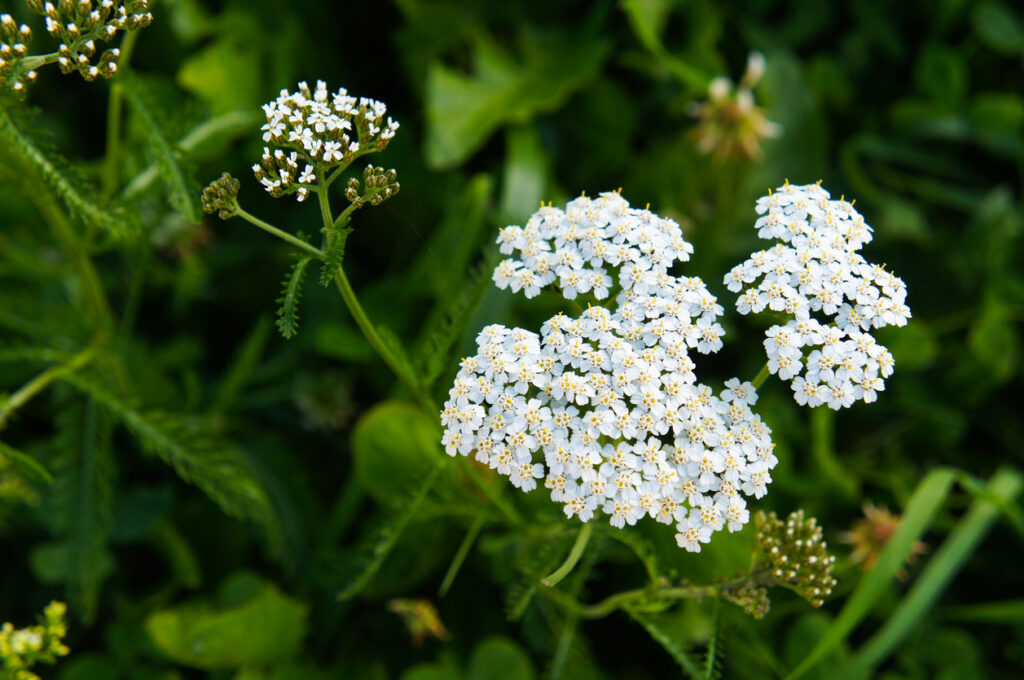
Yarrow attracts ladybirds, hoverflies, and parasitic wasps that all eat aphids and other garden pests. It’s essentially bringing in your pest control team for free. The flowers also support British butterflies and bees, while the plant tolerates poor soil and drought.
Yarrow in your lawn or borders is recruiting predatory insects that keep pest populations down naturally. That means less aphids on your roses without using pesticides. It’s a beneficial weed doing biological pest control.
12. Selfheal feeds British bees.
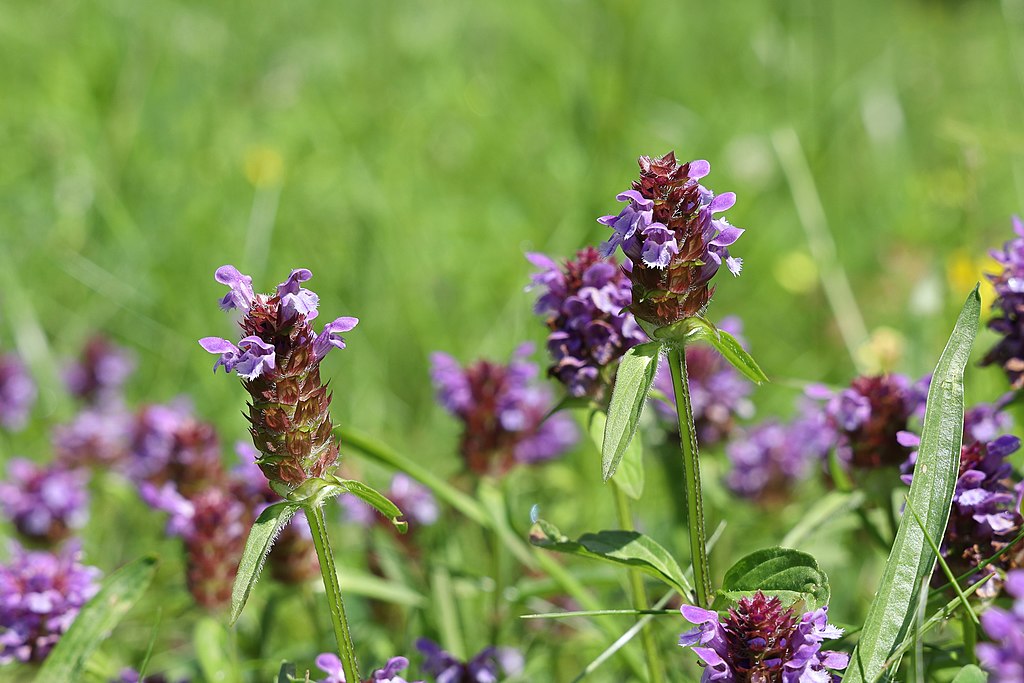
Selfheal grows low in lawns and produces purple flowers that British bees love. It doesn’t compete with grass aggressively and provides nectar without getting in the way. It’s one of those weeds that does no harm and provides benefits.
Leaving selfheal in your lawn costs you nothing and feeds pollinators. Unless you’re obsessed with a perfect monoculture lawn, there’s no good reason to remove it.