Getting bitten by a venomous snake sounds like a death sentence, but the reality is that most snake bites are survivable if you get medical help quickly.

Modern antivenom is incredibly effective, and while these snakes are definitely dangerous, they’re not the instant killers people imagine. The key is recognising which snakes you’re dealing with and getting to hospital fast. Here are some venomous snakes whose bites you can survive with prompt treatment, though obviously avoiding getting bitten in the first place is the better option.
1. Adder (the UK’s only venomous snake)
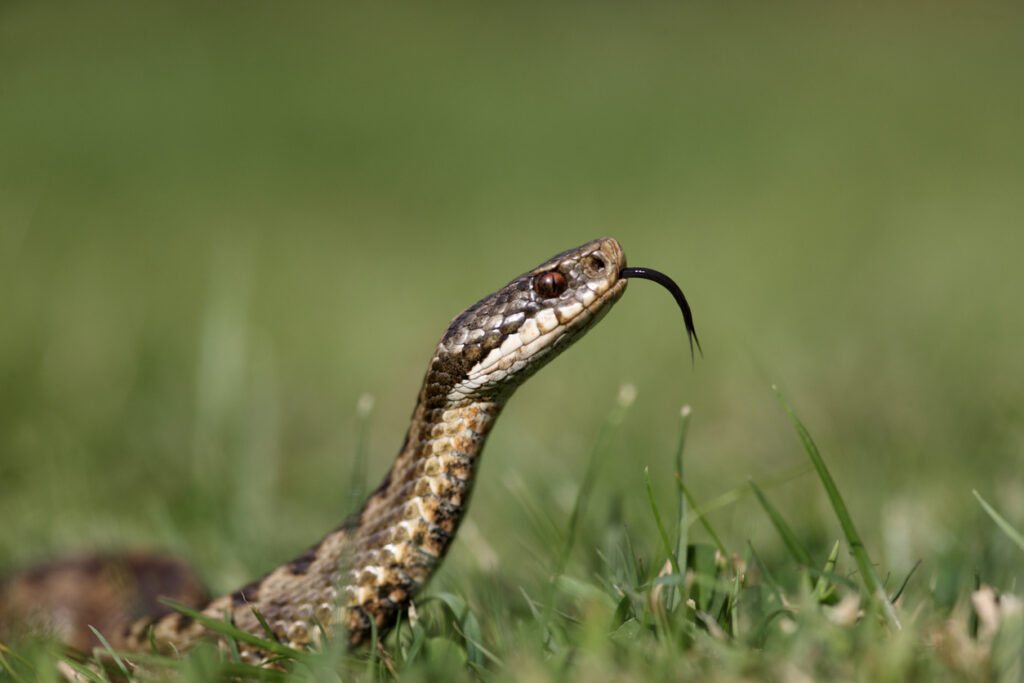
The adder is the only venomous snake native to Britain, and while its bite is painful and unpleasant, it’s rarely fatal. You’ll know one by the distinctive zigzag pattern down its back. They’re shy creatures that only bite when threatened or accidentally stepped on, usually in heathland or moorland.
If you’re bitten, you need to get to A&E immediately, but you’ll almost certainly survive. Deaths from adder bites in the UK are extremely rare, to the point that the last confirmed death was in 1975. The venom causes swelling, pain, and sometimes nausea, but antivenom works well if needed. Most people recover fully within a few days.
2. Copperhead (common in the US)
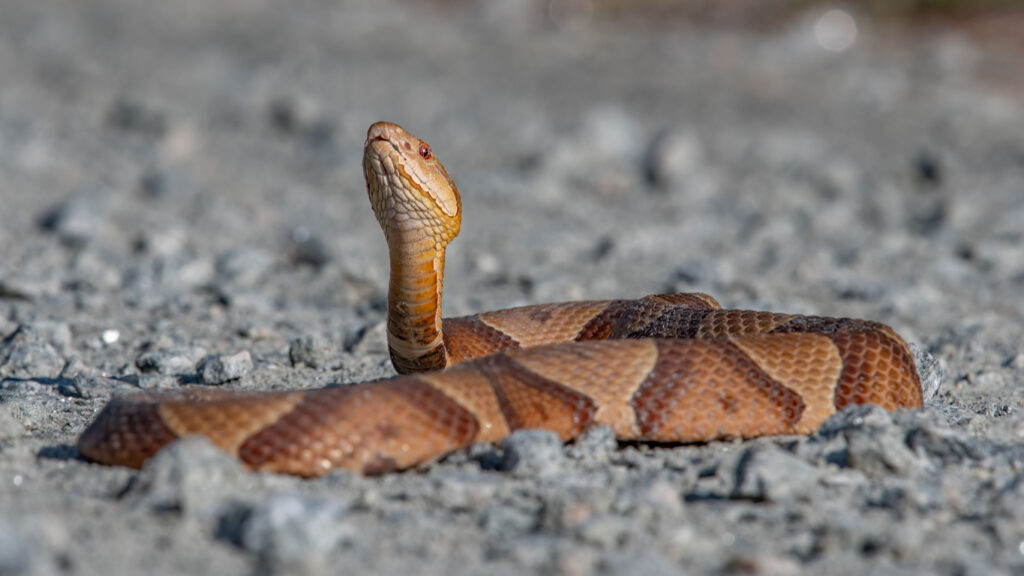
Copperheads are responsible for more snake bites in the US than any other venomous snake, partly because they’re common and partly because they freeze when threatened instead of slithering away. Their camouflage is brilliant, so people often don’t see them until it’s too late. The hourglass pattern on their bodies is the giveaway.
The good news is their venom is relatively mild compared to other venomous snakes. You’ll be in serious pain and need hospital treatment, but deaths are incredibly rare. Many bites don’t even require antivenom, just pain management and monitoring. You’ll survive if you get medical help, though the bite will absolutely ruin your week.
3. European asp viper
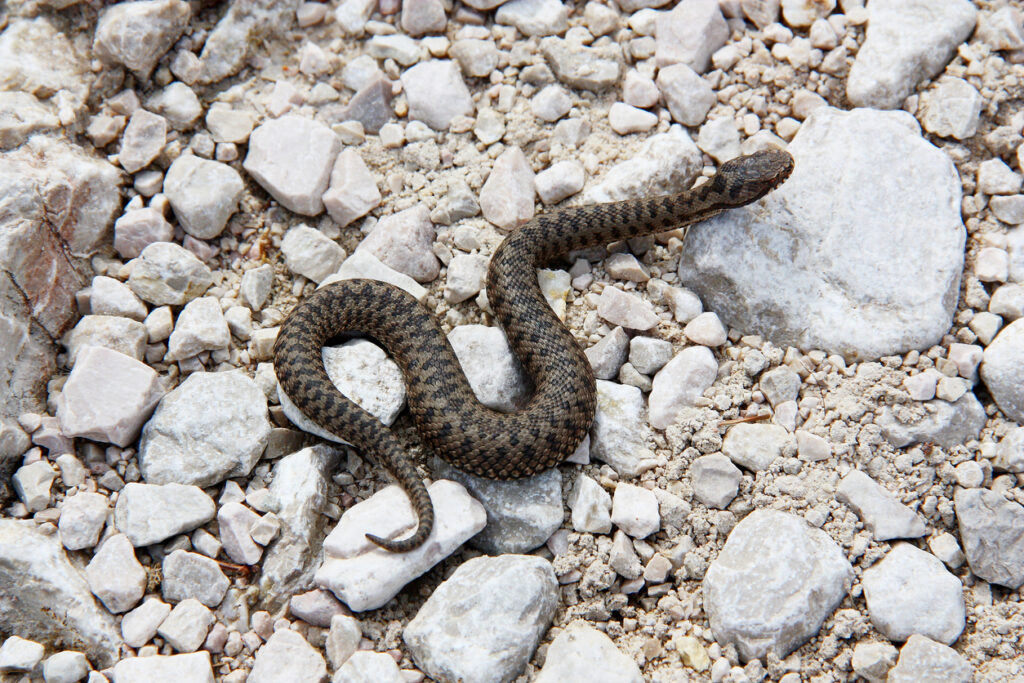
Found across much of Europe, the asp viper has venom that’s more potent than an adder’s but still manageable with treatment. They’re responsible for quite a few bites in France, Italy, and Switzerland, usually when people are hiking or working outdoors. They’ve got a distinctive upturned snout and come in various colours.
Bites cause severe pain, swelling, and sometimes more serious symptoms like breathing problems or heart issues. But with modern antivenom, survival rates are very high. You need to get to hospital quickly and stay calm; panicking makes your heart pump faster, which spreads venom quicker. Most people make a full recovery.
4. Puff adder (Africa’s most dangerous)
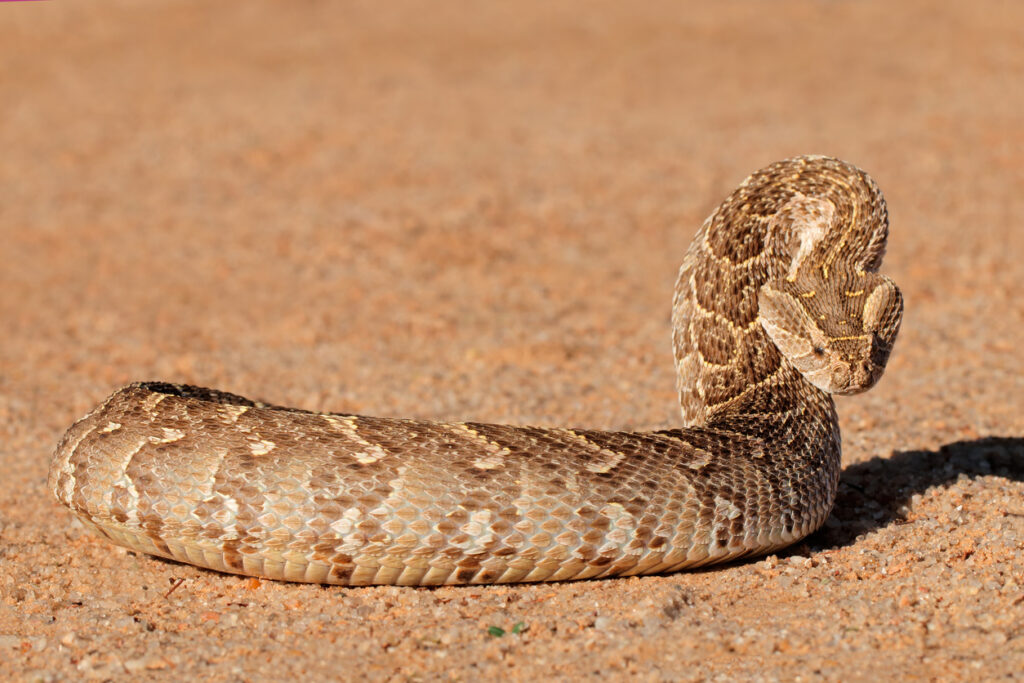
Puff adders cause more snake bite fatalities in Africa than any other species, not because their venom is the most deadly, but because they’re common, well-camouflaged, and don’t move when approached. People literally step on them without seeing them. They get their name from puffing up and hissing when threatened.
Their venom causes massive tissue damage and severe pain, and yes, it can kill. But if you reach medical facilities quickly, your chances are decent. The antivenom works, though you might face complications like tissue necrosis or infection. Getting treatment within a few hours makes a huge difference to outcomes.
5. Fer-de-lance (Central and South America)

The fer-de-lance is aggressive, common, and responsible for more snake bites in its range than any other species. It lives near human habitation, it’s active at night when people can’t see it, and it strikes quickly when disturbed. Its venom causes severe bleeding, tissue death, and can definitely kill you.
However, antivenom for fer-de-lance bites exists and works well if administered quickly. You’re looking at a serious medical emergency that requires urgent hospital treatment, but survival is likely with prompt care. Delays are what kill people; the venom works fast, so time matters enormously.
6. Common European viper
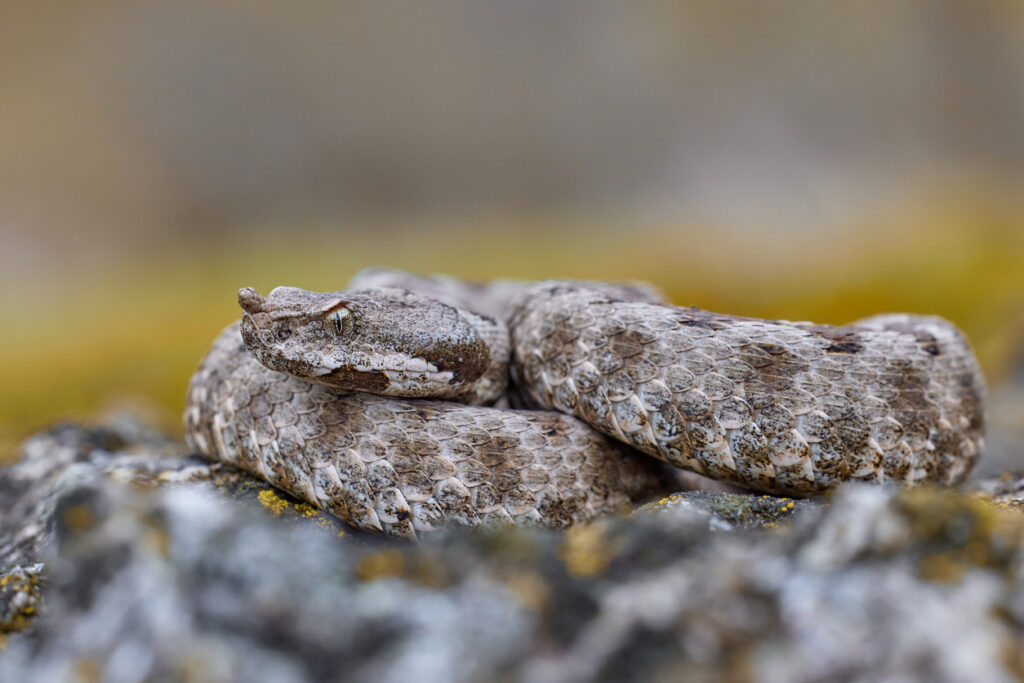
This snake is found across northern Europe and into Asia. It looks similar to an adder but can be found in different habitats. Like most vipers, it’s not aggressive and only bites when threatened or accidentally disturbed. Most bites happen when people try to handle or kill them.
The venom causes local swelling, pain, and sometimes systemic symptoms like vomiting or dizziness. Deaths are rare, especially with modern medical care. If you’re bitten, you’ll need monitoring and possibly antivenom, but your prognosis is good. Children and elderly people face higher risks, but even then, survival is the expected outcome.
7. Timber rattlesnake (eastern US)
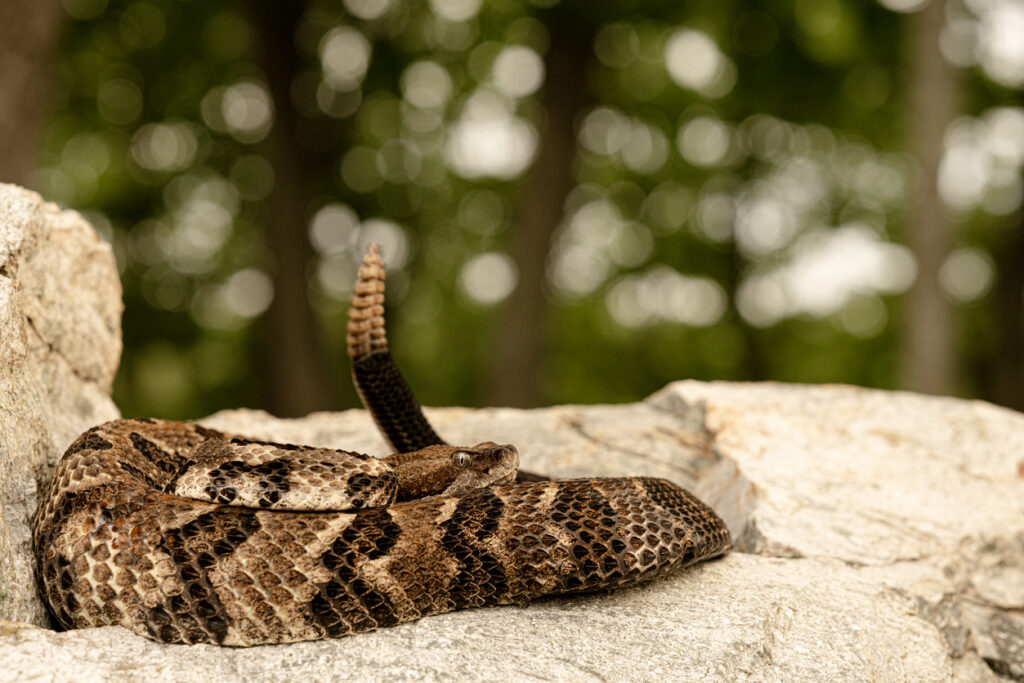
Timber rattlesnakes have a fearsome reputation, and their venom is certainly dangerous, as it causes tissue damage, affects blood clotting, and can lead to serious complications. They’re large snakes that can deliver a significant dose of venom. The rattle warning is your clue to back away slowly.
But fatalities are uncommon with modern treatment. If you’re bitten, you need emergency care and likely antivenom, but hospitals in areas where these snakes live are well-equipped to deal with bites. The key is not panicking, staying still to slow venom spread, and getting help immediately. Most people survive without permanent damage.
8. Russell’s viper (South Asia)
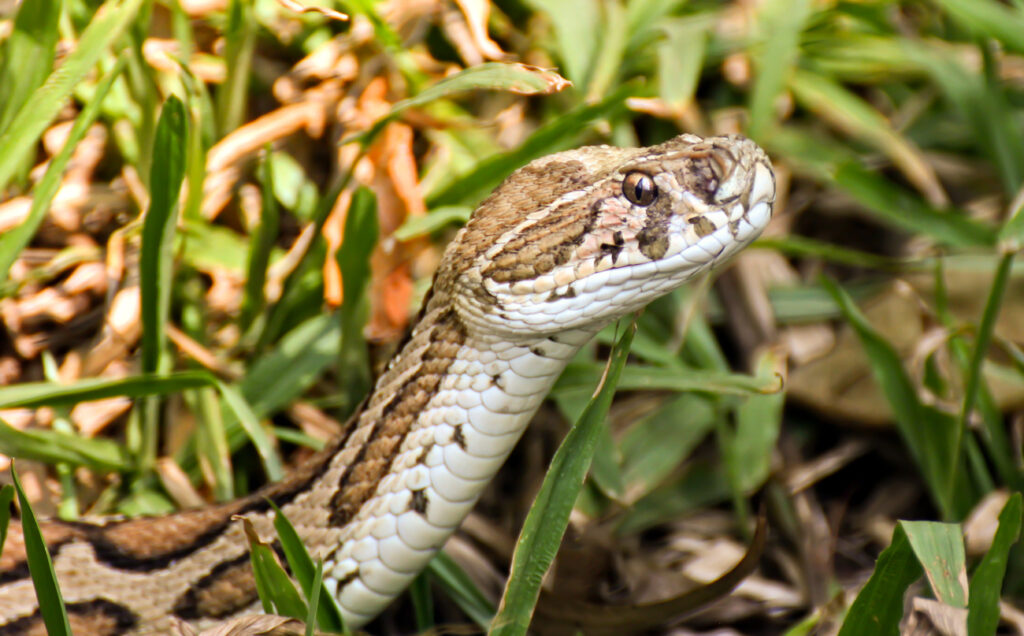
Russell’s viper is one of the “big four” snakes responsible for most snake bite deaths in India, so this isn’t a minor danger. The venom causes bleeding, kidney failure, and can kill. These snakes are common in agricultural areas, which is why farmers get bitten frequently. They’re aggressive when threatened and strike without much warning.
Despite the danger, survival is possible with fast treatment. Antivenom exists and works, though you need multiple vials and intensive medical care. The problem is that many bites happen in rural areas far from hospitals. If you can reach proper medical facilities quickly, your survival chances improve dramatically.
9. Western diamondback rattlesnake
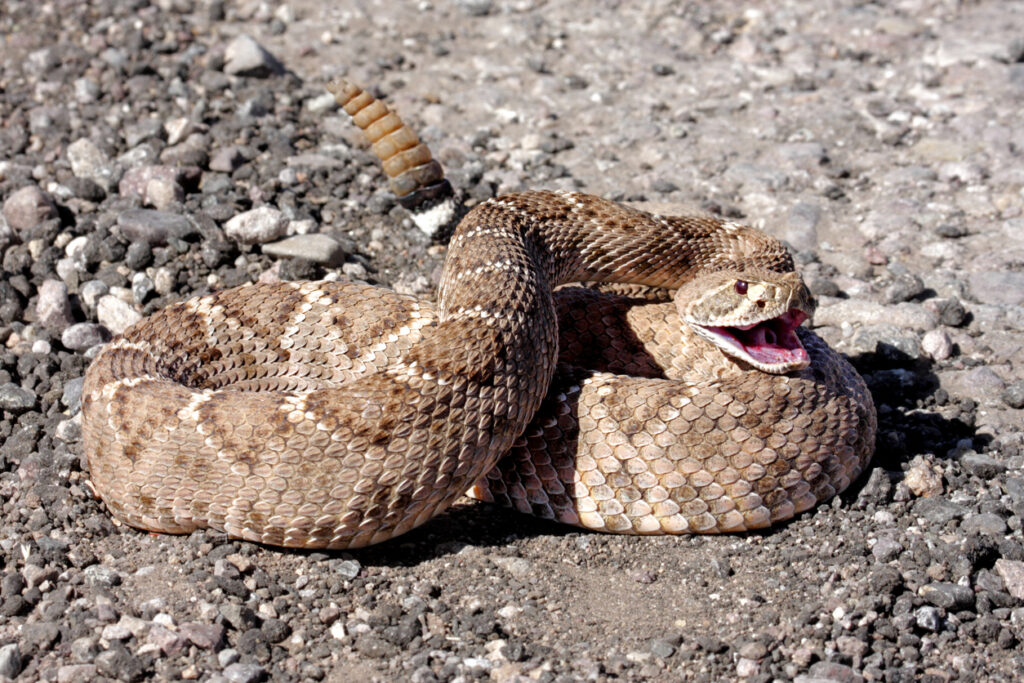
This is one of the most dangerous snakes in North America, responsible for more serious bites than almost any other US species. The venom destroys tissue, affects blood clotting, and causes severe pain and swelling. These are large, aggressive snakes that deliver serious venom loads when they bite.
However, deaths are relatively rare because antivenom is readily available in the snake’s range. You’ll need hospital treatment urgently, and the recovery won’t be pleasant, but survival is likely. The main complications come from delayed treatment or inadequate antivenom doses. Get help immediately and your prognosis is generally good.
10. Saw-scaled viper
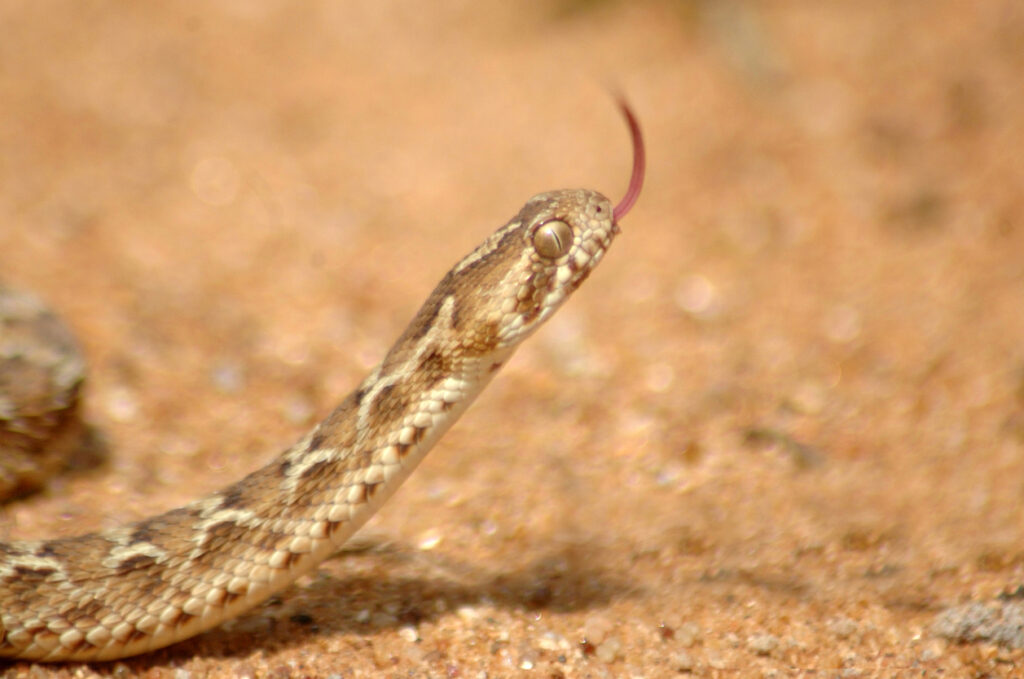
Saw-scaled vipers are small but incredibly dangerous, responsible for thousands of deaths annually across Africa, the Middle East, and Asia. They’re aggressive, common, and their venom causes severe bleeding. When threatened, they coil up and rub their scales together, making a distinctive rasping sound.
The bite is serious and can absolutely be fatal, especially without treatment. But antivenom exists and if you get it quickly, survival is achievable. The challenge is that these snakes often bite people in remote areas with limited medical access. In a hospital setting with proper antivenom, most people pull through.
11. Cottonmouth (water moccasin)
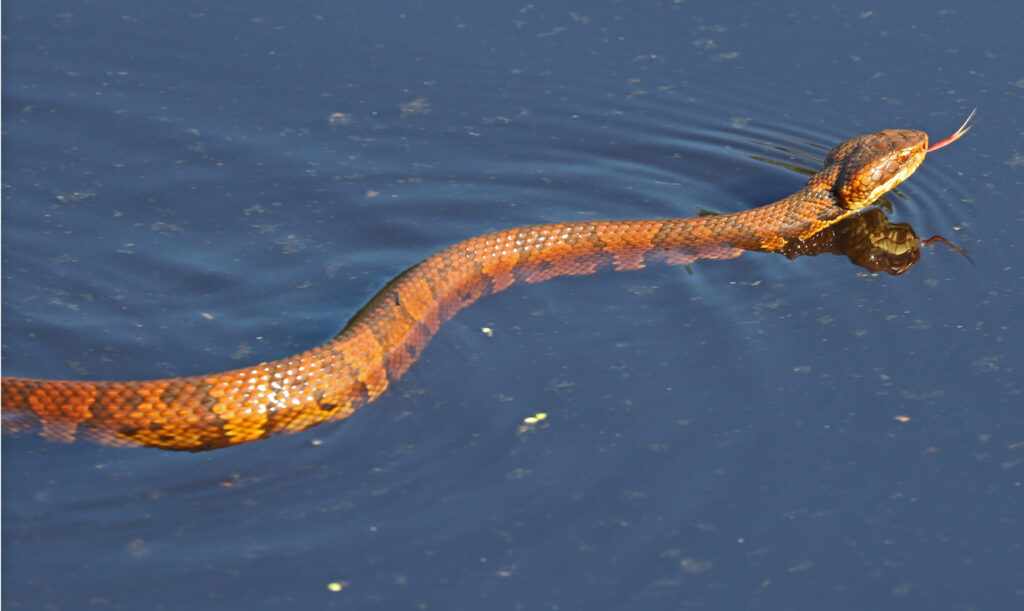
Cottonmouths are found in the southeastern US, usually near water. They’re named for the white inside of their mouth, which they display when threatened. Unlike many snakes that flee, cottonmouths often stand their ground, which leads to more encounters with humans. Their venom destroys tissue and affects blood.
Deaths from cottonmouth bites are very rare. The venom is painful and can cause serious local damage, but it’s rarely life-threatening with treatment. Many bites don’t even require antivenom. You’ll need medical evaluation and pain management, but you’ll almost certainly survive if you get help straightaway.
12. Gaboon viper (Africa)
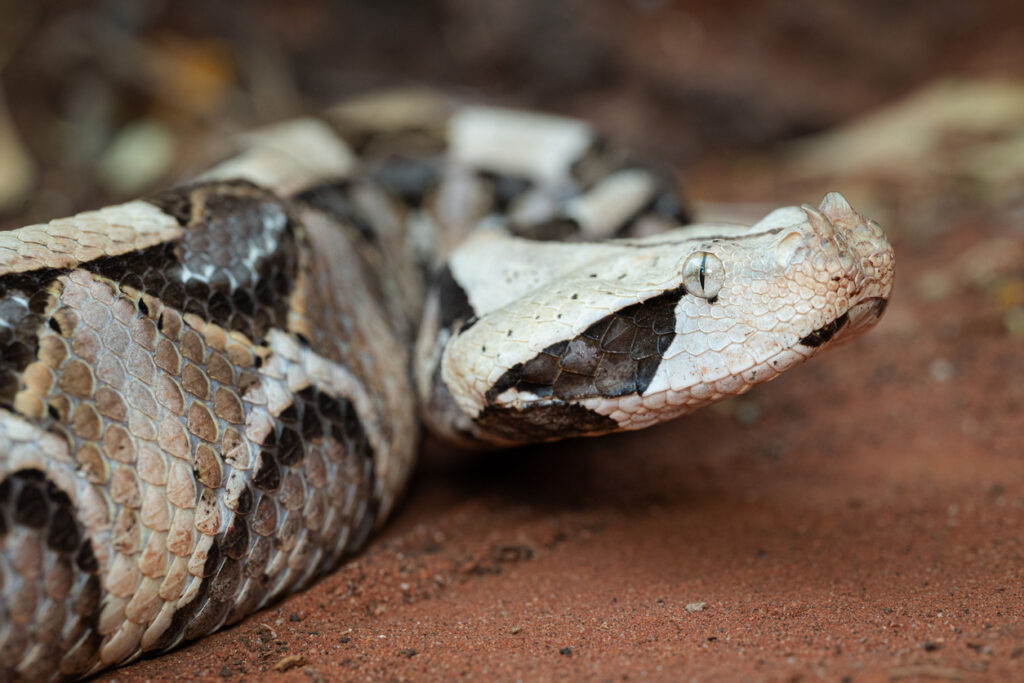
The Gaboon viper has the longest fangs of any snake (up to 2 inches!) and can inject enormous amounts of venom. They’re massive snakes with incredible camouflage that makes them nearly invisible in leaf litter. Fortunately, they’re docile and bites are rare. When they do bite, it’s usually because someone literally stepped on one.
Despite having such potent venom and huge venom yields, deaths are uncommon because these snakes are so rarely encountered and antivenom works well. If you’re bitten, you need urgent medical care and significant amounts of antivenom. It’s a serious emergency, but with proper treatment, survival is the likely outcome. The key is recognising how dangerous the bite is and getting help immediately rather than hoping it’ll be fine.