Most flowers follow a general pattern: open in the morning, close at night.
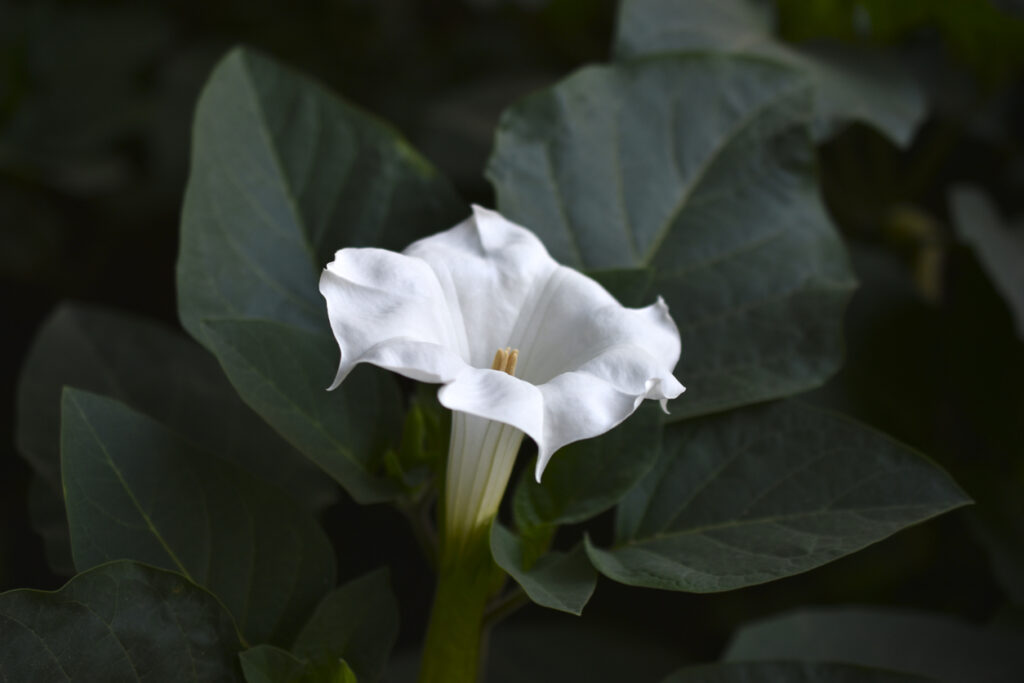
However, some are a lot pickier about when they make an appearance. These time-sensitive bloomers open their petals at very specific hours, often down to the minute, in sync with light, temperature, or even pollinator habits. Whether it’s to attract the right insects or avoid the heat, these plants run on their own schedule, and if you don’t catch them at just the right time, you’ll miss the show entirely.
1. Morning glory
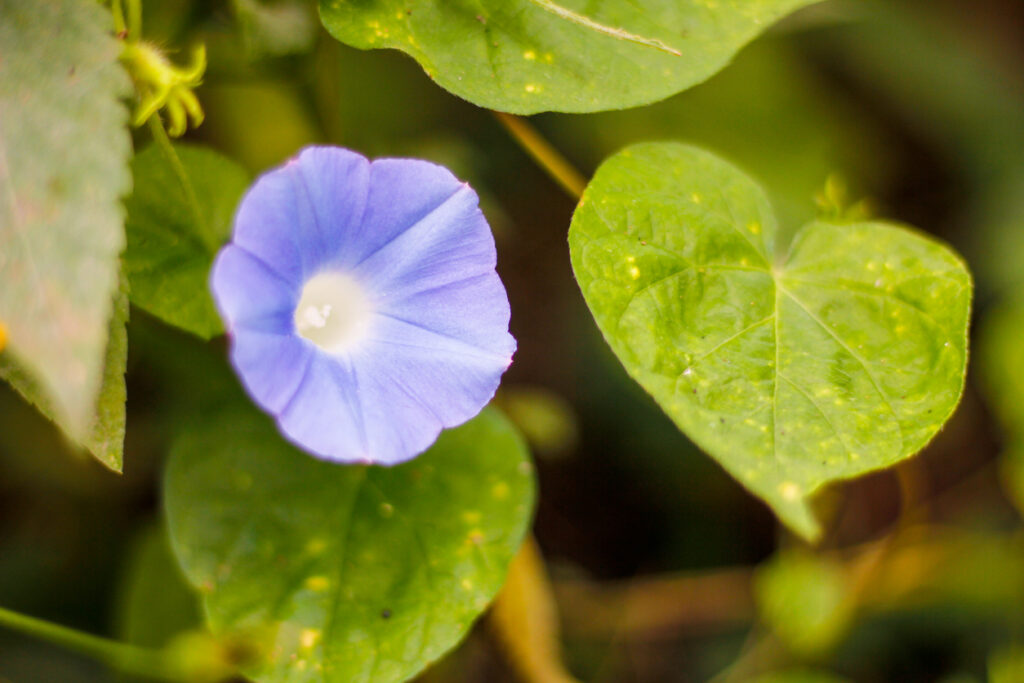
As the name suggests, morning glories open early, usually just after sunrise, and then close up by midday or whenever the sun gets too intense. They’re some of the earliest risers in the flower world, showing off bold colours in pink, purple, blue, or white. If you’re not up early, you might never catch them in full bloom. They work on a built-in clock that responds to light levels, making them perfect for morning gardens, but a bit elusive for anyone who likes a lie-in.
2. Four o’clock flower (Mirabilis jalapa)

These flowers are known for doing the opposite of most blooms: they open in the late afternoon, typically around 4 p.m., and stay open into the evening. Their timing is tied to cooler temperatures and night-flying pollinators like moths. They’re also fun because they often grow multiple colours on a single plant, sometimes even on the same bloom. If your garden feels a bit quiet in the evening, these add a surprise pop of colour just when everything else is winding down.
3. Moonflower (Ipomoea alba)
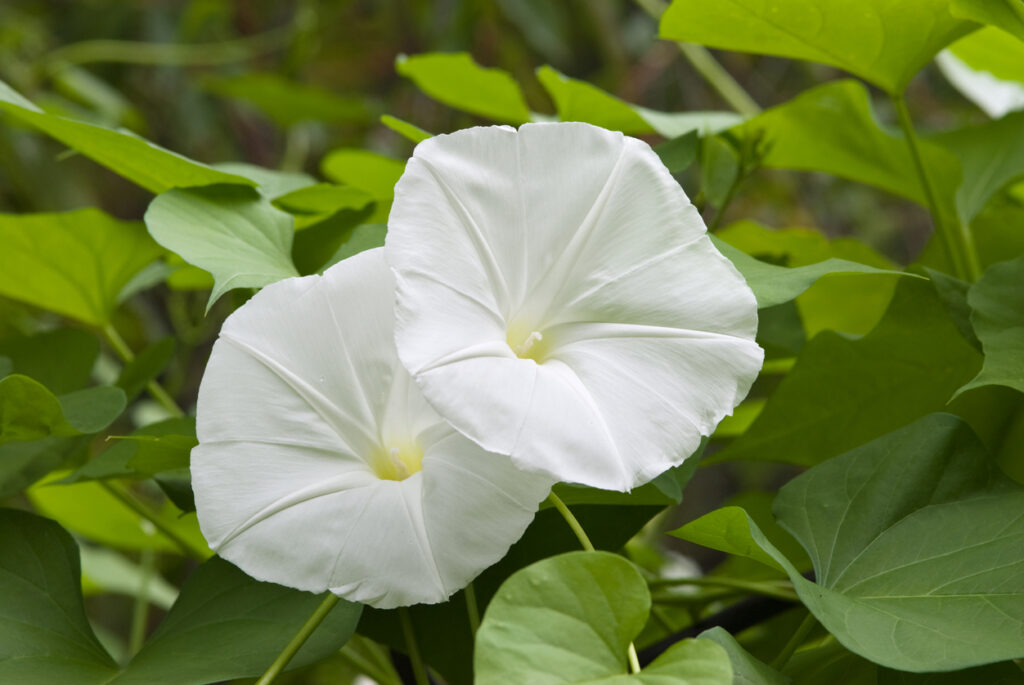
Moonflowers are night-bloomers that unfurl as the sun sets, often around dusk. Their big white blooms open fast, sometimes within minutes, and give off a strong, sweet scent to attract nighttime pollinators like moths and bats. They’re part of the morning glory family, but they run on a completely different schedule. If you want to see them bloom, be ready to watch around sunset with a bit of patience. It’s a short but dramatic moment that’s easy to miss.
4. Queen of the night (Epiphyllum oxypetalum)
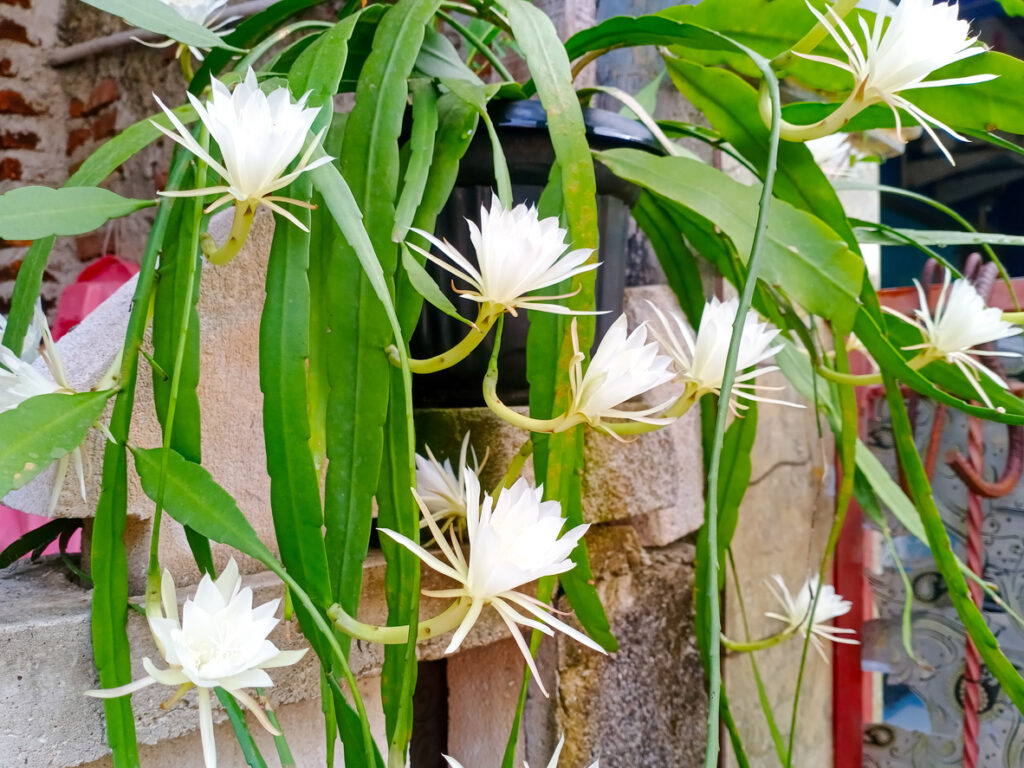
This cactus only blooms at night, and not every night, either. The flowers open after sunset and wilt by dawn, making each bloom feel like a rare event. Some people even host “bloom parties” to catch the moment when it finally opens. The scent is strong and sweet, meant to attract nighttime pollinators in its native tropical habitats. It’s a bit dramatic and definitely not a plant for instant gratification, but when it blooms, it’s completely worth the wait.
5. Daylily (Hemerocallis)
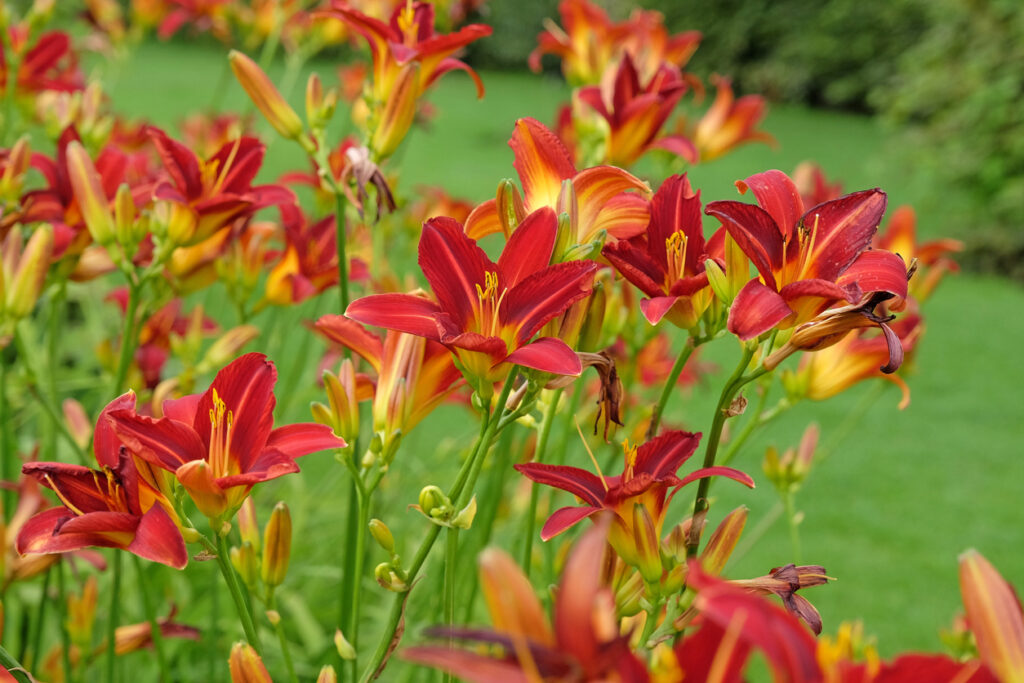
Each individual daylily flower opens in the early morning and fades by nightfall, only lasting a single day. Luckily, the plant produces multiple buds, so you still get a long blooming season, just with fresh flowers each day. The timing is usually consistent, with flowers beginning to open as the sun comes up and showing off during daylight hours. It’s a daily reset kind of plant: blink, and yesterday’s bloom is gone, replaced by a brand-new one.
6. Evening primrose (Oenothera biennis)
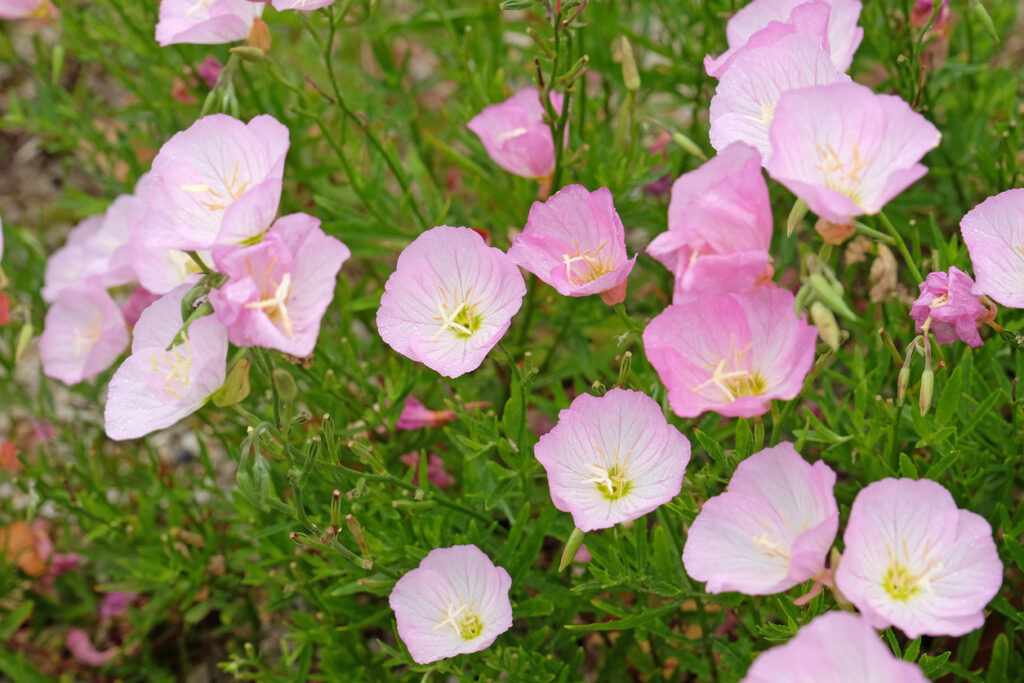
True to its name, evening primrose starts blooming at twilight and stays open through the night. The yellow flowers often unfurl in real time as the sun goes down, which makes them fascinating to watch if you’re patient enough. They’re particularly attractive to nocturnal pollinators like hawk moths, which is why their timing is so precise. By dawn, many of the flowers have faded, so if you only visit your garden in the morning, you’d never know they were there.
7. Dandelions
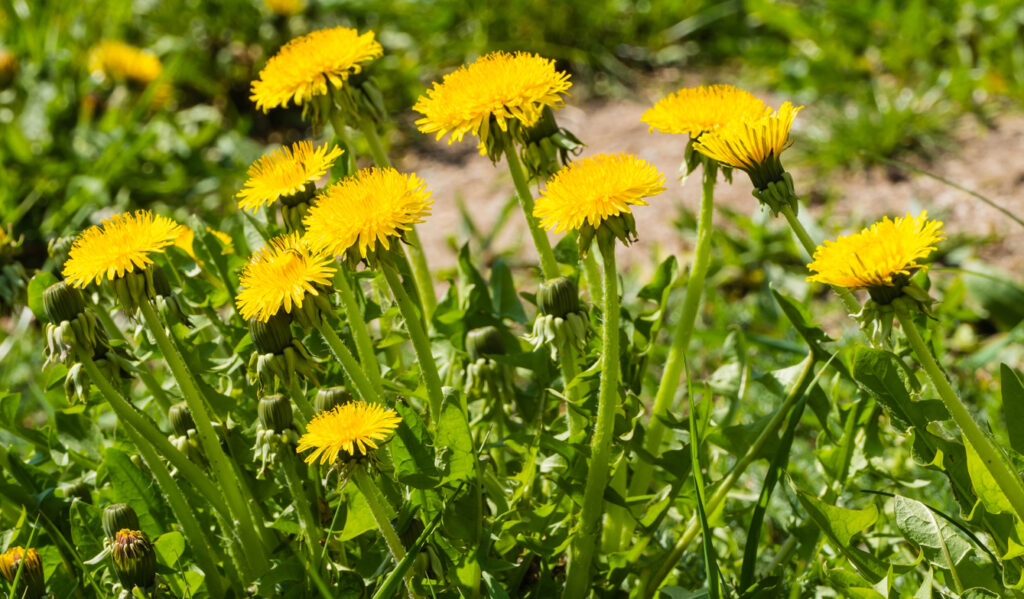
Dandelions are more than just lawn weeds. They’re incredibly responsive to light. Their bright yellow flowers open in full sunlight and close when it’s cloudy or the light starts to fade. On overcast days, they might not open at all. This light sensitivity helps protect their pollen and conserve energy. It also means dandelions are a great natural weather forecast; if they’re closed up mid-morning, chances are the day’s going to be a bit gloomy.
8. Skeleton flower (Diphylleia grayi)
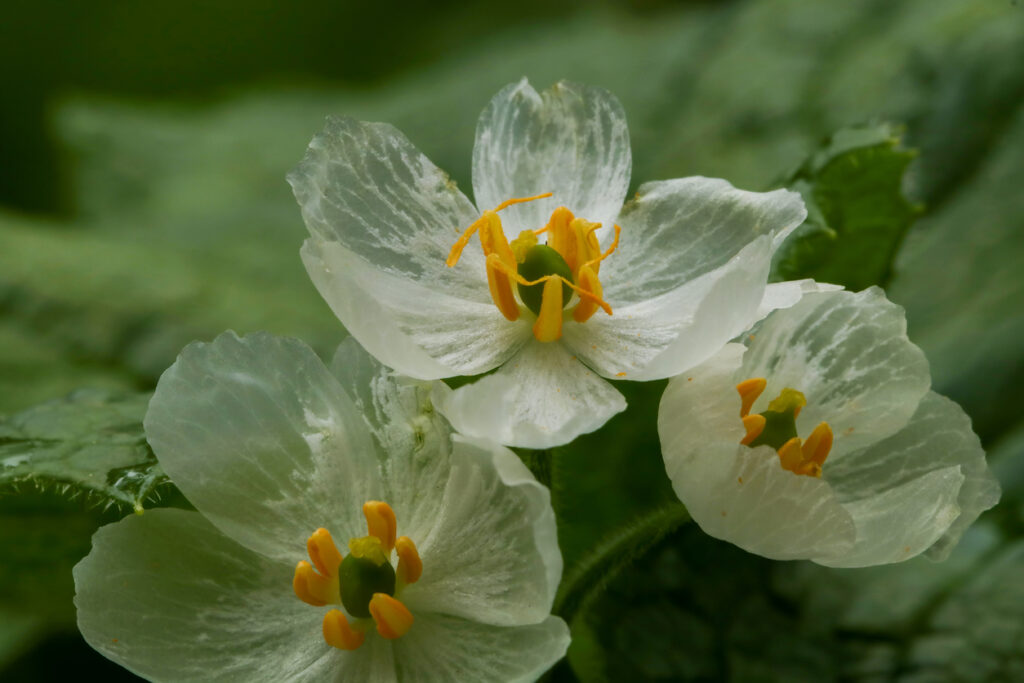
While not strictly time-of-day specific, the skeleton flower is still worth a mention. Its white petals turn transparent when wet, especially after morning dew or a summer rain, then return to white once dry again. This reaction isn’t about the clock but about moisture, yet the timing often coincides with early morning or evening when humidity is highest. The effect is ghostly and beautiful, making it one of nature’s weirdest disappearing acts.
9. Lotus
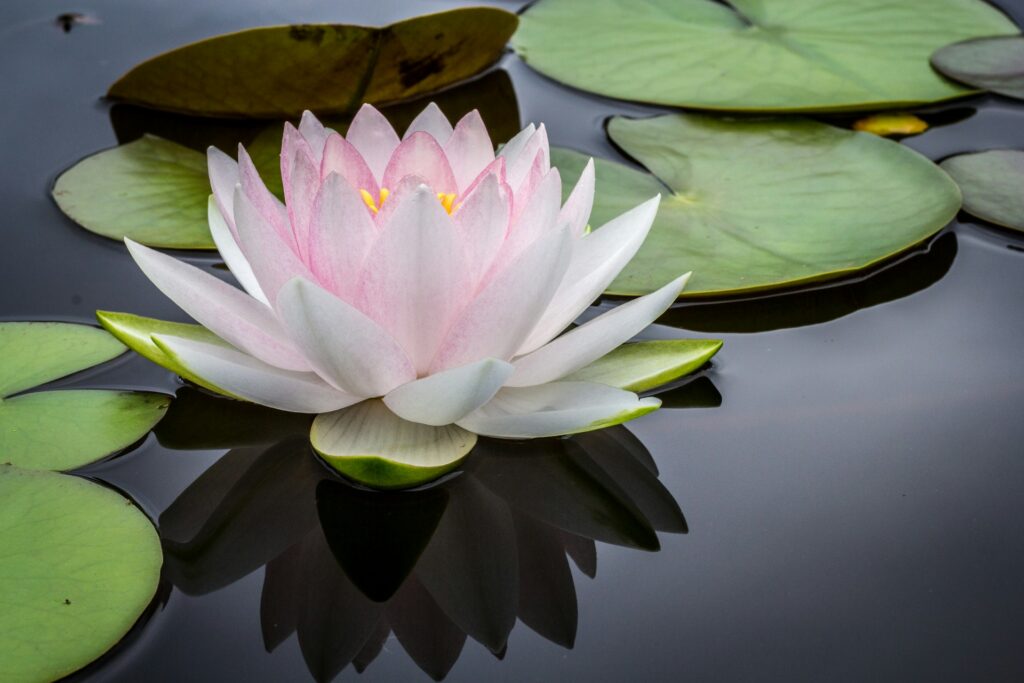
Lotus flowers open in the early morning and begin closing by around noon, often retreating completely by mid-afternoon. This daily rhythm is tied to the heat and intensity of the sun, especially in tropical environments where they naturally grow. Because of their early closing time, a full lotus bloom is something you have to catch before lunch. By the time you’re on your afternoon tea break, it’ll already be halfway to bedtime.
10. Chicory (Cichorium intybus)
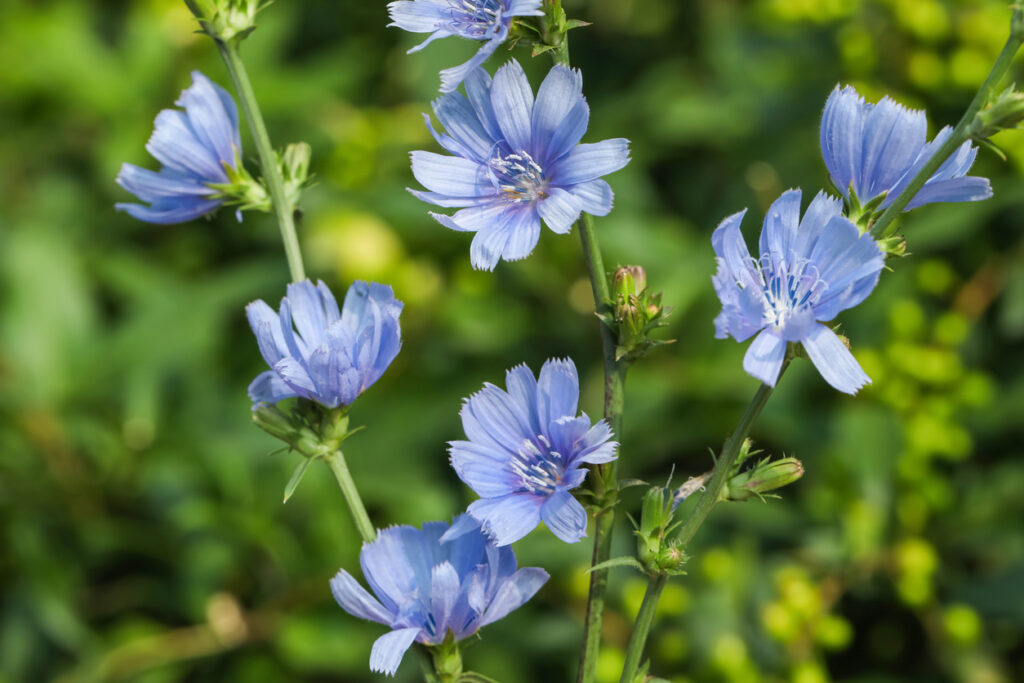
Chicory’s blue flowers open early in the morning, usually just after sunrise, and start closing by late morning or noon. They’re most open between 6 a.m. and 10 a.m., especially on bright, sunny days. This short blooming window gives the flower a crisp, precise feel. If you’re not a morning person, you’ll miss the entire show. But early risers get to enjoy one of the clearest, bluest wildflowers around.
11. Gazania
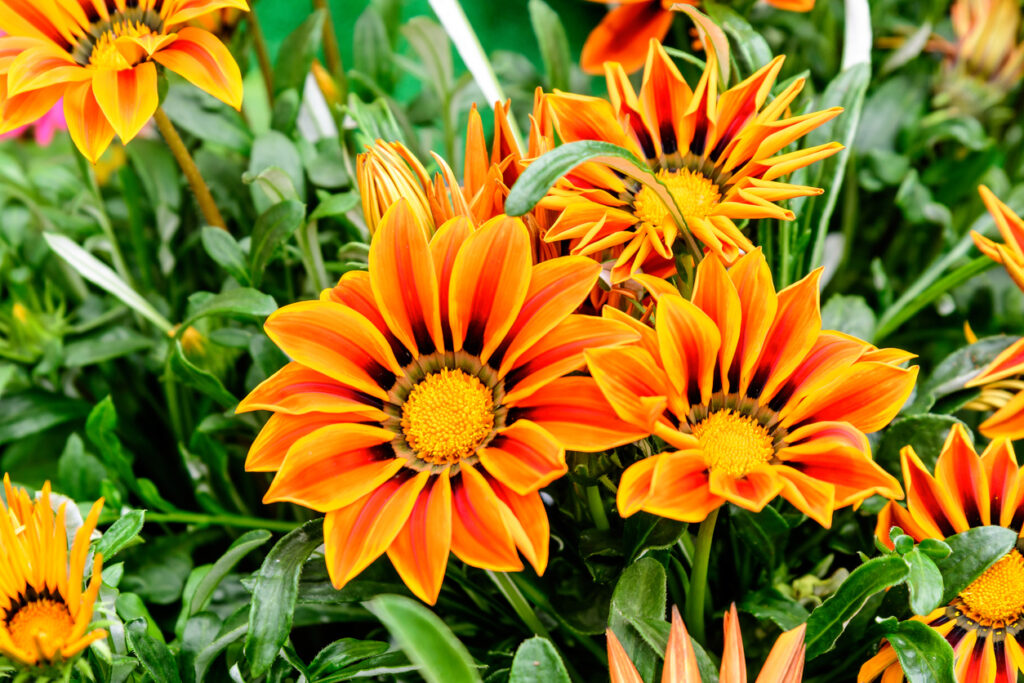
Gazania flowers love the sun so much that they won’t bother opening without it. These bold, stripy blooms open late morning when the sun is bright and start to close again by late afternoon or if it gets cloudy. Because of this behaviour, they’re often called “sun daisies.” They’re a reliable way to bring movement into your garden. Watching them close and reopen with the light makes the whole space feel a bit more alive.
12. Crocus
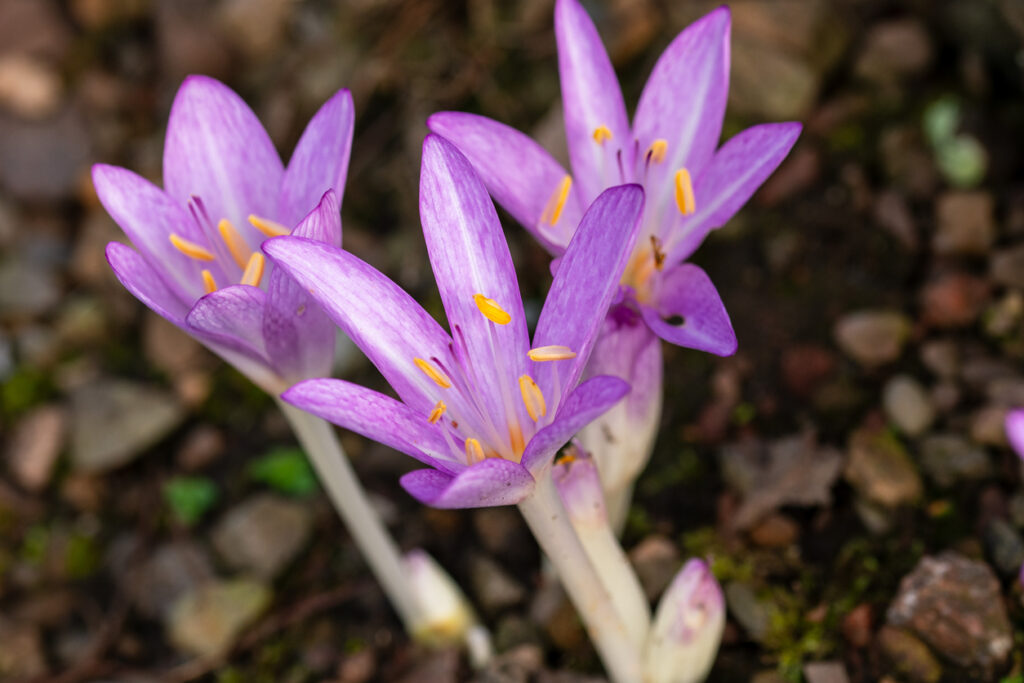
These spring bloomers don’t just open by the hour; they track the sun like little floral satellites. Crocus flowers often open in late morning and close by early afternoon, especially on chilly or cloudy days. The timing depends on both temperature and light, which is why crocuses are some of the first flowers you’ll see opening wide on sunny spring mornings. It’s their way of warming up and calling in pollinators at the perfect time.