Most of us think nine months of morning sickness and swollen ankles is a rough deal, but in the animal kingdom, that’s a walk in the park.

There are creatures out there enduring pregnancies that last for years, carrying offspring that are a massive percentage of their own body weight, or even being eaten from the inside out before the happy day even arrives. It’s a brutal, exhausting process where the mother often ends up a total wreck just to ensure the next generation makes it out alive.
Whether it’s sharks that spend half a decade waiting to give birth or tiny mammals that literally give everything they’ve got until they drop dead, the biological cost of having a family can be staggering. These 12 animals have it harder than just about anything else on the planet, and when you see what they put up with, you’ll never complain about a bit of heartburn again.
1. Elephant mums carry a baby for nearly two years.

An elephant pregnancy is basically a marathon that never ends. They’re pregnant for around 22 months, which means their body is supporting a growing calf through two hot seasons, two cold seasons, and whatever droughts or food shortages happen in between. That’s a long time to be heavier, slower, and more thirsty, especially when you still have to walk huge distances to eat enough. It also means the mum has to stay in decent condition for a very long time, since there’s no quick finish line.
The birth itself is no joke either, as the calf is massive, and the mum is already worn down from months of extra strain. The herd helps, but the physical load still sits on her body for almost two full years. If she’s injured, stressed, or short on food during that time, it can affect the baby and her recovery. It’s one of the clearest examples of pregnancy being a full-body life project, not a phase you can just push through.
2. Frilled sharks can be pregnant for years.
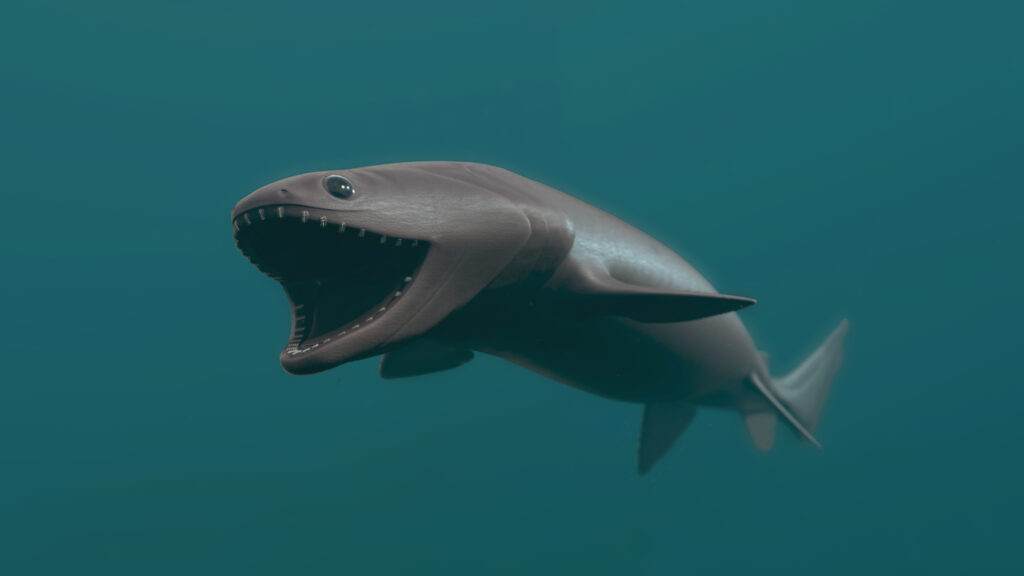
Frilled sharks are one of those animals that make you question reality, since their pregnancy can last for several years. They’re deep-sea sharks, which already means life is slow and weird down there, and their babies develop at a pace that would drive most mammals mad. If you picture a pregnancy that goes on and on while you still have to hunt and avoid danger, you start to get why it’s so gruelling. It’s not a cute nature fact. It’s a long, draining wait.
The deep sea isn’t exactly a cosy nursery, either. Food can be scarce, and finding enough energy to support a long pregnancy is hard when meals might be unpredictable. The mother has to keep functioning while carrying developing young for an incredibly long stretch of time. It’s not like she can take it easy and rest. She still has to survive in a harsh environment while doing one of the most demanding biological jobs on Earth.
3. Spiny dogfish pregnancies drag on for ages.

Spiny dogfish are another shark that really earns a place on this list. Their pregnancy can last around 18 to 24 months, which is wild when you compare it to most animals you’re used to. That’s a long time to be carrying pups while swimming, hunting, and dealing with whatever the sea throws at you. It also means the mother’s body is tied up in reproduction for a big chunk of her life, not just a short season.
Long pregnancies can sound calm and slow, but they come with a cost. Carrying young for that long means the mother has to keep finding enough food to support herself and her developing pups, and she can’t just switch off the extra energy needs. She also has to stay healthy for longer, which sounds obvious but matters when injury, parasites, and lean times are part of the deal. It’s a long grind, not a quick sprint.
4. Spotted hyena births are brutal in a very specific way.
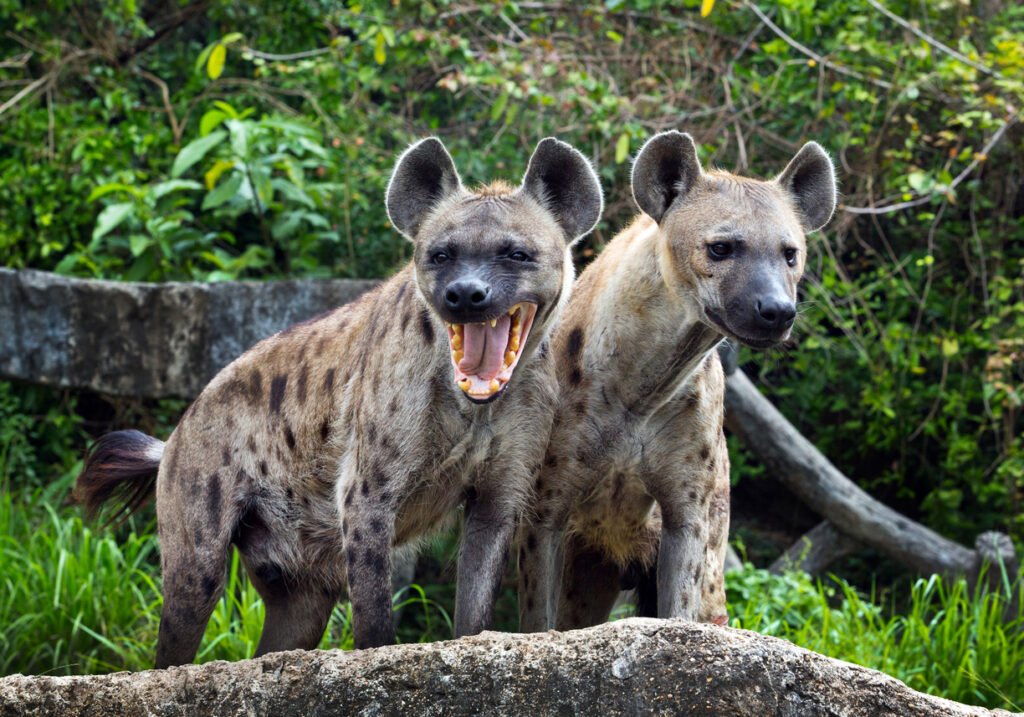
Spotted hyenas don’t have the longest pregnancies, but the whole experience can be gruelling because birth can be genuinely dangerous. Female hyenas give birth through a structure that makes delivery much harder than it needs to be, and first-time births in particular can be risky. That means pregnancy comes with this looming physical challenge at the end, like knowing you’ve got a terrible hill climb waiting for you after a long run. It’s not just discomfort. It’s real risk.
On top of that, hyena society is intense. Females are dominant, there’s constant competition, and life isn’t exactly soft and peaceful while you’re heavily pregnant. A hyena mum still has to eat, defend herself, and hold her place in a social order that can be rough. Then she has to deliver and immediately deal with hungry, demanding cubs in a world where nothing is handed to you. It’s one of those pregnancies where the hard part doesn’t politely begin after the birth.
5. Polar bears are pregnant while fasting and denning.
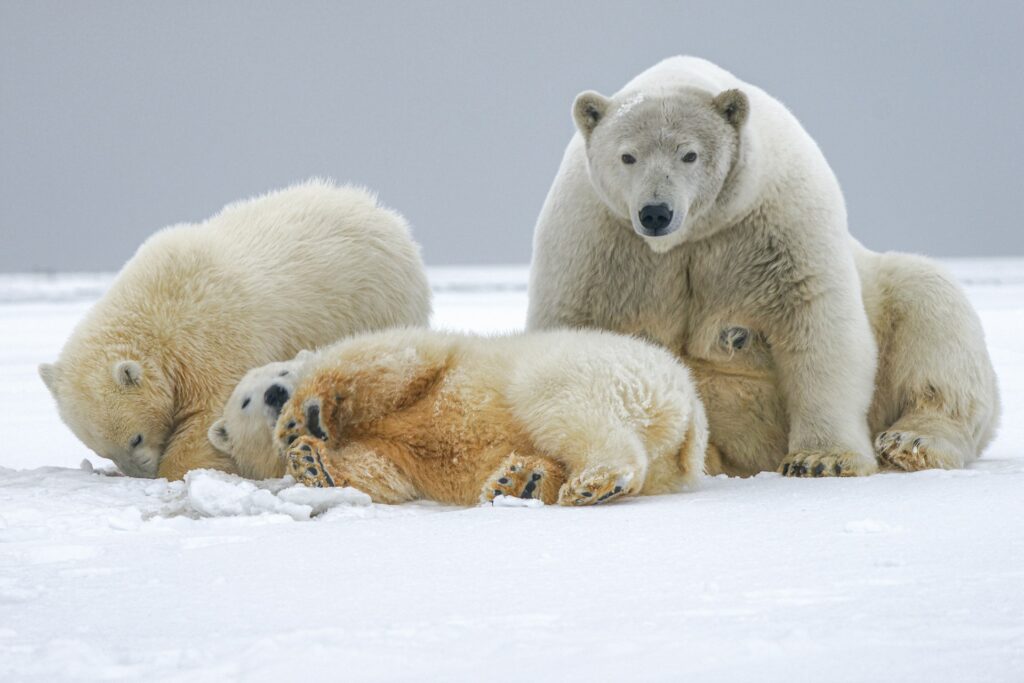
Polar bear pregnancy has an extra layer of harshness because it’s tied to the Arctic reality of food and ice. After mating, the embryo can pause development for a while, then the pregnancy properly kicks in later when the mother is preparing for winter. She often has to build up enough fat to survive months in a den because once she’s in there, she’s basically living off her own body. She’s not just growing cubs. She’s keeping herself alive at the same time.
The really gruelling part is that she gives birth in the den and then continues fasting while nursing. That means she’s producing milk and caring for tiny cubs while she’s not eating, which is a ridiculous demand on any body. If she doesn’t go into winter with enough reserves, everything gets harder. She can’t simply will herself to have more energy. It all depends on how successful she was at feeding before the denning period, and that’s not always under her control.
6. Giraffe mums carry a big baby and still have to stay mobile.

Giraffe pregnancy lasts around 15 months, which is long enough to feel endless in the wild. The mum is carrying a large, heavy calf while still having to walk, feed, and stay alert for predators. Being pregnant doesn’t mean she gets a break from survival. If anything, it can make her a bit less nimble, and that matters when you’re a walking snack for lions. It’s a long stretch of keeping yourself safe while your body is doing extra work.
Then there’s the birth itself, which is dramatic for reasons you can probably guess. The calf is born from a serious height, and while giraffes are built for it, it’s still a tough start. The mother has to recover and keep the calf protected quickly because the world doesn’t pause for newborns. If you think of pregnancy as hard but then peaceful after the baby arrives, giraffes don’t get that. The danger is still right there, and now it includes the baby too.
7. Killer whales carry calves for well over a year.

Killer whales have a long pregnancy, roughly around 17 months, and they’re carrying that calf while living a life that’s physically demanding. Swimming long distances, hunting, staying with the pod, and dealing with cold water all adds up. Pregnancy in the ocean isn’t a cosy wait. You still have to move constantly and feed properly, and you can’t exactly lie down and take it easy. The mother is doing a big job inside her body while still doing big jobs outside it.
What makes it feel especially gruelling is that pregnancy and motherhood are tied to the whole survival of the group. A calf is a major investment, and the mother’s condition is important for the calf’s chances. If food is harder to find, or the mother is stressed, the strain goes up. Then after birth, she’s nursing in a world where she has to keep moving and keep the calf close. It’s long, tiring, and there’s no simple safe place to hide and recover.
8. Rhinos have long pregnancies with a lot of physical load.

Rhinos are another animal where the pregnancy length alone makes you wince. Depending on the species, rhino pregnancy can last around 15 to 16 months. That’s a long time to be carrying a heavy calf while still living a life that demands strength, movement, and constant awareness of threats. Even if an adult rhino looks like a tank, being pregnant changes how your body feels and how you move. Nature doesn’t hand out comfort points for being tough-looking.
A long pregnancy also means a long time when something going wrong can go wrong. Injury, illness, stress, and lack of food all have more time to interfere. After birth, the mother has to protect her calf and stay healthy enough to nurse, and she’s doing that in environments where danger and pressure can still be present. It’s not a short, neat reproductive cycle. It’s a long haul, and the mother’s body is carrying that load for well over a year.
9. Kangaroos are basically juggling babies at different stages.

Kangaroos have a pregnancy that looks short on paper, but the overall process can be brutal because it’s not just one baby and done. A female can have a tiny newborn in the pouch, an older joey still feeding, and a paused embryo waiting in the wings. It’s like running multiple tabs at once, except the tabs are living, growing animals that rely on your body. The mother’s energy is constantly being pulled in different directions, and there’s rarely a clean break.
The hard part is that everything depends on food and safety. If times are good, she can keep multiple young going. If times are bad, her body has to make ruthless decisions about what it can support. That’s not a gentle, relaxing system. It’s constant biological budgeting. The mother is managing pregnancy, nursing, and development all at once, and her energy levels can get dragged around by the environment in a way that looks harsh because it is harsh.
10. Seahorses flip the script and make dads do the heavy lifting.

Seahorses deserve a mention because the pregnancy is carried by the male, and it’s not just a quirky fun fact. The father carries developing babies in a brood pouch, and his body has to manage oxygen, salt balance, and protection while they grow. It’s a lot of work, and it can limit how much he can do while he’s carrying them. In a small animal where life is already full of threats, any extra strain can be a big deal.
Birth is also intense because the male goes through a proper labour process to release the babies. It can look like spasms and repeated effort, and it’s clearly not a casual moment. Then the cycle can start again fairly quickly, which means the physical demands can stack up over time. It’s gruelling in a different way to elephants or sharks, but it’s still a body being pushed to do something extreme for reproduction, and that counts.
11. Giant pandas deal with a weird mix of timing and tiny newborns.

Giant panda pregnancy is strange because the timing can be hard to pin down, and the babies are born unbelievably small compared to the mother. That alone makes the whole process feel stressful because a tiny newborn is fragile in a way that leaves no room for error. The mother has to go from being pregnant to being a full-time protector of something that is basically helpless. In the wild, that level of vulnerability is a serious problem to manage.
It’s also a huge physical and emotional load for the mother because the newborn needs constant care and warmth. She has to keep it safe, feed it, and stay alert, all while recovering from birth. Panda mums can end up looking like they’re doing nothing but holding and guarding the baby because that’s exactly what they have to do. It’s not the longest pregnancy on this list, but it’s one of the most demanding early motherhood situations, which is part of the same brutal story.
12. Bats can have delayed pregnancies that mess with timing and energy.

Some bats have a reproductive setup that stretches the whole process out. Depending on the species, they can store sperm or delay development so the timing of birth lines up with better conditions. On paper that sounds clever, and it is, but it also means the mother’s body is managing reproduction over a longer and less predictable window. She’s flying, feeding, and living her normal life while her body is quietly running this complicated schedule in the background.
Then when pregnancy and nursing do hit, it can be a lot. Flight is expensive in energy terms, and a pregnant or nursing bat still has to go out and feed properly to keep everything going. If food is scarce or the weather is rough, that pressure climbs fast. A small body has less wiggle room, so a few bad nights can matter. It’s one of those pregnancies where the strain comes from how tightly everything is balanced, and how little margin there is for mistakes.