You’ve probably spent half your life thinking you’re a proper Dr. Dolittle, but most of us are actually rubbish at figuring out what animals are trying to tell us.

We tend to look at a wagging tail or a wide grin and assume everything is sunshine and rainbows, when really we’re just projecting our own “human” ideas onto a creature that’s actually quite stressed out. It’s an easy mistake to make, but misreading these signals is how people end up with a nipped finger or a very grumpy pet.
We’re not talking about some deep, mystical language here, but rather the basic ways animals move and act to show they’re uncomfortable, territorial, or just want to be left alone. Learning to spot these 12 misunderstood signs is the only way to stop being that person who’s accidentally winding up the local wildlife or the family dog without even knowing it.
1. A wagging tail doesn’t automatically mean a happy dog.
People see a dog wagging its tail and assume it’s friendly, but tail wagging is more about excitement or arousal than happiness specifically. A dog can wag its tail when it’s anxious, overstimulated, or even aggressive, and the speed and position of the wag tell you what’s actually going on.
A high, stiff wag is very different from a loose, low wag, but most people just see movement and think it’s safe to approach. Kids get bitten all the time because adults told them wagging tails mean friendly dogs. You need to look at the whole body, not just the tail because a tense dog with a wagging tail is still a tense dog that might bite you.
2. Cats showing their belly isn’t an invitation to touch it.
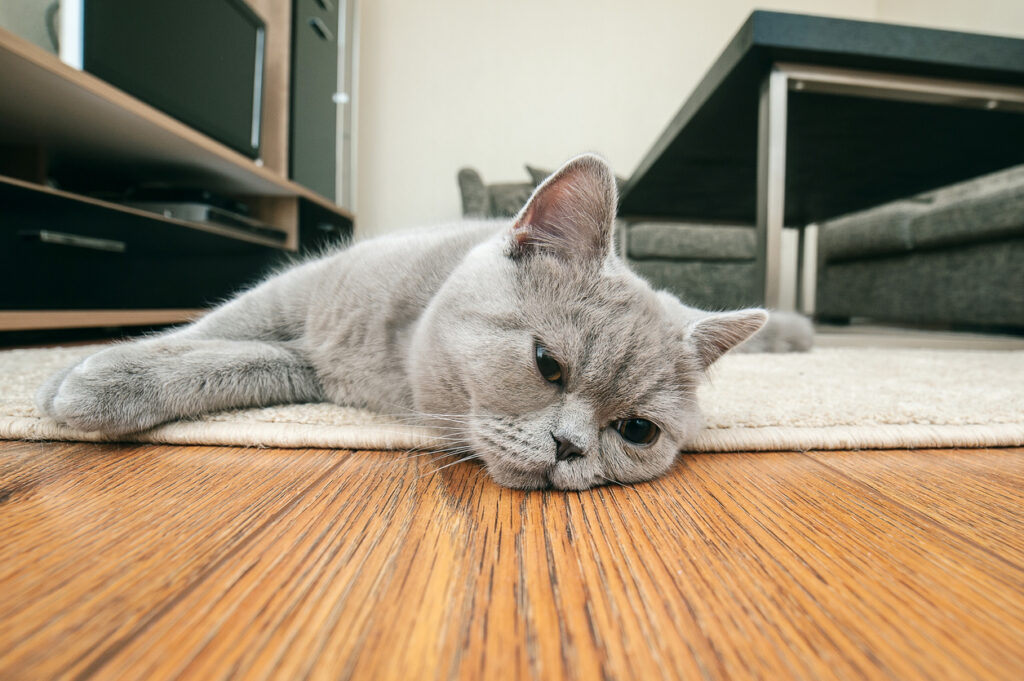
When a cat rolls over and exposes its stomach, humans think it wants belly rubs like a dog would. Cats show their belly as a sign of trust and relaxation, not as a request for you to touch the most vulnerable part of their body. The second you go in for a belly rub, you’ll probably get bitten or scratched because you’ve completely misread what they were communicating.
They’re saying “I feel safe enough to be vulnerable around you”, not “please touch my stomach”. Some cats will tolerate it, but most are showing you affection by being exposed, not asking for physical contact in that area.
3. Yawning in dogs usually signals stress, not tiredness.

Dogs yawn when they’re tired, obviously, but they also yawn when they’re uncomfortable, anxious, or trying to calm themselves down. If your dog keeps yawning at the vet or when someone new approaches, they’re not bored, they’re stressed and trying to self-soothe.
Humans miss this completely and keep pushing the dog into situations that are making it more anxious. It’s a calming signal that dogs use to communicate discomfort, and ignoring it means you’re missing clear communication that your dog needs space. Pay attention to when the yawning happens because context tells you everything about what it actually means.
4. Purring doesn’t always mean a cat is happy.

Cats purr when they’re content, but they also purr when they’re in pain, frightened, or dying. Vets see cats purring on the examination table and owners think they’re fine, but the cat is actually terrified and using purring to self-soothe.
Mother cats purr during labour, injured cats purr, and cats purr to calm themselves in stressful situations. It’s more of a coping mechanism than a straightforward happiness signal. You can’t just hear purring and assume everything’s lovely, you need to look at what else is happening with the cat’s body and environment.
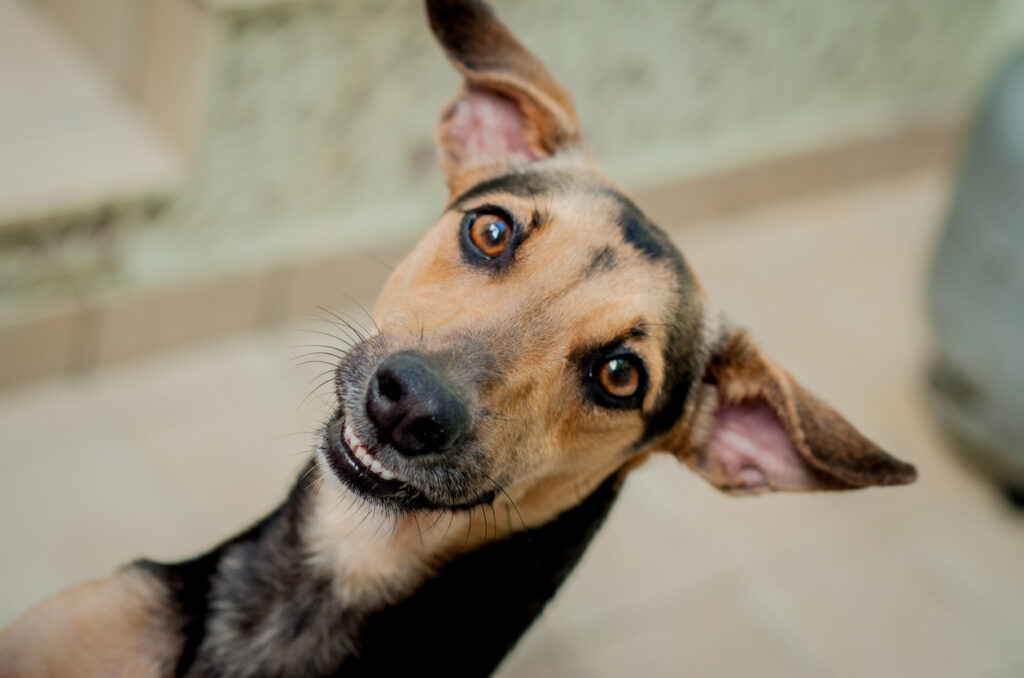
5. A dog “smiling” might actually be showing submission or stress.

Some dogs pull their lips back in what looks like a grin, and humans think it’s adorable and means the dog is happy. This expression is often a submissive gesture or a stress signal, particularly if the dog is also showing other anxious body language.
They’re not smiling at you; they’re trying to appease you or communicate that they’re uncomfortable. True happy dogs have relaxed, open mouths, not this tight lip-pulling expression that people mistake for human smiling. We project human facial expressions onto animals constantly, and this is a perfect example of getting it completely wrong.
6. Horses with ears pinned back are giving you a serious warning.
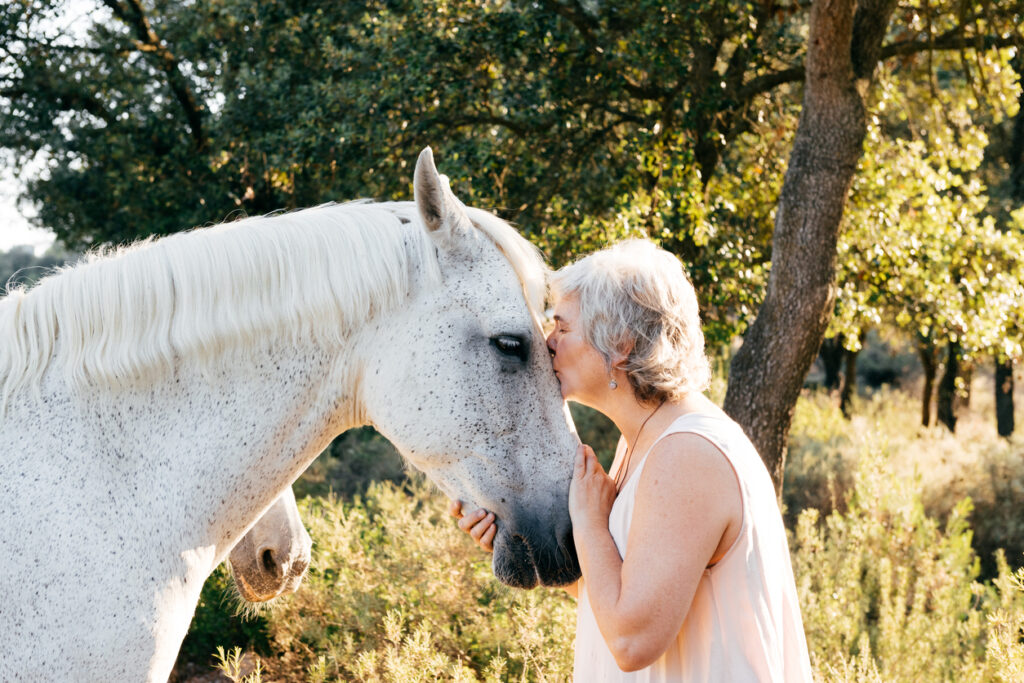
When a horse flattens its ears against its head, it’s angry or about to kick or bite, but people who don’t know horses often miss this signal entirely. It’s one of the clearest ways horses communicate aggression or extreme discomfort, and ignoring it can get you seriously hurt.
A horse’s ears tell you loads about its mood, and pinned ears are basically a final warning before things get physical. People think horses are gentle giants and don’t read these obvious signals, then act shocked when the horse reacts. If you’re doing something a horse doesn’t like and its ears go back, stop immediately, or you’re asking for trouble.
7. Birds fluffing their feathers isn’t always just grooming.
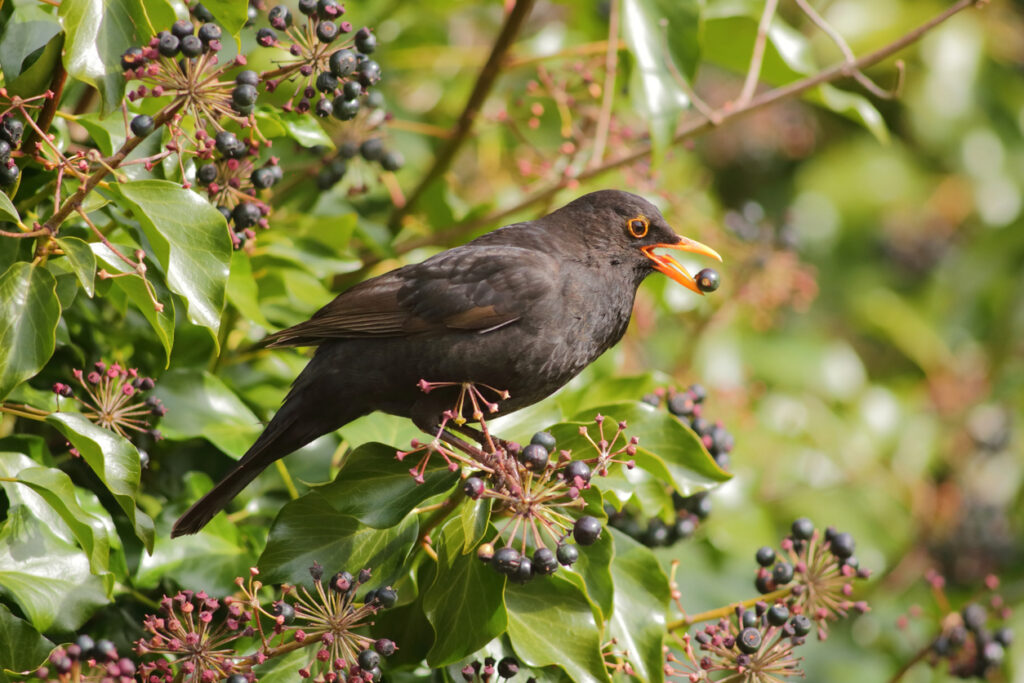
A sick bird will fluff its feathers to trap heat and try to regulate its body temperature, but owners think it’s just having a preen. Fluffing combined with other signs like sitting still for ages or not eating means your bird is actually quite ill. Birds hide illness really well because showing weakness in the wild gets you killed, so by the time you’re noticing obvious signs, they’re often quite far gone.
Occasional fluffing during grooming is normal, but a bird that stays fluffed for long periods is telling you something’s wrong. People miss this constantly and don’t get veterinary help until it’s too late.
8. Slow blinking from a cat is basically them saying they love you.
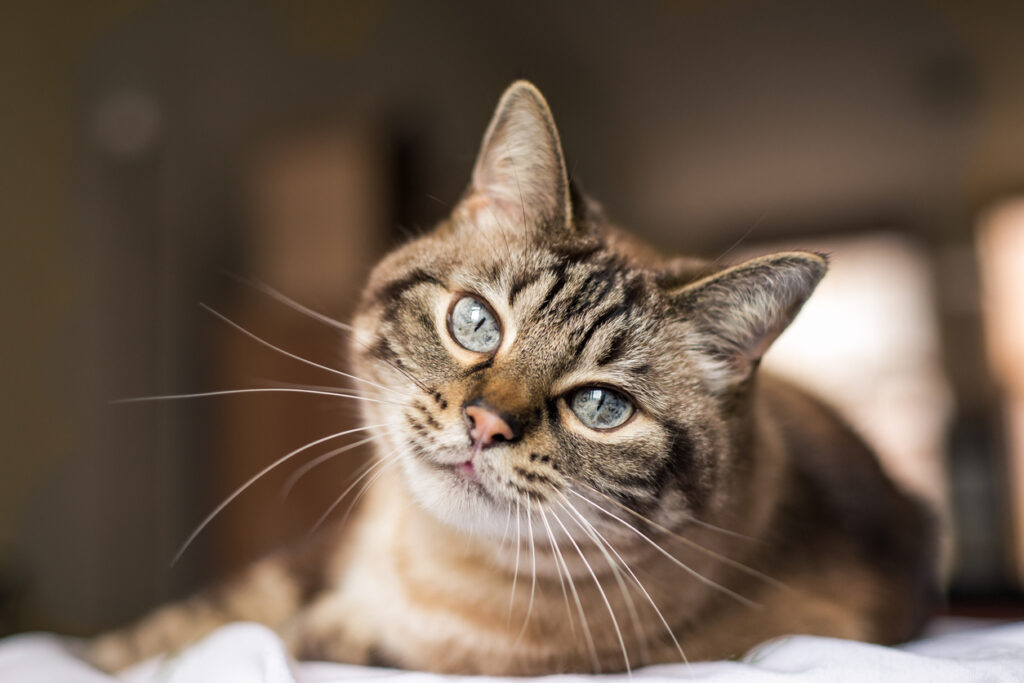
Cats close their eyes slowly at you when they feel safe and affectionate, but humans don’t recognise this as communication at all. It’s the cat equivalent of a kiss, and if you slow blink back, you’re telling them you feel the same way. Most people have no idea their cat is actively showing them affection through this gesture.
It’s a deliberate choice to make themselves vulnerable by closing their eyes, which in cat terms is a massive sign of trust. Learning to slow blink at your cat actually improves your relationship because you’re finally speaking their language.
9. A dog showing its teeth is always a warning, even if it looks playful.

Some people think teeth-baring is fine if the dog’s tail is wagging or if it happens during play, but showing teeth is a clear threat display. Dogs don’t smile like humans do, and if you’re seeing teeth, the dog is telling you to back off. Even in play, if a dog is showing teeth in a stiff, deliberate way rather than just having its mouth open, it’s communicating a boundary.
Children especially need to learn that teeth always mean stop what you’re doing, regardless of what else is happening. Misreading this signal is how people end up getting bitten by dogs they thought were friendly.
10. Whales breaching isn’t just them having fun.

People see whales launching themselves out of the water and assume they’re playing or showing off, but breaching serves loads of purposes we don’t fully understand. It might be communication, removing parasites, stunning prey, or navigating, and probably isn’t about entertainment.
We project our own sense of joy and play onto these massive creatures, without considering they’ve got their own complex reasons for behaviour. Just because something looks playful to us doesn’t mean that’s what’s happening. Whales are doing whale things for whale reasons, not performing for humans who happen to be watching.
11. Elephant ears flapping can mean completely opposite things.
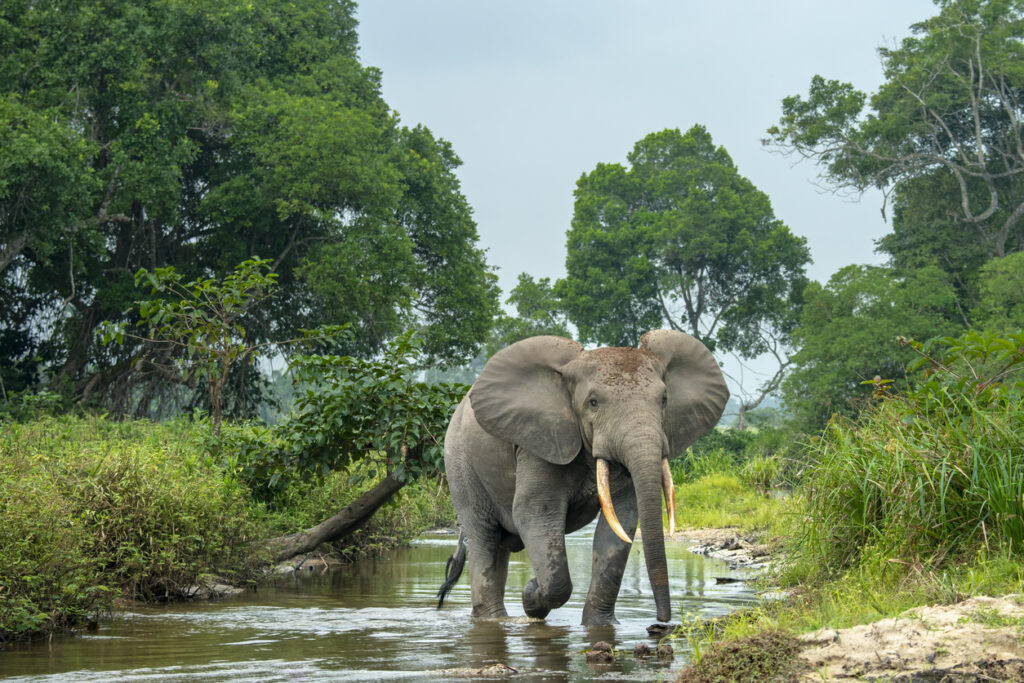
Elephants flap their ears to cool down in hot weather, but they also flap them when they’re agitated or about to charge. The context matters enormously, but people just see the flapping and think it’s cute without considering whether the elephant is relaxed or furious. A mock charge with ears spread wide is a warning that you need to back off immediately.
The same physical movement means totally different things depending on what else is happening, and humans are terrible at reading the situation. Getting this wrong around elephants can obviously be fatal, but people still treat them like they’re in a cartoon.
12. Squirrels flicking their tails are sounding an alarm, not just being cute.

That rapid tail movement squirrels do is them alerting other squirrels to danger, but humans think it’s adorable and keep approaching. The tail flick is basically a flag signal saying there’s a threat nearby, and they’re communicating with other squirrels about you.
We completely miss that we’re the danger being broadcast about because we’re too busy thinking how sweet they look. Squirrels have complex communication systems that include tail movements, and we interpret none of it correctly. They’re not performing for you, they’re telling their mates that a potential predator is nearby.