People have been predicting the end of the world for as long as people have been around to worry about it.
Long before carbon emissions, climate models, or satellite data, ancient cultures were already telling stories about floods, fire from the sky, poisoned land, and seasons going completely off the rails. At the time, these warnings were wrapped up in gods, omens, and symbolism rather than science, but the themes are uncomfortably familiar.
What makes them interesting now isn’t whether anyone actually “saw the future,” but how closely some of these old prophecies line up with what we’re dealing with today. Rising seas, extreme weather, failing crops, and land that can no longer support life all feature heavily in ancient texts from completely different parts of the world. It’s less about mystical prediction and more about how people, thousands of years ago, were already noticing patterns and imagining what happens when nature is pushed too far.
1. Flood myths that warned of human excess
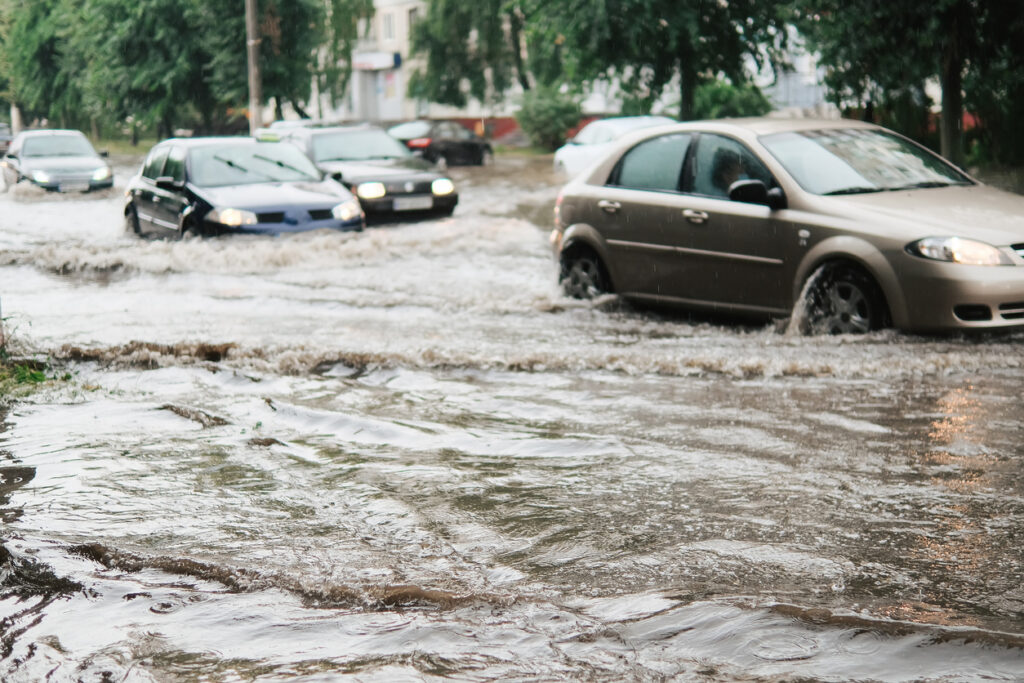
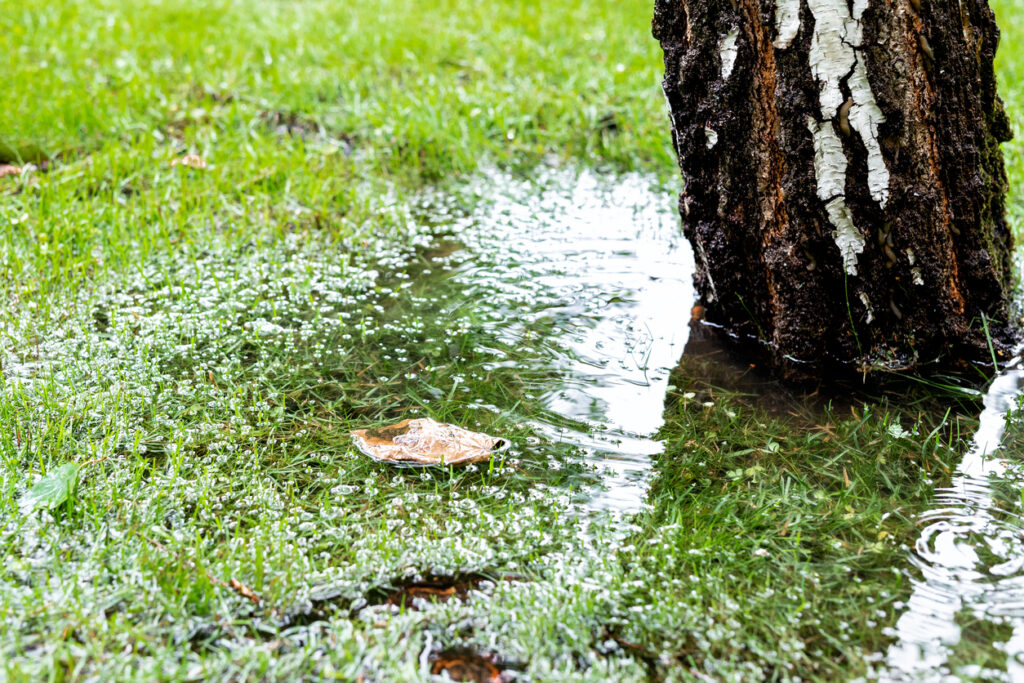
Flood stories appear in dozens of ancient cultures, from Mesopotamia to South Asia to the Americas. In the Epic of Gilgamesh, a great flood wipes out civilisation after humans anger the gods through excess and disregard for balance. These stories weren’t just about water. They were warnings about what happens when societies grow too large, too greedy, or too disconnected from nature’s limits. Today’s rising seas and coastal flooding echo that same idea of boundaries being crossed, not by divine punishment, but by human activity.
2. The Bible’s warnings about the land itself failing
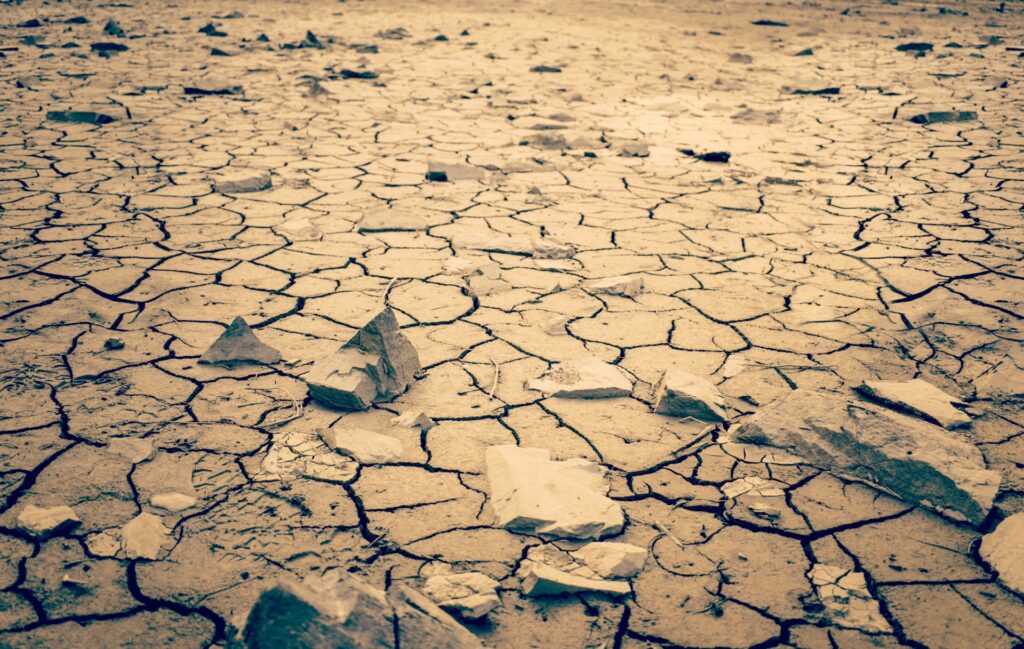
In the Hebrew Bible, drought, famine, and environmental collapse are often described as consequences of moral and social breakdown. The land is said to “mourn” when balance is lost, and crops fail when people exploit rather than steward. This isn’t a prediction of emissions or temperature rise, but it’s striking how closely it mirrors modern ecological thinking. Soil depletion, deforestation, and desertification are now recognised as direct results of human behaviour, just framed today in scientific rather than spiritual language.
3. Revelations and the image of a broken climate

The Book of Revelation describes scorching heat, poisoned waters, failing harvests, and widespread suffering. These images are usually read symbolically, but they centre heavily on environmental breakdown. Extreme heat, contaminated water supplies, and food instability are no longer symbolic fears. They’re lived realities in many parts of the world. What once sounded apocalyptic now reads like a distorted mirror of climate reports.
4. Mayan prophecies about drought and collapse
The ancient Maya recorded cycles of creation and destruction linked to environmental stability. Later interpretations warned that imbalance would bring droughts severe enough to collapse cities. Modern archaeology confirms that prolonged drought played a major role in the collapse of several Mayan centres. Today, Central America faces worsening droughts driven by climate change, forcing migration and food insecurity that feel eerily familiar to those ancient warnings.
5. Hindu texts and the decline of natural order
In Hindu cosmology, the Kali Yuga is an age marked by environmental degradation, moral decay, and the breakdown of natural rhythms. Rivers dry up, seasons become unreliable, and life becomes harder to sustain. These descriptions weren’t meant as scientific forecasts, but they capture a sense of systems unravelling. The modern experience of unpredictable weather, collapsing ecosystems, and ecological stress aligns closely with that ancient sense of decline.
6. Ancient Chinese warnings about floods and governance
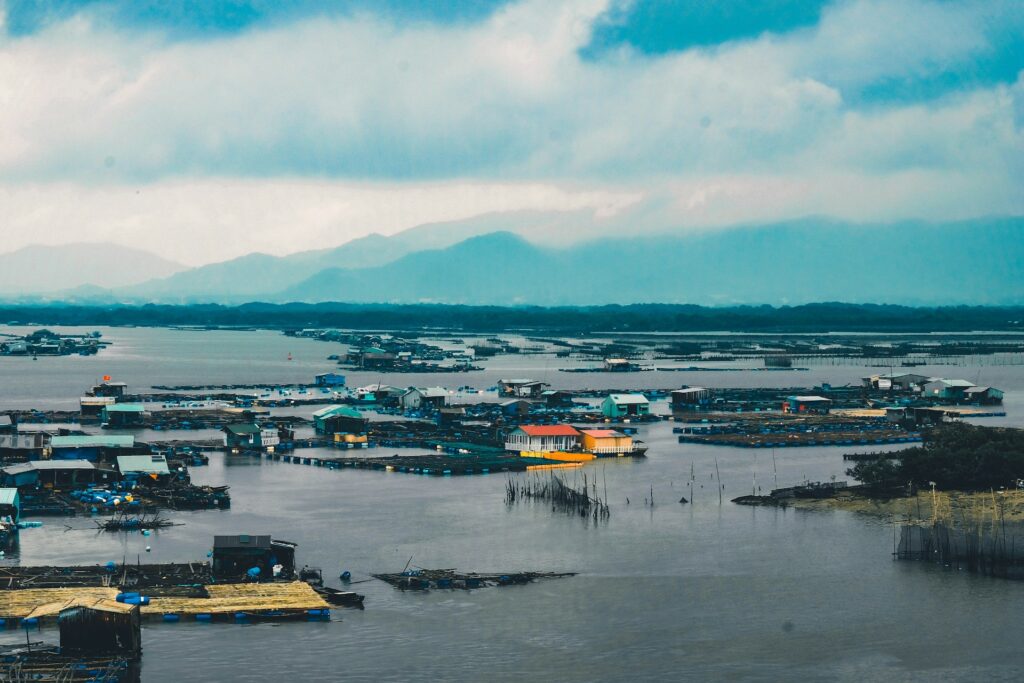
Chinese mythology tells of great floods controlled by Yu the Great, who restores balance by working with natural systems rather than fighting them. The lesson was clear: harmony with nature ensures survival, arrogance leads to disaster. Today, hard flood defences that ignore natural water flow often fail catastrophically. Modern flood management increasingly returns to ideas of working with rivers and wetlands, echoing lessons thousands of years old.
7. Indigenous prophecies about a warming world
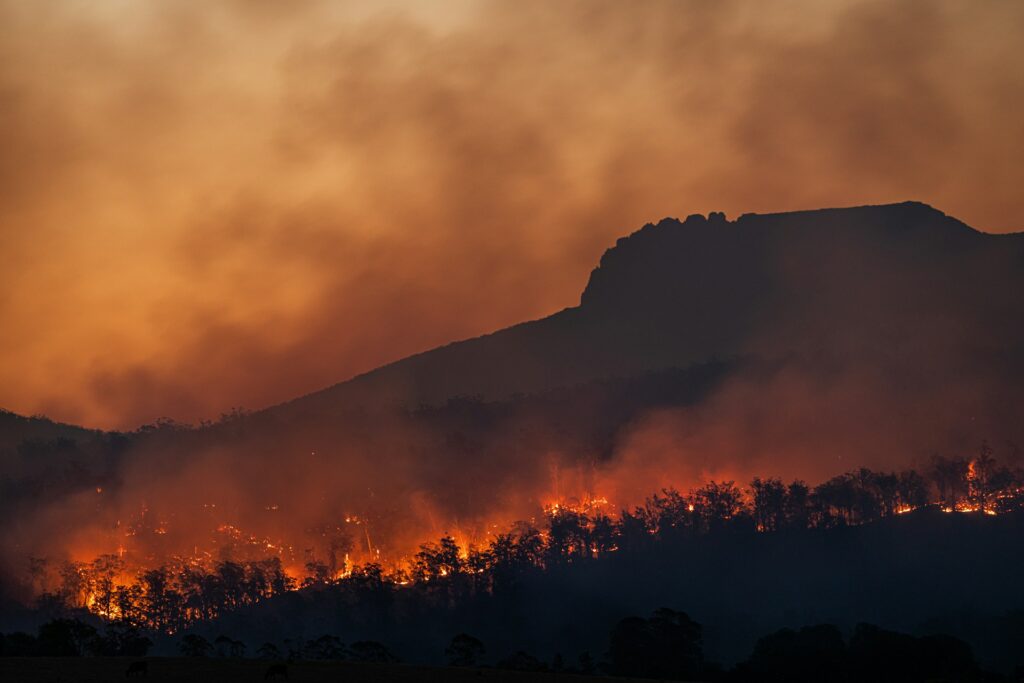
Many Indigenous oral traditions speak of a time when the world would grow hotter, animals would disappear, and the Earth would struggle under human pressure. These weren’t abstract myths but observations passed down through environmental memory. In the Arctic, Indigenous communities warned of thinning ice long before satellites confirmed it. Their prophecies weren’t mystical predictions, but long-term pattern recognition rooted in deep ecological knowledge.
8. Zoroastrian texts and the corruption of the elements
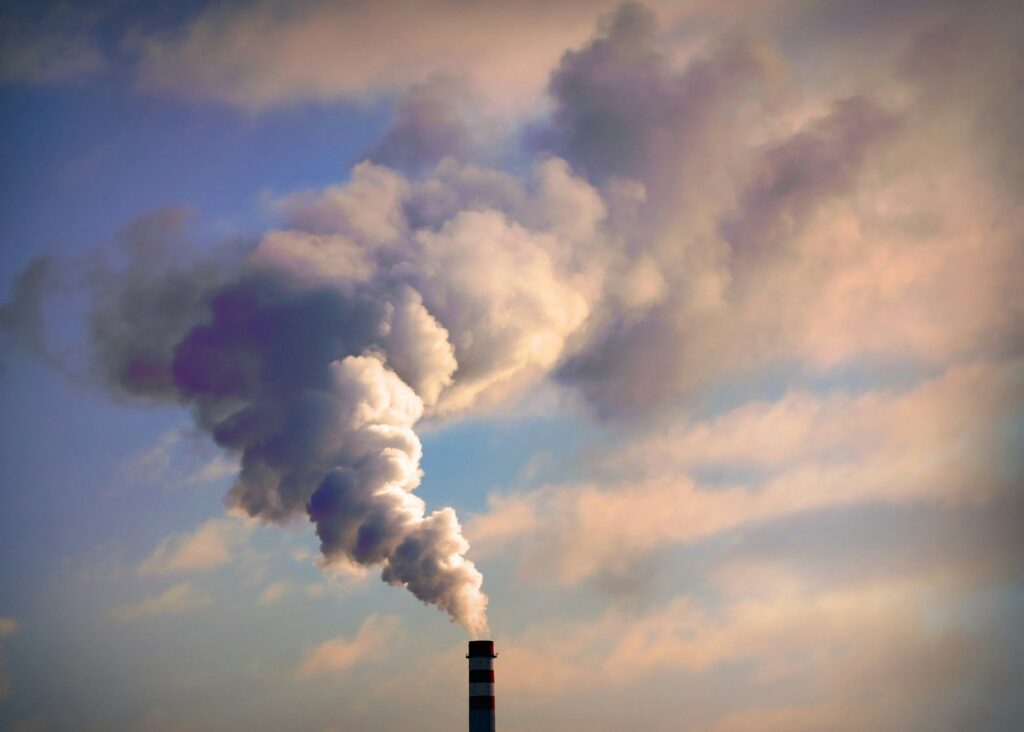
Zoroastrianism placed strong emphasis on protecting earth, air, fire, and water from pollution. Ancient texts warned that contaminating these elements would bring suffering and disorder. Air pollution, water contamination, soil toxicity, and heat extremes now dominate climate discussions. What was once framed as spiritual corruption is now measured in parts per million, but the core concern remains unchanged.
9. Norse mythology and the coming of Ragnarök
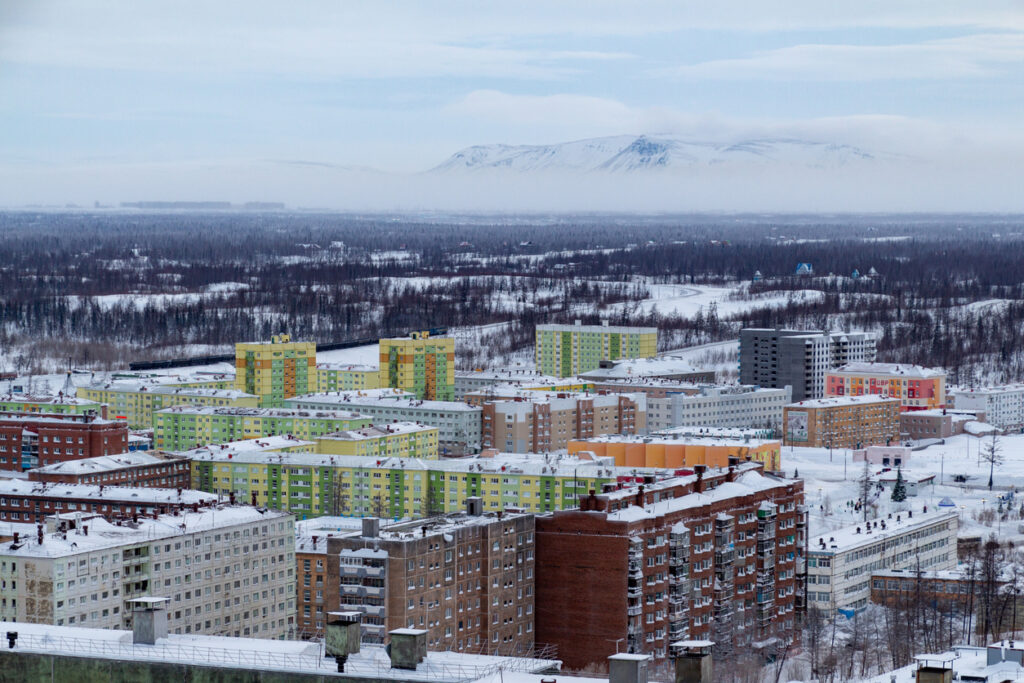
Ragnarök is preceded by Fimbulwinter, a prolonged period of extreme cold, failed crops, and societal breakdown. Nature turns hostile, and survival becomes uncertain. While the climate crisis is about warming overall, it also drives extreme cold snaps, disrupted seasons, and food instability. The Norse weren’t predicting carbon cycles, but they understood how climate stress unravels societies.
10. Ancient Greek ideas of hubris and natural punishment
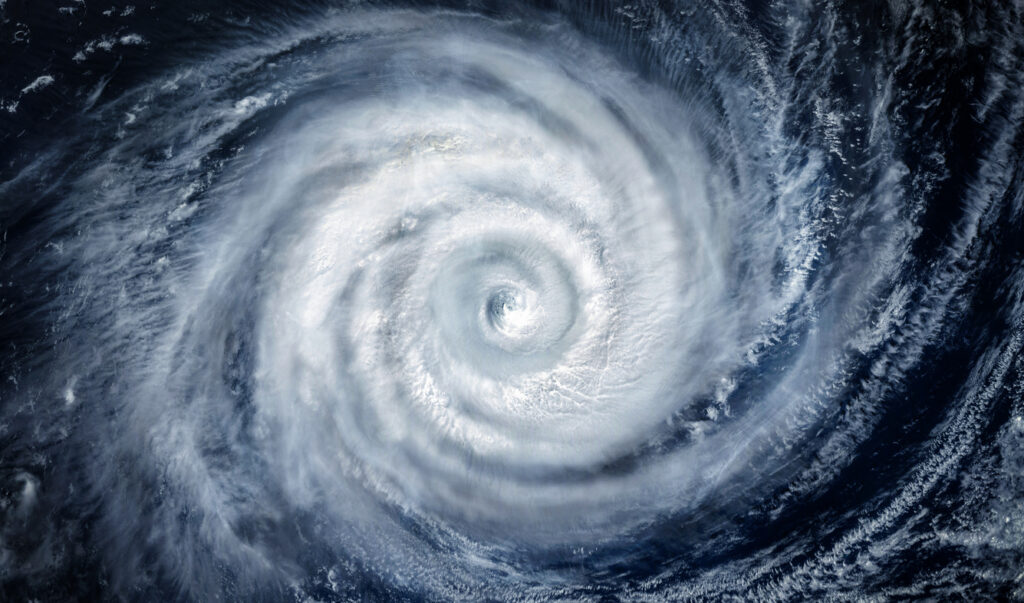
Greek myths repeatedly warned that hubris, excessive pride and domination, invites catastrophe. When humans overreach, nature responds harshly. Modern climate science frames this as planetary limits rather than divine retribution. Push ecosystems too far, and feedback loops take over. The story hasn’t changed much, only the vocabulary.
11. Medieval prophecies of failing seasons

European medieval texts often described end times marked by strange weather, poor harvests, and hunger. Seasons arriving out of order were seen as deeply unsettling signs. Climate change is now defined largely by this exact phenomenon. Crops planted too early or too late, growing seasons changing, and unpredictable weather disrupting food systems across continents.
What these prophecies really had in common
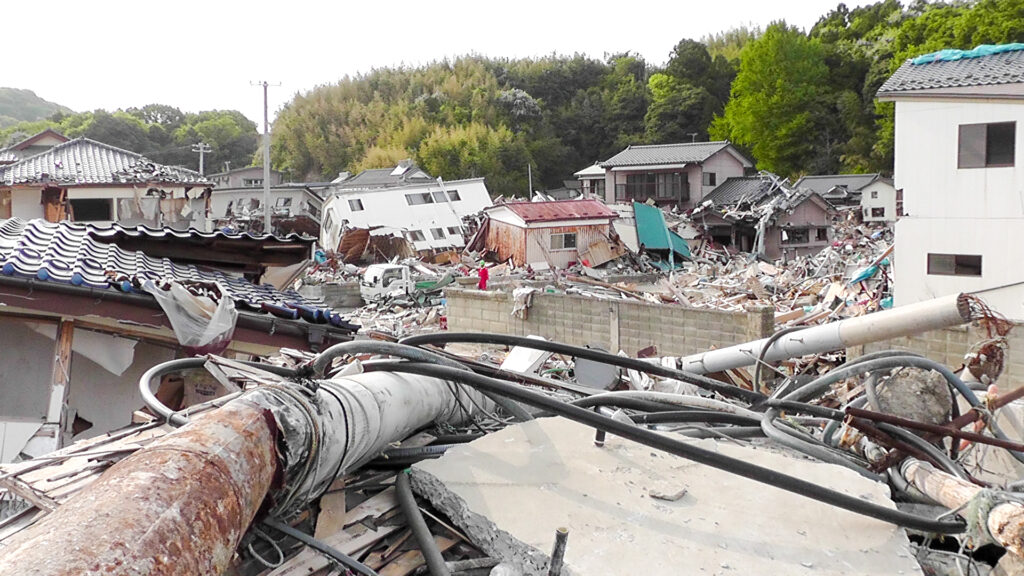
Ancient prophecies weren’t about predicting the future in detail. They were about recognising cause and effect. Overuse resources, ignore limits, and the environment responds in ways that threaten survival. What’s unsettling isn’t that ancient people somehow foresaw climate change. It’s that they understood something fundamental we’re still struggling with: nature always sets boundaries, and ignoring them has consequences, no matter the era.
These prophecies feel relevant today not because they were supernatural predictions, but because they were grounded in observation. When enough civilisations across history warn about imbalance, collapse, and environmental stress, it’s worth asking whether we’re living through the chapter they were trying to warn us about all along.