Eye contact means different things across the animal kingdom, and what feels like friendly engagement to us can register as a serious threat to many species.

For a lot of animals, locking eyes means danger, dominance, or an imminent attack. It’s a hard-wired survival response, not bad manners. If you’ve ever wondered why certain animals suddenly freeze, bolt, or kick off the moment you look at them for a second too long, this is why. Some creatures read eye contact as a threat first and ask questions later.
1. Gorillas interpret direct eye contact as a challenge.

Looking a gorilla directly in the eyes is one of the fastest ways to provoke an aggressive response because they see it as a dominance challenge. In gorilla society, sustained eye contact from a subordinate is disrespectful, and from an equal or outsider it’s a threat that demands a response.
Wildlife experts and zoo staff always advise looking down or to the side when near gorillas to show you’re not challenging their authority. If you accidentally make eye contact with a gorilla, the recommended response is to look away immediately and appear submissive because holding the stare could result in a charge.
2. Dogs can see staring as threatening or confrontational.

While dogs you know well might be fine with eye contact, staring at an unfamiliar dog, especially directly in the eyes, often makes them uncomfortable or defensive. Direct staring from a stranger reads as a threat or challenge in dog language, which is why approaching strange dogs while staring at them can trigger aggression.
Dogs use eye contact carefully among themselves, and prolonged staring between dogs usually precedes a fight. If a dog is showing signs of stress or aggression, looking away and avoiding eye contact helps de-escalate the situation because you’re removing the perceived challenge.
3. Cats consider sustained eye contact aggressive.

Cats interpret long, unbroken eye contact as hostile behaviour, which is why slow blinking at cats works as a friendly gesture. In feline communication, staring signals aggression or predatory focus, so a cat being stared at will either feel threatened or challenged.
This applies to domestic cats as well as wild ones, though your own cat might tolerate more eye contact because they trust you. When cats slow blink at you, they’re essentially saying they feel safe and non-threatened, and returning the slow blink acknowledges that peaceful intent.
4. Chimpanzees see direct staring as aggressive provocation.
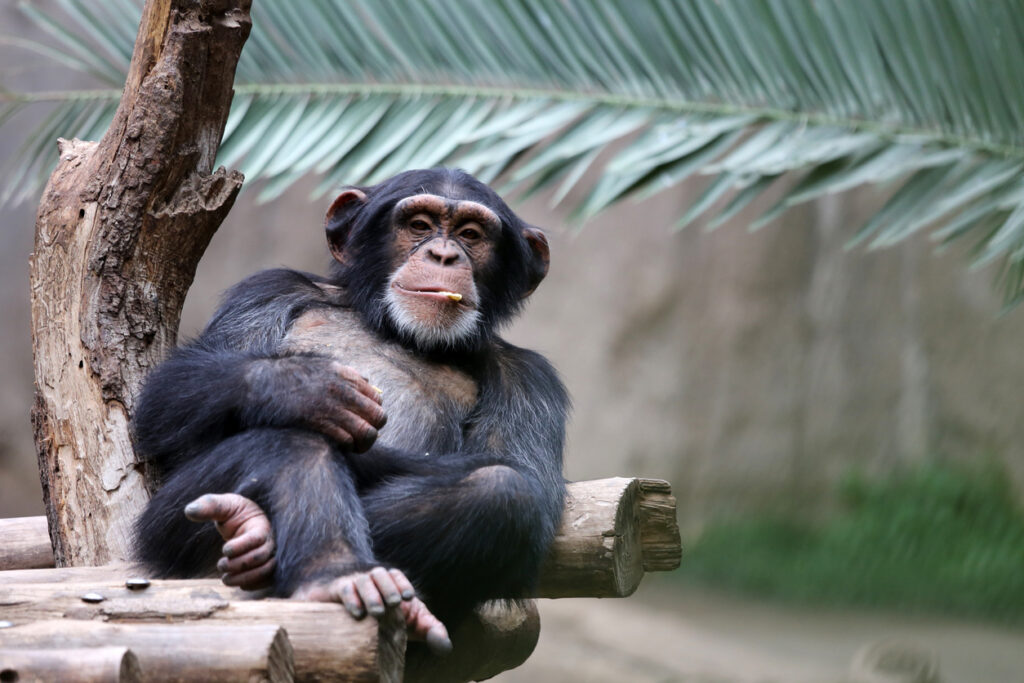
Chimps have complex social hierarchies where eye contact plays a major role in establishing and maintaining dominance. Staring at a chimpanzee, particularly one you don’t have an established relationship with, is likely to be interpreted as a threat or challenge.
Even chimps that seem calm and friendly can switch to aggressive behaviour if they feel challenged by sustained eye contact. Researchers and caretakers working with chimps learn to moderate their gaze and use peripheral vision to observe without directly staring.
5. Snakes lack the social context but respond to visual attention.
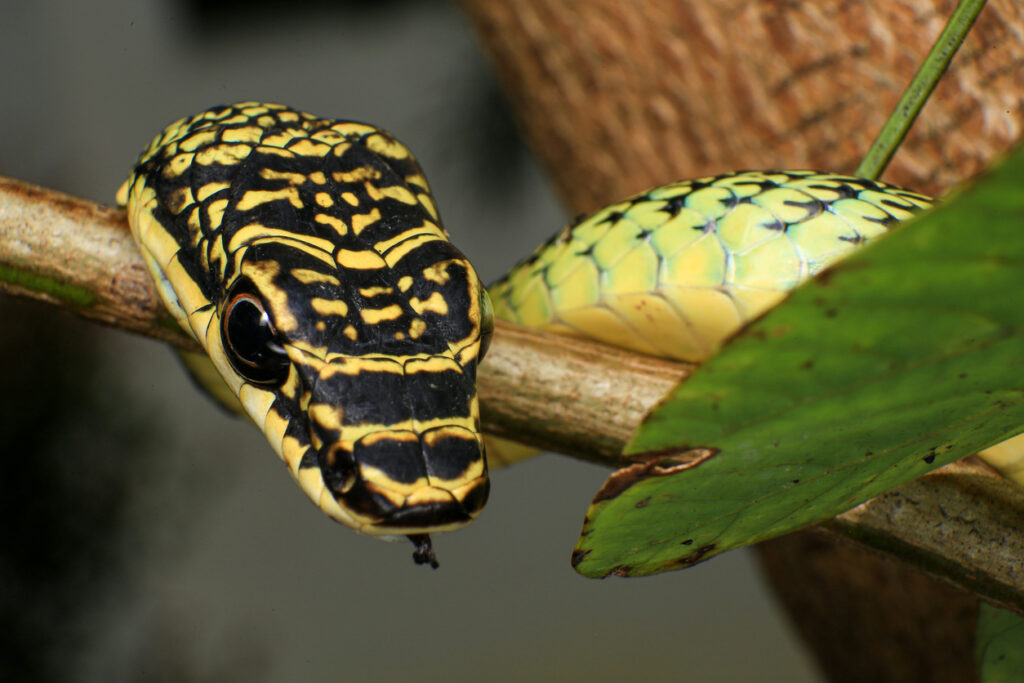
Snakes don’t have the same social understanding of eye contact that mammals do, but many species respond defensively to being stared at because it mimics predatory behaviour. A direct stare from a large creature signals potential danger to a snake, triggering defensive responses like striking, hissing, or fleeing.
This is particularly true for venomous snakes that rely on their warning systems to avoid conflict. When observing snakes, especially in the wild, it’s safer to watch them indirectly rather than staring, which can provoke a strike.
6. Birds interpret direct eye contact as predatory attention.

Most prey birds see direct eye contact from larger animals, including humans, as a sign that they’ve been spotted by a predator. This triggers immediate alarm and flight responses because in nature, a predator making eye contact usually precedes an attack. Even pet birds can be unsettled by prolonged direct staring, though they might tolerate it better from their owners. Birds of prey like owls or eagles also respond aggressively to direct stares because they interpret it as a territorial challenge from another predator.
7. Bears view eye contact as confrontational behaviour.
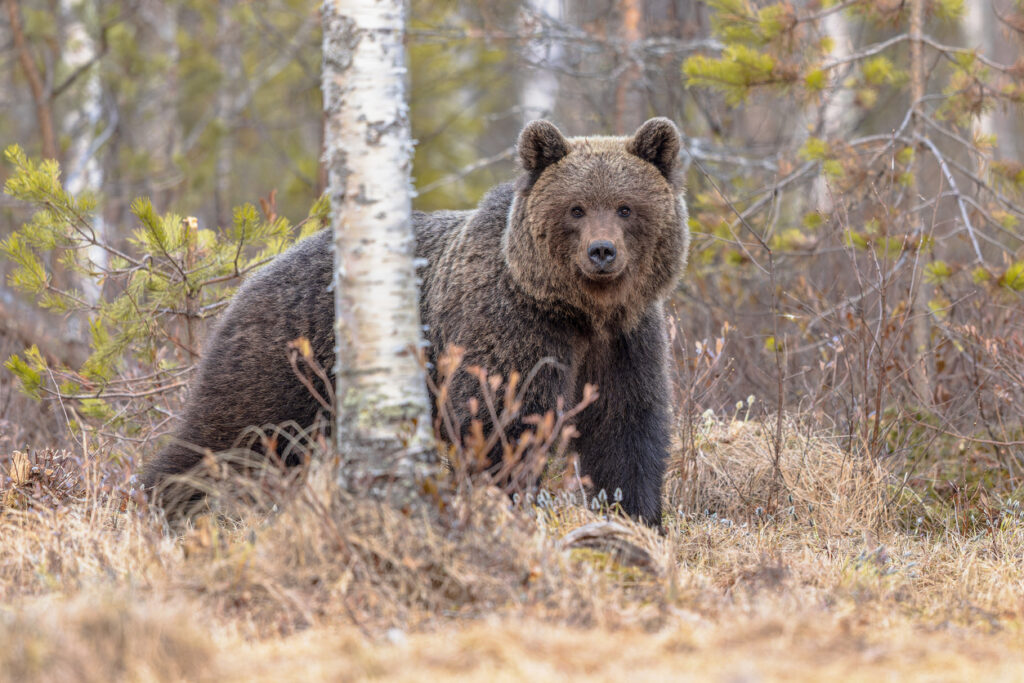
If you encounter a bear in the wild, maintaining eye contact while slowly backing away is sometimes recommended, but intense staring can escalate the situation. Bears see direct, aggressive eye contact as a challenge, particularly if combined with other threatening behaviours.
The advice varies depending on the type of bear and the situation, but generally, you want to appear non-threatening while still showing you’re aware of them. Staring down a bear like you’re in a dominance contest is a terrible idea that could trigger a defensive or aggressive response.
8. Horses can feel threatened by direct frontal staring.
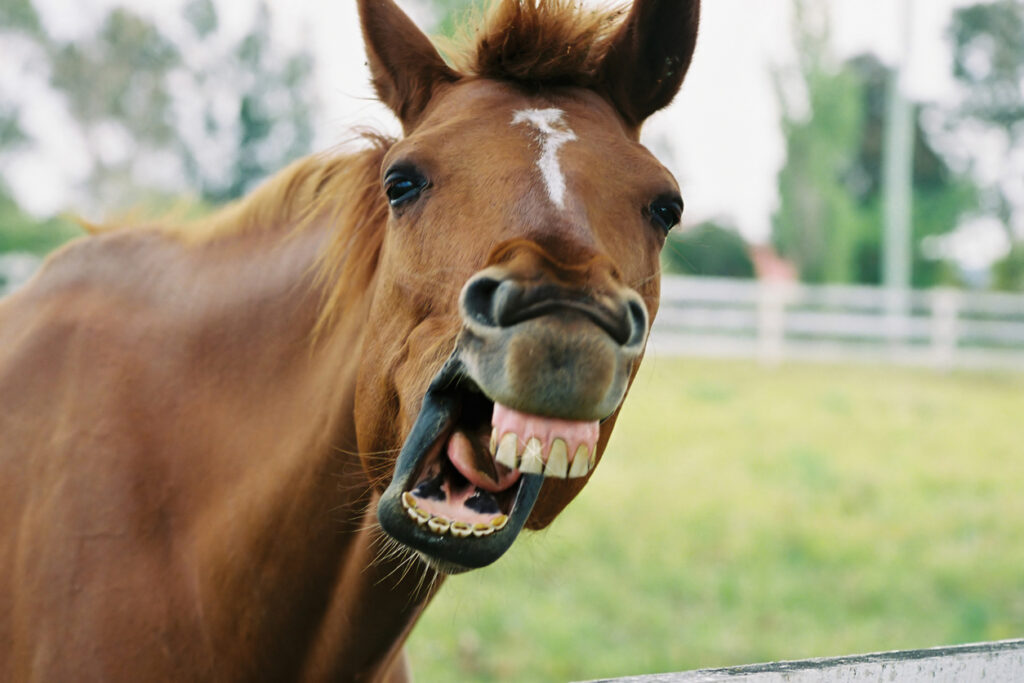
Horses are prey animals with eyes on the sides of their heads, and something staring directly at them from the front resembles how a predator would approach. Intense eye contact combined with walking straight towards a horse can make them nervous or defensive, especially if they don’t know you. Experienced horse handlers often approach from the side and avoid prolonged direct staring to keep horses calm. Even domestic horses retain these prey animal instincts, and respecting their comfort with eye contact helps build trust.
9. Wolves interpret staring as a dominance challenge.
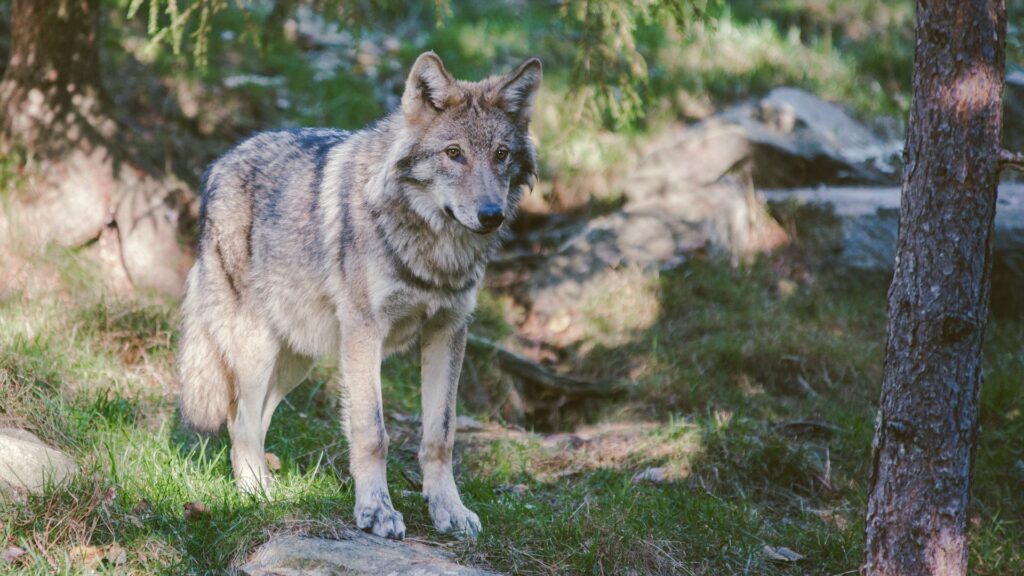
In wolf packs, eye contact is a powerful tool for establishing and maintaining hierarchy, and direct staring from an outsider is seen as a challenge. Wolves use eye contact very deliberately among themselves, and sustained staring between individuals often leads to conflict. If you’re near wolves, whether in captivity or the rare wild encounter, avoiding direct eye contact is crucial for preventing aggression. Staring at a wolf signals that you’re challenging their position, which they’re likely to respond to defensively.
10. Leopards and other big cats see eye contact as a threat.
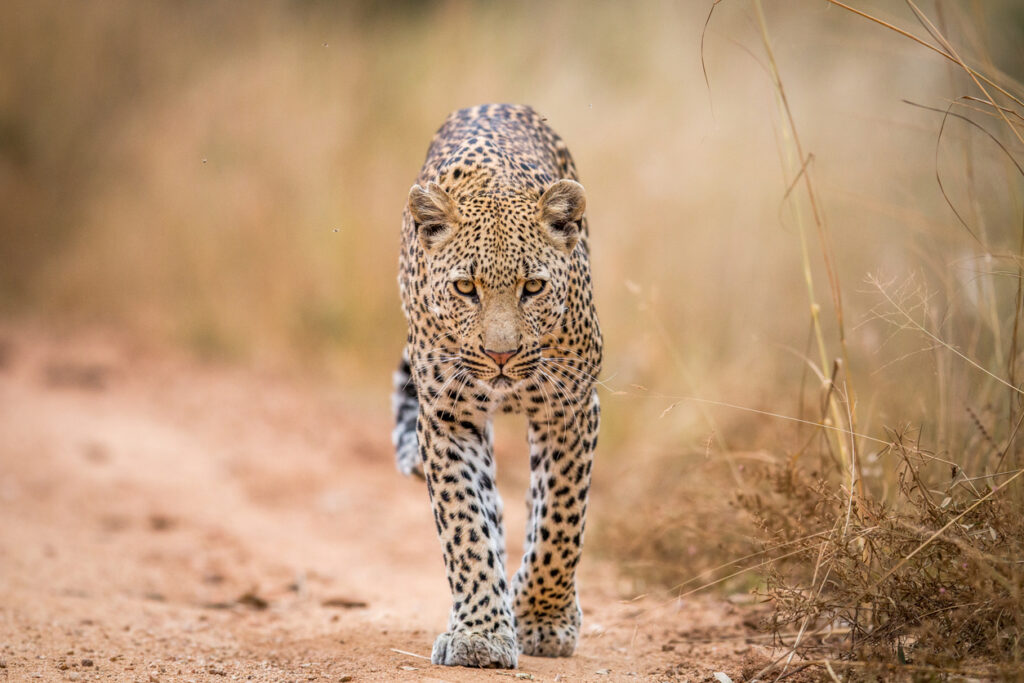
Leopards, lions, tigers, and other big cats all interpret direct staring as either predatory interest or a challenge to their territory. In areas where leopards live near humans, people wear masks on the back of their heads with painted eyes to deter attacks because leopards are less likely to attack if they think you’re watching them.
This shows how much eye contact matters in their threat assessment. Any sustained eye contact with big cats should be avoided because it can trigger their attack response or territorial aggression.
11. Monkeys use eye contact to signal aggression.

Many monkey species, from macaques to baboons, use direct eye contact as a threat display and a way to assert dominance. Tourists at monkey habitats are specifically warned not to make eye contact because it often results in aggressive behaviour including charging, biting, or throwing things.
What might seem like friendly curiosity to a human reads as confrontation to a monkey. Quick glances are usually fine, but sustained staring crosses a line that triggers defensive or aggressive responses.
12. Crocodiles and alligators respond to visual attention.
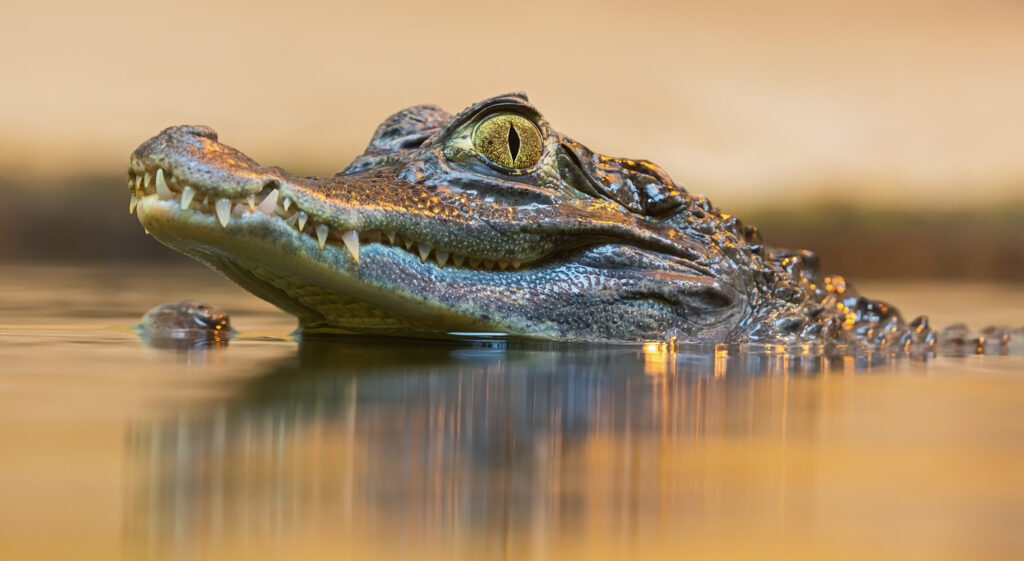
While crocodilians don’t have complex social structures like mammals, they’re highly aware of being watched and can respond aggressively to sustained attention. Staring at a crocodile signals that you’re focused on it, which it may interpret as either predatory interest or a threat to its territory.
These reptiles are ambush predators that prefer unaware prey, so an animal or person staring at them disrupts their hunting strategy and can provoke defensive aggression. When near crocodilians, it’s safer to remain aware of them without fixating because sustained eye contact can trigger an attack response.