Conkers might just look like autumn decorations or parts of a childhood game to most people in Britain, but around the world, these glossy brown seeds have a surprisingly wide range of uses.
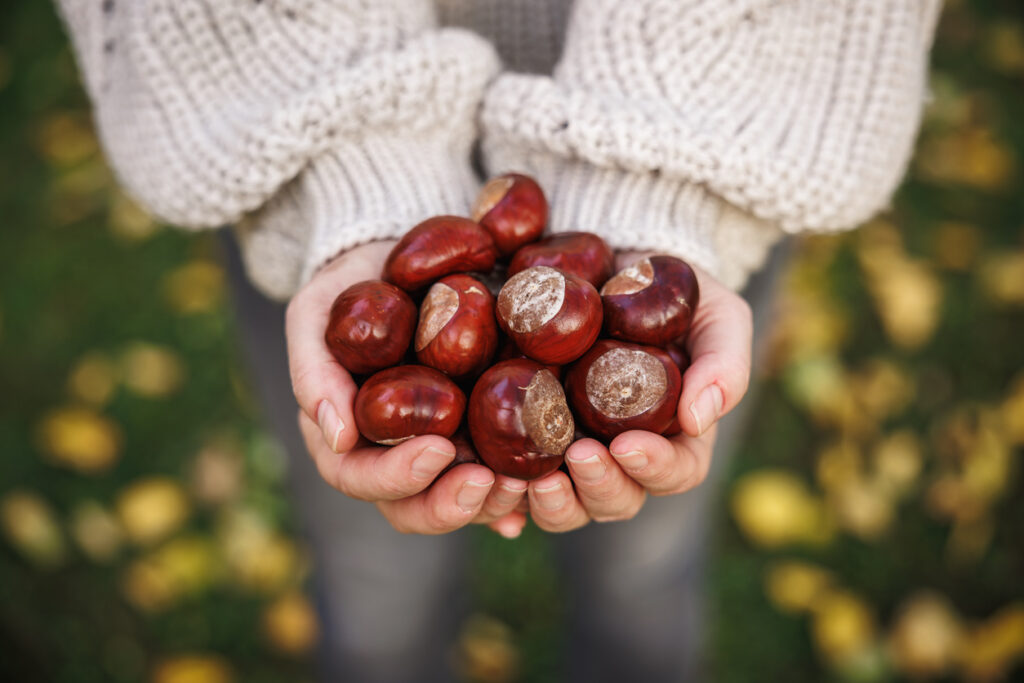
From natural remedies and traditional crafts to household hacks, conkers have been put to work in ways most people have never heard of. They’re far more than playground missiles or things you step on during a walk through the park. Across different countries and cultures, people have found creative, practical, and sometimes downright strange uses for them, proving that even the most ordinary part of nature can have an unexpected story behind it.
1. Natural laundry detergent
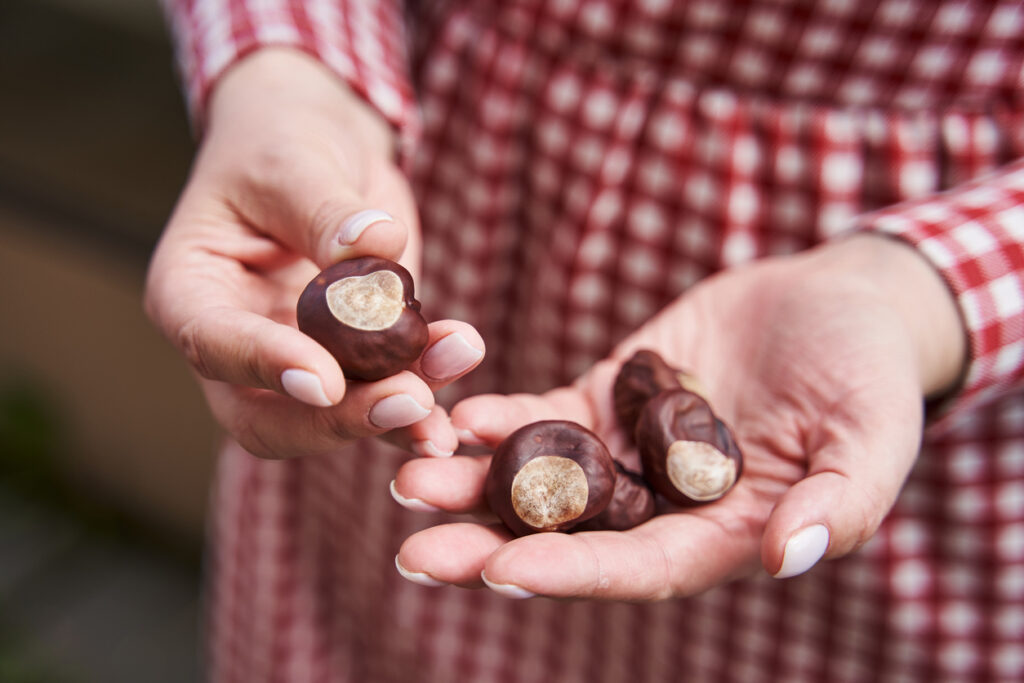
In parts of Europe, people use conkers to make an eco-friendly laundry soap. Yes, really! The nuts contain natural compounds that work like gentle soap when soaked in water. Once crushed and soaked, the milky liquid that forms can clean clothes just as well as store-bought detergent.
It’s popular with people who want a cheaper, chemical-free way to wash clothes. It’s especially loved by those with sensitive skin, since it doesn’t leave harsh residues or strong smells behind.
2. Traditional medicine for circulation

In Germany and Eastern Europe, extracts from horse chestnuts are used in herbal medicine to help improve blood flow. They’re said to strengthen veins and reduce swelling in the legs, especially for people with varicose veins or heavy legs after long days of standing.
It’s not something people should try at home by eating raw conkers, since they’re toxic if not properly processed. Instead, the useful parts are safely extracted in laboratories and turned into creams or supplements.
3. Insect repellent for homes
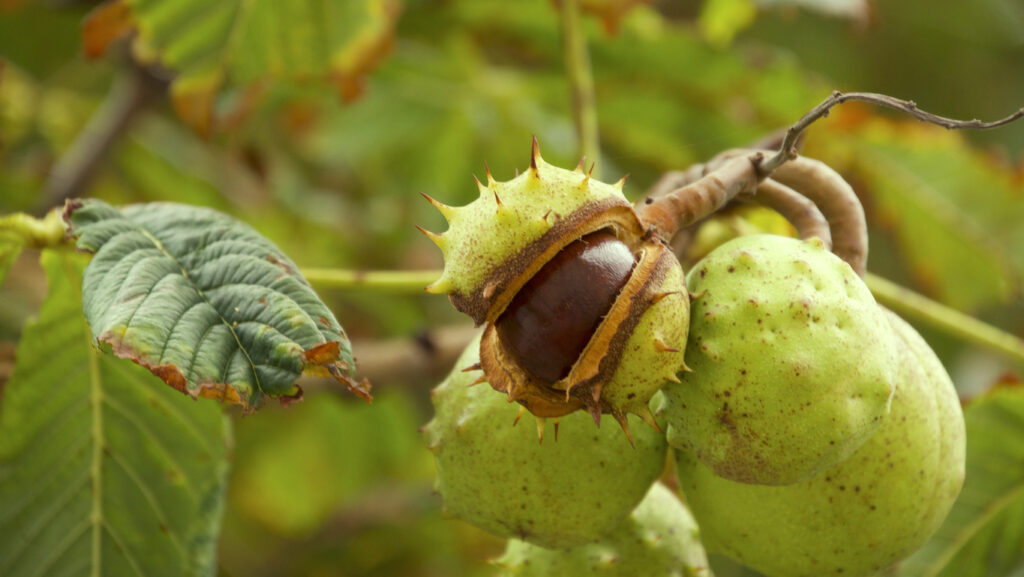
Many people in Britain and across Europe swear that placing conkers near doors, windows, or cupboards helps keep spiders away. The belief is that something in the conkers gives off a smell that insects dislike. Scientists haven’t fully proved it works, but plenty of households still pop them on windowsills each autumn just in case. Even if it’s not a perfect solution, it’s a harmless and natural alternative to sprays.
4. Polishing and cleaning metal
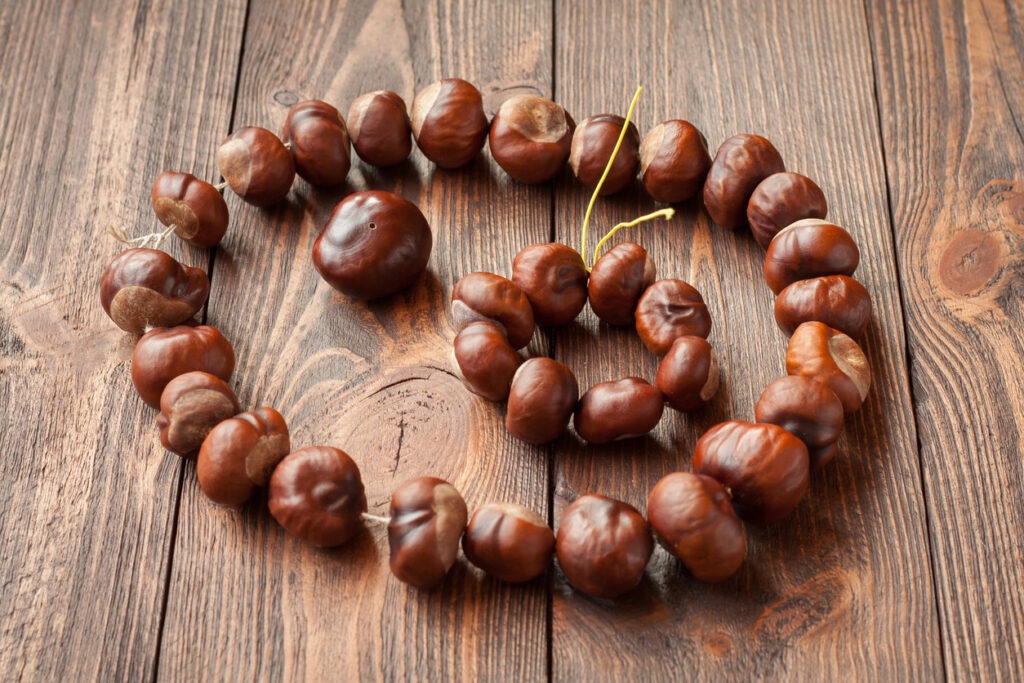
Before modern cleaning products existed, conkers were sometimes crushed and mixed with water to clean brass and silver. The natural saponins inside create a soft lather that helps remove tarnish without scratching the surface. Some people still use this traditional trick today for polishing metal ornaments or jewellery. It’s cheap, easy, and avoids the harsh chemicals found in most metal cleaners.
5. Feed for wild animals
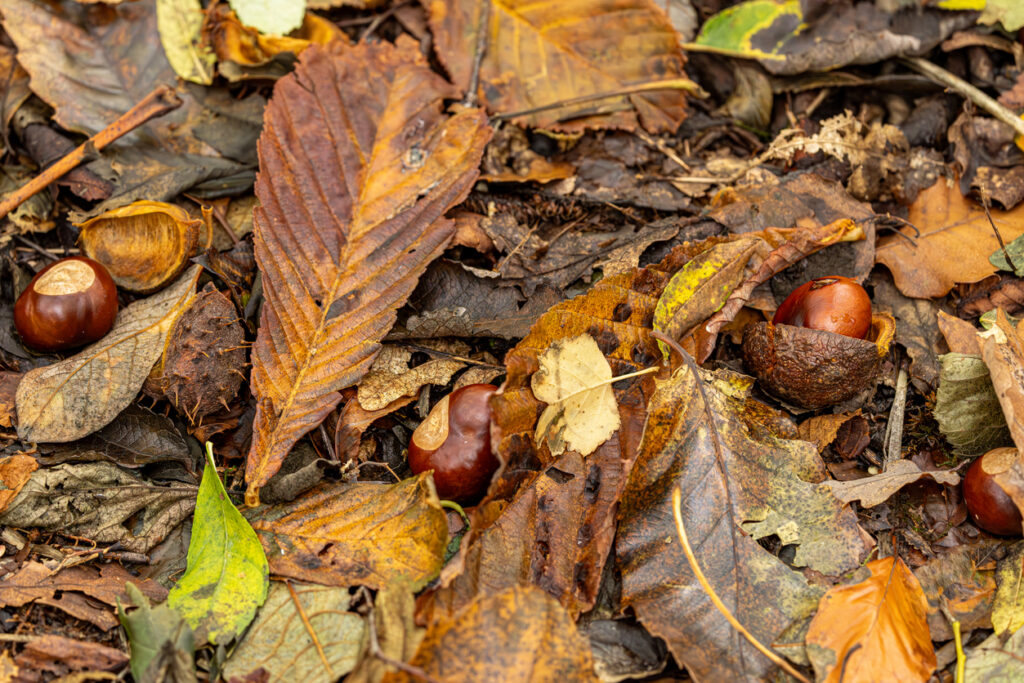
In some rural areas, especially in parts of Eastern Europe and Asia, people gather fallen conkers to feed deer, boars, and cattle. Once cooked or dried properly, they become a safe food source that helps animals through the colder months. Raw conkers aren’t safe for humans or pets, but certain wildlife can eat them after the toxins have broken down naturally. It’s a practical use for something that would otherwise go to waste.
6. Natural shampoo ingredient
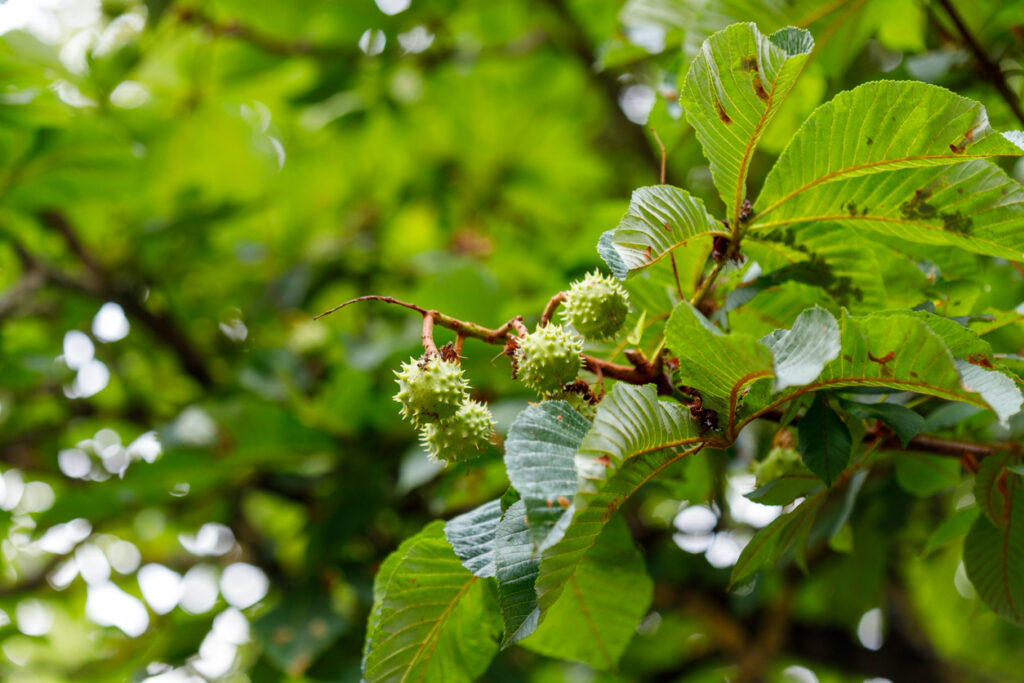
In some traditional beauty routines, conkers are turned into a gentle, plant-based shampoo. The same soapy compounds that clean clothes can also remove oil and dirt from hair without stripping it of moisture. People crush the nuts, soak them overnight, then strain the liquid to create a mild shampoo. It’s especially popular with those who prefer natural, low-cost alternatives to commercial hair products.
7. Teaching and counting tools
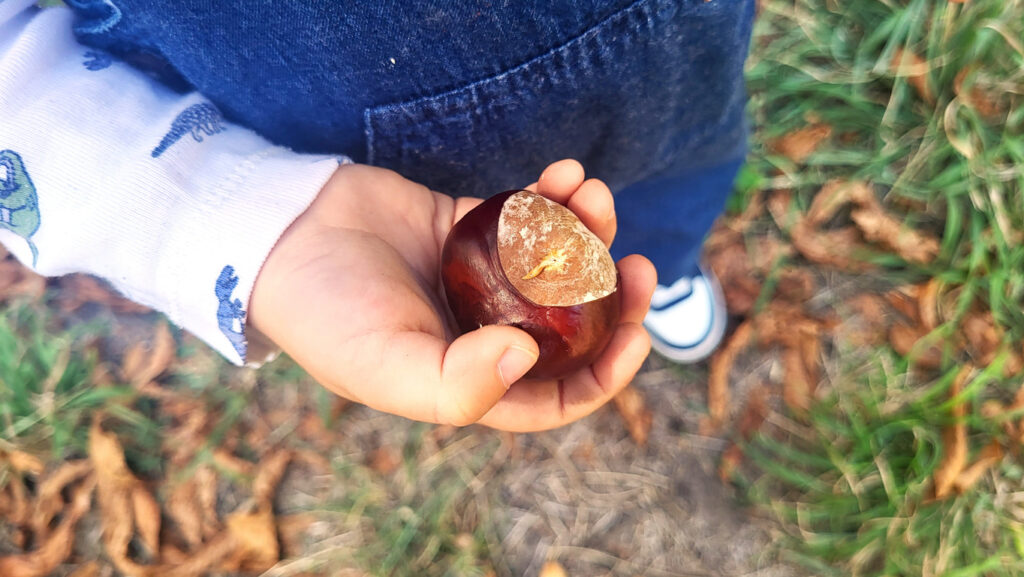
In some countries, conkers have been used in classrooms for learning. Teachers once used them as counting aids, early maths tools, or objects for sorting games in primary schools. Their round shape, smooth texture, and availability each autumn make them perfect for hands-on lessons. They’ve also been used in art projects and crafts to teach fine motor skills to young children.
8. Folk remedies for aches and pains
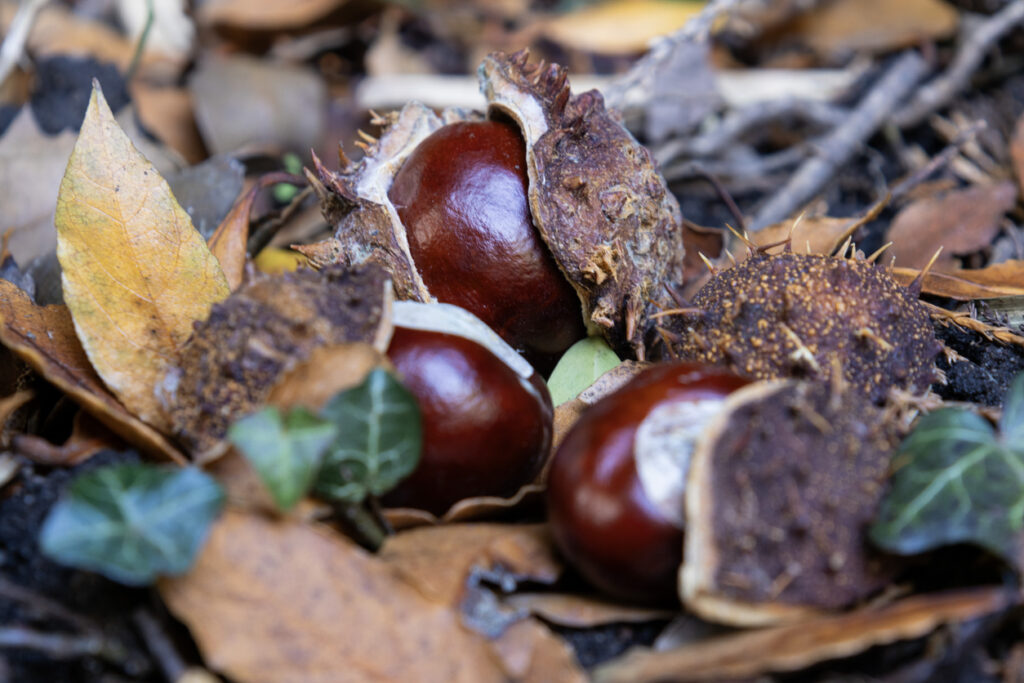
Some traditional healers in Central Europe used conkers as home remedies for joint and muscle pain. They’d grind the nuts, soak them in alcohol, and use the liquid as a rub for sore spots. It’s believed the same compounds that improve circulation in modern herbal medicine may also ease inflammation. Though not medically approved, this folk method has been passed down through generations.
9. Eco-friendly surface cleaner
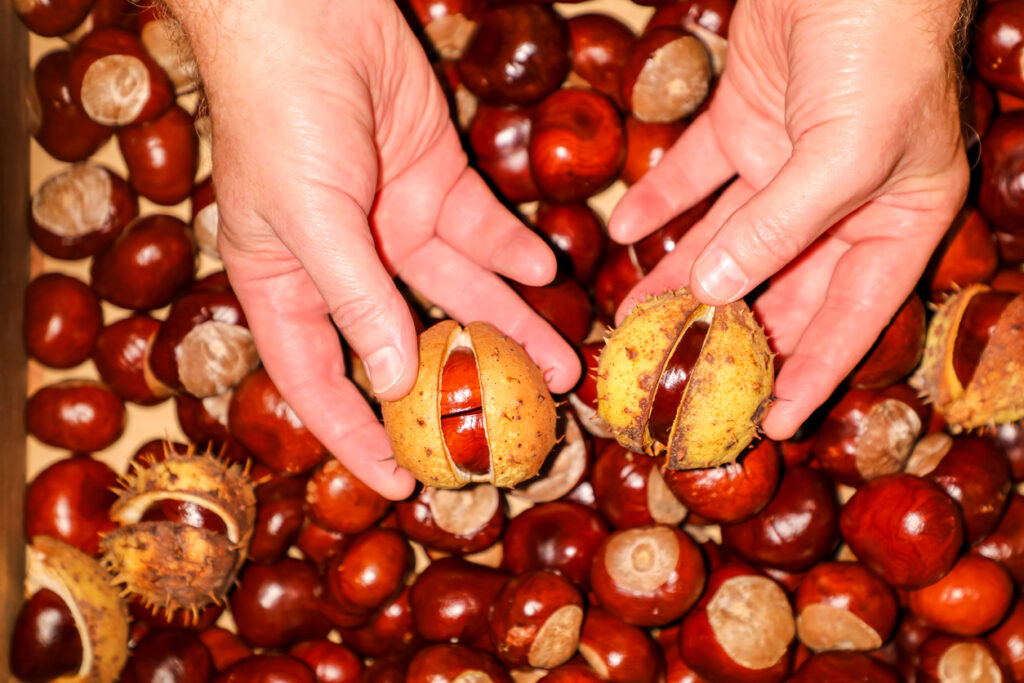
Crushed conkers soaked in warm water release a mild cleaning solution that can be used on wooden or tiled surfaces. It’s gentle enough for regular use and doesn’t contain harsh chemicals that damage finishes. People use it for quick clean-ups around the house, particularly if they’re avoiding commercial products. It’s another clever example of how a common autumn nut can become a natural cleaner.
10. Good luck charms and decorations
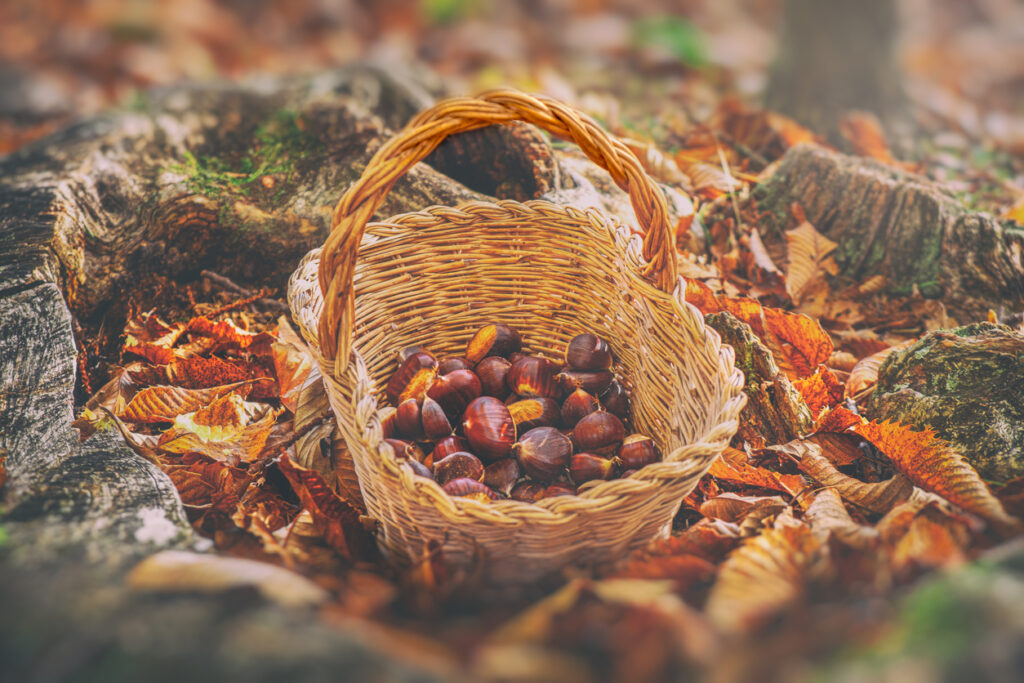
In parts of India and the Balkans, polished conkers are sometimes kept as charms for good luck and protection. Their smooth, shiny appearance is said to attract positive energy and ward off bad spirits. They’re also used in seasonal decorations, especially in autumn festivals or harvest celebrations. Whether used for tradition, beauty, or superstition, conkers have long been seen as small tokens of nature’s luck and abundance.