Pollution isn’t just clouding the air or filling the oceans, it’s changing animals in ways that seem almost unreal.
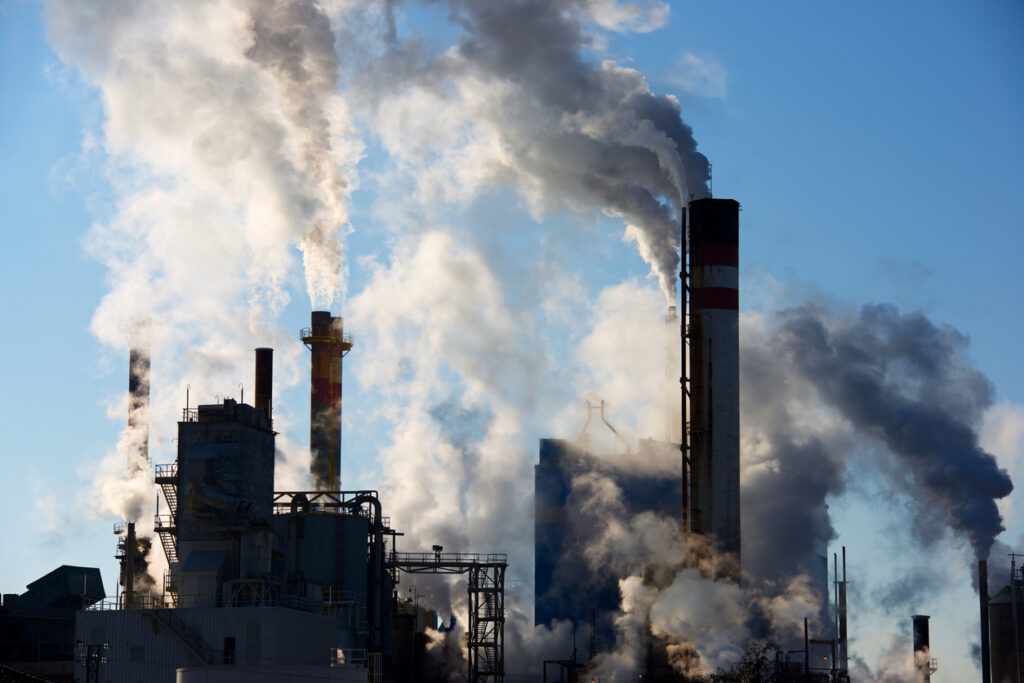
Scientists are finding creatures whose bodies, behaviours, and even DNA are being reshaped by the world we’ve built. Fish are developing plastic particles in their organs, birds are weaving rubbish into their nests, and insects are adapting to toxins that should have wiped them out.
It sounds like something out of a futuristic novel, but it’s happening right now. The effects of pollution have gone far beyond littered beaches and smoky skies. They’re rewriting the natural world, one species at a time.
1. Fish are changing gender.

In many rivers and lakes, male fish have started developing female traits, including eggs inside their bodies. This happens because chemicals from plastics, contraceptive pills, and household waste act like artificial hormones in the water. The fish’s bodies literally can’t tell the difference between these substances and natural hormones. Scientists have found whole populations where males can no longer reproduce properly. It’s a clear sign that even tiny amounts of pollution can completely rewrite nature’s rules.
2. Birds are singing differently.

City noise pollution is forcing birds to change their songs just to be heard. In busy urban areas, species like robins and great tits have started singing louder, higher, or at odd hours to compete with traffic and construction sounds. It might seem clever, but it’s actually damaging their ability to attract mates and communicate danger. The songs that once drew partners now get drowned out by engines and sirens.
3. Whales are getting lost because of sound pollution.
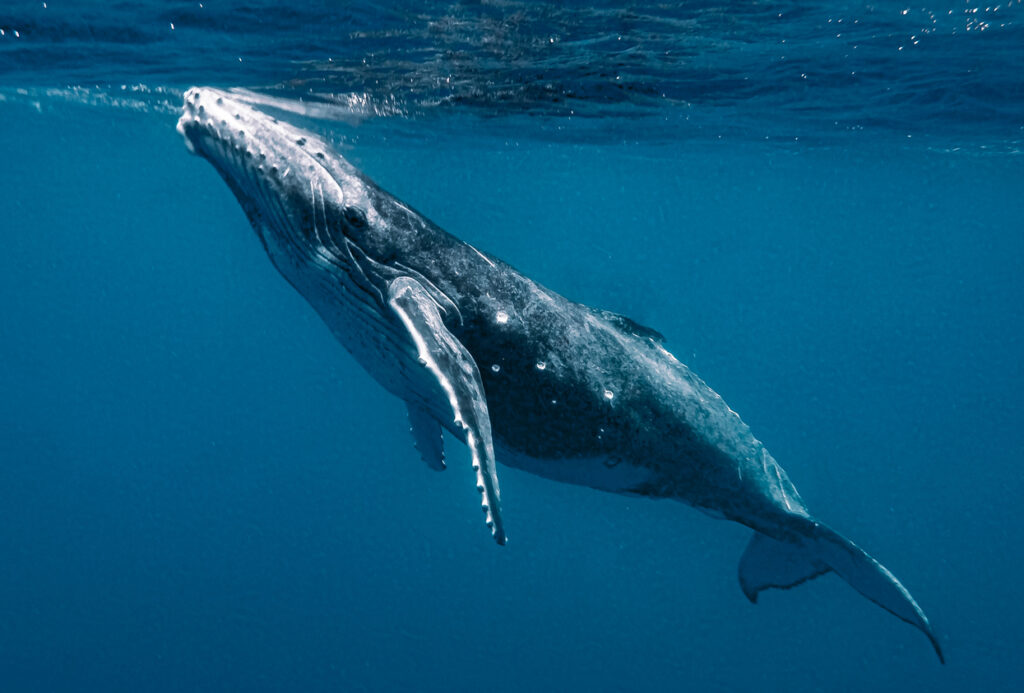
The ocean is so loud now that whales struggle to navigate. Constant noise from ships, oil drilling, and sonar confuses their communication and sense of direction. Some even end up stranded on beaches after following distorted sound signals. Whales rely on sound to travel, find food, and stay together. When the sea becomes a wall of noise, they’re effectively deaf, and it’s proving fatal for many species.
4. Insects are getting addicted to streetlights.

Air and light pollution are combining to wreak havoc on insect behaviour. Moths, beetles, and other night-flying insects have become so drawn to artificial lights that they forget to feed, mate, or hide from predators. The addiction is shrinking insect populations at an alarming rate. Entire ecosystems are being disrupted because the bugs that pollinate flowers or feed birds are disappearing under the glow of city lamps.
5. Sea turtles are mistaking plastic for food.
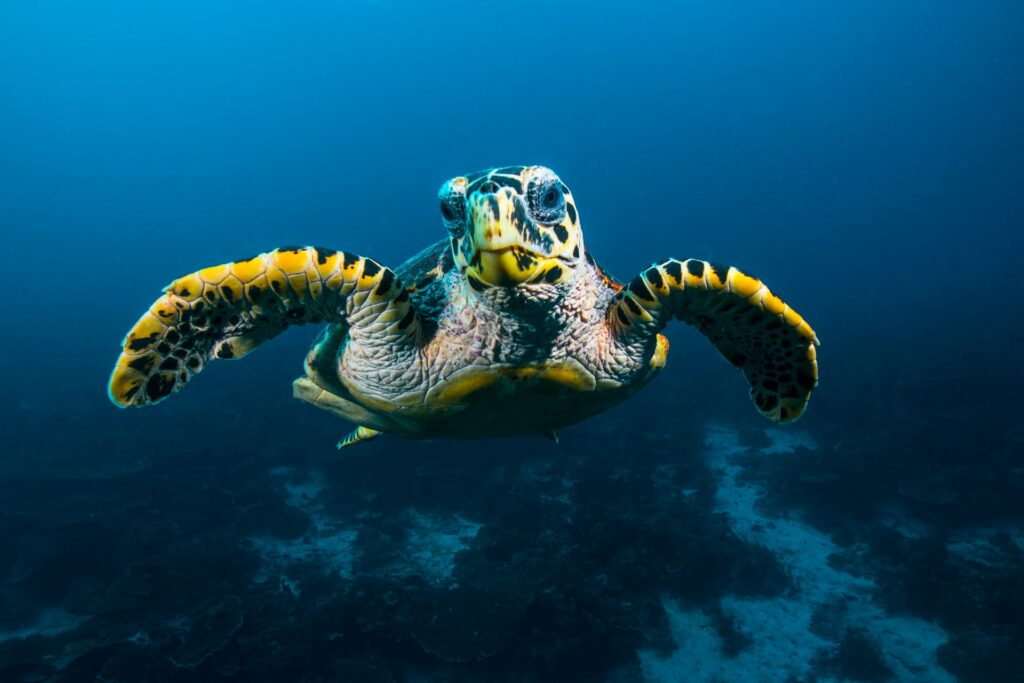
Floating plastic bags look like jellyfish to sea turtles, which means they often end up eating them. Once inside, the plastic blocks their digestive system and slowly kills them. It’s become so common that young turtles now regularly have plastic in their stomachs. Even the smell of plastic has started to mimic the scent of food in the ocean, tricking turtles and seabirds alike. What should be a harmless snack turns into a death trap.
6. Polar bears are carrying toxins in their bodies.
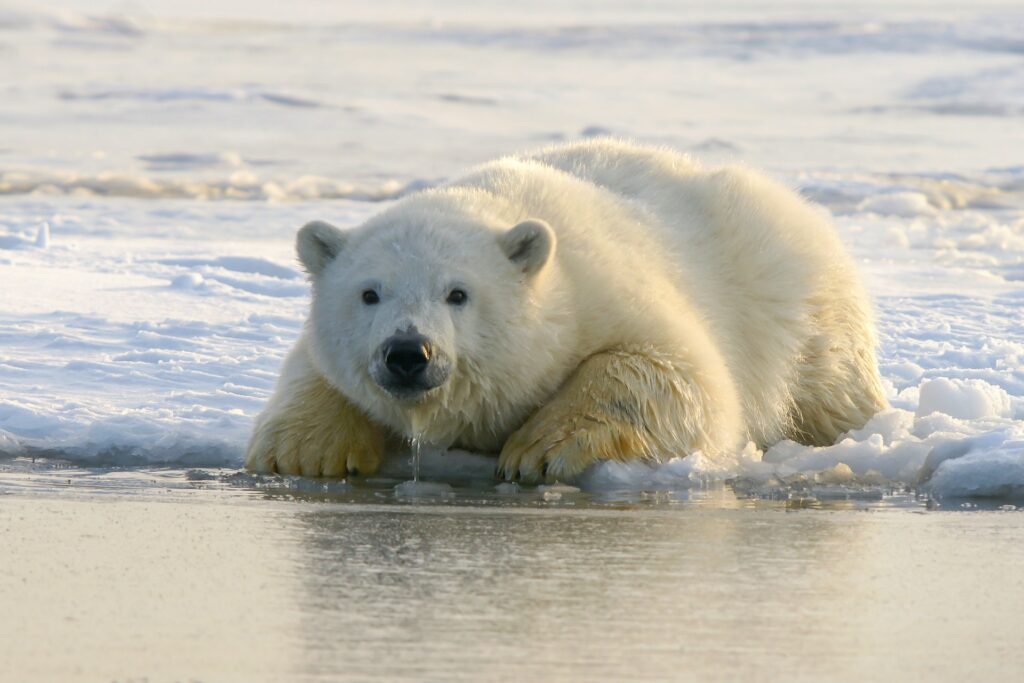
Pollution from thousands of miles away ends up in the Arctic, where it settles into the snow and sea ice. As polar bears eat seals, the toxins climb up the food chain and build up inside their bodies. Researchers have found that many bears now have dangerous levels of industrial chemicals in their blood. It weakens their immune systems and harms cub development, even though they live far from any factory or city.
7. Coral reefs are turning into ghost towns.
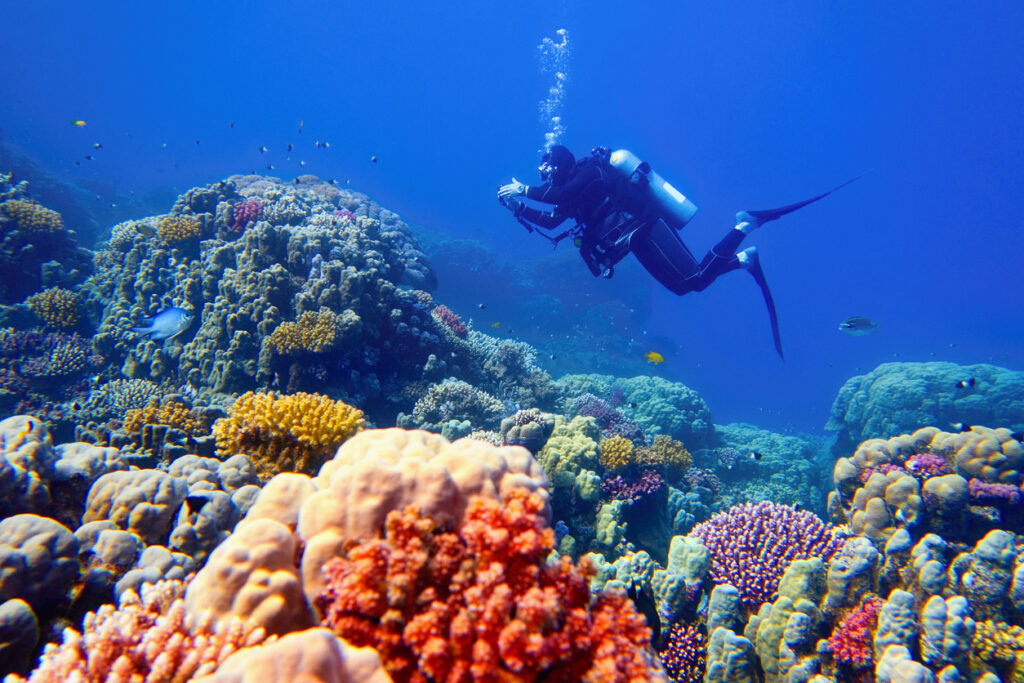
Rising ocean temperatures and pollution from sunscreen, sewage, and plastic waste are causing coral reefs to bleach. The colourful corals lose their life-giving algae and turn white, leaving behind underwater deserts. Fish and sea creatures that depend on coral for food and shelter vanish too. It’s like watching whole underwater cities crumble because of the invisible pollution humans pour into the sea.
8. Microplastics are being found in animal brains.
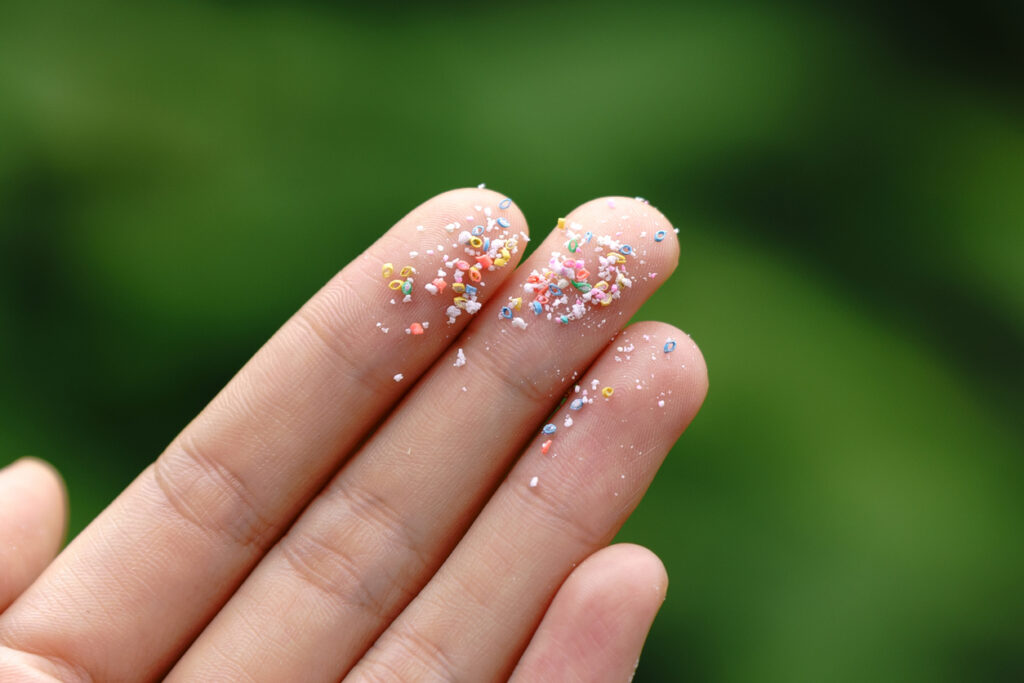
Scientists have discovered microplastics not just in fish stomachs, but in their brains. These tiny plastic fragments can pass through organs and affect how animals think, move, and feed. In lab studies, fish exposed to microplastics became slower, more confused, and struggled to find food. If it’s already affecting them this way, it’s not hard to imagine what it might be doing to humans too.
9. Elephants are eating rubbish from landfills.
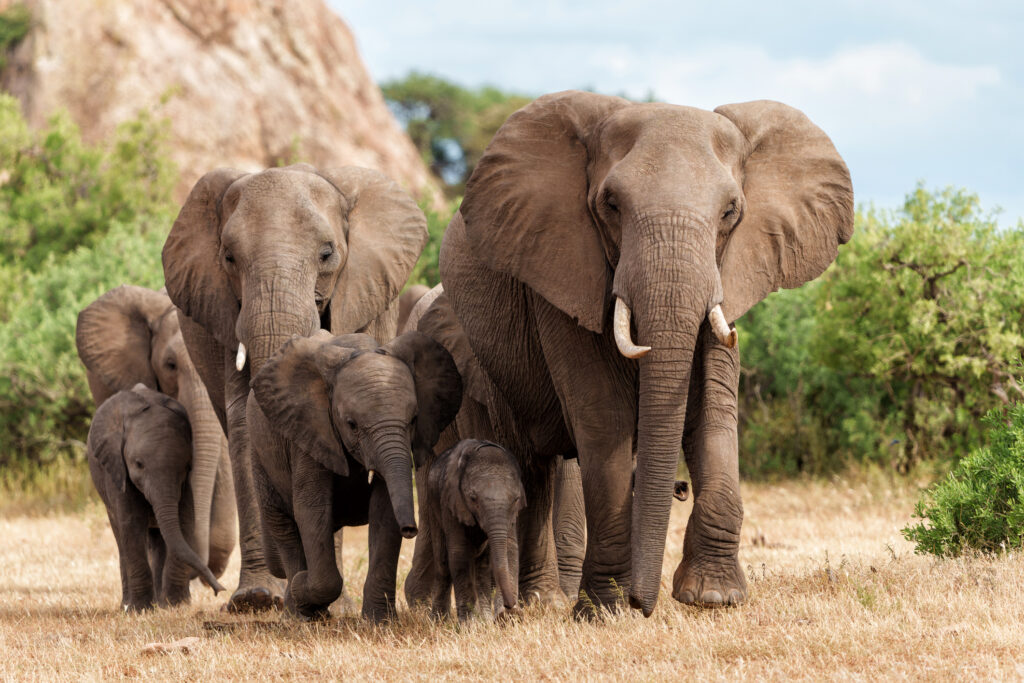
In some parts of India and Africa, elephants have started foraging through rubbish dumps where their natural habitats have disappeared. They end up eating plastic bags, wrappers, and batteries mixed in with food waste. Many become sick or die after swallowing sharp or toxic materials. It’s a tragic sight: the largest land animals on Earth reduced to scavenging through human waste for survival.
10. Frogs are mutating in polluted ponds.
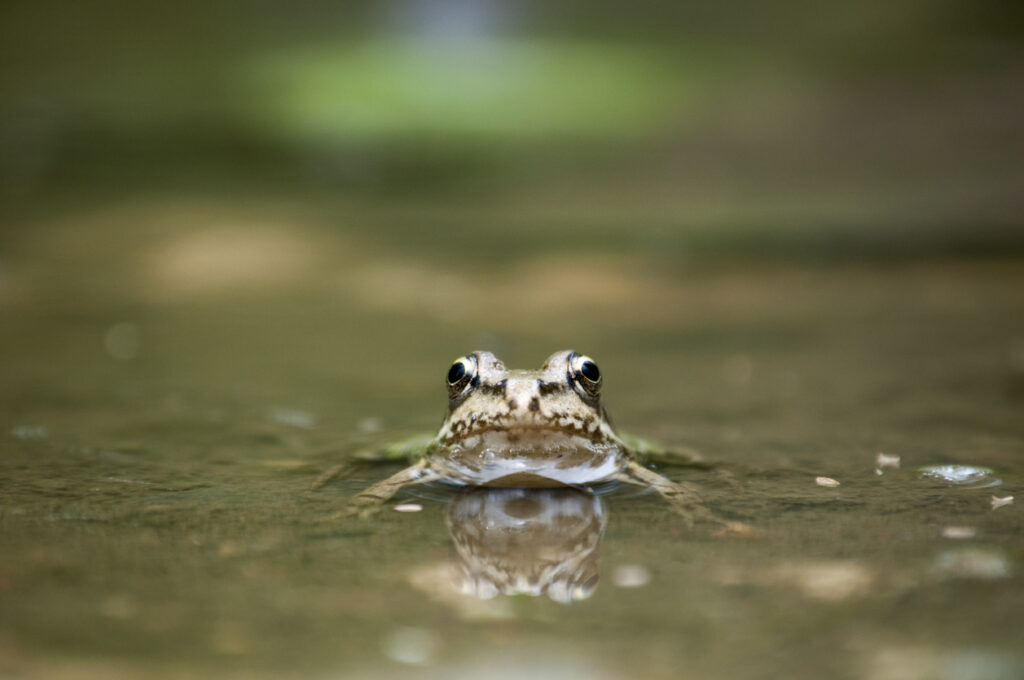
Chemicals in farm run-off and pesticides are changing how frogs develop. Some grow extra legs or twisted bodies, while others are born without eyes or with organs in the wrong place. Pollution is literally warping their DNA. These deformities make it harder for them to move, hunt, or escape predators. Frogs have always been early warning signs for environmental change, and their growing mutations are a clear message that something’s gone very wrong.