Most of us like to think we’re the ones doing our bit because we rinse out a jam jar or remember a reusable bag.
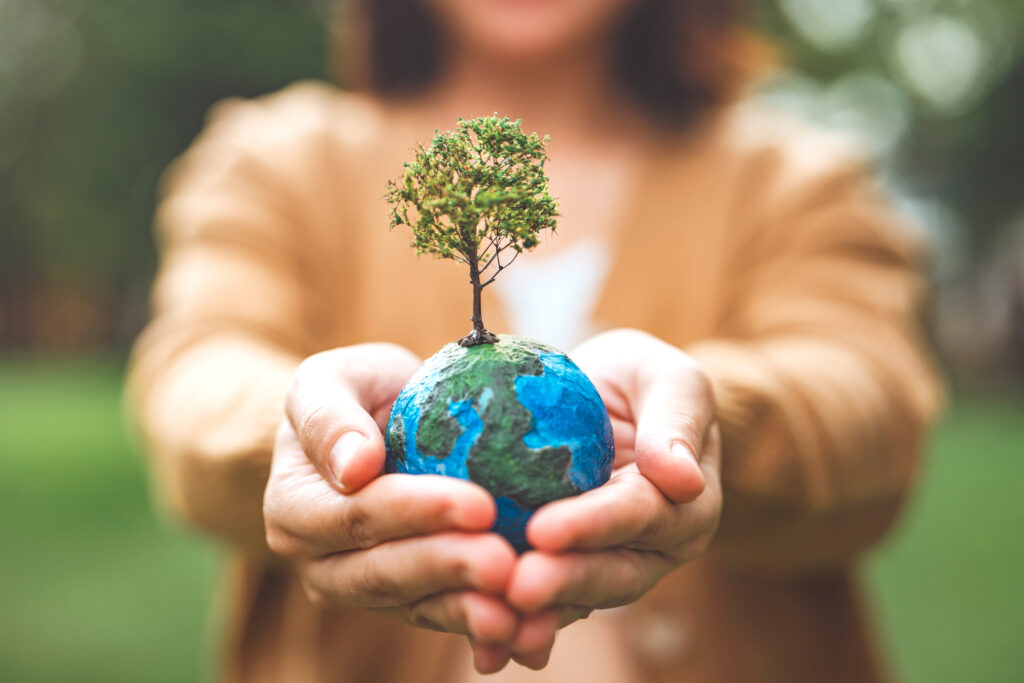
However, a lot of our daily habits are a lot messier than we’d like to admit. It’s easy to point the finger at big factories and oil companies—and they definitely deserve a lot of that heat—but we’re also part of the machine that keeps them running. It isn’t about being a terrible person; it’s just that modern life is set up to make the most damaging choices the most convenient ones.
You might be making small decisions every day that feel like nothing, but actually add up to a massive impact when you multiply them by a few million people. From the way we treat our tech to the stuff we click on while we’re bored at midnight, we’re often leaving a much bigger footprint than we realise. It’s not a fun thing to look at, but if you want to actually change things, you’ve got to be honest about where you’re dropping the ball. These 10 habits are the sneaky ways you might be making things a bit worse for the planet without even trying.
1. Buying new clothes constantly instead of wearing what you own

Fast fashion’s environmental impact is massive, and most people are feeding it without thinking. Every cheap top or trendy piece you wear three times, then discard required water, energy, chemicals, and labour to produce. The textile industry is one of the world’s biggest polluters, and it only works because people keep buying.
Your wardrobe probably contains clothes you’ve forgotten about or never worn. Buying more when you’ve already got perfectly good items is waste disguised as shopping. The environmental cost doesn’t disappear just because something was cheap or on sale.
2. Leaving devices plugged in and on standby constantly

That phone charger, that TV, that laptop, that gaming console all sitting on standby are drawing power continuously. It’s called phantom energy drain, and it adds up significantly across millions of households. People act like turning things off properly is some massive inconvenience when it takes two seconds.
Your electricity doesn’t come from nowhere. It’s generated through processes that produce emissions, and you’re contributing to that demand for absolutely no reason. Unplugging things you’re not using or switching off at the wall isn’t hardship, it’s just basic sense that most people can’t be bothered with.
3. Using your car for journeys you could easily walk or cycle

Driving to the shop that’s ten minutes away on foot, driving the kids to school that’s round the corner, driving to the gym to exercise. The laziness is real, and the emissions are unnecessary. Cars are essential for some journeys, but most people use them for trips that don’t require four wheels and an engine.
You’re burning fuel, creating pollution, and contributing to traffic and air quality problems because walking seems like too much effort. It’s not even about being anti-car, it’s about using them proportionately. Short car journeys are particularly inefficient because engines haven’t warmed up properly yet.
4. Wasting food you bought and never ate

The average British household throws away hundreds of pounds worth of food every year. That’s not just money, it’s resources. Water to grow the food, energy to process and transport it, packaging to contain it, all wasted because you bought too much or couldn’t be bothered eating leftovers. Food waste in landfill produces methane, a greenhouse gas significantly worse than carbon dioxide.
Every meal you bin is environmental damage you personally caused. Planning meals properly and actually eating what you buy isn’t complicated, people just don’t prioritise it. The waste happens because you’re treating food as disposable rather than as something that required significant resources to produce.
5. Taking excessively long showers without thinking about water use
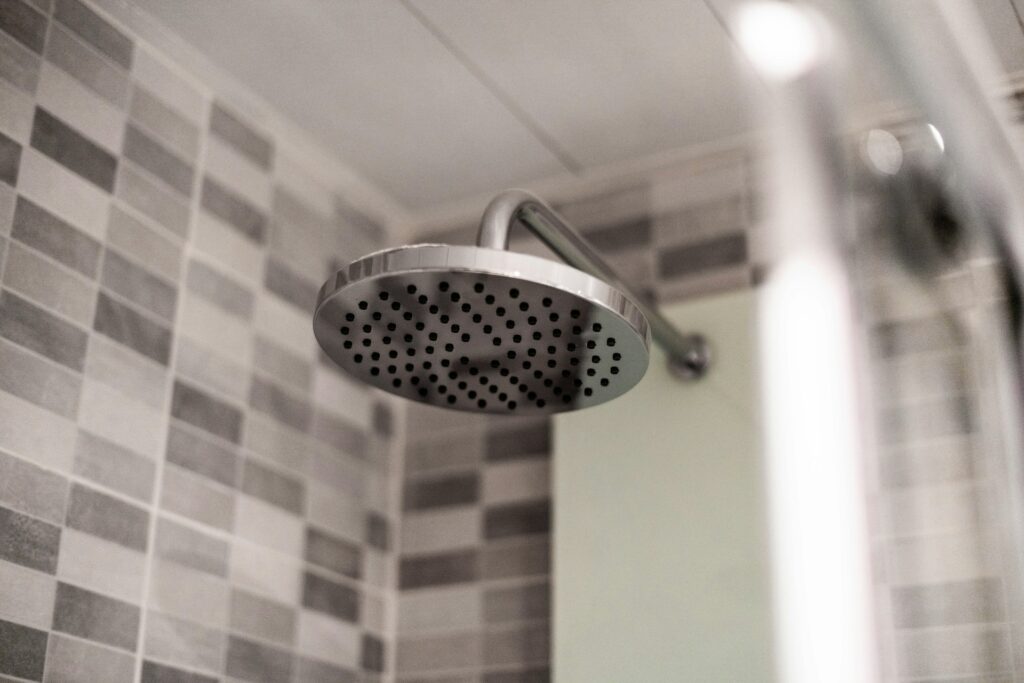
Standing under hot running water for 20 minutes feels nice, but it’s not cost-free. Heating that water requires energy, and water itself is increasingly scarce in many regions. You’re using a finite resource for extended periods because it’s relaxing, whilst billions of people globally lack access to clean water at all.
That doesn’t mean never showering, but there’s a difference between a reasonable five-minute shower and the lengthy sessions people take without considering the impact. Heating water is one of the biggest energy uses in homes. Cutting shower time reduces both water consumption and the energy needed to heat it.
6. Using single-use plastics when reusable options exist
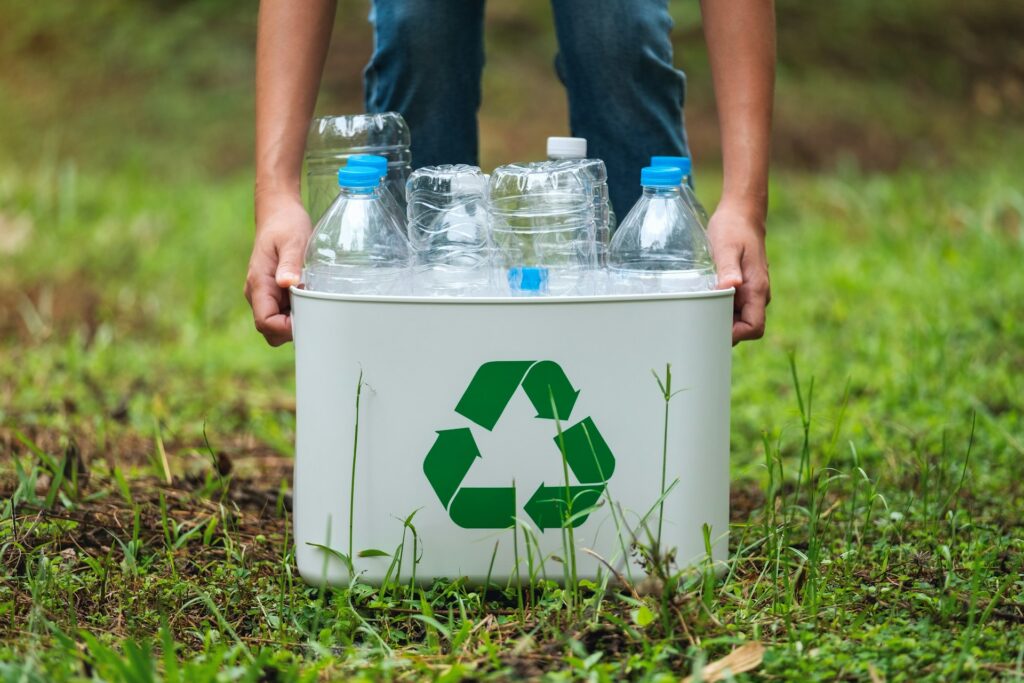
You know plastic’s a problem, you’ve seen the documentaries, yet you still grab bottled water, use plastic bags, and buy individually wrapped everything. Reusable bottles exist. Bags for life exist. Buying products with less packaging exists. But convenience wins every time because making slightly different choices feels like effort.
Every plastic item you use once then throw away will outlast you by centuries. It doesn’t biodegrade, it just breaks into smaller pieces that contaminate everything. You’re choosing convenience over a problem you know exists and will get worse.
7. Buying products you don’t need because they were on offer

Sales and deals trick you into consumption you wouldn’t otherwise do. You didn’t need another kitchen gadget or piece of electronics or decorative item, but it was reduced so you bought it anyway. Everything manufactured has an environmental cost in raw materials, energy, and emissions.
Buying things unnecessarily because they were cheap means you’re creating demand for production that shouldn’t exist. Most of this stuff ends up barely used before you’re buying the next thing. The consumption itself is the problem, not just what you’re consuming. Companies rely on people buying things they don’t need, and you keep proving them right.
8. Cranking the heating up instead of putting more clothes on
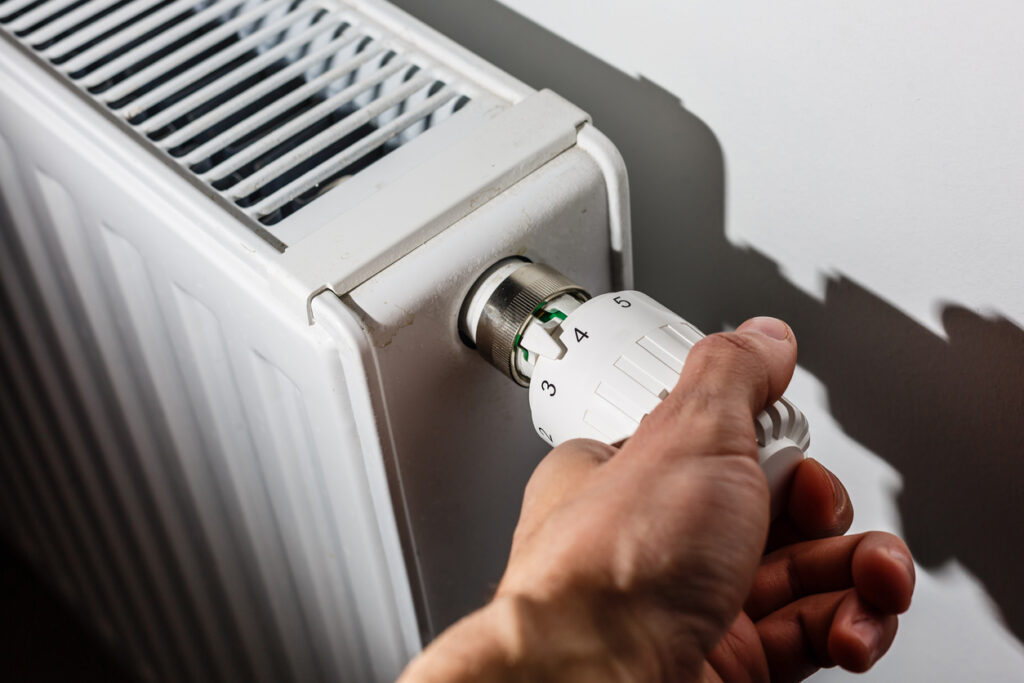
The thermostat goes to 23 degrees whilst you’re wandering round in a t-shirt in winter. That’s insane when jumpers exist. Heating homes accounts for a massive chunk of household emissions, and most people heat their houses far more than necessary because they’d rather change the environment than put on layers.
Your grandparents managed fine with lower temperatures and extra clothing. You’re not special for needing tropical conditions indoors year-round. Even dropping the thermostat by one degree makes a measurable difference to energy consumption, but that requires mild discomfort some people won’t tolerate.
9. Defaulting to next-day or express delivery for everything

That Amazon order didn’t need to arrive tomorrow. You just couldn’t be bothered waiting. Express delivery means separate trips, more packaging, more fuel, more emissions, all so you can have something slightly faster than necessary. The logistics of getting your purchase from a warehouse to your door creates environmental impact, and expedited shipping multiplies that.
Consolidating orders and accepting standard delivery reduces the number of journeys needed. But people prioritise instant gratification over environmental sense. The delivery infrastructure only exists at this scale because consumers demand it.
10. Ignoring all of this because you think individual actions don’t matter
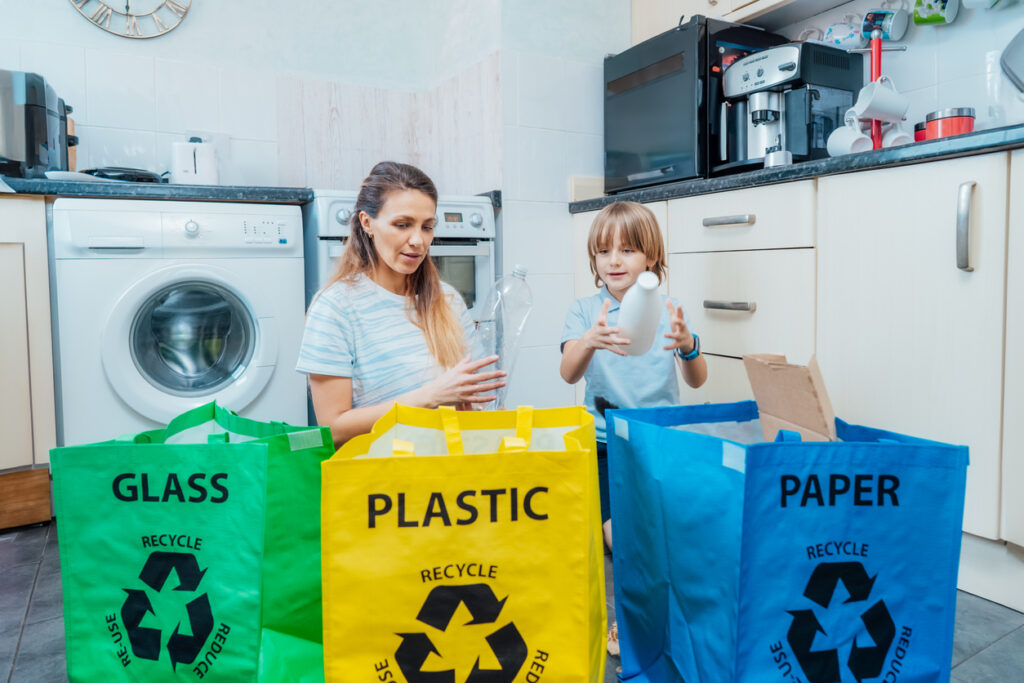
This is the biggest problem. Convincing yourself that your choices are irrelevant because corporations are the real polluters. Yes, systemic change is essential. But billions of individual choices create the demand that corporations meet. Your consumption drives their production. Washing your hands of responsibility because you’re just one person is exactly why nothing changes.
If everyone decided their personal impact didn’t matter, we’d have zero progress. Individual action and systemic change aren’t mutually exclusive, they work together. Using corporate pollution as an excuse to avoid any personal responsibility is cowardice dressed as realism. Your choices do matter, you just don’t want them to because that would require changing your behaviour.