While most of the animal kingdom is too busy surviving to care about a catchy hook, there are a handful of creatures that genuinely seem to have a bit of a rhythm.

It’s not just a case of them reacting to loud noises or vibrations; researchers have found that certain species actually change their behaviour, lower their stress levels, or even try to sing along when the right track comes on. From cows that produce more milk when they’re listening to a mellow tune to elephants that have been known to “jam” with human musicians, it’s clear that the appreciation for a good melody isn’t just a human quirk. If you’ve ever noticed your dog perking up at a specific song or a bird mimicking a ringtone, you’re seeing a glimpse of a musical connection that spans across the species gap.
1. Cockatoos
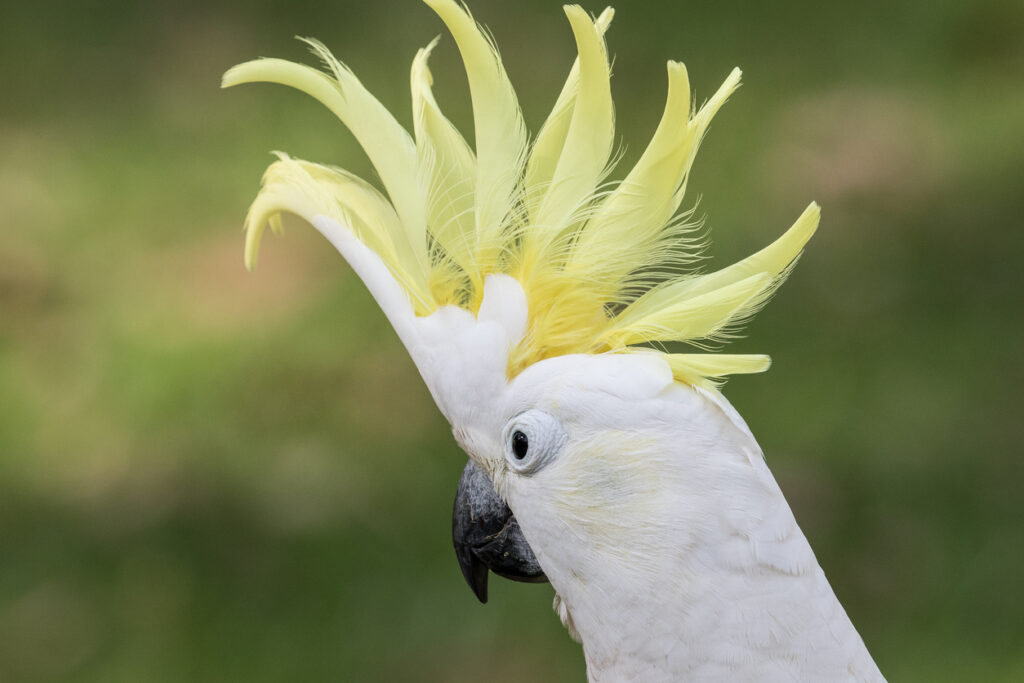
Cockatoos are famous for moving to a beat, and not in a random flapping way either. Some will bob their heads, lift their feet, and time their movement with the rhythm like they’re having a tiny nightclub moment in your living room.
They’re also very social and attention-driven, so music can become a shared activity with their humans. If the same song comes on regularly, some cockatoos seem to recognise it and get hyped, which is both adorable and slightly chaotic. They’re basically born performers.
2. African grey parrots
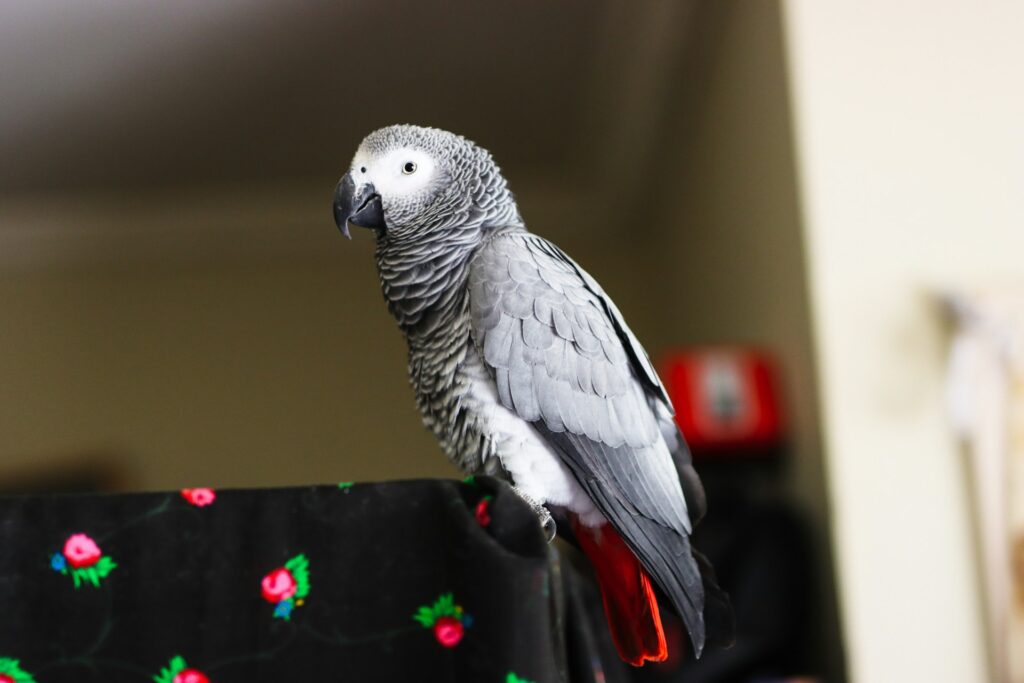
African greys are known for being clever, but they also seem to get something out of music beyond just noise. They’ll whistle along, mimic tunes, and sometimes create little rhythms that sound like they’re experimenting rather than copying.
Because they’re so tuned into human interaction, they often respond to the mood of the music, too. Calm songs can settle them, while upbeat music can get them vocal and playful. If you’ve ever seen an African grey make up its own little melody, it’s hard not to feel like it’s enjoying the sound for its own sake.
3. Elephants

Elephants have been seen reacting to music in ways that look a lot like enjoyment, such as swaying, rocking, or gathering closer when sound is played. They’re sensitive to vibrations, so music can be something they feel through their bodies, not just hear.
There are also stories of elephants responding to instruments like drums or harmonicas with curiosity and calm, especially in sanctuary settings. You get the sense that sound is a big part of how they experience the world. When an elephant looks relaxed and starts moving in a slow rhythm, it’s hard not to read it as a form of appreciation.
4. Sea lions

Sea lions are surprisingly musical, in the sense that they can be trained to keep a beat and respond to rhythmic cues. They’re smart, social, and they like interactive tasks, so music-based training can be something they seem to enjoy rather than just tolerate.
Some have shown an ability to match rhythms in a way that looks more deliberate than simple conditioning. Even outside training, sea lions often respond to sound with playful energy. They’re basically the class clown of the marine world, and music gives them another way to show it.
5. Dogs

Dogs don’t all love music, but many seem to respond to it emotionally, especially calmer genres. A lot of dogs settle, rest, or appear less stressed when gentle music is playing, which makes sense when you think about how sensitive they are to tone and environment.
Some dogs also get visibly excited by certain songs, like they associate it with car rides, walks, or just good vibes in the house. You’ll see them perk up, tilt their head, or even howl along, which can look like singing if you’re feeling generous. Even when it’s just a calming background sound, it can still be a kind of comfort for them.
6. Cats

Cats can be picky, but they do respond to sound, and some seem to enjoy certain music, especially softer, repetitive tones. You’ll sometimes see a cat settle closer, purr, or relax more deeply when calm music is on, like it smooths out the edge of the room.
Interestingly, some research suggests cats respond better to music made with cat-like frequencies and patterns, rather than human pop music. Even without that, lots of cat owners swear their cat has favourites, usually the calmer stuff. A cat choosing to hang around while music plays is basically a standing ovation in cat terms.
7. Horses

Horses are sensitive animals, so sound can affect them a lot, and some seem to enjoy music as part of a calming environment. In stables, you’ll often see horses settle when soft music is playing, especially if the alternative is sudden loud noises or long boring stretches.
Some horses seem to prefer certain styles, and they can react differently depending on tempo. Calm music can make them look looser and less jumpy, while loud or fast sounds can do the opposite. When a big animal that’s always alert starts looking peaceful, it’s hard not to think the music is helping.
8. Cows

Cows have a reputation for being slow and uninterested, but they can respond to music in gentle, noticeable ways. There have been cases where cows appear calmer with soft music, and some farmers play music to create a more relaxed atmosphere during milking.
They’re herd animals, and they pick up on stress in their surroundings, so soothing sounds can make a difference. They might not dance, but you’ll see them lie down, chew contentedly, and generally seem less on edge. A cow looking peacefully unimpressed while music plays is probably its version of enjoyment.
9. Whales

Whales are already musical in their own way, with songs that travel huge distances underwater. While that’s not the same as loving human music, it does show that sound, rhythm, and pattern matter a lot in their lives, not just for survival but for communication and identity.
Some whales and dolphins have been observed approaching boats or underwater speakers out of curiosity, which suggests sound draws them in. Underwater noise can also stress them, which shows how powerful sound is for them in general. If any animal is built to take sound seriously, it’s whales.
10. Rats
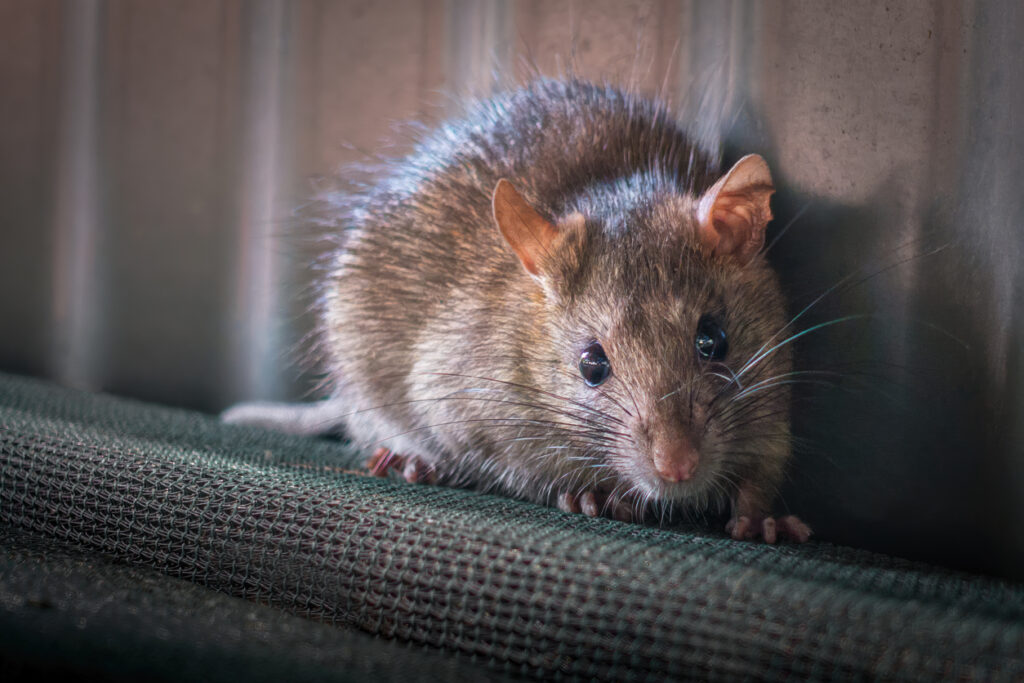
Rats might be the most surprising one, but they’ve shown interesting reactions to music in research settings, and they can learn to respond to rhythm and patterns. Pet rats also often seem to enjoy calm environments with gentle background sound, especially if it’s part of their usual routine.
They’re intelligent, curious little animals, and they can get comfort from familiar noises. If you’ve ever seen a rat settle on your shoulder while music plays, it feels like they’re choosing the moment, not just enduring it. Their love of music is subtle, but it’s there.