Many people are surprised to learn that some of the most common visitors in British gardens can’t legally be trapped, moved or “re-homed,” even when they’re causing inconvenience. UK wildlife laws protect certain species so strongly that once they settle in your space, you must work around them rather than move them on. These are the creatures you’re legally required to leave exactly where they are.
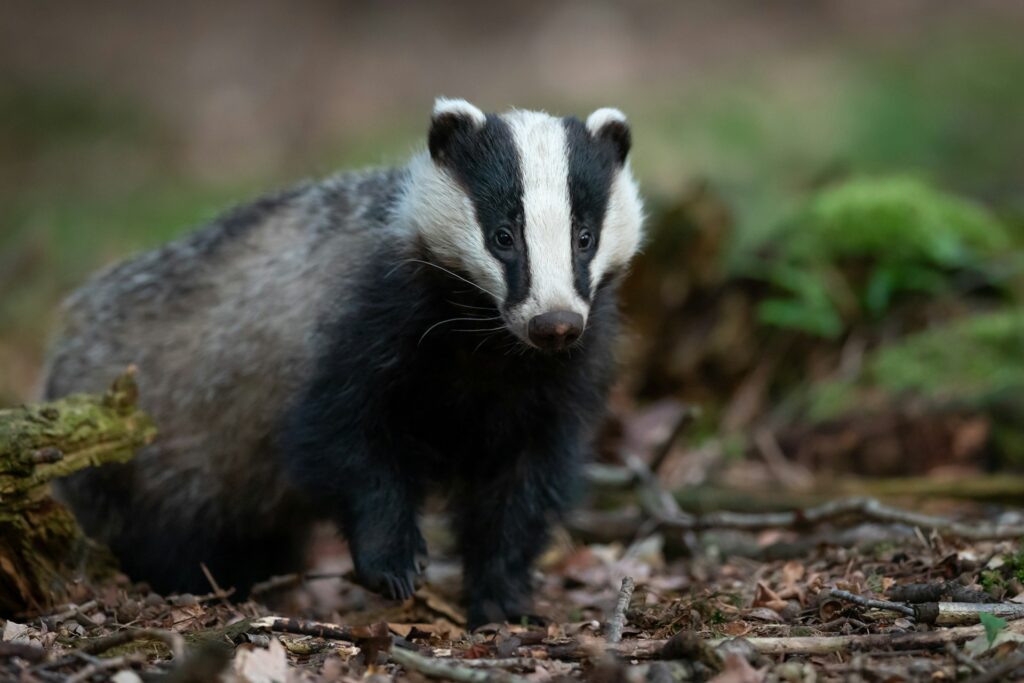
Badgers are fully protected and must never be moved.
Badgers might dig under sheds, reshape lawns or leave noticeable tracks, but relocating them is completely illegal. Their setts are protected whether active or not, which means blocking, disturbing or relocating them can lead to serious penalties. Even well-meaning attempts to coax them elsewhere count as interference. If a badger sett causes problems, you have to involve licensed professionals and follow strict seasonal rules. Most homeowners end up adapting the space because the law takes their protection seriously.
Bats can’t be disturbed, moved or encouraged to leave.
Any bat roost, used or unused, is protected by law. That means you can’t block access, move the animals or try to relocate them yourself. Even small colonies in roof spaces or sheds must be left alone until experts assess the situation. The only legal option is contacting a bat conservation officer who can guide you through adjustments. Relocation isn’t allowed, so the garden or building has to work around the bats rather than the other way round.
Nesting birds must stay put until their young have fledged.
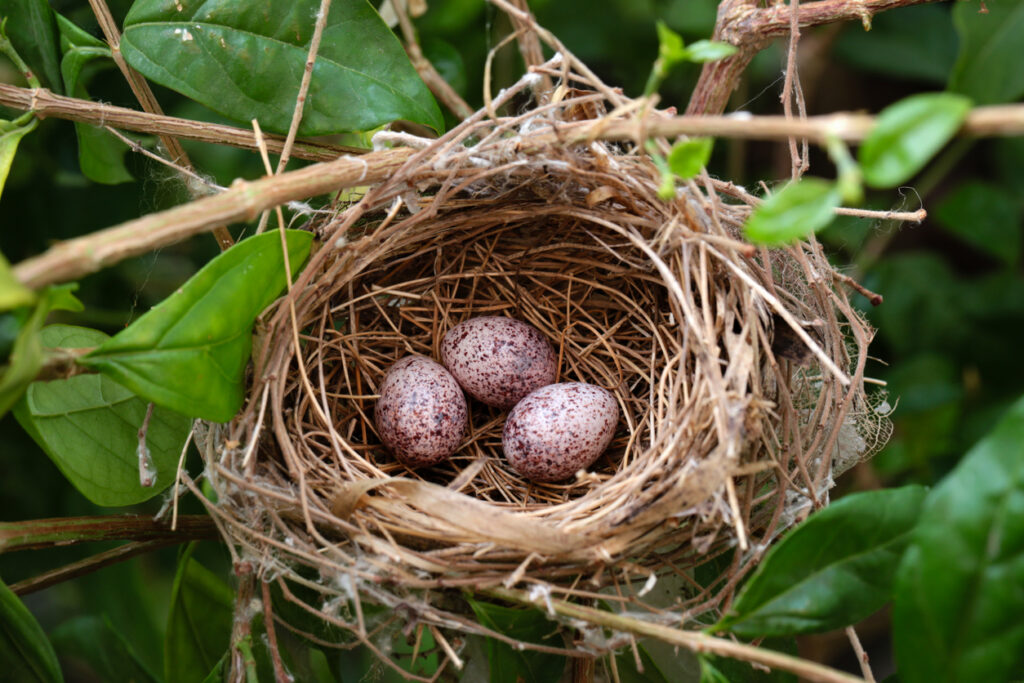
Once birds start nesting, you cannot move the nest or disturb the adults, even if the spot is awkward. This applies to common garden birds like blackbirds, robins, pigeons, and sparrows. Removing a nest too early is an offence, even if it’s on a roof, in a tool shed or blocking a walkway. You have to wait until chicks leave naturally before touching anything. After that, you can make adjustments to stop them returning, but relocation during nesting is never allowed.
Fox dens with cubs can’t be interfered with.
While foxes aren’t fully protected, the law becomes strict during breeding season. If a vixen has cubs under a deck, shed or log pile, you cannot move them or block the entrance. Disturbing a den with dependent young is illegal and considered harmful. Only after the cubs are independent can you safely secure the area. Until then, the den has to stay exactly as it is, even if it causes inconvenience.
Hedgehogs can’t be relocated from garden sites.
Hedgehogs are declining, and the law now treats disturbing or moving them very seriously. Even if one is nesting in an awkward corner or under garden materials, relocating it without proper guidance can cause harm and could break wildlife protection rules. If they’re nesting or hibernating, you must leave the site untouched. Moving them can be fatal, so experts recommend adjusting garden work rather than relocating the animal.
Great crested newts must never be moved by homeowners.

Finding a great crested newt in a pond or log pile means the area is legally protected. They’re one of Britain’s most strictly protected species, and moving them is an offence. Even altering their habitat can be illegal without a licence. If their presence affects planned work, professionals must carry out surveys and make decisions. Homeowners aren’t allowed to touch, move or relocate newts under any circumstances.
Slow-worms can’t be picked up and moved elsewhere.
Slow-worms look like snakes, but they’re protected lizards and cannot be relocated. People often find them under slabs, compost heaps or long grass. Moving them risks harming them and breaking wildlife law, even if you’re trying to protect them from danger. The legal approach is to adjust your gardening rather than move the animal. Creating safer spaces encourages them to settle naturally rather than forcing relocation.
Toads in breeding spots must remain where they are.
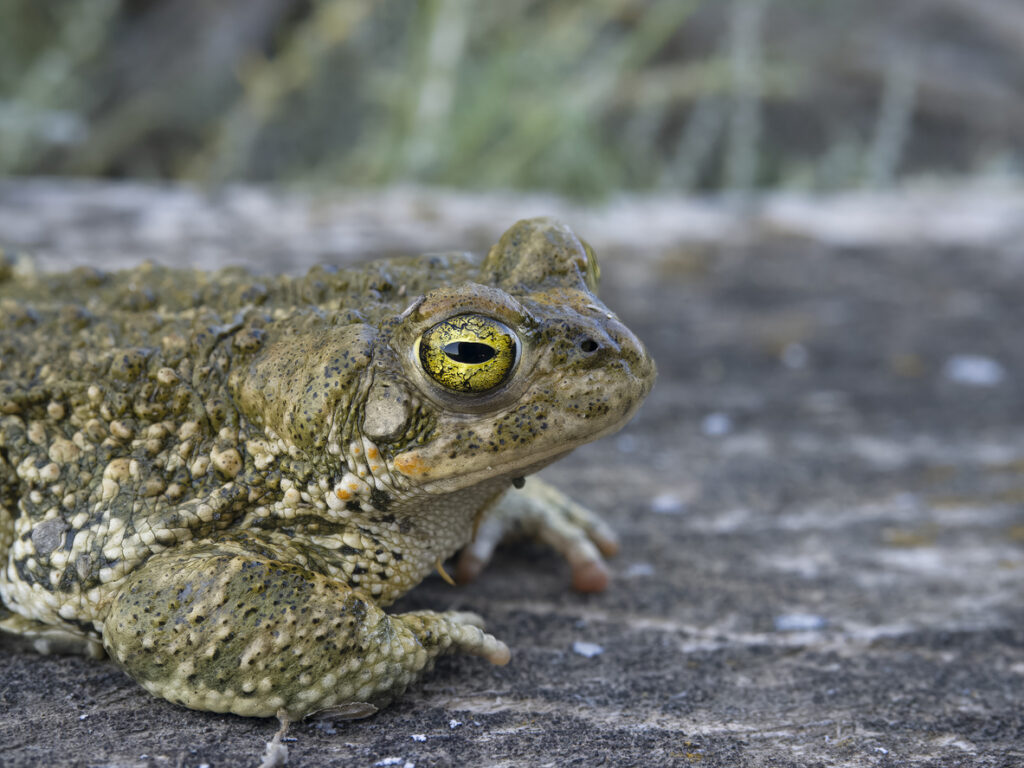
Toads return to the same ponds every year, and disrupting their breeding behaviour is illegal. If they’ve chosen your garden pond, you can’t collect them and move them elsewhere. Relocating spawn is also prohibited because it disrupts a protected breeding cycle. Once the season passes, you can make changes to deter future breeding. Until then, the pond belongs to them more than it belongs to you.
Red squirrels can’t be moved under any circumstances.
In parts of Scotland and northern England, red squirrels sometimes turn up in gardens or sheds. They’re strictly protected, meaning you can’t relocate them, no matter how inconvenient the location. Any attempt to trap or move them is illegal. If they’re nesting, the law becomes even stricter. You have to wait until they move on naturally and only then make changes to prevent future visits.
Dormice nests are completely off limits.
Dormice are one of the UK’s rarest mammals, and their nests are protected wherever they appear. You can’t disturb, move or interfere with them, even if they’re in a hedge you want to cut or a spot you need to access. Garden work has to wait until nests are empty, and the animals have moved. Their protection reflects how fragile their population is, so the law always prioritises their safety over convenience.