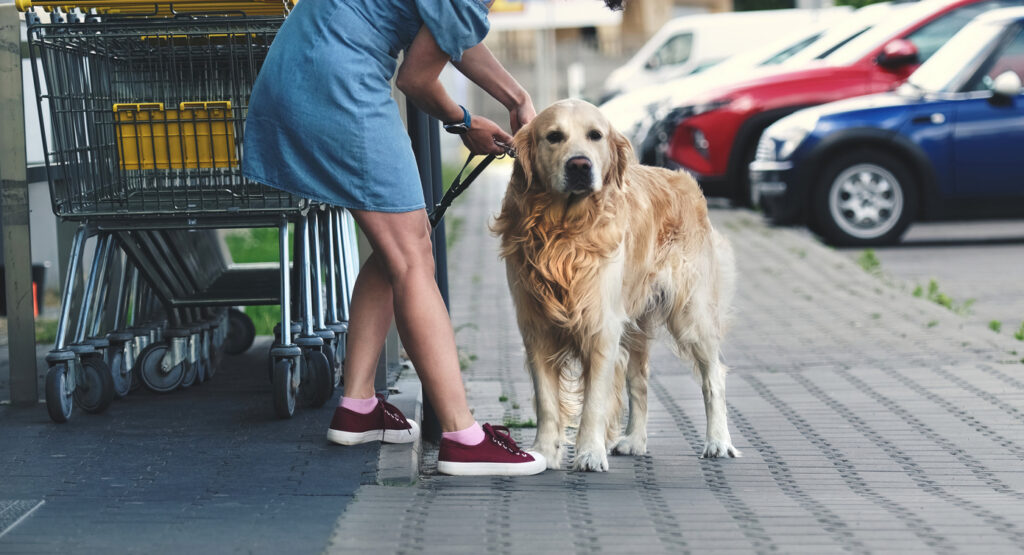
More dog owners think tying their dog outside a shop for a few minutes is harmless, but theft tactics have changed fast. Thieves now work in moments of distraction, and many dogs are taken before the owner has even reached the checkout. Understanding how these risks work can help you protect your dog from dangers that weren’t common a few years ago.
Thieves now target dogs left alone for seconds.
The problem appears when owners assume a quick visit inside is safe, but modern thieves move fast and work in pairs. They look for dogs tied up because they know nobody can react quickly enough to stop them walking away with the lead.
Staying with your dog or bringing them inside any pet-friendly shop helps reduce this risk. When you keep them by your side, thieves lose the opportunity to strike before you notice anything is wrong.
Social media increases demand for certain breeds.
The problem shows when fashionable breeds get promoted online. Thieves understand the demand and know owners will pay large amounts to recover their dog. This makes popular breeds easy targets, especially those left outside with no supervision.
Keeping your dog with you at all times helps reduce their visibility. When thieves cannot assess the breed or value, they are less likely to focus on your dog as an easy chance.
Thieves use distraction while someone else takes the dog.

The problem happens when a thief distracts passers-by or staff around the shop while another person approaches the dog. People assume the person untying the lead is the owner, allowing the thief to leave without drawing attention. Choosing shops where you can keep your dog in view helps prevent this tactic. When the dog stays inside your sightline, nobody has the chance to slip the lead away unnoticed.
Leads and collars can be cut in seconds.
The problem appears when owners rely on strong leads or secure knots. Thieves often carry small cutters that slice through most materials in one movement, making the knot or attachment useless as protection. Keeping your dog beside you instead of tied to a railing removes this vulnerability. When you stay close, thieves lose the chance to cut the lead without being challenged.
Some thieves pose as concerned bystanders.
The problem shows when someone pretends to rescue a stressed or barking dog to avoid suspicion. People nearby assume they are helping, not stealing, which allows them to leave with the dog without raising alarm. Staying present prevents this confusion. When your dog is not left alone, nobody can claim they are removing them for welfare reasons or take advantage of concerned passers-by.
Dogs get anxious when tied alone, making them easier to approach.
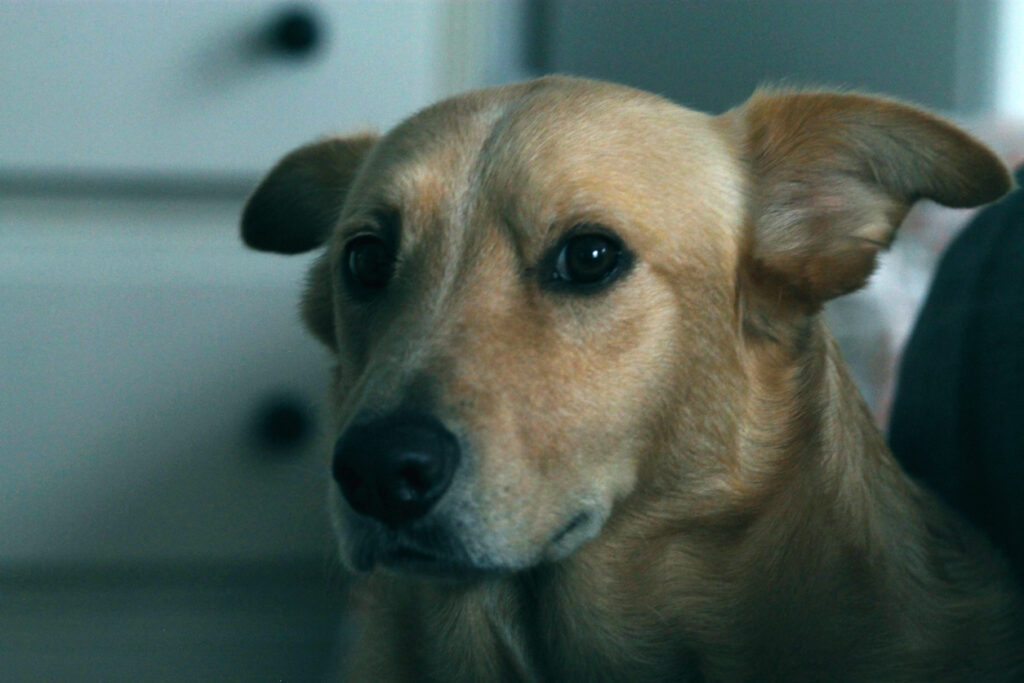
The problem happens because anxious dogs often bark or pull, which makes them appear unsettled. Thieves use this as an excuse to approach or calm the dog, creating an easy opportunity to take them without anyone noticing the intention. Keeping your dog with you helps prevent stress and reduces vulnerability. When they feel secure at your side, strangers have no opportunity to use anxiety as a way to get close.
Repeat offenders watch busy areas for predictable habits.
The problem appears when thieves learn which shops attract regular dog owners. They wait outside common spots because they know many dogs are left tied up daily. This creates a predictable pattern that gives thieves confidence and time to plan. Changing your routine by avoiding tying your dog anywhere helps break this pattern. When thieves cannot rely on repeat behaviour, they are far less likely to target that location.
Some dogs are stolen for breeding or resale.
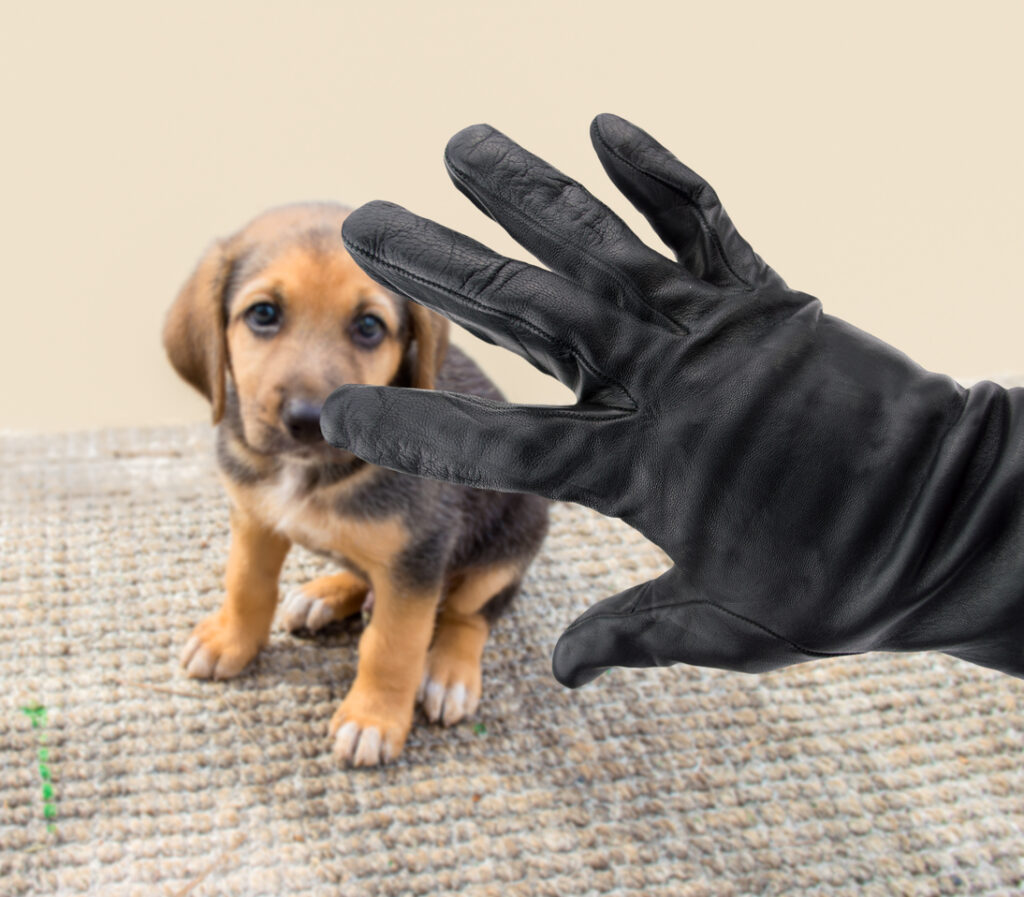
The problem shows when thieves target unneutered dogs or breeds known to produce valuable litters. Tying a dog outside gives thieves enough time to assess the animal and decide quickly whether they can profit from taking it. Keeping all walks supervised and avoiding unsupervised waiting helps reduce that chance. When thieves cannot examine your dog up close, they lose the information they rely on to choose a target.
Identification tags can be removed instantly.
The problem happens when owners trust tags for safety. Thieves remove collars, tags, or harnesses within moments, making it harder to prove ownership or track the dog once taken. This leaves very few immediate clues for search efforts. Ensuring your dog is microchipped and always supervised helps protect them. While tags can be removed, a microchip gives them a better chance of being identified if recovered.
Most thefts happen because owners underestimate risk.
The problem appears when people assume their area is safe or believe theft only happens at night. Modern thefts happen anywhere, from busy high streets to quiet villages, and usually take less than half a minute. Staying with your dog and avoiding unsupervised waiting is the simplest protection. When you treat every outing with the same caution, you make theft far less likely and give your dog the safety they rely on you for.