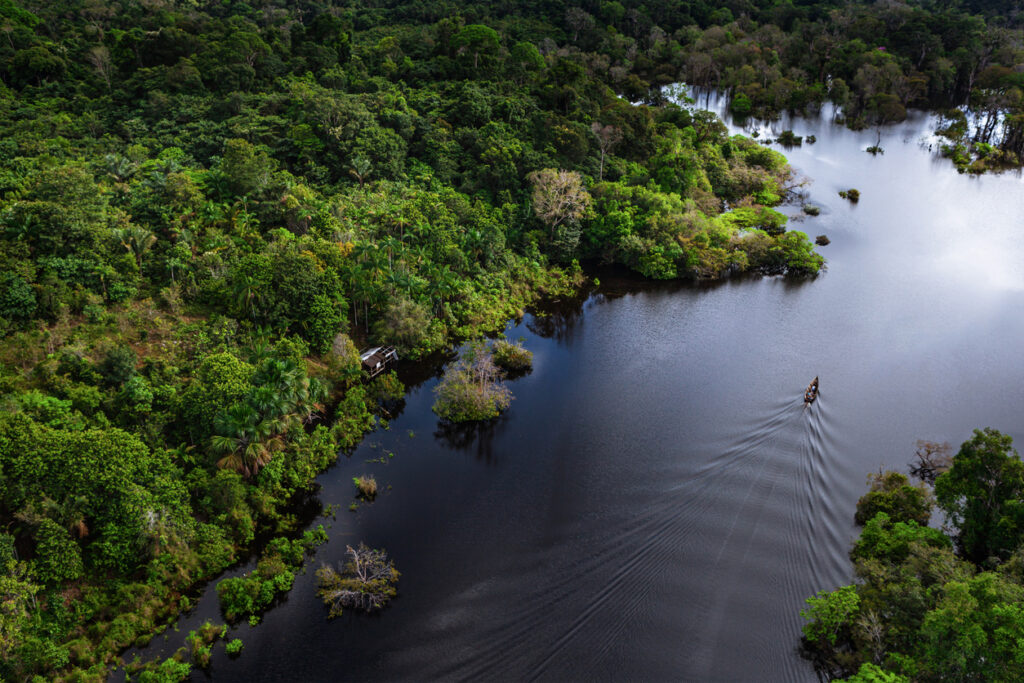
When we think about rivers, we often imagine a scenic stream or a peaceful place to walk the dog, but there’s a lot more going on beneath the surface. Rivers are like the veins of ecosystems, connecting landscapes, species, and even human communities. But when these connections break, the ripple effects are massive, often in ways most people don’t realise. Here’s why river connectivity matters more than it gets credit for, and what’s really at stake when we block the flow.
Fish can’t complete their life cycles.
Many fish species rely on free-flowing rivers to migrate and reproduce. Salmon, for example, need to swim upstream to spawn. If they hit a dam or a weir they can’t pass, their life cycle just… stops. That’s how whole populations collapse. It’s not just dramatic species like salmon, either. Even smaller fish and freshwater eels depend on this movement. Without connected rivers, fish communities can shrink, weaken, or disappear entirely over time.
Wildlife along the riverbanks suffers.
Rivers don’t just support fish—they support an entire network of animals, from otters to birds to insects. When river flow is blocked or redirected, the natural rhythms these animals depend on are thrown off completely. Less water downstream can mean dried-up feeding grounds, nesting areas, or wetlands that used to support thriving life. It all gets disrupted, often permanently. The knock-on effects spread faster than you’d think.
Wetlands vanish, and that’s a huge problem.
Wetlands are one of the most effective natural tools we have to filter water, prevent floods, and store carbon. But they depend on consistent, natural river flow. When rivers are dammed or diverted, wetlands often dry up. That loss doesn’t just affect wildlife—it makes flooding worse, increases pollution, and undermines climate resilience. In trying to control water, we end up losing the systems that manage it for us.
Water quality takes a serious hit.
Free-flowing rivers help keep water clean by constantly flushing out sediments and diluting pollutants. When we block or slow the flow, water stagnates. Pollution builds up. Oxygen levels drop. Algae blooms thrive. This makes life harder for fish, birds, insects, and even people who rely on the water for drinking or farming. Once water quality declines, it’s difficult, and expensive, to bring it back.
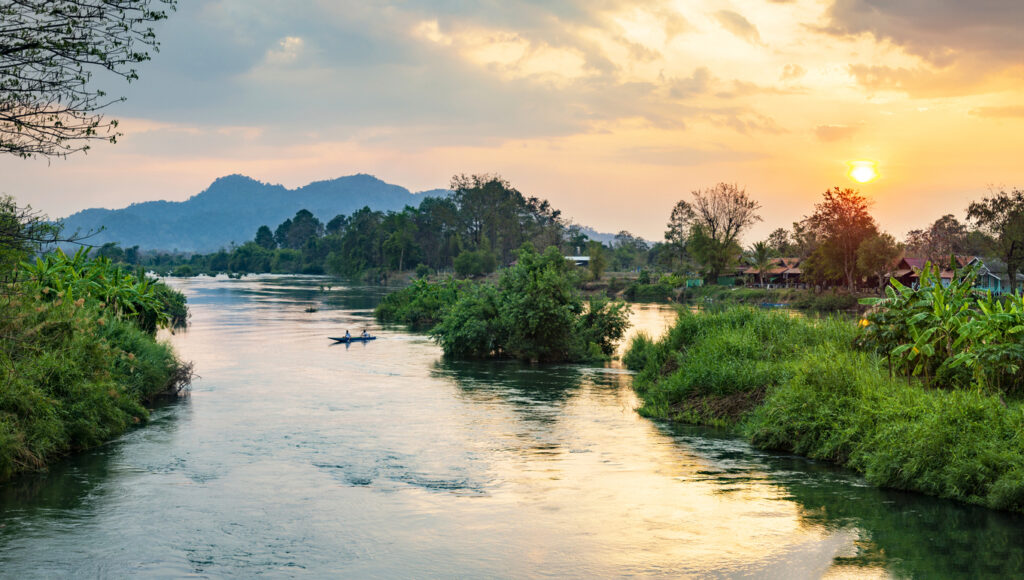
Flood risks subtly increase.
Ironically, when we block or regulate rivers to “control” flooding, we can actually make flooding worse. Natural rivers spill over into floodplains during heavy rain, which protects towns downstream. However, when those floodplains are disconnected or dried up, the water has nowhere to go. It builds up, rushes downstream faster, and causes more sudden, damaging floods where people live.
River-dependent traditions vanish.
In many parts of the UK and beyond, rivers are central to local culture—think fishing communities, riverside farming, or ancient water mills. When rivers are altered or disconnected, those ways of life become impossible. It’s not just nostalgia—it’s about people being cut off from livelihoods, identity, and generational knowledge. You can’t fish or farm a river that doesn’t flow the way it used to.
Hydropower can come at a hidden cost.
Hydropower is often seen as a clean energy solution, but not all hydropower is eco-friendly. Dams and turbines can seriously disrupt river flow and harm wildlife. Even “small” dams create big changes. It’s possible to do hydropower better with fish-friendly designs or run-of-river systems, but not all projects use those. When energy gains come at the cost of river health, we need to rethink the balance.
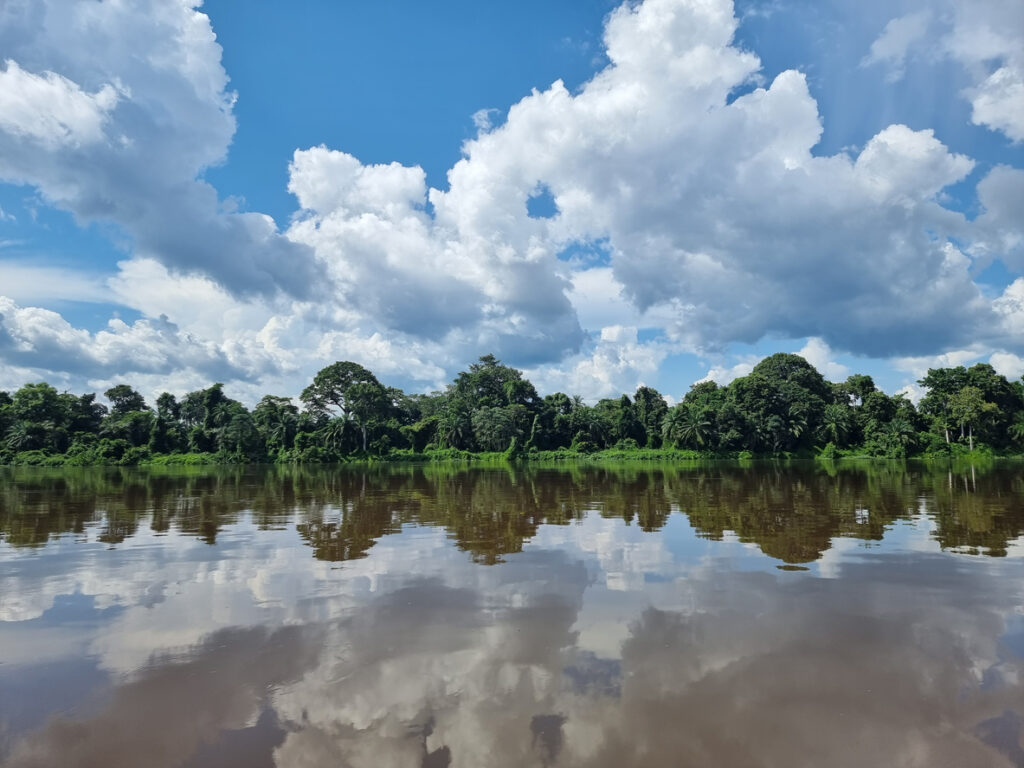
Sediment needs to keep moving.
Healthy rivers carry sediment like sand and silt, which helps shape riverbanks and nourish downstream habitats. Dams trap that sediment, causing erosion downstream and buildup behind the barrier. This can lead to collapsing riverbanks, disappearing beaches, or weaker coastal ecosystems. When sediment gets stuck, everything downstream misses out, and that can affect people, wildlife, and landscapes alike.
Aquatic species become isolated.
When a river is broken up by dams, species on either side get cut off from each other. Over time, that means reduced genetic diversity, smaller populations, and less resilience to disease or climate change.
What starts as a physical barrier quickly becomes a biological one. Once populations can’t mix, they start to shrink—and sometimes vanish altogether.
Climate change hits harder.
Rivers play a quiet but powerful role in how landscapes cope with climate extremes. They cool surrounding areas, store water during drought, and help buffer sudden changes in weather patterns. When we disconnect rivers, we lose that natural resilience. In the face of heatwaves, floods, and unpredictable seasons, that puts us, and the ecosystems around us, at a bigger disadvantage than we realise.
It’s harder to restore rivers than protect them.
Once a river’s natural flow has been disrupted, restoring it is no small task. It can take years, sometimes decades, to undo the damage. Some species never return. Some landscapes never bounce back. That’s why prevention matters so much. Keeping rivers connected in the first place is often cheaper, simpler, and far more effective than trying to fix the harm after it’s done.
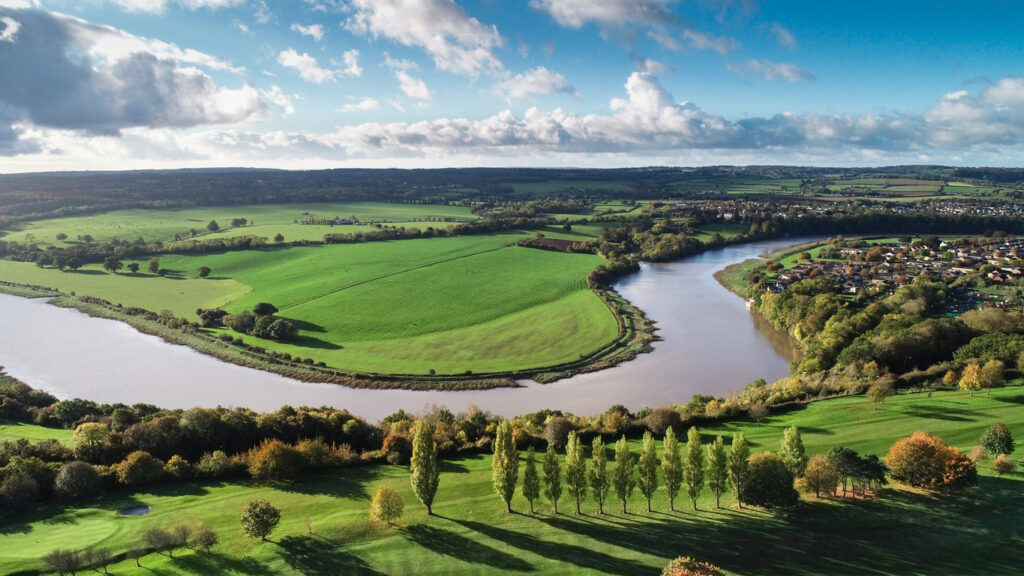
Nature corridors break down.
Rivers aren’t just important on their own—they’re key connectors across wider landscapes. Animals use riverbanks as migration corridors, and plants spread along these watery routes too. When those corridors break, ecosystems get fragmented. Biodiversity drops. Movement halts, and the big picture starts to fall apart, even if the disruption looks small on a map.
Once the damage is visible, it’s often too late.
River connectivity issues don’t usually make headlines—until the fish are gone, the wetlands have dried up, or the floods have hit. By then, the warning signs were already ignored for years. That’s why awareness matters now. Understanding how connected rivers support everything from wildlife to flood safety is the first step. Because once the damage shows up, fixing it is much harder than protecting what we still have.