Cheetahs might look every bit as fierce as lions or leopards, but they’ve got one big difference: they’ve never killed a human.
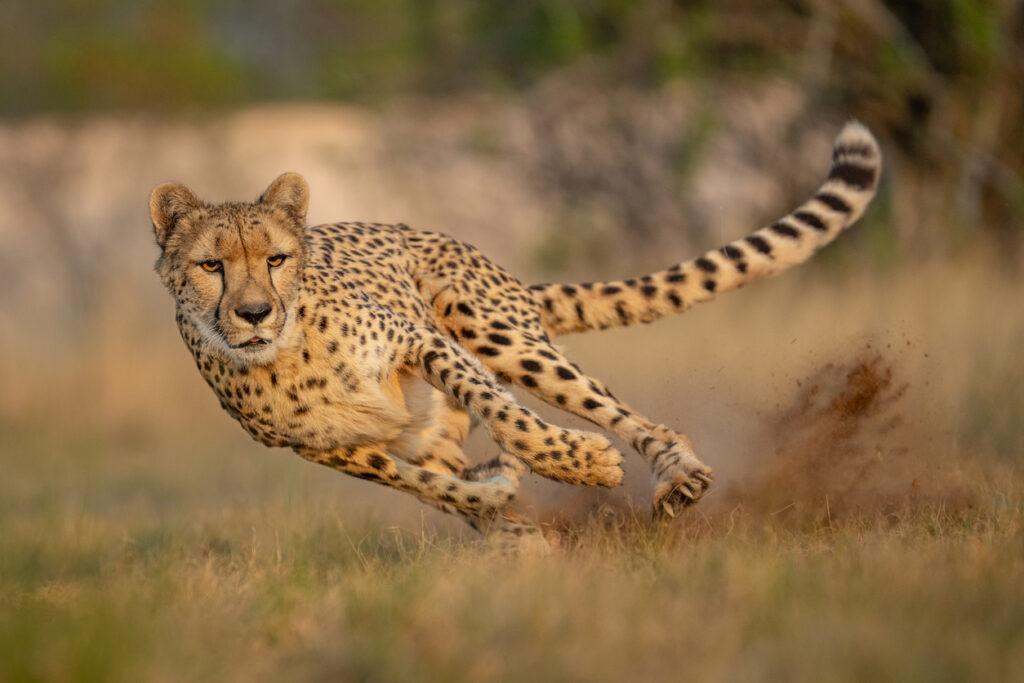
For a predator capable of sprinting at over 70 miles an hour and taking down antelope with ease, that’s pretty remarkable. You’d think anything with that kind of power would be dangerous, but cheetahs are surprisingly shy and gentle-natured, particularly compared to their big cat cousins.
Unlike tigers or jaguars, cheetahs don’t see people as prey or a threat worth confronting. They avoid conflict whenever they can, preferring open space and calm over dominance and territory battles. Their entire survival strategy is built around speed, not strength, which means aggression just isn’t part of their nature. Here’s why cheetahs are the only big cat that’s never killed a person, and what makes them so different from the rest of the big cat family.
They’re built for speed, not fighting.
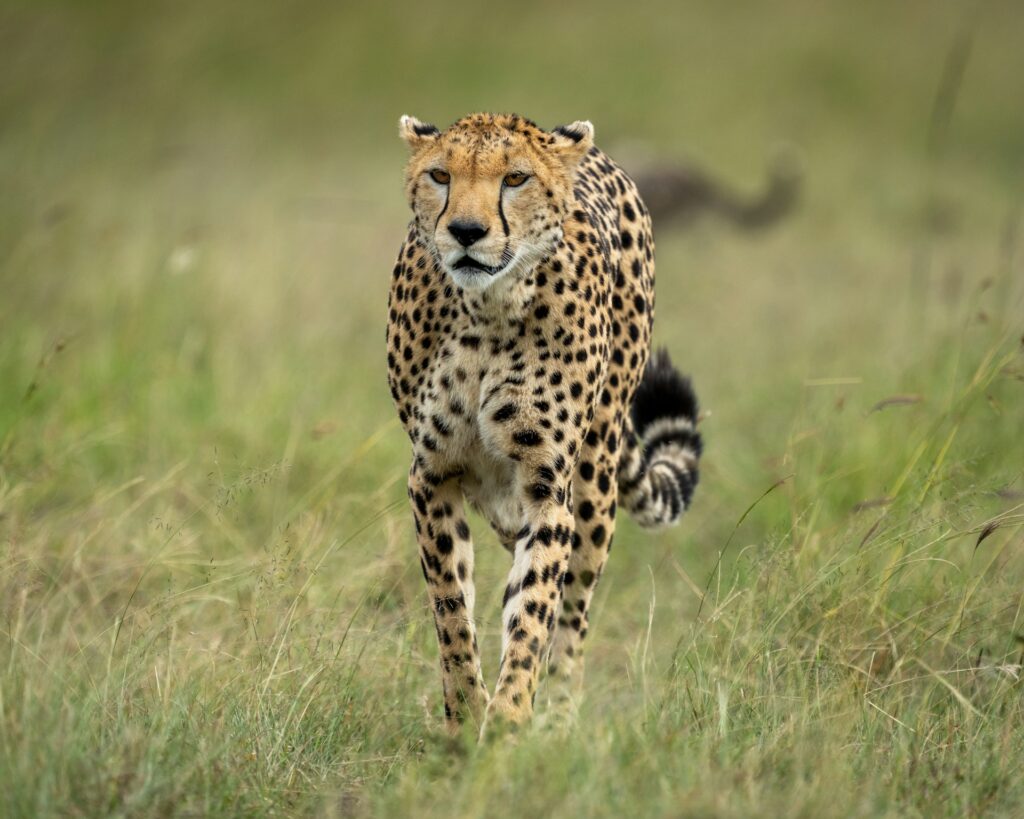
Everything about a cheetah’s body is designed to run fast, which means they sacrificed strength and power. Their lightweight build and slender frame make them incredible sprinters but terrible fighters. Unlike lions or leopards with massive muscles and bone crushing jaws, cheetahs are fragile by big cat standards. Attacking anything that fights back is a genuinely bad idea for them.
Their claws don’t retract like other cats.
Cheetahs have claws more like a dog’s, giving them traction for running but making them useless as weapons. Other big cats have retractable claws they keep sharp for slicing through prey. Without proper claws for gripping and tearing, they lack one of the main weapons other big cats use to kill. This makes them far less dangerous in close combat than their size suggests.
They’re incredibly timid and avoid confrontation.
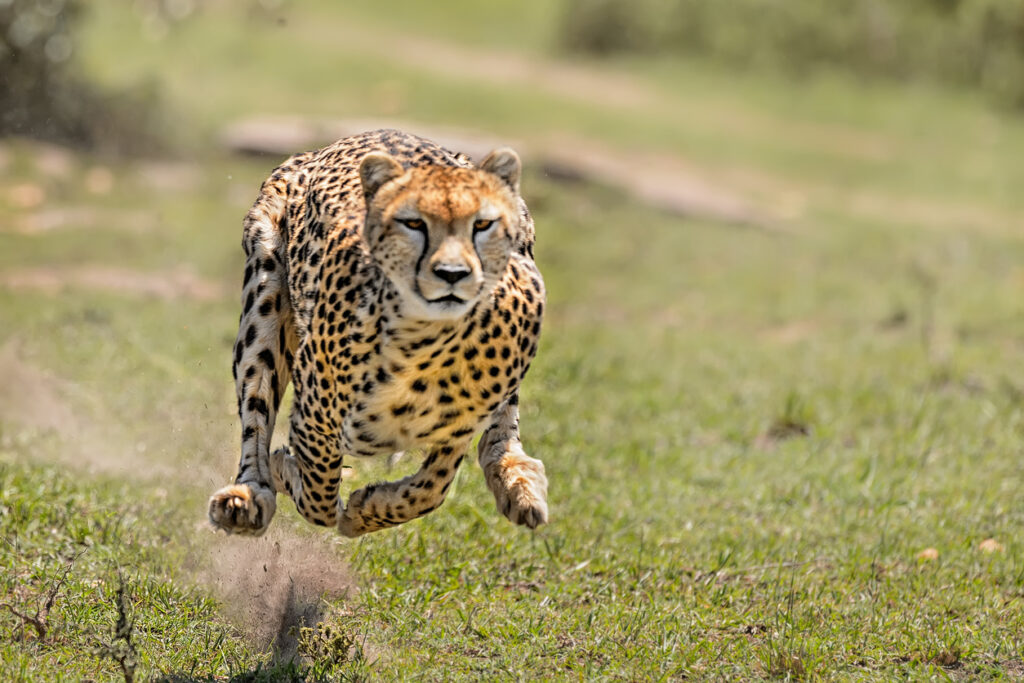
Cheetahs are nervous animals that flee from basically anything threatening. They’ll abandon their own kill if a hyena shows up, let alone if a human approaches. This flight response is hardwired because they’re vulnerable to injury. A broken leg means starvation for an animal that depends entirely on speed to catch food.
Their bite is surprisingly weak.
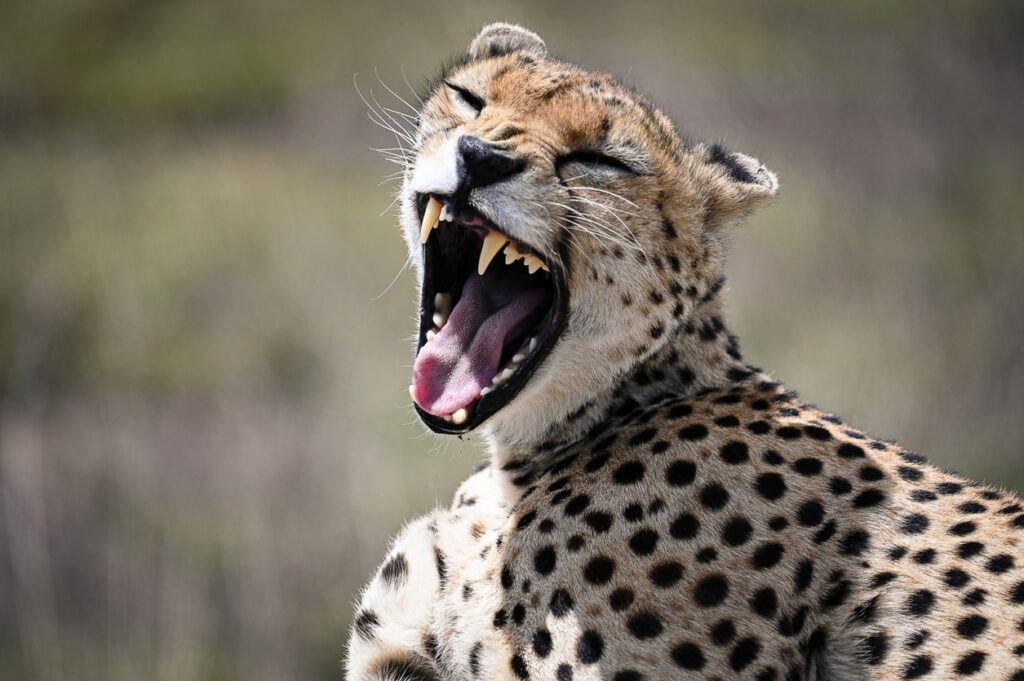
Cheetahs have small jaws and relatively weak bite force compared to other big cats. They kill prey by suffocating them with a throat bite, which takes ages and leaves them vulnerable. A lion can crush bones with its bite. A cheetah’s bite is designed for gripping rather than crushing, making them far less deadly in an encounter with something their own size.
They’re exhausted after hunting.
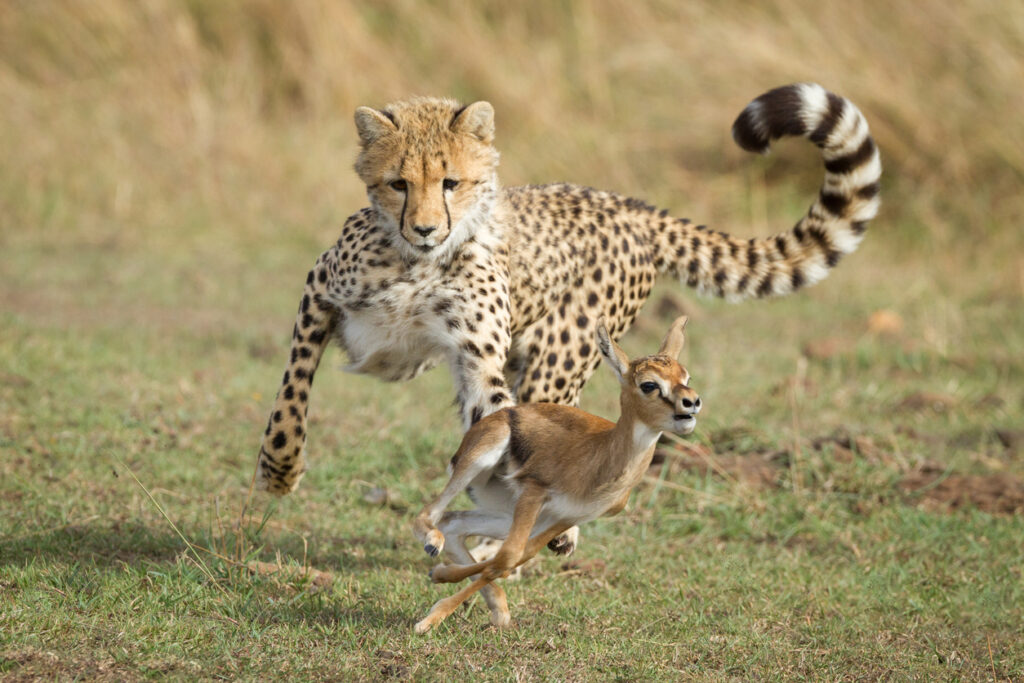
A cheetah sprint uses so much energy that they’re completely knackered afterwards and need to rest before they can even eat. They’re gasping for breath and physically unable to do anything else. This recovery period is when they’re most vulnerable. The last thing an exhausted cheetah wants is another fight, they’re just trying not to pass out from the effort of catching dinner.
Humans aren’t on their prey list.
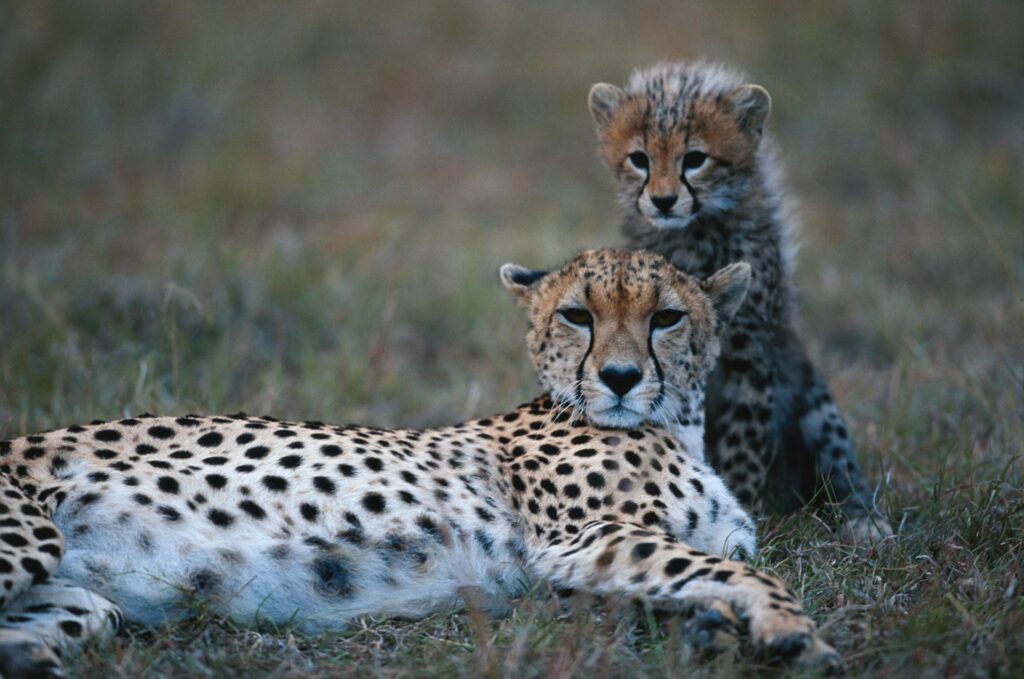
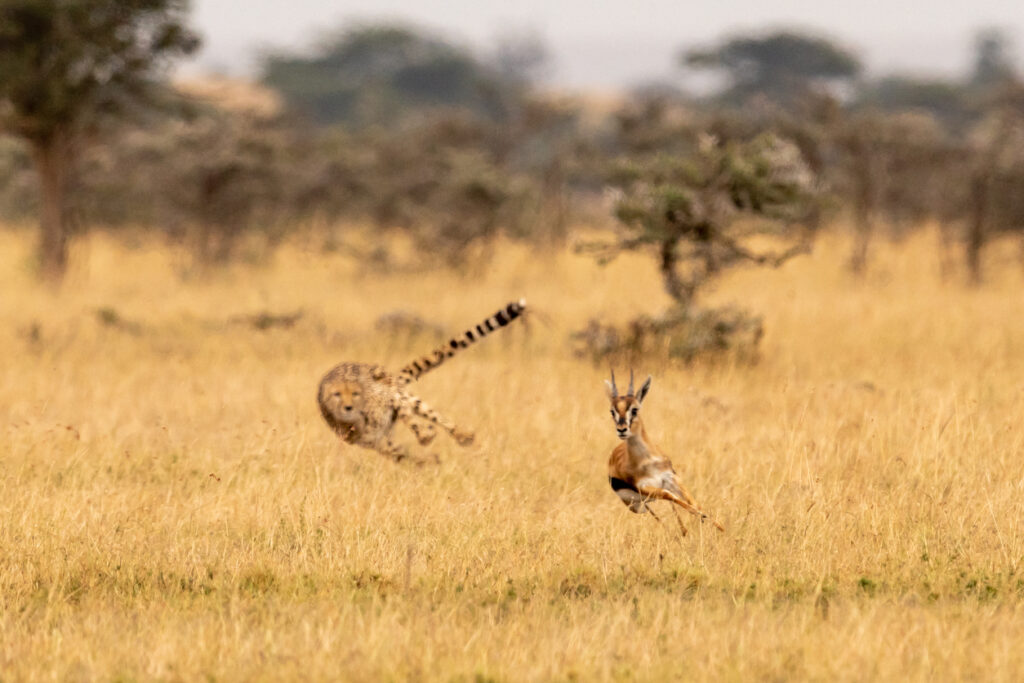
Cheetahs hunt small to medium antelope, nothing remotely human sized. Their entire hunting strategy is built around chasing things smaller and weaker than themselves that won’t fight back. Attacking a human would be completely outside their natural behaviour. They’ve got no evolutionary history of seeing people as food, unlike leopards or lions that occasionally do.
They’re easily scared off by size.

Cheetahs are smaller than you’d think, with males weighing around 50 kg. An average human is bigger than them, which immediately puts us in the “too large to bother with” category. Standing upright makes humans look even bigger and more threatening. A cheetah’s instinct when seeing something tall and bipedal is to get away, not attack.
They hunt during the day, unlike other big cats.

Cheetahs are diurnal hunters, active when humans are most awake and alert. This means encounters happen when people can see them coming, rather than being ambushed at night. Most big cat attacks happen at dawn, dusk, or night when cats have the advantage. Cheetahs hunting in broad daylight means both species can avoid each other easily.
Cubs are killed by other predators constantly.

Cheetah cubs have a 90% mortality rate, mostly killed by lions, hyenas, and leopards. Adult cheetahs are so aware of being at the bottom of the predator hierarchy that they’re constantly on edge. This experience of being prey themselves makes them incredibly cautious. They know what it’s like to be hunted, which makes them even less likely to take risks.
They’ve been tamed for thousands of years.

Ancient Egyptians and Indian royalty kept cheetahs as hunting companions. They’re the only big cat that’s been successfully tamed repeatedly throughout history without breeding for domestication. Their temperament is naturally less aggressive than other big cats. Cheetahs in captivity are known for being relatively relaxed around humans, nothing like trying to keep a tiger or lion.
They communicate through chirps, not roars.

Cheetahs can’t roar like other big cats, they chirp and meow like oversized house cats. This is because their throat structure is different, built for breathing during sprints rather than intimidating vocalisations. Not being able to roar means they lack one of the main intimidation tools other big cats use. They sound far less threatening than they look, which matches their actual temperament.
Modern encounters are always the cheetah running away.

Every documented interaction between wild cheetahs and humans ends with the cheetah leaving. There are videos of people walking right up to wild cheetahs and the cat just moves off. Safari guides in Africa report cheetahs as the least concerning big cat to encounter. They’re more likely to curl up and pretend you’re not there than show any aggression whatsoever.