Long before T. rex was stomping around terrorising everything, Earth was ruled by some seriously weird creatures that most people have never heard of.

Each of these creatures was fearsome in its own way, but because relatively little is known about them (or very few traces of their existence have been left behind), they don’t get the respect they deserve. However, they’re all incredibly impressive and actually pretty cool.
1. Giant amphibians owned the swamps.
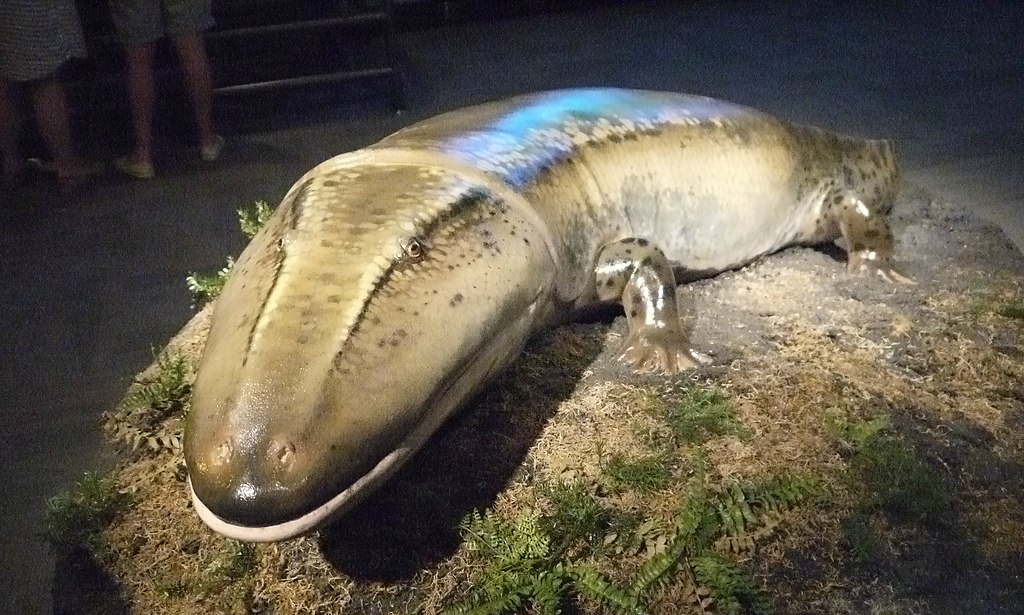
Before dinosaurs existed, massive amphibians the size of crocodiles were the top predators, living in swampy environments and munching on fish, smaller amphibians, and early reptiles. These weren’t your garden-variety frogs, but proper monsters with huge heads and teeth designed for grabbing prey.
Some of these amphibian giants could grow up to 15 feet long and had skulls bigger than a dining table. They ruled the waterways and wetlands for millions of years, basically being the crocodiles of their time before actual crocodiles showed up to take over the job.
2. Sail-backed reptiles dominated the land.
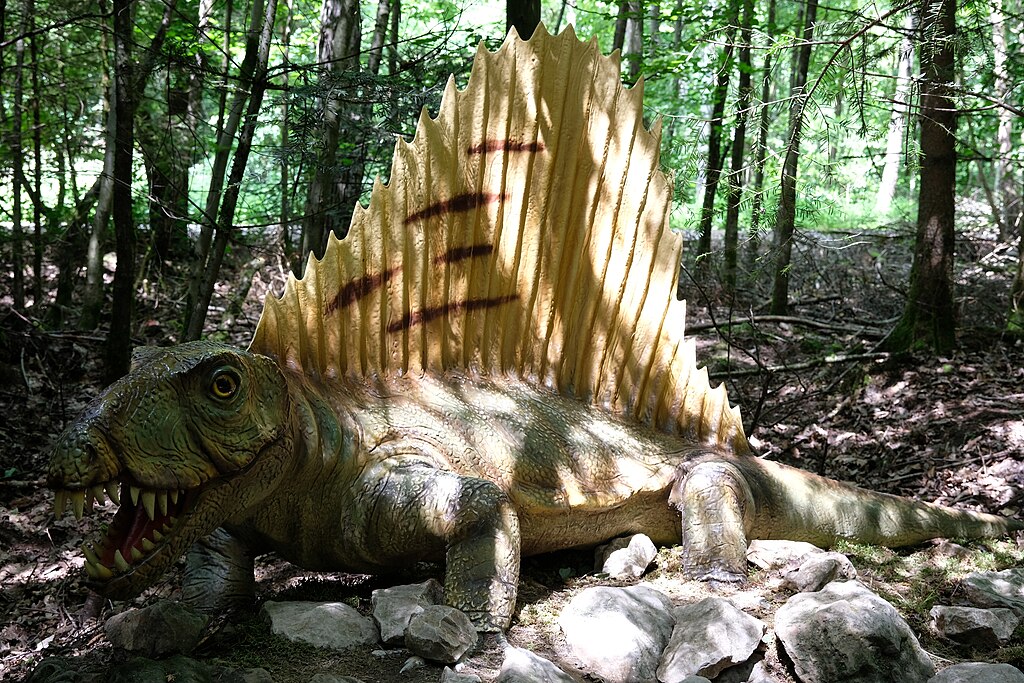
Dimetrodon, with its massive sail-like fin on its back, was one of the most successful predators long before dinosaurs appeared on the scene. Despite looking somewhat dinosaur-like, it was actually more closely related to mammals and ruled the land for about 40 million years.
These sail-backed predators were the apex hunters of their time, using their impressive fins to regulate body temperature and possibly intimidate rivals or attract mates. They had powerful jaws and sharp teeth that made them formidable hunters in the ancient landscapes they called home.
3. Sea scorpions terrorised the oceans.
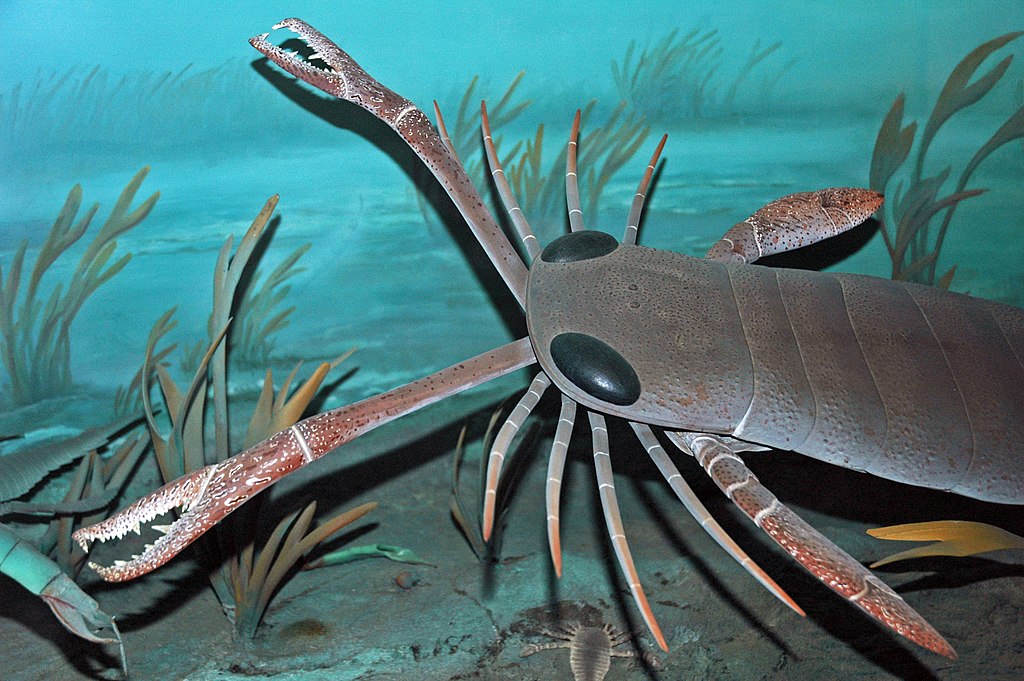
Massive sea scorpions called eurypterids were the ocean’s top predators, with some species growing over 8 feet long and sporting claws that could crush almost anything they encountered. These weren’t actually scorpions, but ancient arthropods that looked like something from a nightmare.
These marine monsters had excellent vision, powerful swimming abilities, and grabbing claws that made them incredibly effective hunters. They dominated the seas for millions of years and were probably the largest arthropods that ever lived, making modern lobsters look tiny by comparison.
4. Therapsids were the mammal-like rulers.
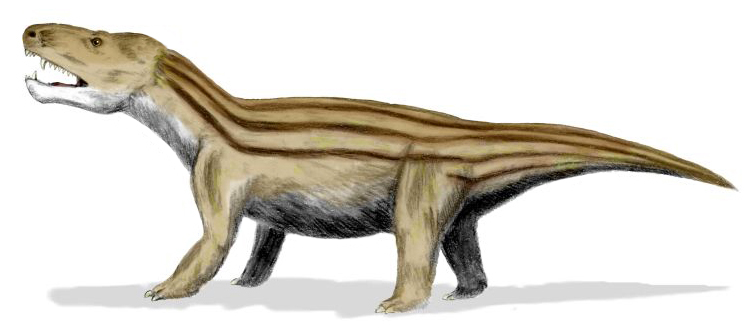
Before dinosaurs took over, a group called therapsids ruled much of the land, and these creatures were actually the ancestors of modern mammals. Some were herbivores the size of hippos, while others were fierce predators with sabre-tooth-like fangs.
Many therapsids had hair, were warm-blooded, and cared for their young in ways that would seem familiar today. They were incredibly successful and diverse, filling many of the ecological roles that mammals fill now, before most of them were wiped out by the same event that let dinosaurs take over.
5. Trilobites ruled the seafloor for ages.
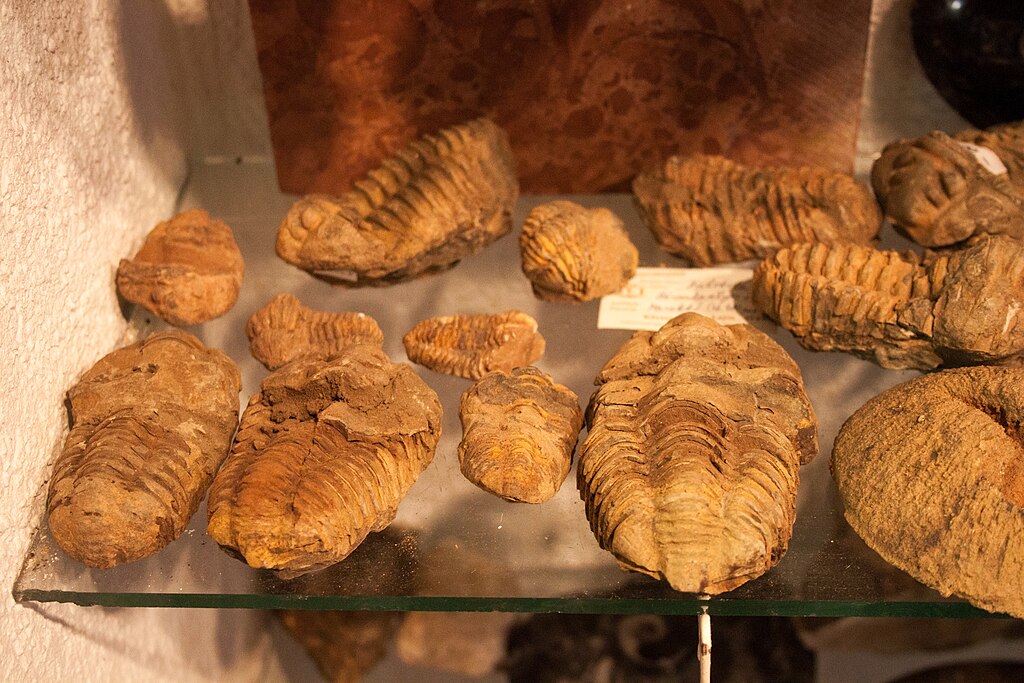
Trilobites were probably the most successful animals in Earth’s early history, dominating the ocean floors for almost 300 million years and surviving multiple mass extinctions before finally disappearing. These segmented creatures came in hundreds of different shapes and sizes.
Some trilobites were tiny filter feeders, others were massive predators, and some could even roll up into balls like modern pill bugs. They had compound eyes, sophisticated sensory systems, and were basically the cockroaches of the ancient seas, surviving almost everything until they finally met their match.
6. Giant insects buzzed through ancient forests.

When oxygen levels were much higher than today, insects could grow to massive sizes, including dragonflies with wingspans over 2 feet and millipedes longer than a person. These giant bugs ruled the skies and forest floors before vertebrates got big enough to challenge them.
The high oxygen content in the atmosphere allowed insects to grow much larger than they can today, creating a world where giant centipedes, enormous dragonflies, and massive cockroaches were the dominant creatures in many environments. It was basically a horror film brought to life.
7. Archosaurs were the dinosaur ancestors.
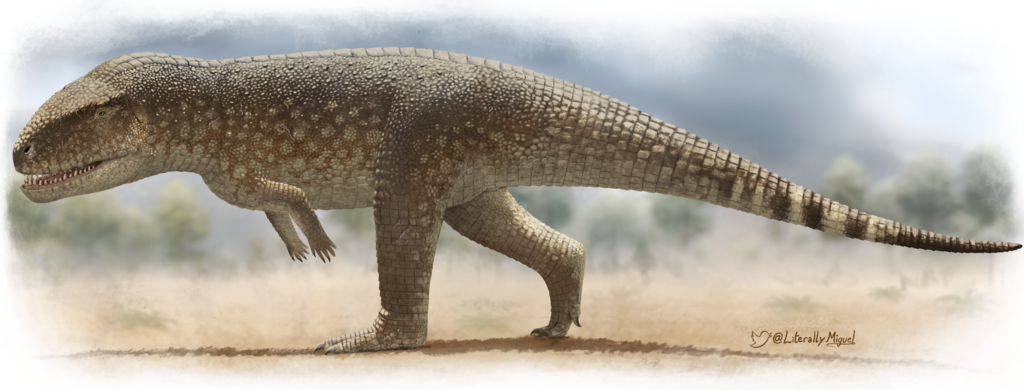
The immediate predecessors to dinosaurs were archosaurs, a group that included the ancestors of both dinosaurs and crocodiles, and they were already pretty impressive predators and herbivores. These creatures experimented with walking upright and developed many features that would later make dinosaurs successful.
Some archosaurs were heavily armoured tank-like creatures, others were swift predators, and some even tried out early versions of flight. They were basically testing out all the body plans that would later be perfected by dinosaurs, making them the stepping stone between earlier reptiles and the age of dinosaurs.
8. Early crocodilians were more diverse than today.
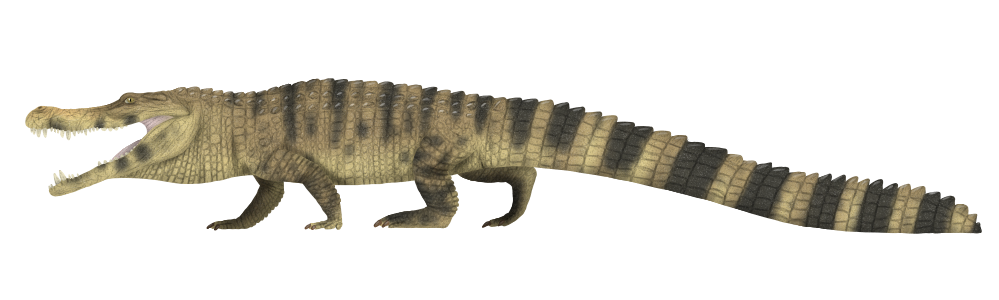
Ancient crocodilian relatives came in far more shapes and sizes than modern crocs, including fully terrestrial species that ran on long legs and others that lived entirely in the ocean. Some were tiny, others were massive, and they filled ecological niches that modern crocodiles would never attempt.
There were crocodilian relatives that galloped like horses, others that looked more like dogs, and some that were fully aquatic with flippers instead of legs. The group was much more experimental and diverse before settling into the semiaquatic lifestyle that modern crocodiles prefer.
9. Early reptiles experimented with everything.
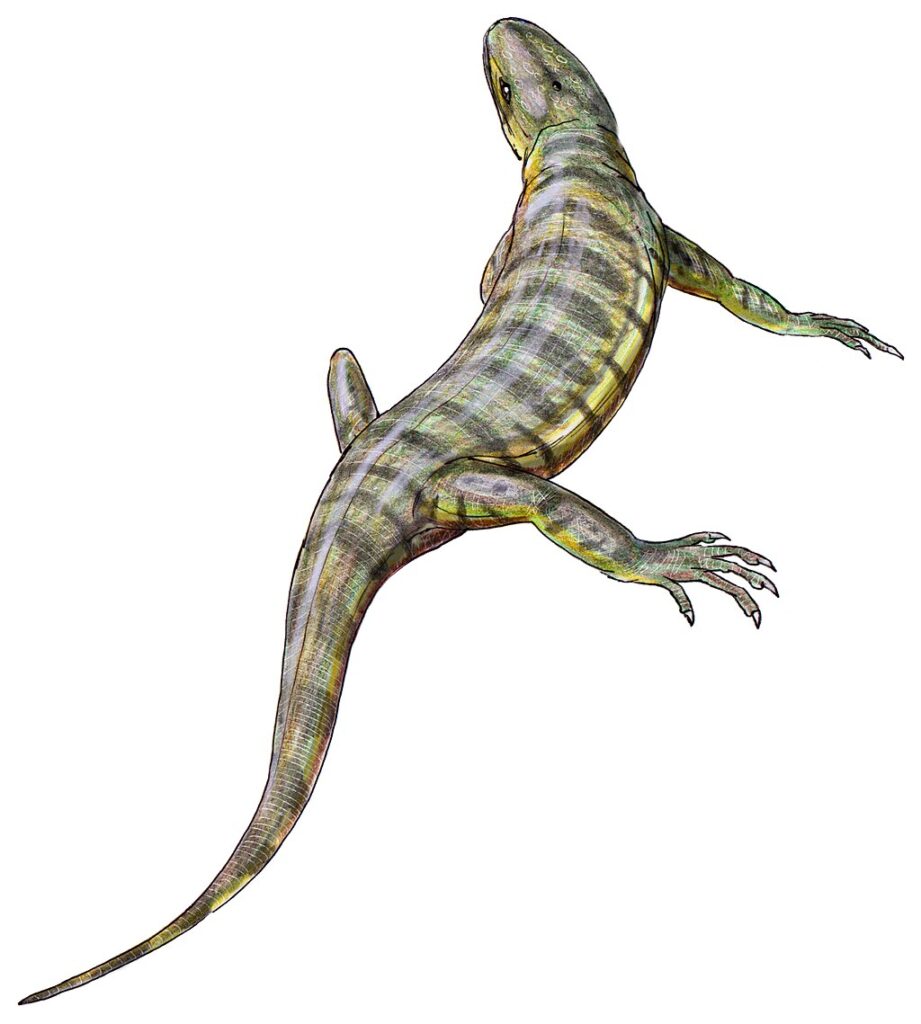
The first reptiles to evolve from amphibians tried out every possible body plan and lifestyle, from tiny insect-eaters to massive herbivores, and from fully aquatic species to gliding forms that could move between trees. They were basically nature’s way of testing what worked.
These early reptiles developed the ability to lay eggs on land, which freed them from needing water for reproduction and allowed them to colonise environments that amphibians couldn’t reach. This evolutionary innovation was key to their success and eventual dominance over their amphibian ancestors.
10. Mass extinctions shuffled the deck.
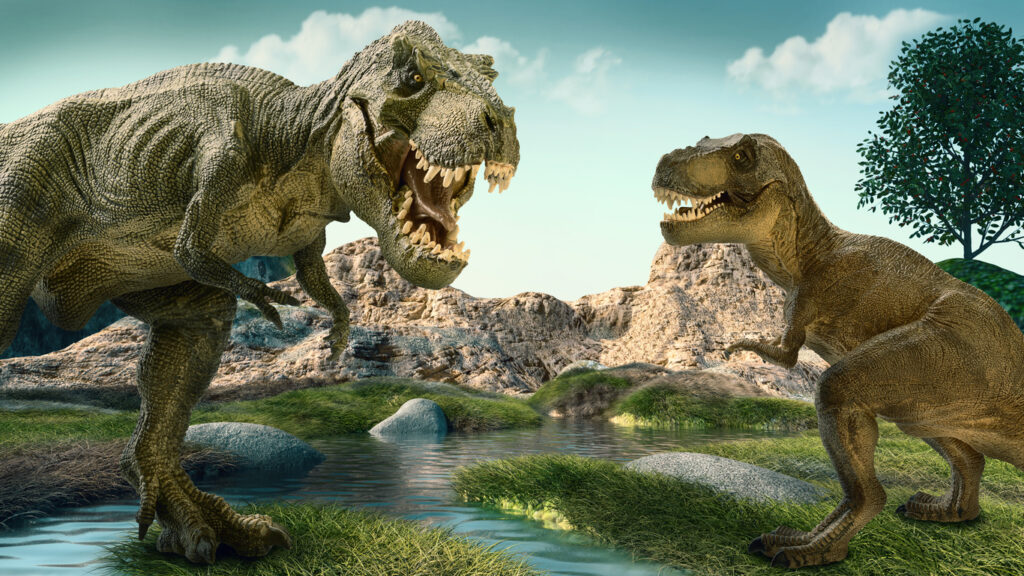
The reason dinosaurs got their chance to rule was because massive extinction events wiped out most of the dominant groups that came before them, creating empty ecological niches that dinosaurs could expand into. Without these extinctions, dinosaurs might never have become the rulers we know them as.
Each major extinction event essentially reset the biological world and gave new groups the opportunity to evolve and diversify. Dinosaurs were just one of many groups waiting in the wings, but they happened to be in the right place at the right time when their predecessors disappeared.