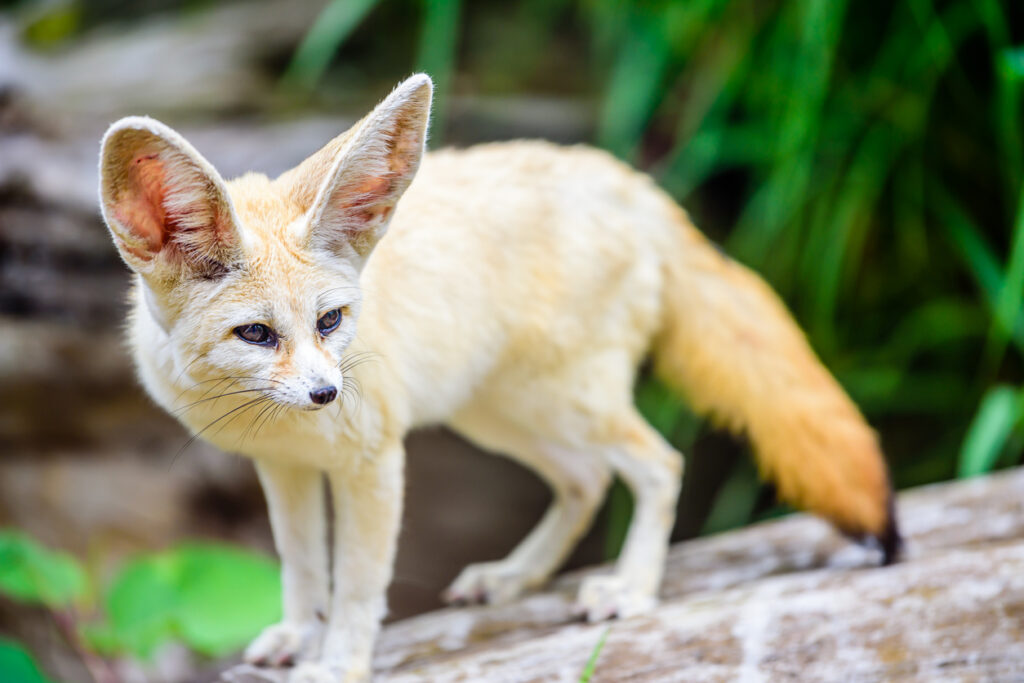
Fennec foxes look like someone designed the cutest animal possible and then gave it ears far too big for its head.

They’re tiny, fluffy, and utterly ridiculous looking, which is probably why they’ve become internet famous and why some people want them as exotic pets. However, these desert-dwelling foxes are fascinating beyond just being adorable. They’ve evolved incredible adaptations to survive in one of the harshest environments on Earth. Here’s everything you need to know about fennec foxes and what makes them so special.
Those enormous ears aren’t just for show.
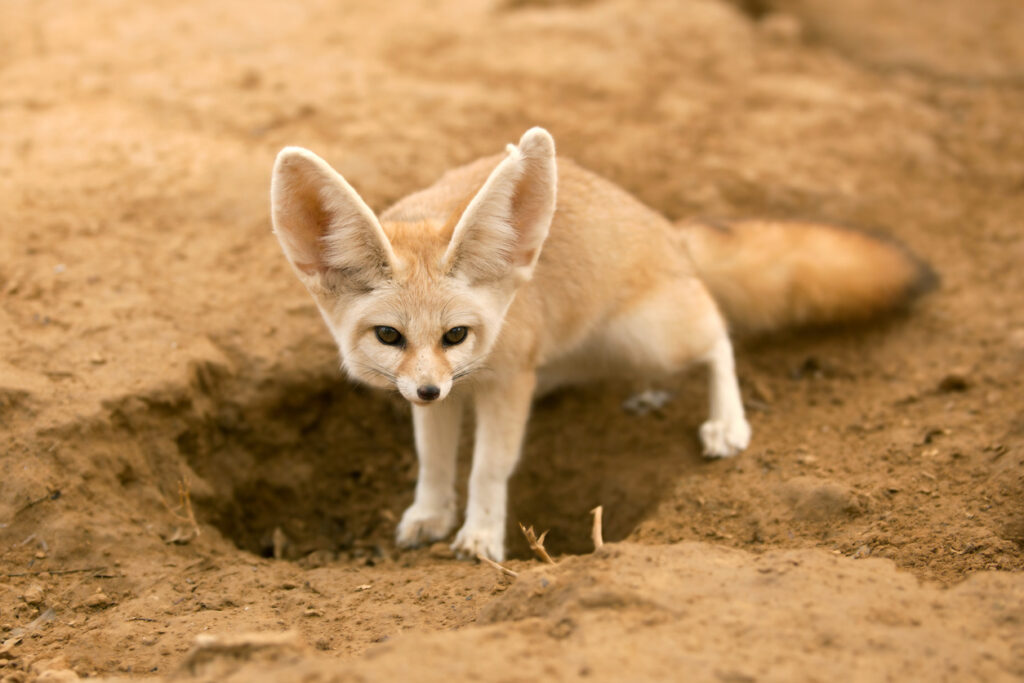
Fennec fox ears can be up to six inches long, which is massive relative to their body size. They’re the largest ears of any fox species. These ears aren’t about looking cute, they’re essential survival equipment. The huge surface area helps dissipate heat in the scorching Sahara Desert where temperatures regularly hit 40 °C.
The ears also give them incredible hearing. Fennec foxes can hear prey moving underground, like insects and rodents beneath the sand. Those ridiculous ears are actually sophisticated heat regulators and hunting tools all in one.
They’re the smallest fox species in the world.
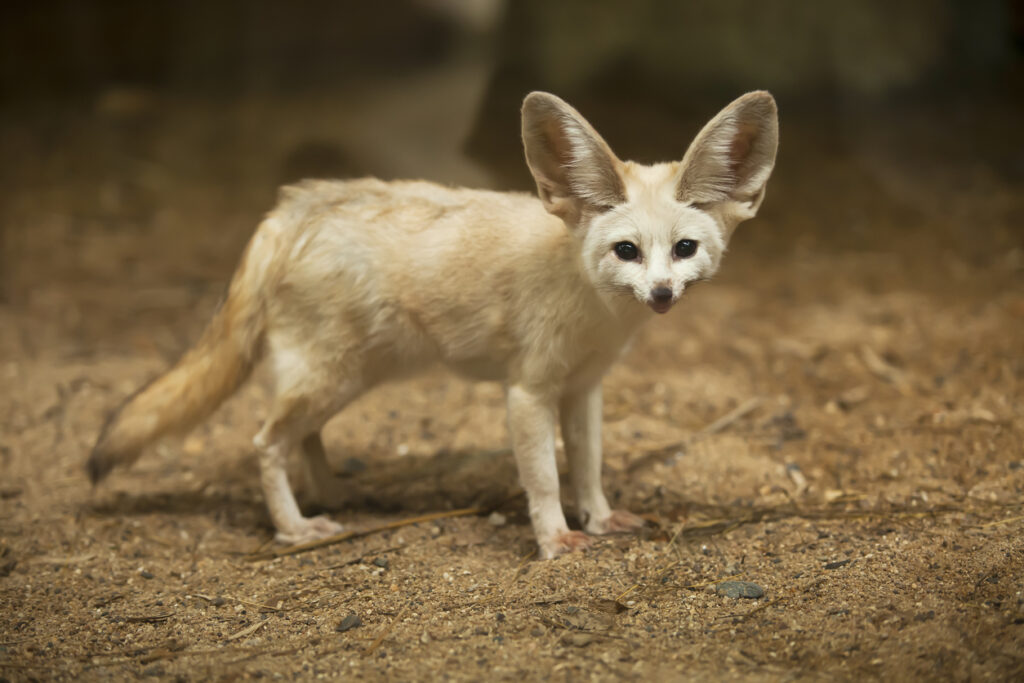
Fennec foxes are tiny. They weigh only about 1 to 1.5 kilograms, roughly the same as a small cat. From nose to tail, they’re only about 40 centimetres long, with the tail making up a good chunk of that length. You could hold an adult fennec fox in your arms like a small dog.
Their small size is another desert adaptation. Smaller bodies need less food and water, both of which are scarce in their habitat. Being tiny also helps them fit into burrows and stay cool underground during the hottest parts of the day.
They live in the Sahara Desert and North Africa.

Fennec foxes are native to the Sahara Desert and other arid regions of North Africa, including countries like Morocco, Egypt, and Tunisia. They’re built specifically for extreme desert conditions, where most animals would struggle to survive. Sand, heat, and scarce resources are what they’re designed for.
They’re nocturnal because daytime temperatures in the Sahara are deadly. They spend the hot hours underground in their burrows and come out at night when temperatures drop. Their entire lifestyle revolves around avoiding the heat whilst finding food and water.
They dig extensive burrow systems.
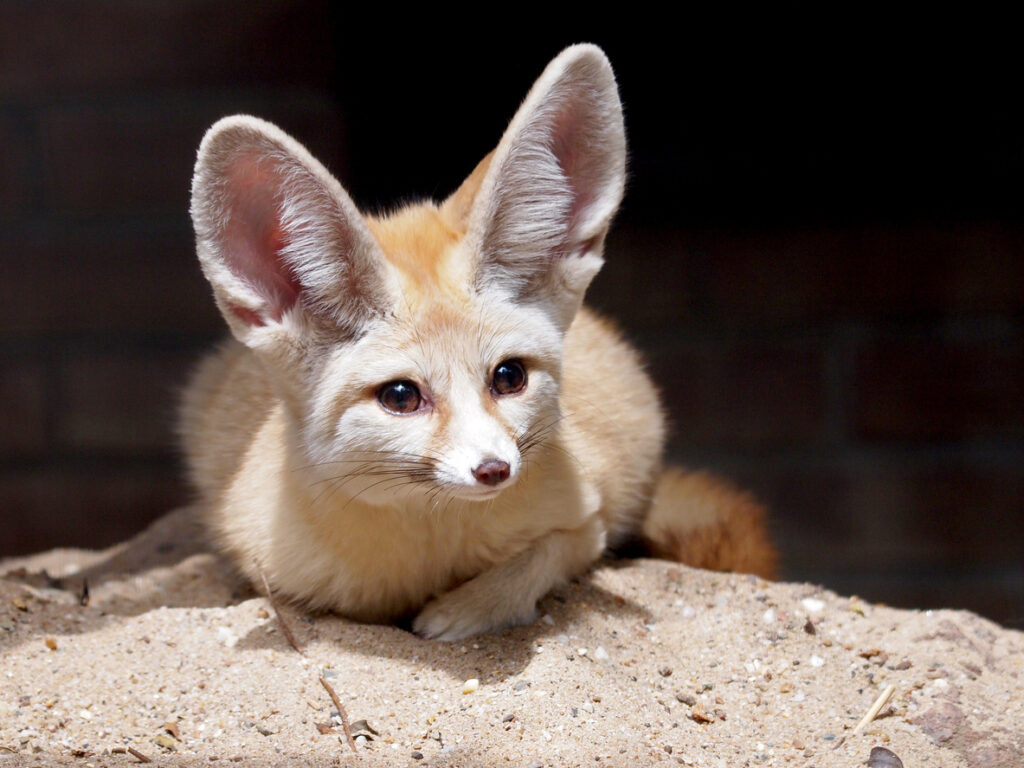
Fennec foxes are serious diggers. They create complex burrow systems in the sand with multiple entrances and chambers. These burrows can be up to 10 metres long and provide crucial protection from heat and predators. A family group will often share a burrow system.
Their feet are covered in fur, even on the pads, which protects them from hot sand and gives them traction for digging. They can excavate sand incredibly quickly with their front paws. The burrows maintain a much cooler temperature than the surface, making them essential for survival.
They can survive without drinking water.
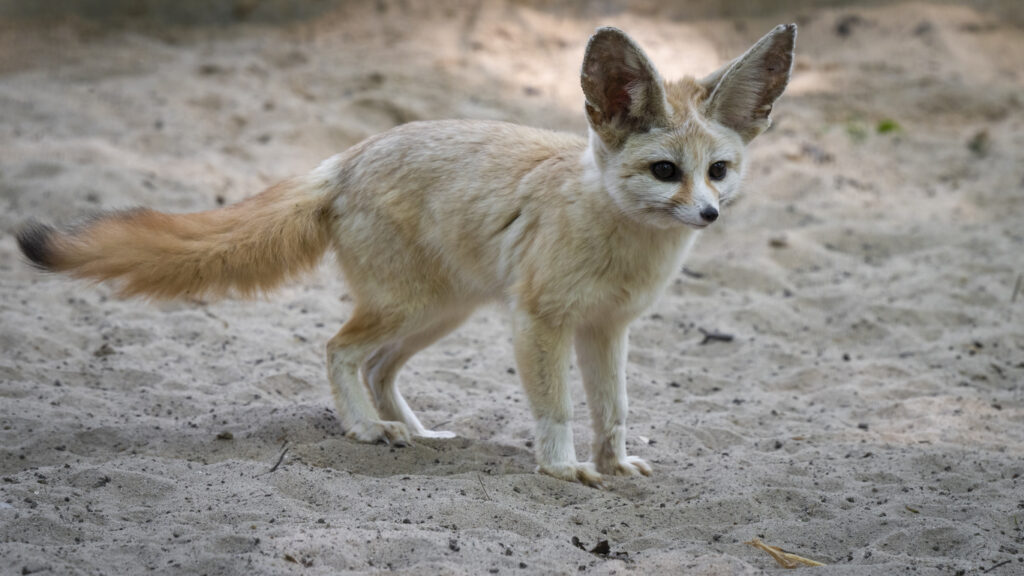
Like many desert animals, fennec foxes can go long periods without drinking water. They get most of their moisture from their food, which includes insects, small rodents, birds, eggs, and plants. Their kidneys are extremely efficient at conserving water.
That adaptation is crucial in an environment where water sources are rare and unreliable. They’ve evolved to extract every possible bit of moisture from what they eat. When water is available they’ll drink it, but they don’t depend on it like most animals do.
They’re social and live in family groups.
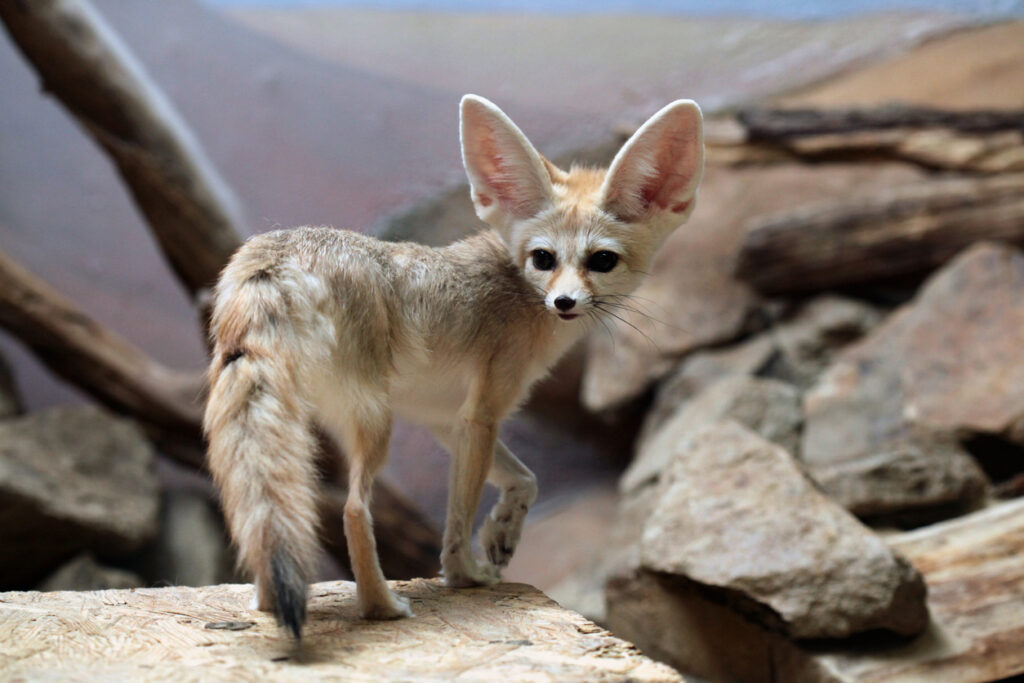
Unlike many fox species that are solitary, fennec foxes are quite social. They live in family groups of up to 10 individuals, usually a breeding pair and their offspring from different years. They’re playful and affectionate with each other, grooming and sleeping together.
This social behaviour helps them survive. Multiple foxes can work together to dig burrows, watch for predators, and care for young. The family structure provides protection and improves survival rates for pups in a harsh environment.
They make weird vocalisations.
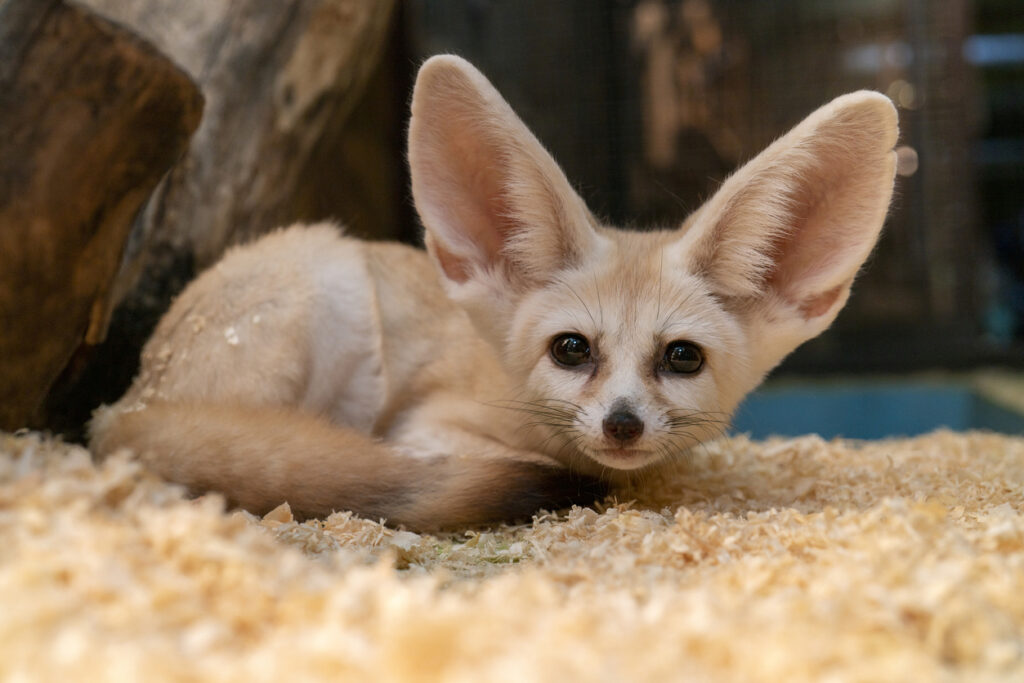
Fennec foxes are surprisingly noisy for such small animals. They make a range of sounds including barks, purrs, growls, and a distinctive high-pitched scream or wail. They use these vocalisations to communicate with their family group and mark territory.
The screaming sound is particularly startling if you’re not expecting it. It’s one of the reasons they don’t make good pets, despite their cute appearance. A fennec fox screaming at 3 a.m. in your house isn’t as charming as you might imagine.
Their thick fur keeps them cool, not warm.
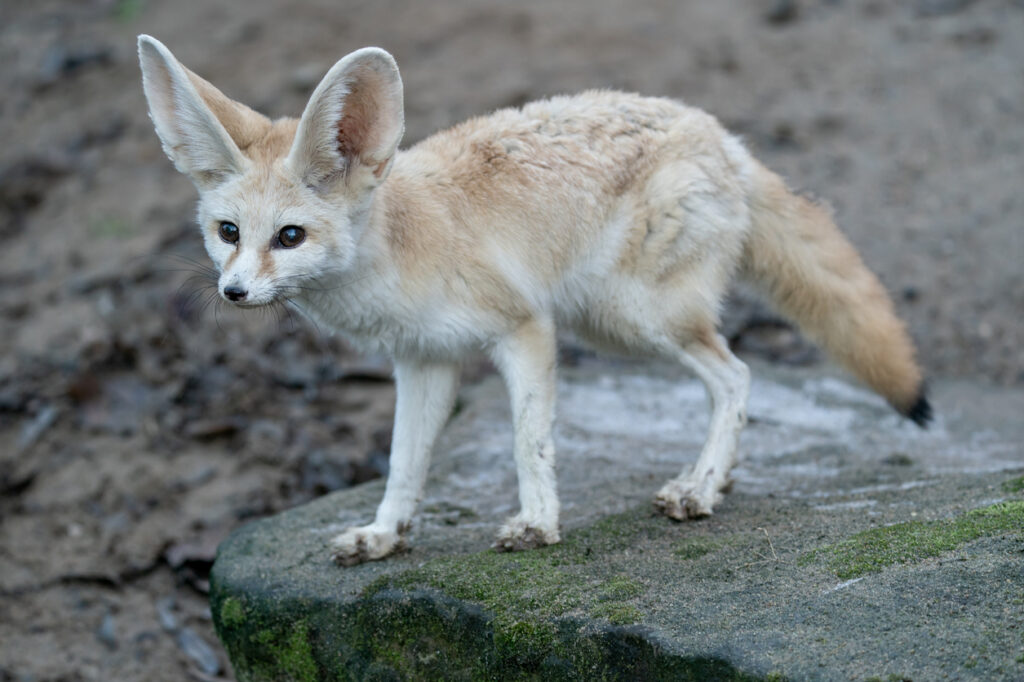
It seems counterintuitive, but fennec foxes have thick, dense fur despite living in the desert. The fur actually insulates them from heat during the day and keeps them warm during cold desert nights. Desert temperatures can drop dramatically after sunset.
The fur is cream coloured, which reflects sunlight rather than absorbing it. The thick coat on their body combined with the furry feet creates a complete insulation system that works for both extreme heat and cold. It’s a brilliant evolutionary solution to desert temperature swings.
They’re omnivores with varied diets.
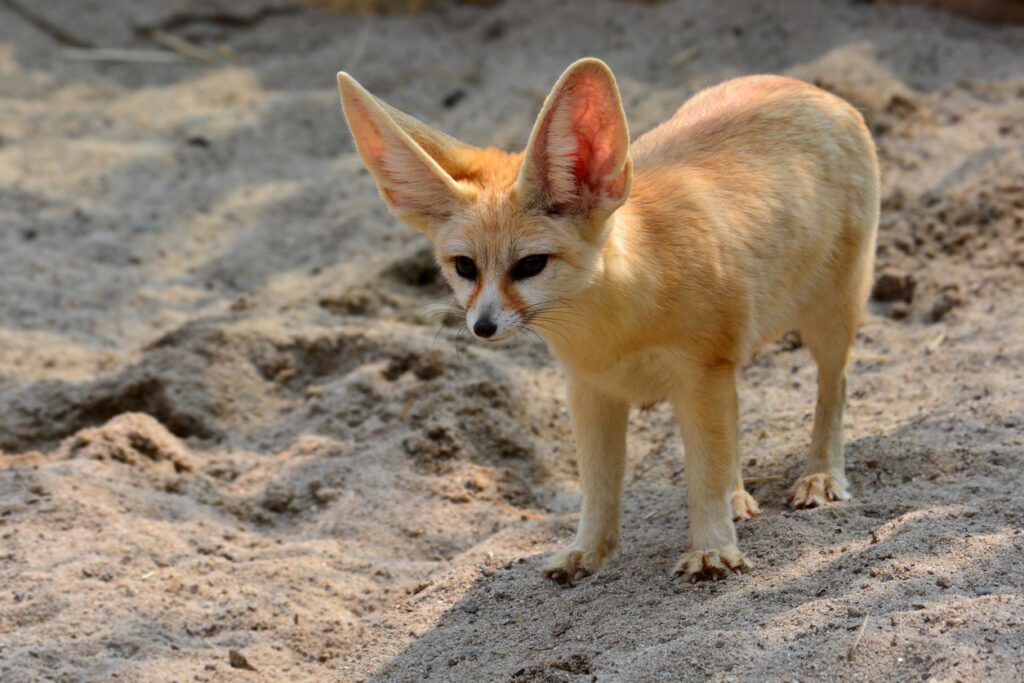
Fennec foxes aren’t picky eaters. They’ll eat insects, small mammals, birds, eggs, and various desert plants and roots. This flexibility is important in an environment where food is unpredictable. They hunt primarily at night using their excellent hearing to locate prey.
They’re opportunistic feeders who’ll take whatever’s available. If they find a concentration of food like a termite mound or a bird’s nest, they’ll exploit it. This adaptability in diet is part of why they survive in such a challenging environment.
They’re threatened by the exotic pet trade.
Fennec foxes are increasingly popular as exotic pets, which has created a market for wild-caught animals. Whilst they’re not currently endangered, the pet trade puts pressure on wild populations. They’re also hunted for their fur in some regions.
As cute as they are, fennec foxes don’t make good pets. They’re wild animals with specific needs, they’re nocturnal and noisy, they need to dig, and they can be destructive in houses. Many people buy them without understanding what they’re getting into, which leads to animals being abandoned or living in inadequate conditions.
In the wild, fennec foxes are perfectly adapted desert specialists doing exactly what millions of years of evolution designed them to do. Those giant ears, furry feet, and burrowing habits aren’t quirks, they’re sophisticated survival tools. They’re proof that sometimes the animals that look the most ridiculous are actually the most brilliantly adapted to their environment. If you think they’re cute, appreciate them in documentaries and photos rather than trying to keep one in your living room where it definitely doesn’t belong.