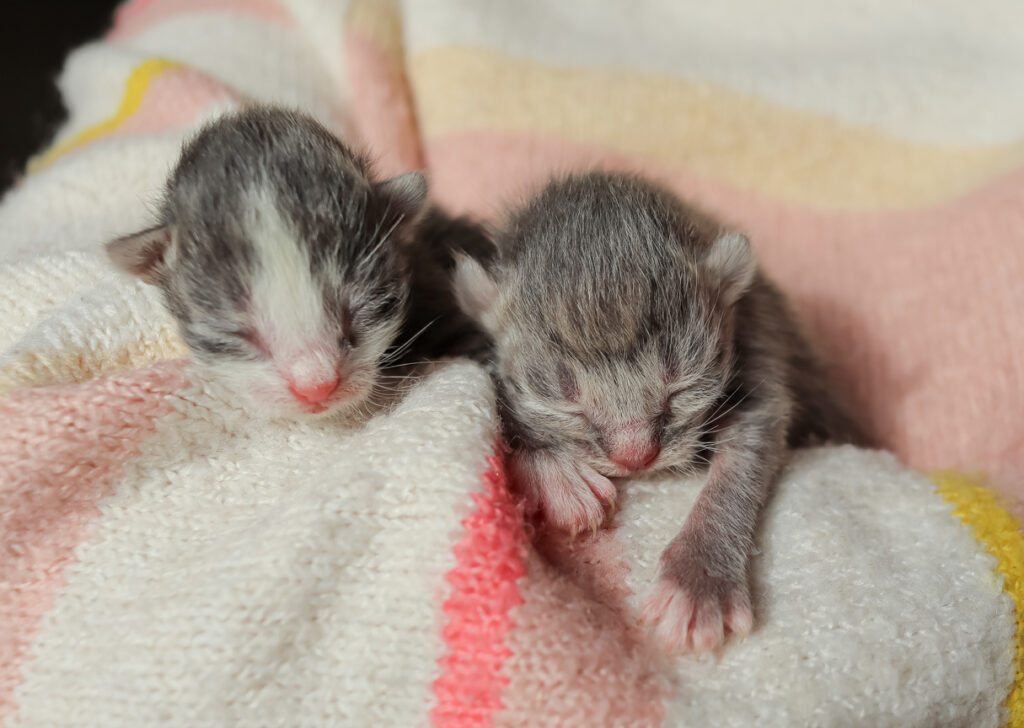
Fading kitten syndrome is a heartbreaking condition that affects very young kittens, often within the first few weeks of life. It’s not always easy to spot early on, but given that 15 to 30% of kittens go on to develop it, knowing the basics is vital, and it helps you understand what to look out for.
What fading kitten syndrome means
This condition isn’t one single illness, but a group of problems that stop a kitten from thriving. Affected kittens often look weaker and smaller than their littermates, struggling to gain weight or keep up with normal growth.
It helps to remember it’s a sign something isn’t right rather than one simple cause. Understanding that makes it clearer why quick action is important, since kittens this young don’t have strong reserves to fall back on.
The age it usually appears
Fading kitten syndrome most often happens in the first few weeks after birth. At this stage, kittens are fragile, with developing immune systems and little ability to regulate their own bodies. Any setback can have serious effects quickly.
Knowing the risk period helps you pay closer attention early on. If you’re fostering or have a litter at home, these first weeks are when small changes matter most. Spotting them early gives kittens the best chance.
The warning signs to watch for
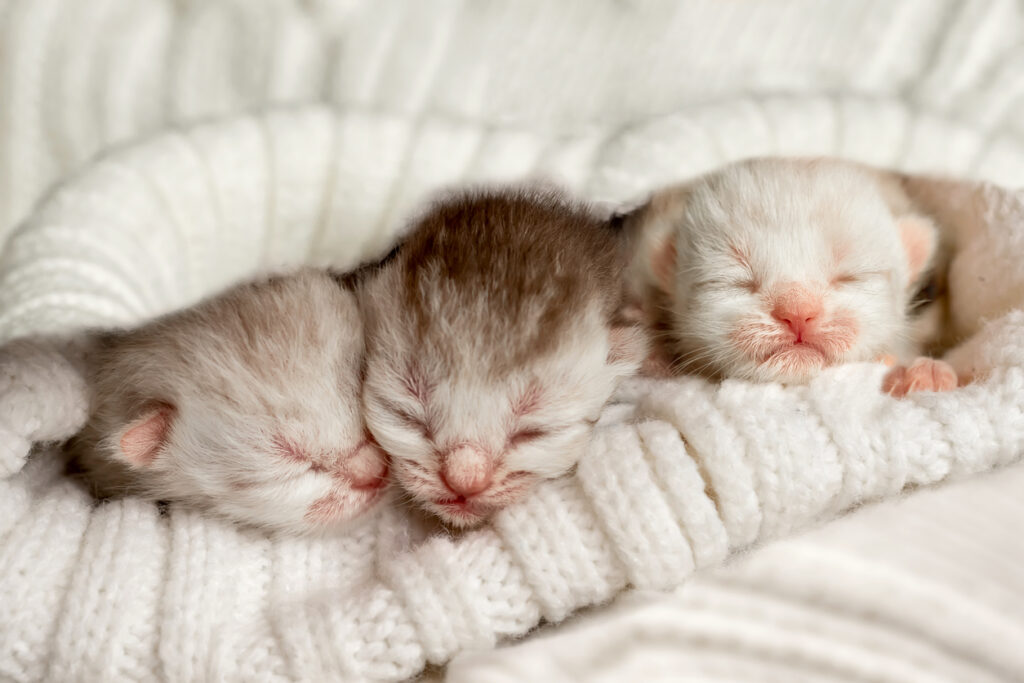
Common signs include constant crying, refusal to feed, low body temperature, or extreme weakness. Some kittens may separate themselves from the group, lying still while others feed and move around. These early clues shouldn’t be ignored.
If you notice even one of these signs, it’s worth acting quickly. Kittens can decline in hours, not days, so waiting to see if things improve is risky. Early intervention can sometimes make all the difference.
How feeding plays a role
Newborn kittens need regular feeding to keep their energy stable. If they can’t latch, or if the mother isn’t producing enough milk, they fall behind fast. Malnourishment is one of the most common triggers for fading kitten syndrome.
Checking weight daily helps you notice if feeding is working properly. Bottle feeding or supplementing may be necessary in some cases. Keeping an eye on feeding habits makes it easier to step in before decline sets in.
The link with body temperature
Very young kittens can’t regulate their body heat properly. If they get too cold, they lose energy and can’t digest milk, which quickly becomes life-threatening. Low body temperature is a major sign of fading kitten syndrome.
Providing a warm, stable environment reduces that risk. Heat pads or warm blankets can help, as long as they’re safe and not too hot. Keeping kittens at the right temperature supports their overall strength and chances of survival.
Possible underlying causes
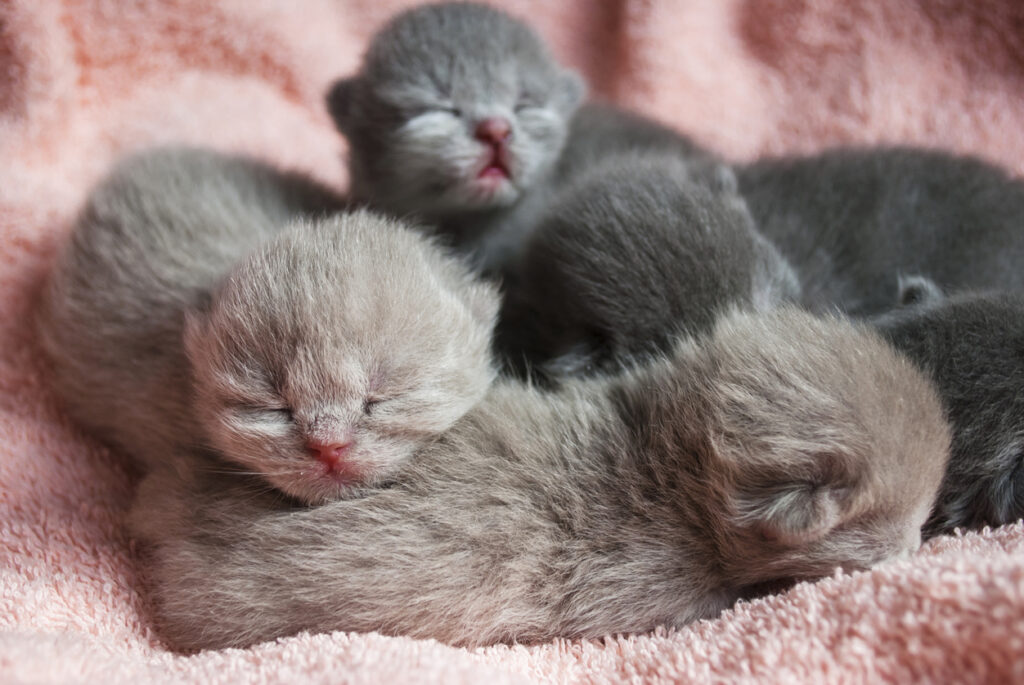
There isn’t always one clear reason a kitten develops fading kitten syndrome. It can be due to infection, congenital issues, poor maternal care, or parasites. Sometimes it’s a mix, which makes diagnosis difficult without professional help.
Understanding this helps you see why quick vet care matters. Pinpointing the cause can guide treatment or at least rule out options. Acting early may prevent further decline, even if the exact reason isn’t obvious right away.
Why veterinary care is crucial
Because fading kitten syndrome progresses quickly, home care alone often isn’t enough. Kittens may need fluids, antibiotics, or specialist feeding support that only a vet can provide. Delaying care reduces the chances of turning things around.
Getting professional help as soon as signs appear gives the best chance of survival. Even if the outcome is uncertain, veterinary support offers options that aren’t possible at home. Quick action can be life-saving in many cases.
What you can do at home
While veterinary care is vital, there are small steps you can take. Keeping kittens warm, ensuring regular feeding, and weighing them daily all make a difference. These measures don’t replace treatment, but they do support recovery.
You’ll feel more prepared if you think of it as providing a safety net. Consistent care at home helps stabilise kittens between vet visits and gives you clearer insight into whether they’re improving or declining.
The emotional side of it
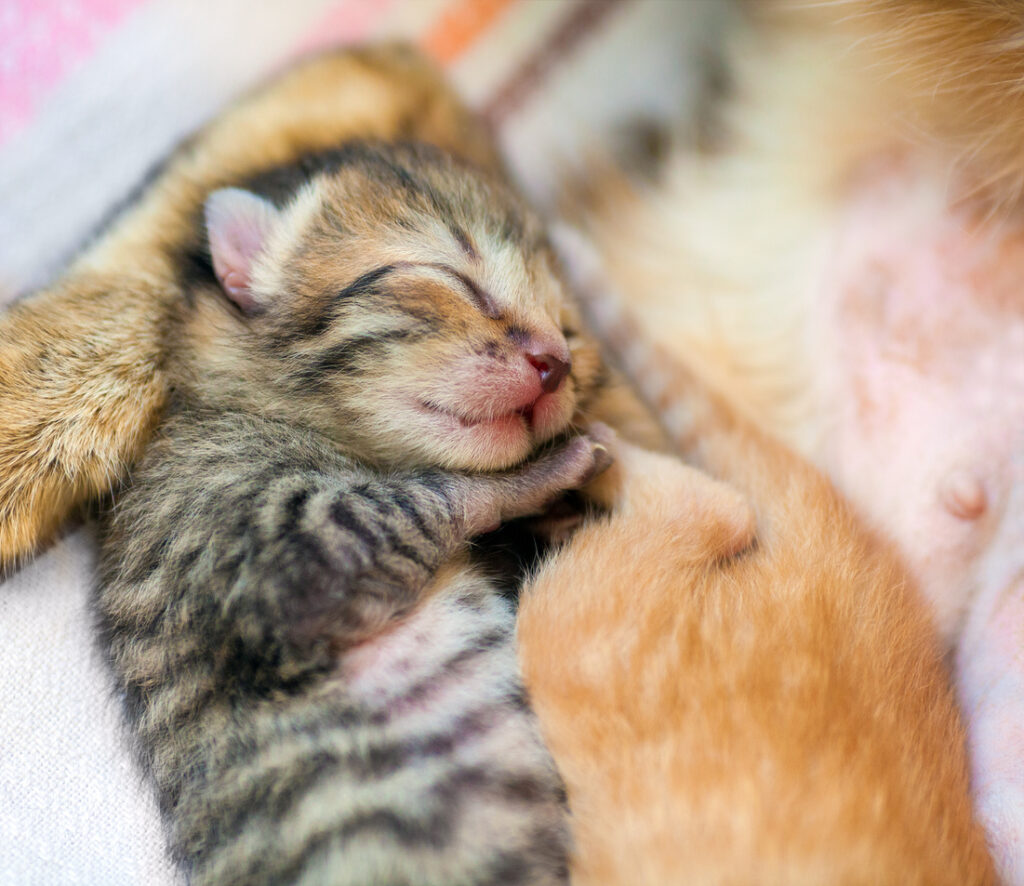
Watching a kitten fade is incredibly tough, especially if you’ve put time and love into caring for them. The speed of decline can leave you feeling helpless and guilty, even when you’ve done everything possible.
It helps to remind yourself that fading kitten syndrome is often beyond your control. Getting help quickly and offering comfort still matters, even if the outcome isn’t what you hoped for. Compassion itself makes a difference for the kitten.
Prevention for future litters
Not all cases can be prevented, but good care lowers the risk. Ensuring queens are healthy before breeding, providing safe environments, and getting prompt veterinary checks for kittens all reduce chances of fading kitten syndrome appearing.
Being prepared with knowledge helps too. Knowing the signs means you’re ready to act faster. While prevention isn’t always possible, awareness gives future litters stronger odds of survival and better starts in life.