Looking back at how much has changed since the mid-70s, it’s a safe bet that the world in 2076 will be unrecognisable.
We’re currently surrounded by objects and habits that feel like permanent fixtures, but many of them are already on their way out. From the way we handle money to the actual physical things we keep in our pockets, a lot of our daily gear is destined to become a museum piece. It’s a strange thought that the stuff we find essential right now will one day be the kind of thing our grandkids look at with total confusion, wondering why we ever bothered with it. We’re looking at those everyday items and industries that are standing on the edge of becoming obsolete.
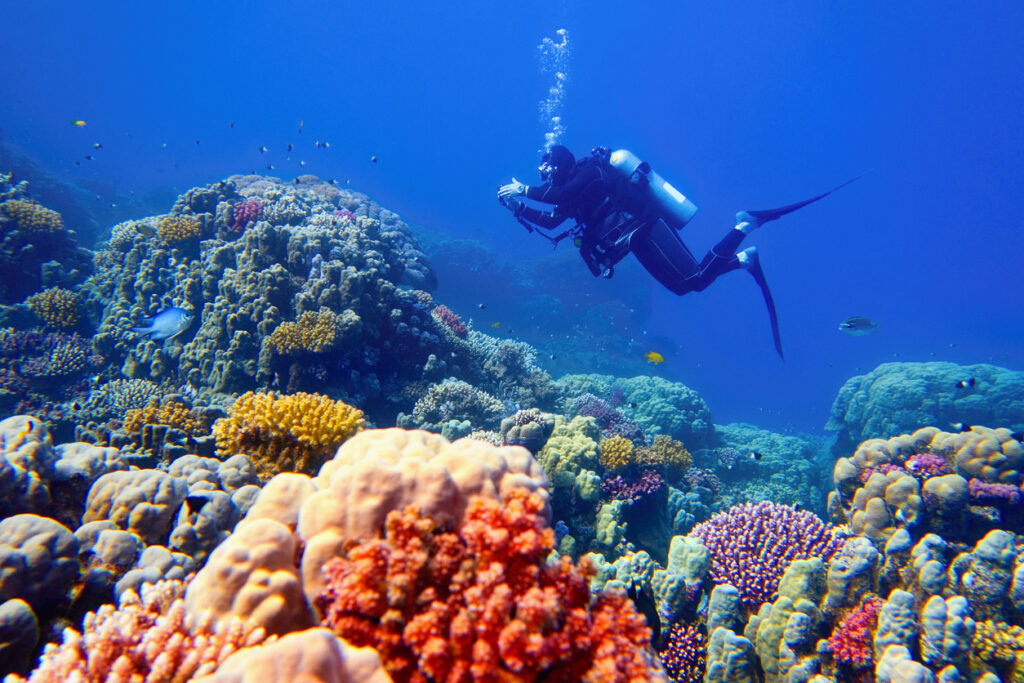
1. Coral reefs in most of their current locations
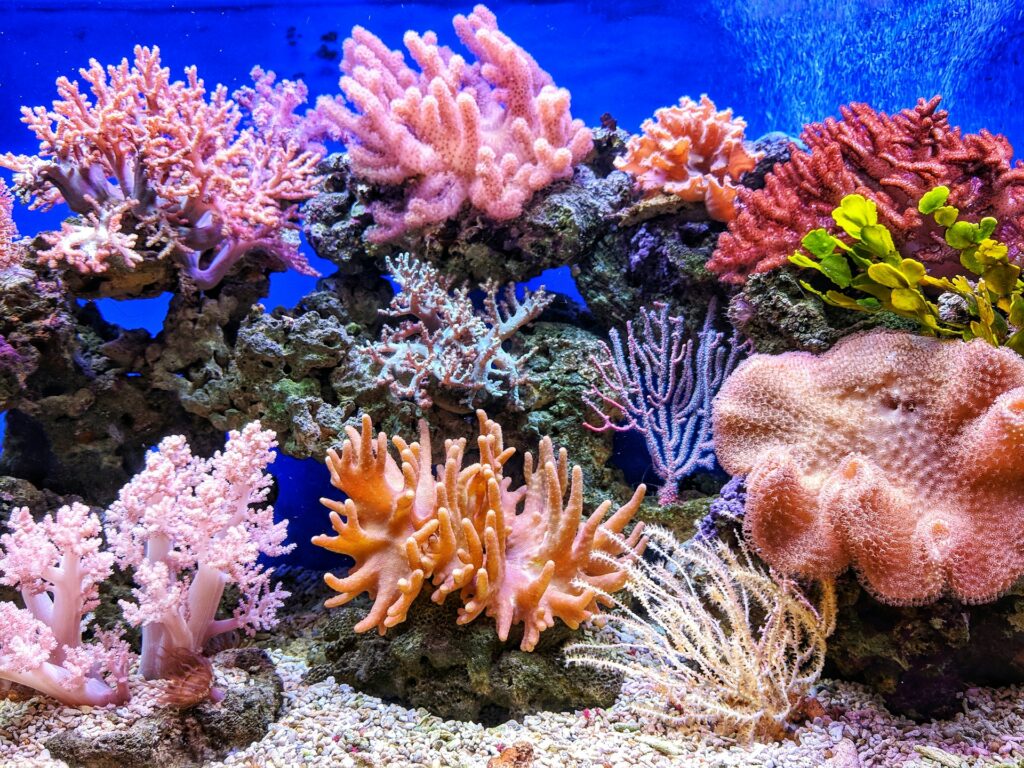
The Great Barrier Reef and countless other coral systems are bleaching and dying at rates that would’ve seemed unthinkable a few decades ago. In 50 years, these vibrant underwater cities, which are home to a quarter of all marine species, will likely be largely gone, replaced by grey graveyards of dead coral.
We’re watching entire ecosystems collapse in real time, and the speed of it is what’s truly terrifying. Your children might never see a healthy coral reef except in archived footage, and they’ll struggle to understand how we let something so irreplaceable just disappear.
Polar ice caps that actually stay frozen year-round

The Arctic ice is melting so rapidly that summers without sea ice are probably only decades away. Fifty years from now, the polar regions will look completely different: less ice, darker water, and a fundamentally altered climate system. This isn’t just about polar bears, though they’ll likely be extinct in the wild. It’s about losing landscapes that have existed for millennia, places that shaped human imagination and mythology.
The ice caps aren’t just melting, sadly. They’re taking ancient air bubbles, historical climate records, and entire ecosystems with them into the sea.
Fireflies lighting up summer evenings in most places

Firefly populations are plummeting due to light pollution, pesticides, and habitat loss, and in the next half a century, that magical experience of watching them flicker in warm darkness might be limited to protected areas. Most children won’t grow up chasing fireflies or keeping them in jars for a night, which feels like losing something essential about childhood itself.
It’s not just the insects, either. It’s the type of evening where fireflies thrive, that specific combination of darkness, warmth, and wild spaces that’s disappearing from where people actually live.
The seasonal patterns and timing we currently recognise

Spring is arriving earlier, autumn is coming later, and the predictable rhythm of seasons that defined life for thousands of years is becoming increasingly chaotic. In the coming decades, the seasons won’t disappear entirely, but they’ll be so different that the old names won’t quite fit anymore.
Cherry blossoms are blooming in February, birds are nesting at the wrong times, and entire agricultural calendars are becoming unreliable. We’re losing the temporal patterns that shaped culture, farming, and human behaviour. Your grandchildren won’t understand references to “typical autumn weather” because there won’t be anything typical about it anymore.
Glacier-fed rivers running through summer
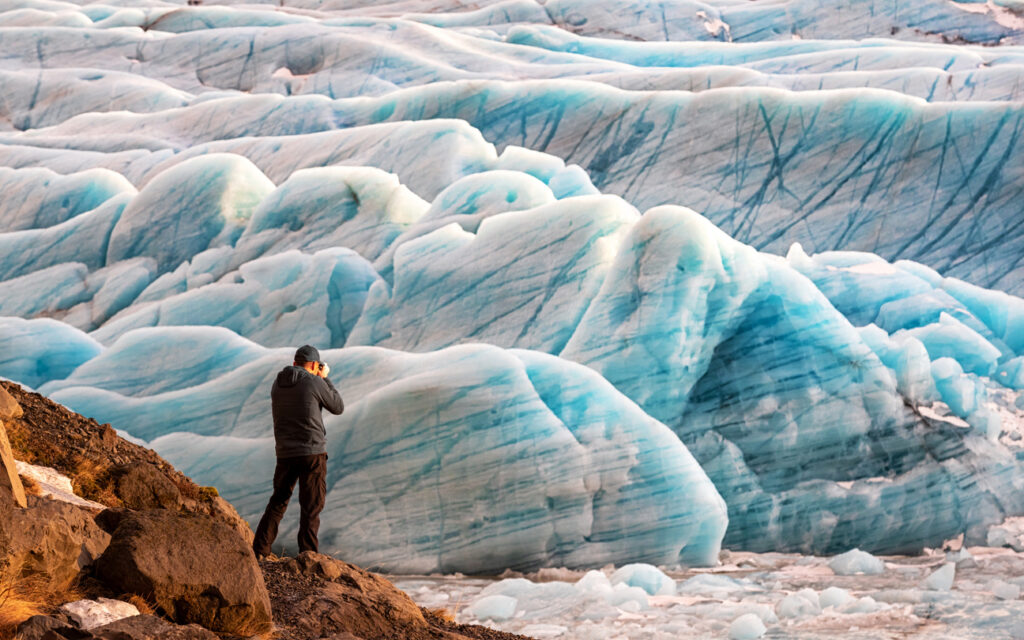
Glaciers are the water towers of the world, feeding rivers during dry months when rainfall isn’t enough. As they disappear (and they’re disappearing fast), the rivers that billions of people depend on will run dry for longer stretches each year.
In 50 years, rivers that once flowed year-round will be seasonal or gone entirely, taking with them the ecosystems, farms, and communities that relied on that water. It’s not a gradual change we’ll adapt to. It’s a crisis that’ll reshape where and how people can live.
Natural dark skies visible from anywhere near civilisation
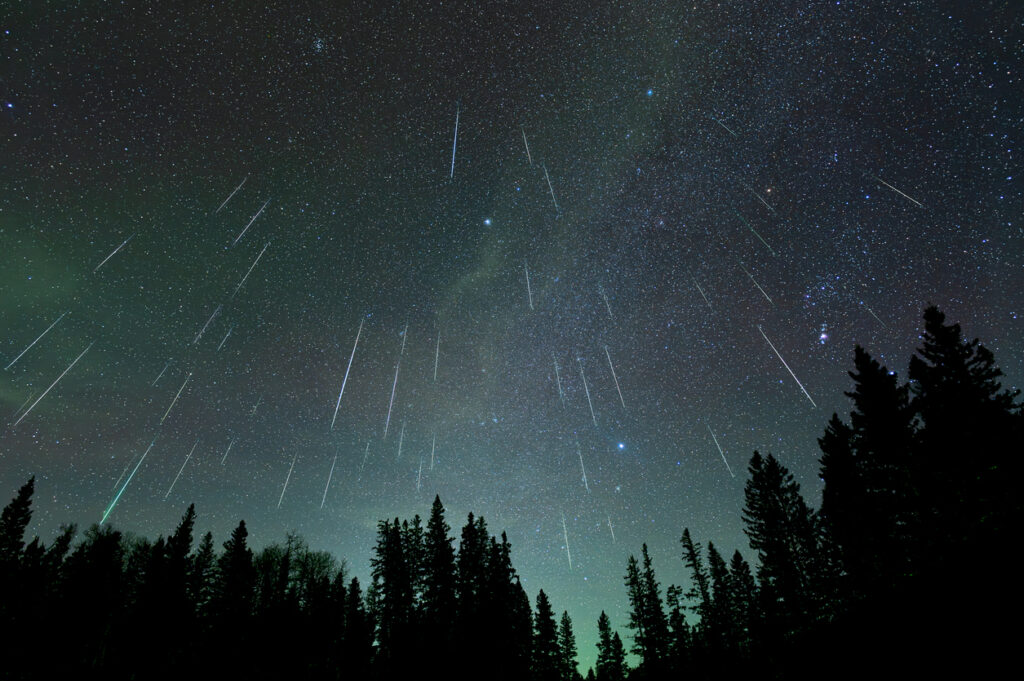
Light pollution is spreading so rapidly that in by 2076, seeing the Milky Way will require travelling to specially protected dark sky reserves. Most people will grow up never experiencing true darkness or seeing the night sky the way humans have seen it for our entire existence.
We’re losing our connection to the cosmos, that humbling perspective that comes from looking up and seeing thousands of stars. The sky will still be there, obviously, but it’ll be washed out and empty, just a dark backdrop behind the glow of human lights.
Rainforests in anything close to their current extent
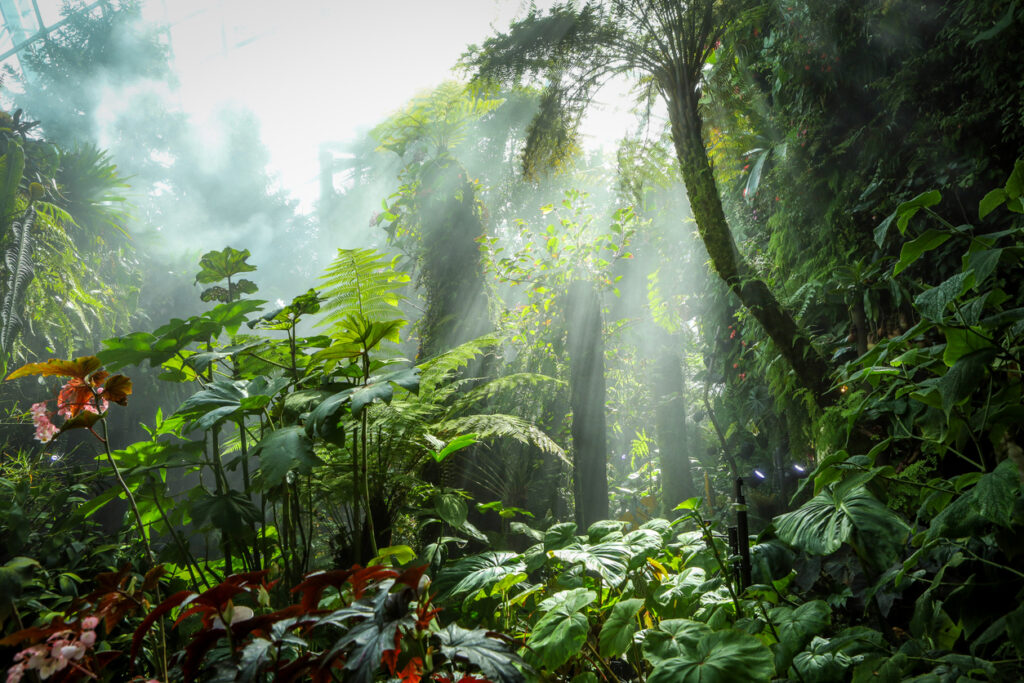
The Amazon and other rainforests are being cleared at such devastating rates that in 50 years, what remains will be fragmented patches rather than vast continuous ecosystems. These forests create their own weather patterns, produce massive amounts of oxygen, and house species we haven’t even discovered yet, and we’re burning them for cattle farming and palm oil.
Once they’re gone, they don’t grow back, not really. You can plant trees, but you can’t recreate a rainforest that took thousands of years to develop. We’re destroying something irreplaceable for short-term economic gains, and future generations will judge us harshly for it.
Wild tigers, orangutans, and countless other species
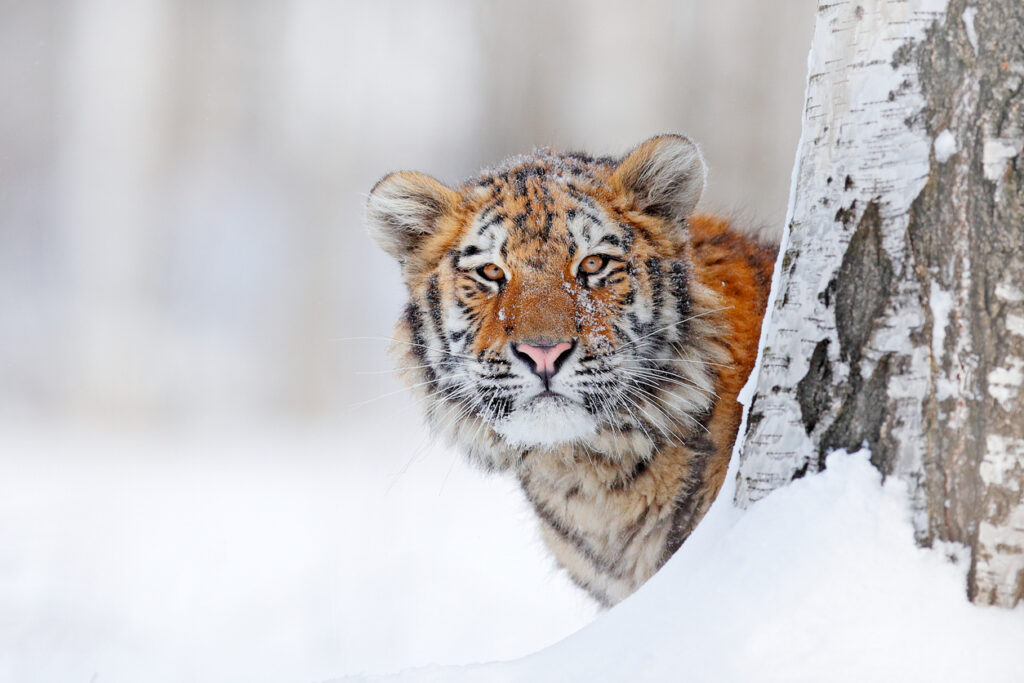
In the next half a century, many species that exist in the wild today will only survive in zoos and breeding programmes, if they survive at all. Tigers, elephants, rhinos, orangutans—these aren’t obscure creatures, they’re icons of the natural world, and they’re vanishing.
Their habitats are gone, human populations have expanded into their territories, and we’re not making space for them to exist. Children will see them behind glass and in documentaries, never in their natural environments. We’re creating a world where wildlife means whatever can adapt to living alongside humans, and everything else becomes a memory.
Predictable snow in places that currently get it
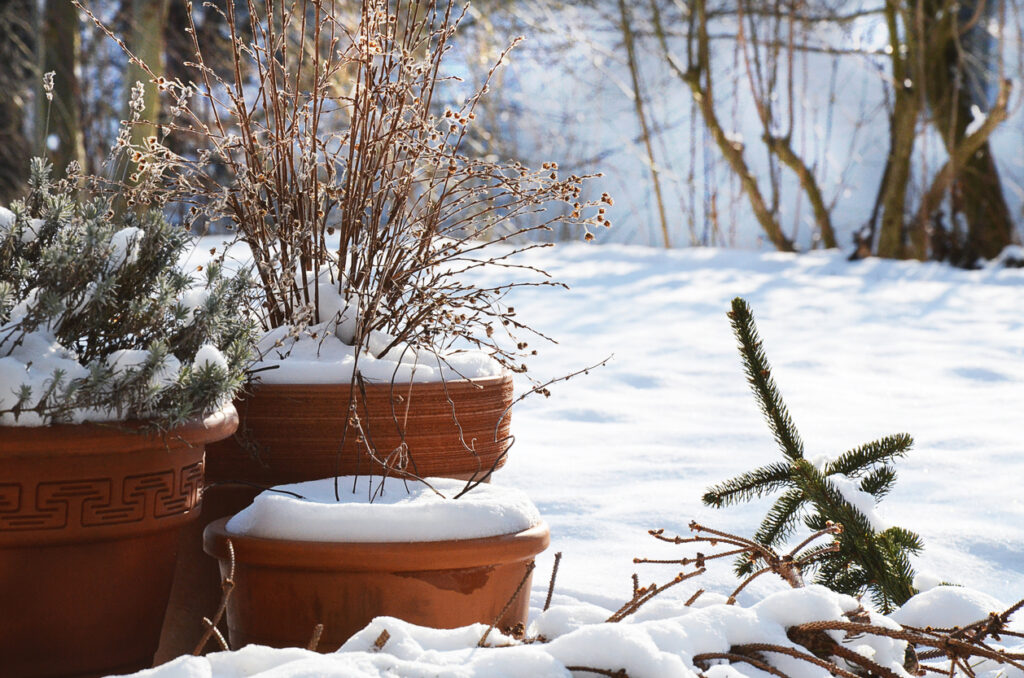
Snowfall is becoming less reliable, even in regions where winter snow was guaranteed for centuries. In the not-so-distant future, many cities that currently get snow every winter won’t get it most years, if at all. This affects everything from water supplies to winter sports to childhood experiences.
That specific joy of waking up to find everything covered in fresh snow will become rare enough that it’s a notable event rather than an expected part of winter. Ski resorts are already struggling, and in five decades, many won’t exist because there simply isn’t enough natural snow to support them.
Natural beaches and coastlines where they currently are
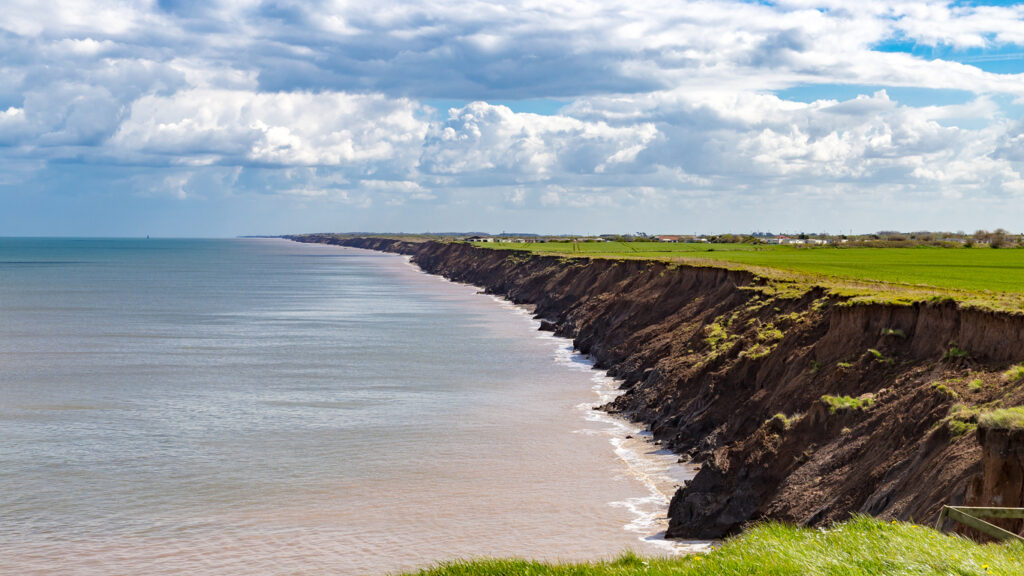
Rising sea levels will redraw coastlines dramatically over the next 50 years, swallowing beaches, coastal towns, and low-lying islands. Places where families have holidayed for generations will be underwater, and entire communities will have to relocate inland.
It’s not just about losing the beach; it’s about losing the ecosystems, the towns, the memories associated with specific places. The coastline itself will still exist, obviously, but it’ll be further inland, with everything that was there before submerged. Future generations will look at old photos of beaches and struggle to believe they ever existed.
The quiet of truly wild places
Human noise from planes, traffic, and general industrial hum reaches even the most remote locations now, and in the coming years, finding genuine natural silence will be nearly impossible. We’re losing soundscapes that existed for millions of years, the actual sounds of nature without human interference constantly in the background.
This affects wildlife that depends on sound for communication and navigation, but it also affects us. That deep peace that comes from being somewhere truly quiet, where you can hear wind and birds and nothing else, will require extraordinary effort to experience.
Monarch butterfly migrations in their full numbers

Monarch populations have crashed by over 80% in recent decades, and their epic migrations across continents are becoming shadows of what they were. In 50 years, the phenomenon of millions of monarchs moving together might be gone entirely, with only small isolated populations surviving.
These migrations are one of nature’s most spectacular events, and losing them means losing something that inspired wonder and scientific curiosity for generations. It’s another example of how we’re making the world smaller and less extraordinary through carelessness and habitat destruction.
The experience of seasons bringing specific weather you can count on
Beyond just timing, the actual character of seasons is changing. Summers are becoming dangerously hot in places that were temperate, winters are bringing extreme storms instead of steady cold, and autumn and spring are increasingly brief transitions rather than distinct seasons.
In 50 years, the weather will be so unpredictable and extreme that planning around seasonal patterns, which is something humans have done since the beginning of agriculture, will be nearly impossible. We’re losing the reliability of nature’s rhythms, and with it, a sense of stability and connection to the earth that defined human existence for thousands of years.