Everyone’s been chucking bread at ducks for decades, thinking we’re being lovely and helpful.

Sadly, we’ve actually been accidentally serving them the equivalent of McDonald’s for every meal. The poor things have been too polite to complain, but bread is basically junk food that fills them up without giving them any proper nutrition. If you want to give our little feathered friends something to eat, here are some solid choices.
1. Cracked corn is like duck superfood.

Corn kernels are absolutely brilliant for ducks because they’re packed with carbs and energy without all the nasty processed stuff that comes with bread. You can buy cracked corn from most pet shops or farm supply stores, and it floats nicely, so the ducks can actually get to it.
Think of corn as the duck equivalent of a proper hearty meal rather than a sugary snack. It gives them the energy they need for swimming about and doing duck things, without filling them up with empty calories that leave them malnourished.
2. Frozen peas work a treat (and they love them).
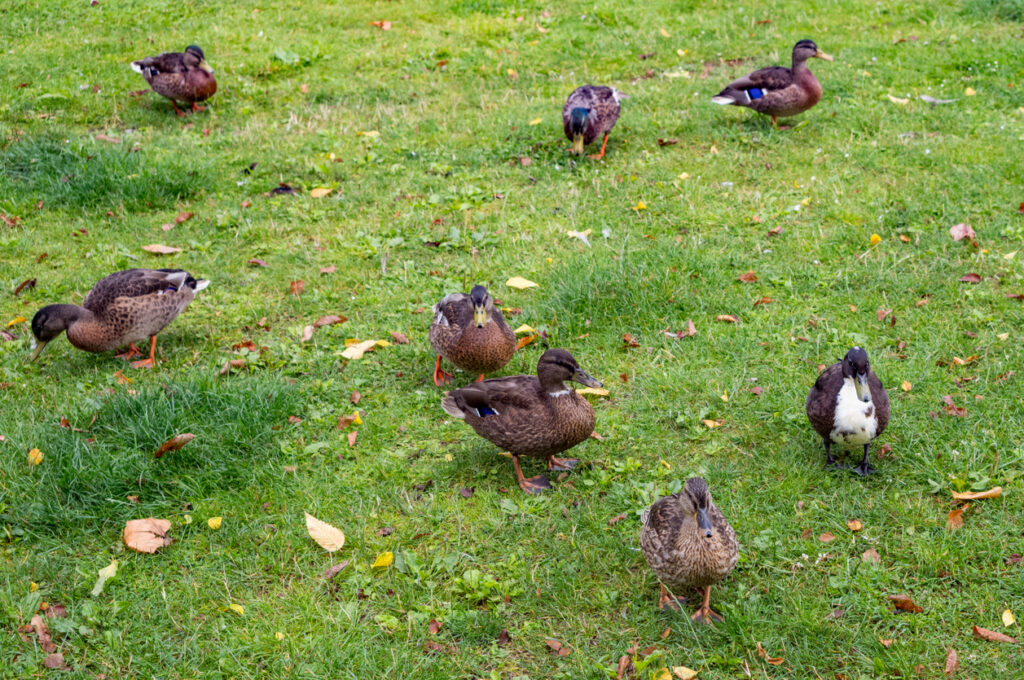
Defrosted or frozen peas are perfect duck food because they’re small, easy to swallow, and packed with vitamins that ducks actually need. Just chuck them straight in the water and watch the ducks go absolutely mental for them like they’ve discovered treasure.
Peas sink slowly enough for ducks to grab them but won’t hang around polluting the water if they miss any. Plus, they’re dead cheap, so you can feed a whole pond full of ducks without breaking the bank or feeling guilty about the environmental impact.
3. Duck pellets are designed specifically for them (obviously).
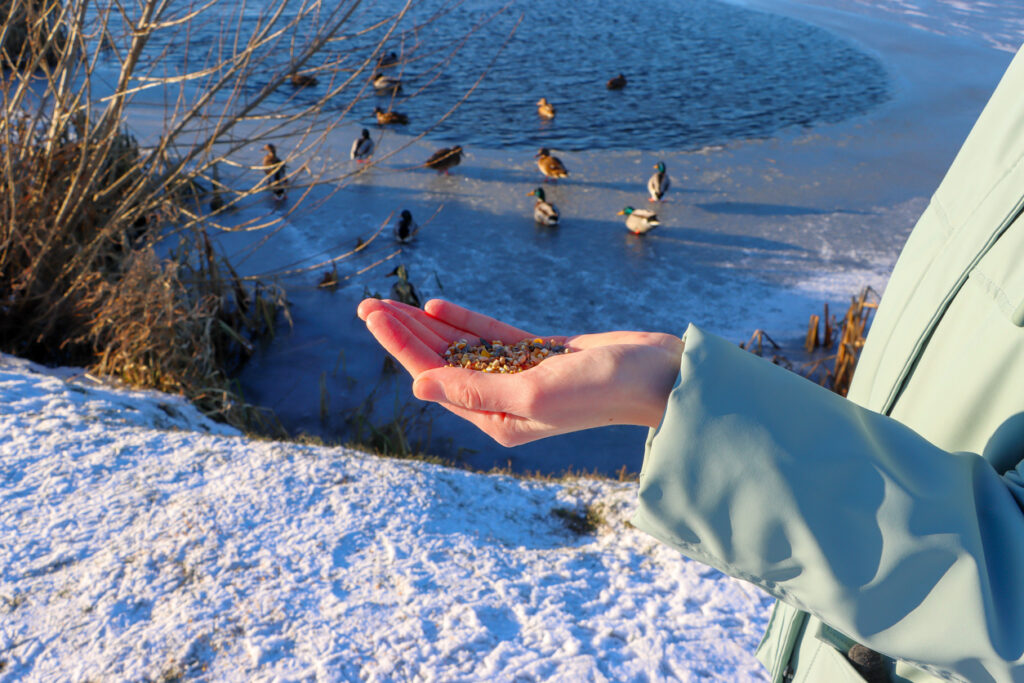
Proper waterfowl food pellets might seem like overkill, but they’re basically like vitamins and dinner rolled into one. These pellets are designed by people who actually know what ducks need nutritionally, rather than us just guessing that bread seems fine.
You can get duck pellets from pet shops or online, and they float long enough for the ducks to find them without turning into soggy mess. Think of it like the difference between a balanced meal and living off crisps: both will keep you alive, but only one will keep you healthy.
4. Oats are brilliant for ducks (rolled or steel-cut).

Plain porridge oats are fantastic duck food because they’re full of fibre and nutrients that ducks can actually digest properly. Avoid the fancy flavoured ones, though, since ducks don’t need maple syrup or strawberry bits mucking up their diet.
Oats are particularly good because they don’t expand in the duck’s stomach like bread does, which can cause all sorts of digestive problems. They’re like the sensible breakfast option that actually gives ducks energy rather than just making them feel uncomfortably full.
5. Lettuce and leafy greens satisfy their veggie needs.
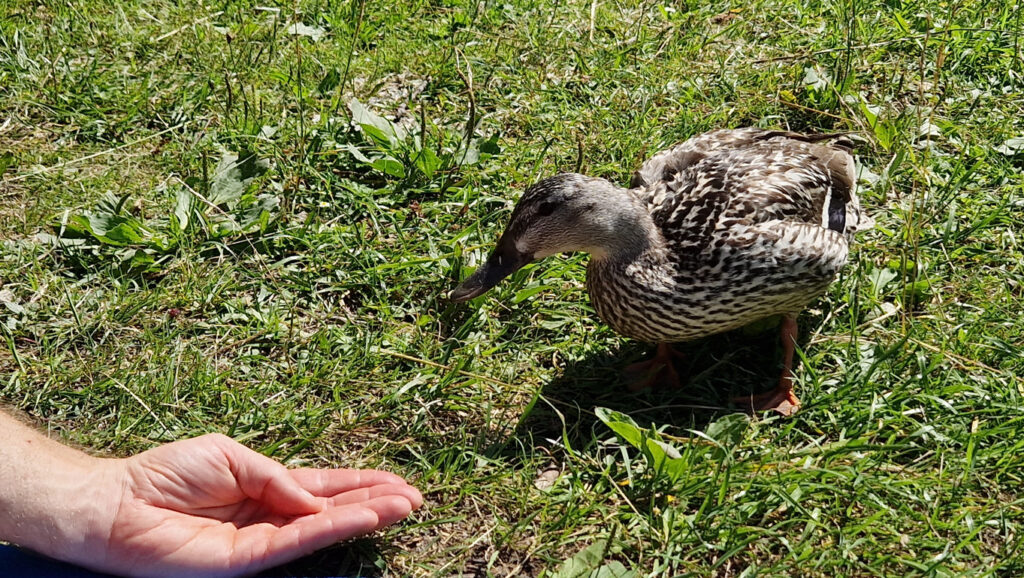
Chopped up lettuce, spinach, or cabbage gives ducks the plant matter they’d naturally forage for in the wild. Tear it into duck-sized pieces, though because they’re not equipped to tackle a whole iceberg lettuce like some sort of feathered rabbit.
Dark leafy greens are particularly good because they’re packed with vitamins that help keep ducks’ immune systems working properly. You’re basically giving them their five-a-day, except ducks probably have different nutritional requirements that we don’t fully understand but are trying our best with.
6. Rice is safe, but only if it’s cooked.
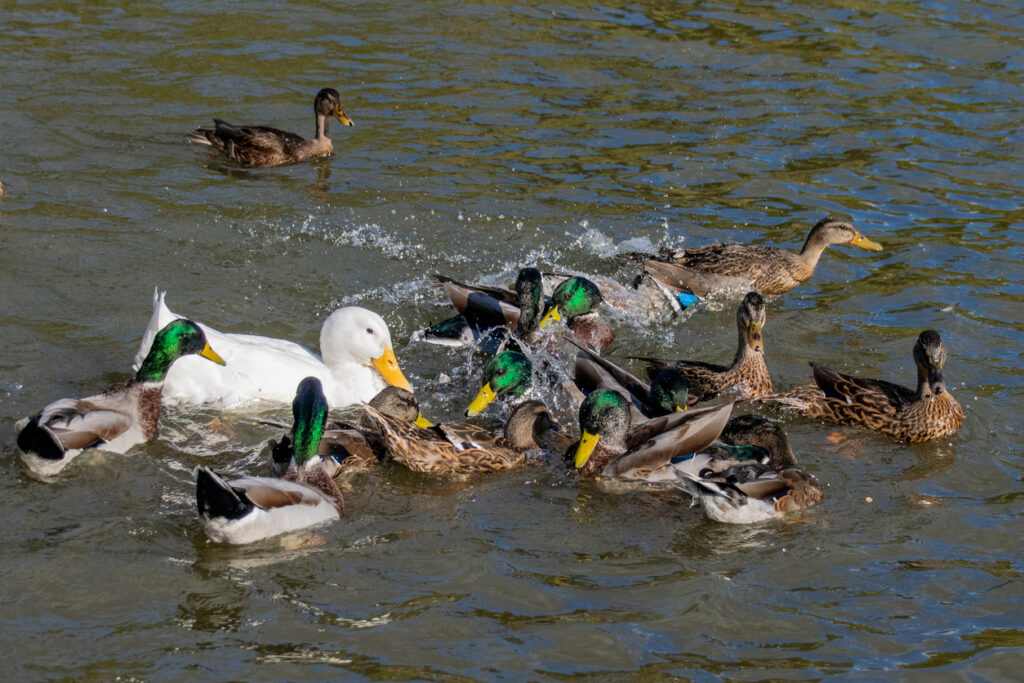
Contrary to urban legends about rice making birds explode (which is complete nonsense), cooked rice is perfectly safe and nutritious for ducks. Brown rice is better than white because it has more nutrients, but either works fine as an occasional treat.
The exploding birds myth probably comes from people confusing cooked rice with uncooked rice, which can be harder to digest. Cooked rice is basically duck-friendly carbs that won’t cause any digestive drama, unlike certain bread products we won’t mention again.
7. Seeds and grains make excellent natural snacks.
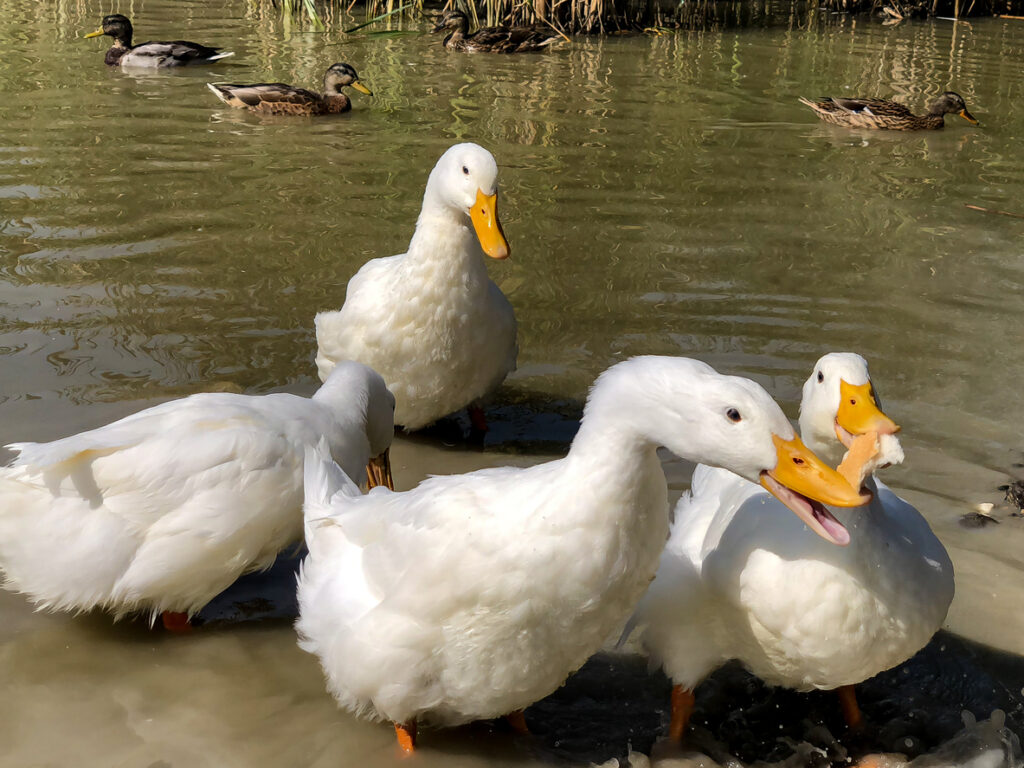
Sunflower seeds, pumpkin seeds, or mixed bird seed are all brilliant because they’re similar to what ducks would naturally eat in the wild. Seeds are like nature’s little energy packages, designed specifically to be nutritious and digestible.
Seeds have the added advantage of being what ducks are actually supposed to eat, rather than processed human food that we’ve decided might be suitable. It’s kind of like the difference between giving someone an apple versus a packet of biscuits because both are food, but one is obviously better for you.
8. Chopped grapes are like duck candy (but the good kind).
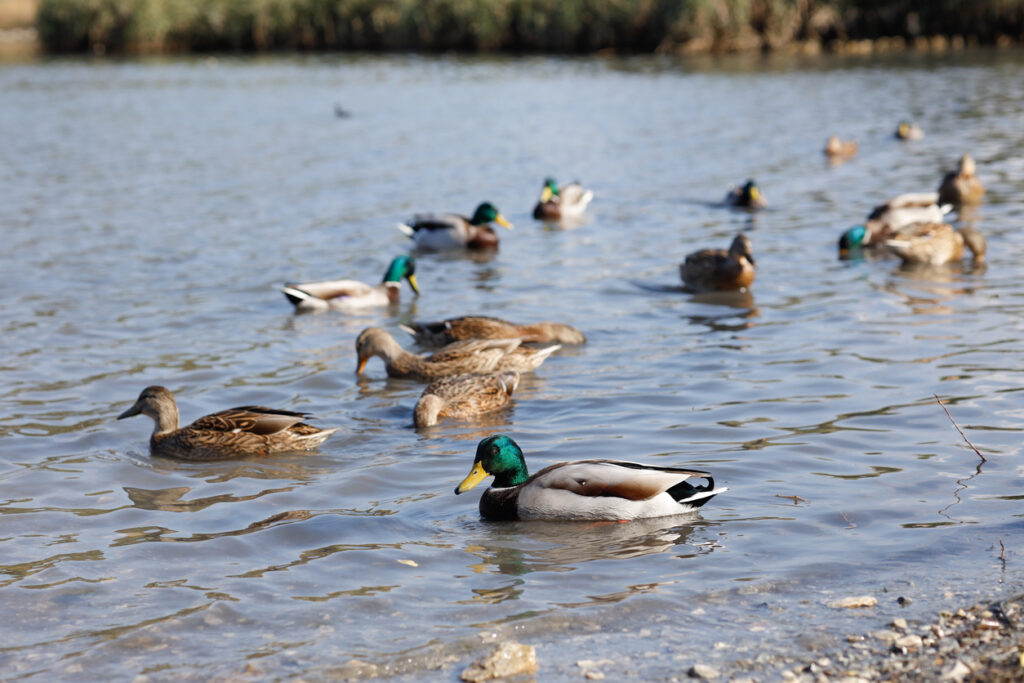
Cut grapes in half to prevent choking, and you’ve got duck treats that they absolutely love but are actually good for them. Grapes provide natural sugars and vitamins without all the processed rubbish that comes with human sweets.
The natural sugars in grapes give ducks quick energy for their swimming and flying activities, while the vitamins help keep them healthy. They’re natural sweets that their bodies are actually designed to process, rather than alien processed food.
9. Earthworms are basically duck protein bars.
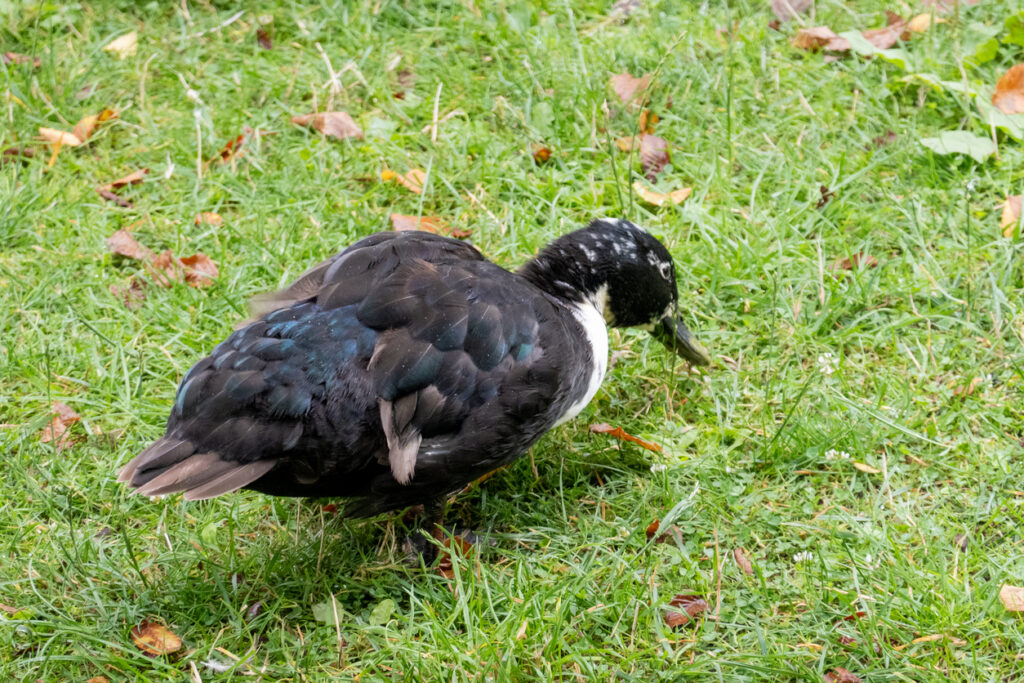
If you’ve got earthworms in your garden, ducks will absolutely love them and benefit from the protein. Worms are what ducks naturally hunt for, so you’re basically giving them the equivalent of their favourite restaurant meal.
Obviously, you can’t buy earthworms from the shops like you can duck pellets, but if you happen to have them available, ducks will treat them like gourmet dining. It’s proper natural food that their digestive systems are specifically designed to handle.
10. Mealworms provide essential protein.
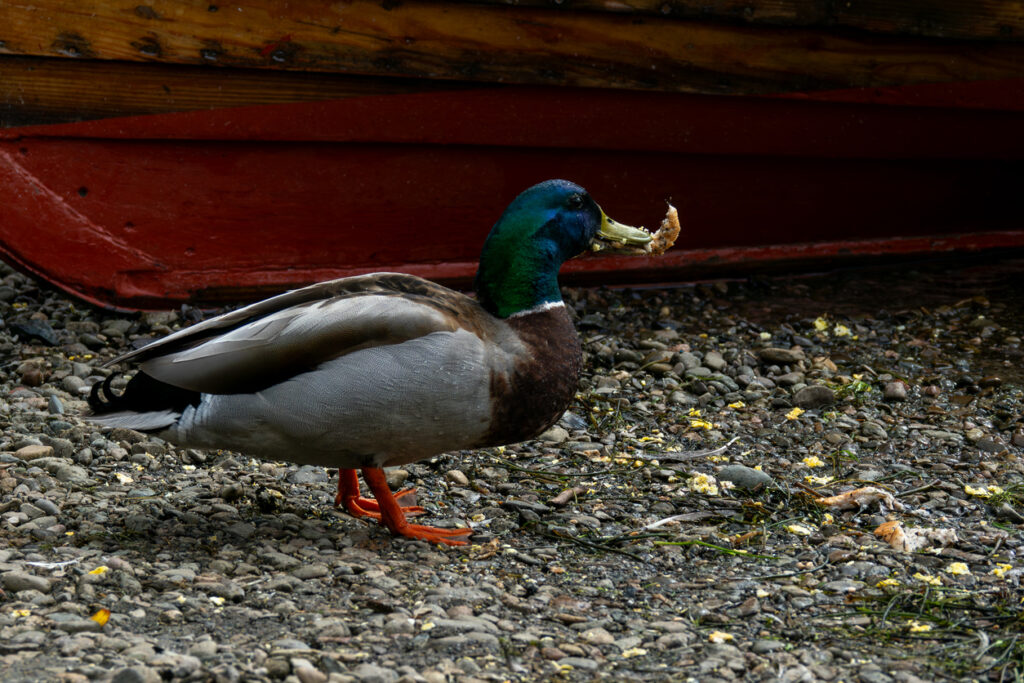
Dried mealworms from pet shops are brilliant for ducks, especially during breeding season when they need extra protein. They’re like little protein supplements that ducks naturally crave, and they float just long enough for the ducks to grab them.
Mealworms might look a bit grim to us, but to ducks they’re basically the equivalent of a really good steak dinner. They provide the protein that ducks need for maintaining their feathers and overall health, which bread absolutely doesn’t do.
11. Why bread is actually terrible for ducks.

Bread fills ducks up without giving them proper nutrition, which leads to malnutrition despite them feeling full. They might not feel hungry, but their body isn’t getting what it needs to function properly.
Bread also goes mouldy quickly in water, creating nasty conditions that can make ducks ill and pollute their environment. Plus, it can cause a condition called angel wing, where ducks’ wing bones grow wrong because they’re not getting proper nutrients during development.
12. Feeding ducks properly helps the whole ecosystem.

When ducks are healthy and well-nourished, they’re better at controlling insect populations, maintaining water quality, and generally being productive members of their ecosystem. Proper nutrition means they can do their natural jobs effectively, rather than just surviving on junk food.
Well-fed ducks also produce healthier offspring and are less likely to become dependent on human feeding, which creates a more balanced relationship between people and wildlife. You’re helping them be the best ducks they can be, rather than accidentally turning them into feathered beggars.