You’ve probably heard of a rose garden or a herb bed, but what about a blobbery?
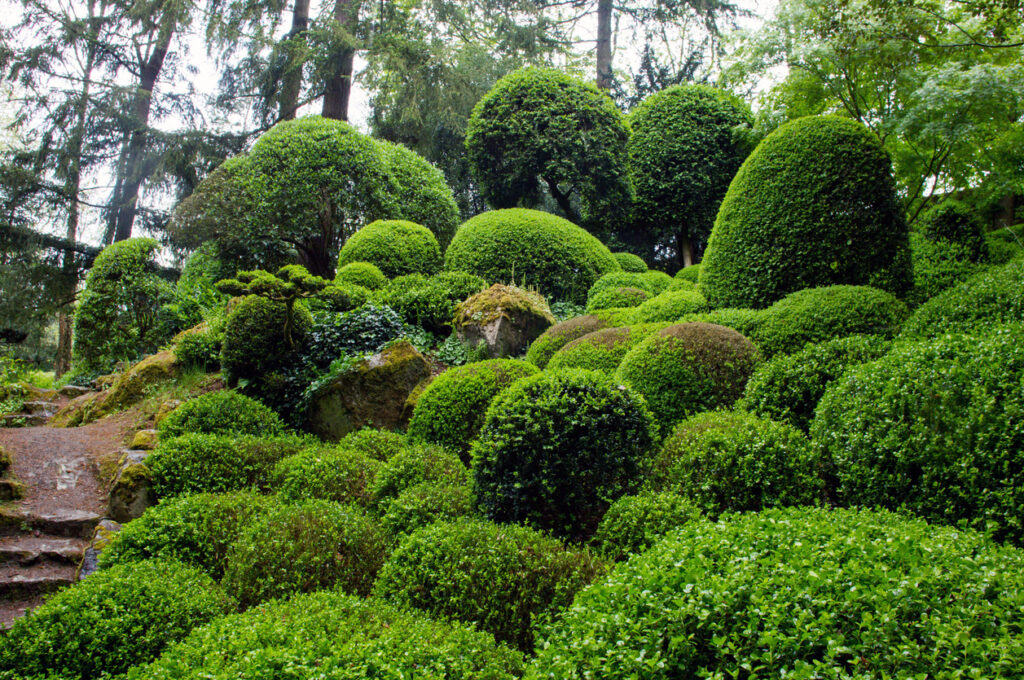
It’s a delightfully informal term some gardeners use to describe a collection of soft, sculptural shrubs and plants pruned into loose balls, clouds, or even lollipop shapes. And while it sounds like something from a kid’s cartoon, the idea behind it is surprisingly smart. These shapes bring order, texture, and movement to a garden without the hard lines of topiary or rigid borders.
Here’s why your garden might be crying out for a few blobs, and how to create your own little blobbery with shape, softness, and style.
What actually is a blobbery?
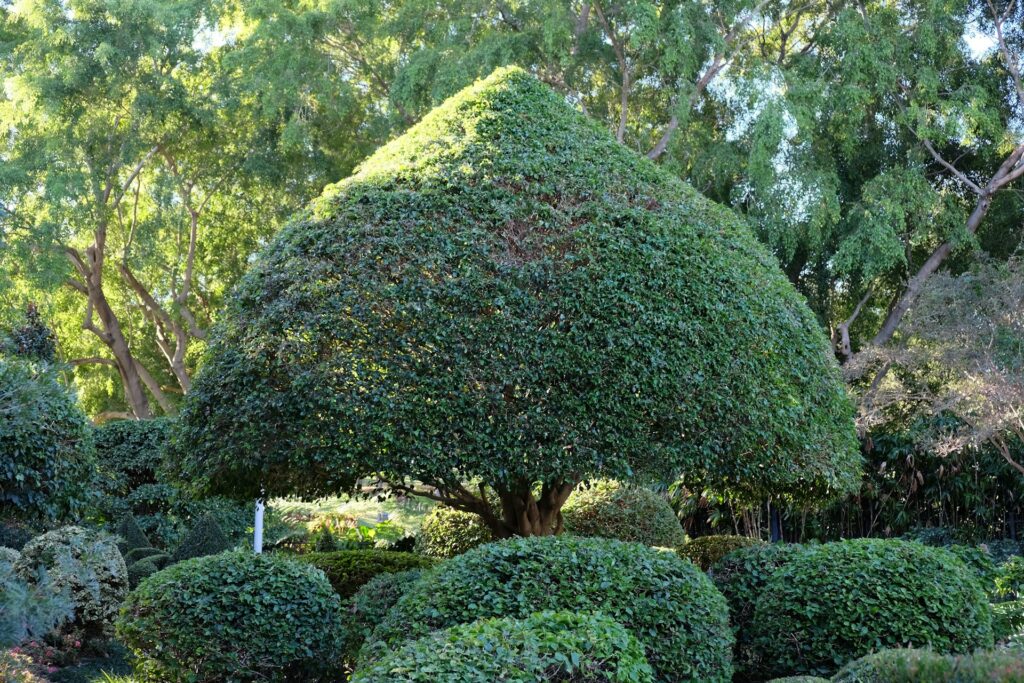
A blobbery is a playful term for a planting style where shrubs are shaped into soft, rounded forms. Think clipped balls, cushiony mounds, or gentle waves of foliage that give the garden a sculptural feel without being overly formal. Unlike topiary, which often aims for sharp edges or animal shapes, a blobbery keeps things relaxed. It’s all about adding visual interest, rhythm and softness, especially when mixed with grasses, perennials, or even wild planting.
Why shape matters in the garden
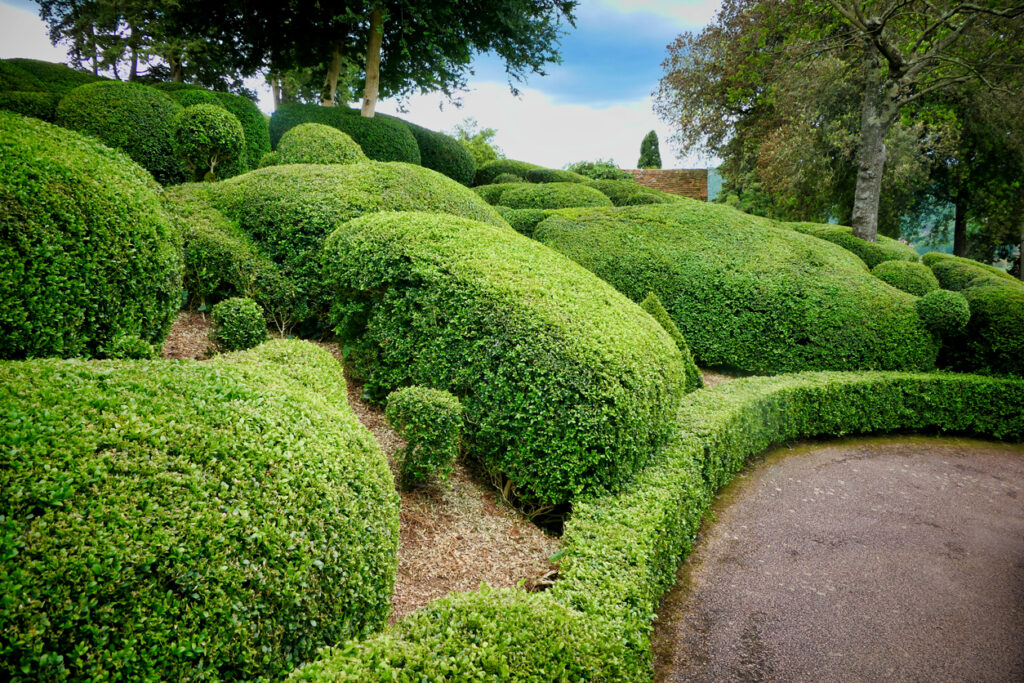
When you introduce shapes like spheres, domes and clouds into your garden, you instantly create contrast. They help break up flatness and bring structure without relying on fences, walls, or paths. Rounded shapes also echo nature—think hills, clouds, or pebbles—so they feel calming and grounded. They’re especially useful in low-maintenance gardens, where you want interest without too much fuss.
The appeal of balls and blobs can’t be overstated.
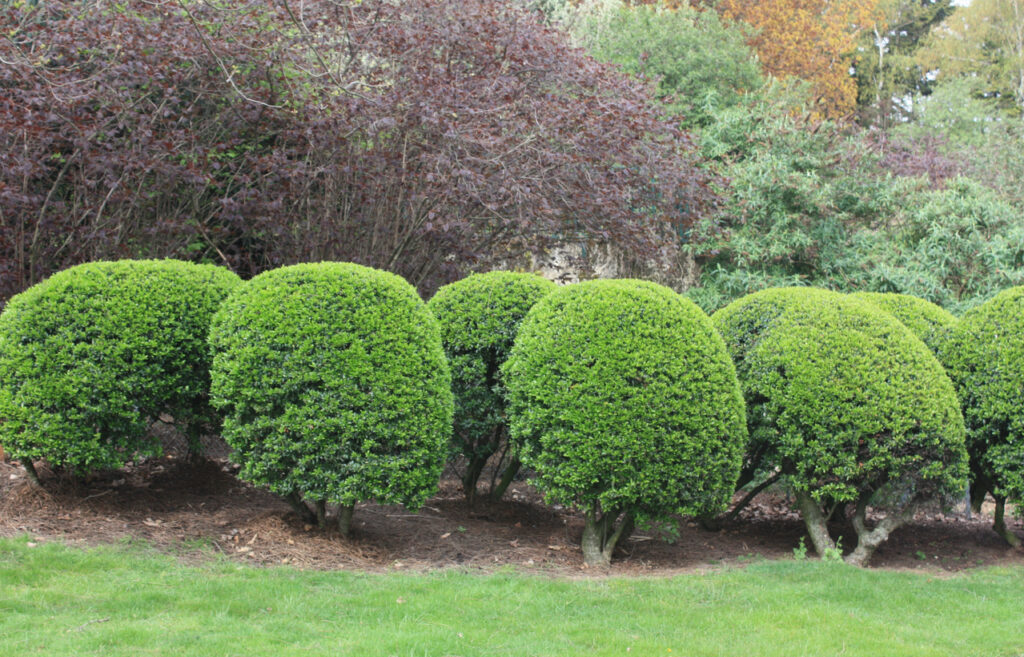
Ball-shaped shrubs are pleasing to the eye because they’re symmetrical, tidy, and easy to layer. A row of clipped balls along a path or in pots can bring instant structure and elegance. They’re also incredibly versatile, looking just as good in cottage gardens as in minimalist ones. Once you get the hang of pruning them, they’re surprisingly easy to keep in shape.
Cloud pruning adds softness.
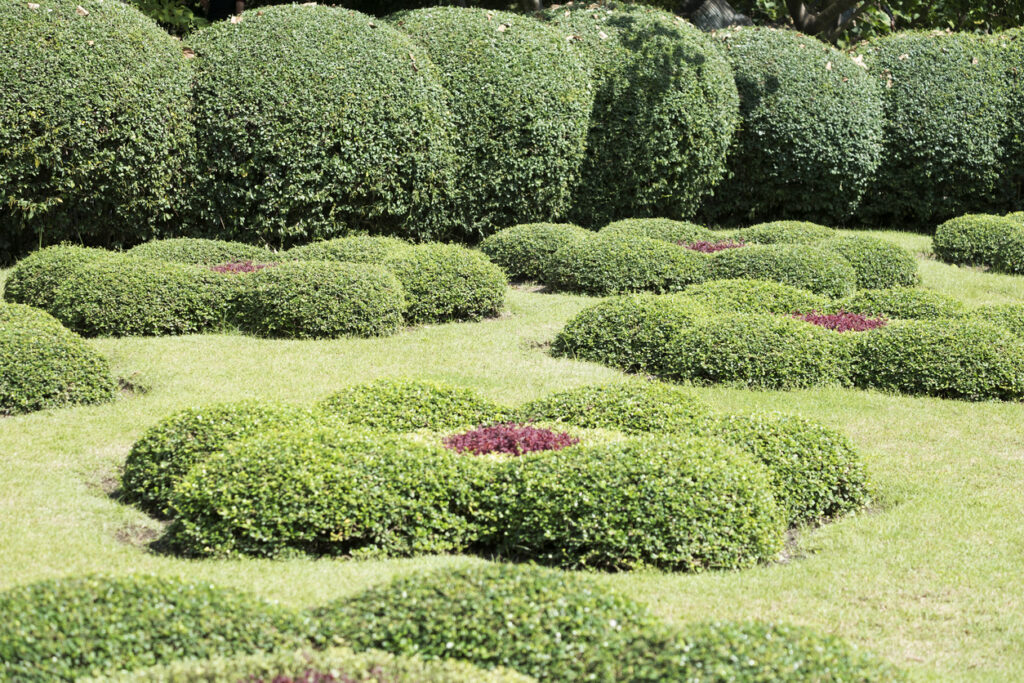
Cloud pruning involves shaping shrubs into a series of rounded, overlapping “puffs,” like a hedge that’s forgotten to be square. It gives a dreamy, floaty look that feels modern but natural at the same time. This style originated in Japanese gardens and is ideal for evergreen shrubs like box, yew or pittosporum. It takes a bit more patience but adds stunning texture, especially in winter when flowers have faded.
Embrace the quirky charm of lollipop trees.
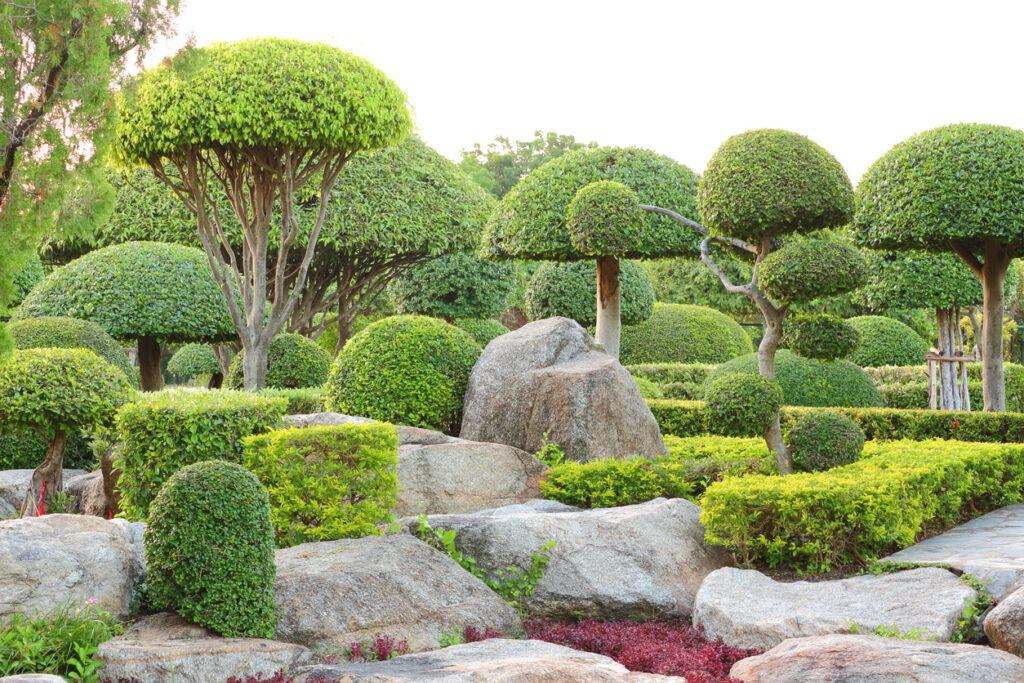
Lollipop-style trees have a clear stem with a rounded top, like a standard bay tree or a clipped eucalyptus. They’re brilliant for adding height and form to a small garden or patio. You can use them to frame entrances, create symmetry, or simply add a whimsical focal point. Look for slow-growing trees that take well to pruning and won’t outgrow their space too quickly.
Pick great plants for shaping.
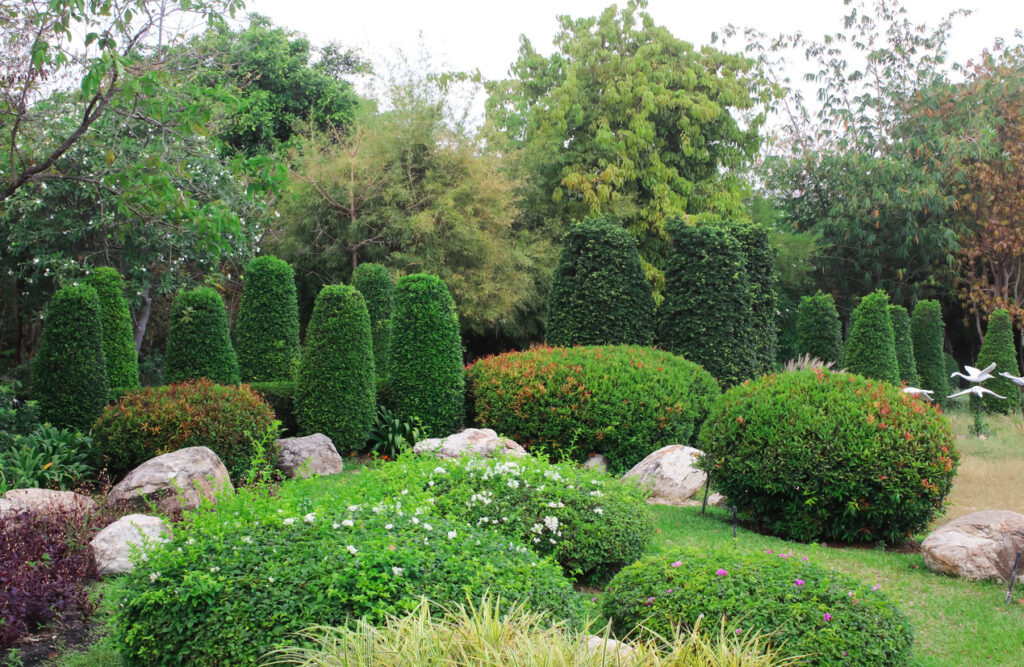
Some plants are naturals when it comes to forming blobs. Box (Buxus) is the traditional choice, but alternatives like Lonicera nitida, Pittosporum, Hebe, and Euonymus are excellent too. Lavender, rosemary, and santolina can be clipped into soft balls for a more informal, scented effect. Just make sure you choose varieties that suit your space and light levels.
You can and should mix blobs with looser planting.
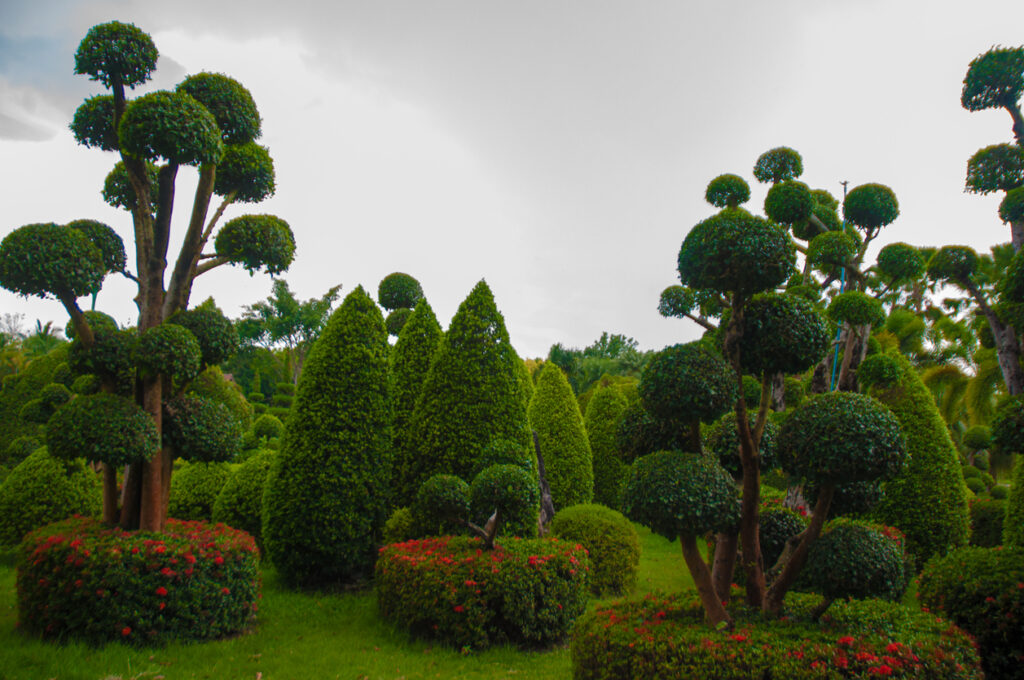
The beauty of a blobbery is how well it pairs with more free-flowing plants. You can frame tall grasses, let flowers spill around the base, or use them as anchors in a more wild-looking border. Try placing soft blobs near airy perennials like verbena or cosmos. The contrast between structure and movement adds real depth and makes the whole space feel more dynamic.
It’s easy enough to prune into blobs (without stress).
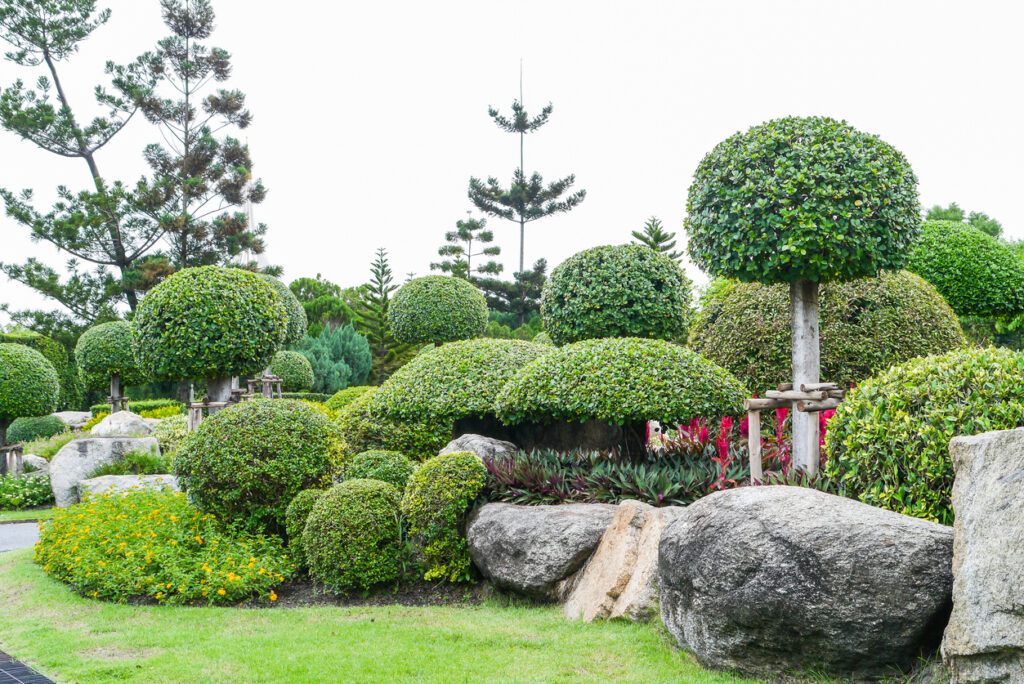
Don’t panic—you don’t need to be a topiary master. Start by trimming lightly and often, shaping the plant gradually rather than cutting back all at once. Use clean, sharp shears, step back often to check the shape, and aim for a gentle curve rather than perfection. Most shrubs respond better to regular light trims than a dramatic hack job once a year.
You can maintain seasonal interest all year round.
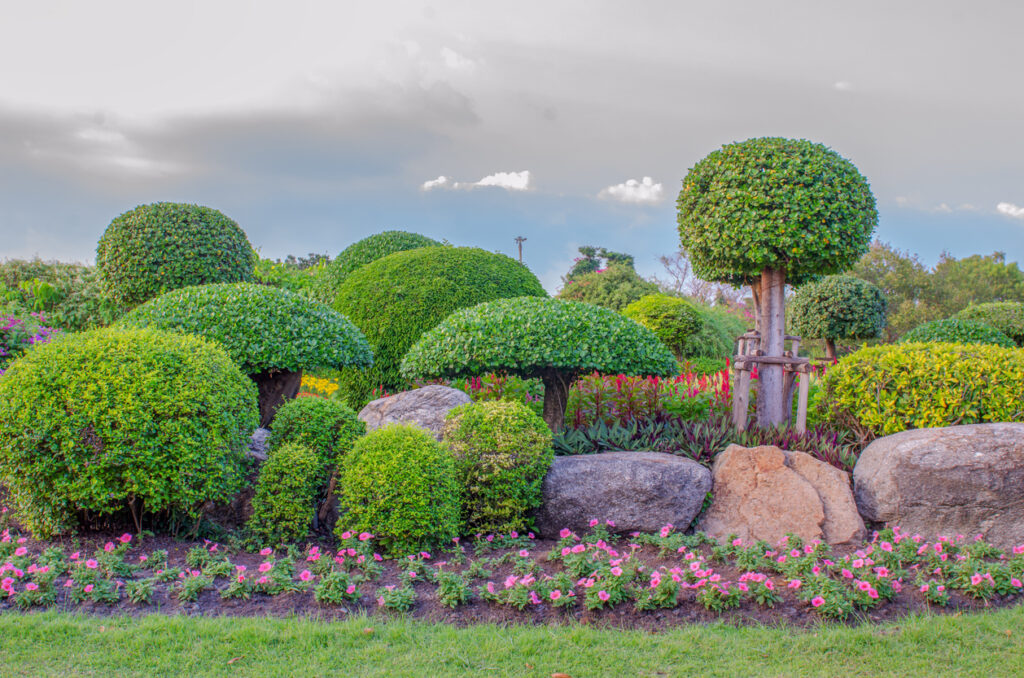
One of the best things about a blobbery is that it gives your garden some backbone, even in the depths of winter. When flowers have gone and borders are looking sparse, those soft green shapes keep things alive. Choose evergreen shrubs if you want year-round presence, or mix in deciduous ones for changing texture across the seasons. Even bare branches can look striking when shaped well.
It works brilliantly in small spaces.
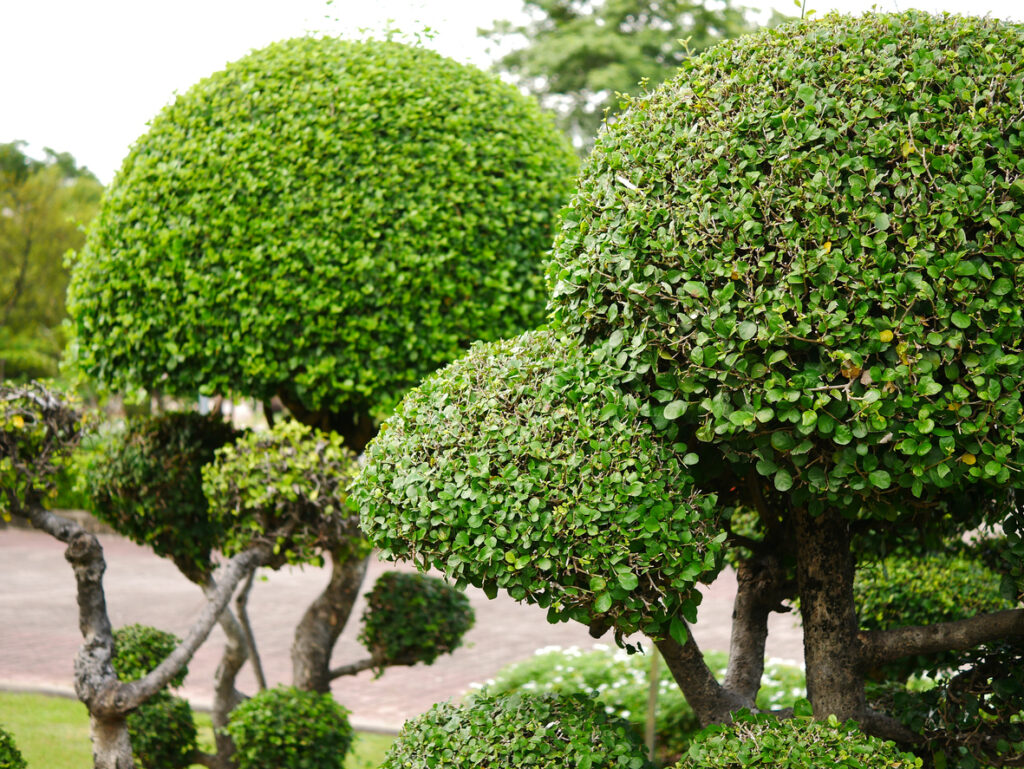
You don’t need a massive garden to pull this off. A single clipped ball in a pot, a mini cloud-form shrub near a path, or a pair of lollipop trees by your door can totally transform the feel of a space. It’s especially handy in urban gardens, where a little structure goes a long way. And because you can control the size, it’s a low-risk way to bring personality into tight corners.
It keeps your garden feeling calm.
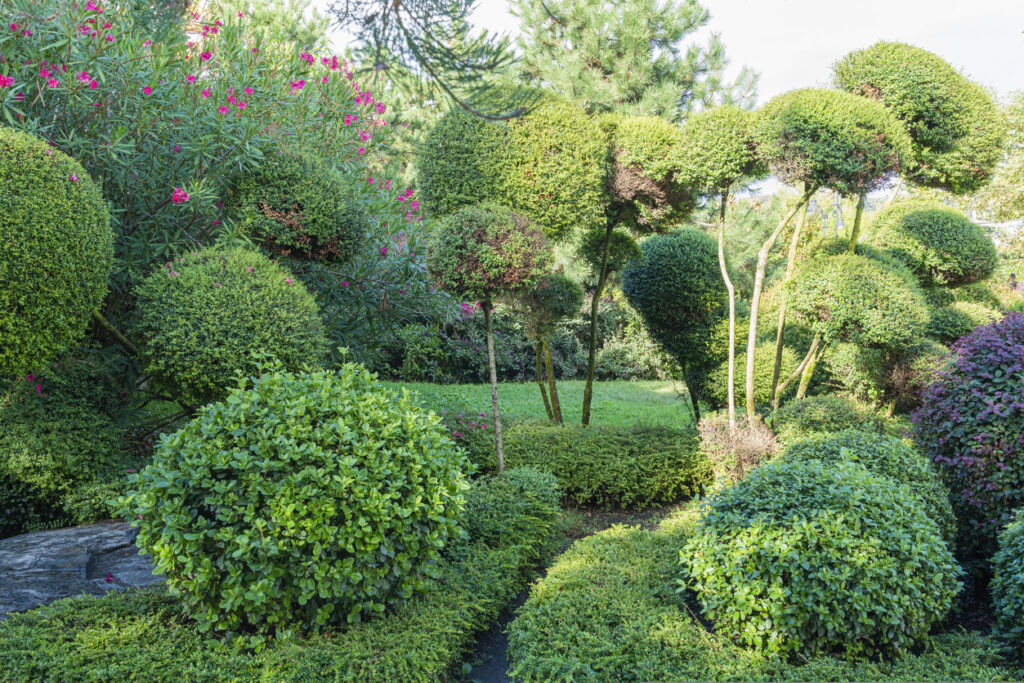
There’s something oddly soothing about repeated rounded forms in a garden. They guide the eye, slow things down, and stop everything feeling too chaotic or busy. Whether you’re going for a formal vibe or something more naturalistic, those soft shapes help tie everything together. It’s like punctuation in a sentence—subtle, but it makes everything easier to read.
It can replace traditional hedges.
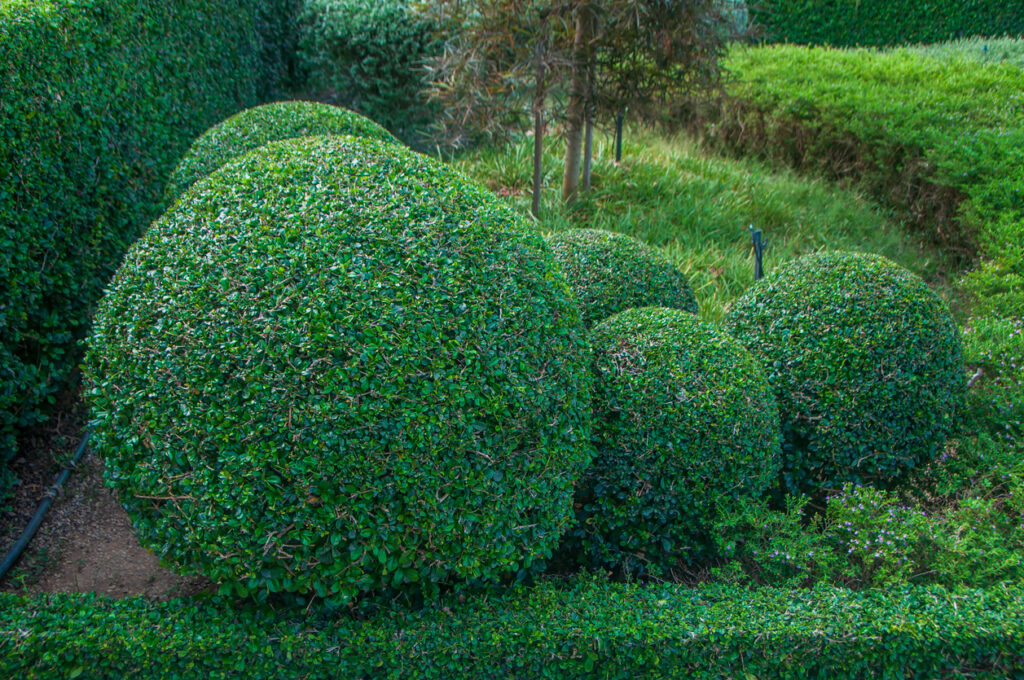
Instead of a solid wall of green, try using a line of clipped shrubs or ‘blobs’ with space between. It gives the same sense of order, but with more movement and flexibility. You can stagger them at different heights, mix species, or use them to define paths and zones without boxing yourself in. It’s great if you want structure without losing openness.
It’s more forgiving than topiary.
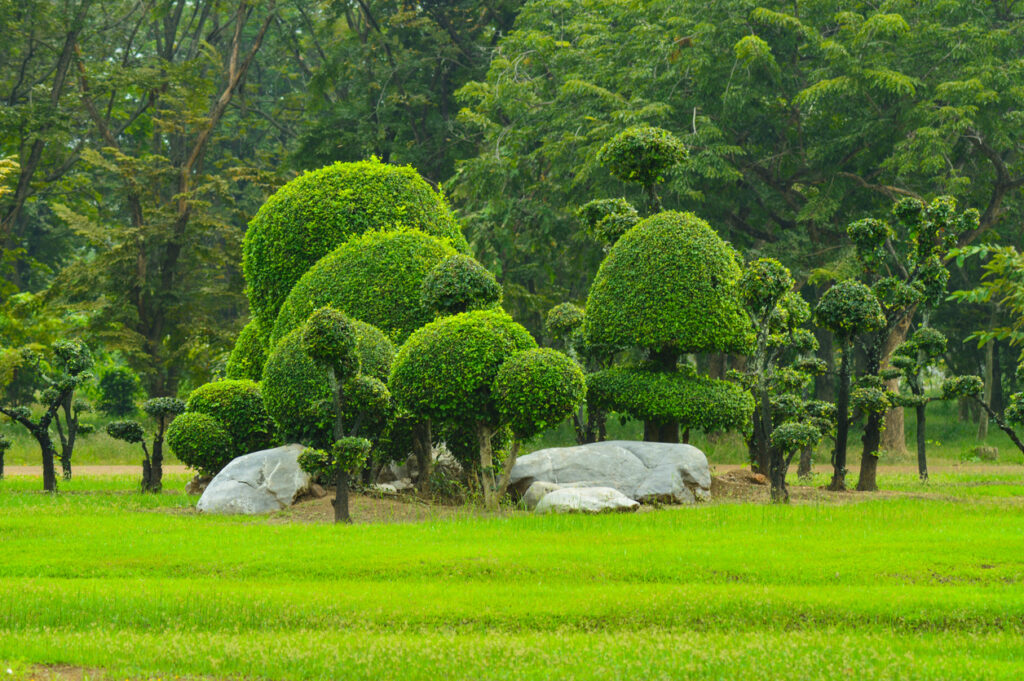
Unlike tight spirals or sharp-edged cones, blobs don’t need to be perfect. In fact, a slightly uneven or lopsided ball can actually add character and charm. This makes blobbery a great entry point if you’re new to shaping plants. As long as it’s vaguely round and healthy, it works, no perfectionism required.
It just makes people smile.
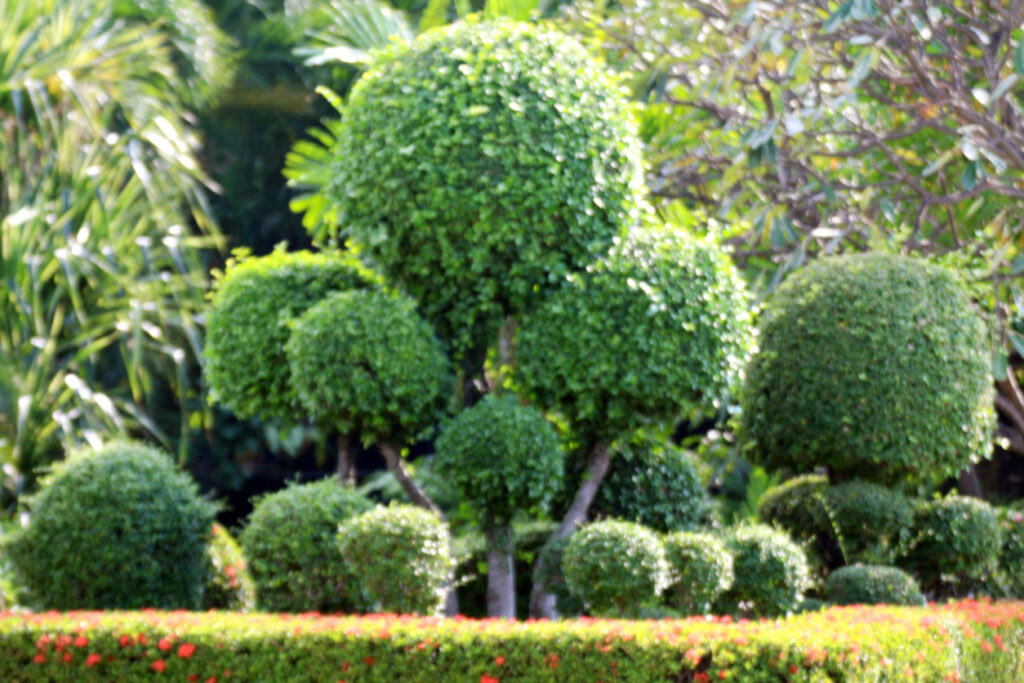
There’s something joyful about a garden full of soft green shapes. It’s playful, calming, and feels a bit like being in a real-life version of a storybook landscape. Plus, let’s be honest—in a world full of concrete corners and digital noise, who doesn’t need a few garden blobs to soften the edges and bring back some charm?