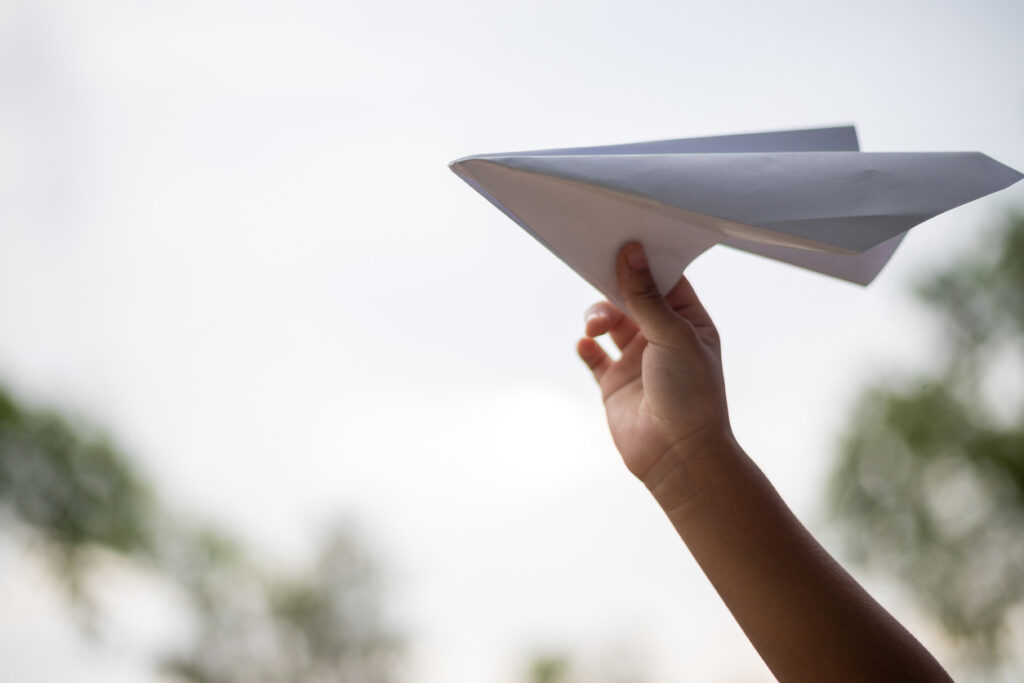
Throwing a paper aeroplane on Earth is simple: fold, flick, and watch it glide. But what if you tried that same move in outer space? No gravity pulling it down, no air to help it fly, and no wind to mess it up. Sounds like the perfect flight, or a total disaster. So what does happen if you launch a paper aeroplane in space? Here’s what you’d be dealing with (spoiler: it’s not as smooth as your Year 6 classroom throw).
It wouldn’t glide; it’d just float.
On Earth, paper planes glide because air pushes against their wings, creating lift. In space, there’s no air, so the second you let go of your paper plane, it doesn’t “fly”; it just floats. It moves in the direction you threw it, but it doesn’t swoop or soar like it would back home. Without air resistance or gravity pulling it down, it would just keep drifting along in a straight line at the same speed forever, or at least until it hits something. So technically, yes, it “flies” forever… just not the way we’re used to.
There’s no up or down in space.
When you throw a paper airplane on Earth, you aim “up” a little to give it a good arc. In space, though, there’s no real “up” or “down.” So wherever you throw it, whether sideways, diagonally, upside down, it just keeps going in that direction without changing. This makes it weirdly peaceful but also a bit pointless. You could throw it toward a wall in your spacecraft and watch it drift until it bumps gently into it… unless it keeps missing and drifts endlessly through the cabin like a floating leaflet.
It needs something to push against.
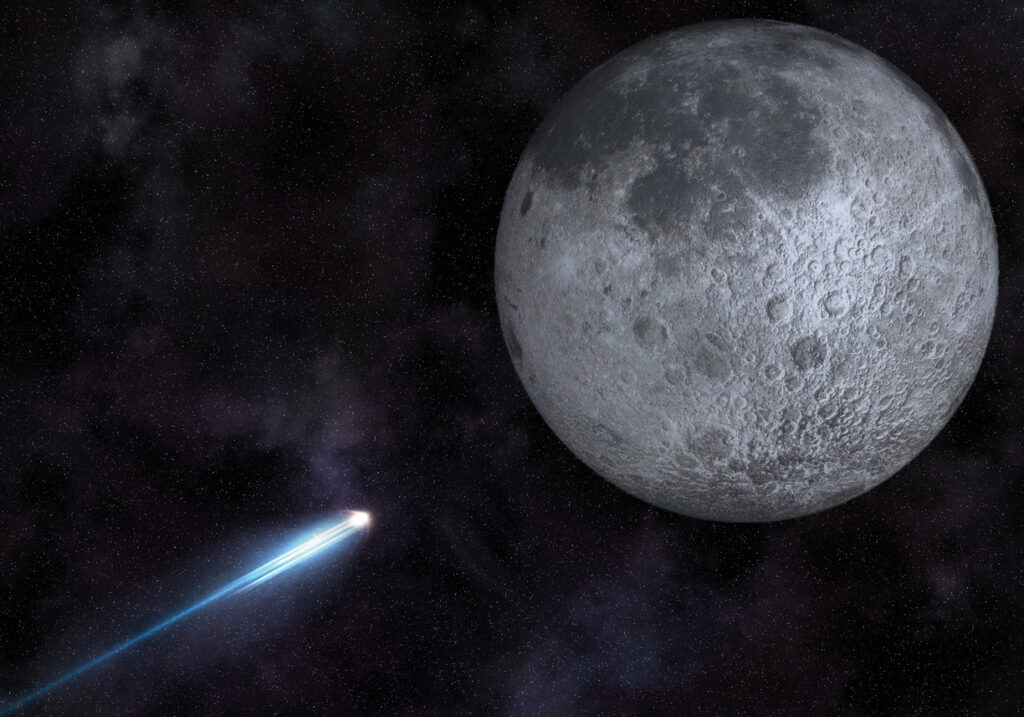
On Earth, your arm muscles push the paper plane through the air. But in space, Newton’s third law takes over, every action has an equal and opposite reaction. If you throw a paper airplane without anchoring yourself, you’ll start floating backward, too. This means astronauts have to brace themselves before even trying a simple toss, otherwise, they’ll be drifting around with the plane. Kind of funny until someone ends up wedged in the ceiling vents trying to retrieve both.
It would never land.
On Earth, gravity makes a paper plane eventually fall. In space, unless you’re near a planet or strong gravitational body, there’s nothing pulling it down. So once you throw it, it just keeps going in a straight line… forever. No loops. No crash landing. Unless it hits an object like a wall, a satellite, or someone’s head, it’ll just continue on its path. That makes space the ultimate long-distance throwing arena, but also the least dramatic place for watching paper planes crash and burn.
No lift means no proper flight.
Lift is the force that lets planes, and even your paper gliders, stay in the air. It comes from air flowing over and under the wings. In the vacuum of space, there’s no lift because there’s no air to push against the wings. This means your beautifully folded plane won’t glide like it does on Earth. It might spin or drift, but it’s not “flying” in the true sense. More like floating with flair—graceful, sure, but a bit anticlimactic.
It could survive longer than you think.
If you launched a paper airplane outside a spacecraft, into the actual vacuum of space, it wouldn’t disintegrate right away. There’s no oxygen, so it wouldn’t burn. There’s no air pressure to tear it up. It could survive for quite a while.
Eventually, it would degrade from radiation and extreme temperatures, but not instantly. That means your school project plane could technically orbit Earth for months, maybe even years, before breaking down, assuming it wasn’t pulled into the atmosphere and burnt up first.
Heat and cold would mess it up fast.
Outside a spacecraft, temperature swings in space are brutal. One side of the paper could be in blistering heat (over 100 °C), while the other side is freezing cold (as low as -100 °C or worse). That extreme stress could make the paper curl, tear, or snap in time. Even though there’s no air to carry heat, the sun’s radiation still hits directly. That could bleach the paper or make it brittle. So unless you’ve folded it from heat-proof, space-rated cardstock, it’s not lasting forever.
It could become space litter.
If you launched your paper plane from a spacecraft, and it escaped into open space, congratulations! You’ve just created space junk. It’s tiny, but even small objects can be dangerous at orbital speeds, especially if they hit satellites or other spacecraft. This is why astronauts are incredibly careful about what leaves the ship. A floating paper airplane might sound harmless, but at 17,000 mph, it’s basically a flying hazard. Cool in theory, but bad in practice.
Inside the ISS, it would just drift.
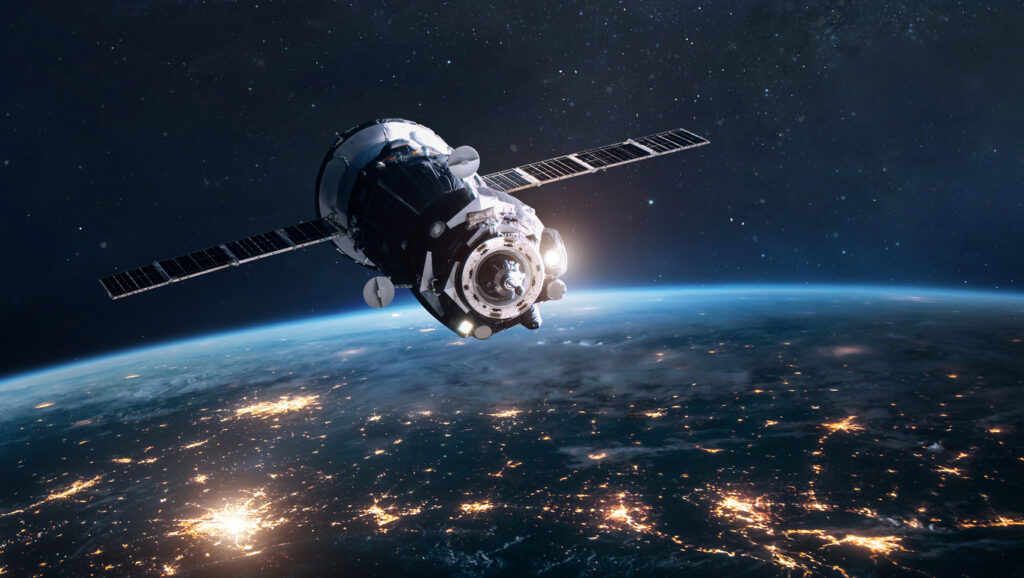
If you launched a paper plane inside the International Space Station, things would be less dramatic. There’s air inside, so the plane could float or even spin slightly, but it still wouldn’t glide the way it does on Earth. It might look a bit like slow motion, drifting gently until it hits a wall or someone’s coffee. Fun, but again, not exactly the thrilling flight path you’d hope for. Still, it’d make for a solid zero-gravity science experiment.
It makes you appreciate Earth’s air a bit more.
All the things that make paper planes fly—lift, drag, resistance—come from Earth’s atmosphere. Without that invisible cushion of air, you’re basically tossing a piece of paper into an endless vacuum where nothing behaves quite the way we expect. So while space might seem like the ultimate playground for flight, it turns out paper airplanes belong right here on Earth. They need air to soar, and let’s be honest, half the fun is watching them nosedive into your mate’s backpack anyway.