When we talk about keeping wild animals in cages or tanks, it’s easy to focus on the physical side of things, like whether they’re being fed or if their enclosure is clean.

However, the real damage usually happens in a way that’s much harder to see at a glance. For a creature that’s evolved over millions of years to navigate vast territories, hunt for its own food, and live in complex social groups, being stuck in a small, static environment is a total shock to the system. It’s not just about the lack of space; it’s the lack of choice and the crushing boredom that comes from having every single instinct suppressed.
These animals end up living in a state of permanent low-level stress that eventually rewires their brains and changes how they behave. These are some of the actual psychological and physical toll of captivity, showing how life behind bars fundamentally breaks the spirit of the creatures we claim to be protecting.
It strips away natural choice and control.

In the wild, animals spend most of their lives making decisions. Where to move, when to rest, who to avoid, when to hunt, and how to respond to threats all require constant judgement. That decision-making isn’t a luxury. It’s a core part of how their nervous systems stay regulated and alert.
Captivity removes most of those choices. Movement is restricted, routines are imposed, and environments stay largely the same day after day. Even when animals are well cared for, the lack of control creates chronic stress. Being unable to choose doesn’t just limit freedom. It alters how animals experience safety itself.
It disrupts natural behaviours that have no substitute.
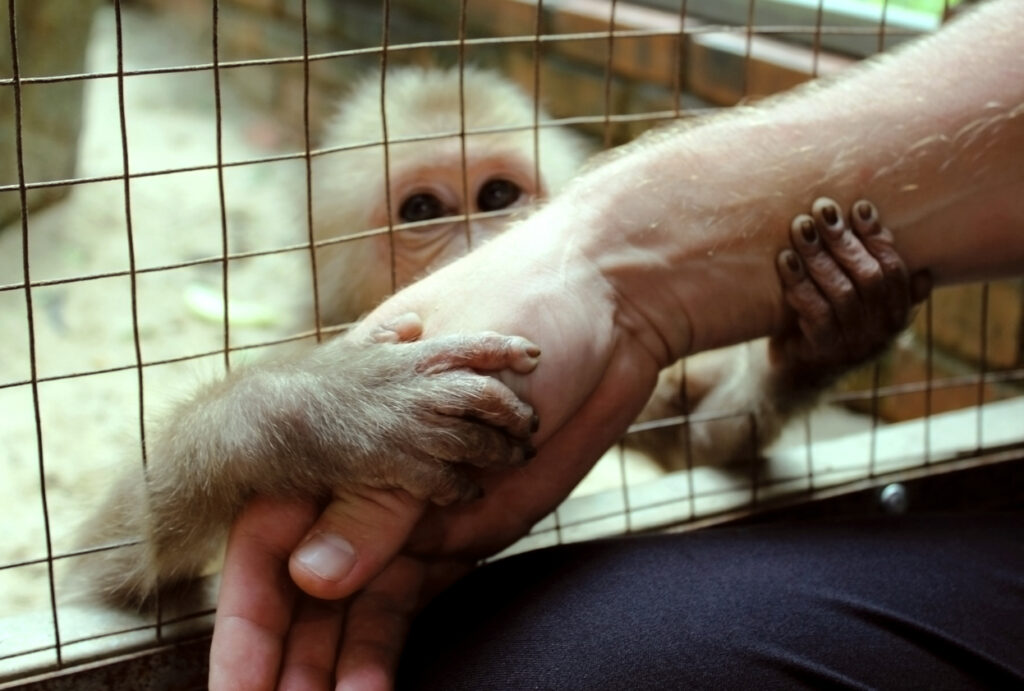
Many wild behaviours exist for reasons that don’t translate into enclosures. Long-distance migration, complex hunting strategies, territorial patrols, and social hierarchies all require space, unpredictability, and risk. No enrichment schedule can fully replace that.
In captivity, these behaviours either disappear or get distorted. Animals may pace, over-groom, rock, or repeat movements because their instincts have nowhere to go. These behaviours aren’t quirks. They’re signs of frustration when deep biological drives are blocked.
Social animals suffer when group dynamics are forced.
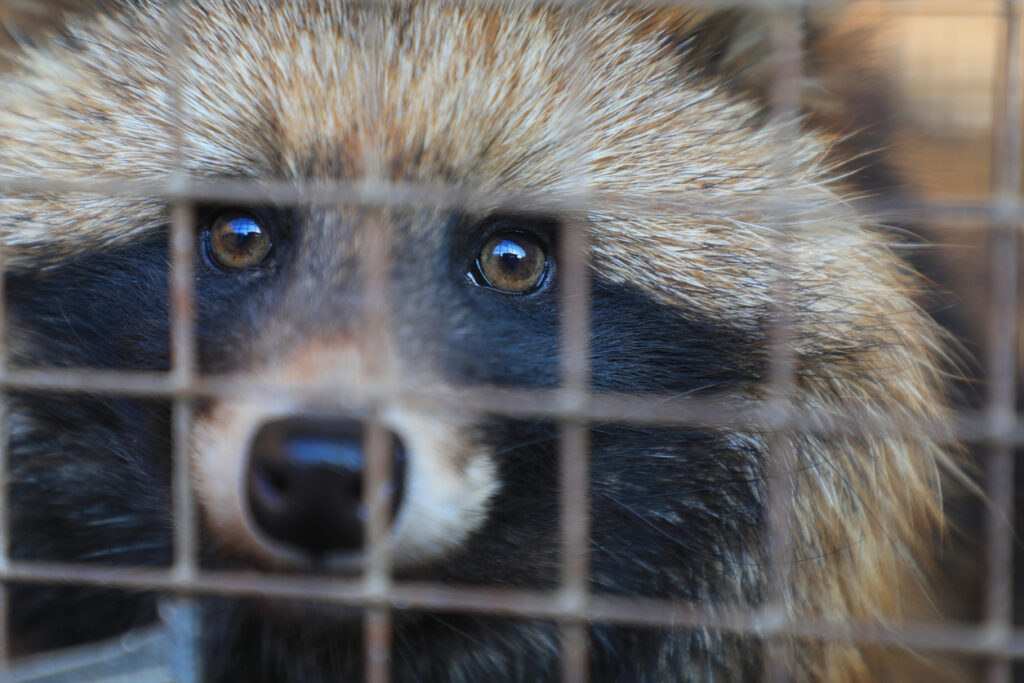
Wild social structures are flexible and self-regulating. Animals choose companions, avoid rivals, and shift roles as needed. Captive groupings are usually decided by humans, often based on logistics rather than compatibility.
Perhaps unsurprisingly, this can create constant tension. Animals may be unable to escape dominant individuals or may be isolated from meaningful social bonds. Even when aggression isn’t visible, social stress can quietly affect health, immunity, and emotional stability over time.
Mental stimulation becomes artificial and limited.
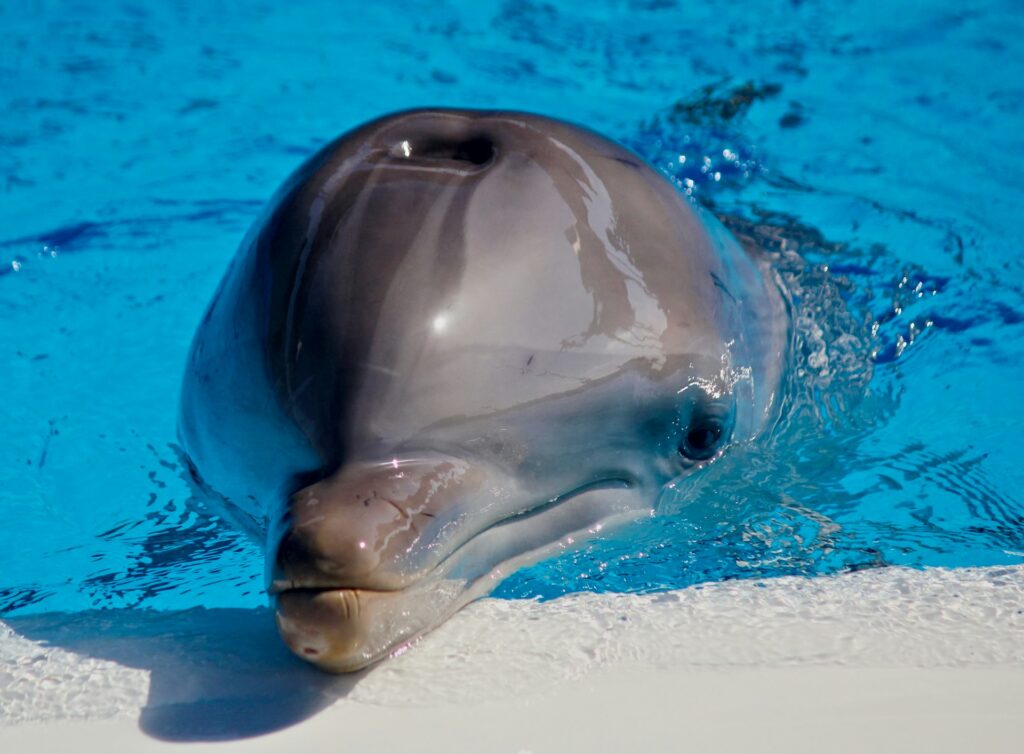
In the wild, the environment itself provides endless stimulation. Weather changes, unfamiliar scents, new threats, shifting terrain, and unpredictable encounters all keep animals mentally engaged.
Captivity replaces this complexity with scheduled enrichment. While enrichment can help, it’s still controlled, repetitive, and predictable. Over time, animals learn the patterns. Once that happens, stimulation drops sharply, leaving boredom that has no natural outlet.
Stress responses stay switched on long-term.
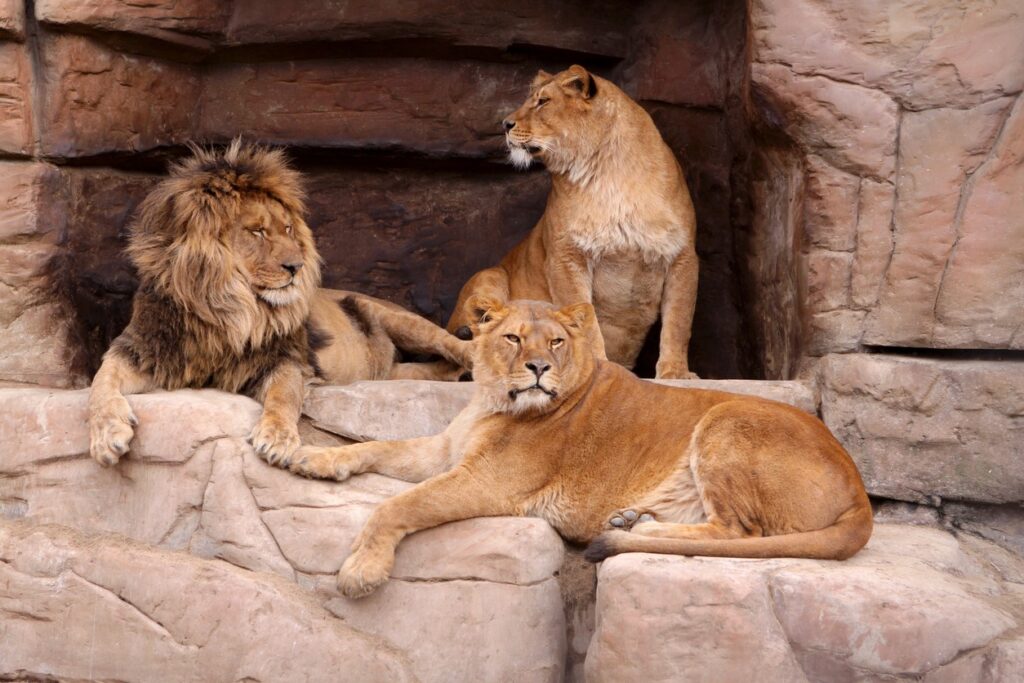
Wild animals are designed for short bursts of stress followed by recovery. Chase, escape, rest. Threat, resolution, calm. Captivity often breaks that cycle, and the impact that has on the animals in question can be catastrophic.
Noise, crowds, artificial lighting, confinement, and constant visibility keep stress hormones elevated. The animal may look calm, but internally, their body stays in a low-level state of alert. Over months and years, this affects digestion, sleep, immune response, and lifespan.
Learned helplessness can replace problem-solving.
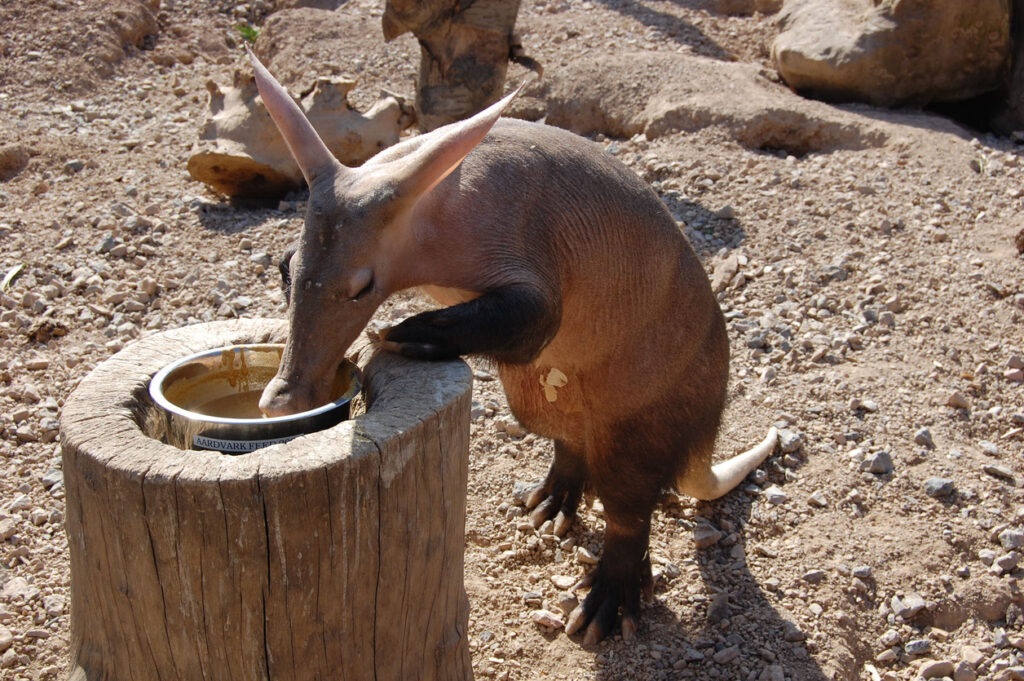
When animals repeatedly encounter situations they can’t change, many stop trying. This isn’t calm acceptance. It’s a shutdown response known as learned helplessness. You might see animals sitting still for long periods, showing little curiosity or initiative. To human eyes, this can look like contentment. In reality, it’s often the nervous system conserving energy because effort no longer leads to outcomes.
Captivity alters brain development and flexibility.
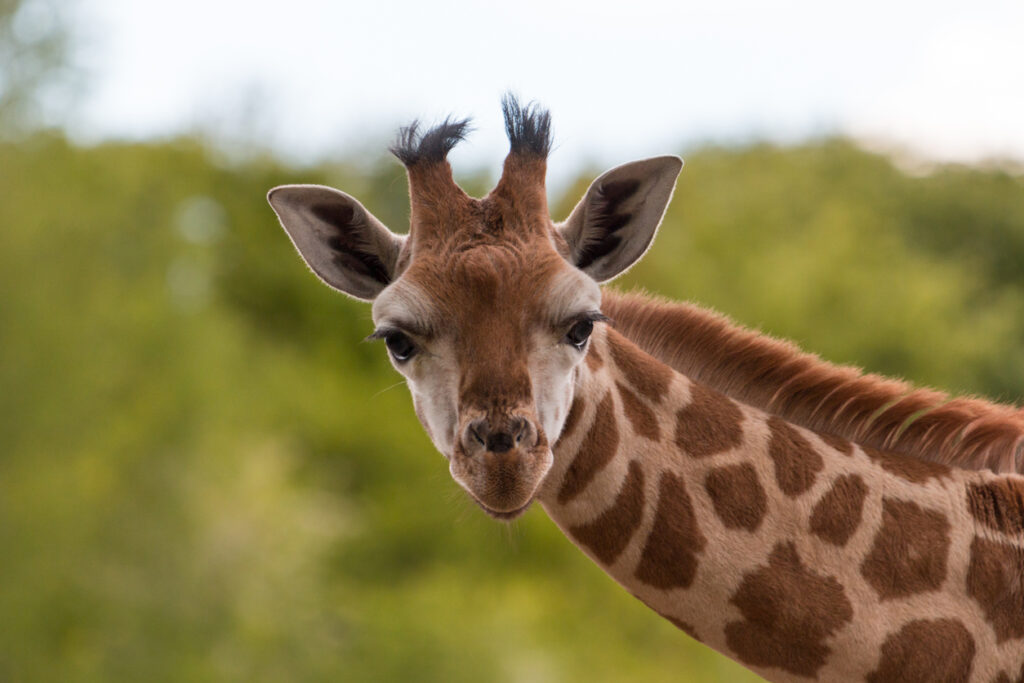
Young animals raised in captivity miss out on experiences that shape brain growth. Exploration, danger assessment, social learning, and environmental problem-solving all help wire the brain properly.
Without those challenges, neural development can be flatter and less adaptable. This makes reintroduction to the wild extremely difficult, even when physical health is good. The animal’s brain simply hasn’t been trained for real-world complexity.
Physical health can mask psychological decline.
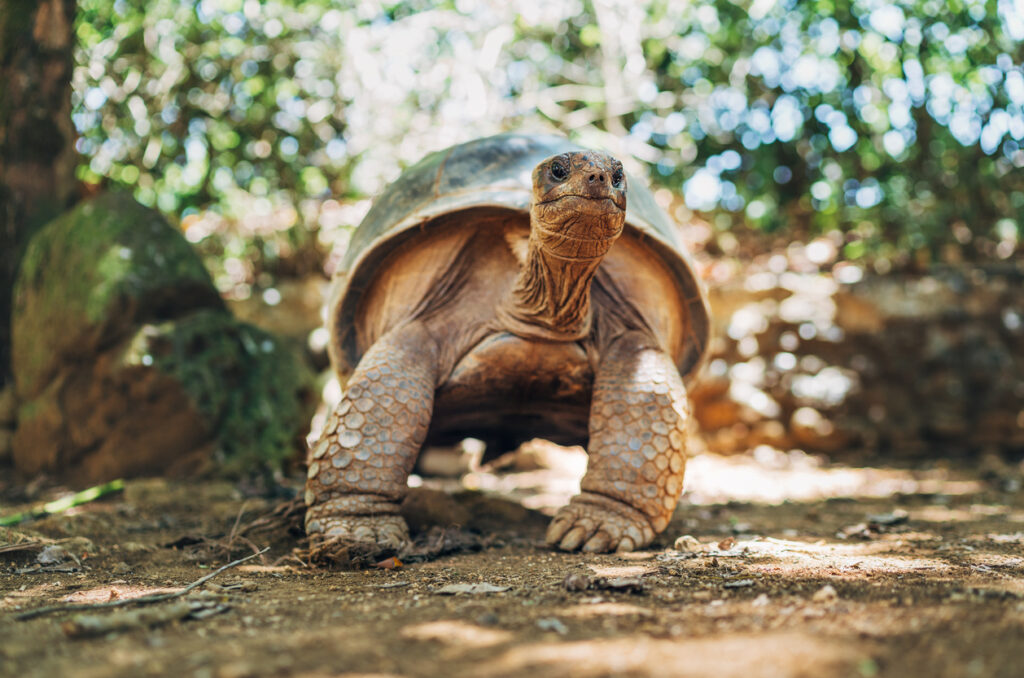
Captive animals are usually fed regularly and protected from predators, which can make them look healthy on paper. Weight is stable. Injuries are treated. Lifespans may even increase for some species, but physical survival isn’t the same as well-being. Psychological stress doesn’t always show up as illness right away. It accumulates quietly, affecting behaviour, reproduction, and resilience long before visible decline appears.
Repetitive behaviours are coping mechanisms, not habits.
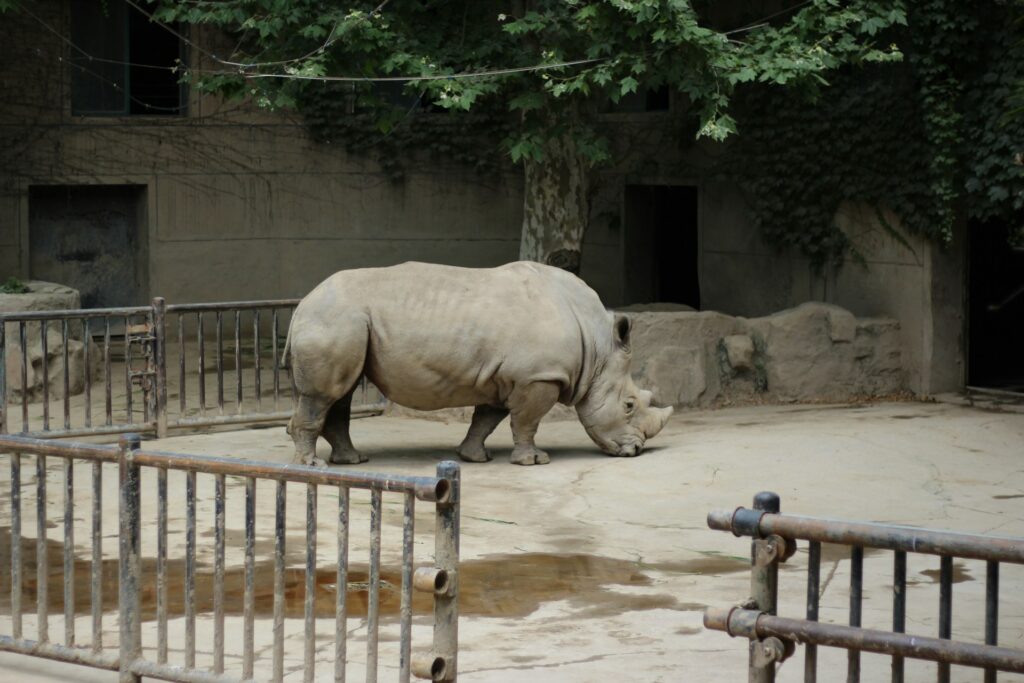
Pacing, head-bobbing, circling, and repetitive vocalisations are common in captive animals. These behaviours often develop when stress has no release. They help regulate the nervous system, much like humans fidget when anxious. The longer captivity continues, the more ingrained these patterns become. Even when conditions improve, the behaviours may persist because the stress pathways are deeply established.
Captivity changes animals in ways that don’t fully reverse.
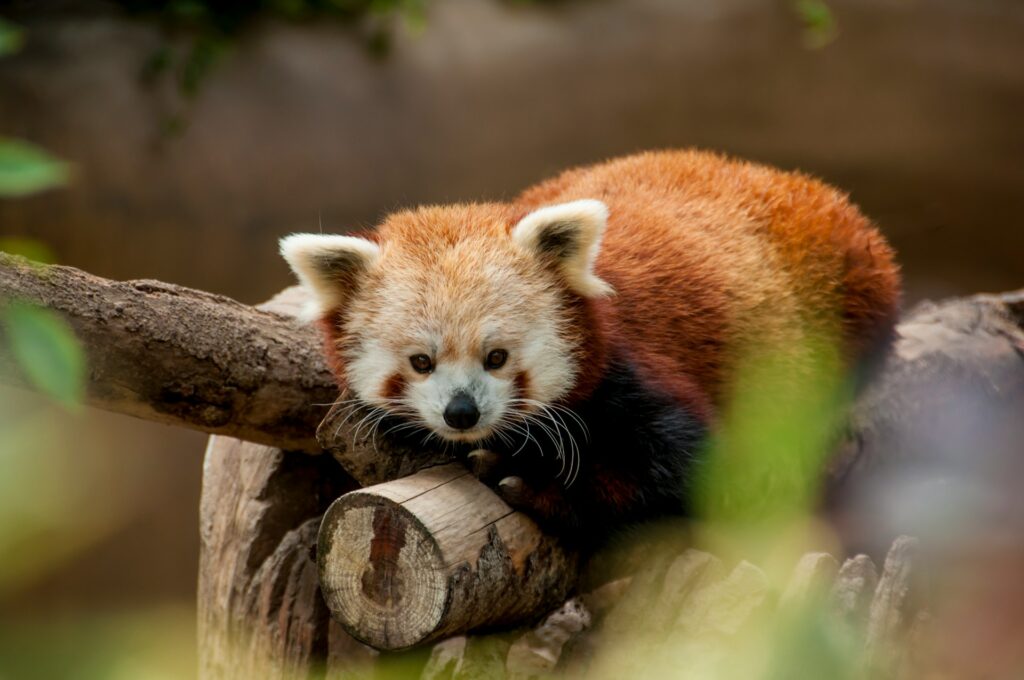
Some animals can be rehabilitated and released. Many cannot. Years in captivity alter instincts, stress tolerance, social responses, and survival skills in ways that aren’t easily undone.
However, that doesn’t mean rescue or conservation work is pointless. It means captivity always comes with trade-offs. Even the best-run facilities are managing damage, not erasing it. Understanding that reality matters if we’re serious about animal welfare rather than comforting stories.