When most people think of perennials, they picture lavender, hostas, or coneflowers.
However, there’s a whole world of lesser-known options that come back year after year and deserve more love. They make beautiful additions to any outdoor space and are easy enough to maintain, making them no-brainers, really. Here are 14 brilliant perennials you might not have thought of—but absolutely should.
1. Persicaria (Red bistort)
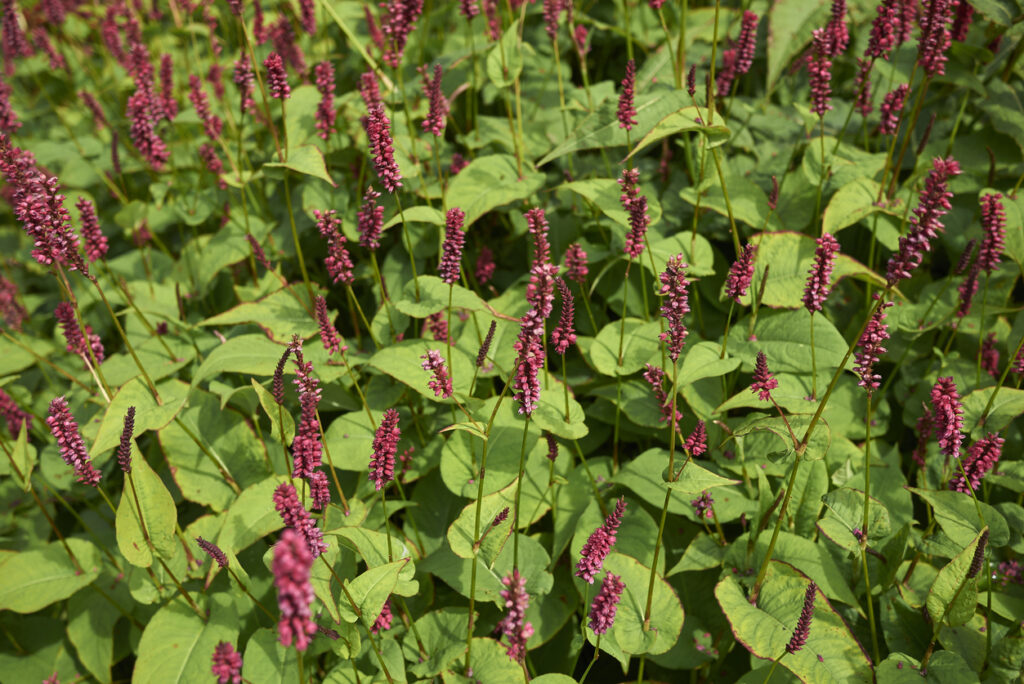
Persicaria brings colour and movement with long spires of tiny flowers that sway in the breeze. It’s a generous plant, too—it flowers for months and asks very little in return. Some varieties stay compact, while others sprawl to fill bigger gaps in your beds. It’s also great for pollinators and handles moist soils like a pro. Perfect if you want something low-maintenance but still packed with presence. Think cottage garden, but with a twist.
2. Lysimachia (Creeping Jenny)
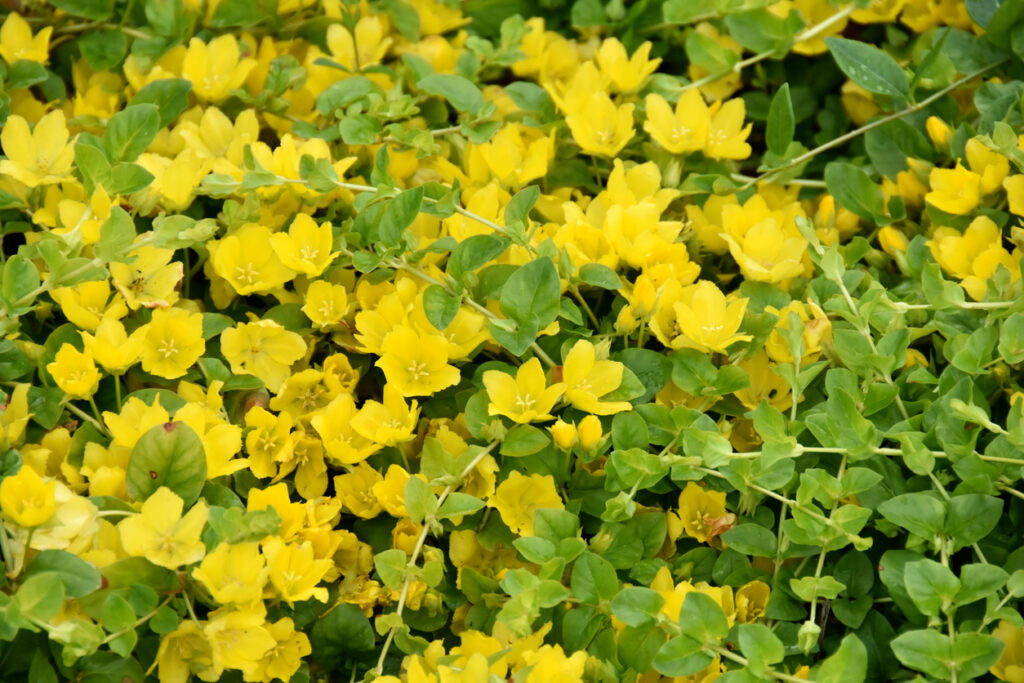
Often used as ground cover, lysimachia creates cascades of lime-green leaves and sunny yellow flowers. It works brilliantly in containers, especially where you want something to trail over the edge and soften hard lines. It spreads fast, so it’s great for filling awkward gaps or taming neglected corners. Just be mindful of where you plant it—it can take over if left unchecked, but that’s also part of its charm in the right spot.
3. Amsonia (Blue star)
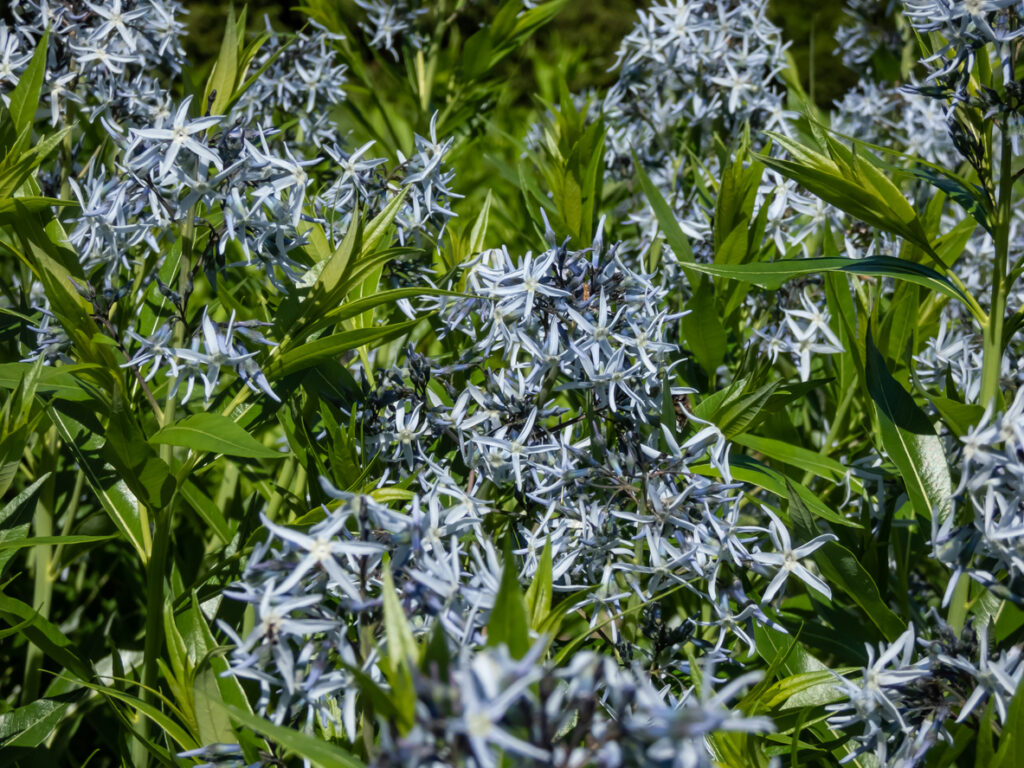
With its delicate, star-shaped blue flowers in spring and golden foliage in autumn, amsonia gives you two seasons of impact. It looks airy and light but is surprisingly tough, tolerating heat, drought, and even clay soil. This one’s perfect for mixed borders where you want something graceful and slightly unusual. Plus, it doesn’t flop or fade, even in trickier conditions.
4. Kirengeshoma (Yellow wax bells)
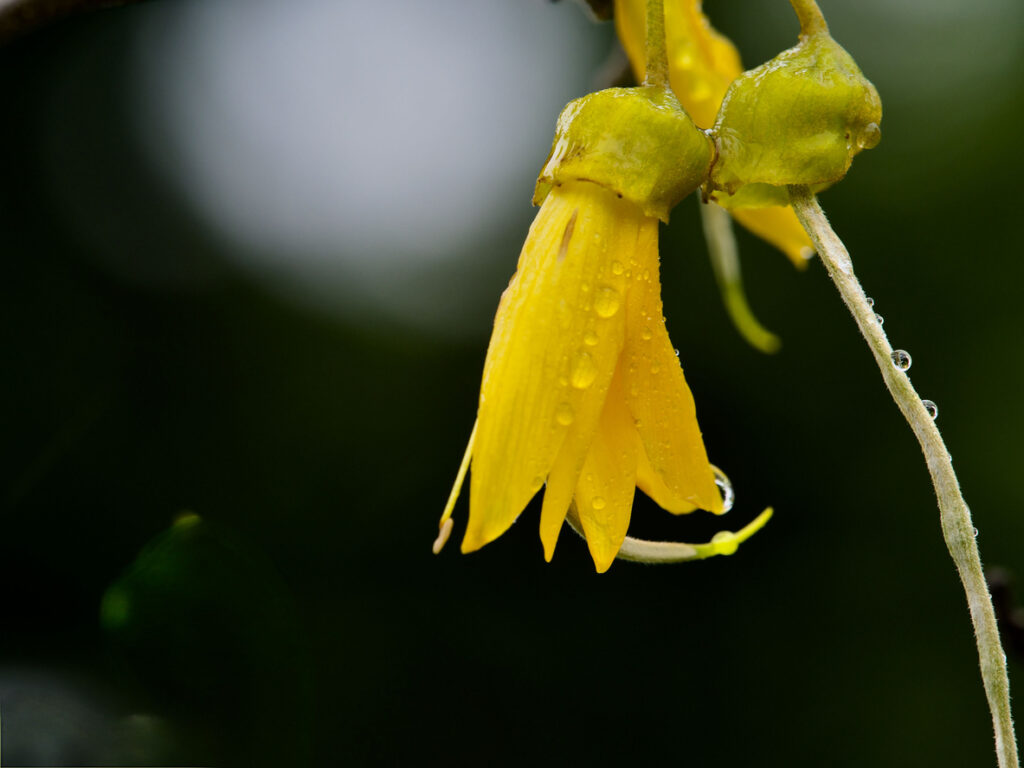
Kirengeshoma is a woodland gem—tall, leafy, and topped with pale yellow, bell-like blooms that appear late in the season. It prefers dappled shade and moist soil, making it a solid choice for those difficult shady spots. It’s not flashy, but it has real presence. If you like plants that feel quietly luxurious and a little different, this is a lovely one to try.
5. Thalictrum (Meadow rue)
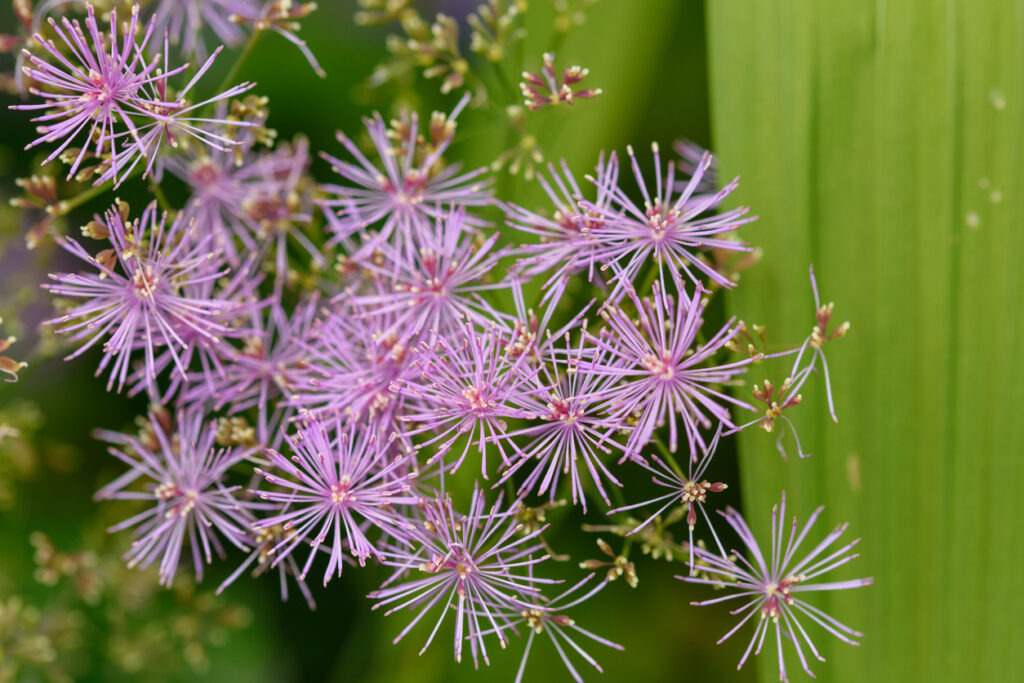
Thalictrum’s soft, feathery flowers and tall stems bring a meadow feel to any garden. It works especially well in naturalistic planting schemes or spots where you want to add height without bulk. The foliage looks a bit like aquilegia, and the flowers float above it like little clouds. It’s elegant, graceful, and surprisingly resilient in both sun and part shade.
6. Centaurea montana (Perennial cornflower)
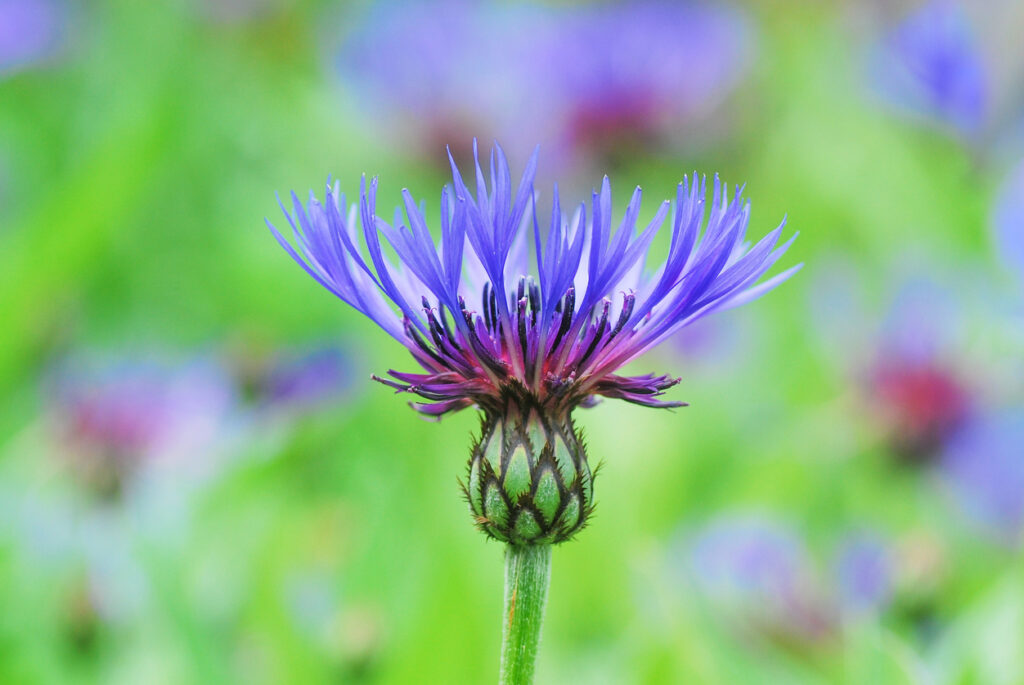
Often overlooked, this tough and cheerful perennial offers striking blue fringed flowers in early summer. It thrives in poor soil, copes with drought, and bounces back year after year with minimal fuss. If you’re after something bold but low-maintenance, centaurea delivers. It also attracts pollinators and blends well with softer perennials like geraniums or nepeta.
7. Sanguisorba (Burnet)
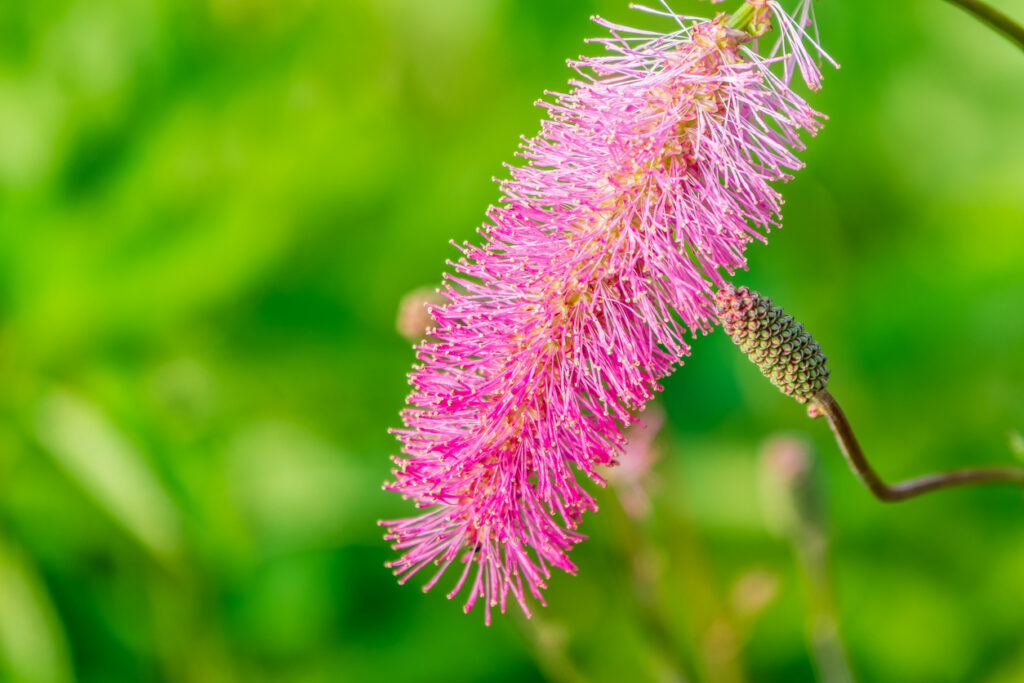
Sanguisorba isn’t a showstopper in the traditional sense—but once you spot its quirky bottlebrush flowers bobbing in the wind, it’s hard not to fall for it. It blooms from late summer and keeps going well into autumn. It’s perfect for adding height and texture without heaviness. Whether you plant it in a wild border or among grasses, it always adds something interesting to the mix.
8. Veronicastrum (Culver’s root)
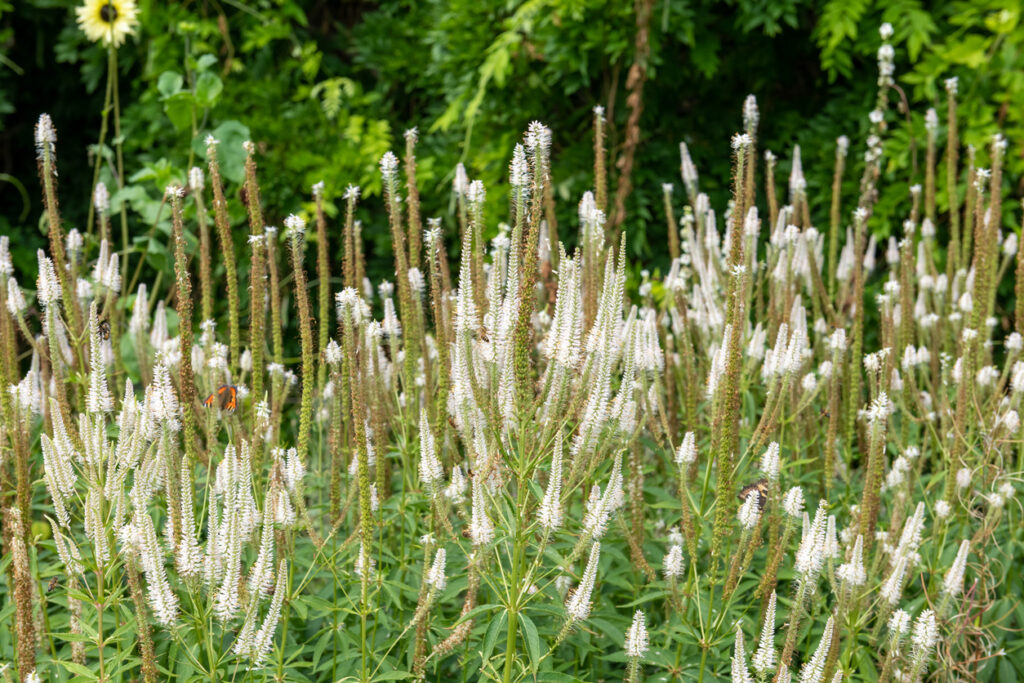
If you want vertical structure that doesn’t feel stiff, veronicastrum might be your answer. Its spires of tiny flowers are elegant and slender, giving borders a light, architectural feel without being harsh. It’s happy in full sun or light shade, and it mixes well with grasses or taller perennials. Despite its classy look, it’s tough and doesn’t demand much.
9. Anemone hupehensis (Japanese anemone)
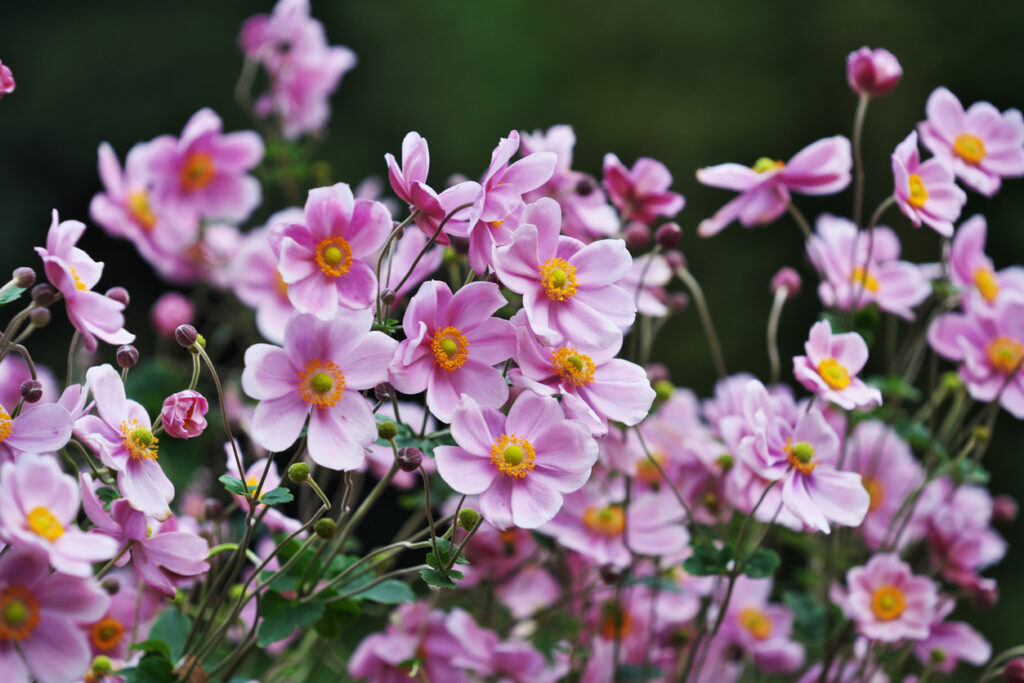
These anemones show up just when you think the garden’s winding down. Their late-summer flowers float above leafy clumps and keep going right into autumn. Soft pinks and whites give them a fresh, breezy feel. They’re brilliant for brightening up part-shade areas, especially under trees or at the back of borders. Once established, they spread gently and put on a dependable show each year.
10. Hesperaloe (False red yucca)
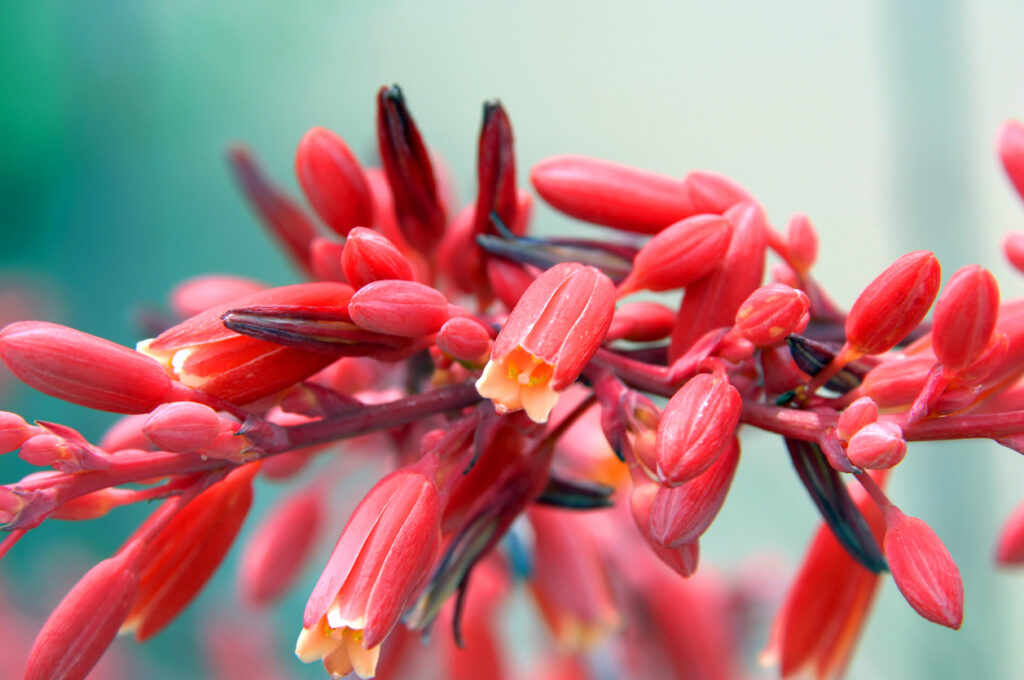
Hesperaloe brings a bit of desert drama without the fuss. It’s a tough, drought-tolerant plant with long, arching leaves and tall flower spikes that attract bees and hummingbirds (or butterflies in the UK). It’s ideal for dry, sunny spots or gravel gardens where other perennials might struggle. Looks fancy, acts hardy—what’s not to love?
11. Tiarella (Foam flower)
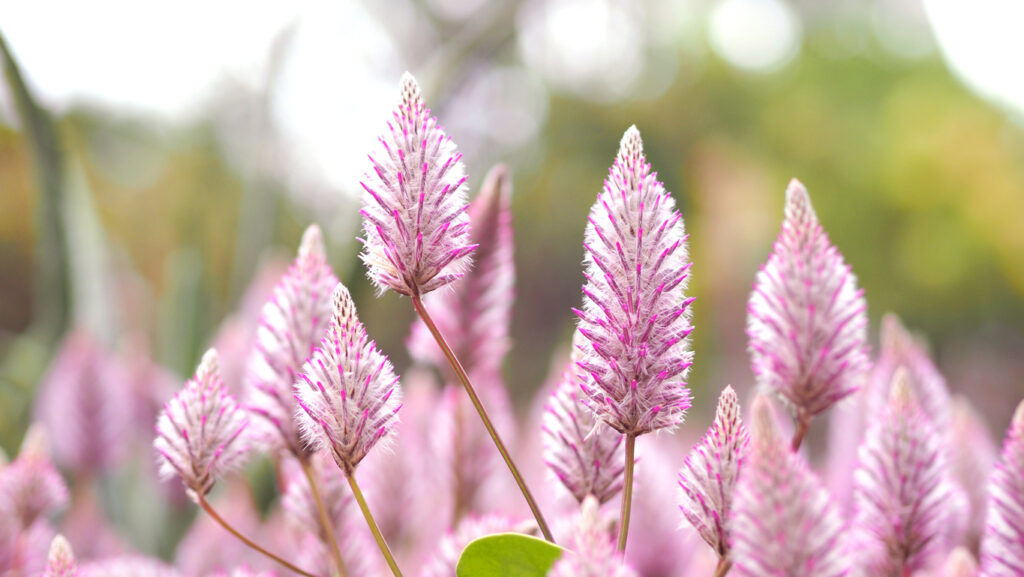
Think of tiarella as the more subtle cousin of heuchera. It has similar foliage charm but adds frothy little flowers in spring. It’s perfect for shady beds, under trees, or woodland borders. It doesn’t need much attention and forms tidy mounds of patterned leaves that stay attractive through most of the year. It’s one of those plants that quietly earns its keep without needing to shout for attention.
12. Baptisia (False indigo)
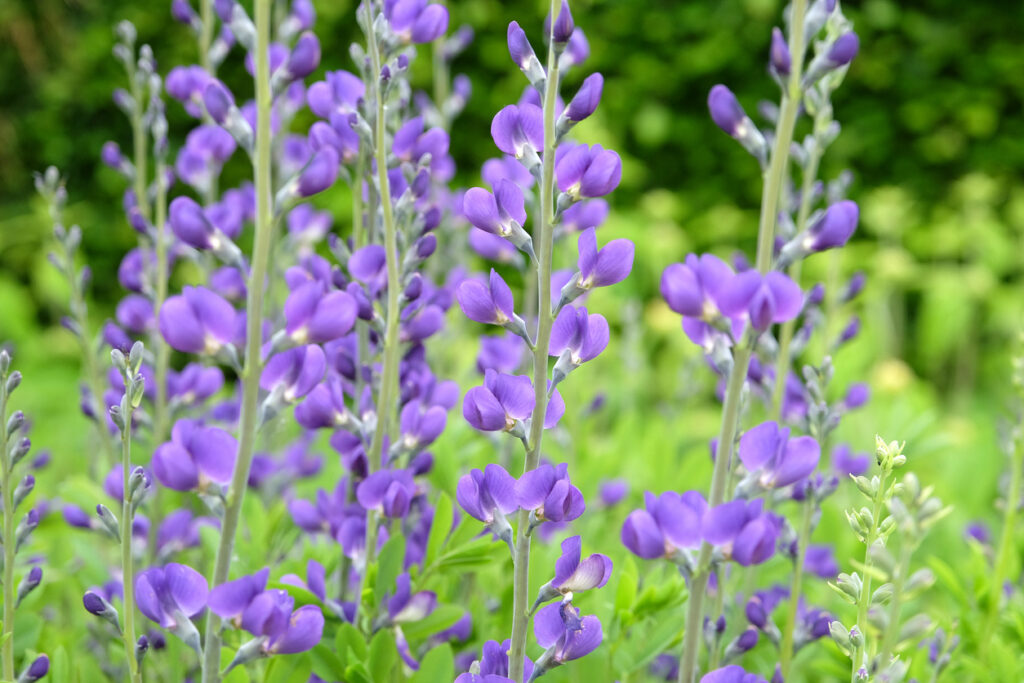
Baptisia starts out slow, but once it gets going, it becomes a reliable and impressive addition to any perennial garden. Its upright stems, pea-like flowers, and silvery seed pods add texture all season. It thrives in full sun and handles poor soil without complaining. You can just plant it, leave it, and enjoy the drama year after year—no dividing or deadheading required.
13. Acanthus mollis (Bear’s breeches)
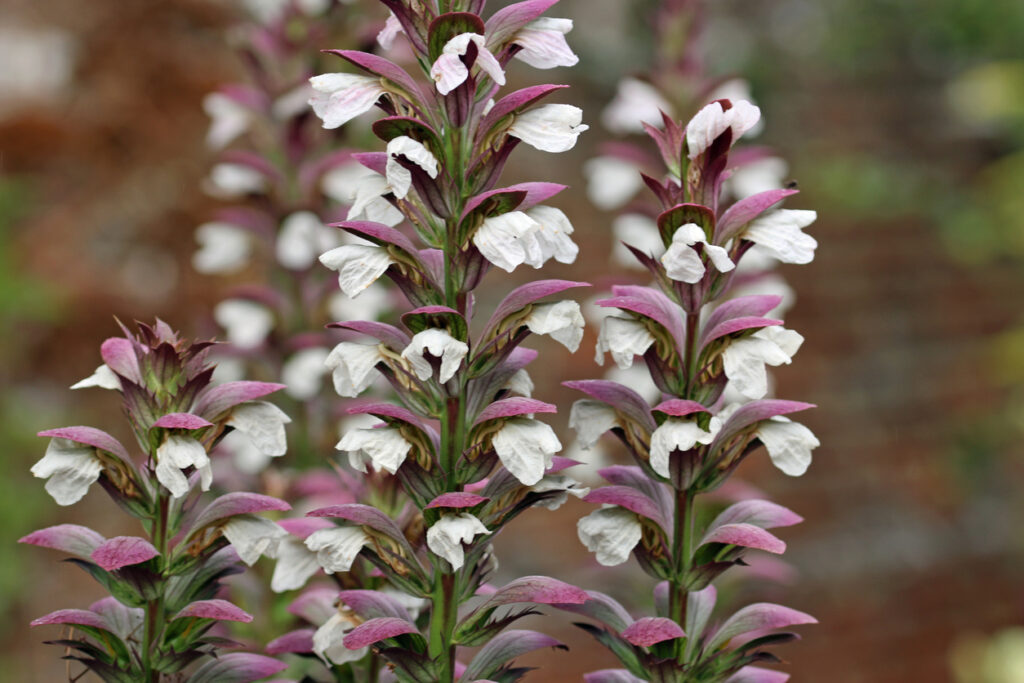
Acanthus makes a bold statement with its giant glossy leaves and towering flower spikes. It’s one of those plants that looks ancient and architectural, almost like it belongs in a Roman mosaic. It thrives in partial shade and poor soil, which makes it great for awkward areas that still need a bit of grandeur. Just give it space—it knows how to fill it.
14. Sisyrinchium (Blue-eyed grass)
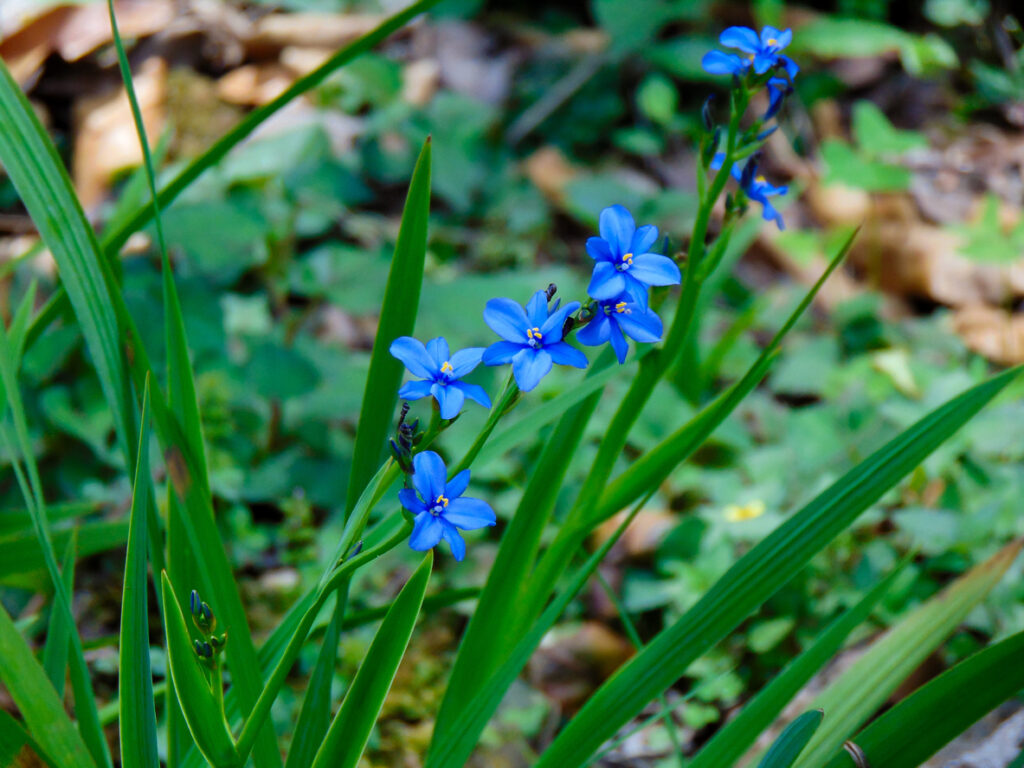
Despite the name, sisyrinchium isn’t a grass at all—it’s a tiny iris relative with fine foliage and small, starry blue or purple flowers. It’s compact, easy-going, and great for edging paths or filling between paving. It flowers all summer, handles full sun, and doesn’t mind being left alone. It’s the kind of unassuming plant you forget about—until it quietly steals the show.