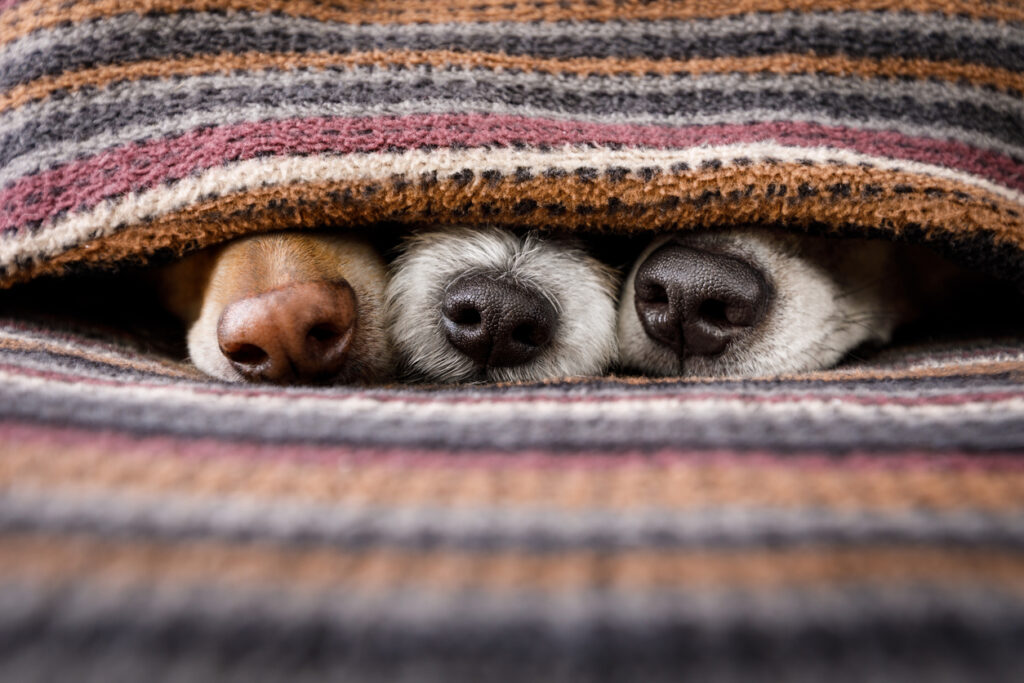
Dogs experience the world through their noses, and their sense of smell is wildly stronger than ours—like, tens of thousands of times more sensitive. So while you might barely notice the whiff of something unpleasant, your dog could be hit with a sensory overload that’s overwhelming or straight-up unbearable. Some scents we use daily without thinking can really mess with their mood, comfort, or behaviour. Here are the everyday smells that tend to drive dogs up the wall, without most humans even realising it.
1. Citrus scents
To us, citrus smells fresh and clean. To dogs? It’s practically an assault on their nostrils. Oranges, lemons, limes, and grapefruits give off intense, acidic smells that dogs instinctively avoid. That’s why citrus oils are sometimes used as natural deterrents for chewing or peeing in unwanted areas. So if you’re using lemon-scented floor cleaner or diffusing orange oil, your dog might be giving the whole room a wide berth.
2. Vinegar
It’s a popular DIY cleaning product, and yeah, it works wonders for grime. However, dogs absolutely hate the smell of vinegar. It’s sharp, sour, and lingers in the air longer than you think. Using it to mop floors or deodorise carpets might seem like a harmless chore, but your dog might be sniffing around with visible distress, unsure where to escape from that strong scent.
3. Strong perfumes or colognes
What smells sophisticated to you can come off as overpowering and unnatural to your dog. Fragrances, especially floral or musky ones, can be irritating or even confusing for them. Dogs use scent to identify people and places. When your natural smell is masked by layers of perfume, they might struggle to recognise you at all, and that can be unsettling for them.
4. Alcohol-based hand sanitiser

These became a daily essential during the pandemic, and many people still use them regularly. But the strong alcohol fumes are way too much for most dogs to tolerate. Even a quick squirt and rub of sanitiser can lead them to back away or sneeze repeatedly. If you’re cuddling your dog with freshly sanitised hands, they might be trying to pull away for good reason.
5. Bleach and disinfectants
This one’s a double whammy because beach doesn’t just smell bad to dogs, it can also be dangerous. The intense chemical scent is overwhelming for their sensitive noses, and any residue left behind can irritate paws or noses if touched. If you’ve cleaned recently, make sure the space is well ventilated and keep your dog out of the room until everything’s dried and aired out properly.
6. Nail polish and nail polish remover
That sharp, chemical scent that stings your own nose a little? It’s a full-on sensory nightmare for your dog. Acetone, which is in most removers, is especially offensive to them. Dogs tend to leave the room altogether when someone starts doing their nails. They’re not being dramatic. They’re just trying to escape a smell that feels toxic to their senses.
7. Mothballs
Even humans tend to dislike this one, but for dogs, mothballs are straight-up noxious. They contain substances like naphthalene or paradichlorobenzene, which are highly toxic for dogs even in small amounts. Beyond being an overwhelming smell, they’re also a serious hazard if your dog happens to chew or swallow one. Best to avoid these completely if you’ve got a curious pup around.
8. Fabric softeners and dryer sheets

That clean laundry scent? Dogs usually hate it. Many fabric softeners and dryer sheets use strong artificial fragrances that linger on clothes and bedding, and get even stronger in confined spaces like cars or small rooms. Some dogs might sneeze or scratch more when exposed to scented laundry, especially if their bedding or favourite blanket was recently washed in it. Unscented options are usually the safer bet.
9. Essential oils (especially tea tree, eucalyptus, and peppermint)
They’re trendy, calming, and a big part of many people’s self-care routines, but a lot of essential oils are way too intense for dogs, and some are even toxic. Tea tree oil, in particular, should never be used around pets. Even “pet-safe” oils can be irritating in high doses. If you’re diffusing oils, make sure the room is well ventilated and your dog has a way to leave the space if they want to.
10. Smoke (from cigarettes, fires, or incense)
Dogs are usually repelled by smoke, and not just because of the smell. It affects their breathing and can irritate their eyes and throat. Cigarette smoke in particular sticks to fur and furniture, which means dogs can’t get away from it easily. Even scented candles or incense can be too strong for dogs in small rooms. If your dog seems to avoid certain spaces or acts fidgety when something’s burning, that’s probably why.
11. Ammonia-based cleaners
Many glass and bathroom cleaners contain ammonia, which has a very sharp, almost urine-like smell. Ironically, it can confuse dogs and even trigger marking behaviour because it mimics the scent of waste. Plus, it’s just generally overwhelming for them. If you’re using ammonia anywhere your dog hangs out, it’s worth reconsidering the product or at least rinsing the area well afterward.
12. Spicy food and chilli powder
While dogs generally avoid spicy foods on their own, the smell of strong spices, especially things like chilli, cayenne, and paprika, can be deeply irritating to their noses. Some people even use cayenne to deter dogs from chewing or digging. It’s not a friendly scent to them at all, so avoid cooking heavy with spice near their bowls or bedding if they seem bothered by it.