You probably think you’ve got to head to the African savannah or the depths of the Amazon to see anything truly impressive, but the UK is actually crawling with wildlife that’ll make you do a double-take.
You’ve likely spent most of your life overlooking the fact that we’ve got massive predators, rare mountain dwellers, and even some of the world’s biggest marine life right here in our own woods and coastal waters. It’s not just about common foxes and grey squirrels; there’s a whole cast of elusive and flat-out exciting mammals that most people never get to see because they don’t know where to turn up.
Whether it’s watching a 10-foot-long seal haul itself onto a beach or catching a glimpse of a pine marten in a Highland forest, the thrill of spotting these animals in the wild is a lot closer than you’ve been led to believe.
Red squirrels
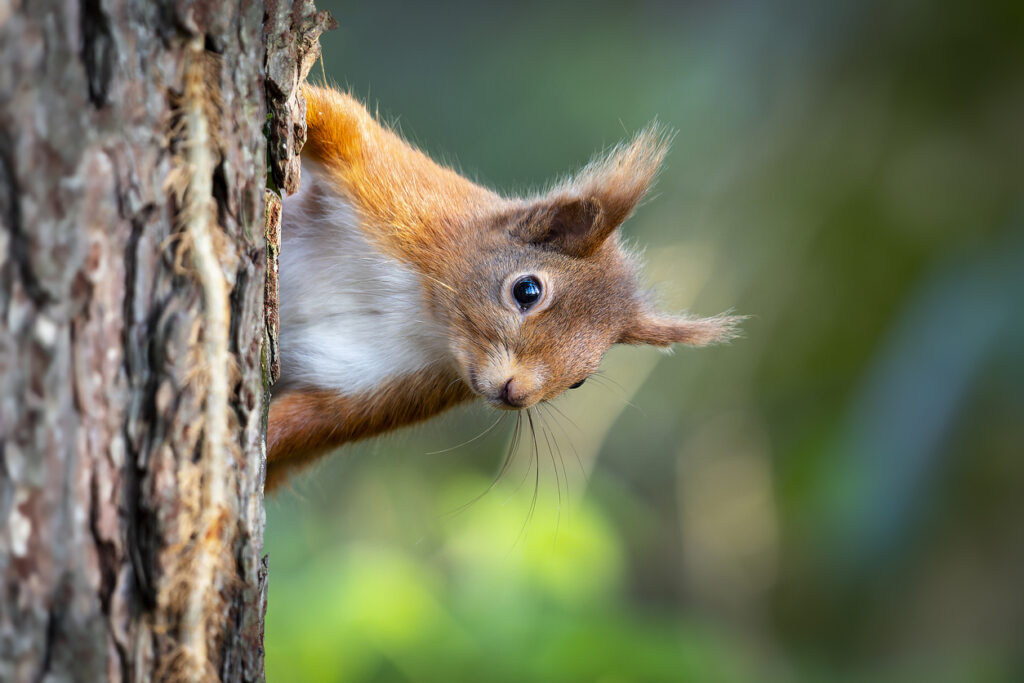
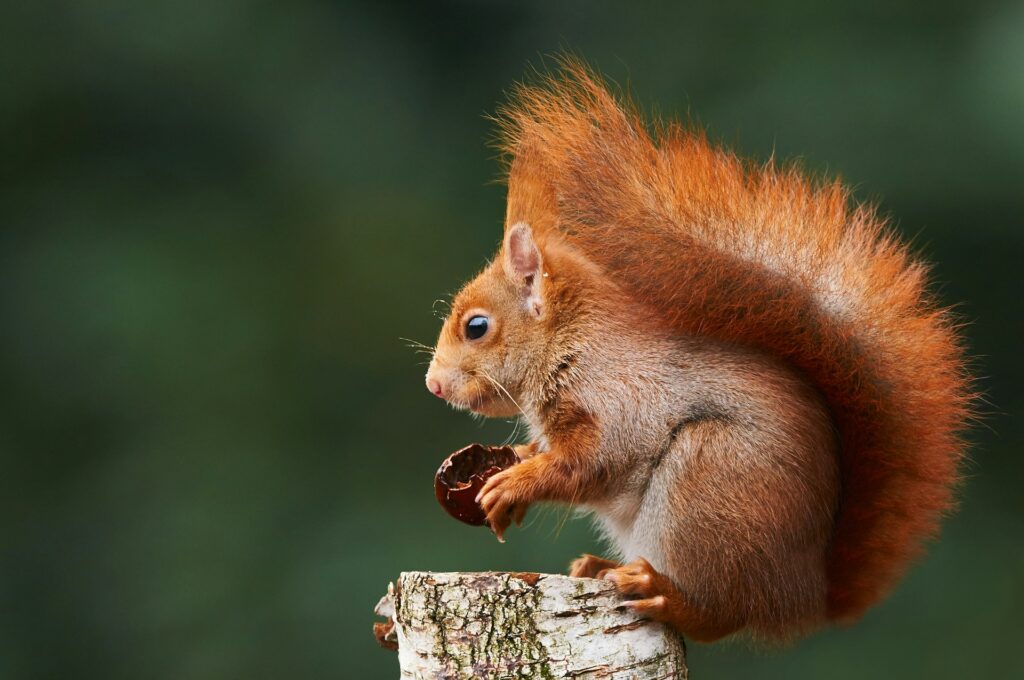
If you’ve only ever seen grey squirrels, red squirrels feel like a different species entirely, quicker, lighter, and somehow more “storybook”. Your best bets are places where reds have strongholds and greys are controlled, like the Isle of Wight, Brownsea Island, Formby, and big conifer forests further north. Go early or late, keep movement slow, and look for feeding signs around pine cones and feeders rather than scanning the canopy like you’re watching birds.
Otters
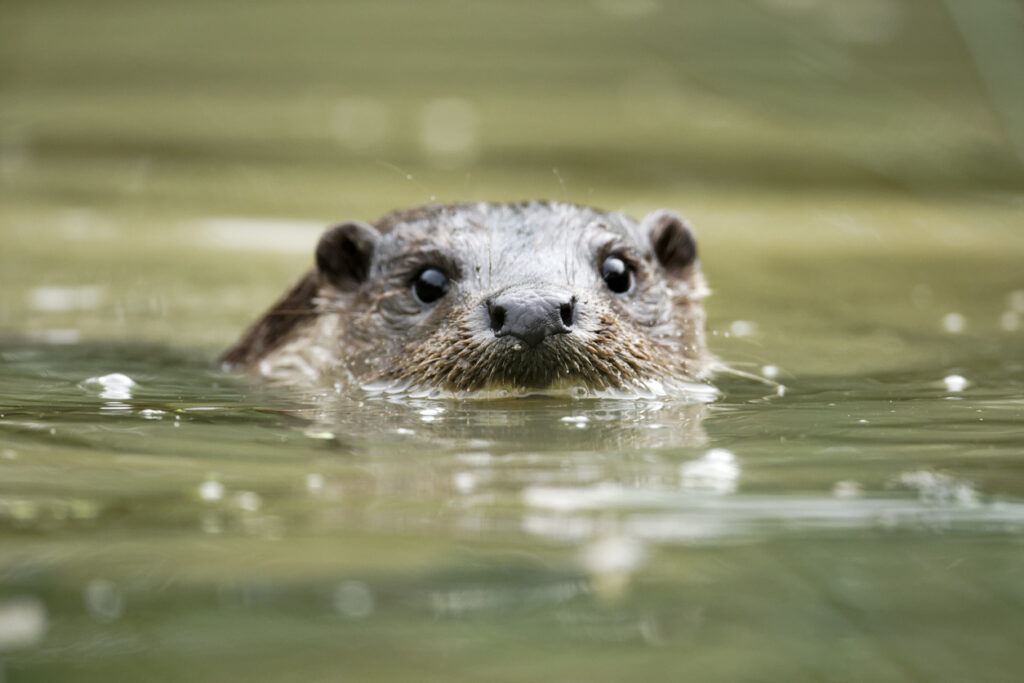
Seeing an otter in the wild is one of those moments that makes you go quiet without trying. On the west coast of Scotland, especially places like the Isle of Mull, otters can show up along rocky shorelines where there’s seaweed and calm water, and you’re more likely to spot one at dawn or dusk. Elsewhere, look along quiet rivers with good cover, reedbeds, and minimal foot traffic, then stay still for longer than feels normal because otters often appear, disappear, then pop up again somewhere nearby.
Beavers
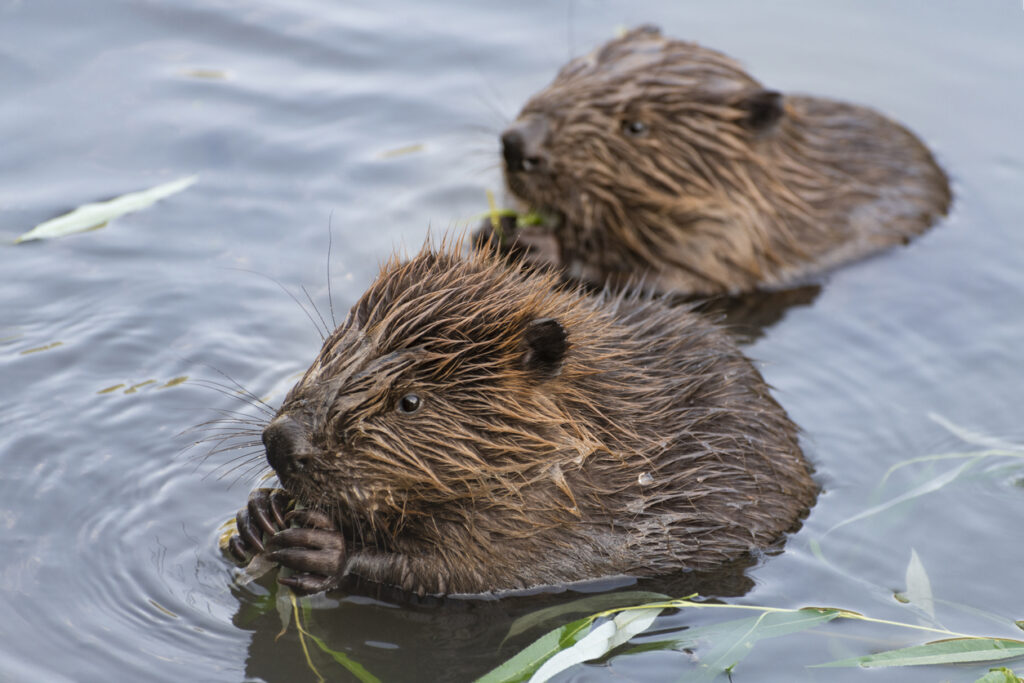
Beavers are back in parts of the UK, and once you know what to look for, you’ll start seeing their “work” even when you don’t see the animal. Try places with known populations, like Knapdale in Scotland or the River Otter in Devon, and focus on the edges of slow water at dusk. Look for gnawed tree stumps, tidy piles of wood chips, and branches cut at a very obvious angle, like someone’s been at them with garden shears.
Pine martens
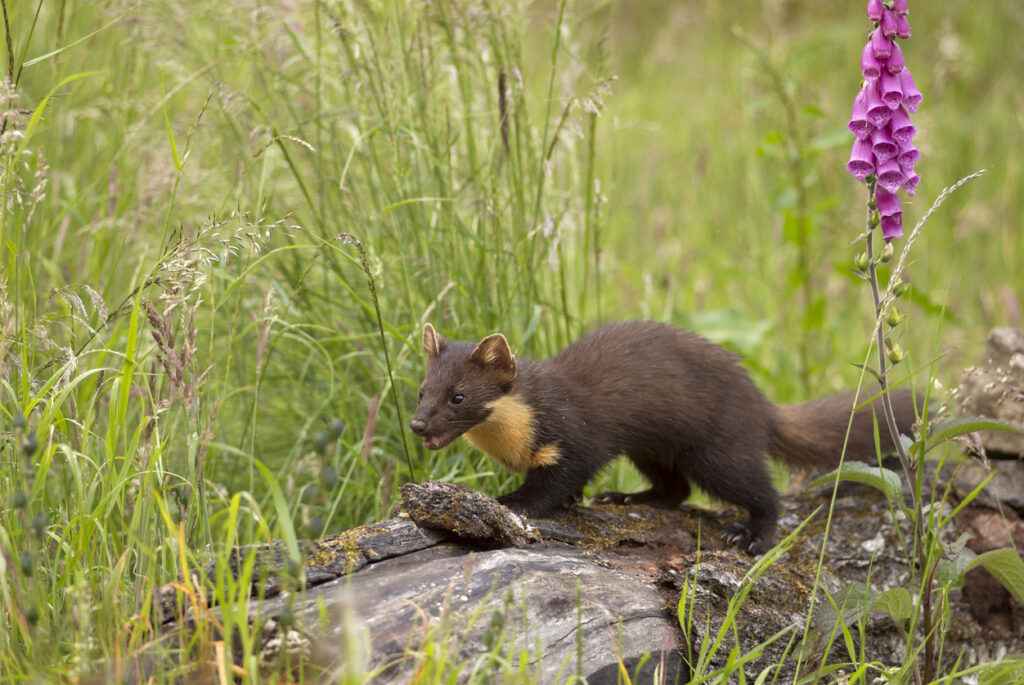
Pine martens are one of the UK’s most exciting mammals because they’re elusive, cat-sized, and move like they’ve got a secret schedule. The Scottish Highlands and the Cairngorms are classic areas, and evening wildlife hides can massively increase your odds because pine martens are often most active when the light drops. If you’re trying without a hide, think quiet woodland edges, lots of old trees, and patience because they don’t tend to saunter out like they own the place.
Scottish wildcats
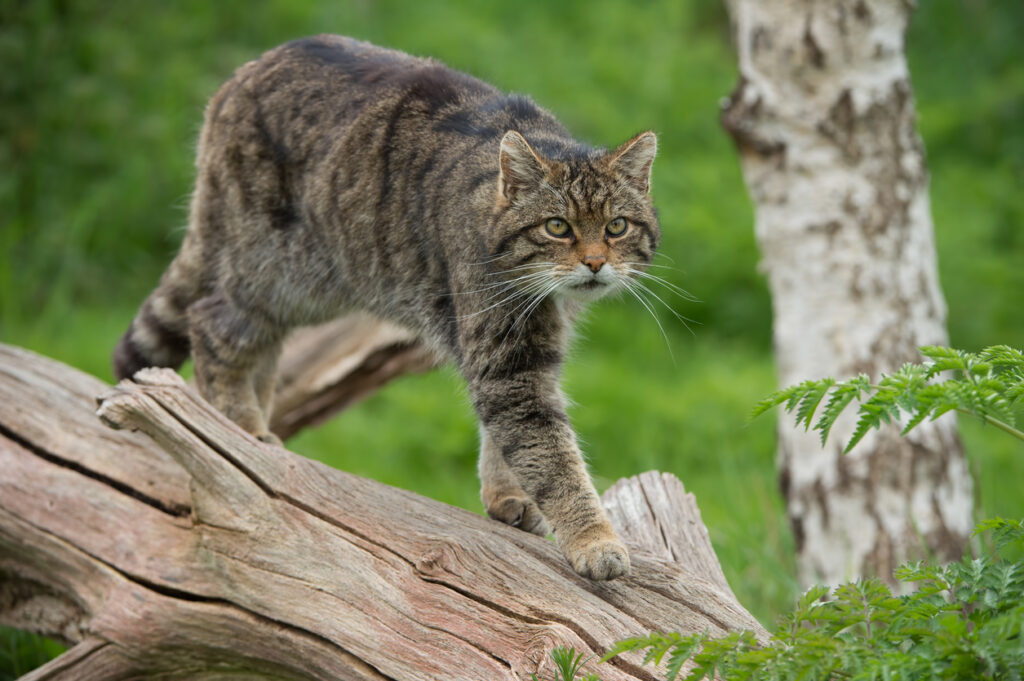
A truly wild Scottish wildcat is one of the hardest mammals to see in the UK, which is part of the excitement and part of the frustration. If you want a guaranteed look at what a wildcat should actually look like, Highland Wildlife Park is a solid option, and it helps you understand the difference between a wildcat and a tabby. For wild sightings, people do report them in parts of the Highlands and around the Cairngorms, but it’s rare, and most “wildcat” sightings turn out to be domestic or hybrid cats.
Red deer
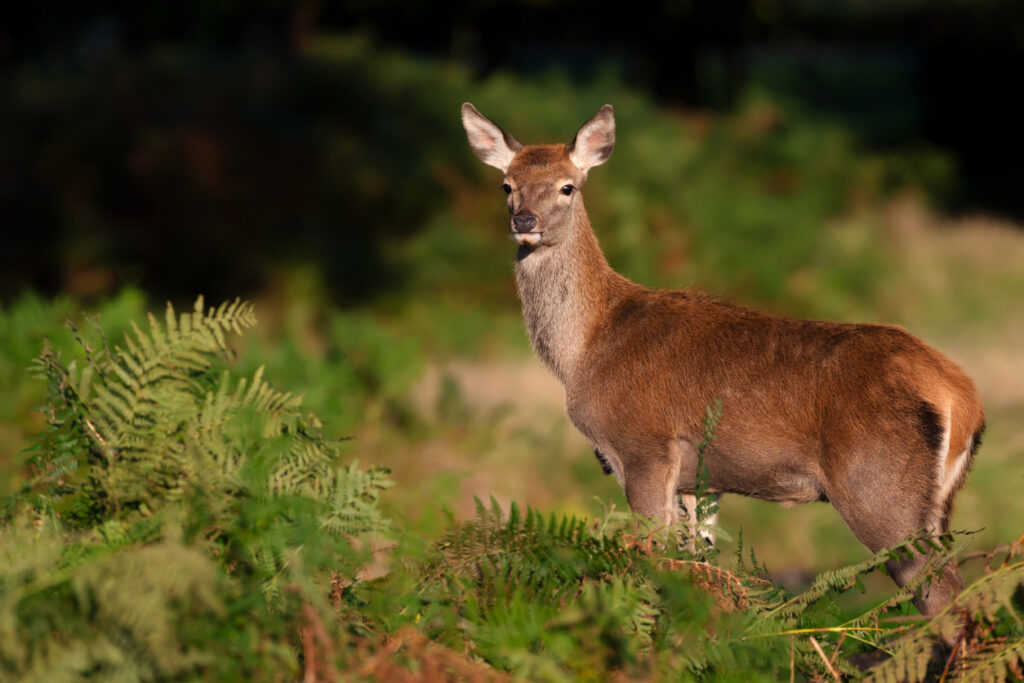
Red deer are huge in real life, and the first time you see a stag properly, it can be a bit startling, like you’ve wandered into the wrong century. In London, Richmond Park is the easiest place for a reliable deer encounter, while in the wilder end of the scale, the Scottish Highlands and Exmoor can be brilliant. Go at sunrise if you can, keep your distance, and remember deer don’t need help getting closer to you, so don’t be the person who pushes it for a photo.
Grey seals

Seals are one of the most accessible “wow” mammals because you can often see them from boats or shore without specialist gear. Places like Blakeney Point in Norfolk, the Farne Islands off Northumberland, and Donna Nook in Lincolnshire are famous for good reason, especially in pupping season when you might see loads. Keep your distance, don’t let dogs charge about, and treat it like watching wildlife, not like visiting a petting zoo that happens to bite.
Bottlenose dolphins
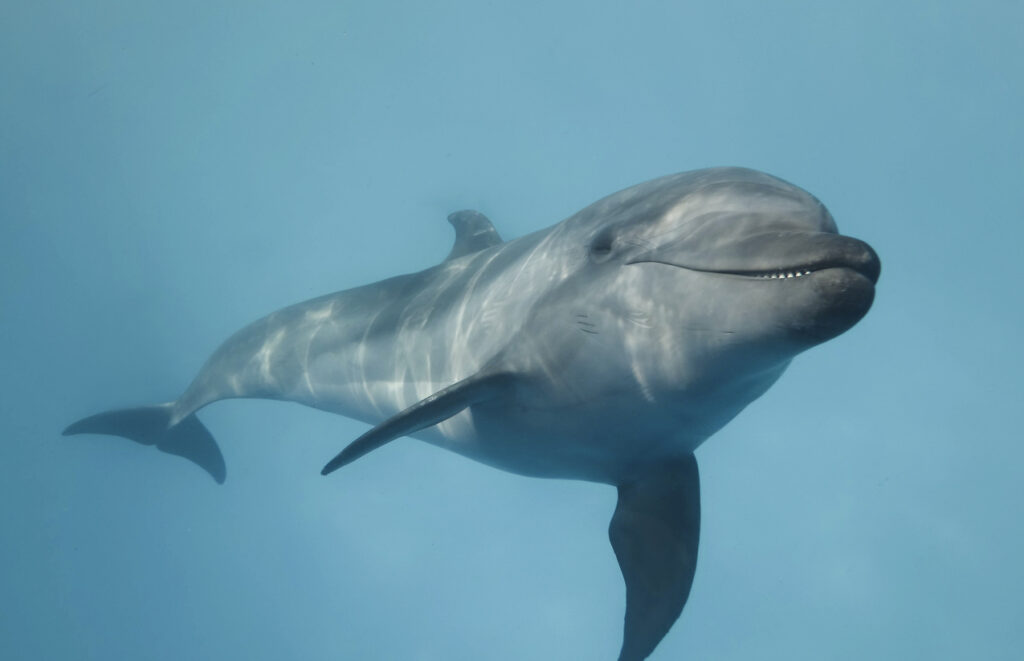
If you want a proper UK dolphin moment from land, the Moray Firth is the headline act, especially around Chanonry Point on the Black Isle, where dolphins can come surprisingly close. Tide timing matters, and so does patience because even good spots can have quiet hours. Bring binoculars if you’ve got them, but honestly, even with the naked eye, a big dorsal fin cutting through the water is enough to make you grin like a kid.
Harbour porpoises
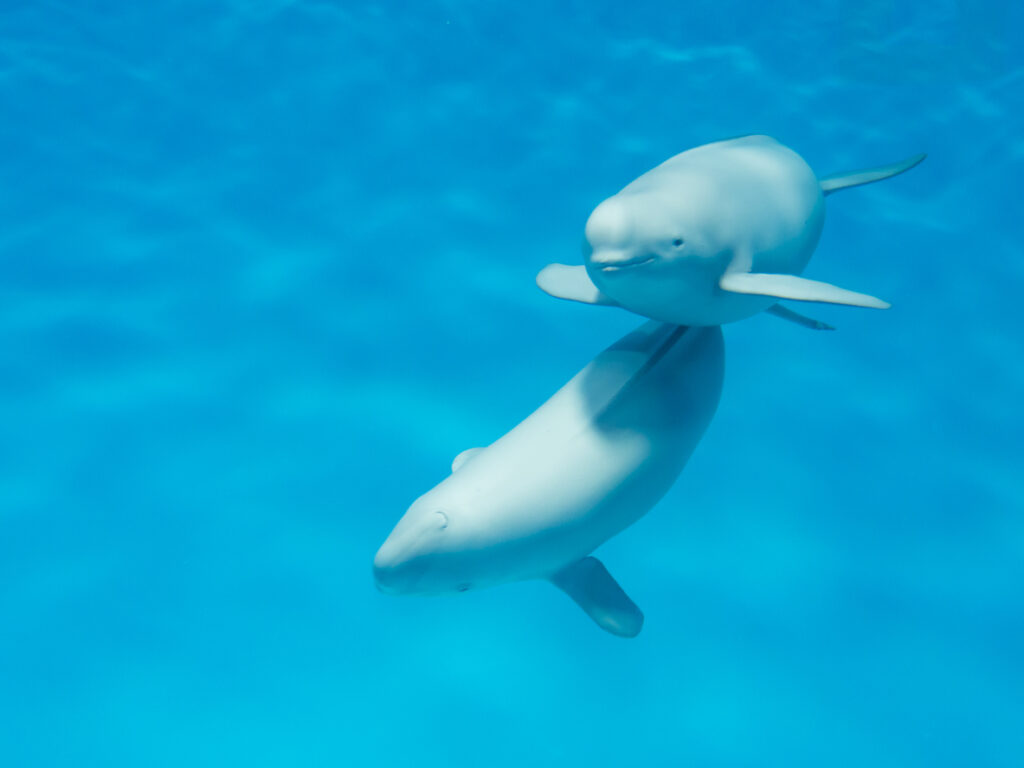
Porpoises are like dolphins’ shy cousins, smaller, quicker, and more likely to do subtle little rolls than big showy leaps. You can spot them around plenty of UK coasts, but your odds improve on headlands and cliff viewpoints where you can scan calm water, like parts of Pembrokeshire, Anglesey, and stretches of the Northumberland coast. Look for brief, low surfacing and a tiny triangular fin, then keep watching the same patch because they often travel in a steady line.
Mountain hares
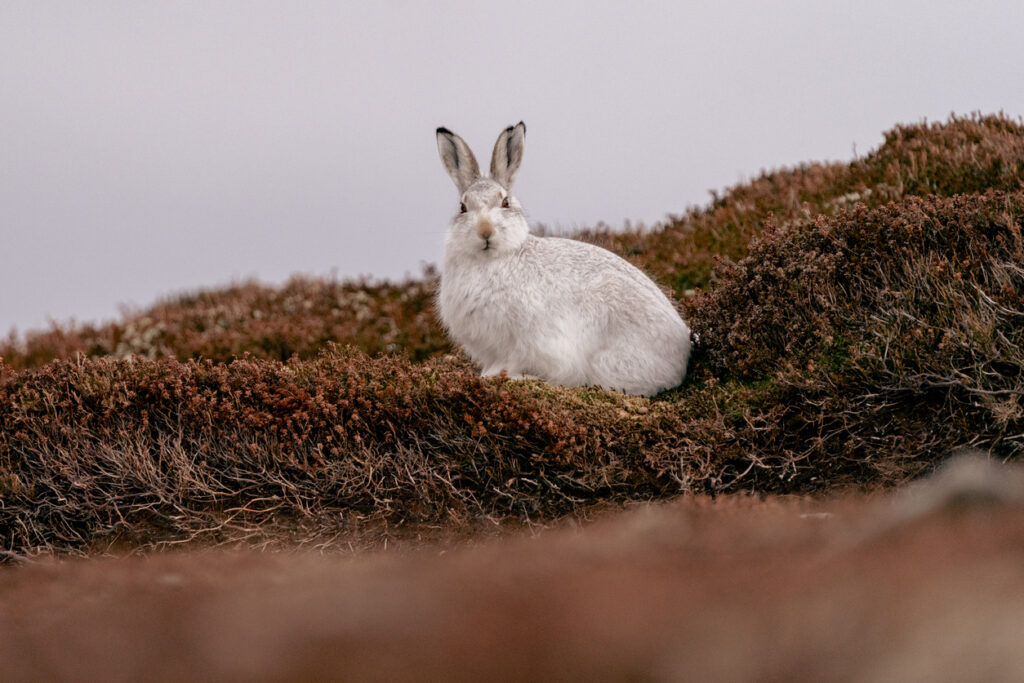
Mountain hares feel properly wild, especially in the Highlands, where the landscape already looks like it belongs to another world. The Cairngorms are the obvious place to try, and in winter, their pale coat can make sightings easier in the right conditions, even though they’re still great at vanishing. Go for open moorland walks where you can see ahead, move slowly, and watch for sudden movement rather than trying to spot a perfectly still animal.
Badgers

Badgers are everywhere in the UK, but they’re also masters of not being seen, which is why they still feel exciting when you finally catch one. Your best chance is evening watching near a known sett, often through organised wildlife walks or hides because random wandering through woods at night is usually just you getting cold. If you do go looking yourself, focus on quiet woodland edges, look for well-worn paths and holes, and be prepared to see nothing for ages, then suddenly a snout and stripes appear like magic.
Bats

Bats might not get the same hype as otters or dolphins, but on a summer evening, they’re one of the easiest mammals to watch doing their thing. Try canals, rivers, ponds, and woodland rides at dusk, where insects gather and bats follow. Bat walks are genuinely worth it if you’ve never done one because once you learn the timing and the “where”, you start noticing bats everywhere, and it turns an ordinary evening walk into something a bit special.
If you want a simple rule that works for nearly all of these, it’s this. Go earlier than you want to, move slower than you think you need to, and stay longer than feels polite. Most people miss the good stuff because they turn up at peak lunchtime, stomp about for 15 minutes, then decide the UK has no wildlife. It does—it’s just not waiting on the path for you.