Catching a glimpse of the UK’s rarest wildlife requires more than just a pair of binoculars and a bit of luck.
It takes a proper understanding of the specific, often remote, habitats where these creatures still manage to hang on. Most of us go our whole lives without seeing a pine marten or a Scottish wildcat because they’ve become masters of staying out of sight, tucked away in the deepest corners of our ancient woodlands and highlands.
While the average walker might stumble across a deer or a fox, the pros know that seeing the real heavyweights of British fauna involves tracking seasonal patterns and knowing exactly which quiet glen or coastal stretch offers the best vantage point. We’re looking at where the experts actually set up their hides to find these elusive species, from the red squirrels of Formby to the otters of the Shetland Isles.
Scottish wildcats are hanging on in the remote Highlands.
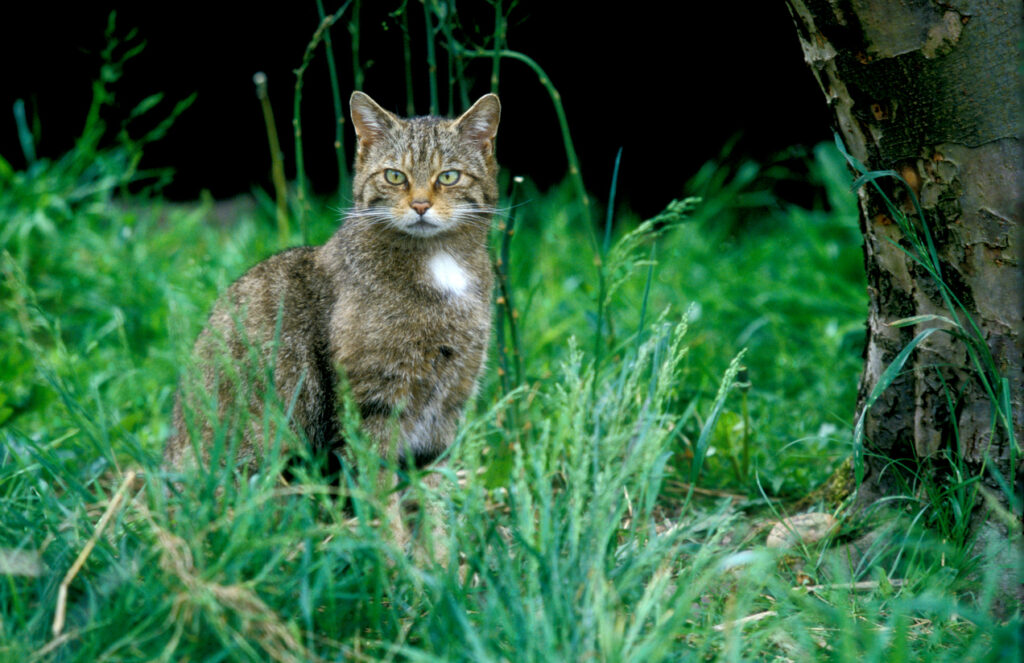
The Scottish wildcat is Britain’s rarest mammal, and there might be fewer than 300 pure ones left. They look similar to chunky tabby cats, but have bushier tails with black rings and a blunt end. Your best chance of seeing one is in the Cairngorms National Park, particularly around Rothiemurchus and Abernethy forests at dawn or dusk during winter. Even experienced wildlife photographers rarely spot them because they’re incredibly shy, and hybridisation with domestic cats has made true wildcats almost impossible to find.
Pine martens thrive in Scotland’s ancient woodlands.
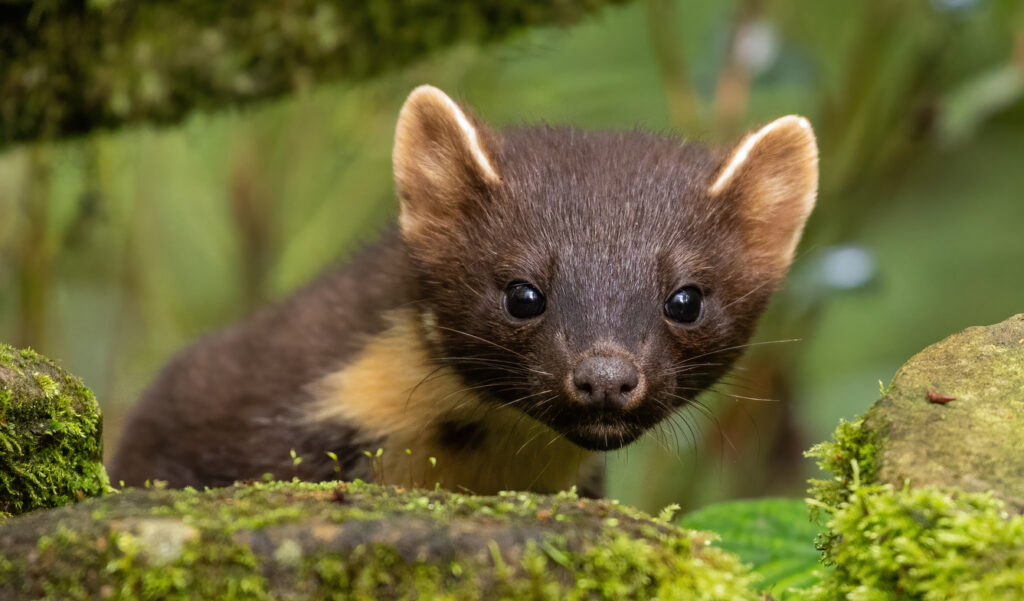
Pine martens nearly became extinct in Britain but have made a strong comeback in Scotland. These cat-sized members of the weasel family are nocturnal and spend most of their time in trees. Galloway Forest Park in southwest Scotland and the forests around Loch Maree offer good sighting opportunities, especially near feeding stations, where some lodges leave out peanut butter at dusk. They’ve also been successfully reintroduced to mid-Wales forests and are slowly spreading south into England.
Water voles need specific riverbank conditions.
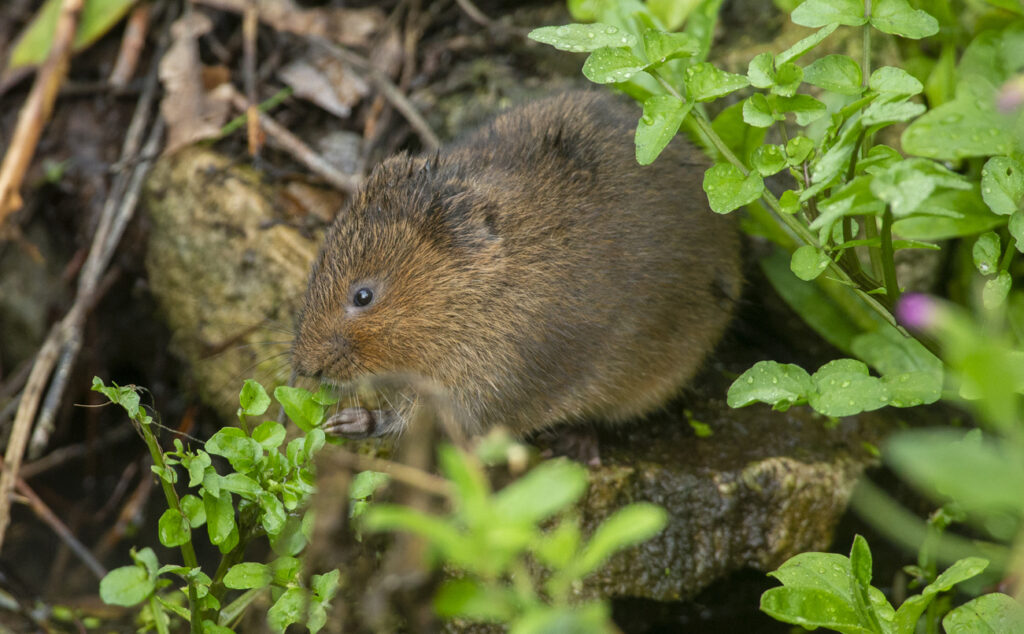
Water voles have declined by about 90% since the 1970s, mainly because of American mink and habitat loss. They need slow-flowing rivers with thick vegetation along the banks. The New Forest’s Lymington River, Scotland’s River Tay around Dunkeld, and Yorkshire’s River Derwent all have healthy populations. Sit quietly near water margins early morning or evening and listen for distinctive plopping sounds as they dive in.
Harvest mice hide in summer grasslands and reedbeds.
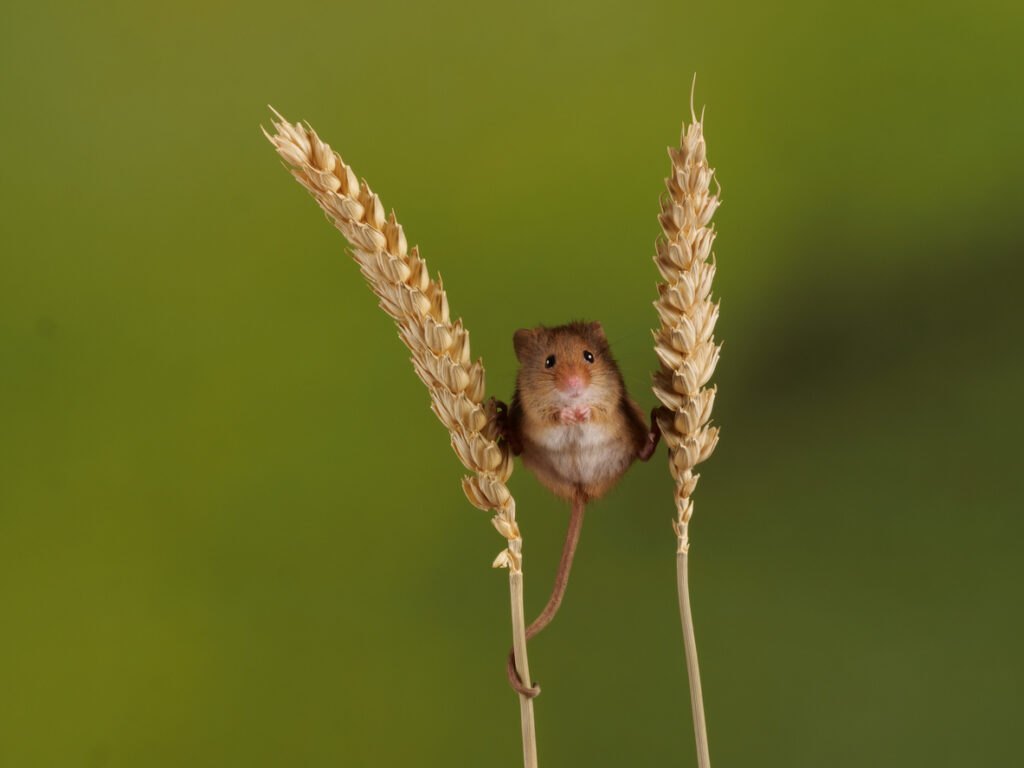
Britain’s smallest rodent weighs less than a two pence coin and builds tiny nests woven between grass stems. They’re nearly impossible to spot without knowing exactly where to look. RSPB Minsmere in Suffolk, Wicken Fen in Cambridgeshire, and the Somerset Levels all support good numbers. Look for their tennis ball-sized nests about a metre off the ground in tall grass during late summer, and the mice themselves are most active at dusk on warm evenings.
Otters have returned to rivers across Britain.
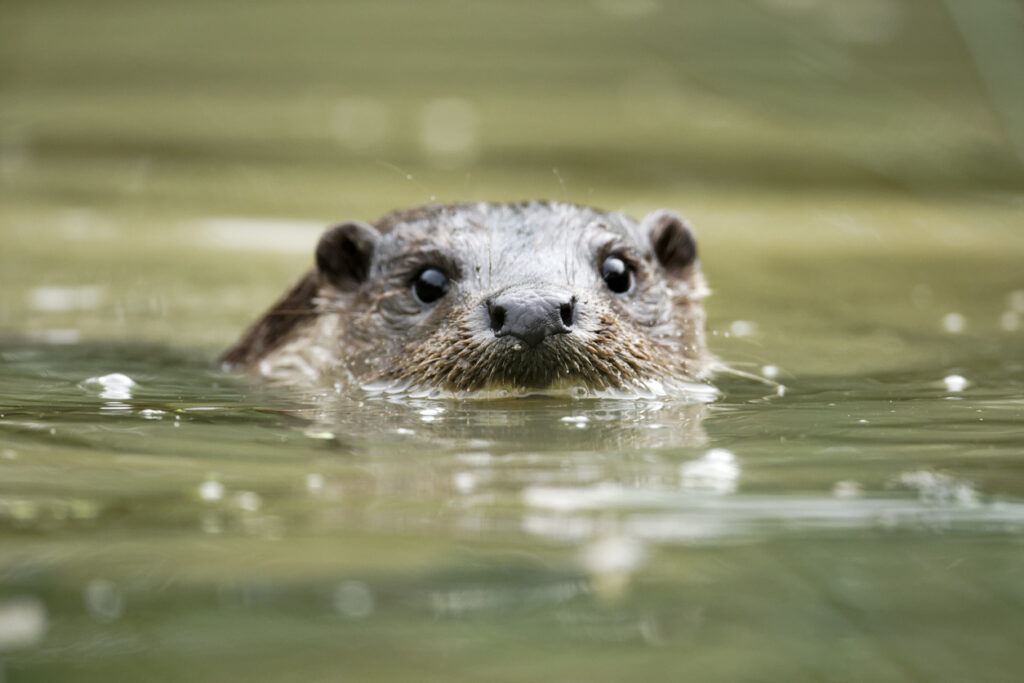
Otters were nearly extinct in England by the 1980s but have made an amazing comeback. The Shetland Islands offer the best otter watching, with animals active during daylight along coastal areas. On the mainland, the River Dart in Devon and River Tyne in Northumberland both have thriving populations. Scottish sea lochs around Mull and the west coast provide reliable sightings, especially at dawn when otters return to their holts after fishing.
Red squirrels survive in isolated pockets.
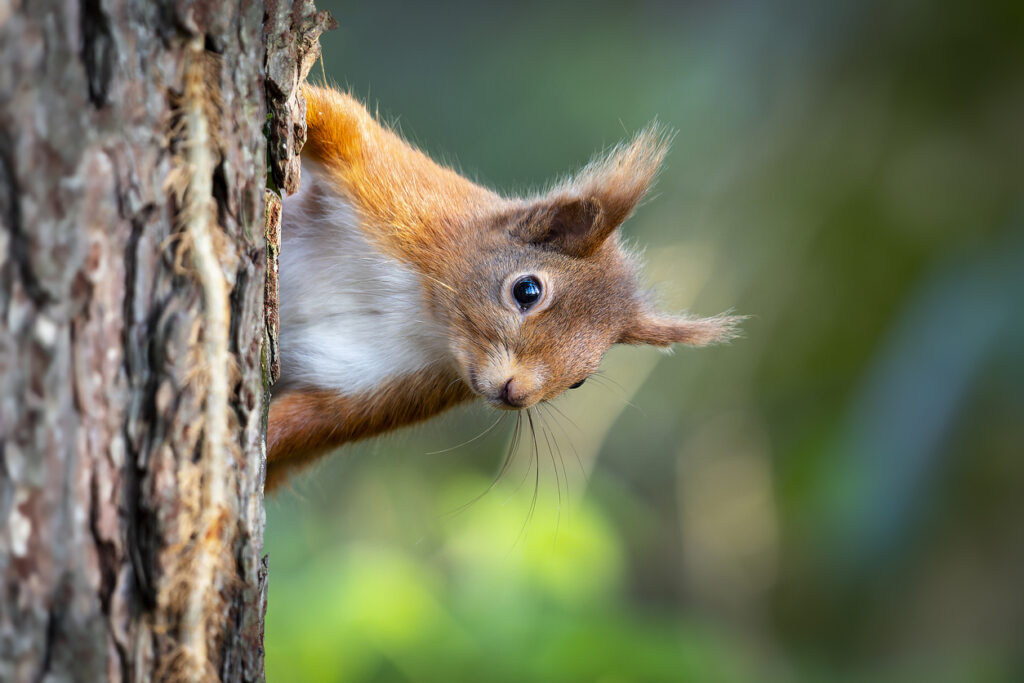
Grey squirrels have pushed reds to the margins, but strongholds remain in grey-free areas. Formby beach near Liverpool, Brownsea Island in Poole Harbour, and Scotland’s Cairngorms all have healthy red squirrel populations that are relatively easy to spot. Northumberland’s Kielder Forest and Cumbria’s Whinlatter Forest also offer good chances. Red squirrels are active during the day, especially morning and late afternoon when they’re foraging.
Dormice need undisturbed ancient woodland.
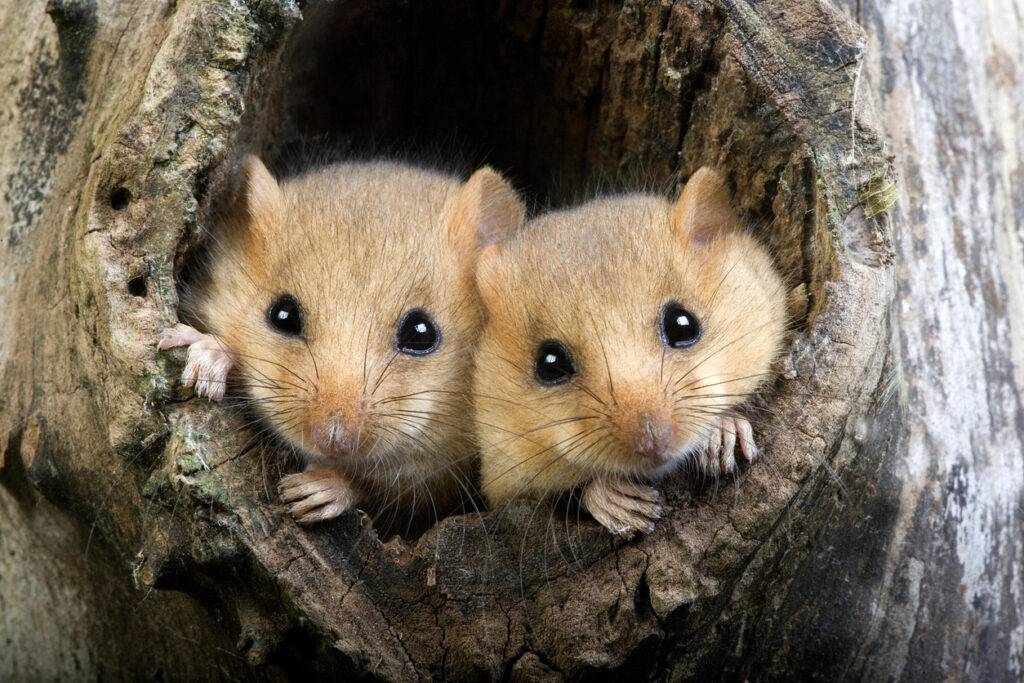
Hazel dormice are nocturnal and spend most of their lives in tree canopies, plus they hibernate for up to seven months. The Wye Valley woodlands and Sussex’s ancient woods around Ebernoe Common support strong populations. Wildlife trusts occasionally run dormouse walks where you can see them in nest boxes during checks. They’re only active between May and October and rarely come to ground, which is why sightings are so difficult.
Polecats are expanding from their Welsh stronghold.
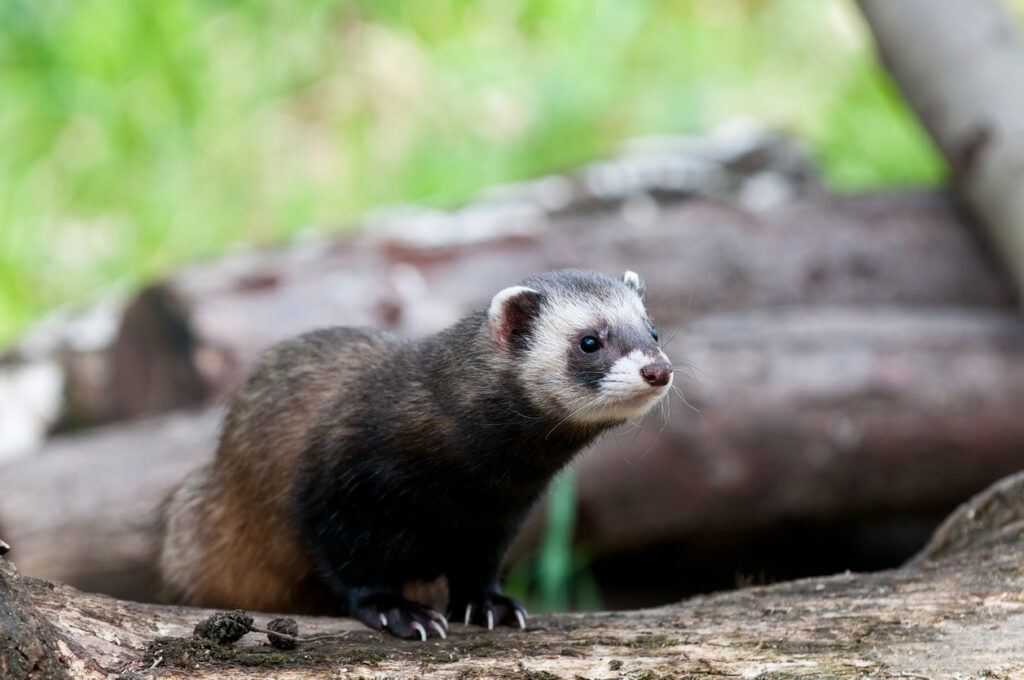
Polecats nearly went extinct but have been recovering from Wales and slowly spreading into England. Mid-Wales around the Cambrian Mountains and Elan Valley offers the best chances of seeing them. They’re mostly nocturnal and hunt along field edges and woodland margins, often targeting rabbit warrens. Their distinctive bandit-masked faces and dark fur with creamy underfur make them unmistakable, though encounters are usually brief.
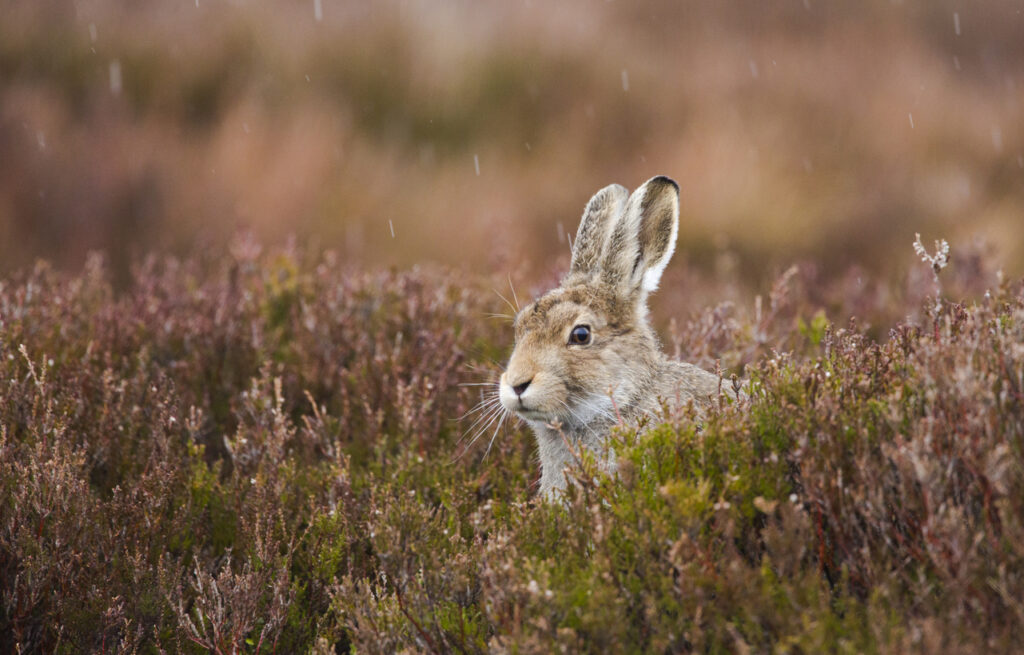
Mountain hares turn white in Scottish winter.
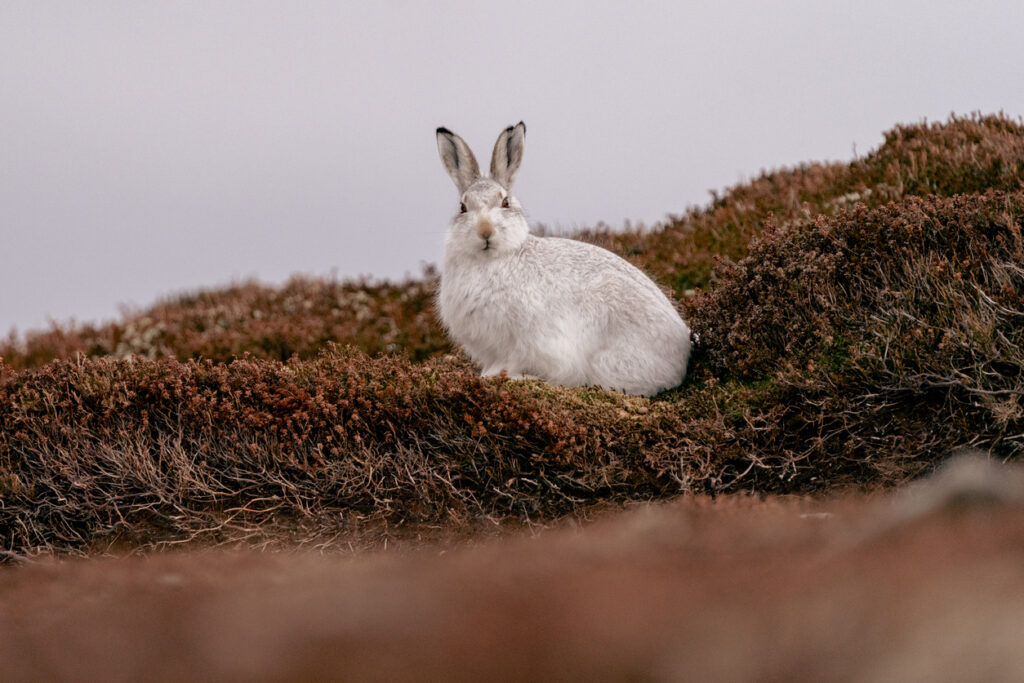
Mountain hares are native to Scotland and change their coats seasonally, turning white in winter and blue-grey in summer. The Cairngorms plateau, particularly walks up to Cairn Gorm summit, offers reliable sightings. The hills around Glen Clova and Glen Shee also have good populations. Mountain hares rely on camouflage rather than running away, so you can get surprisingly close before they bolt.
Beavers are recolonising British rivers.
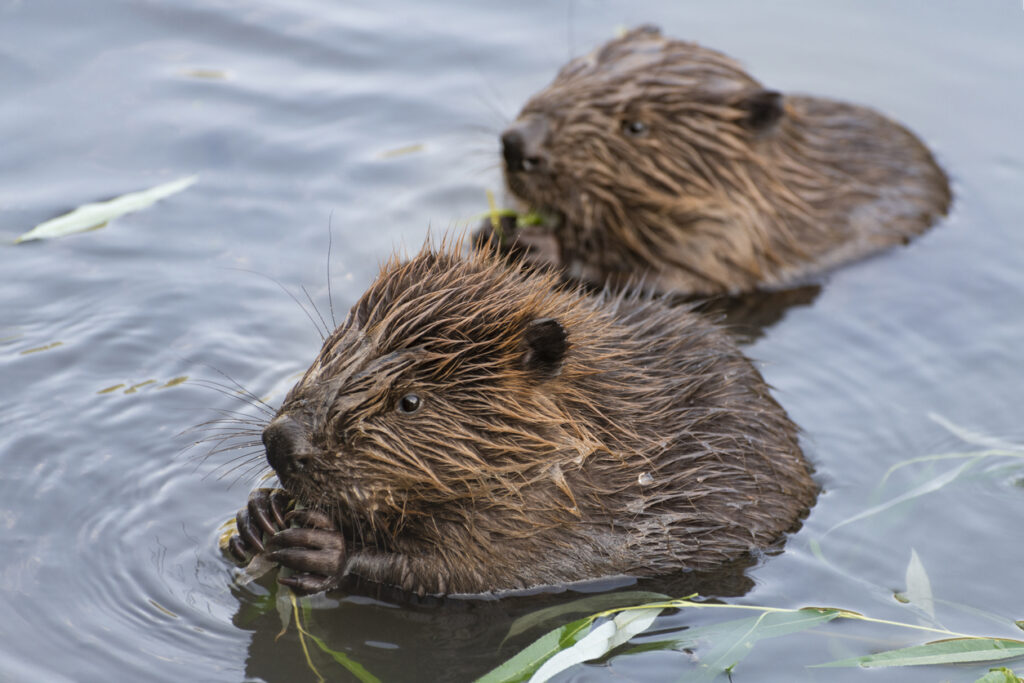
Beavers were hunted to extinction 400 years ago but have been successfully reintroduced in several spots. The River Tay in Perthshire now has Britain’s largest wild population, with animals visible around Dunkeld. Devon’s River Otter and Knapdale Forest in Argyll also have established populations with guided walks available. Beavers are most active at dawn and dusk, and their dams and gnawed tree stumps make finding their territories straightforward.