Autumn is absolutely brilliant for foraging in Britain.
There are hedgerows bursting with berries, woodlands full of mushrooms, and coastal areas providing seaweeds and sea vegetables. The transition period from summer to autumn gives you the best of both seasons, thanks to late summer fruits alongside early autumn nuts and fungi. Just remember the golden rule: never eat anything you can’t identify with complete certainty, and always forage responsibly by taking only what you need.
Blackberries: the classic autumn treat
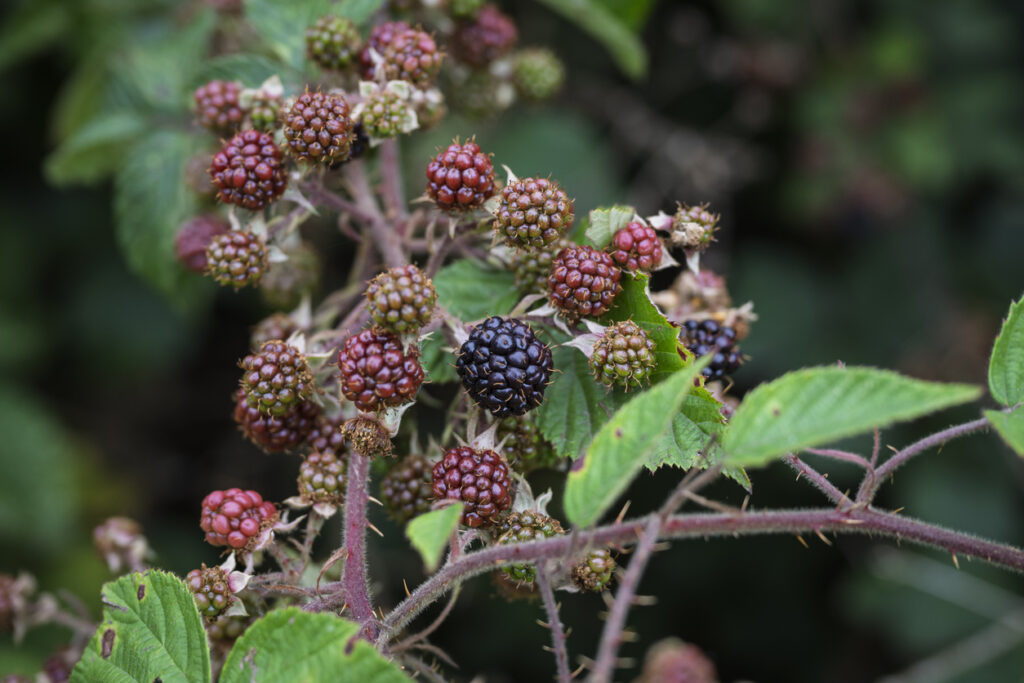
You’ll find these dark purple beauties everywhere from August through October, growing wild in hedgerows, woodland edges, and even urban waste ground. They’re impossible to mistake for anything dangerous, and taste infinitely better than shop-bought versions.
Pick them on dry days when they’re fully black and come away easily from the stem. The best ones are often higher up, where birds haven’t got to them first. They’re perfect for crumbles, jams, or just eating straight from the bush.
Elderberries: the immune system booster

These small, dark purple berries hang in flat-topped clusters from elder trees and are ready from late August onwards. They’re packed with vitamin C and make excellent cordials, wines, and jellies, though they’re quite tart raw.
Make sure you’re picking elderberries and not the similar-looking but poisonous rowan berries. Elder clusters hang downwards, while rowan berries point upwards. Always cook elderberries before eating, as they can cause stomach upset when raw.
Rosehips: nature’s vitamin bombs
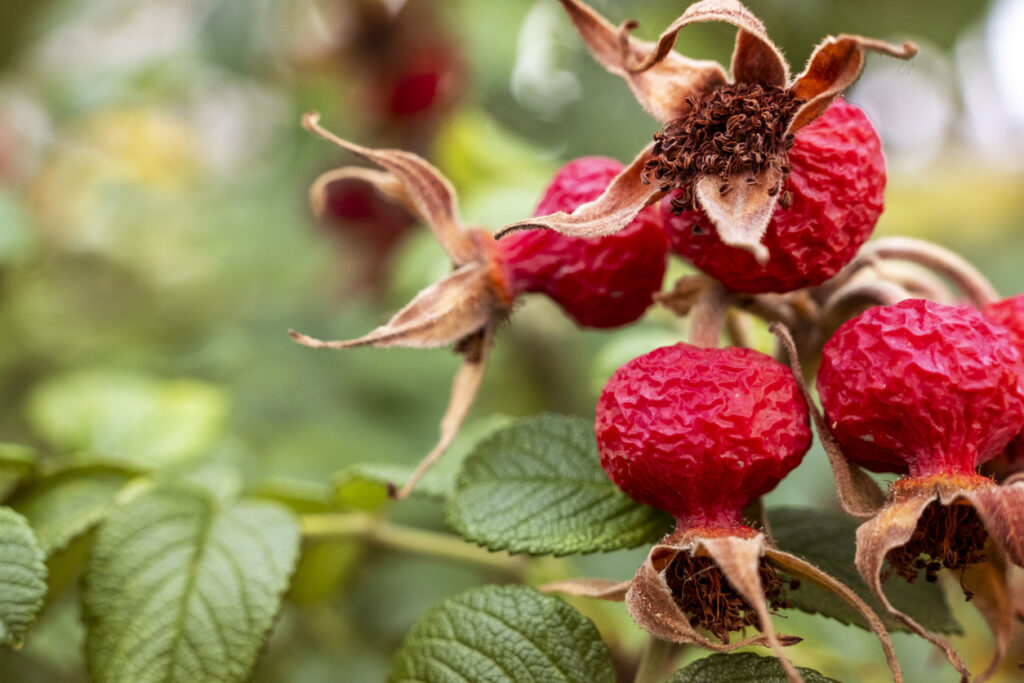
The bright red or orange fruits of wild roses appear in late summer and early autumn, packed with more vitamin C than oranges. Dog roses produce the best hips, which are oval-shaped and about the size of a cherry tomato. Remove the seeds and hairs from inside before using, as they’re irritating to eat. Rosehips make fantastic jellies, syrups, and teas. The flesh is quite tart but becomes sweet and apple-like when cooked properly.
Hazelnuts: the protein-packed snack

Wild hazelnuts ripen from late August through September, usually before the squirrels get them all. Look for hazel trees in woodlands, hedgerows, and scrubland, as they’re quite common across Britain. Fresh hazelnuts have green, papery husks that split open when ripe. The nuts inside should be plump and cream-coloured. They taste much more intense than shop-bought hazelnuts and are brilliant eaten fresh or dried for winter storage.
Sloes: the gin maker’s friend
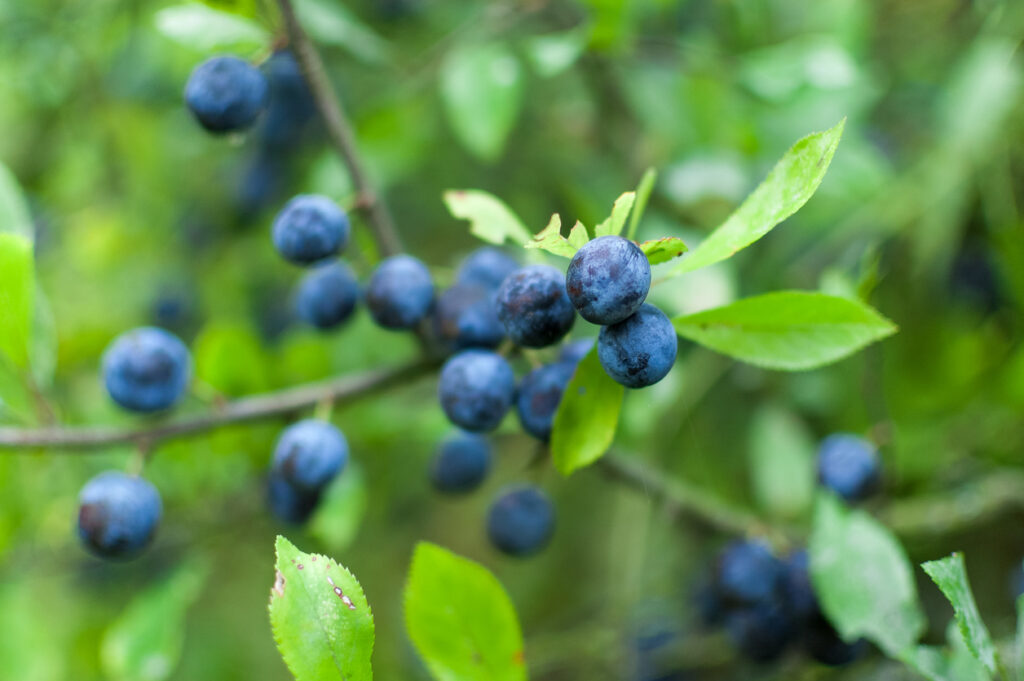
These small, dark blue fruits with a powdery bloom grow on blackthorn bushes and are ready after the first frost, usually from September onwards. They’re incredibly bitter raw but transform into something magical when used properly.
Sloe gin is the most famous use, but they also make excellent jellies and wines. The traditional method involves pricking each sloe with a thorn from the same bush before adding to gin and sugar, though a fork works just as well.
Crab apples: the forgotten fruit
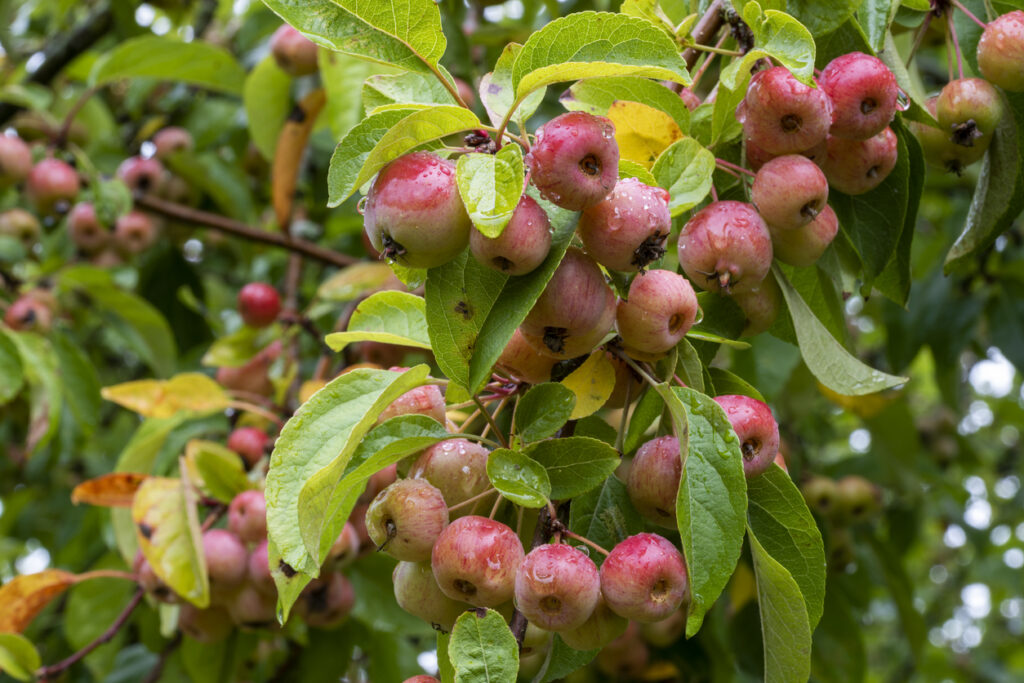
Wild crab apples ripen from late summer into autumn and are found on wild apple trees in hedgerows and woodlands. They’re usually small, quite hard, and too tart to eat raw, but they’re absolutely perfect for cooking. They make the most incredible jellies and are essential for helping other jams set due to their high pectin content. Look for ones that are firm and relatively unblemished. They should smell pleasantly apple-y when ripe.
Field mushrooms: the breakfast champions
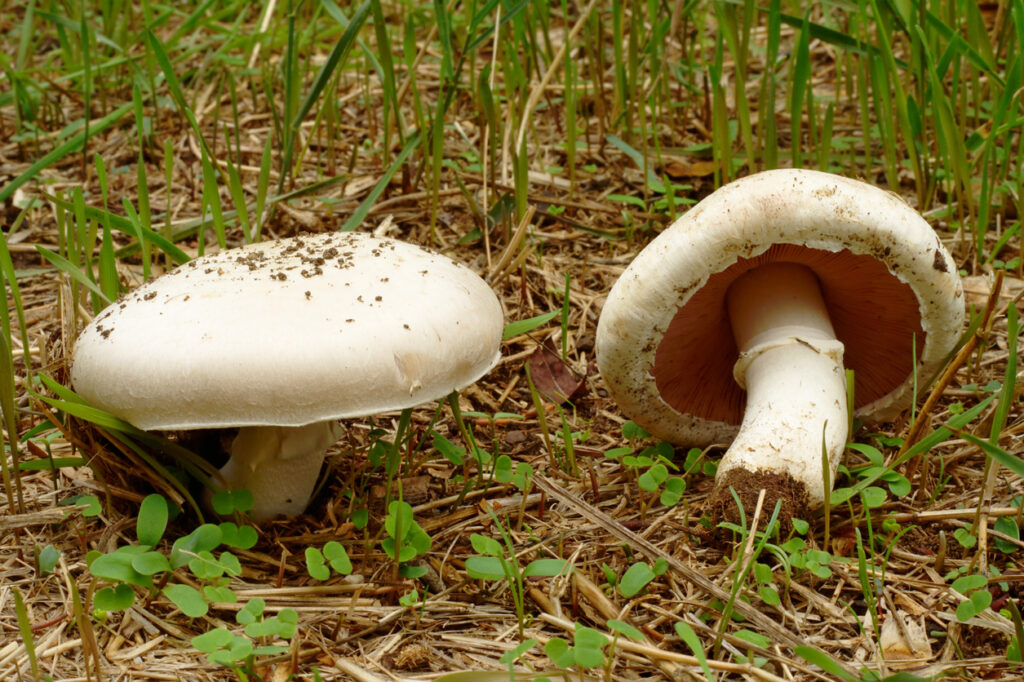
These white mushrooms with pink or dark brown gills appear in grasslands and pastures from late summer onwards. They’re closely related to shop-bought mushrooms, but have much more flavour when found growing wild.
Only pick mushrooms you can identify with absolute certainty. Field mushrooms have white caps, pink-to-brown gills, and white stems with a simple ring. They should smell pleasantly mushroomy, never unpleasant or chemical-like.
Sweet chestnuts: the carbohydrate kings
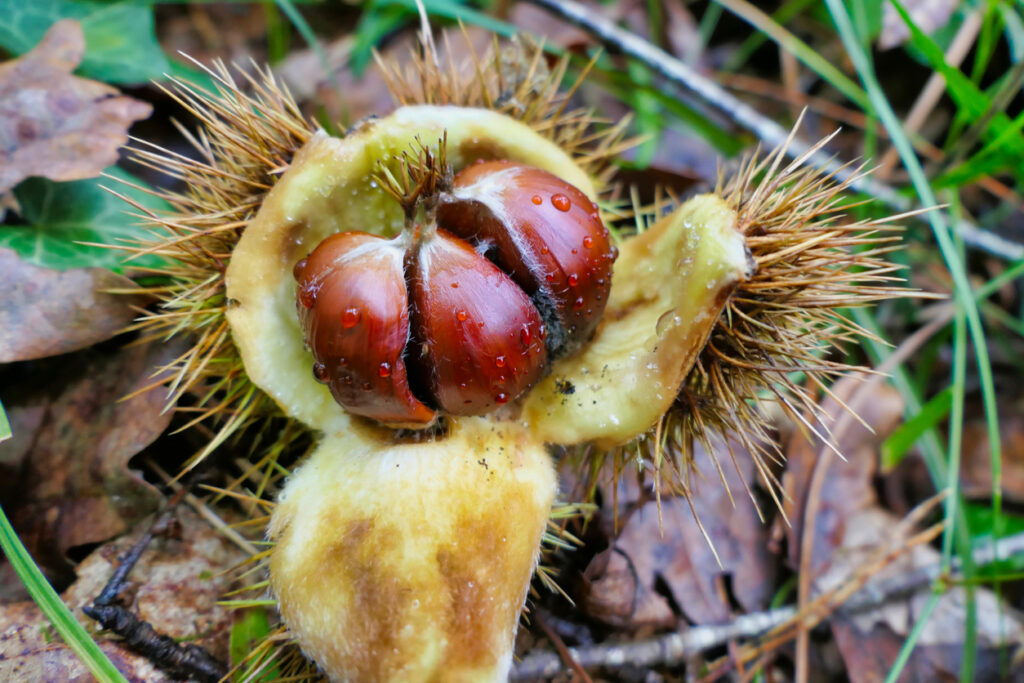
Sweet chestnut trees drop their spiky cases from September onwards, revealing glossy brown nuts inside. These are completely different from horse chestnuts (conkers) and are delicious roasted or boiled. Look for the characteristic spiky green cases split open on the ground beneath sweet chestnut trees. The nuts should be plump and heavy; discard any that feel light or rattle when shaken, as they’re probably rotten inside.
Rowan berries: the mountain ash treasures
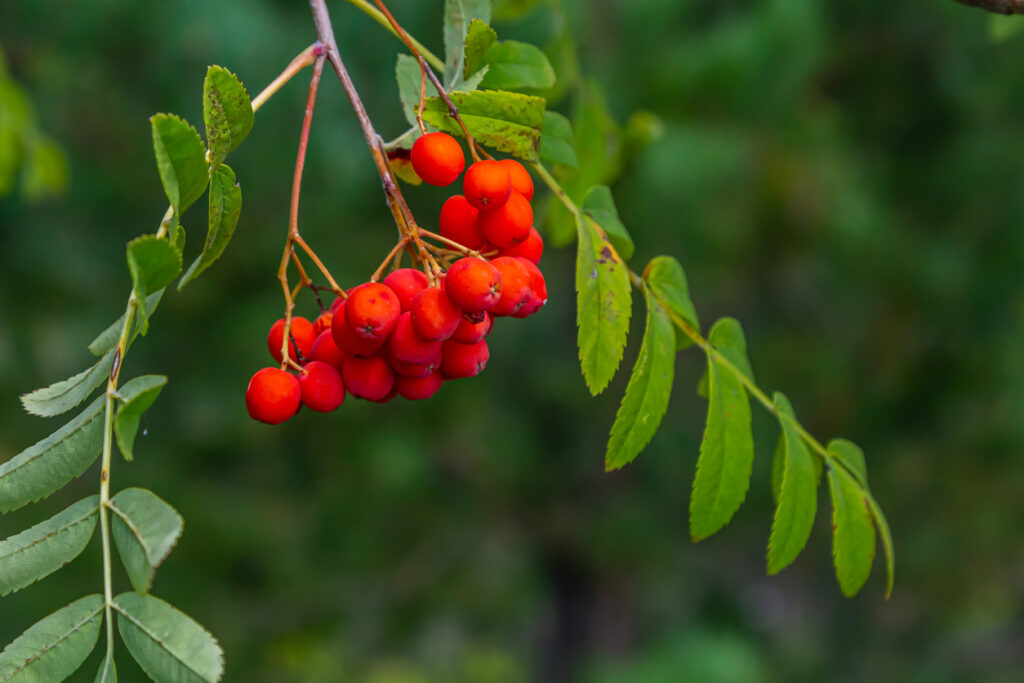
These bright orange-red berries grow in upright clusters on rowan trees and ripen from August onwards. They’re quite bitter raw but make excellent jellies that pair beautifully with game and strong cheeses. Rowan berries are safe to eat cooked but quite astringent raw. The trees are easy to spot with their distinctive feathery leaves and bright berry clusters. They often grow in upland areas but can also be found in gardens and parks.
Sea buckthorn: the coastal superfruit
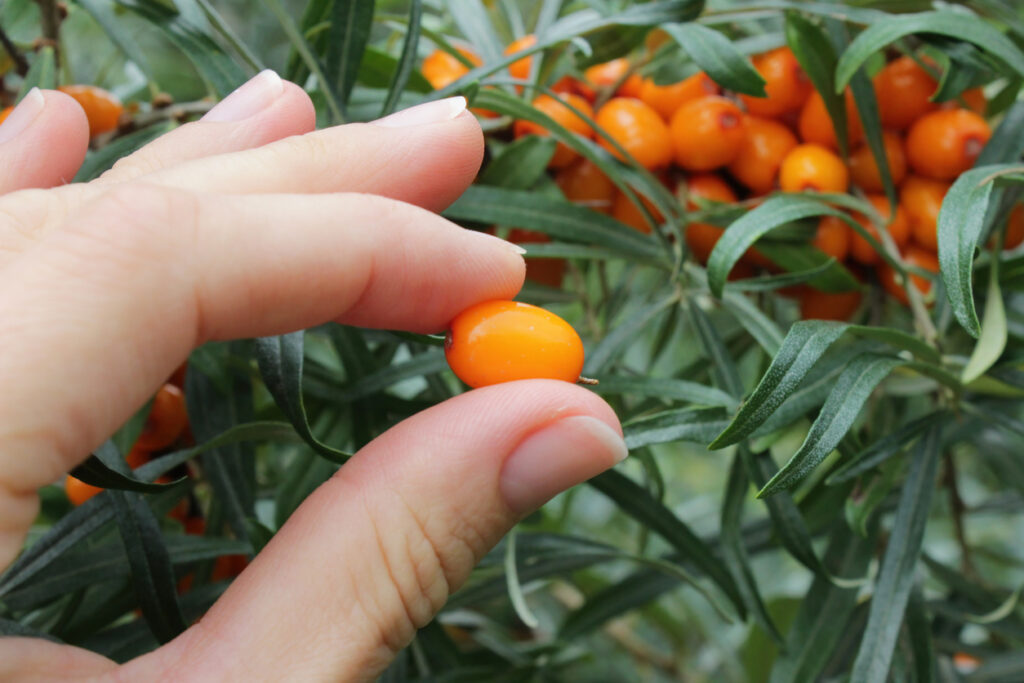
These bright orange berries grow on thorny shrubs along the coast and are absolutely packed with nutrients. They’re incredibly tart and acidic raw but make fantastic juices, jellies, and sauces when sweetened.
You’ll mainly find sea buckthorn on sand dunes and coastal areas, particularly in Scotland and eastern England. The berries cling tightly to very thorny branches, so thick gloves are essential. They’re sometimes called the ‘lemon of the north’ due to their intense tartness.
Samphire: the salty sea vegetable
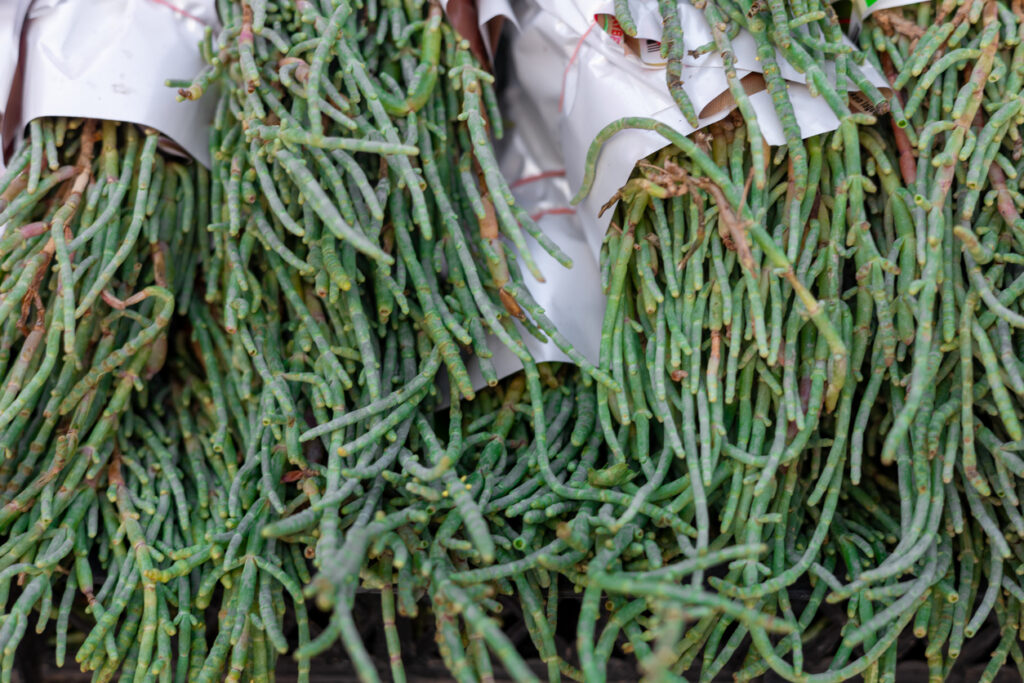
Rock samphire grows on coastal cliffs and rocky shores, while marsh samphire is found in salt marshes and mudflats. Both have an intense, salty flavour that’s fantastic with fish dishes or pickled as a condiment. Pick the young, tender shoots in late summer before they become too woody. Samphire needs very little cooking, just a quick blanch in boiling water. The salty, crunchy texture is often described as ‘sea asparagus.’
12. Wild garlic seeds: the peppery pods
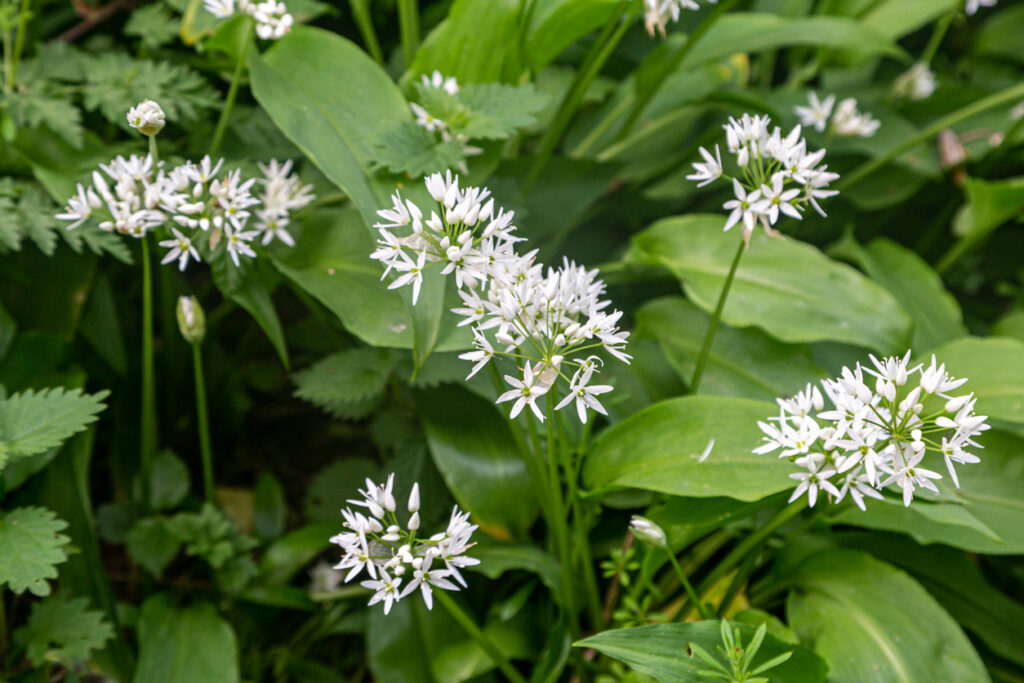
After wild garlic flowers in spring, it produces small white seed pods that ripen in late summer. These have a mild garlic flavour with a peppery kick and can be used like capers when pickled. The seed pods appear where the white flowers were earlier in the year. They should be green and firm when picked. Use them fresh in salads, pickle them in vinegar, or dry them as a seasoning spice.