Africa has some of the most breathtaking wildlife on the planet, but it’s also home to animals that can ruin your day very quickly if you underestimate them.
These aren’t just the obvious teeth-and-claws types, either. Some of the most dangerous animals out there look harmless, mind their own business, or barely register as a threat until it’s far too late. What makes these animals especially risky isn’t just strength or speed, but how unpredictable they can be and how often humans cross paths with them.
From rivers and savannahs to villages and farmland, these creatures aren’t tucked away in remote corners. They’re sharing space with people every single day, which is exactly why they deserve a bit of healthy respect.
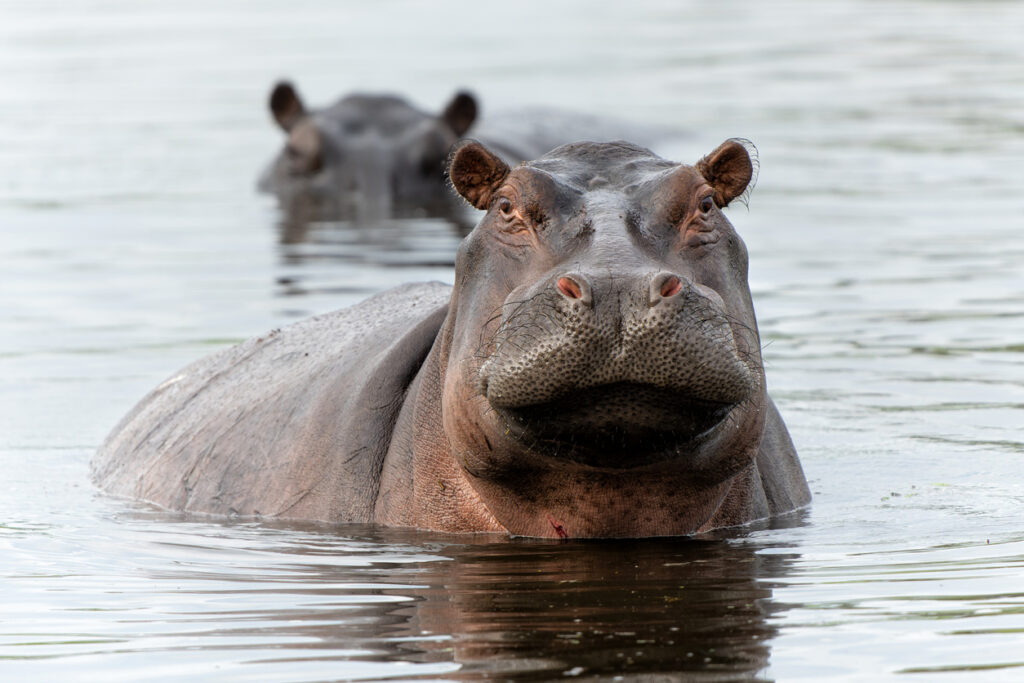
Hippopotamuses kill more people than any other large animal.
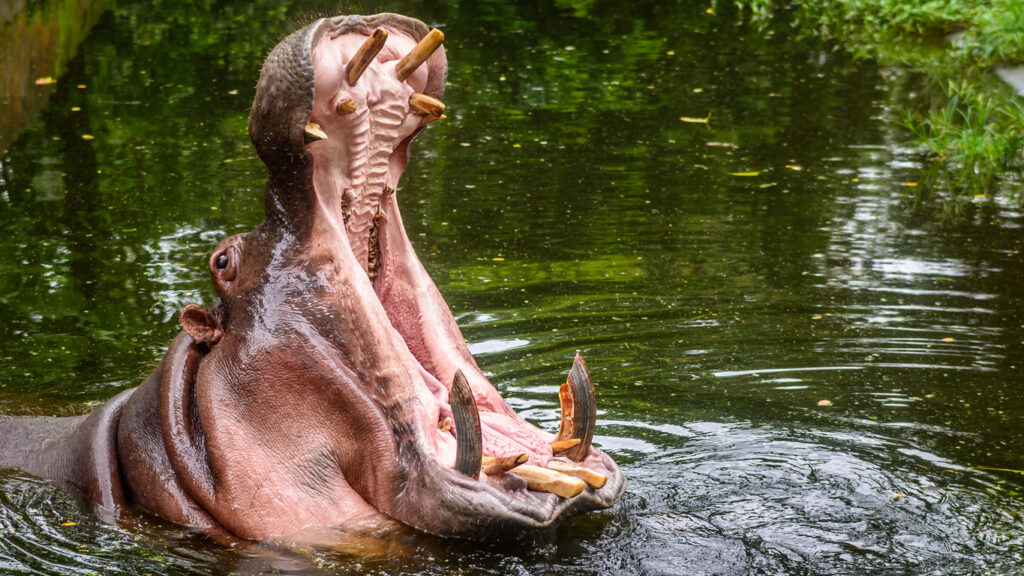
Hippos are responsible for an estimated 500 human deaths annually in Africa, far more than lions, crocodiles, or any other big animal. Their massive size, territorial aggression, and surprising speed on land make them incredibly dangerous when they feel threatened or when people accidentally get between them and water.
Male hippos can weigh over 1,800 kilograms and despite their bulky appearance, they can run up to 30 kilometres per hour in short bursts, easily outpacing humans. They have enormous jaws with tusks that can grow up to 50 centimetres long, capable of biting a crocodile in half or crushing a canoe. Most attacks happen when people encounter hippos on land at night while the animals are grazing, or when boats get too close to pods in the water.
Mosquitoes transmit deadly diseases.
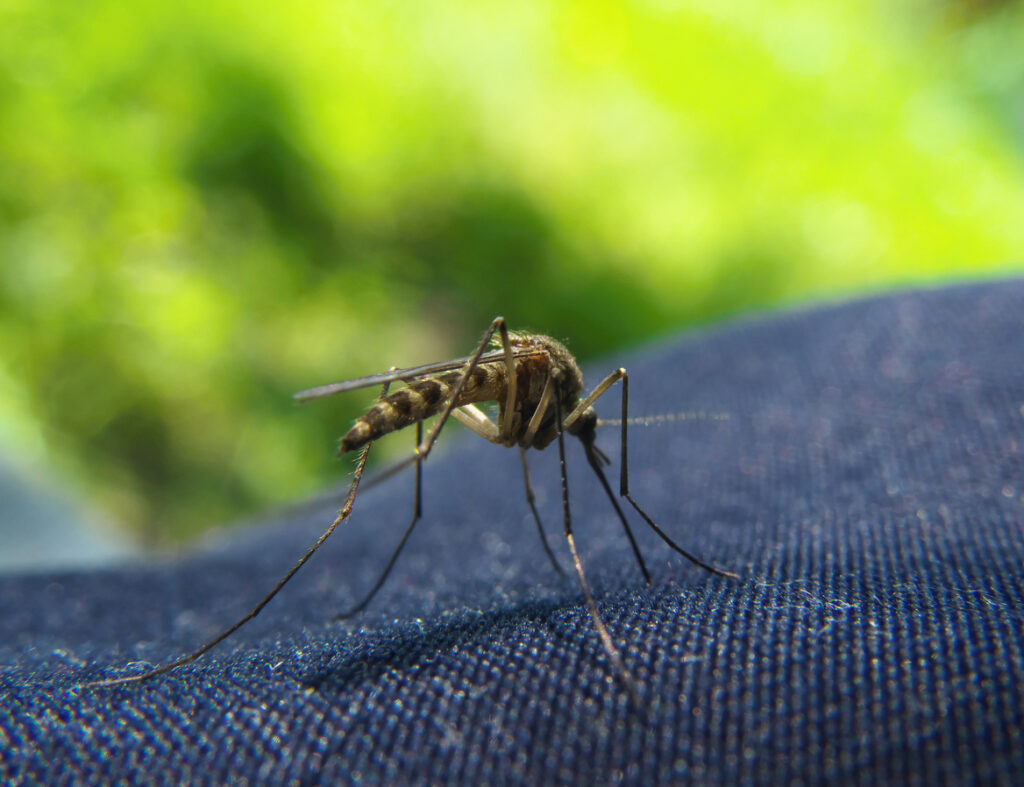
These tiny insects cause more human deaths than any other creature in Africa through the diseases they spread, particularly malaria, which kills hundreds of thousands of people yearly. Female mosquitoes require blood meals to produce eggs, and in the process they transfer parasites and viruses between hosts.
Beyond malaria, they spread dengue fever, yellow fever, and various other illnesses that can be fatal without treatment. The danger comes from their abundance and the difficulty of avoiding them in many regions, where they breed in any standing water and are active during dawn and dusk. No amount of size or strength protects against mosquitoes, making them democratically dangerous to everyone.
Nile crocodiles are patient ambush predators.

These reptiles can grow over 5 meters long and weigh nearly a tonne, lying in wait near riverbanks and waterholes for prey to come within striking distance. Crocodiles cause around 200 human deaths each year, attacking people who come to rivers to fish, collect water, or wash clothes. Their hunting strategy involves remaining perfectly still for hours before exploding from the water with incredible speed, dragging victims underwater to drown them.
The bite force of a Nile crocodile is among the strongest measured in any animal, with enough pressure to crush bone instantly. People living near crocodile habitat develop strategies to minimize risk, but the need for water often forces dangerous proximity.
African elephants are unpredictably aggressive.

Elephants kill approximately 500 people annually, often trampling farmers protecting crops or tourists who get too close for photos. Bull elephants in musth, a periodic condition involving elevated testosterone, become particularly aggressive and will charge with little provocation.
Even normally calm elephants can become dangerous if they feel their young are threatened or if they’re startled. An adult elephant can weigh up to 6,000 kilograms, and being trampled or struck by their trunk often proves fatal. The expansion of human settlements into elephant territory increases conflict, with elephants raiding crops and people attempting to defend their livelihoods.
Cape buffalo are known as “black death.”
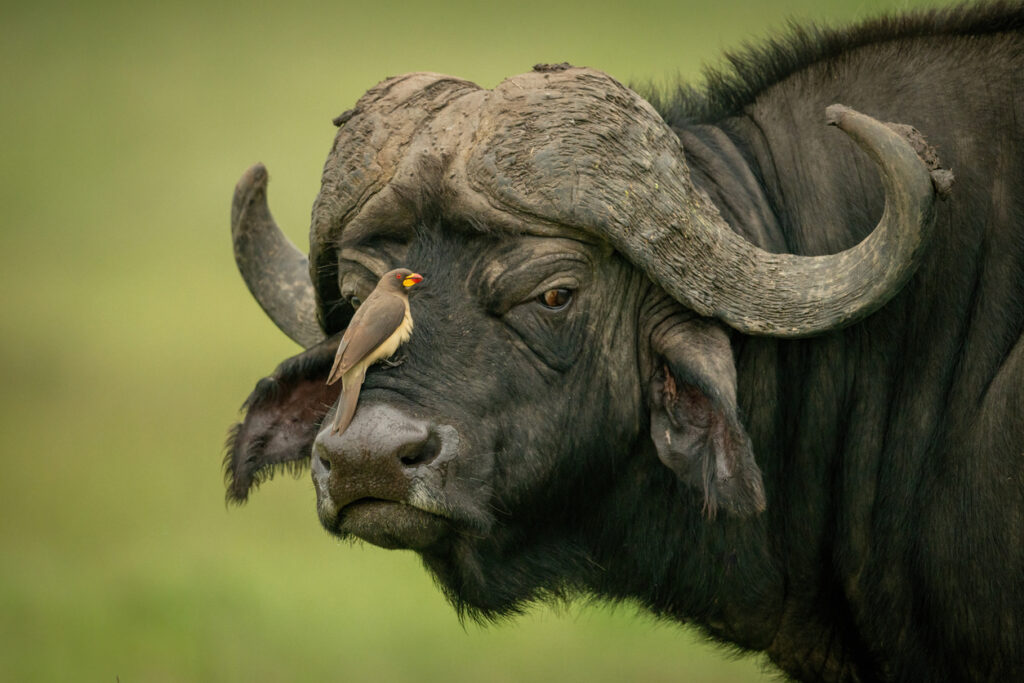
These massive bovines have earned a reputation as one of Africa’s most dangerous animals because of their unpredictable temperament and tendency to attack without obvious provocation. Buffalo killed by hunters often get back up and attack their pursuers, and they’re known to circle back to ambush people tracking them.
A full-grown Cape buffalo can weigh 900 kilograms, and their curved horns are fused at the base, creating a solid shield on their forehead that they use when charging. They’re particularly dangerous when alone or wounded, as they become aggressive defenders with nothing to lose. Their size, speed, and determination make them more feared by experienced guides than lions.
Puff adders cause the most snakebite deaths.
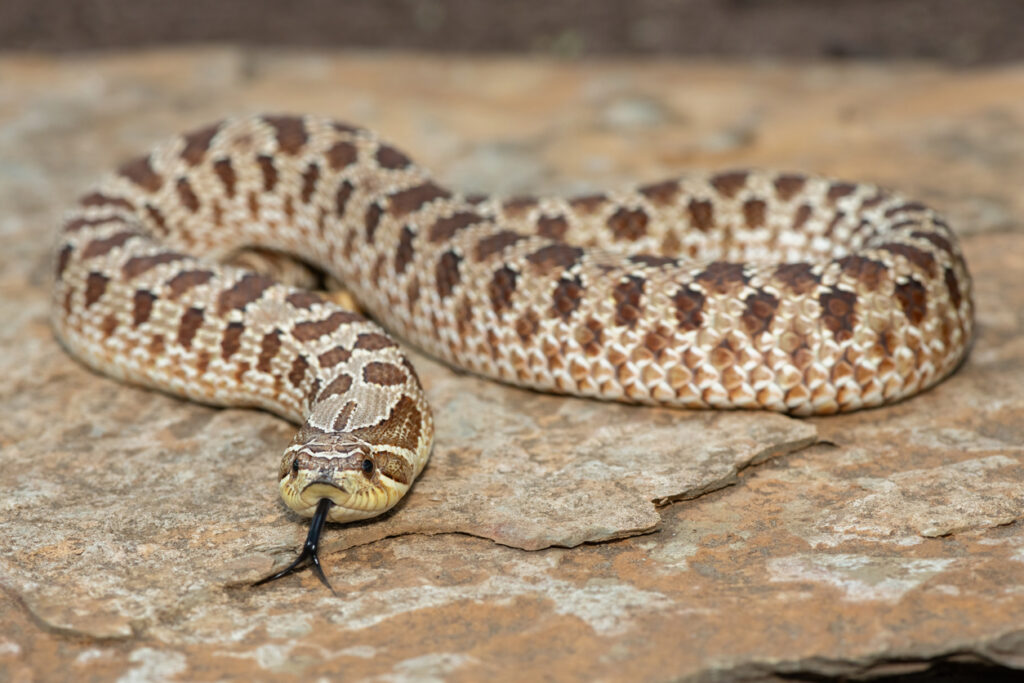
This snake is responsible for more fatalities than any other African serpent because it relies on camouflage rather than fleeing when approached, so people step on them. Puff adders have excellent camouflage and lie motionless on paths and in grass, striking only when directly threatened or stepped on.
Their venom is cytotoxic, destroying tissue and causing severe pain, swelling, and potentially fatal complications if untreated. They’re found throughout sub-Saharan Africa in various habitats, making encounters common in both rural and semi-urban areas. The combination of excellent camouflage, potent venom, and wide distribution makes them statistically the deadliest snake on the continent.
Lions attack when desperate or habituated.
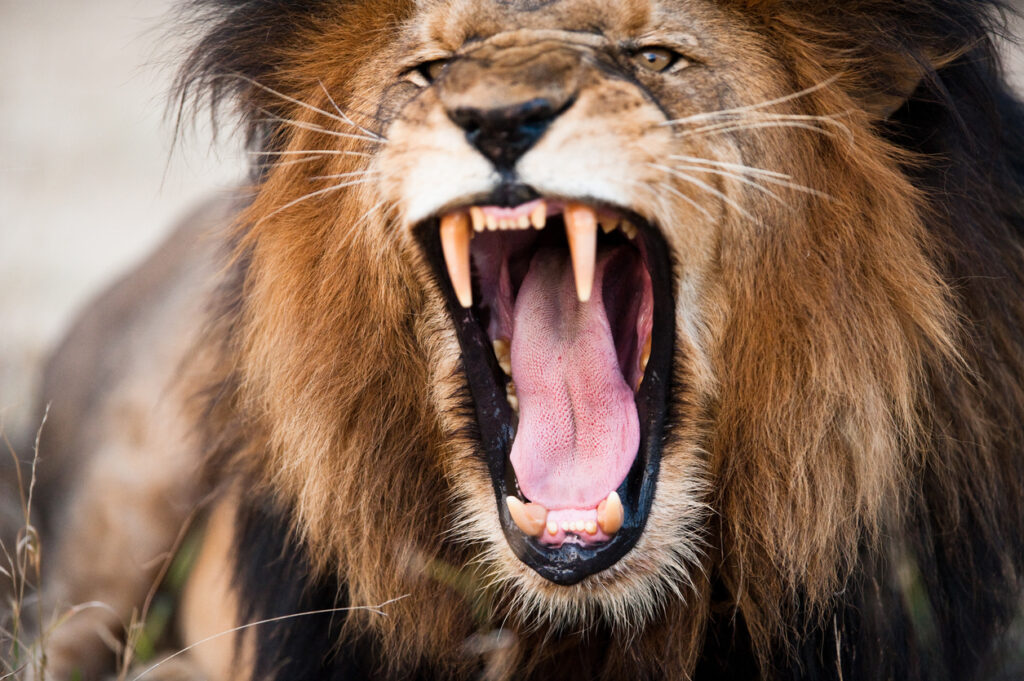
While lions typically avoid humans, certain individuals or prides develop a taste for human prey, particularly in areas where natural prey is scarce. The most famous case involved the Tsavo man-eaters who killed over 35 railway workers in Kenya, though modern attacks still occur in rural areas.
Lions are most dangerous at night when they’re actively hunting and humans are less able to detect them. A pride of lions hunting cooperatively can take down prey many times their size, and their strategy of surrounding and ambushing works equally well on humans. Most attacks happen on people sleeping outdoors, walking alone at dusk, or living in areas with declining wildlife populations.
Black mamba venom acts terrifyingly fast.

This snake is Africa’s longest venomous species, reaching over 4 meters, and is renowned for its speed, aggression when cornered, and incredibly toxic venom. Black mambas can move up to 20 kilometres per hour and will rear up, spread a narrow hood, and strike repeatedly if they feel trapped.
Their venom is neurotoxic and can kill an adult human in as little as 30 minutes without antivenom, causing respiratory failure and cardiac arrest. The name comes from the black interior of their mouth which they display when threatened, while their actual body colour ranges from grey to brown. They’re feared throughout their range because encounters can escalate quickly and the consequences of a bite are severe.
Spotted hyenas hunt in coordinated packs.
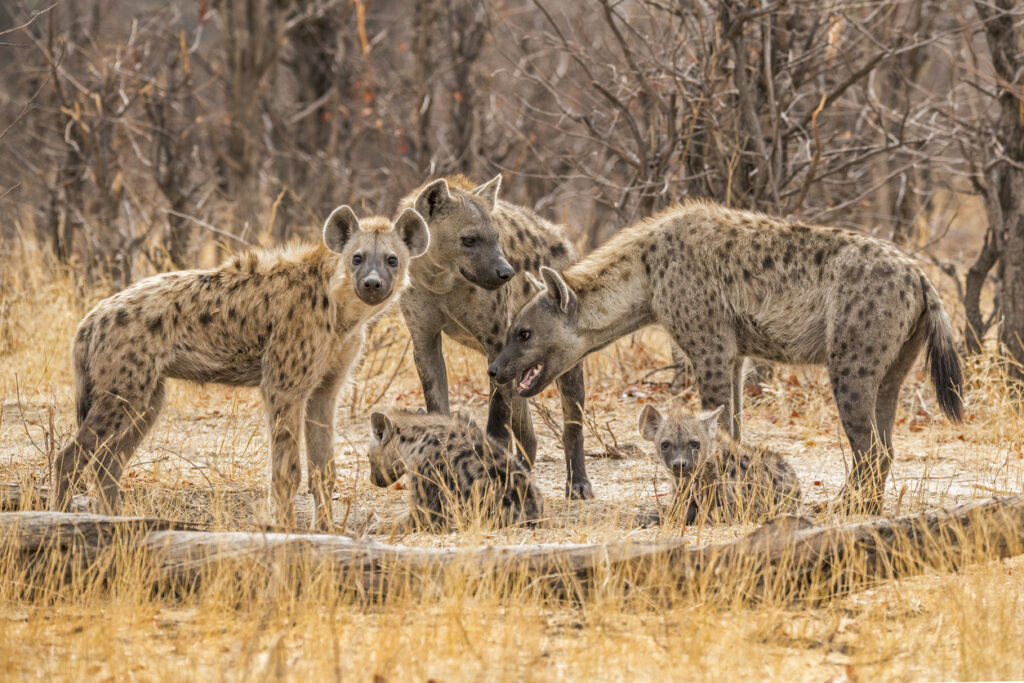
These animals are often dismissed as scavengers but they’re actually efficient hunters that kill around 95% of what they eat. Hyena packs use coordinated strategies to bring down prey much larger than themselves, including wildebeest and zebra. They have one of the strongest bite forces among mammals, capable of crushing bones that other predators leave behind.
Attacks on humans are rare but do occur, particularly targeting sleeping people or children, with hyenas entering villages at night. Their persistence, intelligence, and willingness to approach human settlements make them more dangerous than their reputation suggests.
Honey badgers fight above their weight class.
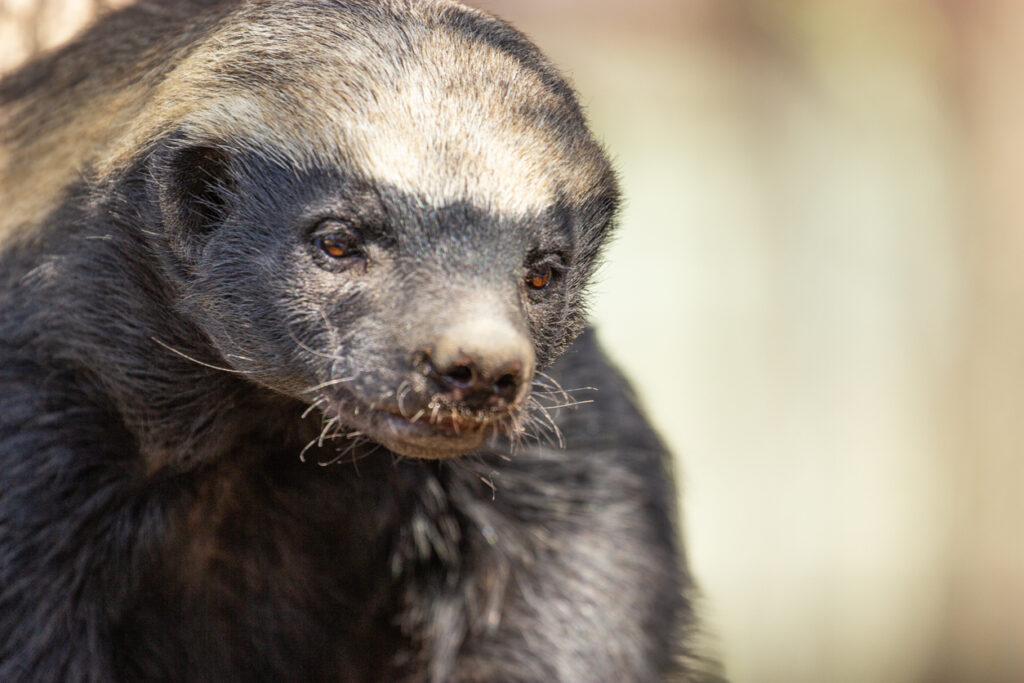
These small but fierce animals will attack virtually anything when threatened, including animals many times their size, and their reputation for fearlessness is well-earned. Honey badgers have thick, loose skin that protects them from bites and stings, allowing them to raid beehives and fight off multiple attackers.
They’re equipped with powerful jaws, sharp teeth, long claws, and a willingness to target vulnerable areas when fighting. While they don’t typically hunt humans, they will not back down from a confrontation and have been known to cause serious injuries when cornered. Their small size, around 12 kilograms, belies their aggressive nature and the genuine threat they pose when defending themselves.