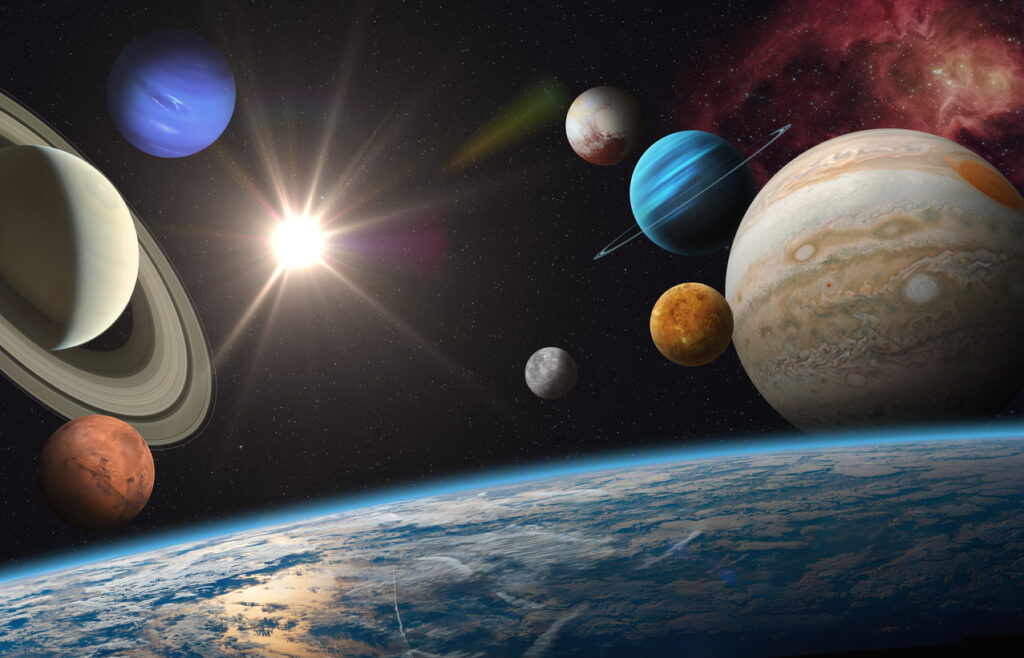
About 4.6 billion years ago, our corner of space was basically just a boring cloud of gas and dust floating around, and then something amazing happened that turned this mess into the planets, moons, and everything else we see today. It’s like the ultimate DIY project, except it took millions of years and involved temperatures hot enough to melt anything.
A massive star exploded and kicked everything off.
Some huge star nearby had a really bad day and exploded, sending shockwaves through space that hit our quiet gas cloud and got the whole party started. The explosion was like dropping a rock in a pond, except the pond was made of space dust and the splash created our entire solar system.
The blast scattered heavy stuff like iron and carbon everywhere, and these became the ingredients for making rocky planets and eventually life. Without that ancient star blowing up, we wouldn’t have had the materials to build Earth.
Gravity turned the cloud into a spinning pancake.
Once the explosion stirred things up, gravity started pulling everything toward the centre, and the whole cloud began spinning faster and faster like a figure skater pulling their arms in. It created a huge spinning disk with most of the stuff concentrated in the middle.
The spinning flattened everything into a pancake shape, which is why all the planets go around the Sun in roughly the same direction instead of flying around randomly. Gravity basically designed the layout of our solar system.
The Sun lit up like a giant campfire.
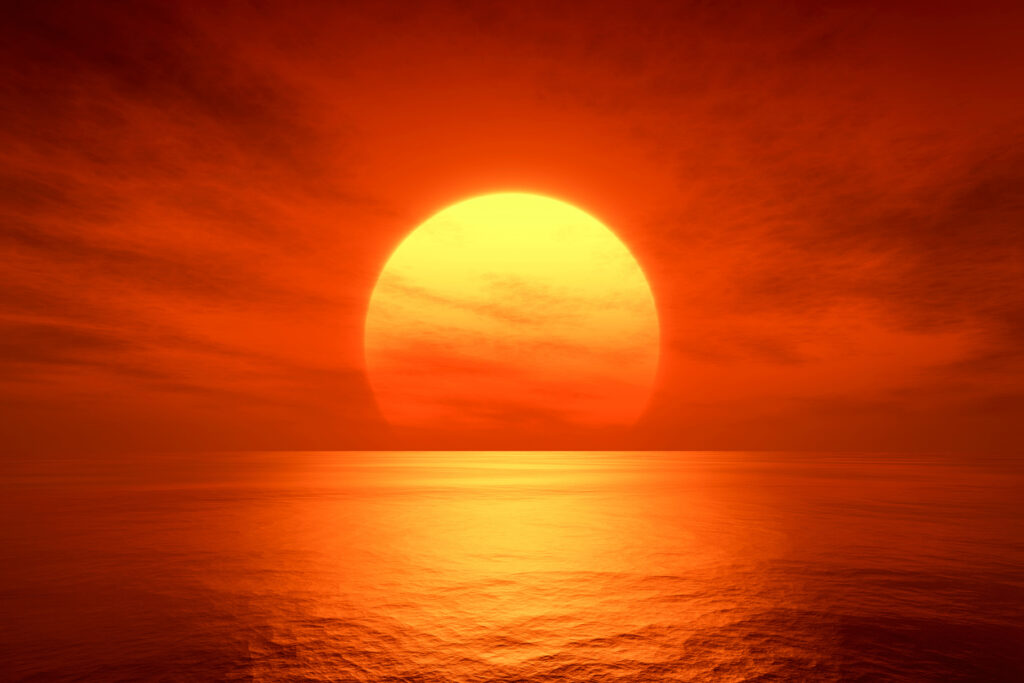
As more material piled up in the centre, it got so hot and squished that hydrogen started fusing together to make helium, and the nuclear reaction made our baby Sun start shining. It was like lighting the ultimate campfire, except this one was a million times bigger than Earth.
The new Sun immediately started blowing powerful winds that swept away most of the leftover gas and dust that hadn’t already stuck together. That cosmic clean-up decided which areas would become rocky planets and which would become gas giants.
Dust bunnies in space started the planet-building process.
Tiny dust particles in the spinning disk started bumping into each other and sticking together, slowly building bigger and bigger clumps over millions of years. It started with cosmic dust bunnies, but eventually created objects the size of mountains.
This had to happen just right: too gentle and nothing would stick, too violent and everything would break apart. The conditions were perfect for this slow construction project to work.
Mile-wide rocks became the building blocks.
Once the dust clumps reached about a mile across, their gravity got strong enough to start pulling in more material, and these planetesimals became like cosmic Lego blocks that could be built into planets and moons.
Some grew quickly by eating their neighbours, while others stayed small and became today’s asteroids and comets. The ones that got big enough became the cores that planets could form around.
Everything crashed into everything else.
For the first few hundred million years, the inner solar system was basically a cosmic demolition derby, where planetesimals constantly smashed into each other at incredible speeds. These crashes either destroyed both objects or merged them into something bigger.
That violent period left scars we can still see today in moon craters and other pockmarked surfaces. Every crater tells the story of an ancient collision that helped build our solar system.
Earth got its moon in a massive crash.
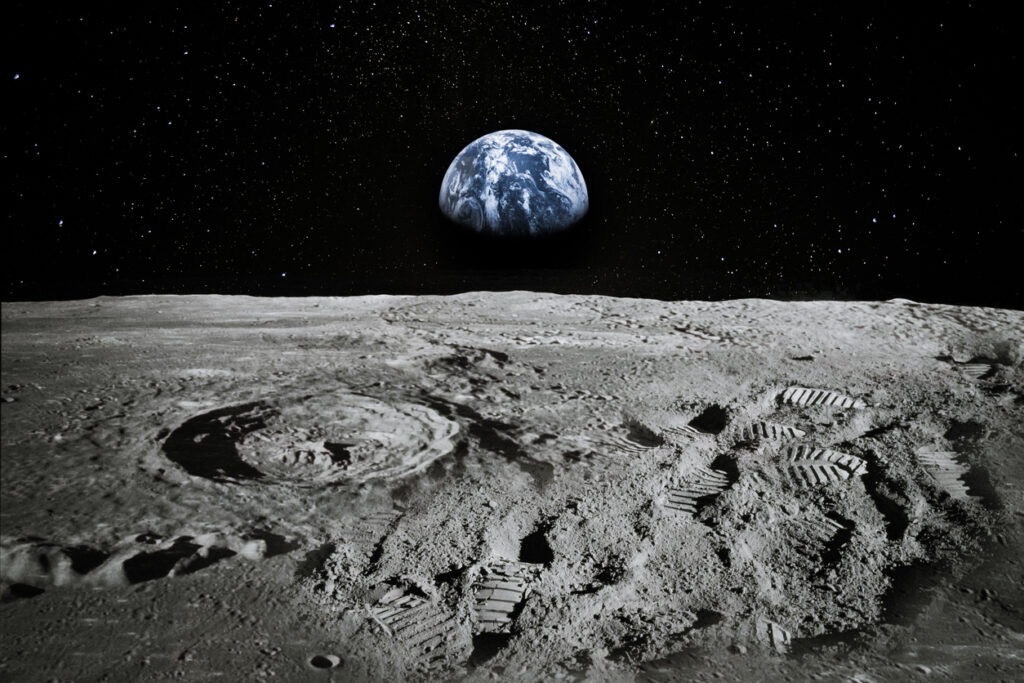
About 4.5 billion years ago, something the size of Mars slammed into early Earth so hard that it vaporised both objects and sent a huge cloud of molten rock into orbit. The debris eventually cooled down and became the moon, which means our moon is literally made from chunks of Earth.
The crash tilted Earth’s axis and gave us our seasons, plus it helped set the length of our day. Without this cosmic accident, Earth would be completely different, with no moon to create tides.
Jupiter became a cosmic vacuum cleaner.
As Jupiter got bigger, its huge gravity started messing with everything else’s orbits and either flung objects out of the solar system or pulled them in to be destroyed. It basically cleaned house and got rid of a lot of floating debris.
Jupiter still protects us today by deflecting comets and asteroids away from Earth. Without Jupiter acting like a shield, we’d get hit by space rocks way more often.
The other gas giants formed in the cold outer regions.
Out where it was cold enough for water and other stuff to freeze, there was more building material available, so the outer planets could grow much bigger and collect massive atmospheres of leftover gas.
Each of these planets gathered their own collections of moons from nearby debris, creating mini solar systems. Saturn’s rings are probably the remains of a moon that got too close and was ripped apart.
Leftover rocks became asteroids and comets.
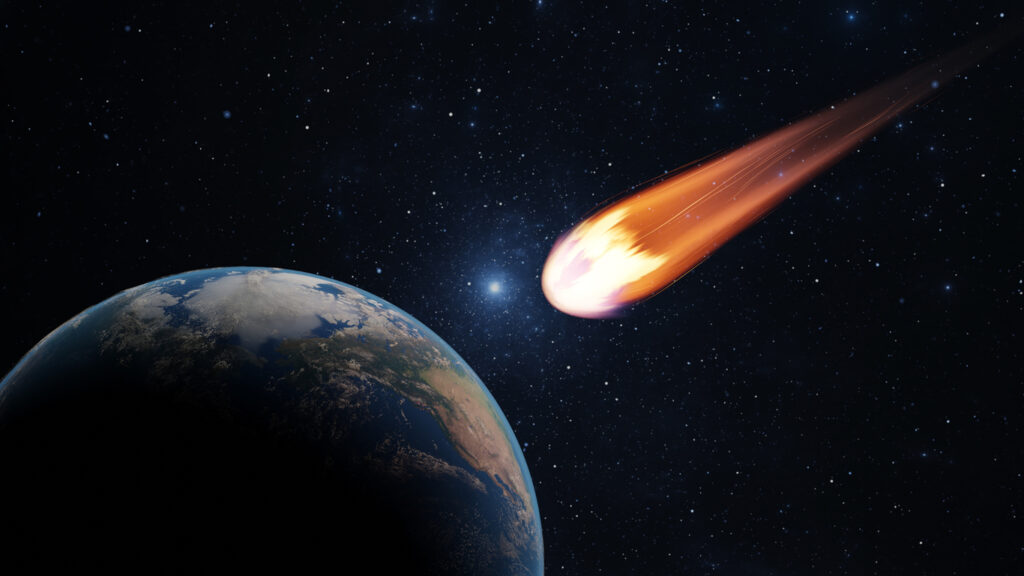
The planetesimals that didn’t get built into planets became asteroids and comets, and they’re like time capsules that preserve the original materials from when the solar system formed. They’re basically unchanged samples of the stuff everything started from.
Comets stayed in the cold outer reaches where their ice stayed frozen, while asteroids hung out in warmer areas and lost their ice but kept their rock and metal parts.
Life somehow got started on Earth.
Once Earth cooled down enough for liquid water and the worst asteroid bombardment ended, conditions became right for the first life to appear. The same heavy elements from that ancient star explosion eventually organised themselves into living things.
It took nearly a billion years for simple cells to become complex life, and then billions more for intelligent creatures to evolve. Life is still pretty new compared to how old our solar system is.
Everything’s still changing.
Even now, our solar system keeps evolving as planets slowly drift, moons move away from their planets, and new comets show up from the outer edges. The story isn’t over yet and will keep going for billions more years.
In about 5 billion years, the Sun will run out of fuel and expand into a red giant, which will completely change everything again. But for now, we get to enjoy this amazing collection of worlds that grew from a simple cloud of space dust.