Some cats seem to stay youthful for what feels like forever, while others age much faster.
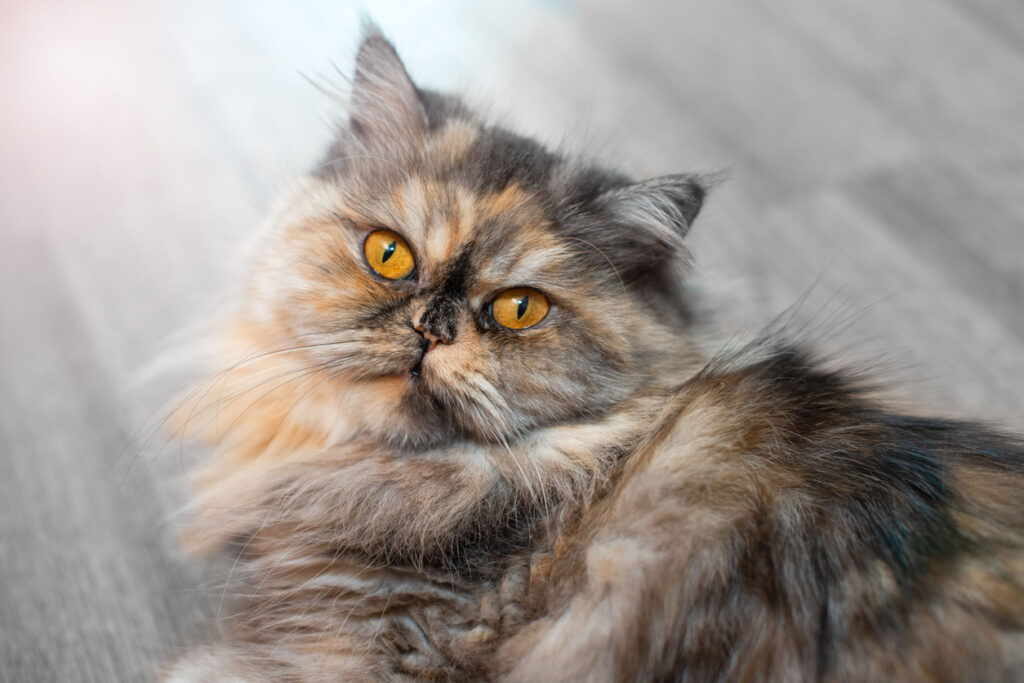
Genetics, lifestyle, and even personality can all play a part in how long a cat lives, and some breeds naturally have the odds stacked in their favour. Knowing which cats tend to live longest can help owners understand what really contributes to a healthy, happy feline life.
At the same time, there are breeds that sadly don’t have the same lifespan, often due to health issues passed down through generations. Looking at both ends of the spectrum gives a clearer picture of how different breeds age and what can be done to help them live longer, more comfortable lives.
Siamese cats are famously long-lived.
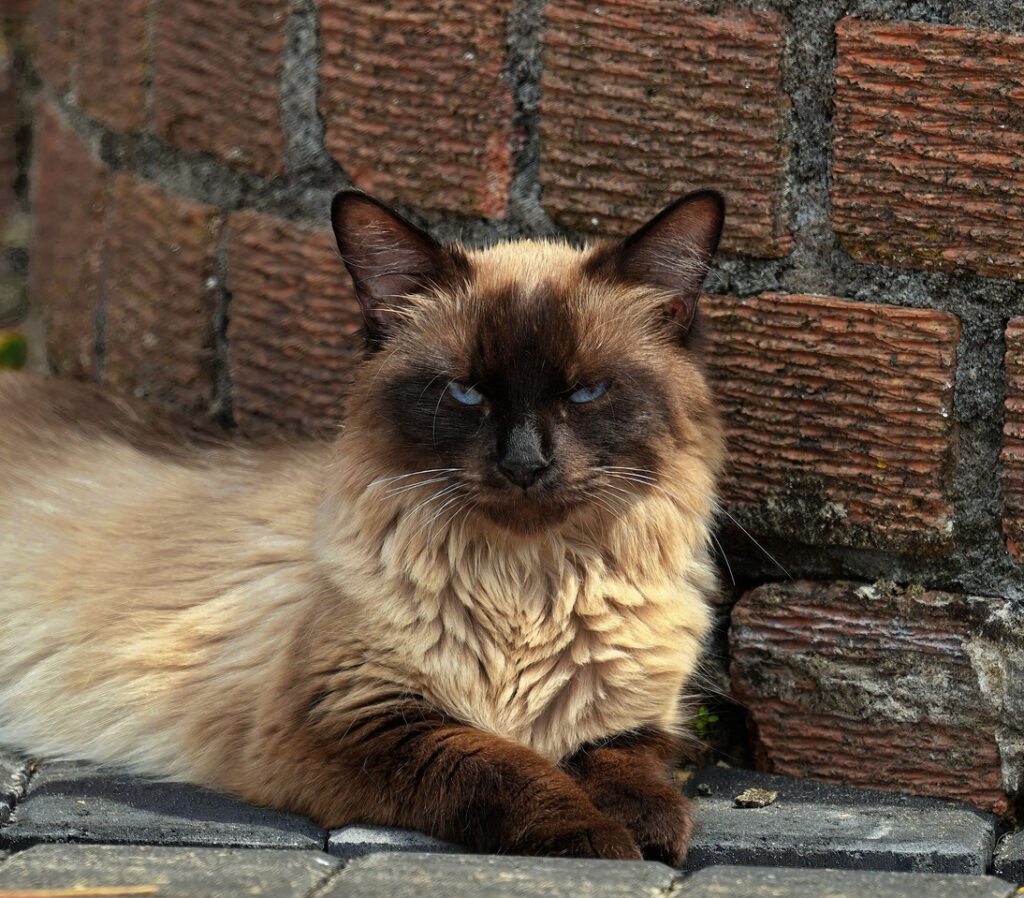
Siamese cats are one of the oldest and longest-living breeds around. Many reach 18 to 20 years old, and a few have even made it past 25. Their lean build and active nature seem to keep them healthier for longer. They do best with mental stimulation and strong human bonds, so the more attention they get, the happier they stay. In the UK, Siamese cats often top vet lists for longevity thanks to good breeding and balanced diets.
Burmese cats are full of energy and endurance.
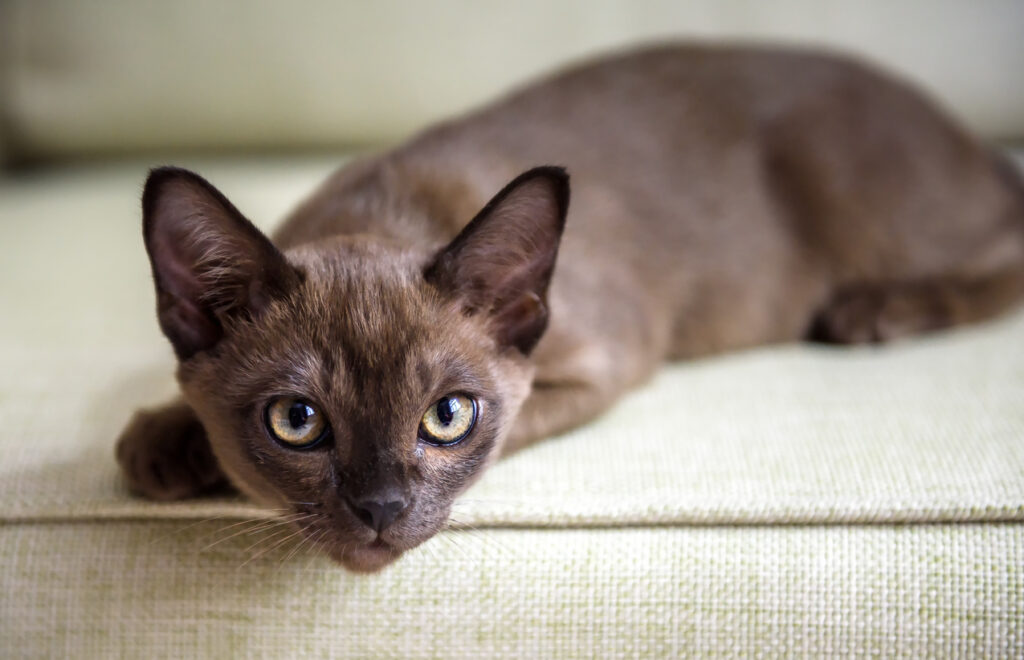
Burmese cats often live 16 to 18 years, sometimes longer. They’re naturally sturdy with strong immune systems and rarely struggle with the health issues that affect many purebred cats. Because they’re sociable and playful, they stay active well into old age. UK owners often say their Burmese cats still act like kittens even after a decade, which helps them stay fit and alert for longer.
Russian blues are calm, healthy, and long-living.

Russian blues are known for their sleek silver coats and quiet, affectionate personalities. They’re generally healthy cats with few genetic problems, often living between 15 and 20 years. They tend to be low-stress pets, which may add years to their lives. Their simple, relaxed nature makes them easy to care for, and UK vets regularly rank them among the healthiest pedigree breeds.
Maine coons are big, but surprisingly long-lived.
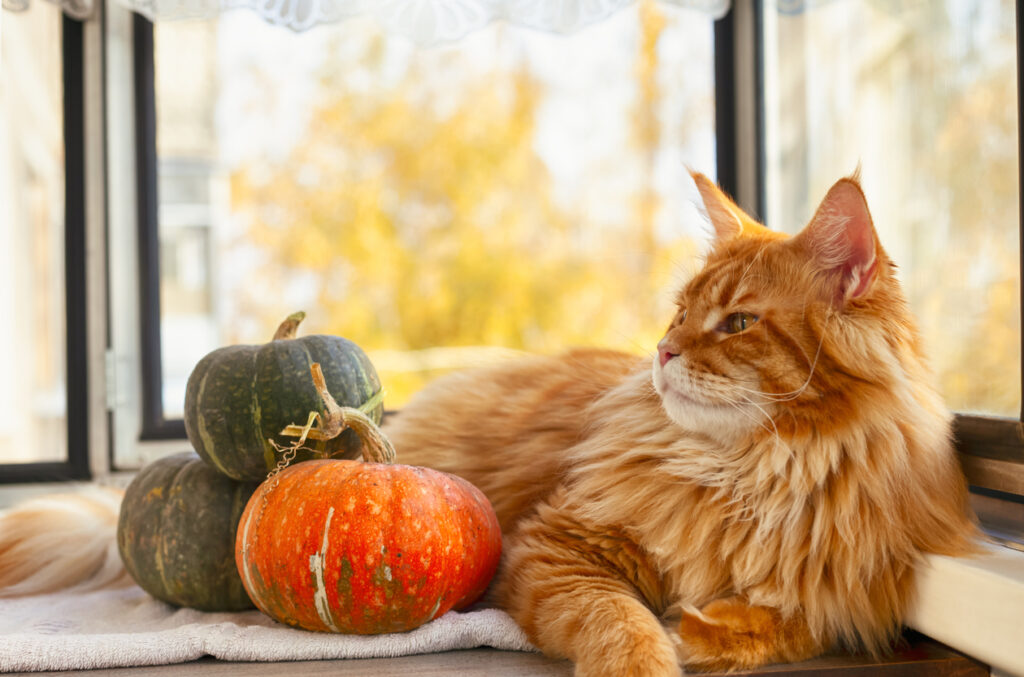
As one of the largest domestic breeds, you might expect Maine coons to age quickly, but many live between 13 and 16 years. With proper diet and care, they can reach their late teens comfortably. They’re prone to heart disease, so regular check-ups are important. Still, many UK owners find that Maine coons remain gentle giants with a strong lifespan compared to other big breeds.
Balinese cats are a hardy relative of the Siamese.

Balinese cats, with their silky fur and striking blue eyes, share much of their DNA with Siamese cats. That means they also share the same tendency for longevity, with many living 18 years or more. They’re intelligent, vocal, and athletic, so they need regular play and attention. In return, they reward owners with strong bonds and long, happy lives that easily stretch beyond the average cat lifespan.
British shorthairs are steady and dependable.

As one of the UK’s most beloved breeds, British shorthairs usually live 14 to 17 years. They’re sturdy and adaptable, with fewer inherited diseases than many purebred cats. Their calm personality helps too, as stress can shorten a cat’s life. They enjoy predictable routines, moderate exercise, and cosy naps, all of which support steady, healthy ageing.
Ragdolls are gentle giants with moderate lifespans.

Ragdolls are affectionate and laid-back, but their large size means their lifespan is often shorter, averaging 12 to 15 years. They’re prone to heart issues and kidney disease, so regular vet visits are crucial. Despite this, well-cared-for ragdolls often live happy, peaceful lives well into their teens. Many UK owners say they age gracefully thanks to their calm temperament and low stress levels.
Bengals are active cats that age quickly.
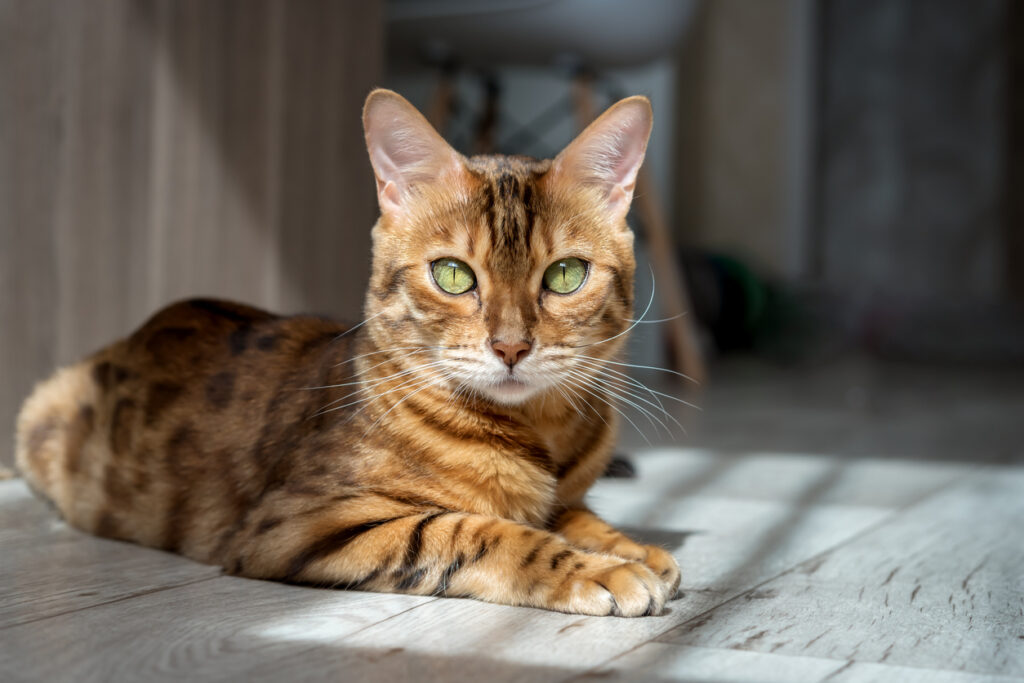
Bengal cats are energetic and athletic, but their high metabolism can work against them as they age. Most live between 12 and 15 years, though some reach 17 with excellent care. They’re prone to digestive and joint issues, which can shorten their lifespan if not managed. Still, their lively nature and strong muscles mean they stay agile right into their senior years.
Persians are beautiful but delicate.

Persian cats are known for their long, glamorous coats and sweet temperaments, but their short noses and flat faces cause breathing and eye problems. Most Persians live around 12 to 14 years. With careful grooming and regular vet care, they can live longer, but in general, they’re one of the more high-maintenance breeds in the UK. Their health relies heavily on responsible breeding and consistent home care.
Sphynx cats are fragile but full of personality.
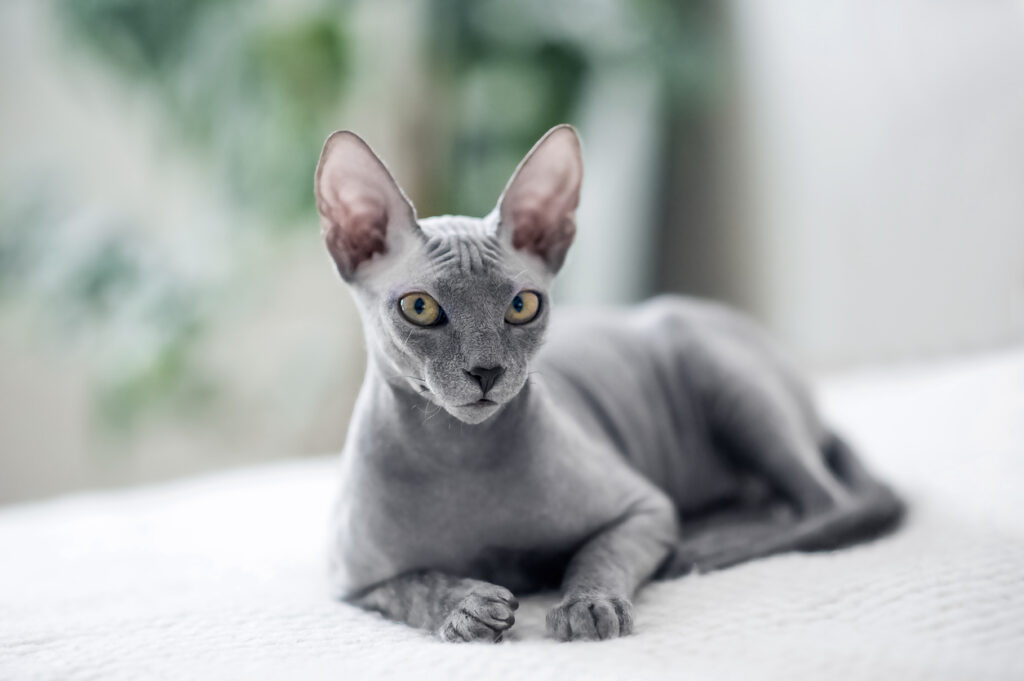
Sphynx cats might look strong and sleek, but their lack of fur leaves them sensitive to temperature changes and skin issues. They usually live 10 to 14 years, though some reach 15 with proper care. Because they need warmth and regular cleaning, owners have to stay on top of their routines. Still, their loving, playful energy often makes up for their shorter lifespan.
Scottish folds are charming but at risk of joint issues.
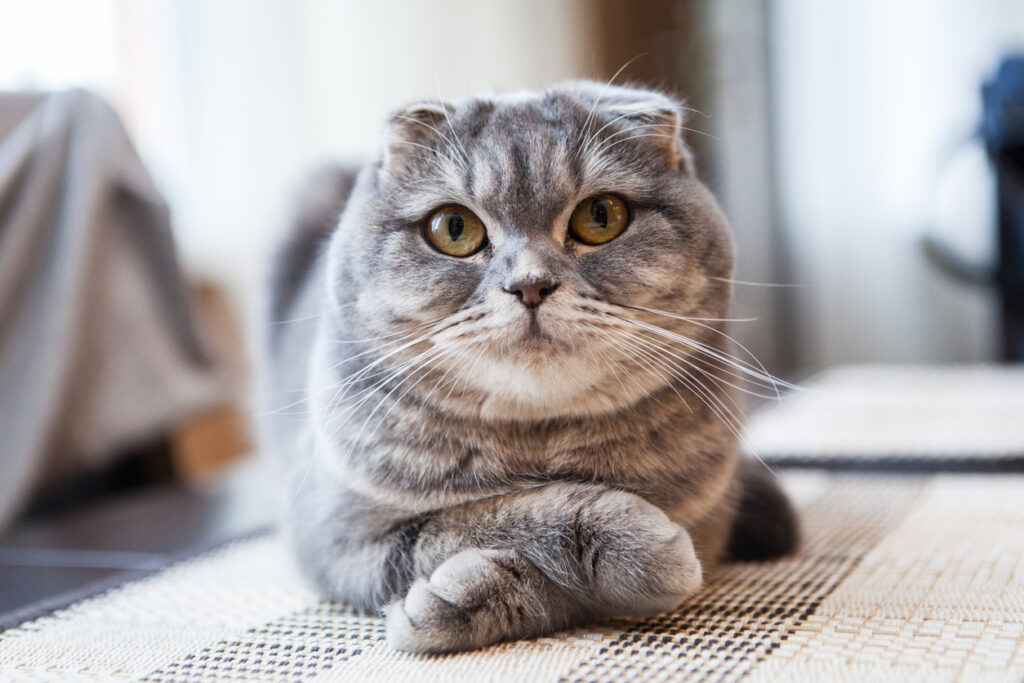
Scottish folds are adored for their folded ears and round faces, but the same gene that causes those traits can lead to painful bone and joint problems. They tend to live around 11 to 14 years. Responsible breeders test for these issues to improve lifespan, but many UK vets caution that fold breeds need extra monitoring. With the right care, they can still enjoy long, happy lives, just with more attention to comfort.
Abyssinians are active cats with shorter lifespans.
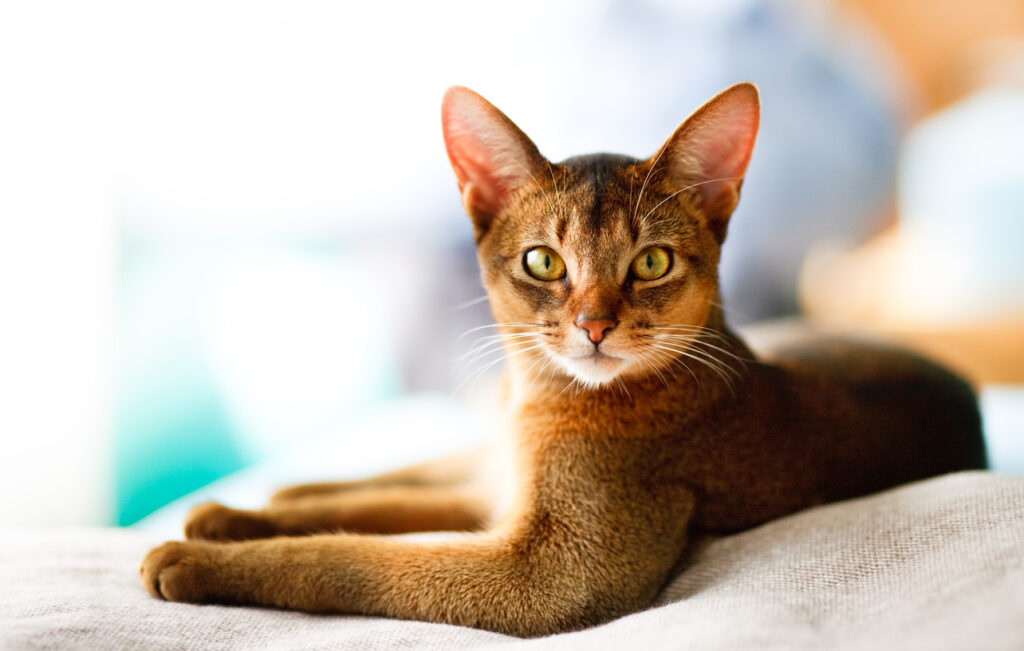
Abyssinians are bright and athletic, always climbing or exploring. Their adventurous nature makes them great companions, but it also means they’re prone to accidents and stress-related illness. Most live between 10 and 13 years. With indoor living and proper care, they can exceed expectations, but in general, Abyssinians have slightly shorter lifespans than calmer breeds like British shorthairs or Russian blues.
Oriental shorthairs are slim and long-lived.
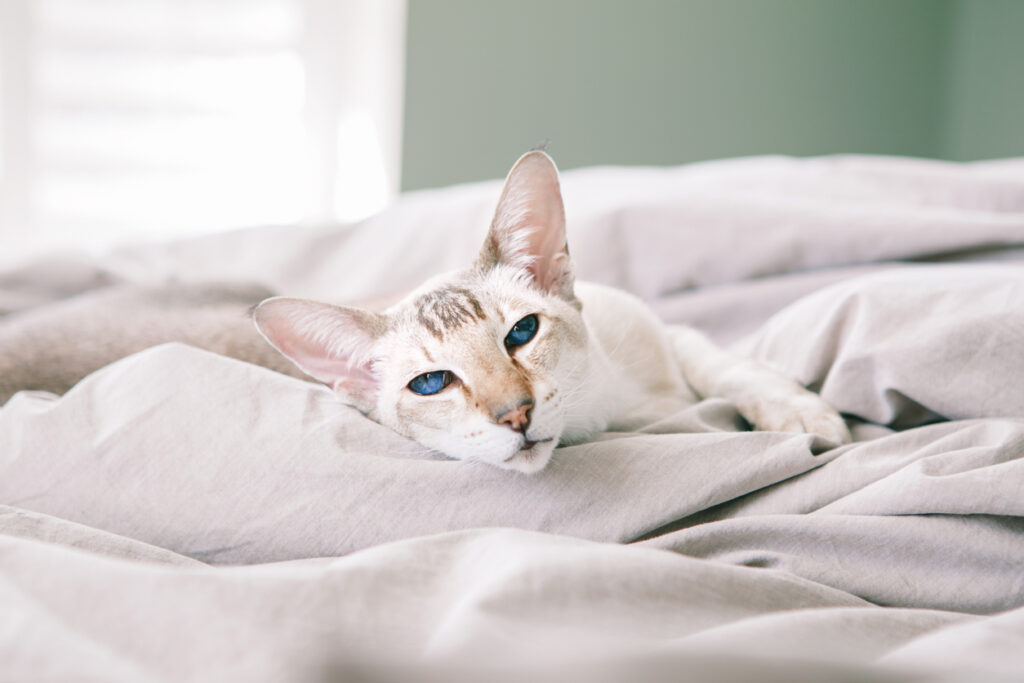
These elegant cats, related to the Siamese, often live between 15 and 20 years. They’re strong, talkative, and intelligent, with few hereditary problems compared to more modern breeds. Because they’re so social, they thrive in homes where they get attention and interaction. In the UK, Oriental shorthairs are seen as one of the best all-round choices for long, healthy companionship.
Manx cats are hardy but have unpredictable lifespans.
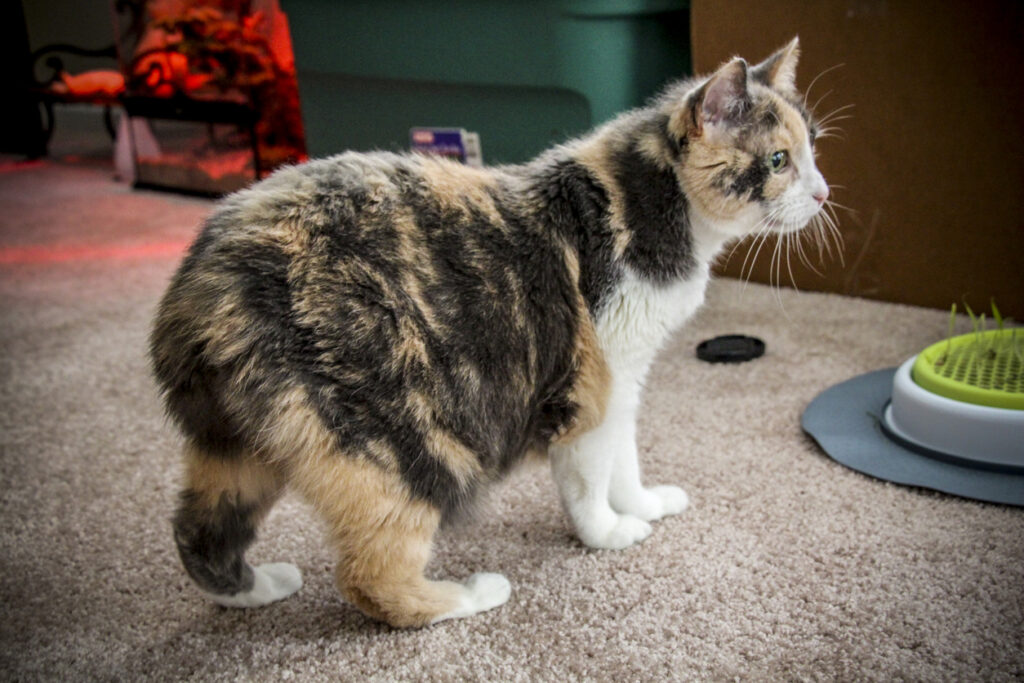
Manx cats, famous for their missing tails, can live anywhere between 12 and 18 years. However, some suffer from spinal problems linked to the same gene that removes their tails. When bred carefully, they can live as long as any cat on this list. UK breeders have improved their health in recent years, but tail-related issues can still shorten their lives in less regulated breeding lines.
Exotic shorthairs are short-lived Persians.
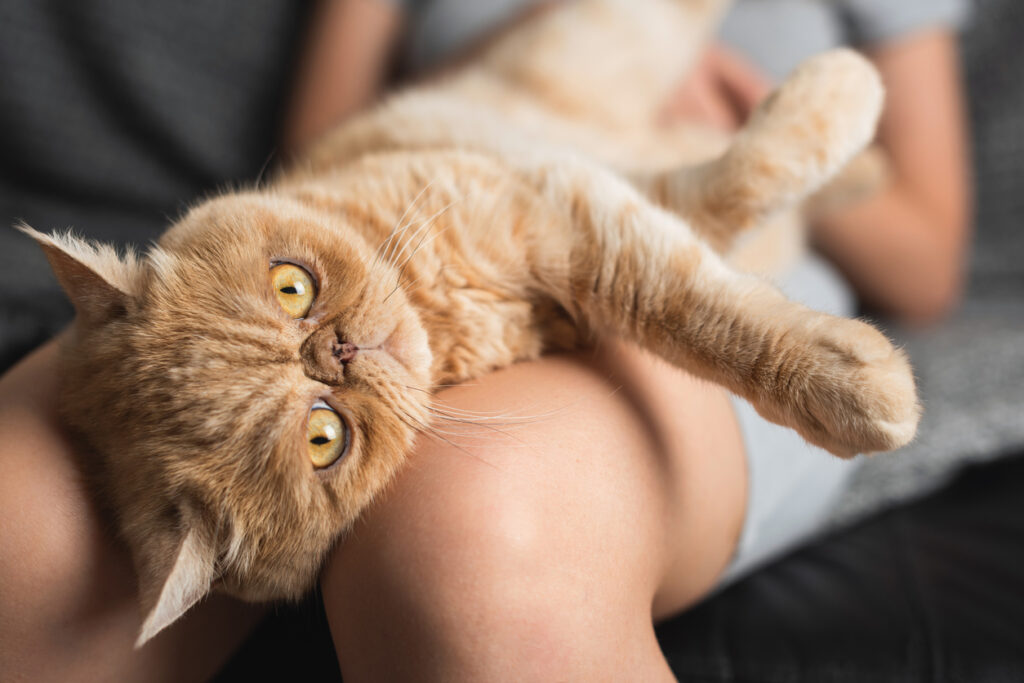
Exotic shorthairs share most of their genetics with Persians, but have shorter coats. They usually live between 11 and 13 years, with the same breathing and eye problems that affect their long-haired relatives. They’re affectionate, gentle cats, but their health issues often limit their years. In the UK, they remain a popular breed despite this, loved for their sweet personalities and easy-going nature.
Norwegian forest cats are slow to age, long to live.
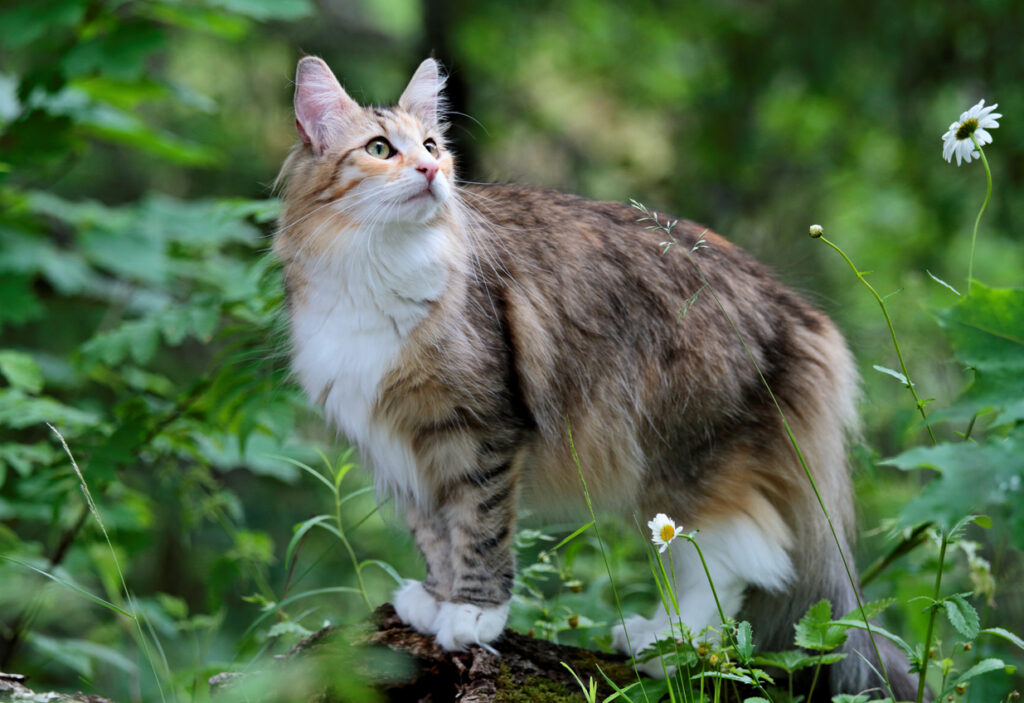
These fluffy northern cats are built for the outdoors and can live between 14 and 18 years. They’re strong, independent, and resilient to harsh weather, making them one of the hardiest long-lived breeds. In Britain, they adapt well to both rural and indoor life. Their thick coat needs regular grooming, but with proper care, they tend to stay healthy and active for most of their lives.
Cornish rexes are lively with moderate lifespans.

The Cornish rex is known for its curly coat and playful nature. They usually live between 12 and 15 years but can reach 17 with good diet and healthcare. They’re sociable cats that burn energy quickly, so they need plenty of rest and food to stay balanced. UK owners often find that these cats keep their kitten-like charm right into their older years.
Tonkinese cats are affectionate and long-lived.

Tonkinese cats, a cross between Siamese and Burmese breeds, inherit the best of both worlds: long lives, good health, and lively personalities. Many reach 18 or even 20 years with proper care. They love company and dislike being left alone, so emotional wellbeing plays a big part in their lifespan. Happy Tonkinese cats tend to stay youthful, proving that companionship really does affect health.
Devon rexes are small but hardy.
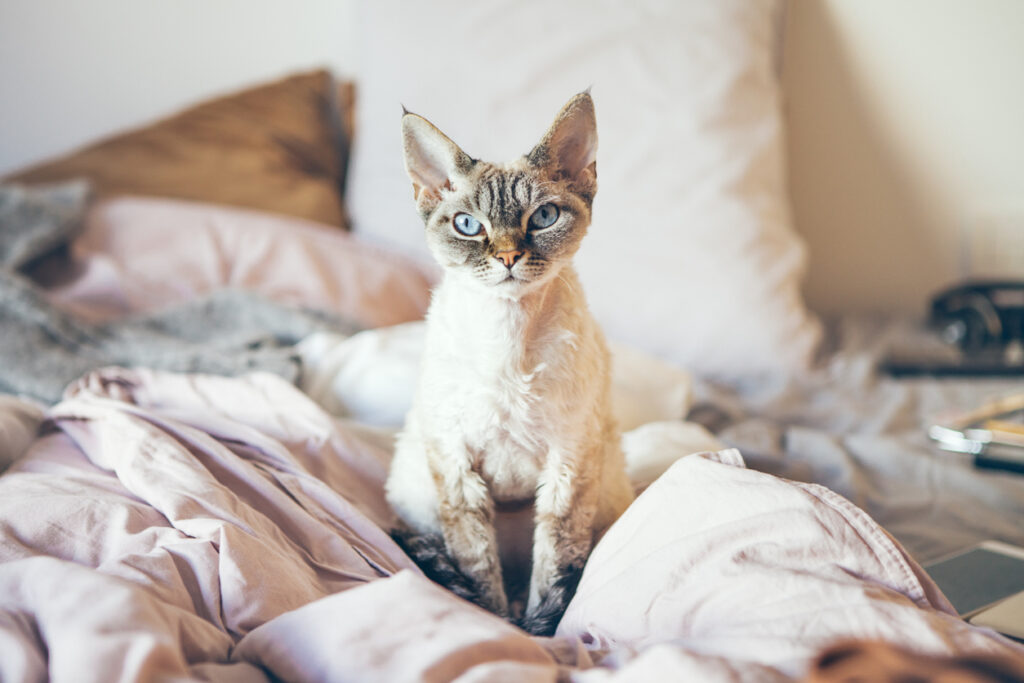
Devon rexes are quirky little cats with big eyes and short curly coats. They’re surprisingly robust and often live between 14 and 17 years with few hereditary problems. Because they’re playful and low-stress, they maintain a strong immune system into old age. In UK homes, they’re often known as “forever kittens” for their ability to stay active and silly for most of their lives.
Breeds that live the shortest
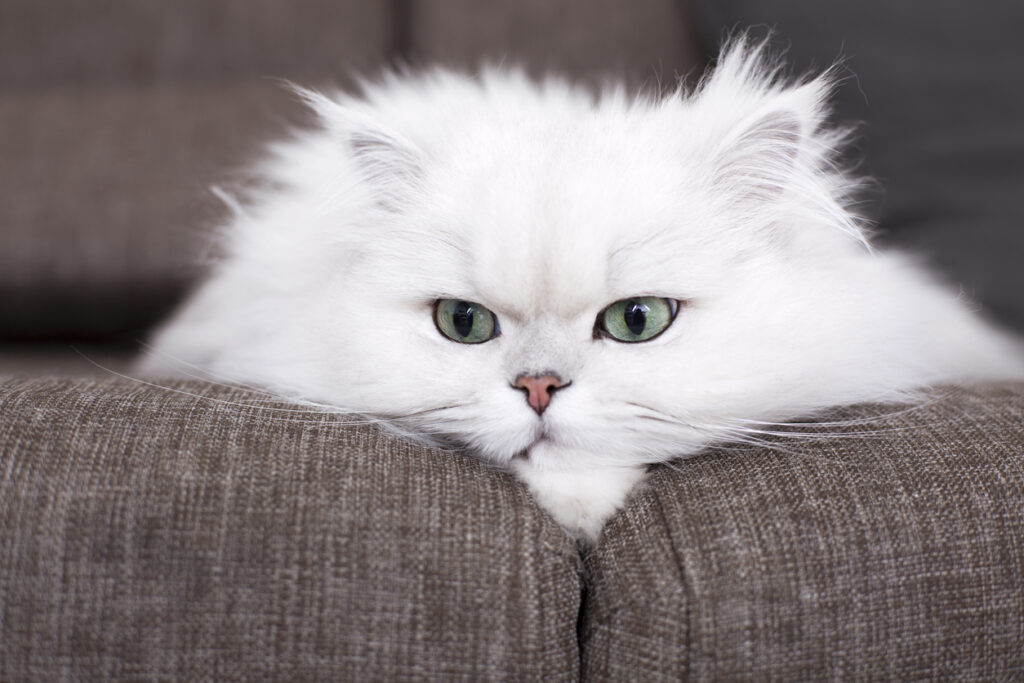
On average, the breeds with the shortest lifespans in the UK are Persians, Scottish folds, exotic shorthairs, and Abyssinians. These cats often face inherited health issues that can’t always be prevented, even with great care. Meanwhile, mixed-breed or moggy cats often outlive pedigrees altogether, averaging 15 to 20 years. Their varied genetics make them naturally resilient, proving that sometimes, the longest lives belong to the simplest cats.