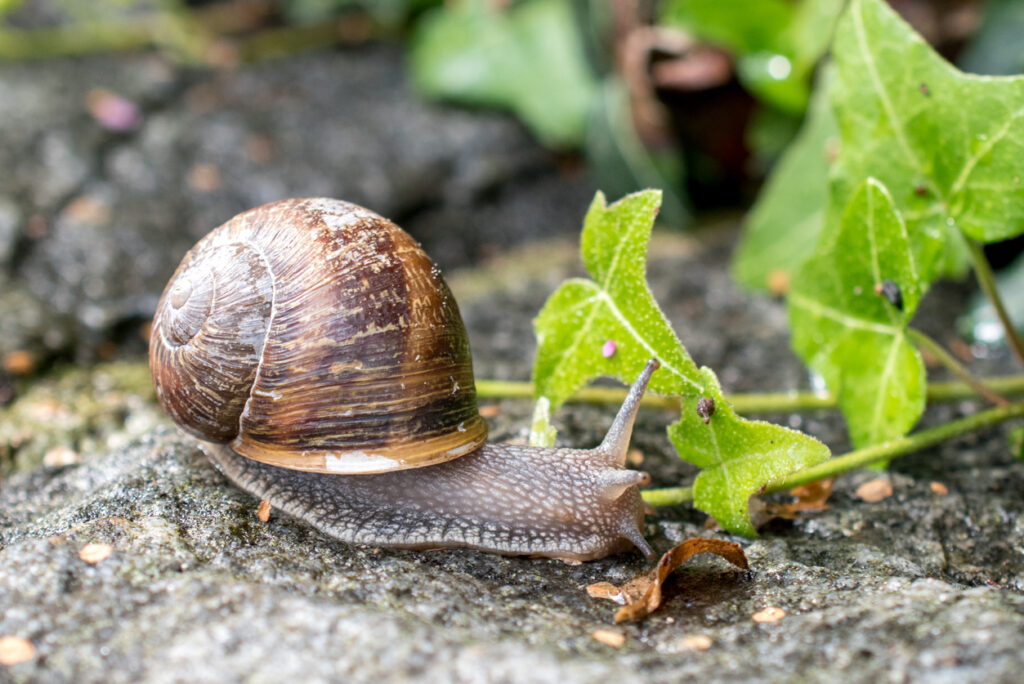
Garden snails seem simple, but they’re full of strange features and habits most people never notice. They move slowly, hide in tiny gaps and appear harmless, yet their bodies are built in clever ways that help them survive almost anything your garden throws at them. When you look closely, you realise these small creatures have more going on than most people expect, from unusual senses to clever survival tricks that keep them going year after year.
1. They have hundreds of tiny teeth.
People think snails nibble gently with a soft mouth, but in reality, they have a tongue covered in tiny teeth that act like a small file. This structure helps them scrape algae, leaves, and even the ink from plant labels without any trouble. Most people never notice the marks, but the signs of their feeding are everywhere once you start looking.
Watching how they eat helps you understand this surprising design. When they glide across a leaf, you can sometimes hear the faint rasping sound they make. These tiny teeth are replaced constantly, which keeps them sharp even though they’re used every day. Seeing the little scrape lines left behind helps you understand how efficient their eating method really is.
2. They can crawl over sharp objects without getting hurt.
If you’ve ever wondered how snails move across gravel, twigs, or even broken glass without injury, it’s down to slime. Their slime works like a soft cushion that protects the body underneath. Instead of dragging themselves across rough surfaces, they glide smoothly because the slime fills every gap and stops sharp edges from touching their skin.
Noticing the shiny trail they leave helps you understand the trick. The slime also helps them stick to vertical surfaces and even climb upside down when needed. This protective layer is one of the main reasons snails can travel in so many different environments, no matter how rough the terrain looks to us.
3. They have eyes on the tips of their tentacles.
Given that we can’t really see their eyes, it would make sense to assume that snails can’t see. They can! Their eyesight is weak, but their eye stalks help them detect changes in light and movement. They use these long tentacles to explore their surroundings and lift their view higher above obstacles.
Seeing how a snail stretches its tentacles shows how important these eye stalks are. When danger appears, the snail pulls the tentacles back quickly to protect them. This simple movement helps them avoid injury while still getting a sense of what’s around them, even in dark or cluttered spaces in the garden.
4. They can seal themselves inside their shell.
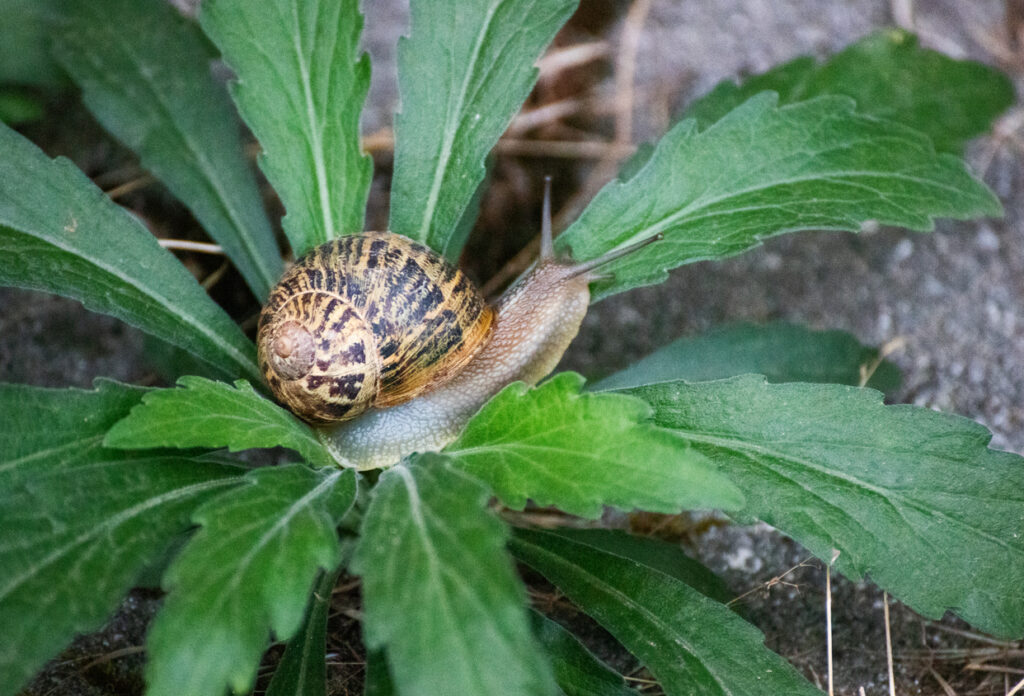
Snails don’t die off in dry weather. When conditions get too hot or dry, a snail produces a thin film that seals the shell opening, keeping moisture inside. This helps them slow their body down and survive long periods without food or water.
If you’ve ever seen sealed shells in your garden sheds or under pots, that’s this survival method in action. When rain returns, they break the seal and continue moving as if nothing happened. This ability protects them from harsh conditions and helps them live much longer than most people expect.
5. They move using a wave-like motion.
It’s easy to picture snails sliding without effort, but the process is a bit more complex than that. Under their body is a muscular foot that moves in rippling waves. These waves give them grip on smooth and rough surfaces, helping them move steadily even though their speed is slow.
If you watch a snail closely, you can see these tiny waves. If you look at the underside while it moves across glass, you can see the rippling pattern clearly. This clever system lets them climb walls, pot edges and stones without slipping, even when the surface looks too tricky for such a soft creature.
6. They leave slime trails for more than one reason.
Assuming the slime only helps with movement isn’t true. Snails also use the trail to help them find food, track their route, and even identify other snails. The slime acts like a gentle record of where they’ve been.
Spotting the trails after rain helps you see how they navigate. Snails often follow their own paths back to food sources or sheltered spots. The slime also helps them move across dry ground without losing moisture, which is vital for their survival.
7. They can hibernate for months.
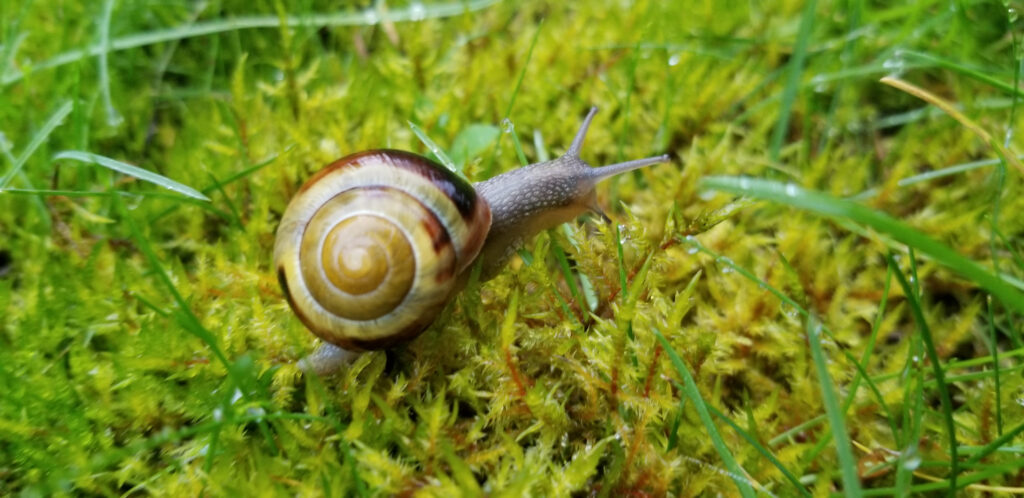
People wonder where snails disappear to in winter, given that they’re just suddenly… not around. During cold months, they slow their body down, seal their shells and hide in protected places like sheds, logs, or flowerpots. This helps them survive freezing temperatures that would normally kill soft-bodied animals.
It’s no wonder you find clusters of snails in quiet corners. They often group together for extra protection and warmth. When spring arrives, they wake up and start feeding again, ready for another year of exploring your garden.
8. They have both male and female reproductive parts.
Everyone assumes that snails need a partner of the opposite sex, but that’s not actually the case. Each snail has both male and female parts, which helps them reproduce more easily in small populations where partners are scarce.
Seeing snail eggs in damp soil helps you understand how quickly they multiply. Their flexible system increases their chances of producing young, which is why gardens can fill up with snails much faster than you expect.
9. They rely on moisture to stay alive.
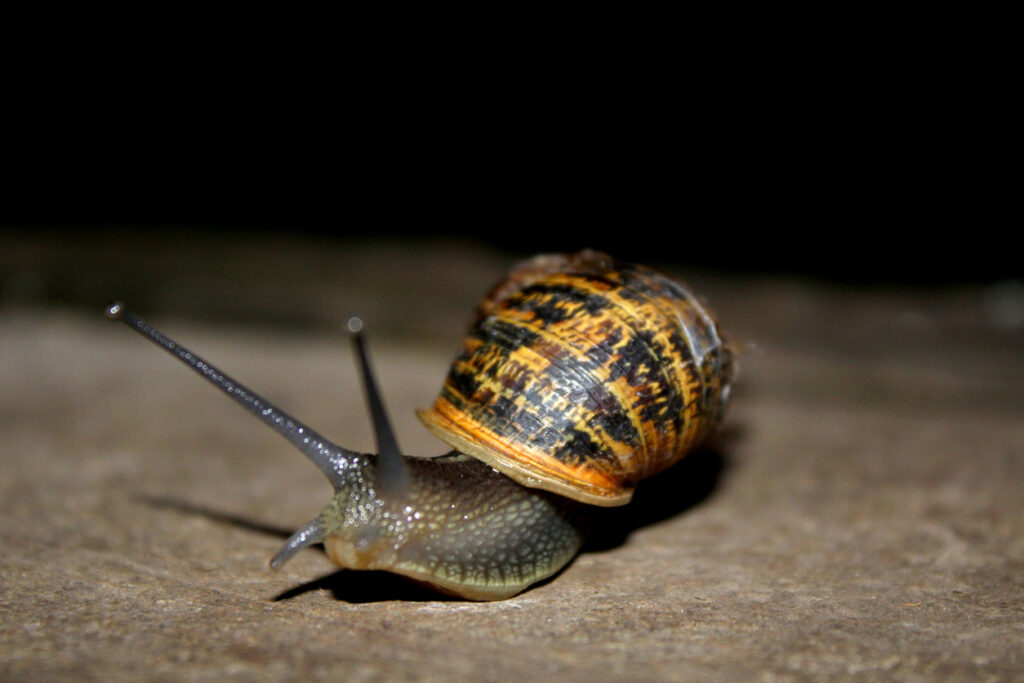
It’s a big mistake when people try to move snails into sunny spots, thinking it’ll warm them up. Snails dry out quickly in direct sunlight, which is why you rarely see them outside on hot days. Moisture is essential for their movement, feeding, and survival.
Spotting them after rainfall helps explain their routine. They come out when the air is damp, using the cool conditions to travel and search for food. This is also when they’re most active, making wet evenings the best time to observe their behaviour.
10. They help recycle dead plant material.
People see snails only as pests that eat garden plants, but that’s not actually true. While they can damage young shoots, they also help break down dead leaves and other organic matter, returning nutrients to the soil.
Watching them work on fallen leaves shows their role in the garden. They’re part of nature’s clean-up team, helping keep the ecosystem healthy. Even though you may not always want them near your plants, they play an important part in keeping the soil rich and alive.