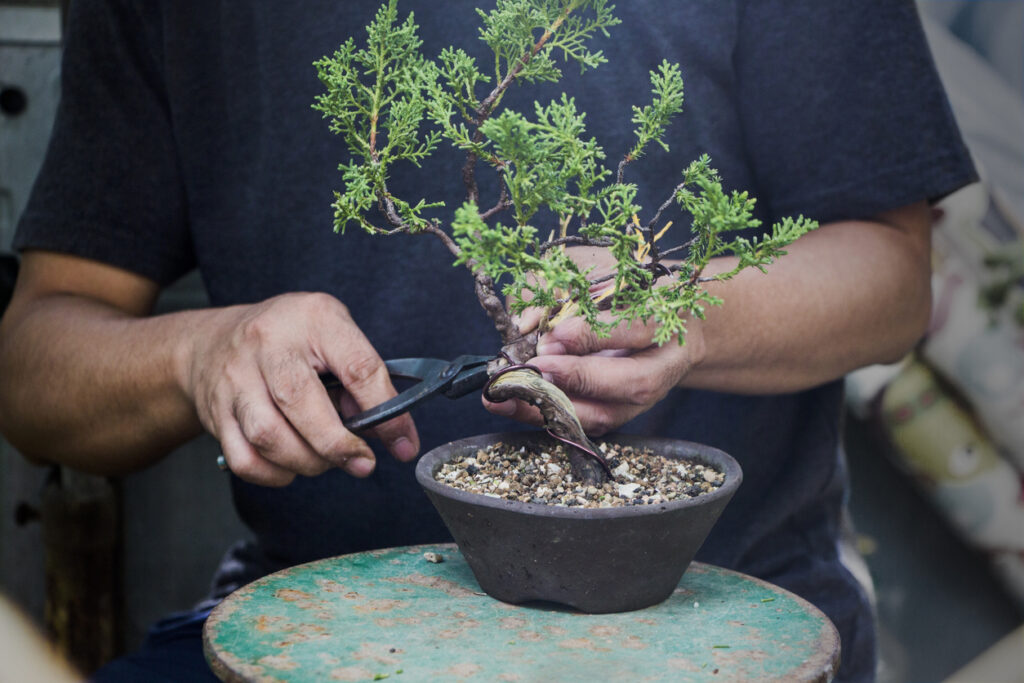
Bonsai trees look like they should be low-maintenance desk decorations, but they’re actually living trees with specific needs that most people completely ignore until their expensive little tree turns into an expensive little stick. The cute factor and mystique around bonsai makes people think they can treat them like houseplants, which is exactly how you end up with a collection of dead twigs.
1. Stop keeping them indoors all the time.
Most bonsai are outdoor trees that need actual sunlight, fresh air, and seasonal temperature changes to survive, not fluorescent office lighting and stagnant indoor air. Keeping them inside constantly is like trying to raise a wild animal in a closet – it doesn’t end well.
Put your bonsai outside during growing season and only bring them in during extreme weather or when temperatures drop below their tolerance levels. They need to experience natural light cycles and air movement that indoor environments can’t provide.
2. You’re either drowning them or letting them turn to dust
Bonsai need consistent moisture but not soggy soil, which means you have to actually pay attention to watering instead of just dumping water on them randomly or forgetting they exist for weeks. Both overwatering and underwatering will kill them, just at different speeds.
Check the soil daily by sticking your finger into it – if it’s dry an inch down, water thoroughly until it drains from the bottom. If it’s still moist, leave it alone and check again tomorrow. Consistent attention beats sporadic flooding.
3. That decorative pot is probably killing your tree
Those shallow ceramic pots look authentic, but they often don’t have proper drainage holes, which means your tree is slowly drowning in standing water. Beautiful pots are useless if they create conditions that kill the plant they’re supposed to showcase.
Make sure your bonsai pot has adequate drainage holes and use proper bonsai soil that drains quickly rather than regular potting mix that holds too much water. Function has to come before aesthetics if you want a living tree.
4. You’re using the wrong soil completely
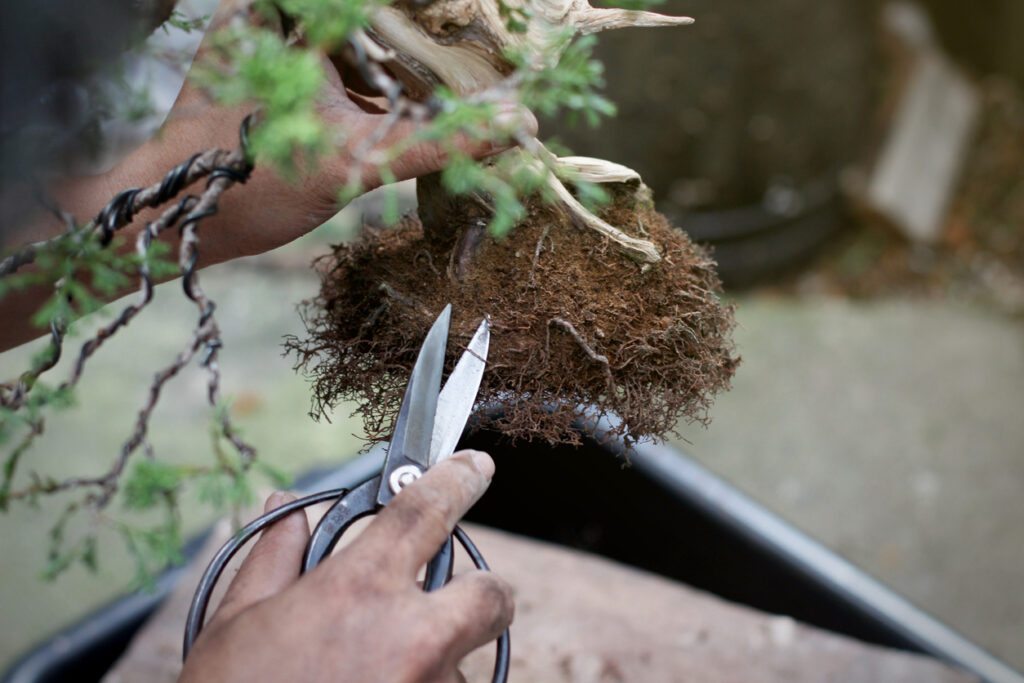
Regular potting soil holds too much moisture and doesn’t provide the drainage that bonsai roots need to stay healthy. Most bonsai die from root rot caused by soil that stays soggy instead of draining properly after watering.
Use proper bonsai soil mix that contains components like akadama, pumice, and lava rock that provide good drainage while still holding some moisture. It costs more than regular potting soil, but it’s essential for keeping roots healthy.
5. Fertilising like it’s a houseplant will burn the roots.
Bonsai trees in small pots need much less fertiliser than regular plants, and using standard houseplant fertiliser at full strength will damage their confined root systems. Less is definitely more when it comes to feeding these miniature trees.
Use bonsai-specific fertiliser or dilute regular fertiliser to quarter strength, and feed more frequently in smaller amounts rather than giving occasional large doses. Think of it as providing consistent nutrition rather than occasional feasts.
6. Ignoring seasonal changes means ignoring their natural cycles.
Bonsai trees follow the same seasonal patterns as their full-sized relatives, which means they need dormancy periods, temperature changes, and different care during different seasons. Treating them the same year-round fights against their natural biology.
Adjust watering, fertilising, and placement based on the seasons rather than maintaining identical care all year. Winter care is completely different from summer care, and ignoring these differences stresses the trees unnecessarily.
7. Pruning randomly instead of understanding tree structure.
Cutting branches just to keep things small or neat can damage the tree’s health and ruin its shape permanently. Proper pruning requires understanding how trees grow and which branches to remove to maintain both health and aesthetic appeal.
Learn basic tree structure before getting scissor-happy. Remove dead, diseased, or crossing branches first, then work on shaping gradually over time rather than trying to create your ideal tree in one aggressive pruning session.
8. Buying trees that are wrong for your climate.
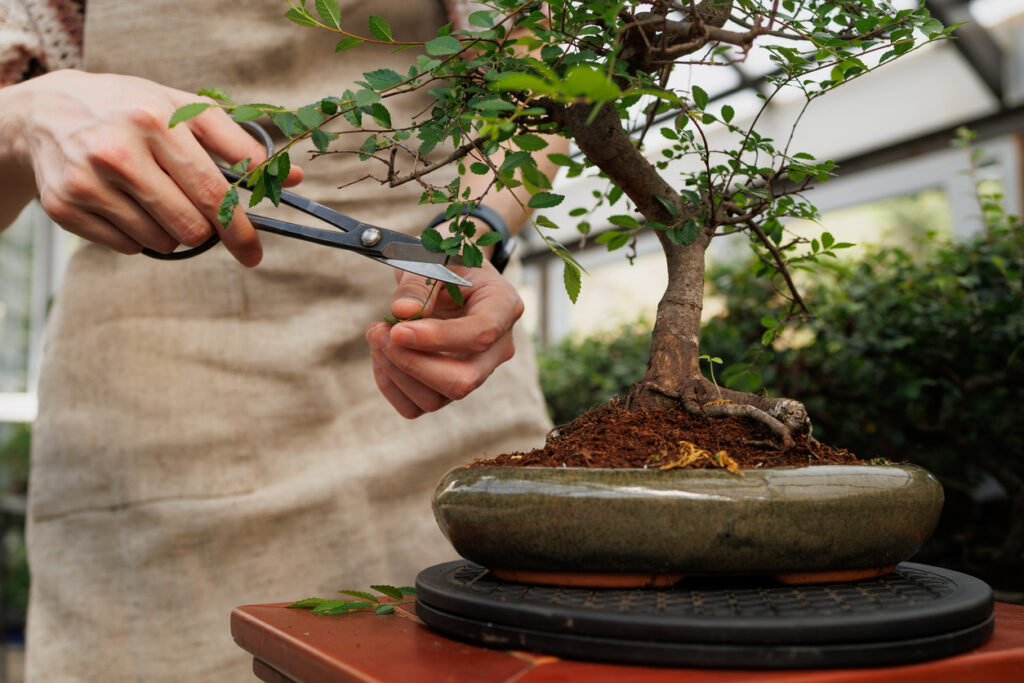
Tropical bonsai in cold climates and temperate species in hot areas are both recipes for disaster because you’re fighting against the tree’s natural preferences. Choose species that can actually survive in your local conditions, rather than just picking what looks coolest.
Research what grows well in your area and start with those species. A thriving local variety will always be more satisfying than an exotic species that struggles to survive in your climate.
9. Repotting too often or not often enough.
Young bonsai need repotting every 1 to 2 years, while mature trees might go 3 to 5 years, but many people either repot constantly or never repot at all. Both approaches stress the trees and can eventually kill them through root damage or root binding.
Check roots every spring by gently lifting the tree from its pot. If roots are circling the bottom or the soil is completely root-bound, it’s time to repot. If there’s still room for growth, leave it alone for another year.
10. Expecting instant results from a decades-long hobby
Bonsai development happens slowly over years and decades, but people often get frustrated and start doing drastic things to accelerate the process. Aggressive techniques usually set the tree back rather than accelerating its development, and impatience kills more bonsai than any specific care mistake.
Accept that good bonsai takes time to develop and focus on keeping your trees healthy rather than trying to force rapid changes. A healthy tree that develops slowly is infinitely better than a dead tree that you pushed too hard.