
Humpback whales blow bubble rings at humans during friendly encounters, and scientists reckon this behaviour could teach us how to spot alien communication. Here’s why researchers think whale curiosity might crack the extraterrestrial code.
Scientists documented whale bubble rings for the first time.
Researchers from the SETI Institute and UC Davis recorded humpback whales blowing perfect bubble rings during interactions with humans, which had never been properly studied before. The whales create these rings like someone blowing smoke rings, and they seem to do it deliberately when they’re curious about people. The team analysed 12 separate episodes involving 11 different whales between 2019 and 2023, capturing 39 bubble rings in total. These observations came from whale-watching boats, research vessels and even planes, with naturalists and citizen scientists reporting what they’d seen.
The whales actively seek out humans to blow these rings.
What makes this behaviour remarkable is that the whales aren’t just randomly creating bubbles while minding their own business. They voluntarily approach boats and swimmers from populations around the world, then start blowing bubble rings in people’s direction. It’s not defensive or aggressive, it’s genuinely friendly and inquisitive. The whales seem to be checking out human reactions, almost like they’re testing whether we’ll respond or play along.
It might be an attempt at communication.

Scientists think the bubble rings could represent a genuine effort to interact or communicate with humans, not just aimless play. The whales appear to be observing human responses to their bubble rings, waiting to see what happens. It’s similar to how you might wave at someone to get their attention and gauge their reaction. The behaviour suggests the whales are actively trying to engage rather than just showing off their bubble-blowing skills.
Whales already use bubbles as tools.
Humpback whales have complex relationships with bubbles beyond these rings. They create thick walls of bubbles called bubble nets to trap schools of fish, essentially building temporary fences out of air. Males also blow bubble trails when competing to escort females during mating season. Bubbles are a versatile tool in their communication and survival toolkit, so using them to interact with humans fits their existing skillset.
The research is part of the WhaleSETI project.
This whale behaviour study isn’t just about marine biology, it’s actively tied to the search for extraterrestrial intelligence. The WhaleSETI team studies these aquatic mammals as practice for recognising and responding to potential alien communication. Just like scientists study Antarctica to understand Mars, they’re studying whale communication to prepare for signals from space. It’s about developing filters and methods to spot intentional communication when you don’t share a language.
Whale intelligence mirrors assumptions about alien contact.
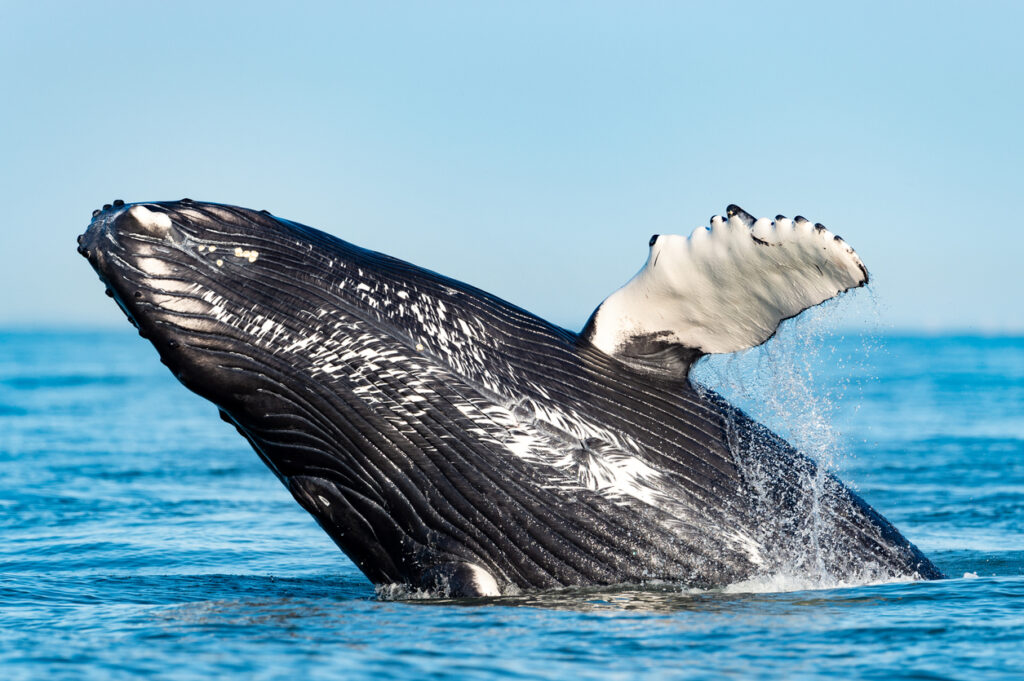
SETI researchers work on the assumption that intelligent extraterrestrials would be curious enough to try making contact with humans if they found us. The independent evolution of curiosity in humpback whales supports this idea, showing that intelligence naturally breeds the desire to communicate with other species. If whales actively seek out humans to interact with, maybe advanced aliens would do the same thing when they detect our civilisation.
Bubbles offer communication terrestrial mammals can’t use.
One researcher pointed out that bubble production gives whales a communication mode that land mammals simply don’t have access to. It’s a unique sensory channel that works underwater and creates visible, three-dimensional structures that last long enough to be observed. This reminds scientists that alien communication might use channels we haven’t even considered, not just radio signals or light patterns we’re used to looking for.
Humpback whales live in complex societies.
These aren’t simple creatures operating on pure instinct. Humpback whales maintain complex social systems, communicate extensively through songs and social calls, and demonstrate sophisticated problem-solving abilities. They’re acoustically diverse and have different dialects in different populations. Their social complexity makes them ideal subjects for understanding how non-human intelligence operates and expresses itself.
Whales help other species in distress.
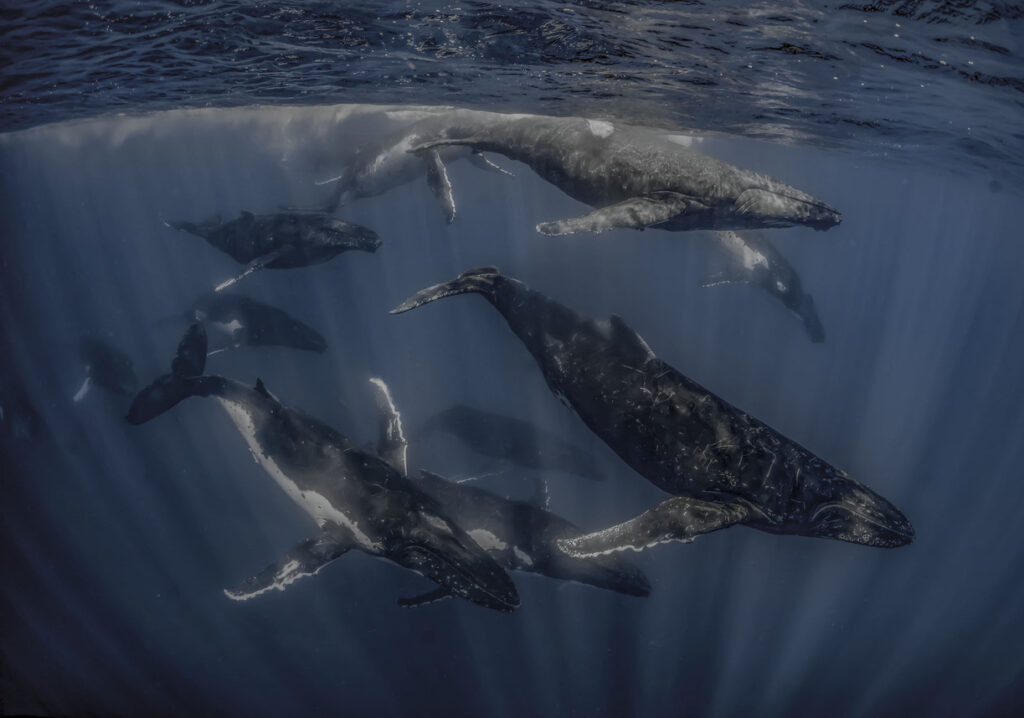
Humpback whales have been documented assisting other marine animals being harassed by predators, even when there’s no benefit to themselves. This altruistic behaviour towards different species shows they recognise distress across species boundaries and choose to intervene. It demonstrates empathy and awareness that extends beyond their own kind, which suggests sophisticated cognitive and social abilities.
Scientists previously had a conversation with a whale.
In 2023, the same research team engaged in a 20-minute exchange with a humpback whale named Twain off Alaska’s coast. They played recorded whale calls through an underwater speaker, and Twain responded to each playback with matching calls, circling their boat and maintaining the interaction. It showed whales can intentionally engage in back-and-forth communication patterns, not just make random noises in response to stimuli.
The behaviour is rare and deliberate.
These bubble ring events aren’t common occurrences that happen constantly in the ocean. They’re specific interactions that seem tied to the whales’ curiosity about humans, making them deliberate rather than automatic behaviours. The rarity suggests this isn’t an everyday activity but something the whales choose to do in particular contexts, which makes it more likely to be meaningful communication rather than casual play.
Technology limits how we search for aliens.
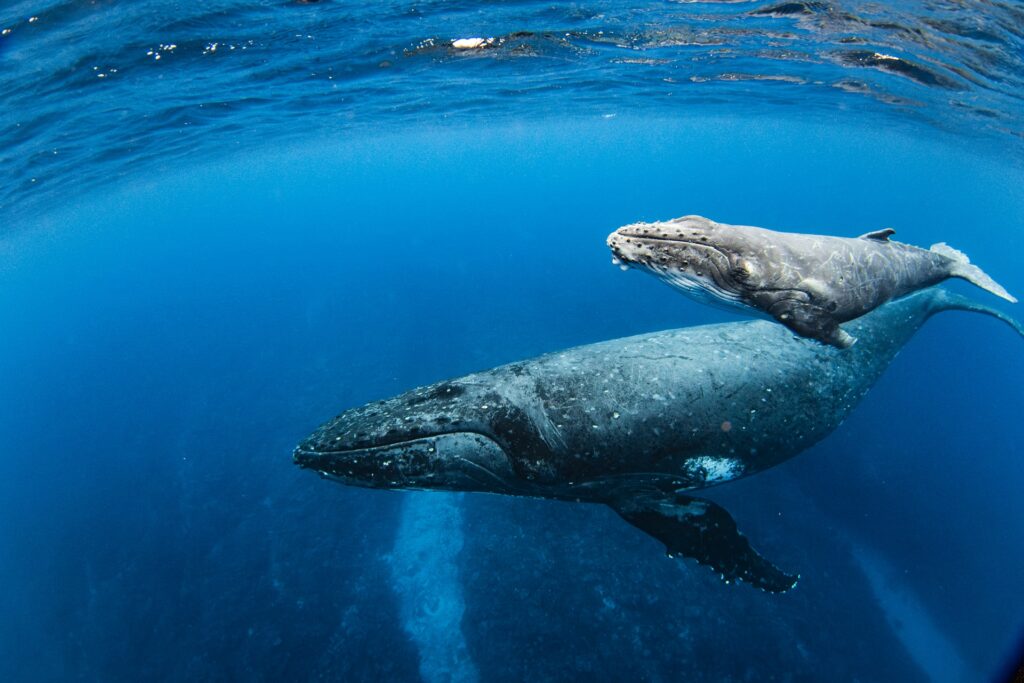
Current SETI efforts assume aliens would actively try to contact us by targeting our receivers because we don’t have the technology to search everywhere for every possible signal type. This assumption relies on alien civilisations being curious and communicative enough to reach out first. Watching whales voluntarily approach humans and attempt interaction validates this assumption, showing that intelligence naturally leads to curiosity about other intelligent beings.
Understanding whales improves alien signal detection.
By studying how intelligent non-human creatures on Earth try to communicate across species barriers, scientists can develop better filters for parsing cosmic signals. They’re learning what intentional communication looks like when it comes from something that doesn’t think like us, which is exactly what alien signals would be. The whale research helps refine the methods and expectations for spotting genuine extraterrestrial attempts at contact among all the noise in space.