Most people are familiar with poinsettias because they see them everywhere at Christmas.
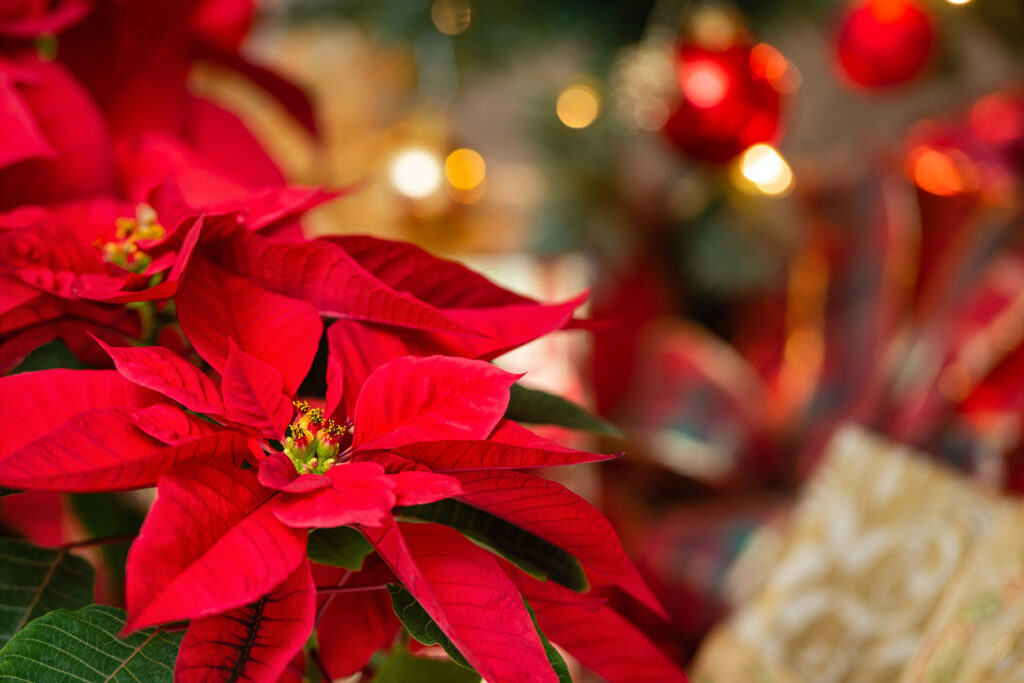
However, there’s loads about these plants that’s surprisingly different from what you’d assume. The red bits aren’t what you think they are, they’re not deadly poisonous despite what everyone says, and keeping them alive past January isn’t as impossible as it seems. And that’s just for starters! Here are some tidbits about poinsettias are way more interesting and misunderstood than the festive decorations people treat them as.
Those red “petals” aren’t flowers at all.
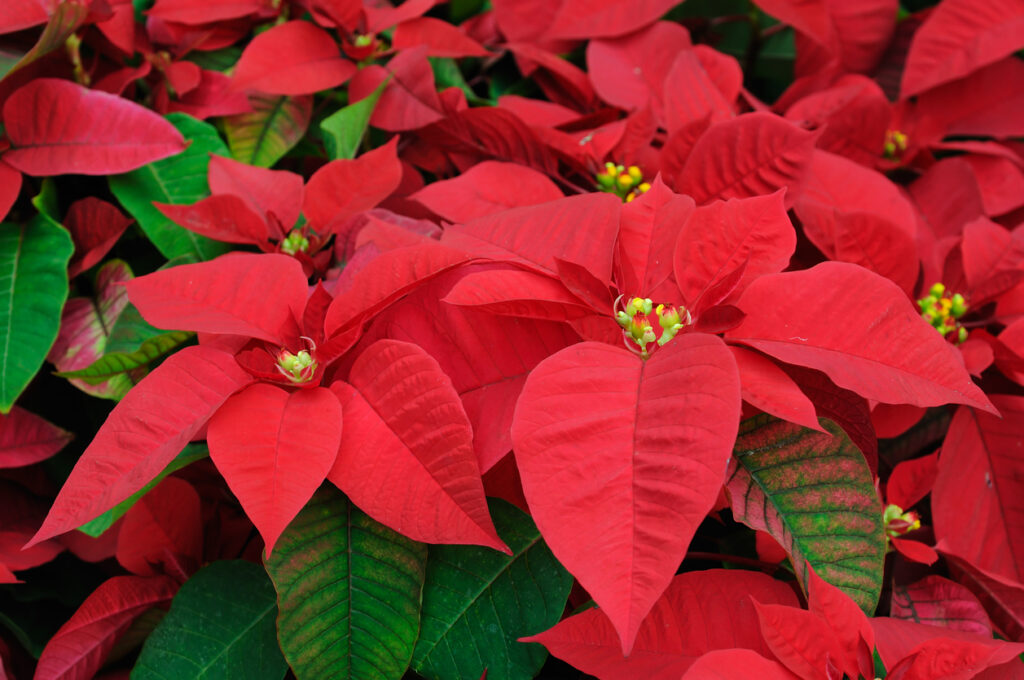
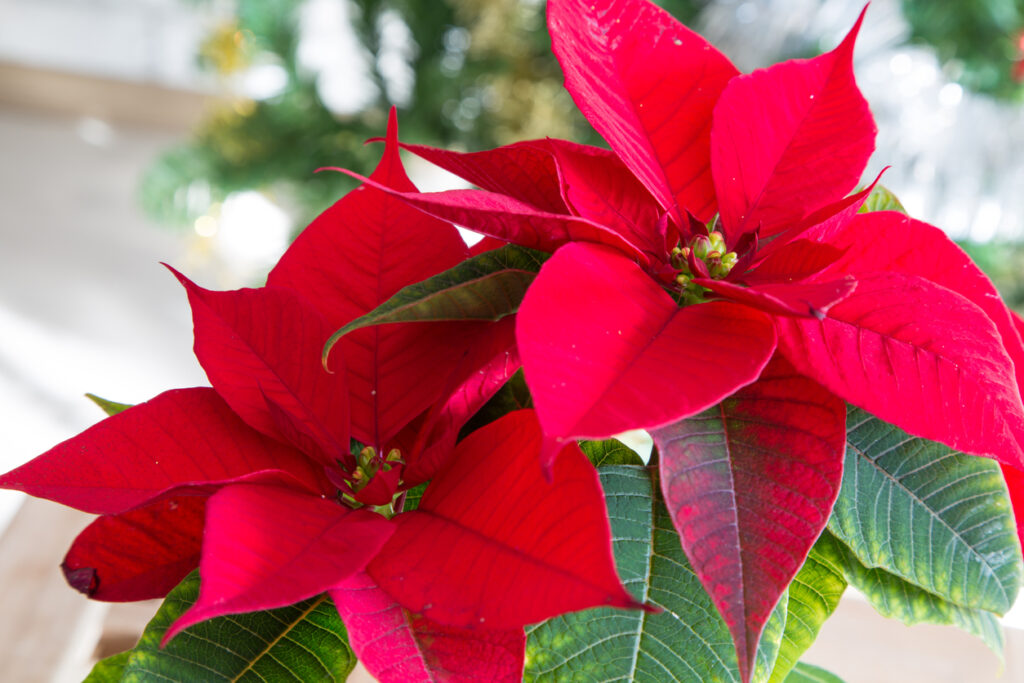
The bright red bits everyone thinks are flowers are actually modified leaves called bracts. They’re basically fancy foliage that’s changed colour to attract pollinators, not actual flower petals. The real flowers are those tiny yellow bits in the centre that nobody pays attention to.
The bracts turn red in response to shorter days and longer nights, which is why poinsettias are perfectly timed for winter. This colour change is the plant’s way of making itself noticeable when actual flowers would struggle to grow, tricking pollinators into thinking something’s blooming when it’s just clever leaves doing their thing.
They’re not poisonous, despite what everyone believes.
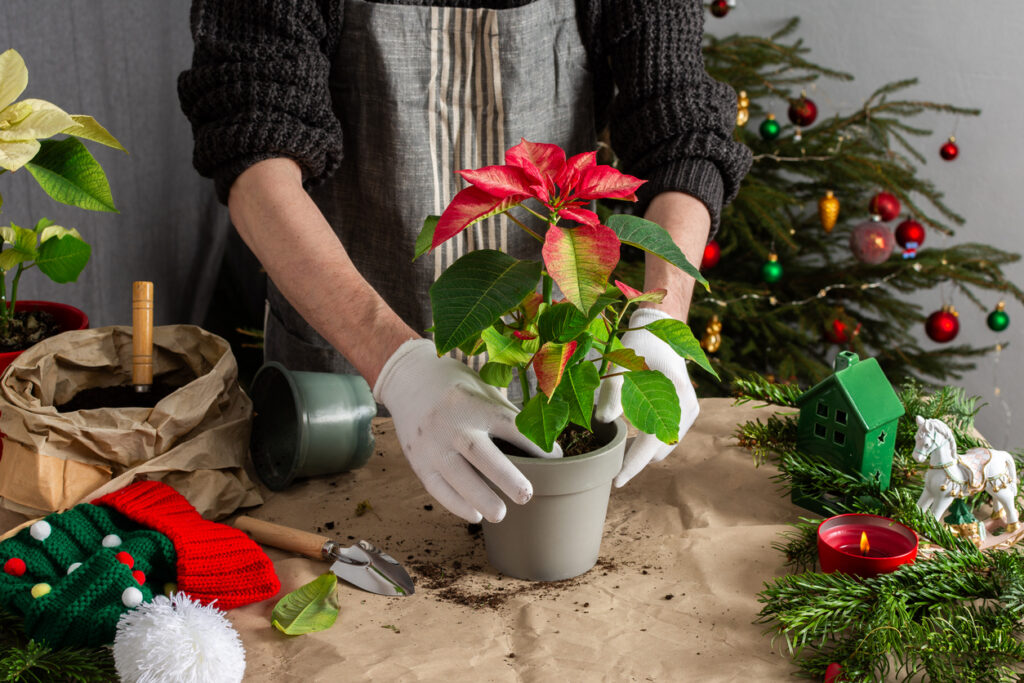
The myth that poinsettias are deadly toxic has been around forever, but it’s basically nonsense. Studies have shown you’d need to eat hundreds of leaves to get seriously ill, and even then, you’d probably just get a stomach ache and feel rough for a bit.
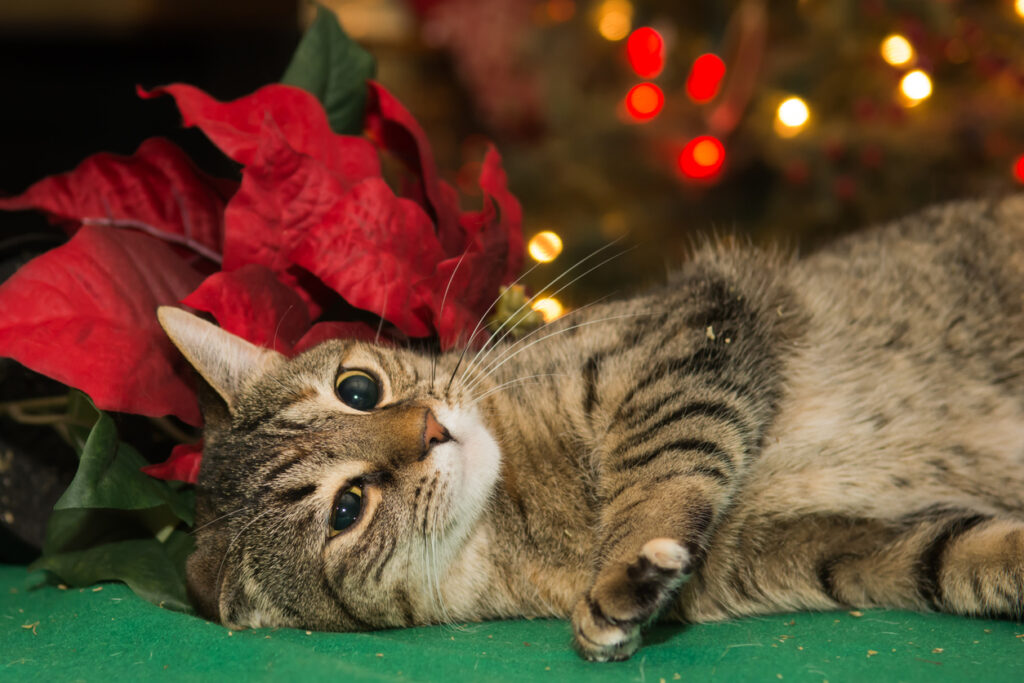
The sap can irritate skin and might make pets or kids vomit if they eat it, but that’s about it. This plant’s reputation as a killer is massively overblown, probably started by one dodgy report from 1919 that blamed a child’s death on poinsettias without any real evidence. The myth stuck and now everyone treats them like they’re lethal when they’re really just mildly irritating at worst.
They’re from Mexico, not somewhere snowy.
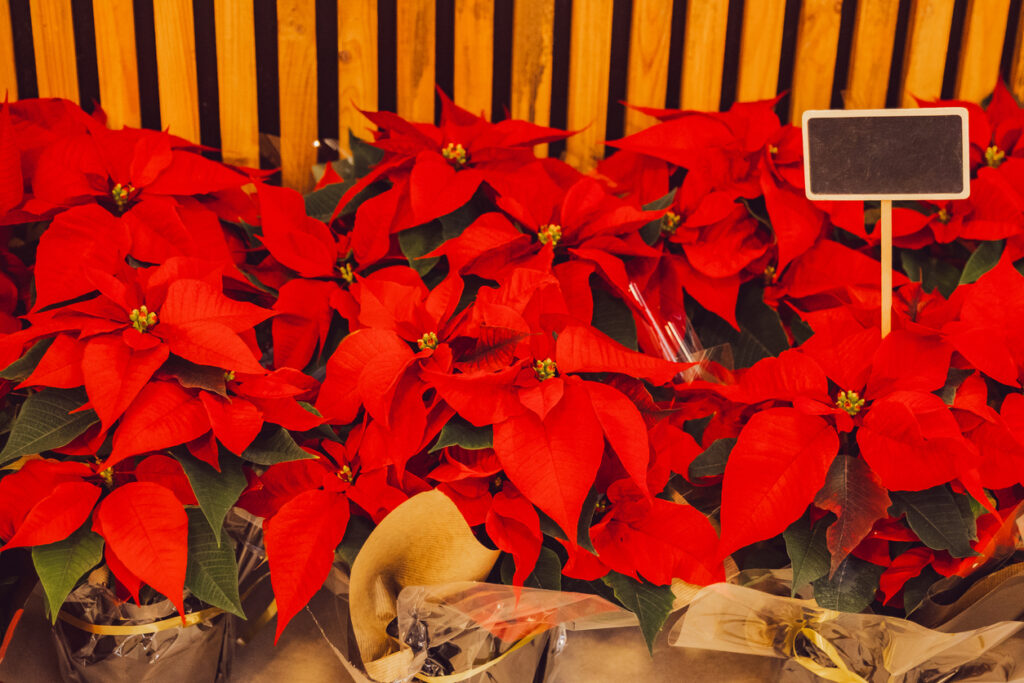
Poinsettias originally grew wild in the tropical forests of Mexico and Central America where it’s warm and humid, not cold and snowy. They can grow into massive shrubs up to three metres tall in their natural habitat, which is mental compared to the small potted versions we buy at Christmas.
The Aztecs called them cuetlaxochitl and used them for dyes and medicines long before they became Christmas decorations. An American ambassador to Mexico named Joel Poinsett brought them to the US in the 1820s, which is how they got their English name. Associating them with Christmas came later when their winter blooming made them seem festive.
Getting them to turn red again is actually possible.
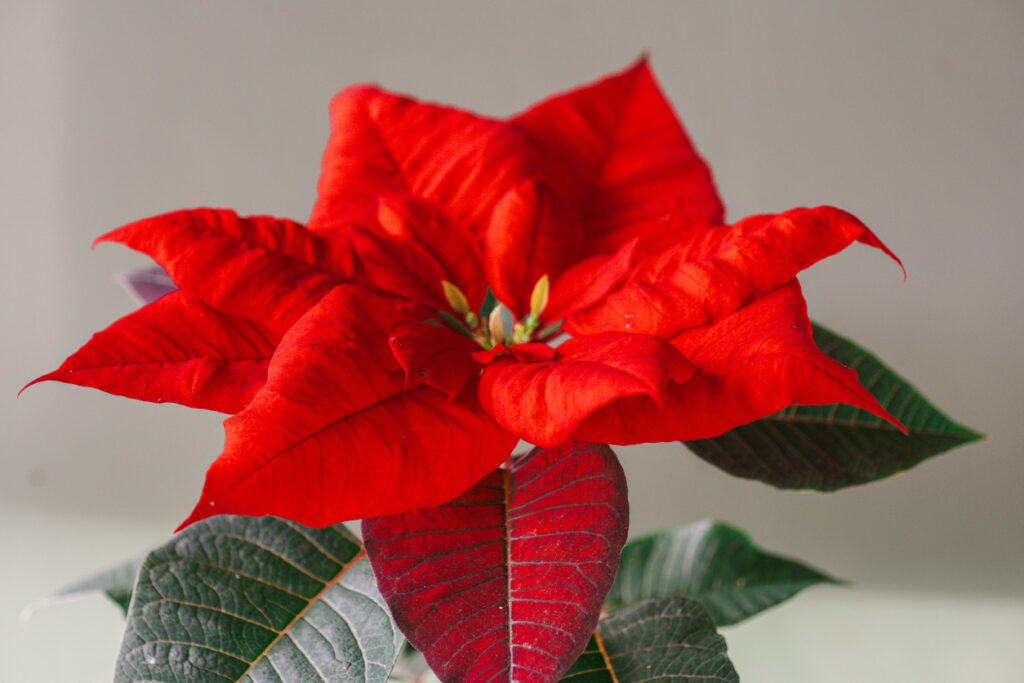
Most people bin their poinsettias after Christmas, thinking they’re done, but you can actually get them to turn red again next year if you can be bothered. The trick is controlling their light exposure because they need complete darkness for about 14 hours a day for several weeks to trigger the colour change.
Starting in October, you need to stick them in a cupboard or cover them every evening and bring them out during the day, mimicking winter light conditions. It’s a faff, and most people can’t be bothered, which is why the myth persists that they’re single-use plants. They’re not, they’re just high-maintenance if you want that red colour back.
They come in loads of colours now.
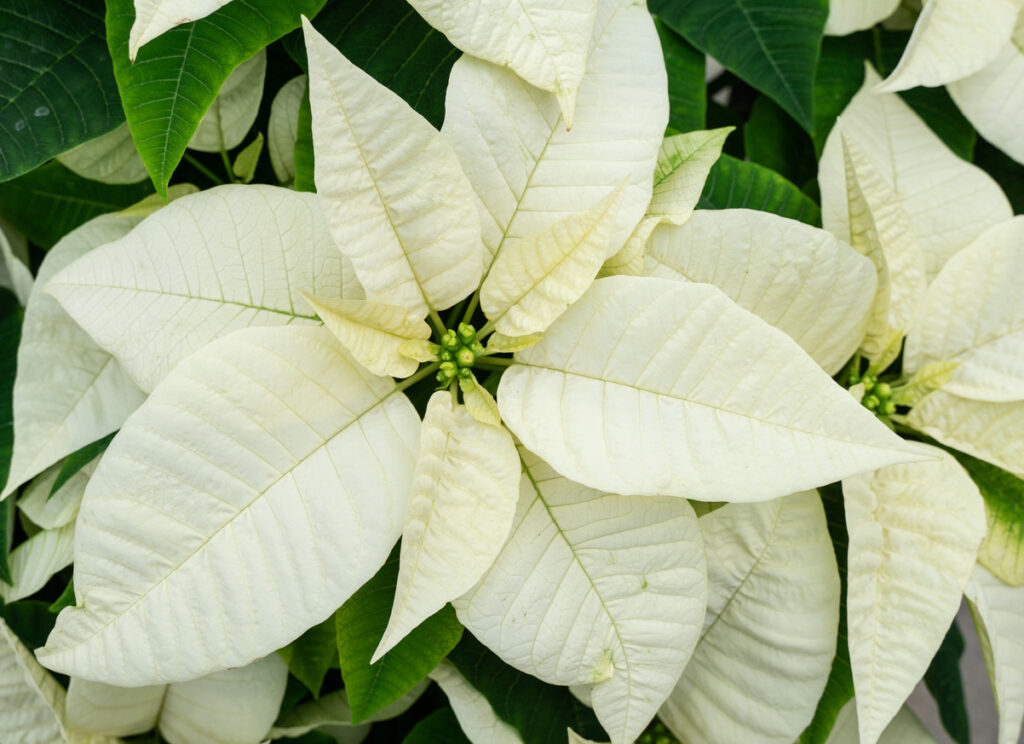
While red is the classic colour everyone knows, poinsettias now come in pink, white, cream, purple, and even speckled varieties thanks to selective breeding. Some have weird multicoloured bracts or patterns that look nothing like the traditional Christmas plant people expect.
These different colours are all the same species, just bred for variety. The white ones are particularly popular for winter weddings, and the pink ones appeal to people who find red too aggressive. Whatever the colour, they all work the same way, with their bracts changing shade in response to light conditions.
They’re the best-selling potted plant in the US and UK,
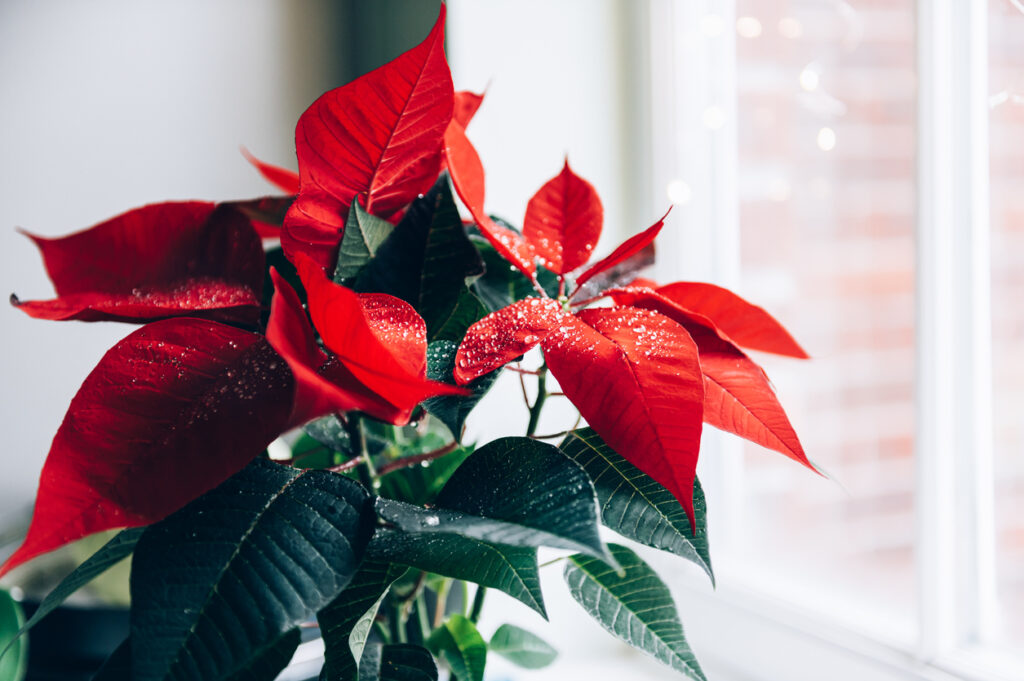
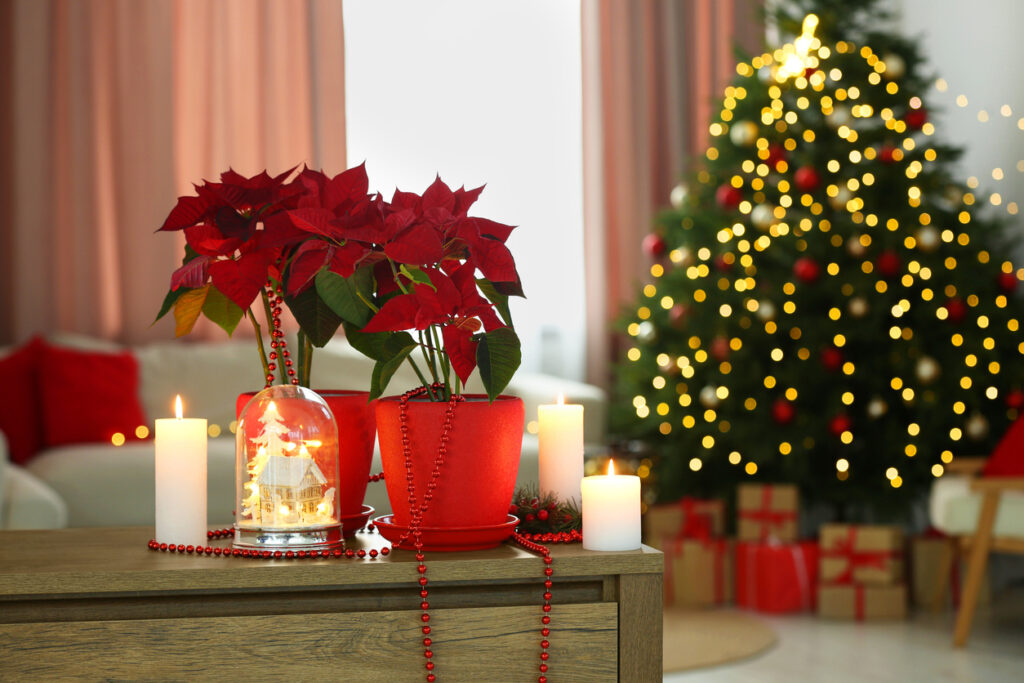
Poinsettias absolutely dominate the Christmas plant market, outselling everything else by miles during the festive season. In the US alone, over 30 million poinsettias are sold each year, making them a massive commercial crop that’s worth hundreds of millions.
Its huge popularity is relatively recent, only really taking off in the 1960s when growers figured out how to produce compact plants perfect for homes instead of the lanky shrubs they naturally become. Now they’re so associated with Christmas that most people can’t imagine the season without them, despite them being a Victorian-era import to Britain.
The milky sap used to be made into rubber.
That white sap that oozes out when you break a poinsettia stem was actually used by indigenous people to make a type of rubber. It’s latex-based, which is why some people with latex allergies react to touching poinsettias, even though the plant itself isn’t particularly toxic.
The Aztecs also used this sap to treat fevers, though whether it actually worked is debatable. These days the sap is just an annoyance that stains stuff and irritates skin, but it shows poinsettias had practical uses beyond decoration long before they became Christmas staples.
They’re incredibly difficult to grow commercially.
Getting poinsettias to all bloom at exactly the right size and colour for the Christmas market requires precise temperature control, light manipulation, and careful timing. Growers have to plan months in advance, and one mistake can ruin an entire crop’s timing or appearance.
The plants are also prone to diseases and pests, need specific fertilizers, and have to be treated with growth regulators to stay compact instead of growing into massive gangly shrubs. This is why they’re relatively expensive for potted plants, and why commercial growing is a specialist skill that not everyone can manage successfully.
They’ll drop their leaves if you look at them wrong.
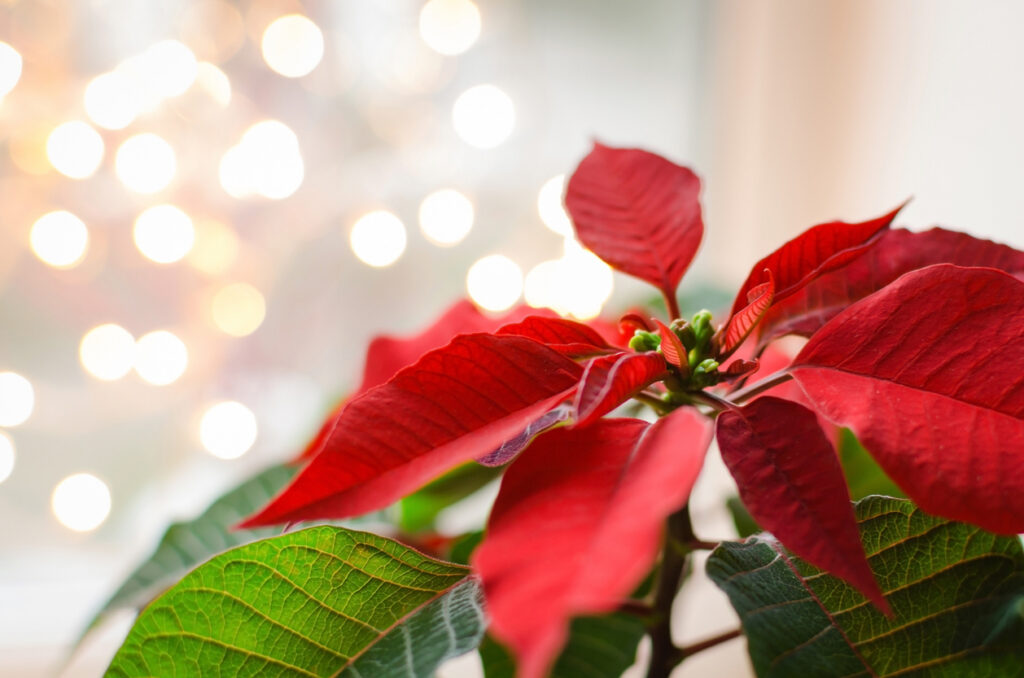
Poinsettias are absolute drama queens about their environment. Too hot, too cold, too dry, too wet, draughty, or moved around too much, and they’ll start dropping leaves like they’re auditioning for a disaster film. This sensitivity is why so many people’s poinsettias look tragic by New Year.
They want consistent temperatures of around 18 to 24 degrees Celsius, no cold draughts, regular watering when the soil’s dry, and to be left in one spot. Move them from a garden centre to your car to your house, and that’s already three environmental changes they’re unhappy about. Their dramatic leaf-dropping is why people think they’re rubbish plants when really they’re just incredibly fussy.
December 12th is National Poinsettia Day in America.
The date marks the death of Joel Poinsett, the man who brought poinsettias to the US from Mexico. Americans actually celebrate this plant with its own national day, which shows how embedded it’s become in their Christmas culture, despite being a relatively recent addition.
The day was created in the 1850s, but didn’t really take off until the 20th century when poinsettias became commercially successful. Now it’s used by the industry to promote sales and educate people about care, though most people still treat them as disposable decorations rather than plants worth celebrating or keeping alive past January.