Science has come a long way in helping us understand the world, from the movement of galaxies to the way atoms bond.

However, there are still some things that defy explanation. Whether they’re strange occurrences in the sky, unexplained patterns in nature, or baffling sounds from the deep ocean, these phenomena continue to puzzle scientists around the globe. Here are some of the most intriguing natural phenomena that remain unsolved.
The Taos Hum

For decades, residents of Taos, New Mexico, have reported hearing a persistent low-frequency humming sound. It’s not audible to everyone, and those who hear it describe it as a low drone that can’t be located or recorded easily. Scientists have investigated everything from electrical infrastructure to geological factors, but no source has ever been conclusively identified.
It’s not the only place in the world where people hear unexplained hums. Similar sounds have been reported in Bristol, England, and Largs, Scotland, making it one of the most widely experienced yet poorly understood auditory mysteries.
Ball lightning
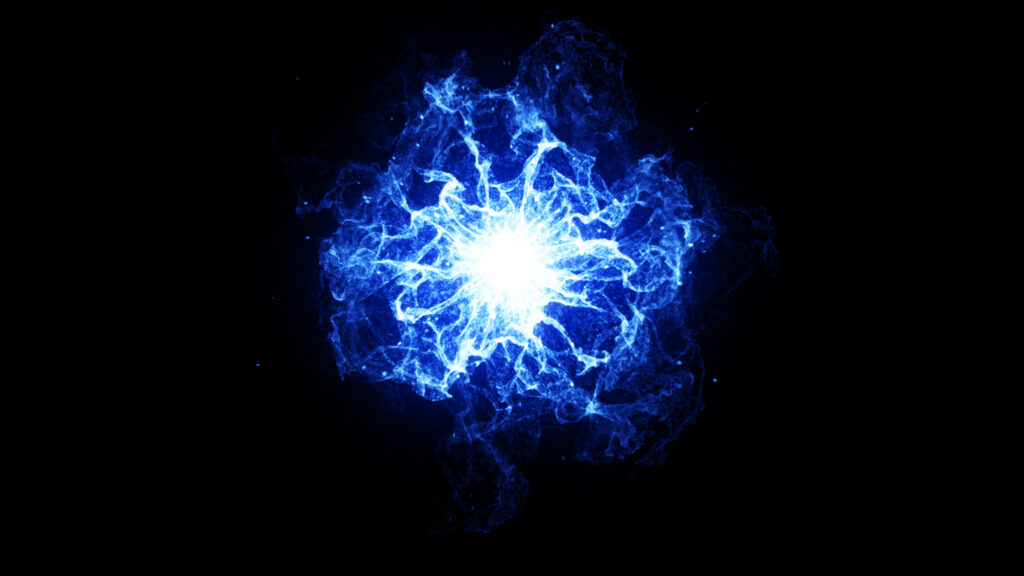
Ball lightning is exactly what it sounds like: glowing, spherical lights that appear during thunderstorms and last for several seconds. Some witnesses report them floating through the air, even passing through windows or walls before vanishing silently or exploding.
Despite many sightings, ball lightning has proven incredibly difficult to study. While there are some theories involving plasma, microwaves, or oxidised silicon, no consistent explanation has been verified. In fact, there are only a handful of verified photographs of ball lightning ever captured.
The bloop

In 1997, the US National Oceanic and Atmospheric Administration (NOAA) detected a strange ultra-low-frequency sound in the Pacific Ocean. It was loud enough to be picked up by multiple sensors thousands of kilometres apart. Nicknamed “the bloop,” it sparked speculation that a giant sea creature could be behind it.
Eventually, NOAA suggested that the sound likely came from icequakes, or fractures in large icebergs. But many still find that explanation underwhelming, especially given the sound’s strength and unusual characteristics.
Earthquake lights
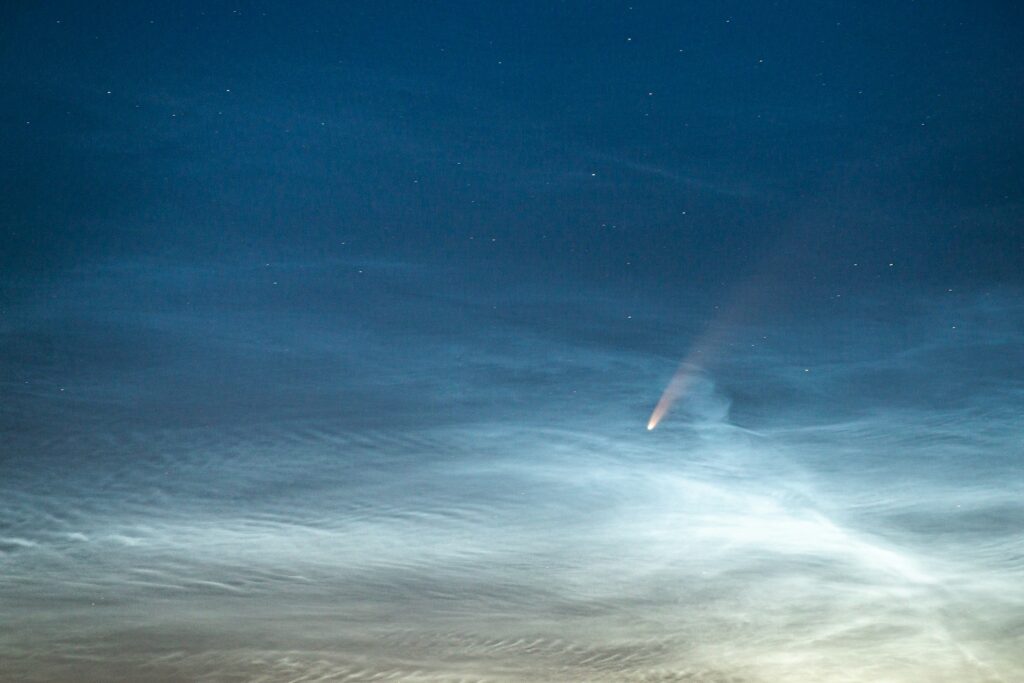
Some people who’ve lived through earthquakes claim to have seen flashes of light in the sky moments before or during the shaking. These lights range from white or blue glows to full-on streaks, similar to lightning. They’ve been reported throughout history, but the phenomenon remains elusive.
Some scientists believe they might be caused by electrical discharges from rocks under extreme stress. Others think it could be piezoelectricity—electricity generated when certain materials like quartz are compressed. Still, there’s no definitive explanation, and it’s unclear why these lights appear before some earthquakes but not others.
Fairy circles

Across parts of the Namib Desert, you’ll find mysterious circular patches in the grass, evenly spaced and ringed by taller growth. They’re known as fairy circles, and for years, scientists have debated their origin.
Some say termites are to blame, creating the circles by clearing vegetation underground. Others believe it’s a form of plant self-organisation, where plants compete for scarce resources in arid environments. Recent studies suggest both explanations might be partially correct, but there’s still no universal agreement.
Hessdalen lights
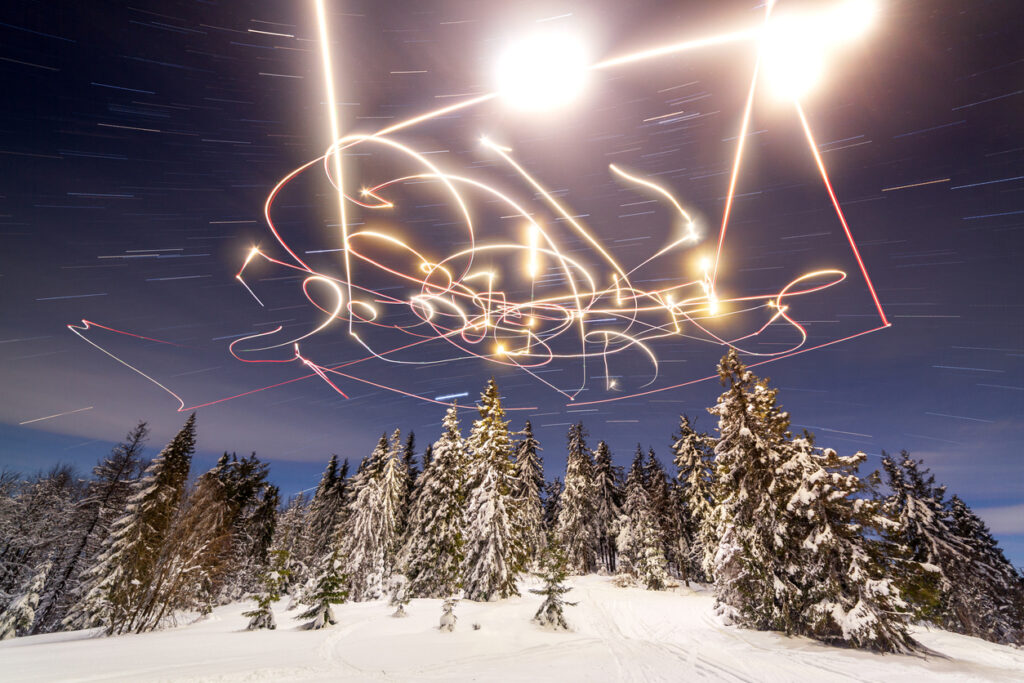
In a remote valley in Norway, strange lights have been seen floating, blinking, and moving erratically across the sky since at least the 1930s. Known as the Hessdalen lights, they’ve been observed by scientists and tourists alike. Numerous theories have been proposed, including ionised dust, plasma created by geological activity, or even piezoelectric effects. Cameras and sensors have captured the lights, but despite years of monitoring, their origin is still uncertain.
The Wow! signal

In 1977, a radio telescope in Ohio picked up a strong and unusual signal from space. It lasted 72 seconds and came from the constellation Sagittarius. The astronomer who discovered it circled the printout and wrote “Wow!” in the margin, hence the name.
The signal resembled what scientists would expect from an intelligent extraterrestrial source, but it was never detected again, and no one has managed to explain what caused it. It remains one of the most tantalising space mysteries on record.
Sailing stones of Death Valley

In a dry lakebed in California’s Death Valley, massive rocks appear to move on their own, leaving long trails in the cracked mud behind them. For years, there was no consensus on how these “sailing stones” moved. Some people even believed it might involve magnetic forces or unknown energy fields.
It wasn’t until 2014 that researchers finally captured the rocks moving—very slowly—thanks to a rare combination of ice, wind, and soft mud. However, not all trails are consistent with that explanation, and some questions still remain.
Dark lightning

Dark lightning is a type of high-energy burst that occurs during thunderstorms, but unlike regular lightning, it’s invisible to the naked eye. Instead of producing visible light, it emits gamma rays—the highest-energy form of radiation.
Detected only in recent years, dark lightning happens above thunderclouds and may pose radiation risks to aircraft. Its causes are not fully understood, and scientists are still trying to figure out how it fits into the broader picture of thunderstorm activity.
Glowing ocean waves

Bioluminescent waves are caused by marine plankton that emit light when disturbed. While the general mechanism is understood, some mass glowing events still baffle scientists, especially those covering hundreds of kilometres or lasting for weeks.
One recent event off the coast of India created waves that glowed electric blue for miles, sparking interest in whether climate change, pollution, or temperature shifts are influencing the phenomenon. There’s still much to uncover about the triggers and patterns behind these breathtaking displays.
For all our technological advances, the natural world still keeps some secrets.

These phenomena remind us that science is a constantly evolving process—and that curiosity often leads to more questions than answers. While we may not fully understand these mysteries yet, each one is an invitation to keep exploring, observing, and wondering.
And sometimes, not knowing is part of what makes nature so captivating.