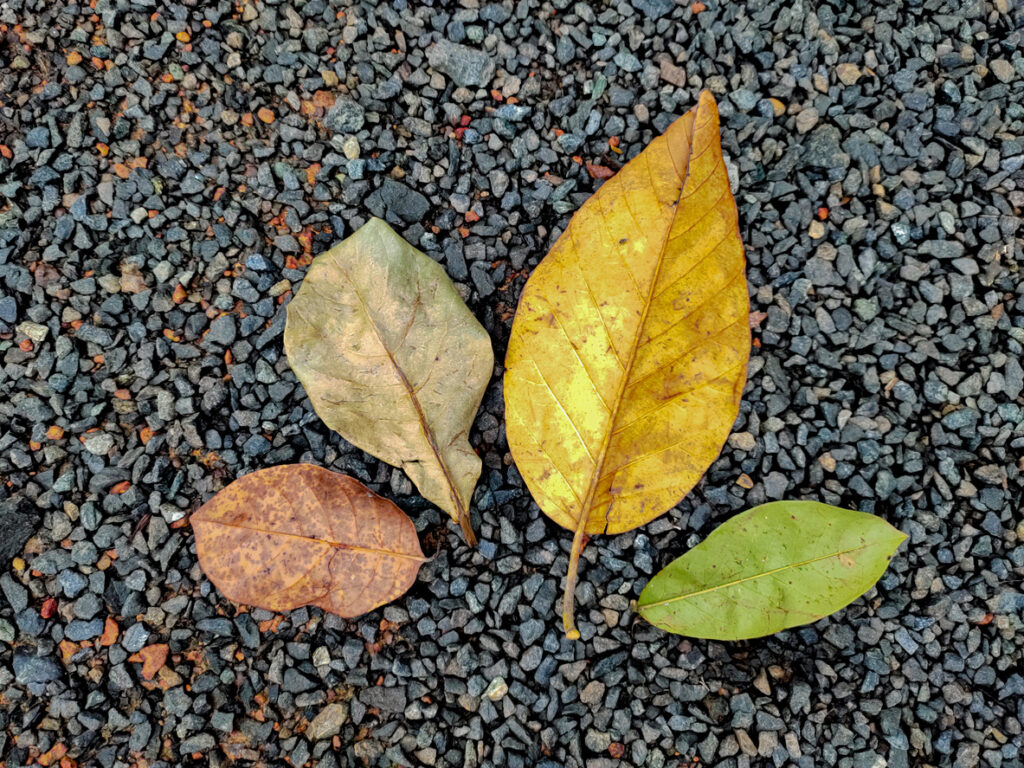
Getting leaves out of gravel is like trying to separate rice from lentils by hand: technically possible but soul-crushingly tedious unless you know some better tricks to make the job actually manageable. While this might seem like a pretty niche problem, it’s actually more common than you’d think, especially as we come ’round to autumn. Should you find yourself dealing with this annoyance, here’s how to sort it quickly and easily.
1. Use a leaf blower if you have one (or can borrow one).
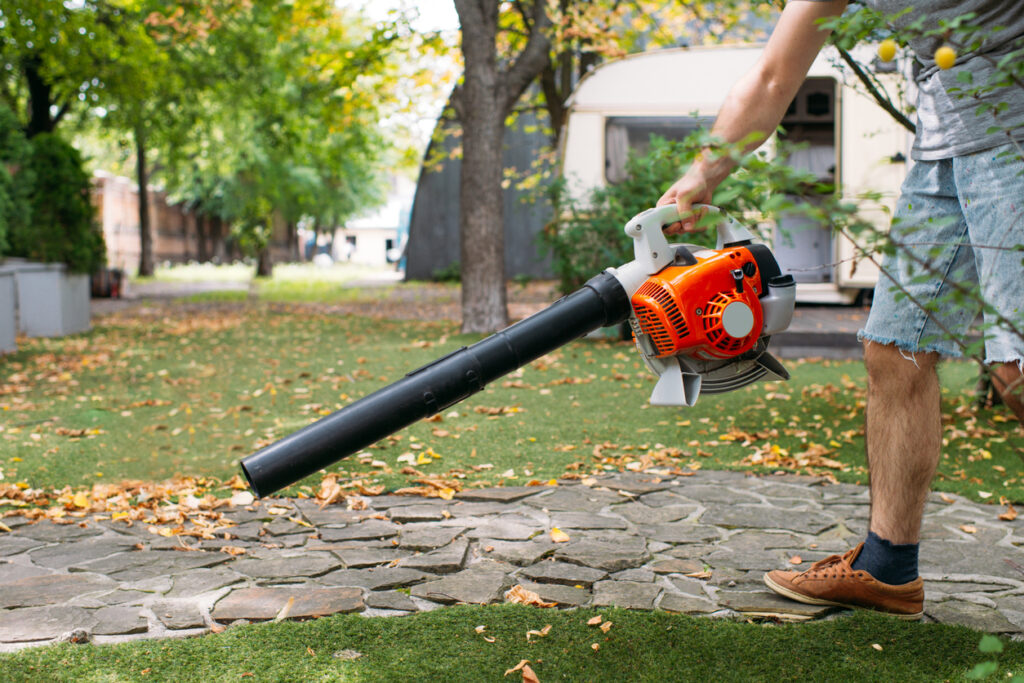
This is honestly the easiest method if you have access to a leaf blower because it lets you blast the leaves out of the gravel without having to pick through everything by hand. Start with a low setting and gradually increase the power until you find the sweet spot where leaves move, but gravel stays put.
Work systematically across the area, blowing leaves toward a tarp or onto grass where you can collect them easily. The key is getting the angle right; blow across the surface rather than straight down, so you’re lifting leaves without disturbing the gravel underneath.
2. Try the wet method with a hose.
If you don’t have a leaf blower, a garden hose with a spray nozzle can work similarly by using water pressure to separate leaves from gravel. Wet leaves often lift more easily than dry ones, and the water helps wash them toward one area where you can scoop them up.
This method works best if your gravel area has some natural drainage slope because you can wash the leaves downhill and collect them at the bottom. Just be prepared for things to be muddy for a while, and make sure you’re not washing the leaves into storm drains or areas where they’ll cause problems.
3. The rake and screen combo technique.
Get a regular garden rake and gently rake through the gravel to bring leaves to the surface, then use a large kitchen sieve or garden screen to sift out the debris. This takes more time than blowing, but it’s very thorough and doesn’t require any special equipment.
The trick is using light, scraping motions with the rake rather than digging deep, so you’re just disturbing the top layer where most leaves settle. Then shake the screen gently to let small gravel pieces fall back down while keeping the leaves trapped.
4. Pick the right time, as dry leaves are easier.
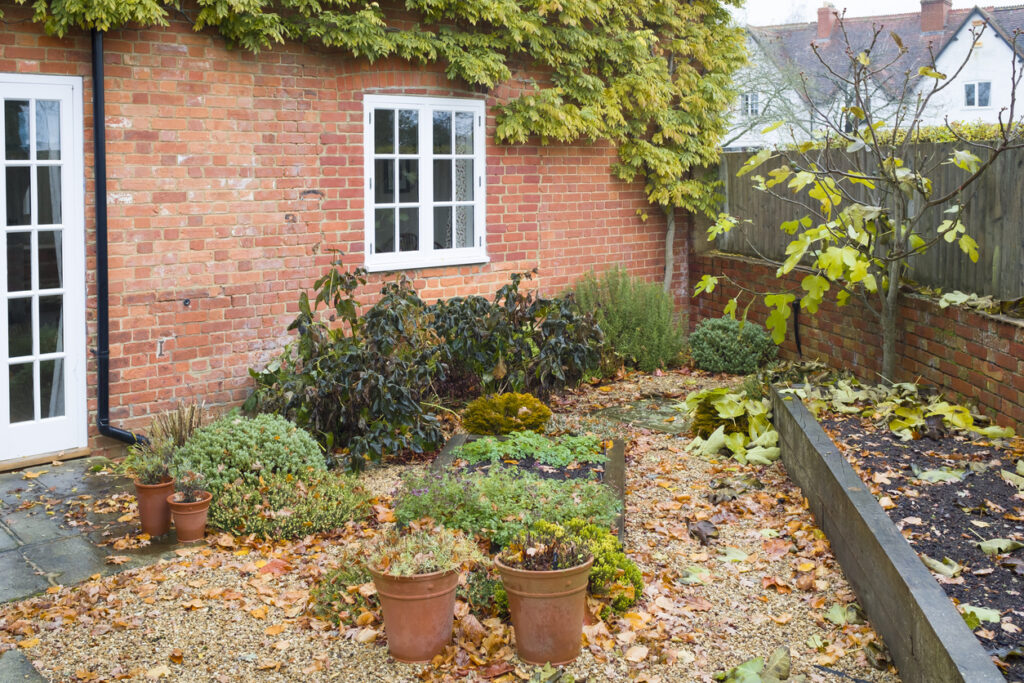
Tackle this job when leaves are completely dry rather than wet and soggy because dry leaves are lighter and easier to separate from gravel. Wet leaves tend to stick to everything and clump together, making the whole process much more frustrating. If you’ve had recent rain, wait a day or two for everything to dry out before attempting leaf removal. You’ll save yourself tons of time and aggravation by working with crispy, cooperative leaves instead of slimy, stubborn ones.
5. Use a shop vacuum for precision work.
A wet/dry shop vacuum can be surprisingly effective for getting leaves out of gravel, especially in smaller areas or tight spots where other methods are awkward. Use the hose attachment and work slowly to suck up leaves without inhaling too much gravel. This method gives you a lot of control and works well for getting the last stubborn leaves that other methods miss. Just be prepared to empty the vacuum frequently, and maybe use an old filter that you don’t mind getting dirty.
6. Try the tarp dragging method.
Lay a large tarp next to your gravel area and use a rake or broom to sweep leaves onto it in sections. This keeps you from having to chase leaves around the yard and gives you a clean collection area that you can easily dump into your compost or yard waste bin. Work in strips across the gravel area, pulling leaves onto the tarp as you go, then move the tarp to the next section. It’s like having a portable collection system that moves with you as you work through the space.
7. Consider a gravel rake if you have a lot of gravel areas.
If leaf removal from gravel is a regular problem in your yard, investing in a proper gravel rake might be worth it. These have tines spaced specifically to let gravel fall through while catching leaves and debris. Regular garden rakes can work for occasional clean-up, but gravel rakes are designed specifically for this job and make it much less tedious if you’re dealing with large areas or frequent leaf drops.
8. Work smarter with wind direction.
Pay attention to which way the wind is blowing and use it to your advantage when using blowers, rakes, or even just stirring things up by hand. Working with the wind instead of against it makes everything easier and more efficient. If there’s no wind, you can sometimes create your own air movement by working quickly with a rake or broom to get leaves airborne, then letting them settle in a more convenient collection area.
9. Don’t aim for perfection on the first pass.
Trying to get every single leaf out in one go is a recipe for frustration. Do a quick first pass to get the majority of leaves, then come back for detail work if needed. Often just getting 80% of the leaves makes a huge visual difference, and the remaining few aren’t worth stressing about. This is especially true if you’re dealing with a large area. It’s better to get most of it done quickly than to spend hours obsessing over every tiny piece of debris in one small section.
10. Think about prevention for next time.
While you’re removing this batch of leaves, consider what you can do to make future clean-up easier. Maybe trimming back overhanging branches, installing edging to contain leaves, or even covering the gravel with netting during heavy leaf drop seasons.
You could also plan your leaf removal timing better. Doing it more frequently during peak leaf season means you’re dealing with smaller amounts each time, rather than letting it build up into an overwhelming mess that’s much harder to tackle.