If your lawn’s looking tired, patchy, or just a bit lacklustre, don’t panic—it’s not beyond saving.
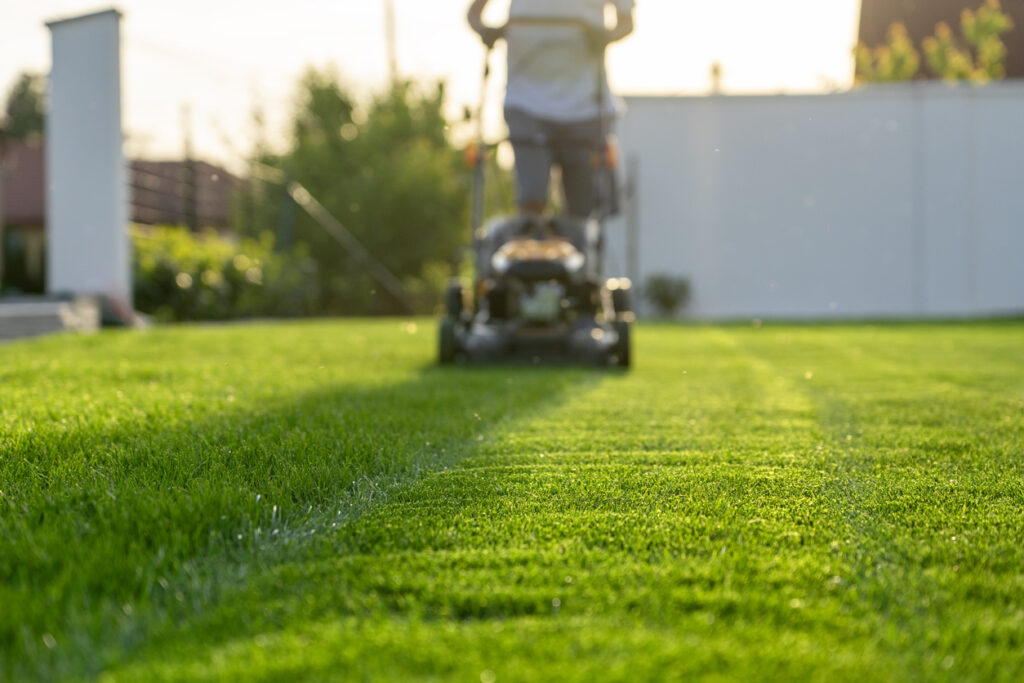
Whether you’re dealing with dull grass, bare spots, or compacted soil, a few simple steps can give it the lift it needs. You don’t need a full turf overhaul or a shed full of fancy tools—just some basic care, a bit of patience, and the right timing. Here’s how to get your grass back to its lush, green best.
Rake away thatch and debris.
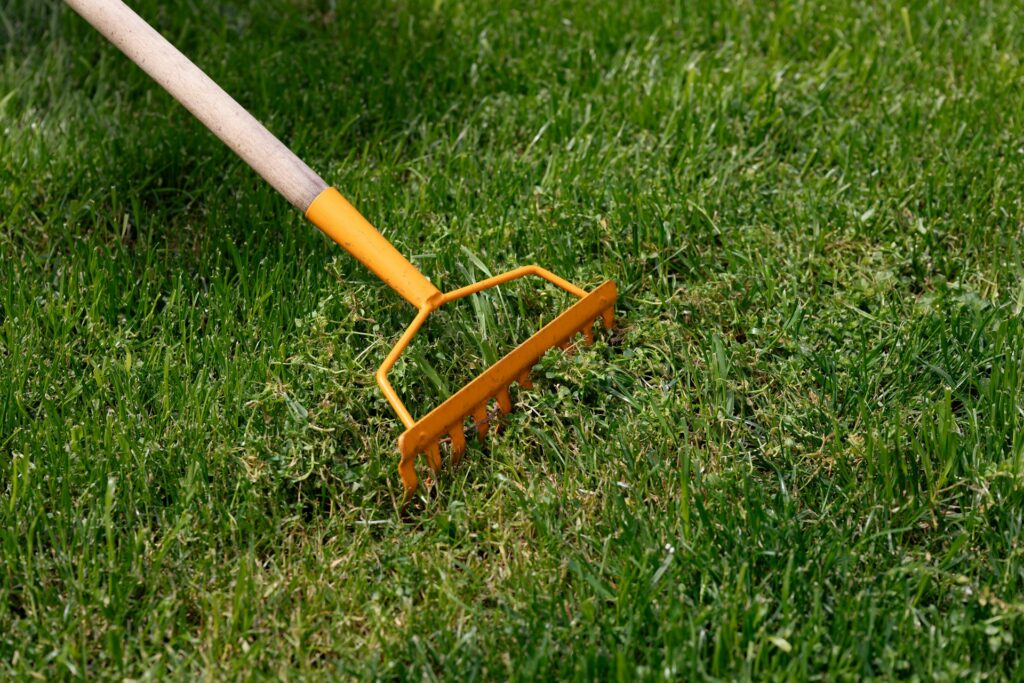
Before you do anything else, clear the surface. Over time, lawns collect dead grass, fallen leaves, and moss that form a layer of thatch. This builds up just below the grass blades and stops water, air, and nutrients from getting down to the roots where they’re needed.
Use a spring-tine rake or a scarifier to loosen and remove this debris. It might look a little worse before it looks better, but clearing out thatch makes room for new growth and gives your lawn a proper chance to breathe again.
Aerate compacted areas.
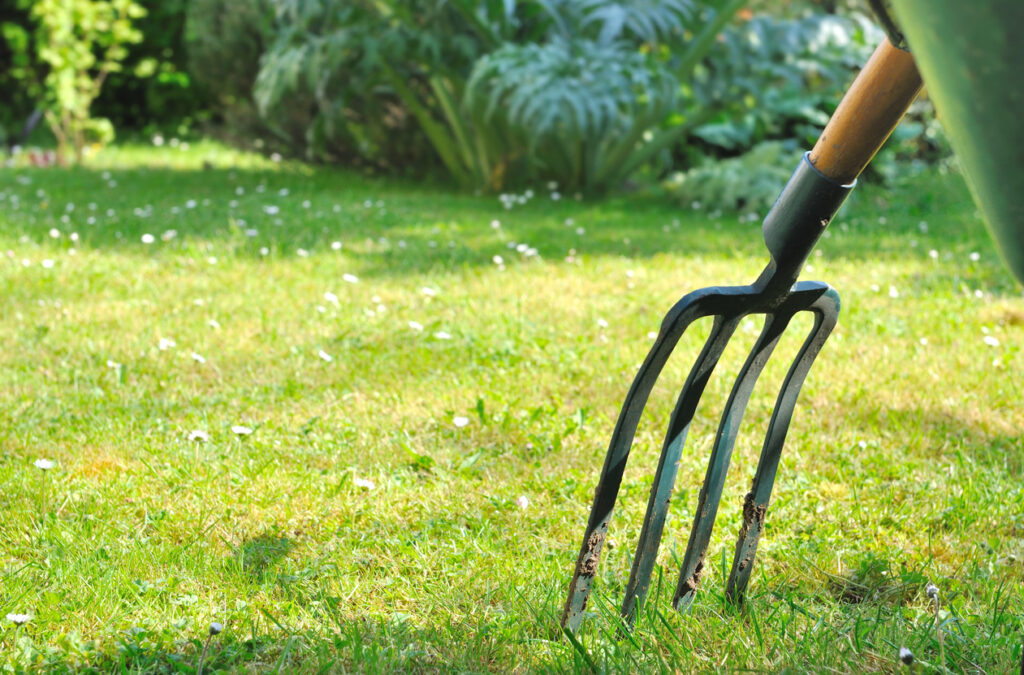
If your lawn feels spongy or water just sits on the surface after rain, it’s probably compacted. Heavy foot traffic, pets, or even just time can press down the soil, making it harder for roots to grow deep and strong.
You can aerate by pushing a garden fork into the ground every few inches and wiggling it slightly to create air channels. For larger areas, consider hiring or borrowing a hollow-tine aerator. Either way, loosening the soil helps everything else work more effectively.
Feed it with the right fertiliser.
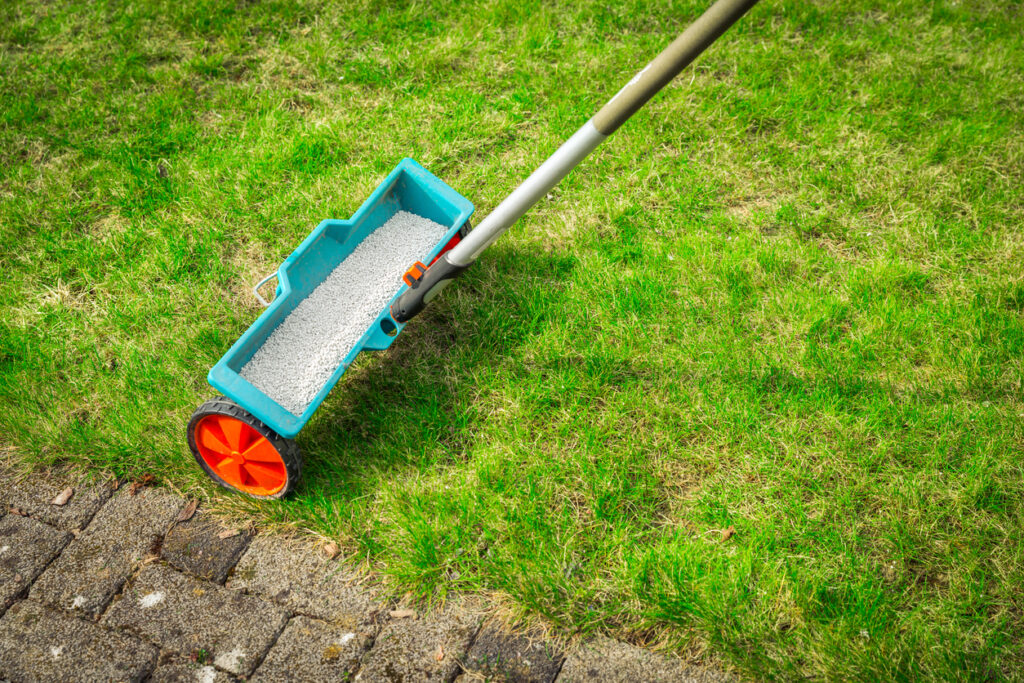
A good feed can work wonders. Lawns need nutrients to stay green and healthy, especially nitrogen, which encourages leaf growth. Choose a fertiliser suited to the season: high nitrogen in spring and summer, lower nitrogen in autumn to prepare for winter.
Apply it on a damp lawn, or just before light rain is due, so it soaks in properly. Follow the instructions carefully to avoid overfeeding, which can scorch the grass or cause uneven growth. Within a couple of weeks, you should start seeing brighter, stronger results.
Reseed any patchy spots.
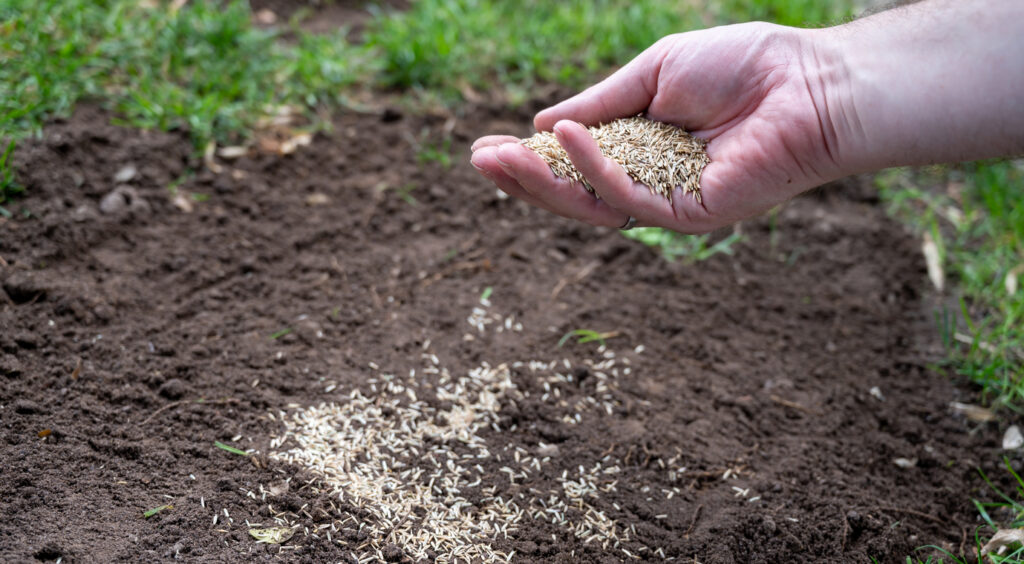
Patchy lawns don’t fix themselves. If you’ve got bare or thinning areas, reseeding is the way forward. Choose a grass seed mix that matches your existing lawn and is suited to your conditions (sun, shade, heavy use, etc.). Loosen the soil, scatter the seed evenly, and lightly rake it in. Keep the area moist while it establishes, and avoid walking on it until the new shoots are strong. With a bit of luck and the right conditions, it’ll blend in before you know it.
Mow regularly, but not too short.
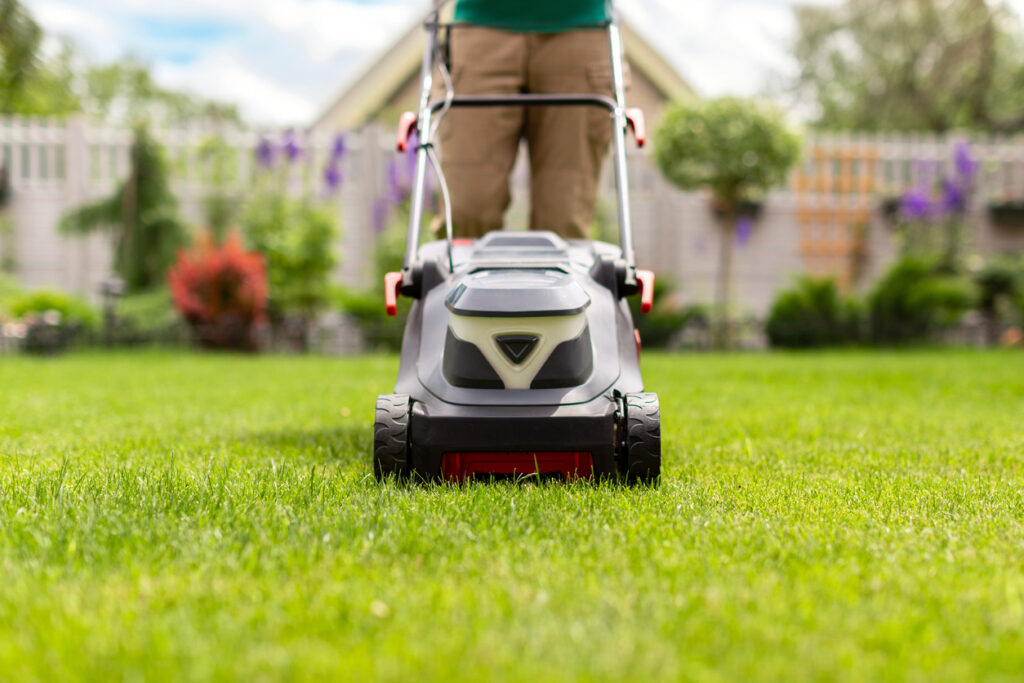
One of the biggest mistakes people make is mowing too low. It might seem like a neat trim, but it actually weakens the grass and leaves it vulnerable to drought, weeds, and disease. Aim to only take off about a third of the height at a time. Regular mowing encourages thick, even growth and helps your lawn stay healthy. Keep your blades sharp for a clean cut, and in dry weather, consider leaving the clippings as mulch—they’ll feed the soil and help retain moisture.
Water deeply, not constantly.
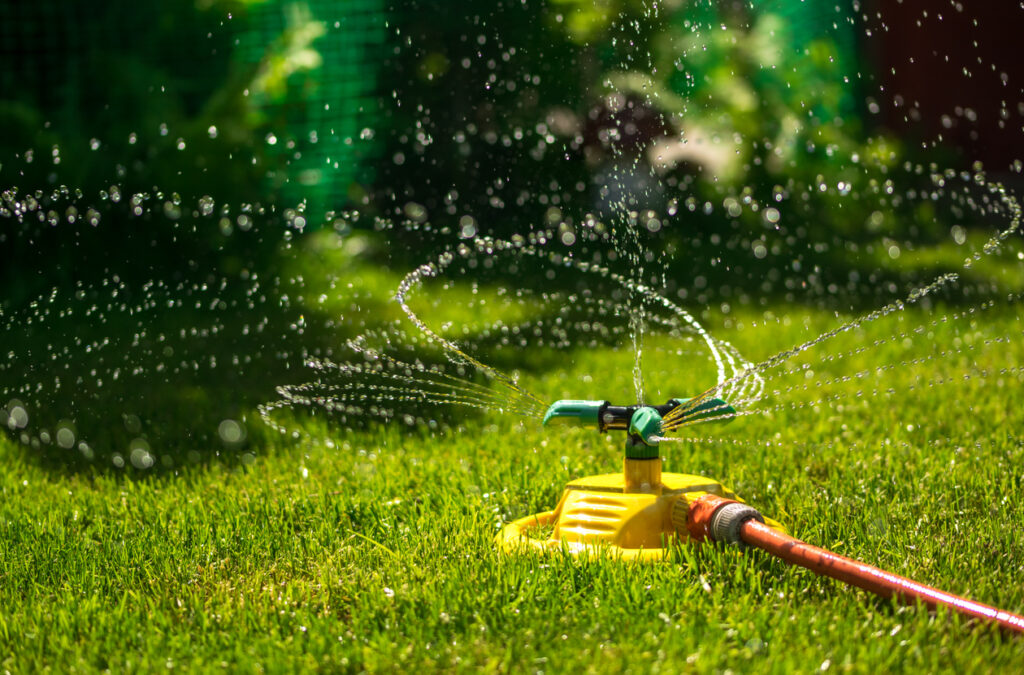
It’s better to water your lawn less often but more deeply. Shallow, frequent watering encourages surface roots that dry out quickly, while deep watering encourages roots to grow down, making your lawn more resilient in dry spells.
Early morning is the best time to water, especially during warm weather. This reduces evaporation and gives the grass time to dry before nightfall, which helps prevent fungal diseases. If your lawn starts to look dull or lose its bounce when you step on it, it’s probably time to water.
Deal with weeds and moss.
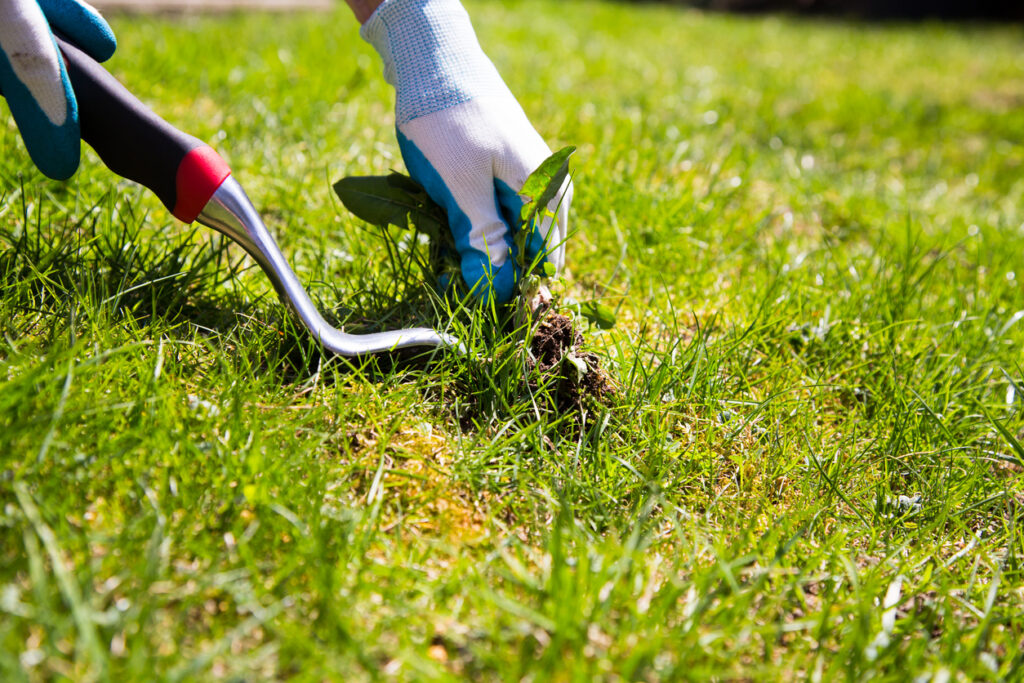
Uninvited guests like dandelions, clover, and moss can take over quickly if left unchecked. Hand-pulling is fine for the odd weed, but for larger areas, use a selective lawn weedkiller that targets weeds without damaging the grass.
Moss is often a sign of poor drainage or low soil health, so clearing it may involve more than just treatment. Rake it out, aerate the area, and improve drainage where possible. Once removed, overseed to fill in the gaps and stop moss coming back stronger.
Top dress for better soil.
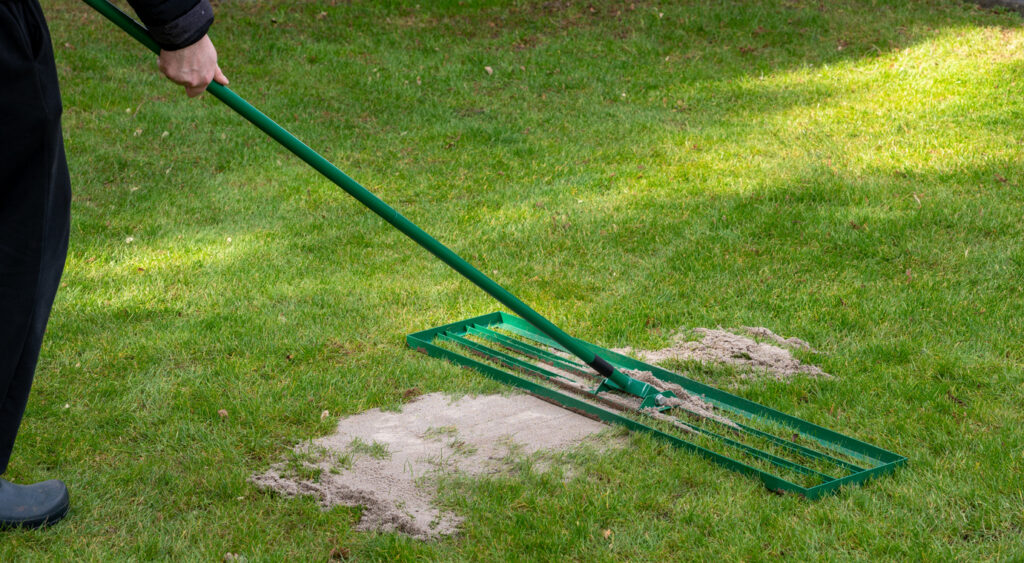
Top dressing is the process of spreading a thin layer of soil, sand, or compost over your lawn. It helps level out uneven ground, improves soil structure, and encourages stronger root growth. It’s especially useful after aerating or reseeding.
Choose a blend that suits your soil type—usually a mix of loam, sand, and compost—and apply it evenly using a shovel or brush. Brush it into the holes or low spots and water it in. Done once a year in spring or autumn, it can seriously upgrade your lawn over time.
Edge the lawn for a clean finish.
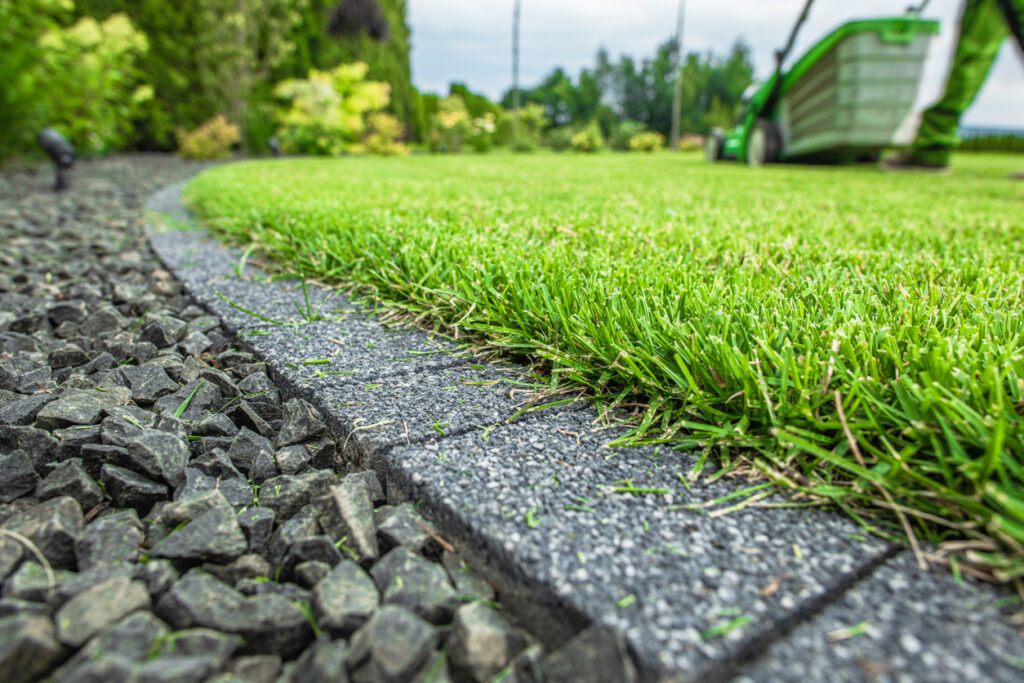
Edging might seem cosmetic, but it makes a big visual difference and helps keep things tidy. Use a half-moon edger or a spade to redefine the borders between your lawn and paths, beds, or patios. Clean edges give your lawn a neater appearance and stop grass from creeping into places it shouldn’t. It’s a small job with a big impact, especially if you’re trying to boost curb appeal or just enjoy a smarter garden space.
Keep an eye on pests and problems.

Grubs, chafer beetles, and leatherjackets can quietly wreak havoc on your lawn from below. If you notice yellow patches, loose turf, or birds pecking obsessively in certain spots, it’s worth investigating further. Biological treatments like nematodes can target pests without damaging other wildlife, and regular lawn care helps keep the environment less welcoming to invaders in general. Stay observant and act early before a small issue spreads.
Be patient—it’s a process.

You won’t see instant results overnight, and that’s okay. A healthy, thriving lawn takes a bit of time, especially if it’s been neglected for a while. But once you get into the rhythm of seasonal care, the improvement becomes obvious. Stick with it, and don’t get discouraged if progress is slow. A few weeks of attention now can pay off with months of better grass ahead, and once your lawn’s in better shape, maintaining it becomes much less effort.