It’s wild to think about, but the planets in our solar system have been hanging around for billions of years.
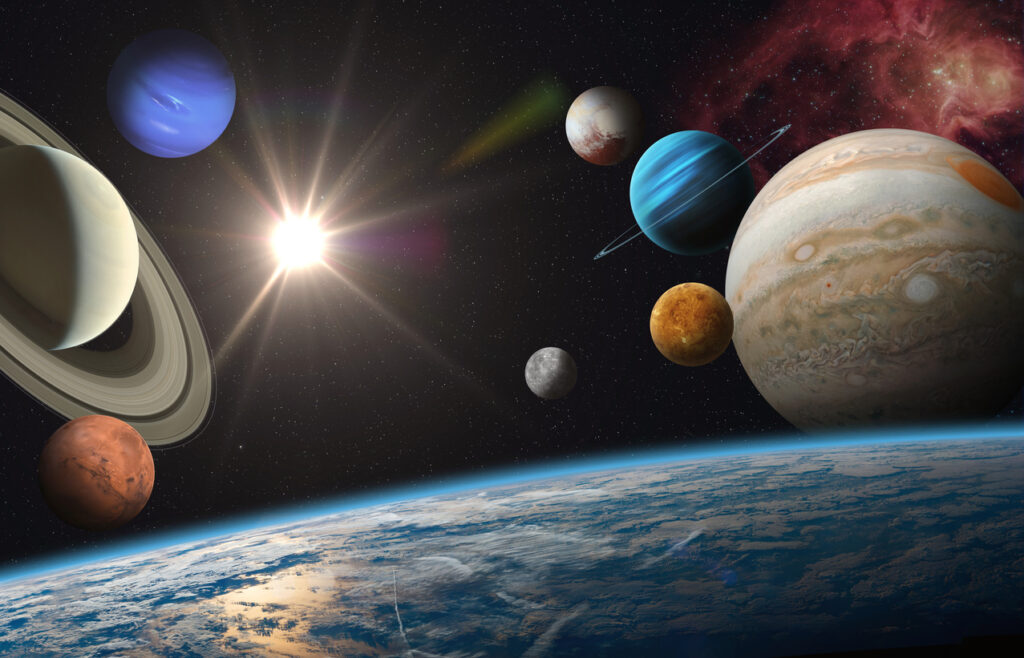
We’re talking long before Earth had oxygen, dinosaurs, or even land. They all formed from the same swirling cloud of gas and dust, but not at exactly the same moment. So, while they’re all ancient, they’re not identical in age. Here’s how old each one is, give or take a few hundred million years (because, you know, space timelines aren’t exactly precise).
1. Mercury — Around 4.5 billion years old
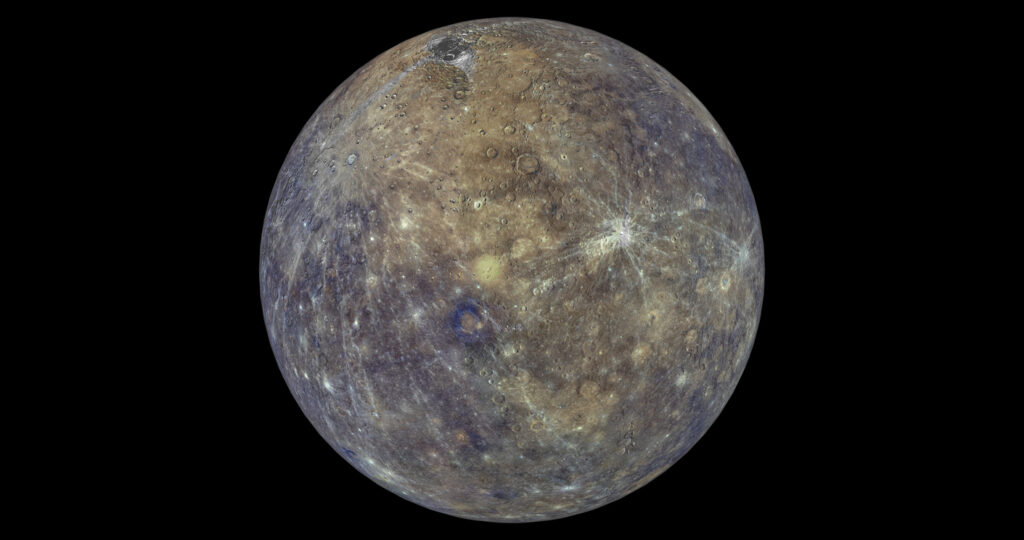
Mercury is one of the oldest planets in the solar system, forming shortly after the Sun ignited. Because it’s so close to the Sun, it cooled quickly and got battered early on, which gave it the heavily cratered look it still has today. Scientists believe Mercury formed just a few million years after the Sun was born, making it somewhere around 4.503 billion years old. It hasn’t changed much since, either. It’s basically a fossil of the early solar system.
2. Venus — About 4.503 billion years old
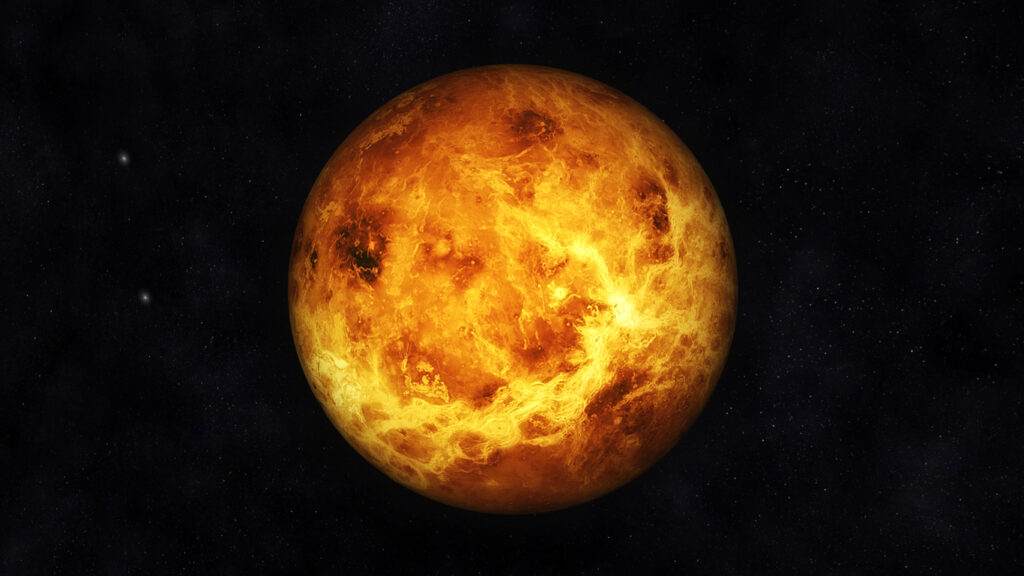
Venus and Earth are often called “sister planets” because of their similar size and mass, and they also formed around the same time. Venus likely came together just after Mercury, from the same disk of gas and rock. Even though Venus is a volcanic hellscape now, it probably had a calmer beginning. Some theories even suggest it once had water, before turning into the overheated, cloud-choked planet we see today.
3. Earth — Roughly 4.54 billion years old
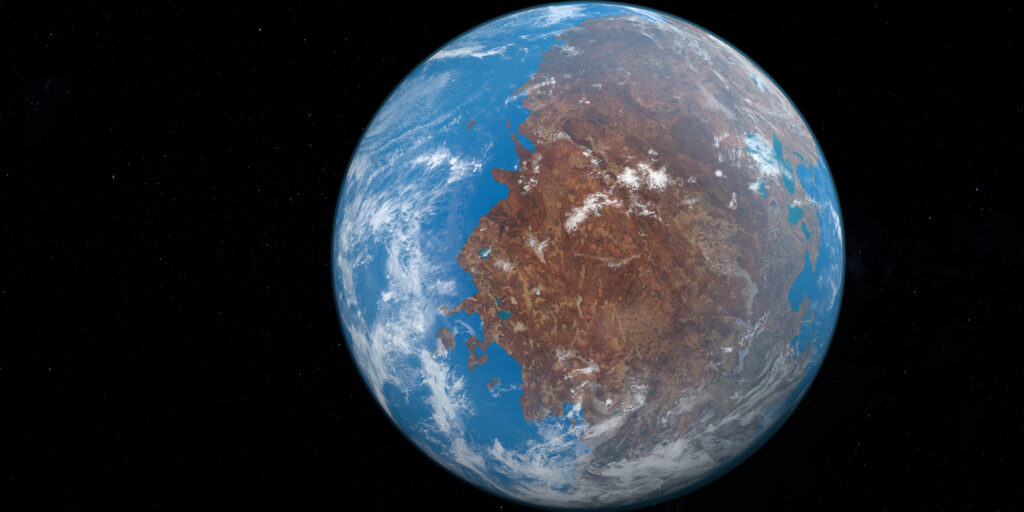
Earth is believed to be about 4.54 billion years old, based on dating of ancient rocks and meteorites. That makes it one of the slightly older kids in the planetary family, though we’re talking in cosmic milliseconds here. Life didn’t show up for at least another half-billion years, and complex life took much longer. So even though Earth has been around forever, it’s only felt truly “alive” for a fraction of that time.
4. Mars — About 4.503 billion years old

Mars formed at roughly the same time as Earth and Venus, though it ended up smaller and a lot colder. It probably had a wet and warm period early on before losing much of its atmosphere and drying up. Some of Mars’ oldest surface rocks have been dated to around 4.4 billion years, which backs up the theory that it solidified soon after the solar system began to take shape.
5. Jupiter — Estimated at 4.56 billion years old
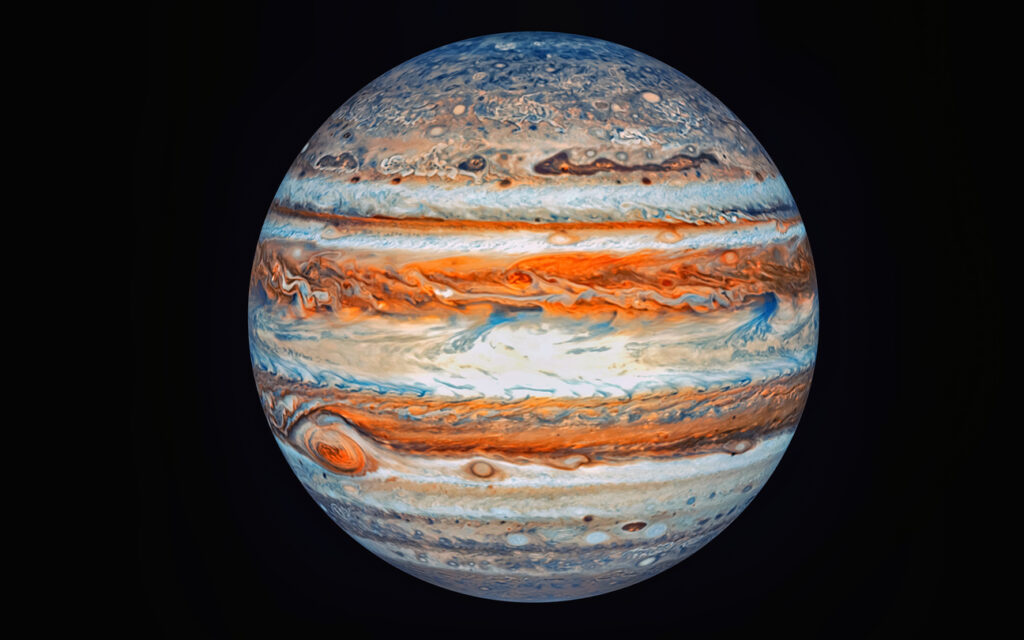
Jupiter may actually be the oldest planet in the solar system. Some studies suggest it started forming less than a million years after the Sun was born, putting its age around 4.56 billion years. Because of its massive size, Jupiter had the gravity to gobble up material quickly, becoming the solar system’s heavyweight champion. Its early growth might have influenced the formation of other planets, acting like a cosmic gatekeeper.
6. Saturn — Around 4.5 billion years old

Saturn formed not long after Jupiter, likely within the same few million years. It took shape from the leftovers of the same gas and dust that made the Sun, then kept building until it reached its enormous size. Its rings, however, may be much younger. In fact, some estimates put them at just 100–200 million years old, which is practically yesterday in cosmic terms.
7. Uranus — Roughly 4.5 billion years old
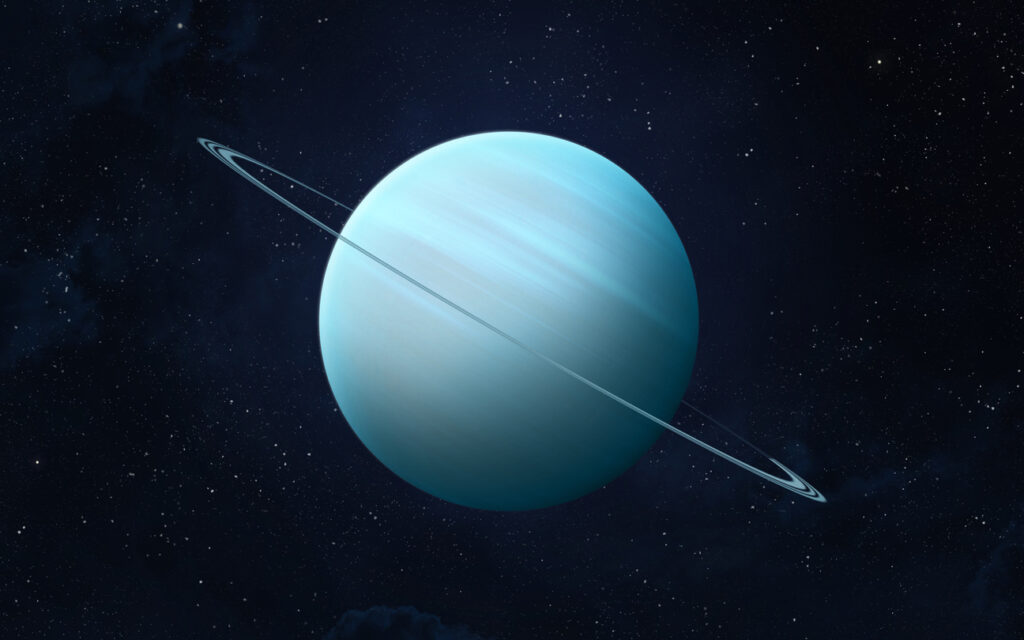
Uranus formed later than the inner planets but still within the first 100 million years of the solar system’s existence. Like the other gas and ice giants, it built up from icy cores in the outer solar system. Its odd tilt, rotating almost on its side, might be the result of a massive collision during its early days. So while its age is ancient, its weird personality might’ve come from a very chaotic childhood.
8. Neptune — Around 4.5 billion years old
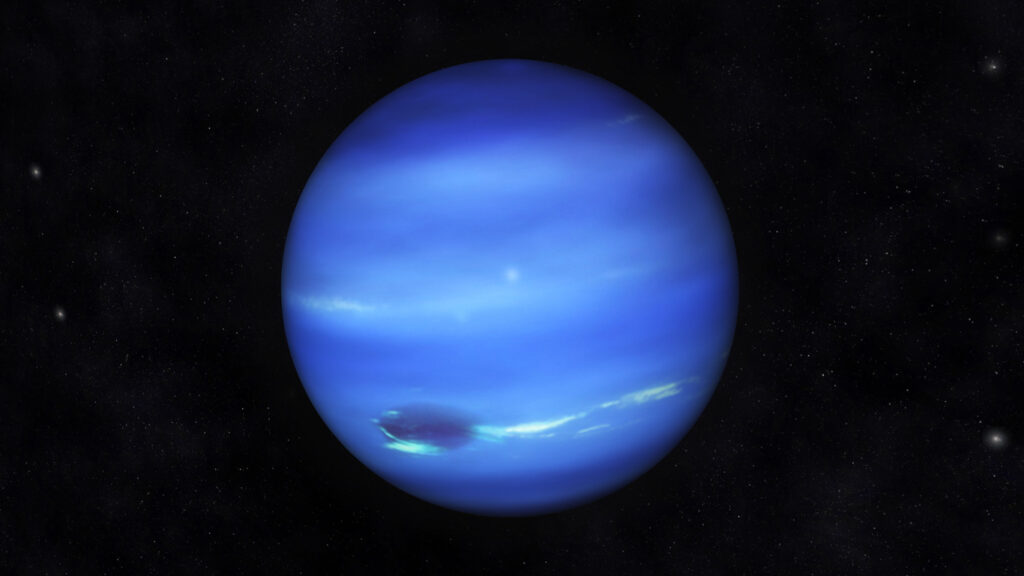
Neptune is thought to be the youngest of the big eight, forming just after Uranus and completing the solar system’s current layout. Like its icy sibling, it came together from the cold outer reaches of the solar system. Even though it’s far out, Neptune’s gravitational pull plays a big role in shaping the orbits of distant objects, like the mysterious Kuiper Belt. So while it’s slightly younger than Jupiter, it still packs a punch.
So in summary…
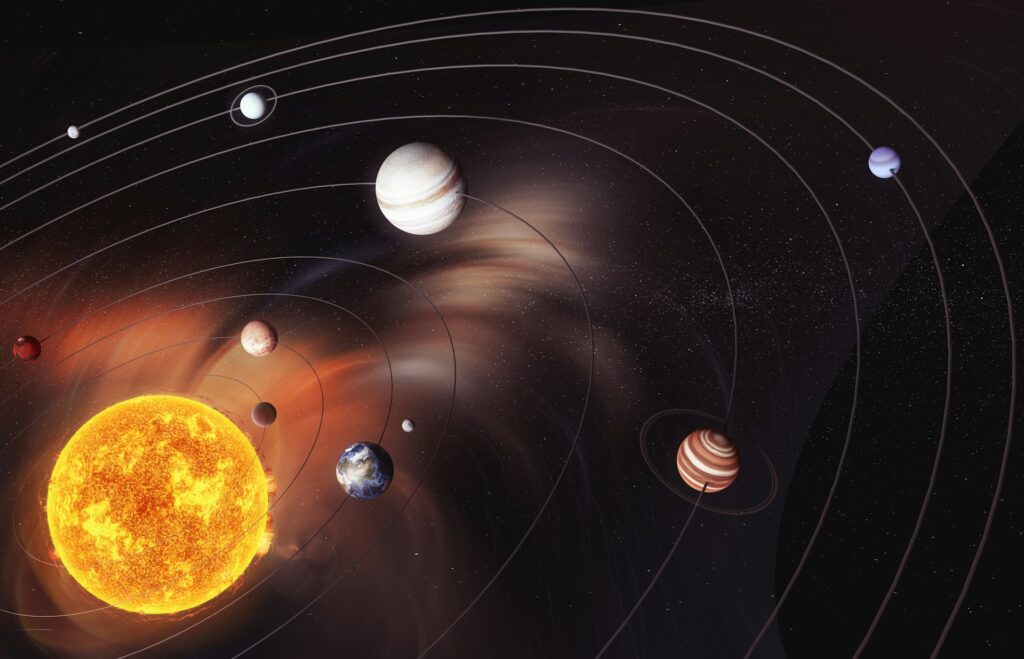
Most of the planets are between 4.5 and 4.56 billion years old, with Jupiter likely being the oldest and Neptune the most recently formed. The differences might only span tens of millions of years, but in astronomical terms, that’s enough time for entire planets to rise, cool, and collide.