With their shimmering wings and fast, darting movements, dragonflies might seem like magical summer visitors.
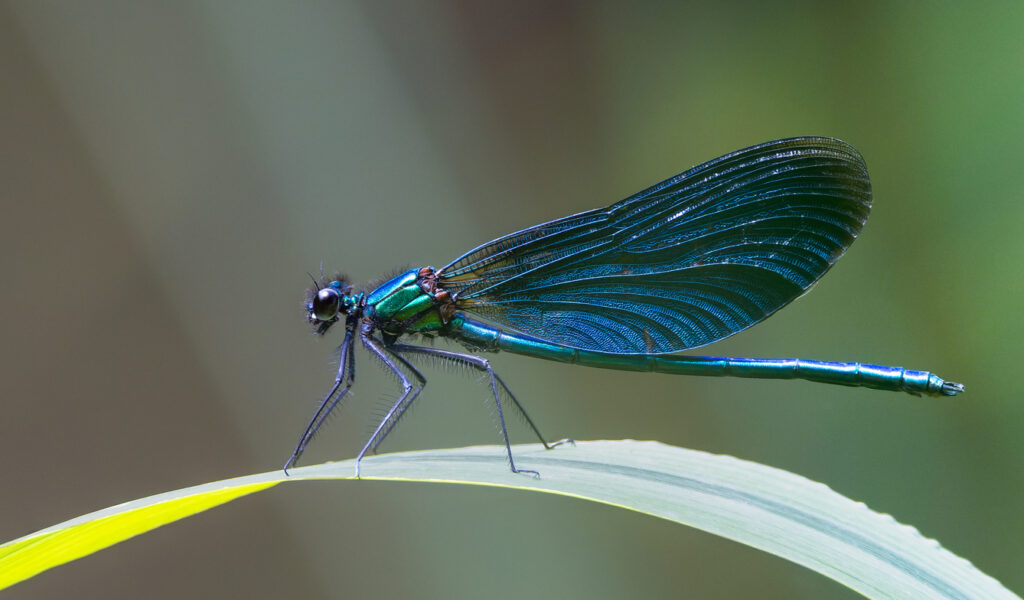
But behind the elegance is a life cycle that’s surprisingly intense, predatory, and perfectly adapted to life in and around water. From the murky bottom of a pond to the height of a garden chase, UK dragonflies go through some of the most dramatic transformations in the insect world. Here’s how they grow, hunt, and eventually take to the skies, with a level of skill that rivals any flying predator.
It all starts underwater, often for years.
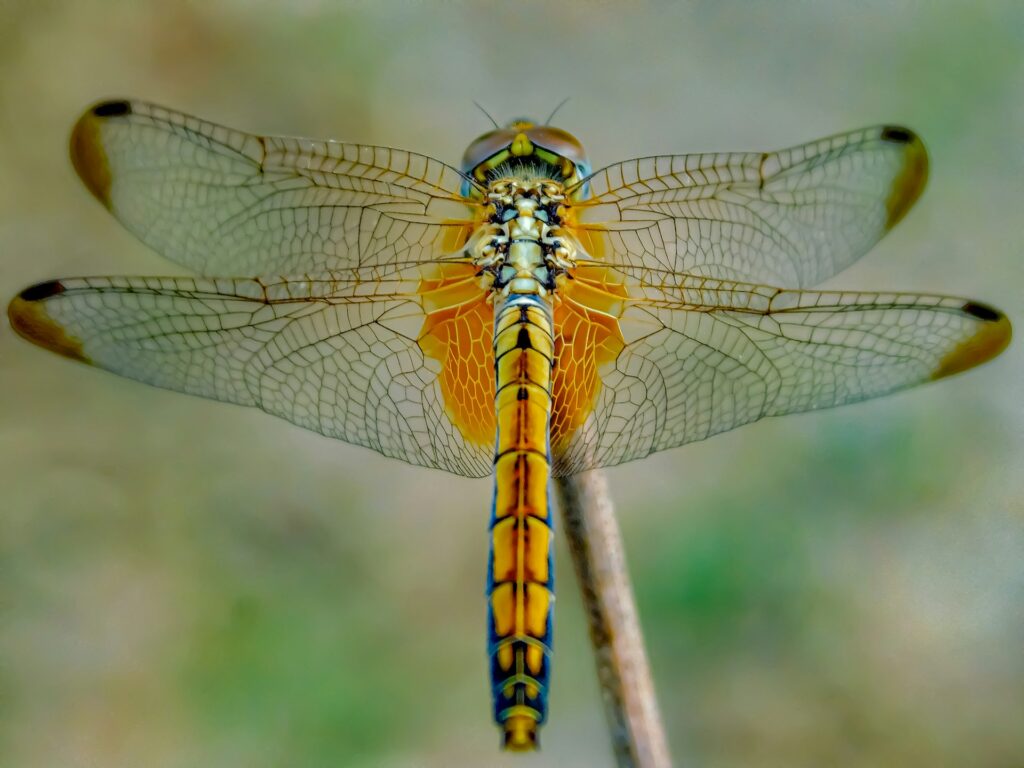
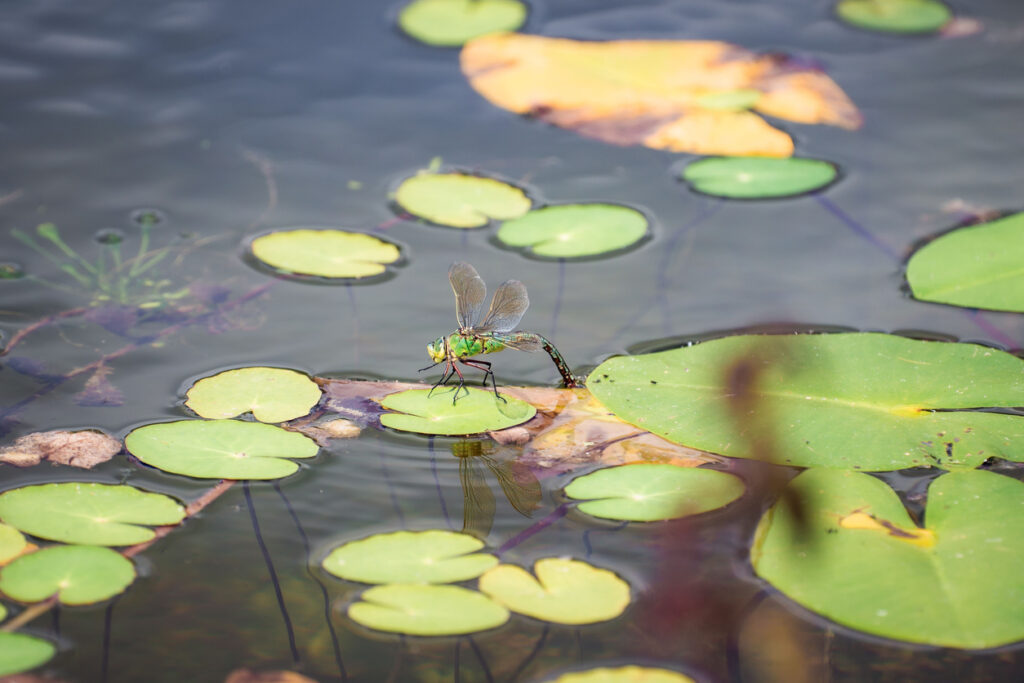
Dragonflies begin life not in the air, but in water. After mating, females lay eggs on or just below the surface of ponds, lakes, or slow-moving rivers. These eggs hatch into nymphs: stubby, alien-looking larvae that bear almost no resemblance to the adult dragonflies we’re used to seeing.
Some species spend up to three years in this stage. During that time, they live and hunt entirely underwater, moulting multiple times as they grow. It’s a slow, hidden process that few people witness, but it lays the groundwork for everything that comes next.
Dragonfly nymphs are ruthless underwater predators.
These nymphs aren’t just hanging around waiting to grow. They’re active hunters. Armed with extendable jaws that shoot out like a spring-loaded trap, they can snatch tadpoles, mosquito larvae, and even small fish.
It’s a miniature horror show that plays out in silence beneath the surface. They lie in wait, camouflaged in weeds or silt, before striking with lightning speed. This phase is essential: it’s where they develop the strength and coordination they’ll eventually use in the air.
Their final moult is an incredible transformation.
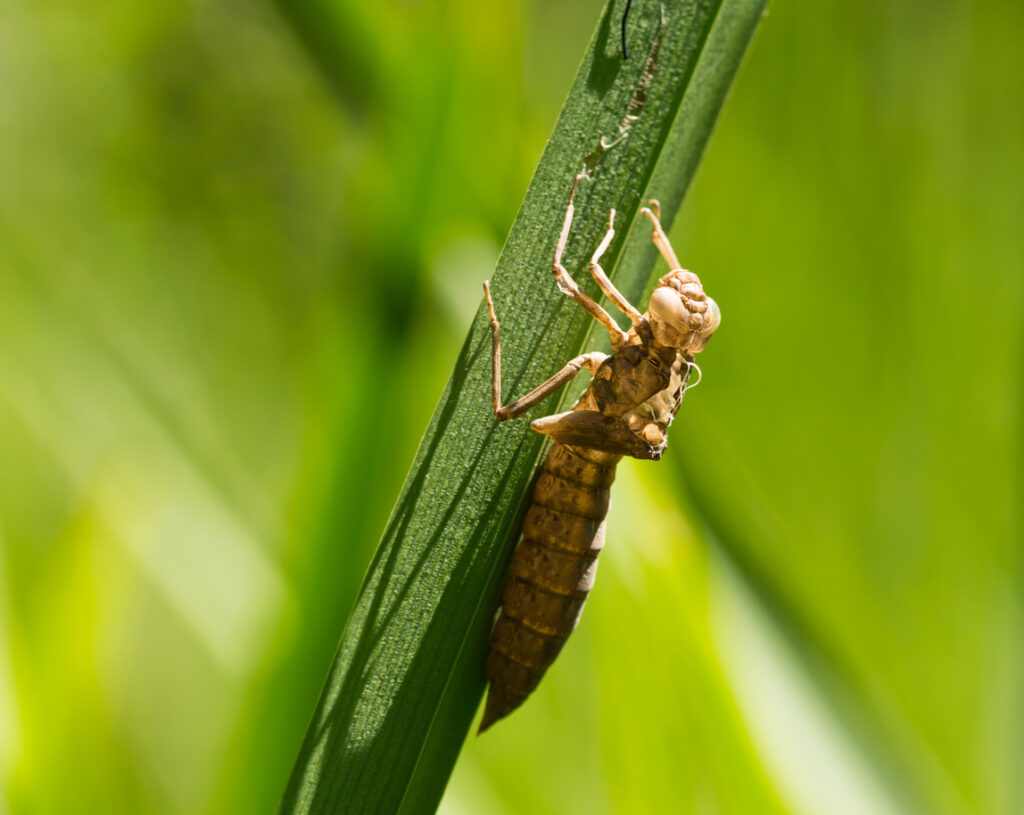
When the time is right, usually in late spring or early summer, the nymph climbs up a plant stem or reed. It clings in place, and over the next few hours, something extraordinary happens: its back splits open, and the adult dragonfly begins to emerge.
This moment is fragile. Wings unfurl, fluid fills the body, and the soft new insect hardens in the open air. It can take hours, and if interrupted by a predator or strong wind, the dragonfly may not survive. But if successful, it takes its first flight soon after.
They become expert flyers almost immediately.
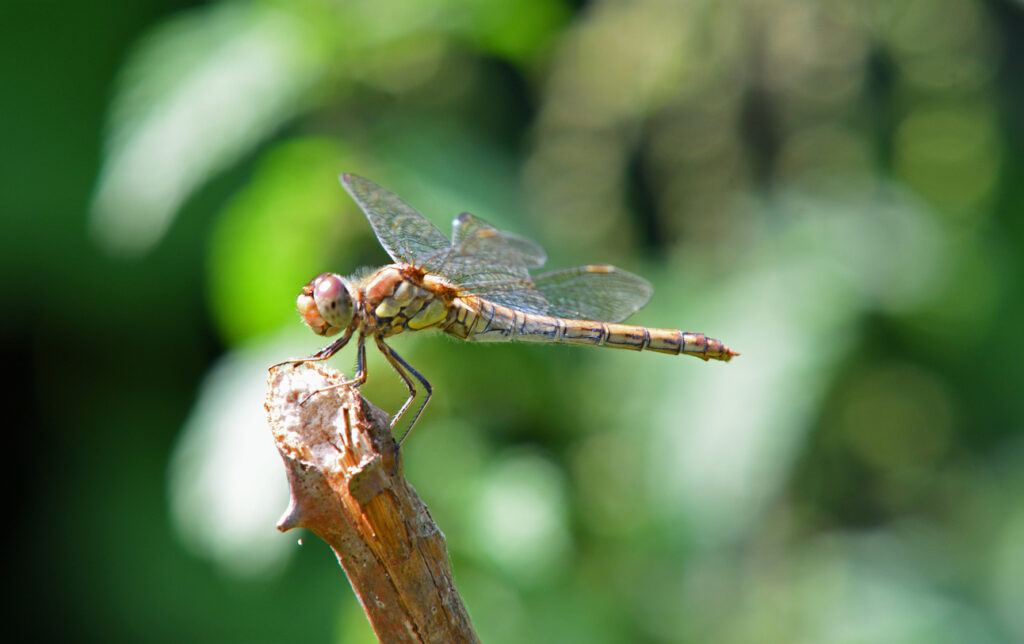
Dragonflies are among the most skilled flyers in the insect world. With two pairs of wings that move independently, they can hover, dart, loop, and even fly backwards. Within days of emerging, they’re already in full control of their aerial abilities. In fact, they rarely rest for long. Once they’ve taken to the skies, their mission changes entirely: find food, find mates, and avoid becoming a meal themselves. It’s a high-speed life built for precision and agility.
Dragonflies are aerial hunters with perfect aim.
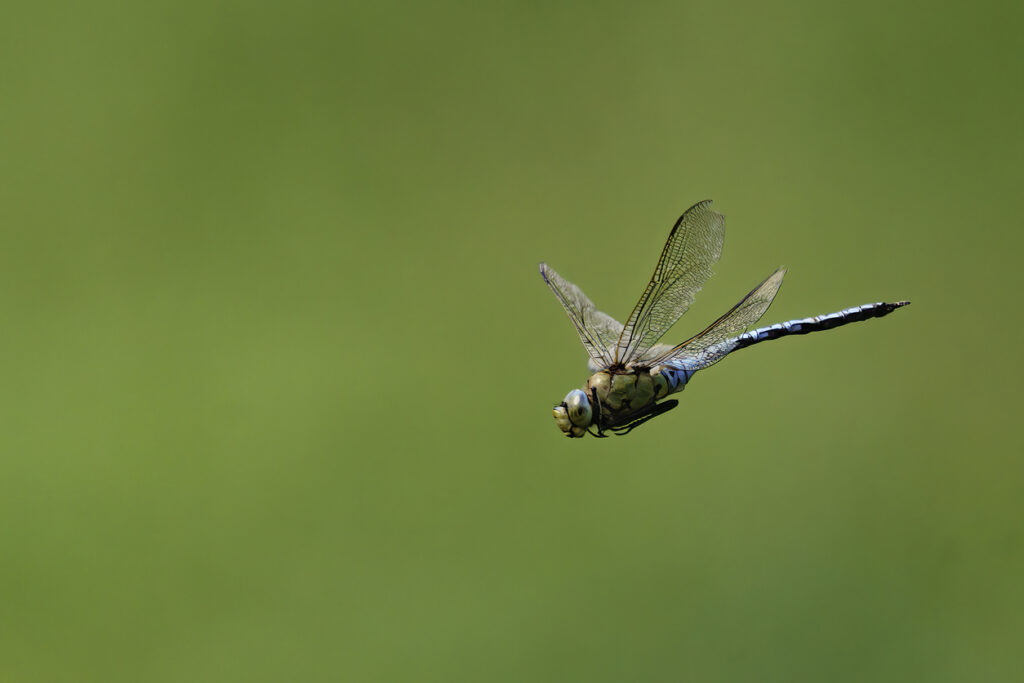
Adult dragonflies are no less deadly than their younger selves. Their compound eyes give them nearly 360-degree vision, and they can track moving targets with astonishing accuracy. Once a prey item, often a fly, midge, or mosquito, is locked in, the chase begins. They catch their prey mid-flight using their legs, which form a kind of basket. Then they eat on the wing, tearing apart the insect as they soar. It’s clean, fast, and efficient: a predator’s toolkit refined over millions of years.
Their eyesight is one of the best in the insect world.
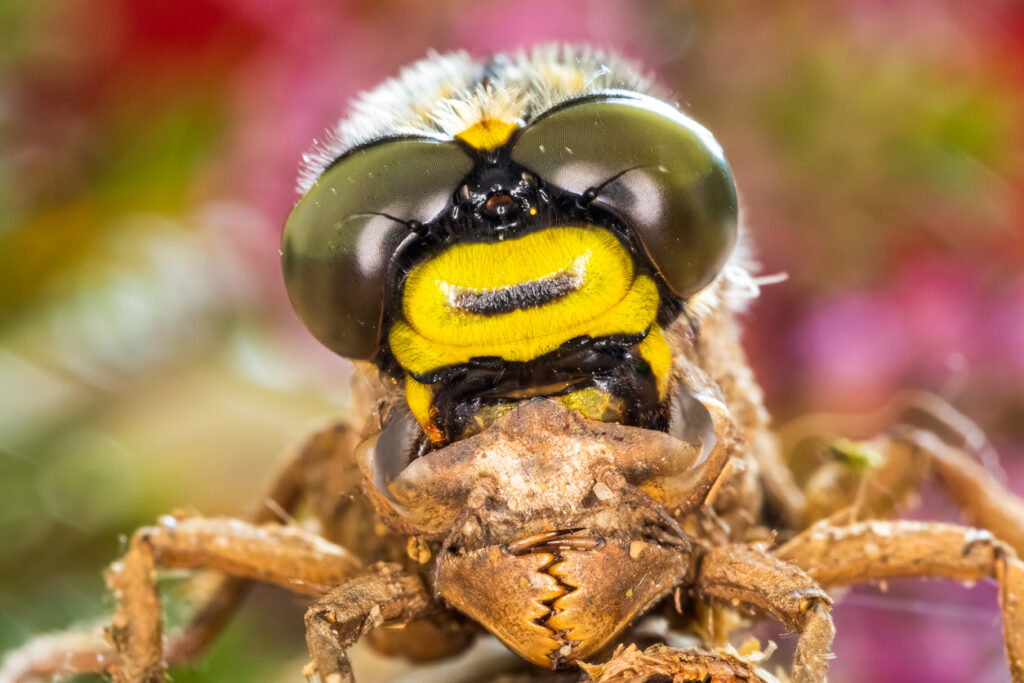
Each of a dragonfly’s compound eyes contains up to 30,000 tiny lenses. That allows them to detect even the smallest movement, respond to changes in light, and track fast-moving prey across long distances. This visual system also helps them avoid collisions and navigate complex environments like dense reeds or woodland edges. If you’ve ever watched a dragonfly zigzag without hitting a single leaf, this is why. They’re not just fast, they’re precise.
Mating is a strange and acrobatic event.
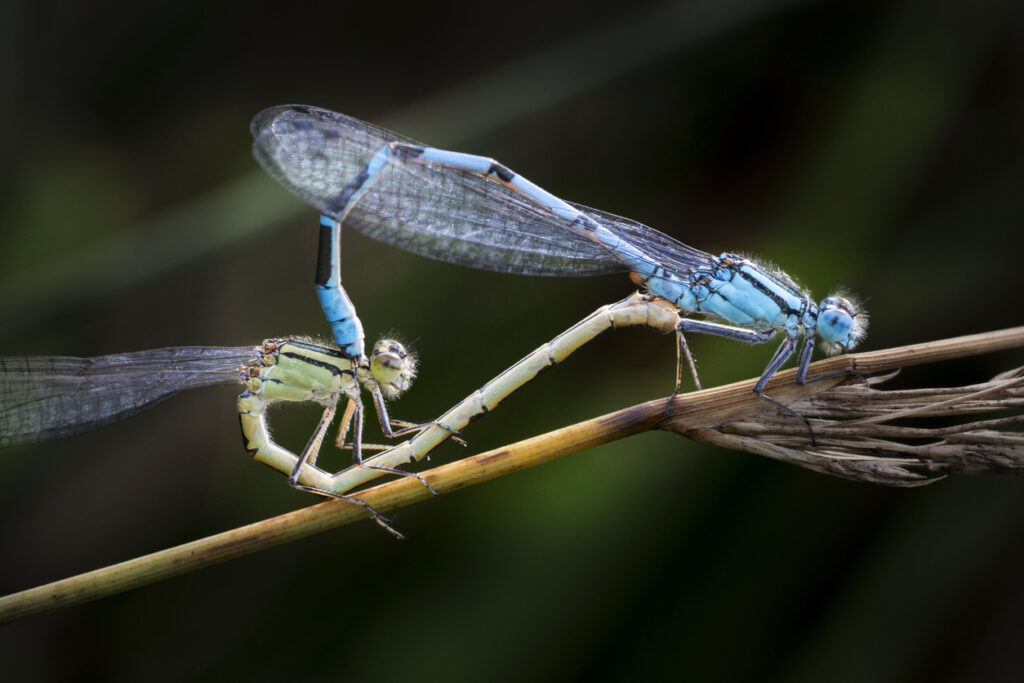
Dragonfly courtship is a spectacle in itself. Males often patrol territories aggressively, chasing off rivals and displaying to females. When a female is receptive, the male grabs her behind the head with claspers at the tip of his abdomen.
Then comes the “heart-shaped wheel” formation, where the female curls her abdomen forward to pick up sperm from the male. It looks like an aerial yoga move, but it’s all business. After mating, many females lay eggs immediately, either by dipping into water or slicing into vegetation.
Different species prefer different habitats.
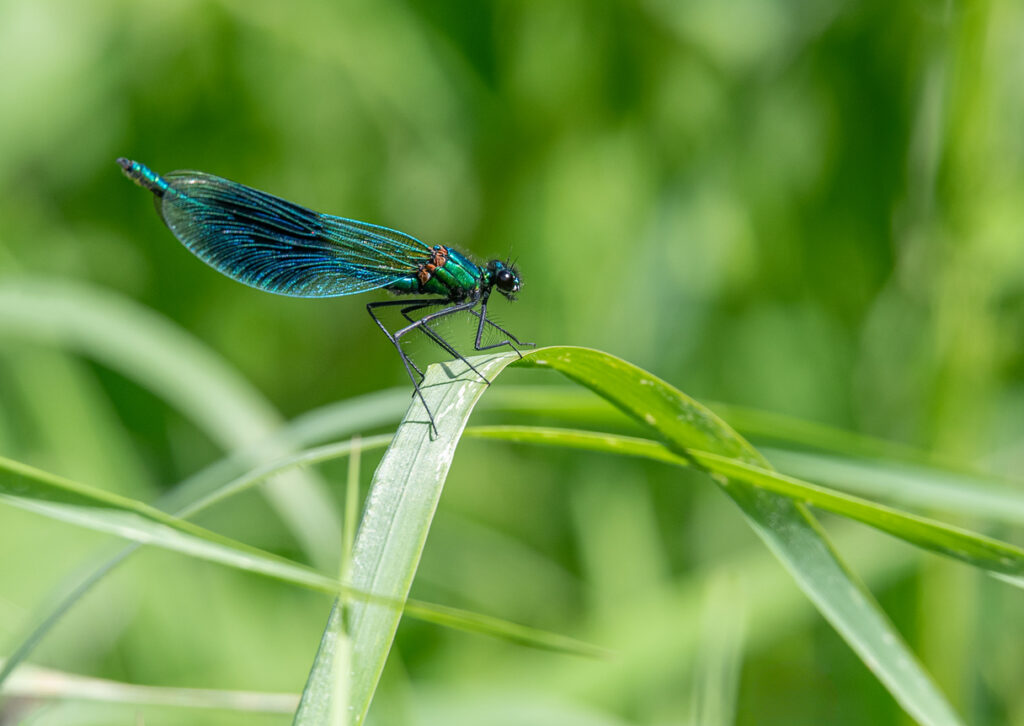
Not all dragonflies are the same; some prefer large lakes, while others choose small ponds or slow-flowing streams. Habitat plays a big role in what species you’re likely to see in any given location across the UK. The golden-ringed dragonfly, for example, loves acidic moorland streams, while the broad-bodied chaser is often found in sunny garden ponds. If you know your local water types, you can often predict which dragonflies will show up in summer.
Males often defend small patches of water.
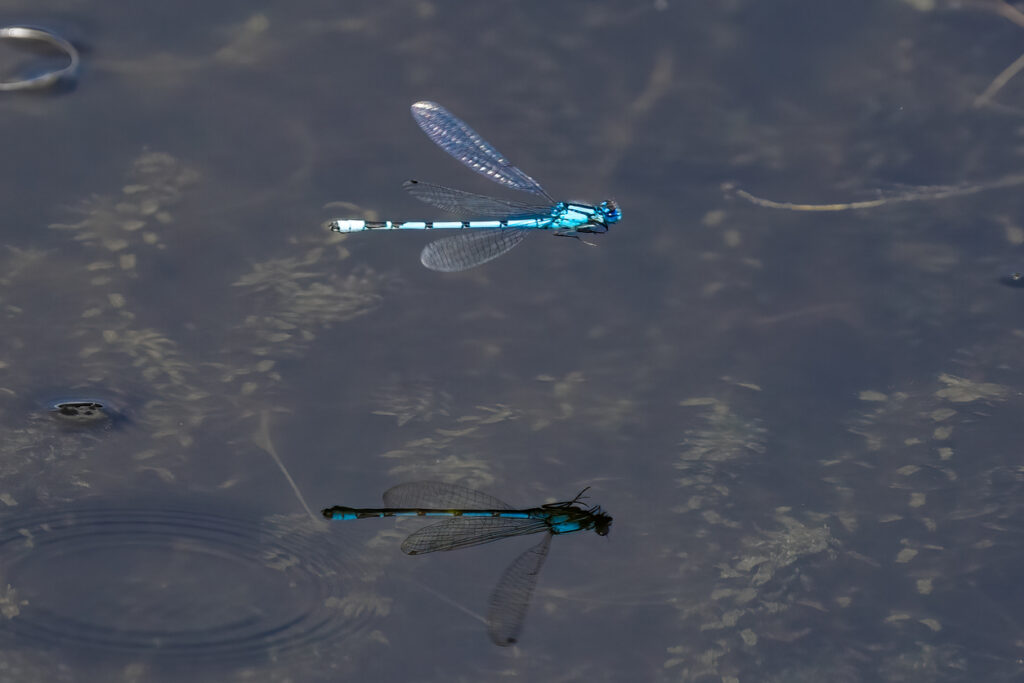
Male dragonflies are territorial. They’ll pick a stretch of pond or riverbank and patrol it fiercely, chasing away other males and waiting for females to appear. These mini air battles can be constant on sunny days. Watching two dragonflies spar over a bit of bank is a brilliant way to see their agility up close. It’s also a reminder that their short adult lives, sometimes just a few weeks, are packed with urgency and competition.
They’re sensitive to pollution and water quality.
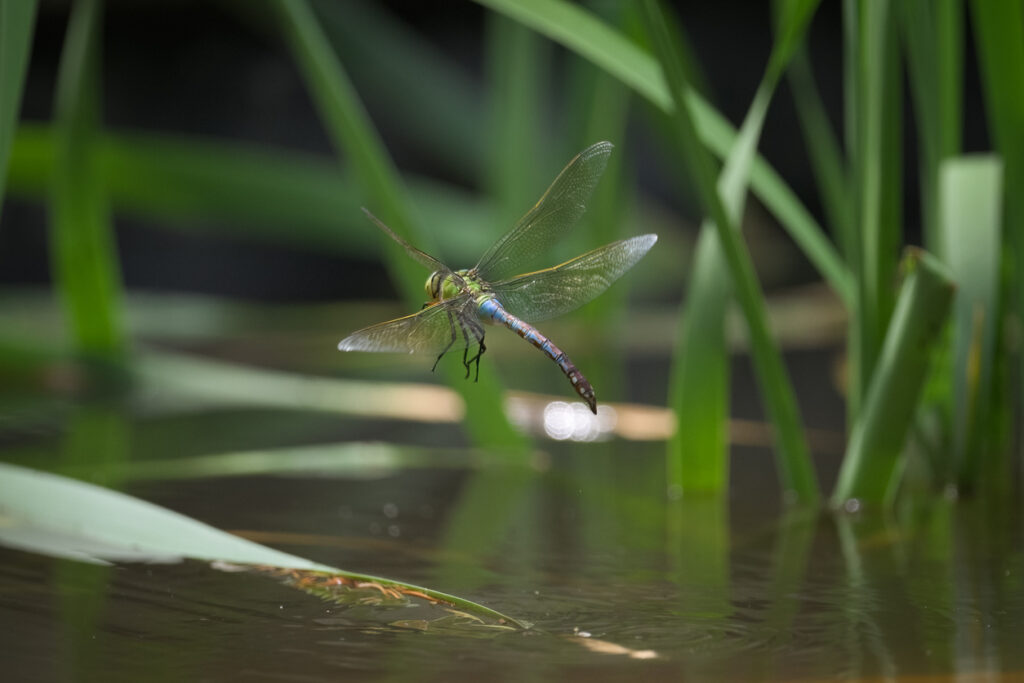
Dragonflies depend on clean, healthy freshwater to breed. Their eggs and nymphs can’t survive in polluted or oxygen-deprived water, which makes them excellent bioindicators of ecosystem health. If dragonflies disappear from an area, it’s often one of the first warning signs that something’s gone wrong with the local water. That makes their presence in your garden pond or nature reserve something to celebrate, and protect.
You’ll often see them basking on warm surfaces.
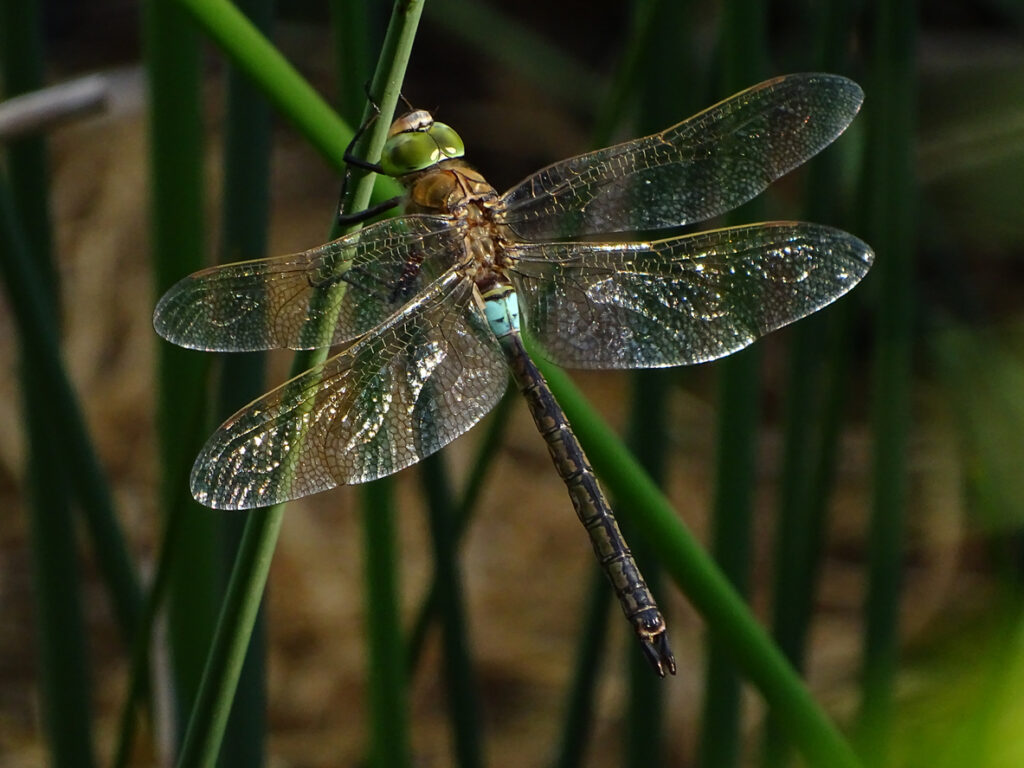
Dragonflies are cold-blooded, so they rely on the sun to warm up their flight muscles. You’ll often spot them perched on flat rocks, wooden posts, or even the tops of plant stems soaking up heat. These moments are your best chance for a good look. While flying dragonflies rarely stay still, basking ones will often sit long enough for you to admire their intricate patterns and metallic colouring, especially in early morning light.
They’re not aggressive to humans, at all.

Despite their speed and fierce looks, dragonflies pose no threat to people. They don’t sting, bite, or spread disease, and they’re far more interested in other insects than in bothering you. In fact, they’re some of the most helpful visitors you could have around. By keeping populations of gnats, midges, and mosquitoes in check, they act as natural pest control with no side effects.
The UK has over 30 species of dragonfly.

Across the UK, you can spot around 36 species of true dragonflies (not including damselflies, which are closely related but smaller and more delicate). Some are widespread, while others are rare and highly localised. If you’re into wildlife watching, learning a few of the more common species, like the emperor, southern hawker, and four-spotted chaser, can make your pond visits much more exciting. There’s a lot more variety than most people realise.
Their lifecycle ties land and water together.
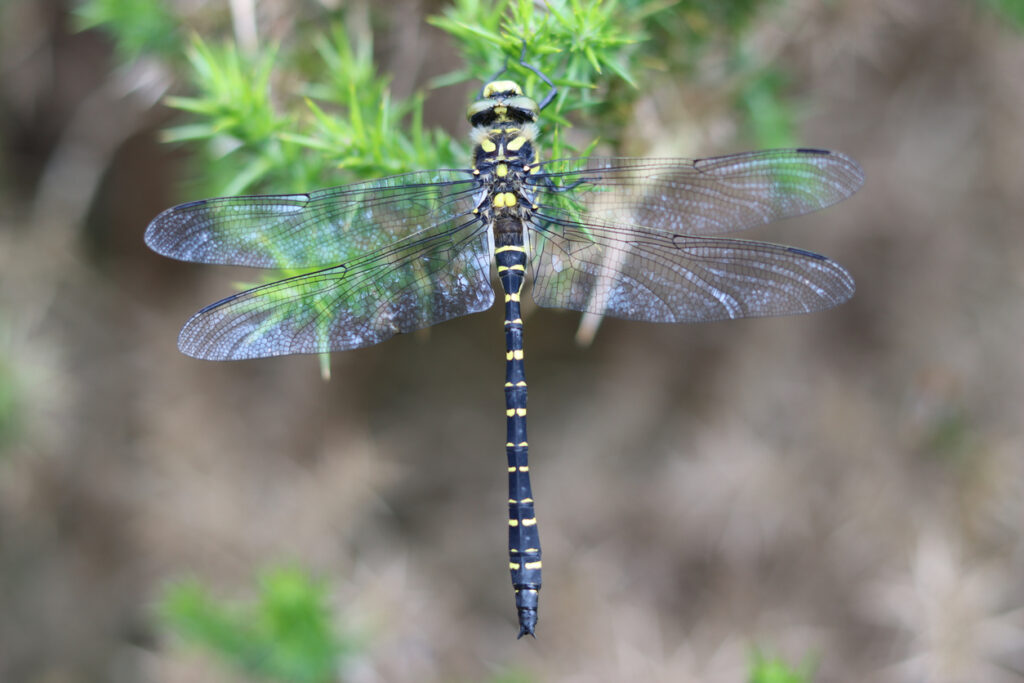
Dragonflies are a bridge between two worlds. They spend most of their lives underwater, hidden and unnoticed, before emerging to dominate the air. That change connects the aquatic ecosystem with the terrestrial one in a way few animals do. Protecting dragonflies means protecting both habitats. Whether it’s keeping garden ponds chemical-free or supporting wetland conservation, even small actions can make a big difference for these brilliant, ancient flyers.